The trend of anti-aging, which favors a face that looks younger than one’s actual age or average age group,
has become socially prominent, and due to this shift in tendencies,
an aged-looking appearance is often perceived negatively,
while a youthful image is regarded as positive and as a standard of beauty.
This is because, in today’s era of a 100-year lifespan, even 120 years,
that is, the super-aged society,
people are paying attention to the well-aging trend from their 30s,
when aging begins, and many are studying related fields
so they can age in a healthy and happy way.
To do that, it also means paying attention to your current health condition
and whether or not you have any illnesses.
In addition, along with these changes in the times,
the fact that looking even a year younger is much better is true,
so while taking an interest in physical health,
it is also important to check the visible aspects of appearance
and manage them diligently.
Among those factors, a beautiful, stylish, or charming and distinctive hairstyle,
along with abundant hair volume,
is something all women across every age group desire
and at times even envy.
If you take good care of and maintain your hairstyle,
it not only serves as an appearance-related element,
but also plays a very important role in changing your impression,
image, and even atmosphere,
which is why it is all the more necessary to carefully care for the health of both hair and scalp.
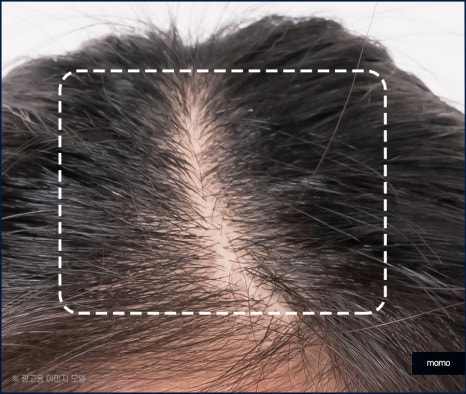

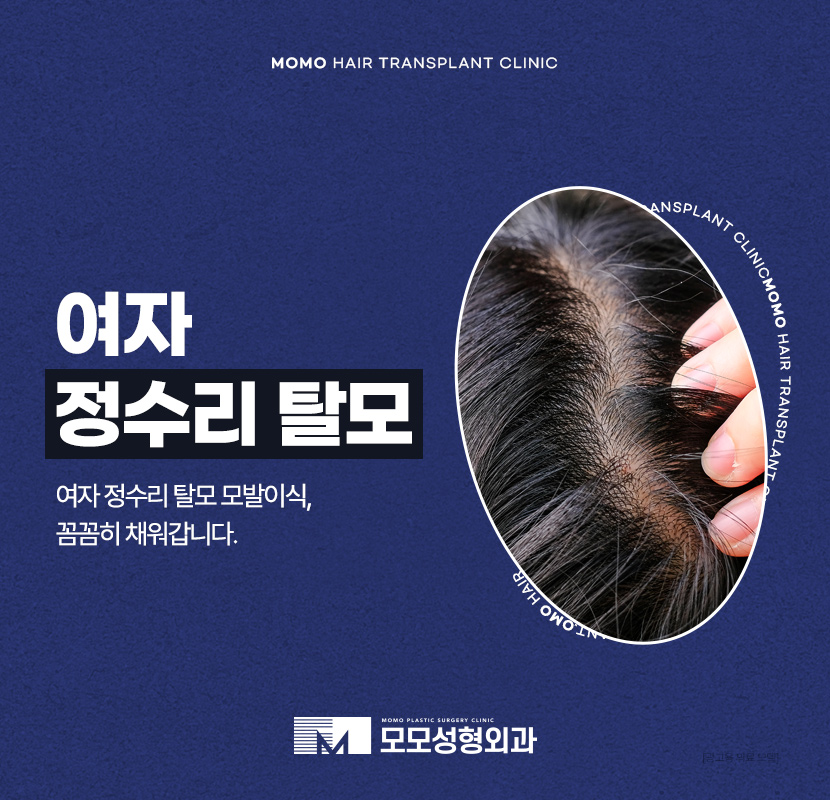
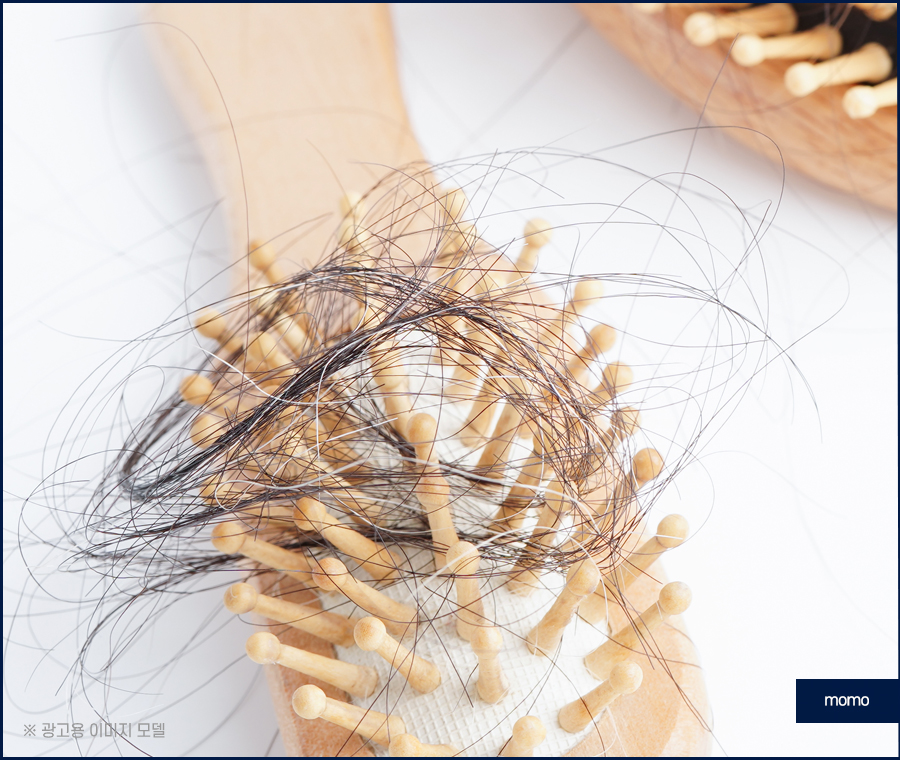
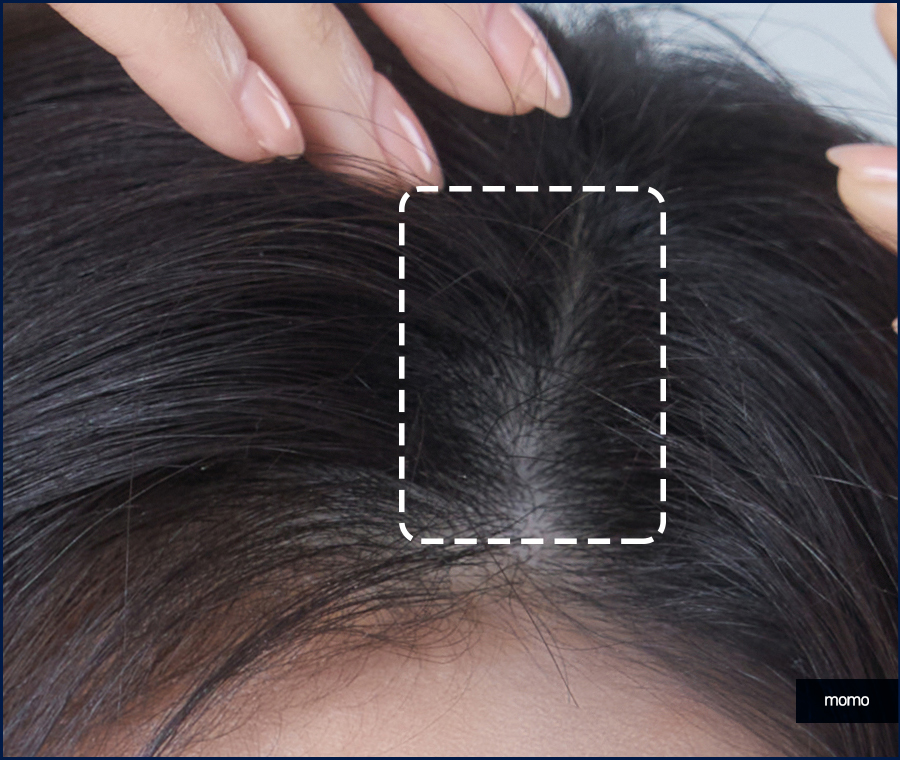
However, if the hair at the crown area in particular is losing strength and becoming thinner,
or if a large amount is falling out, this can become an indescribable source of worry.
When such a problem occurs, it can act as an obstacle to styling hair in various ways,
and furthermore, it can lower confidence in one’s appearance and increase the sense of complex and stress felt in daily life,
including social interactions and relationships.
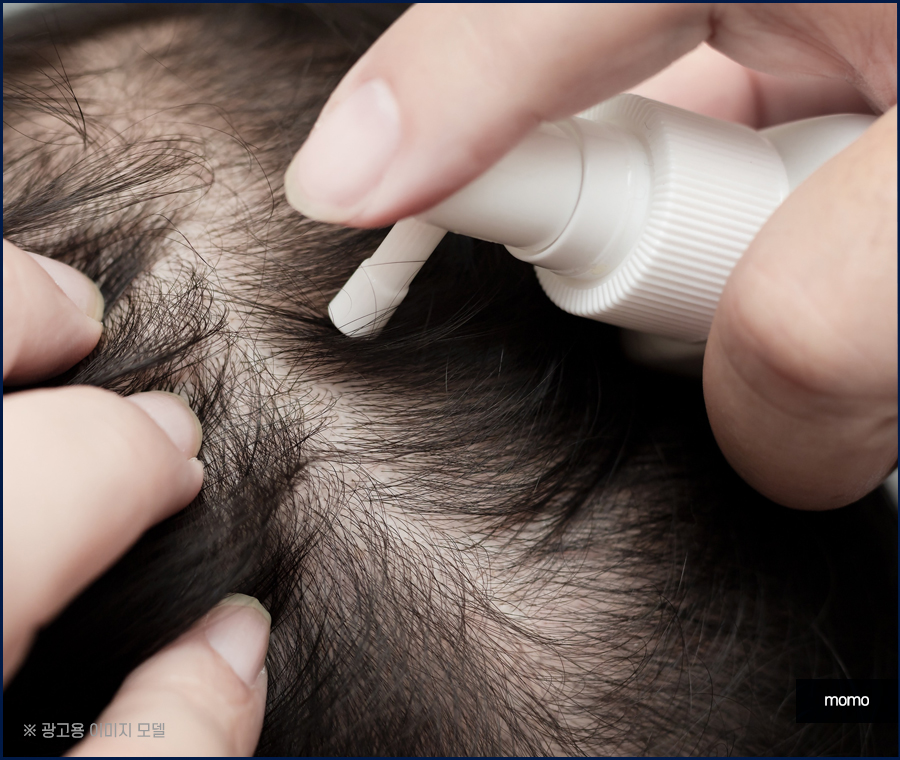
Because of this, many women try hard to overcome such symptoms by using methods they have researched on their own,
investing a lot of time, money, and effort,
but the limited effectiveness they were able to achieve compared with all that effort left them feeling immensely discouraged.
As a result, the number of women who, after going through countless trial and error, ultimately visit a professional clinic
and seek consultations about medical solutions such as female crown hair transplant has increased significantly.
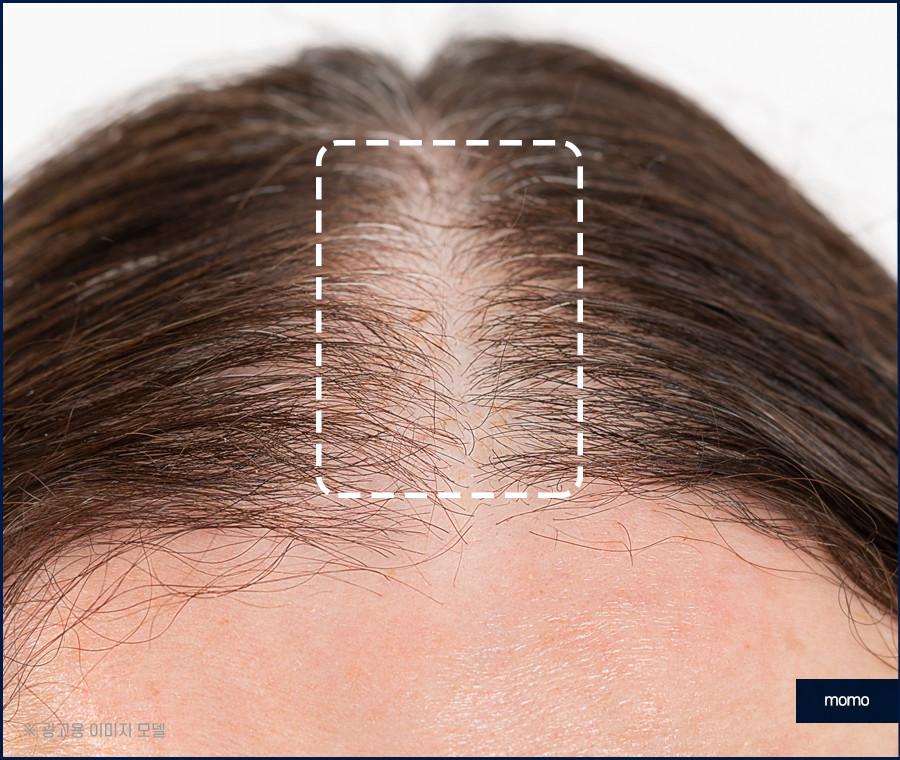
If hair loss symptoms occur in this area, certain limitations will inevitably come with them,
causing stress.
Especially for women, rather than men, those limitations tend to have an even greater impact,
making the distress more pronounced.
In the early stage of this type, hair often falls out from the part line,
and as it expands further, it moves to the area around the part and the front hairline.
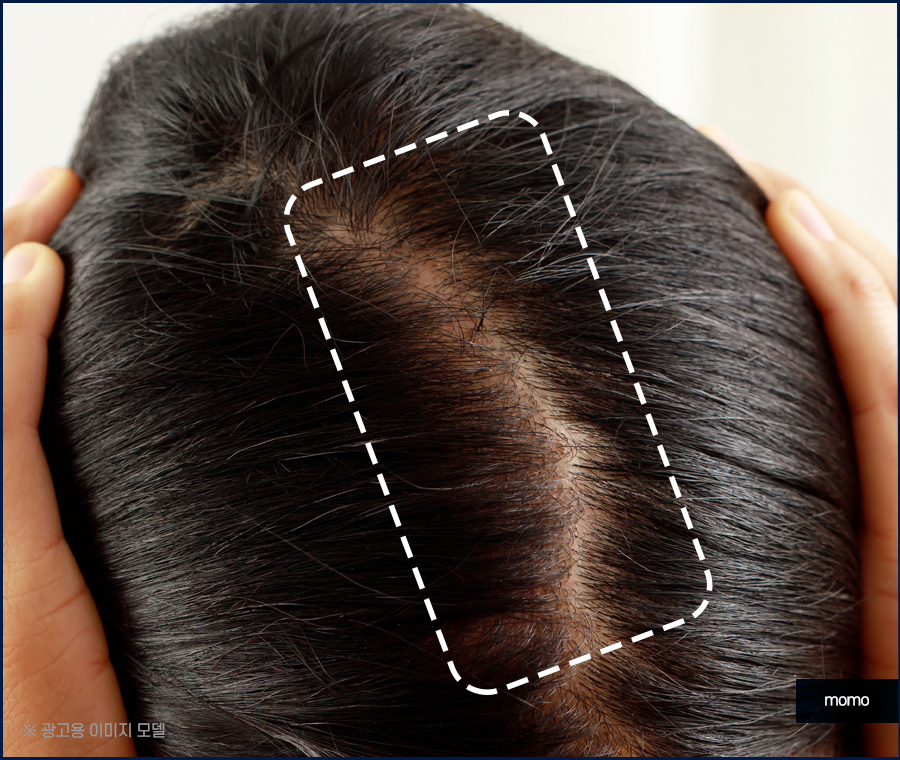
As time passes, it can spread to a broad area at the very top,
creating a sparse, empty-looking appearance.
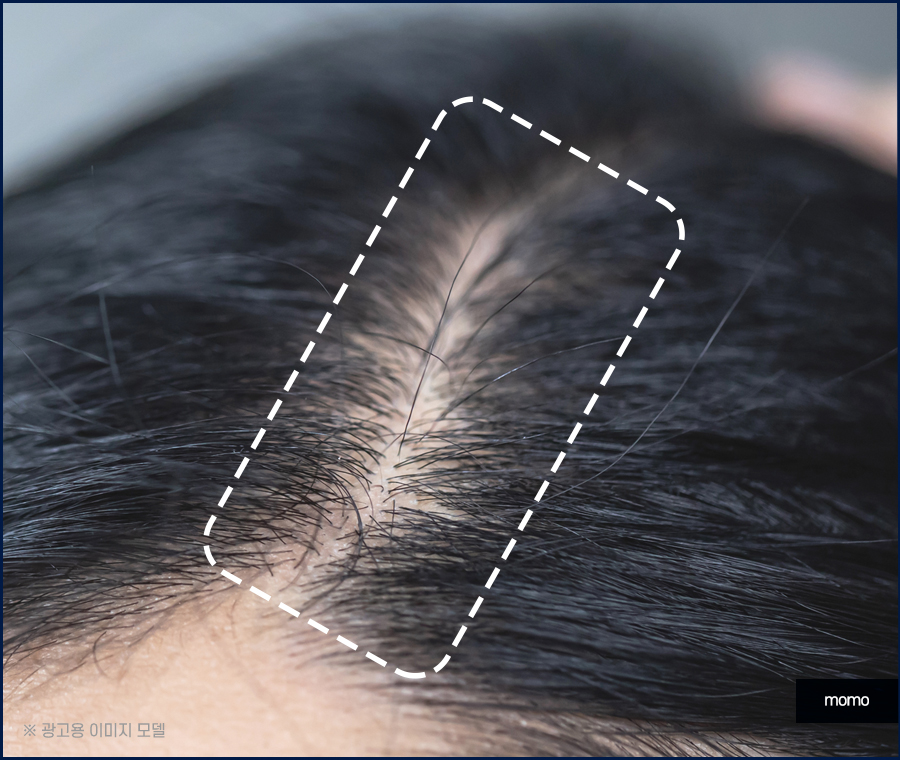
In cases where the concern is serious enough to consider a female crown hair transplant,
there are many situations in which people worry because they are very conscious of other people’s or strangers’ gazes.
Also, because it is difficult to conceal the top of the head with makeup,
wearing a wig or hat can become common.
Since a sparse-looking area in this region becomes a serious complex regardless of gender,
if you are considering undergoing the procedure or are about to pursue a solution,
it is necessary to understand it in concrete and detailed terms before putting it into action.
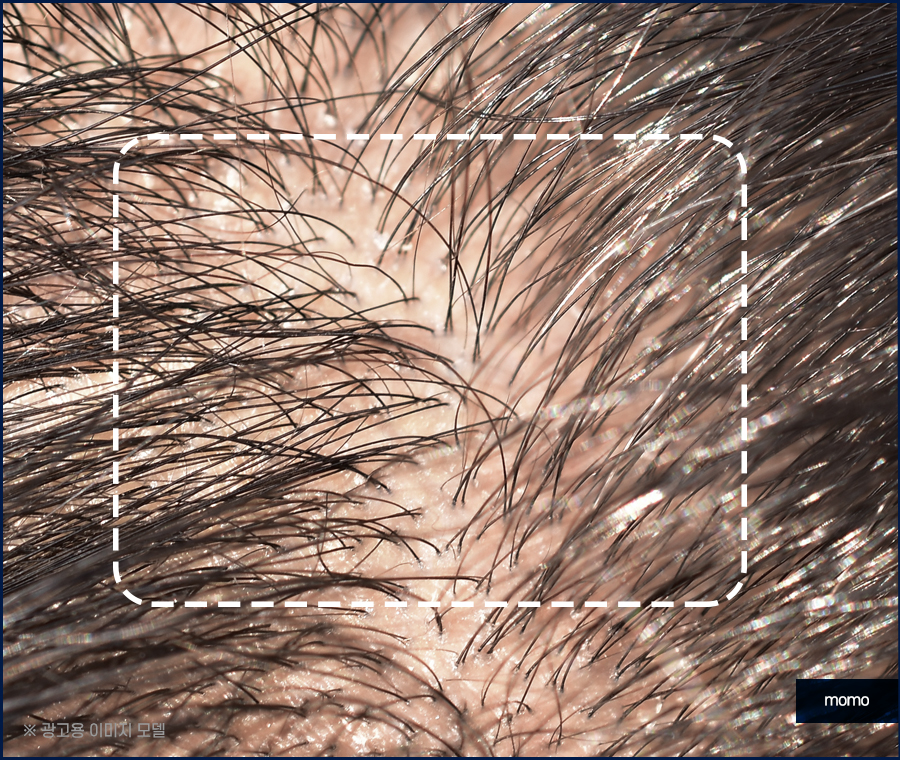
To achieve a more satisfying result from a female crown hair transplant,
first, a personal design plan that best suits the individual must be carefully and thoroughly established.
This is because the procedure needs to restore the reduced hair volume caused by the symptoms,
bringing back a rich and natural hairstyle by three-dimensionally enhancing the lacking volume.
Therefore, it is important to design the result by examining the person from multiple angles—
the shape of the head, face shape, the proportions of the features,
and the front and side views—so it harmonizes with the person’s unique image.
The shape around the hairline and part must also be delicately planned together,
so that the final result can look natural and not obvious.
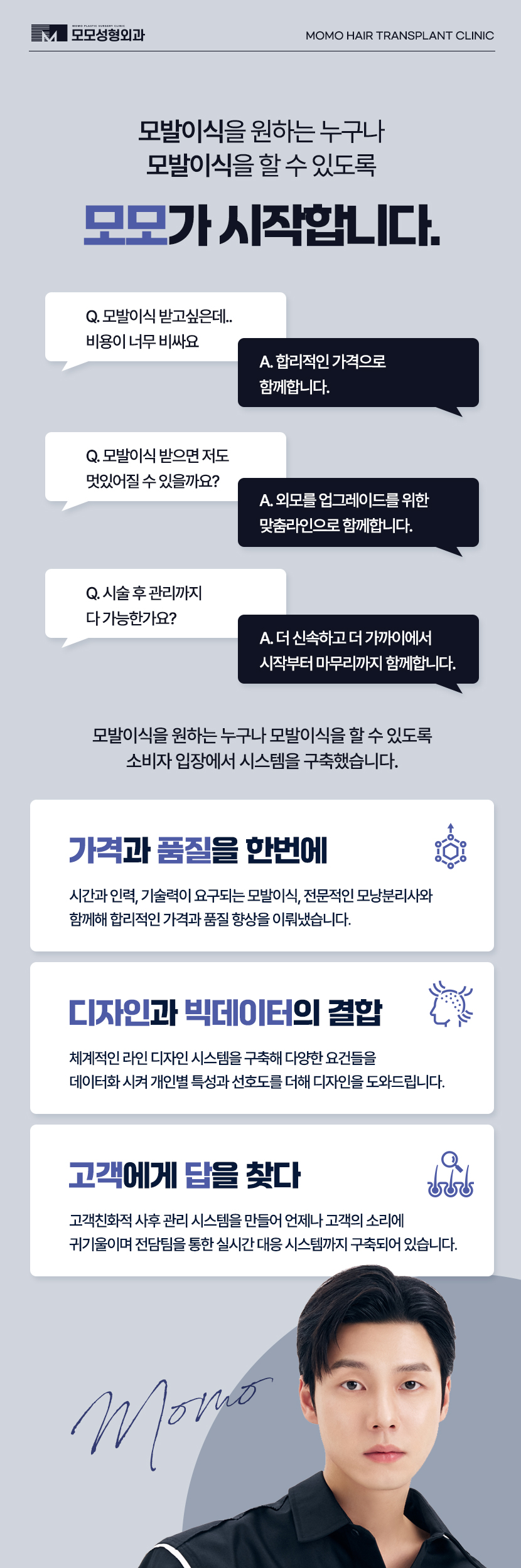
In addition, the key point of female crown hair transplant is that the process of creating a personalized design should carefully identify all the basic characteristics of the existing hair,
such as the growth direction, thickness, length, density, and distribution of fine baby hairs,
and use this information to create a customized design for each individual.
Also, if there is a particular image you want and are pursuing during this process,
it is advisable to actively communicate your opinions to the doctor
so that the design can be realized in a way that harmonizes with the detailed features.
Once the personal design plan for this solution has been completed,
the direction of the procedure may vary depending on the extraction method.
It is broadly divided into incision and non-incision methods,
and because the condition and type of symptoms, the state and characteristics of the scalp and hair,
and the amount of grafts needed differ from person to person,
the appropriate method can also vary.
Therefore, through detailed consultation and diagnosis with the doctor,
a suitable method for the individual must be selected.

And because female crown hair transplant is a difficult, high-level solution that must be performed with even greater precision and detail than in men,
it is extremely important to choose the clinic and the doctor who will handle it with great care.
It is advisable to carefully review the medical team’s background and the experiential data from various related cases,
and it is essential to check whether they have a high level of knowledge and understanding,
along with an aesthetic eye, analytical skills, and excellent mastery of skilled techniques that can further satisfy aesthetic elements.
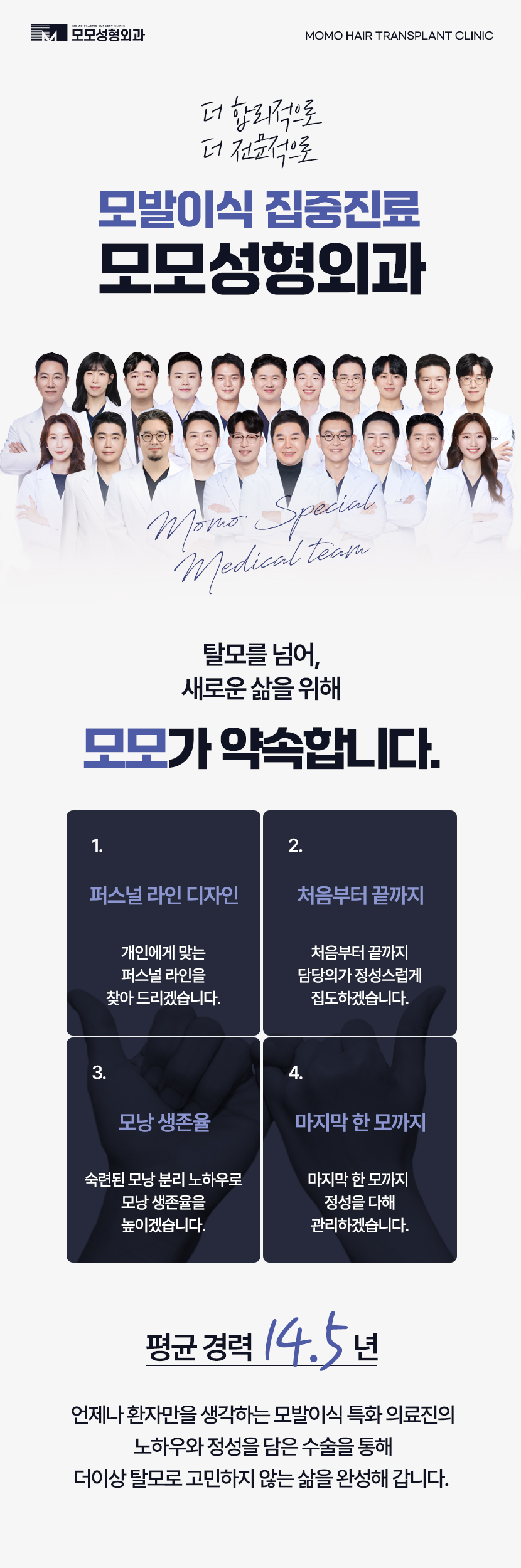
In addition, it is also good to check whether a systematic aftercare program and warranty system,
which help maintain a stable graft survival rate,
are properly applied as part of customized care.