When we are directly injured by an impact,
or if a particular part of the body hurts,
or if sudden abnormal reactions appear,
we usually visit the relevant institution
immediately, undergo an examination,
and receive appropriate treatment.
�
�
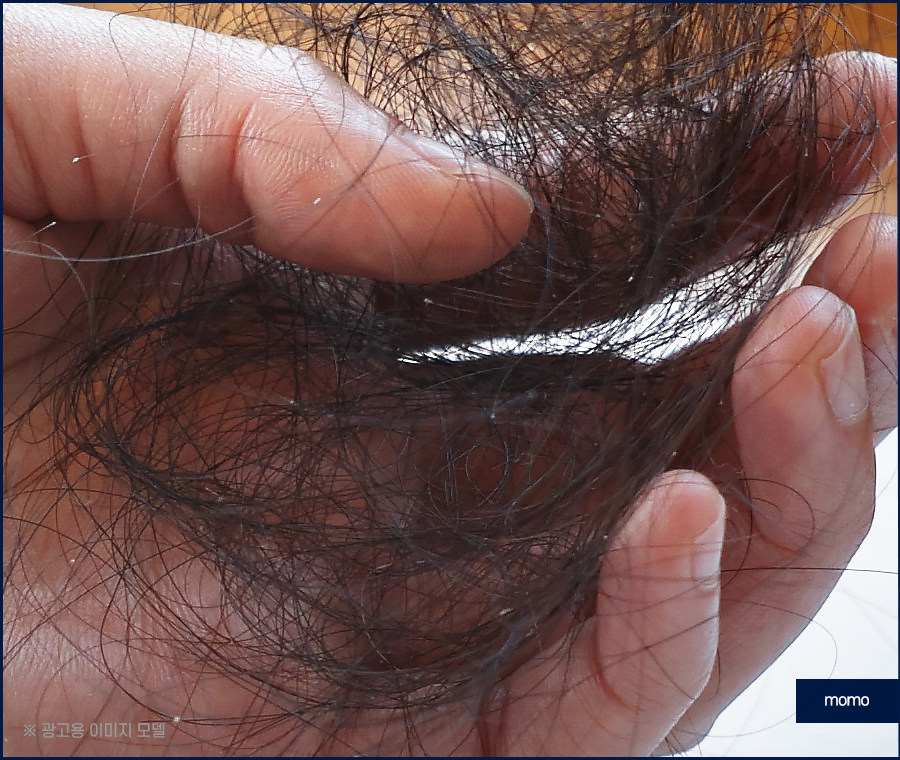
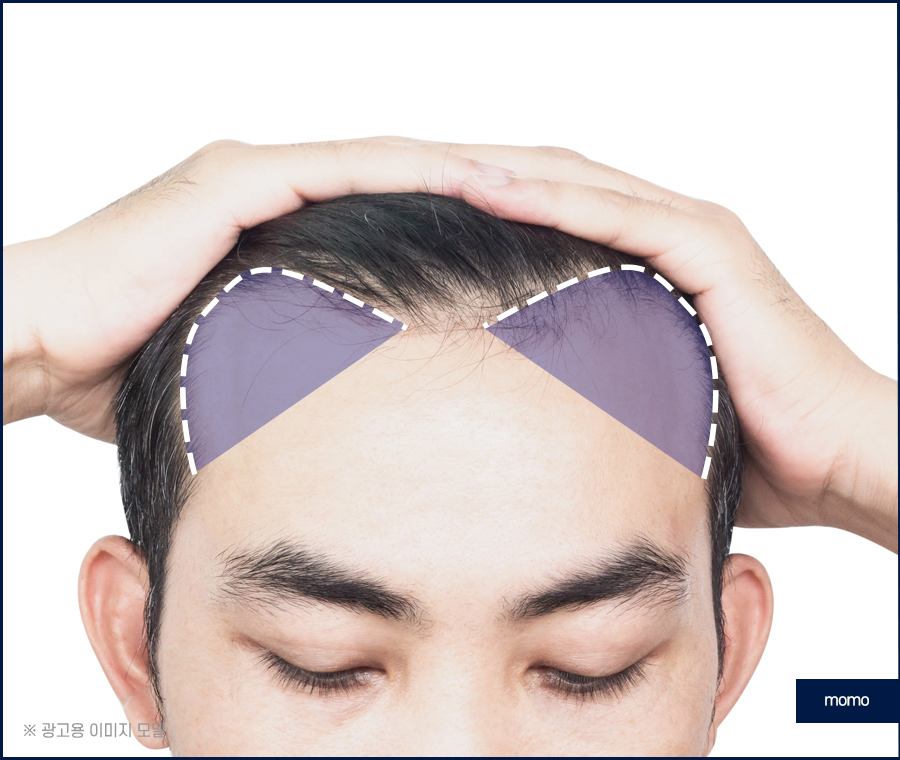
However, when hair loses strength and becomes
thinner, gradually decreasing in volume or
showing signs of shedding, most people do not
respond immediately. Instead, they think,
"It will probably get better on its own,"
and either leave it alone carelessly or, at times,
make an effort to improve it themselves based
on information and methods they have gathered
from various places.
�

�
As a result, they may come to feel that methods
such as functional shampoos, medications, and
specialized makeup are far from sufficient to
restore lost hair. Because there is no sign of
improvement, the negative changes in appearance
become more visible, increasing complexes and
stress. In severe cases, this often becomes a
major or minor obstacle to social and daily life,
including work, study, and interpersonal
relationships, and can lead to emotional issues
such as depression and anxiety, as well as a
pessimistic change in the environment.
�
�
Therefore, many people who have become weary
from countless trials and errors and who find
themselves exhausted seek to visit a relevant
clinic to receive medical help before they lose
confidence in life any further, and inquire about
related consultations and questions.
�
�
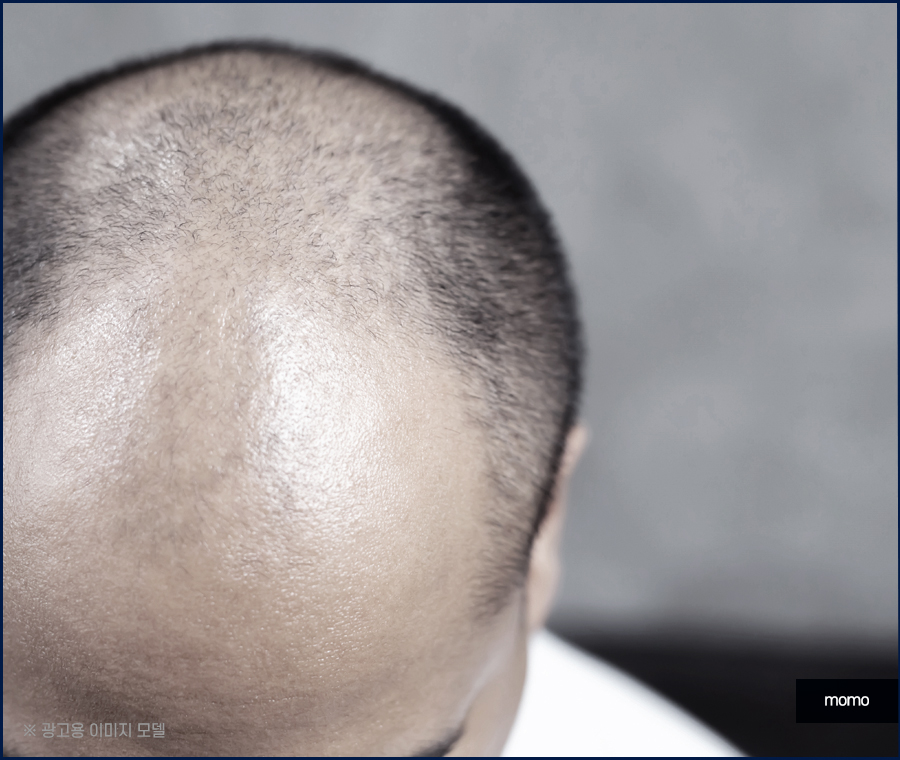
Among such people, there are also many who have
already undergone a solution in which their own
hair is harvested and transplanted. This is the
case of considering hair transplant revision
surgery.
�
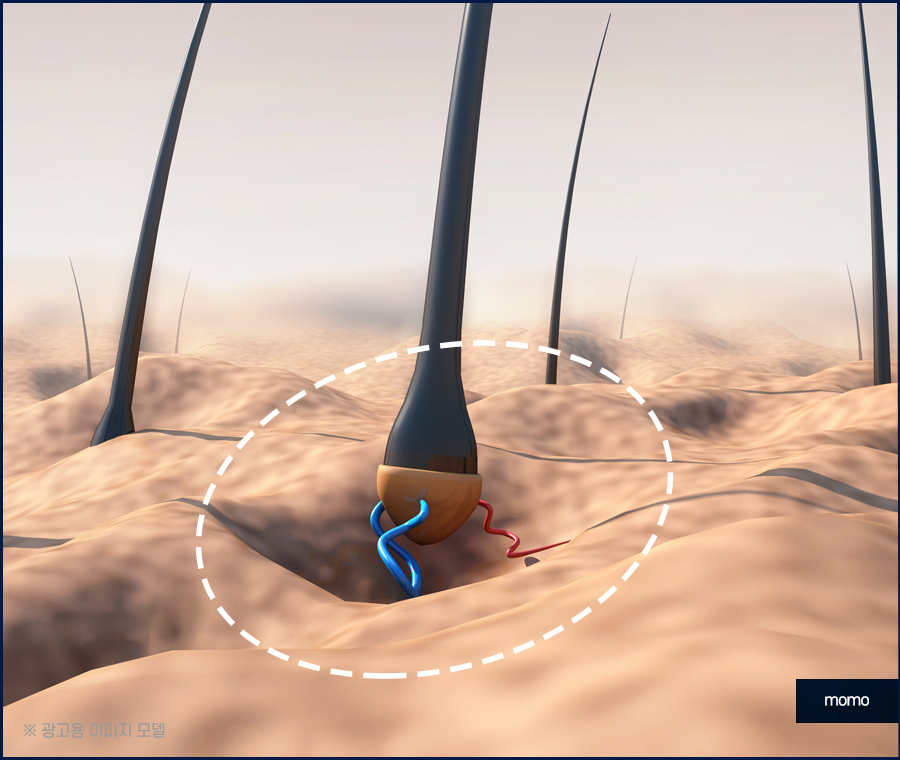
�
In particular, as the age range of people
experiencing hair loss continues to widen these
days, it means that cases requiring such a
solution are also increasing. In addition, there
has recently been growing interest in solutions
performed using the non-incision method. Because
the procedure is carried out by selectively
harvesting individual follicular units one by
one, it has the advantage of causing less pain,
leaving minimal scarring, and requiring a short
recovery period, making an immediate return to
busy daily life possible. For this reason, it can
be said to be an increasingly preferred solution.
�
�
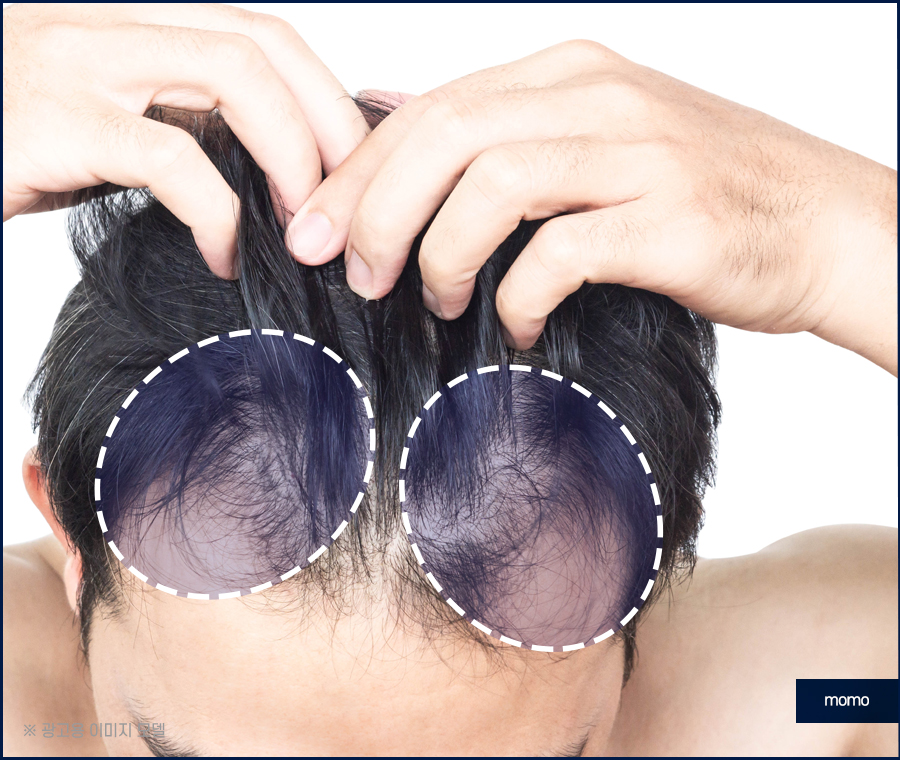
The most important point to keep in mind in order
to achieve a clear change and highly satisfying
results through this approach is the graft
survival rate. Transplanted hair must be
maintained permanently, but if skills or know-how
are lacking, the implanted follicles may fail to
settle properly. Therefore, if you are considering
or have already decided on hair transplant
revision surgery, a clear diagnosis and detailed
consultation suited to the individual are
essential requirements for steadily improving a
stable graft survival rate.
�
�
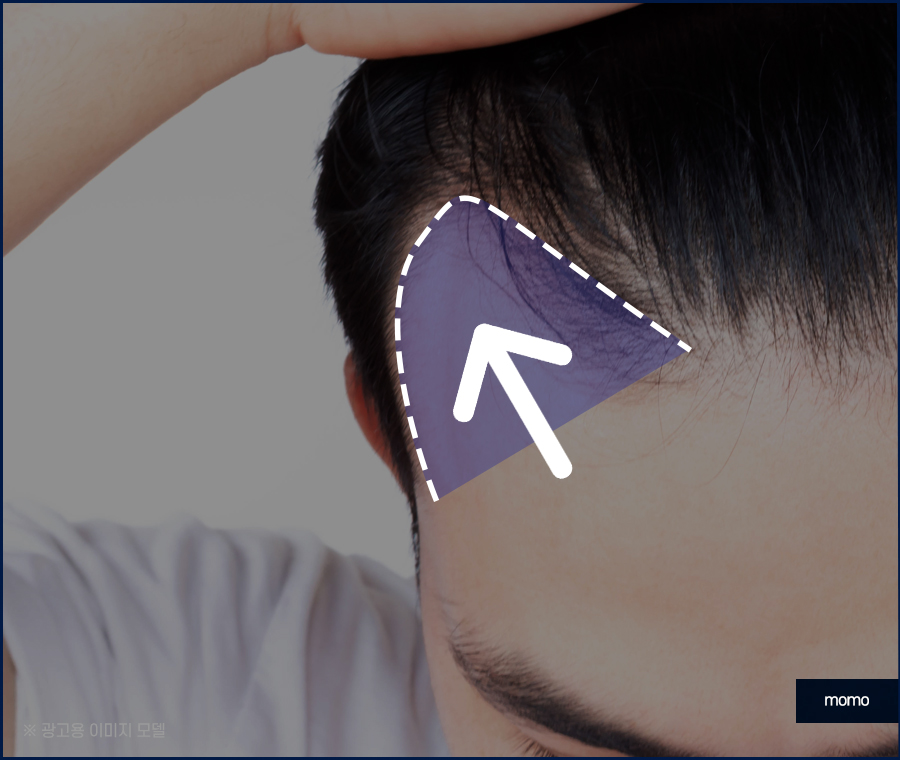
Also, if proper routines are not consistently
carried out, such as the previously mentioned
issues of reduced graft survival rate and
insufficient aftercare, the transplanted hair is
again likely not to take root properly. If hair
continues to fall out even after the solution has
been performed and hair loss appears again, one
can only feel deep frustration and loss. At such a
time, it is important to proceed with hair
transplant revision surgery without delay and to
choose a clinic that can carry it out.
�
�
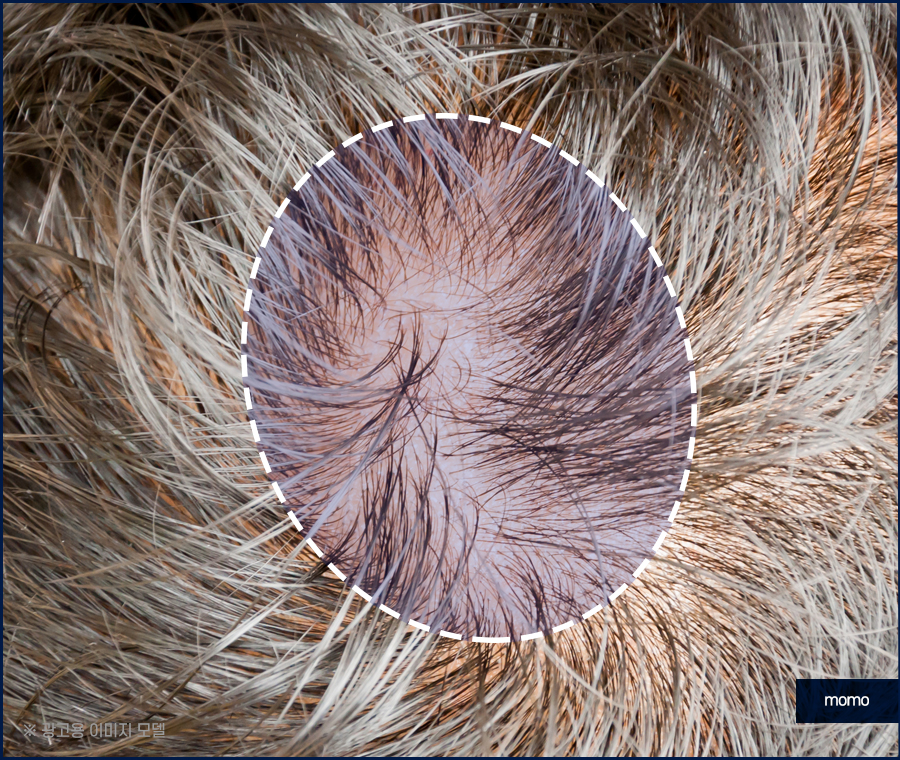
This is because revision hair transplant surgery
is inevitably more difficult than the initial
attempt, and there are more factors that must be
carefully considered. That is why, when
consulting with the doctor in charge, it is most
important to thoroughly understand why the
procedure is being undertaken in the first place.
�
�
After closely identifying the main cause, such as
whether density and graft survival rate have
significantly fallen short of the transplanted
amount or whether hair loss has reappeared, it is
important to confirm the basis for repeating the
same procedure and establish a plan accordingly.
It is also advisable to proceed after carefully
checking the progress about one year after the
solution, and it would be best to determine the
appropriate timing after examining the health of
the area to be implanted and the area from which
the follicles must be harvested.
�

�
This is because the scalp needs a certain amount
of time to recover, and only after confirming
clear results should the solution be performed so
that damage to surrounding follicles can be
prevented and a decline in graft survival rate can
also be avoided.
�
Another point that must be carefully considered
in hair transplant revision surgery is that if the
first procedure did not produce the level of
satisfaction you expected and you are considering
whether to proceed in order to correct it, it is
most important to clearly identify the cause and
factors behind why it was needed, check any
inappropriate habits or routines, discuss them
with the doctor during consultation, and smoothly
communicate your own views.
�

�
In addition, the problems should be examined and
analyzed in detail once again, and an individual
customized personal design and treatment direction
should be properly planned so that the same issue
does not repeat, with even greater dedication.
The patient should improve poor habits related to
inadequate hair loss and graft care, and it is
important to care for the transplanted hair with
diligence and effort so that it can grow fully and
stably.
�
�
In addition, because hair transplant revision
surgery is being pursued after repeated worries
and deep concern in order to once again achieve
lush volume and a natural hairstyle, it is
advisable to carefully decide in advance whether
the doctor performing the procedure has abundant
experience-based data from related cases as well
as various other types of cases, whether their
knowledge and understanding are high, and whether
they possess a strong aesthetic sense and design
ability that can satisfy any lacking aesthetic
factors, along with excellent technical skill and
know-how.
�