These days, flowers of all kinds are blooming everywhere,
creating an indescribably beautiful sight,
making it feel even more like spring. However,
it is said that with these seasonal changes,
another phenomenon also comes along.
�
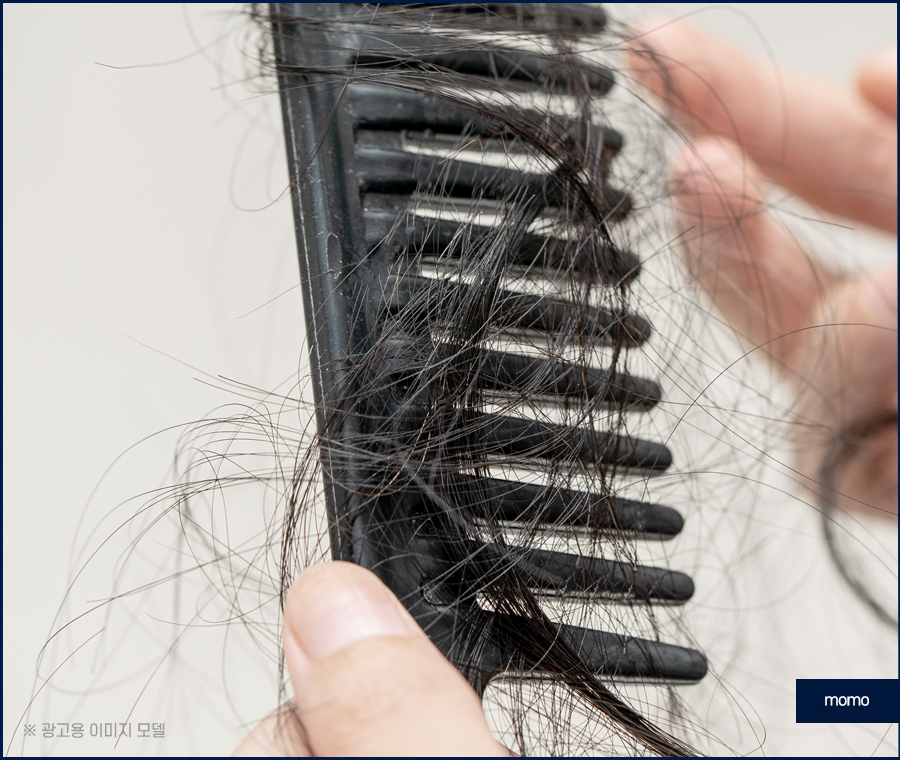
That phenomenon is hair falling out.
Compared with winter, spring brings stronger UV rays,
so hair tends to shed more easily because of that.
In addition, as the weather gets warmer and the time
spent enjoying outdoor activities increases, the scalp
and hair are exposed to sunlight for longer periods,
which can make them gradually dry out and cause hair loss.
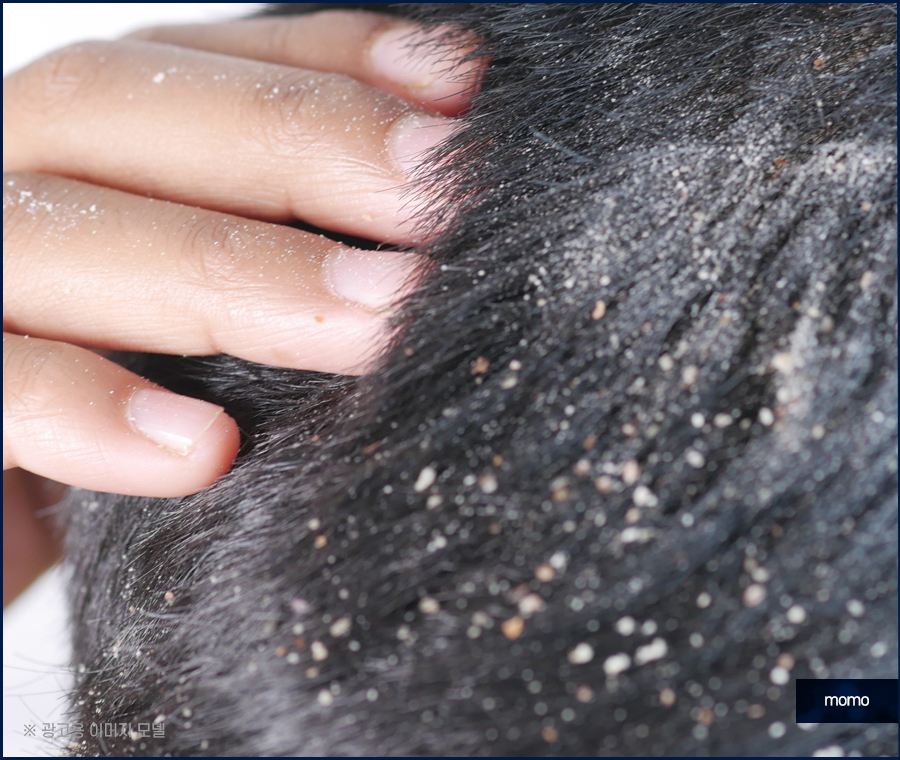
Also, during this time the temperature difference between day and night becomes larger,
and when exposed to ultraviolet rays, the skin's protective barrier can be more easily damaged.
Sebum secreted from the scalp can combine with pollutants in the air such as fine dust, pollen,
and yellow dust, blocking pores, reducing follicle activity, and causing dandruff and inflammation.
As such, due to seasonal factors as well as genetic factors, hormonal changes, an irregular lifestyle,
and an unbalanced, poor diet, if a condition develops in which hair that was thought to be healthy
becomes weaker and thinner, or even sheds in large amounts, it is a problem that can only become
an intense source of worry and concern.
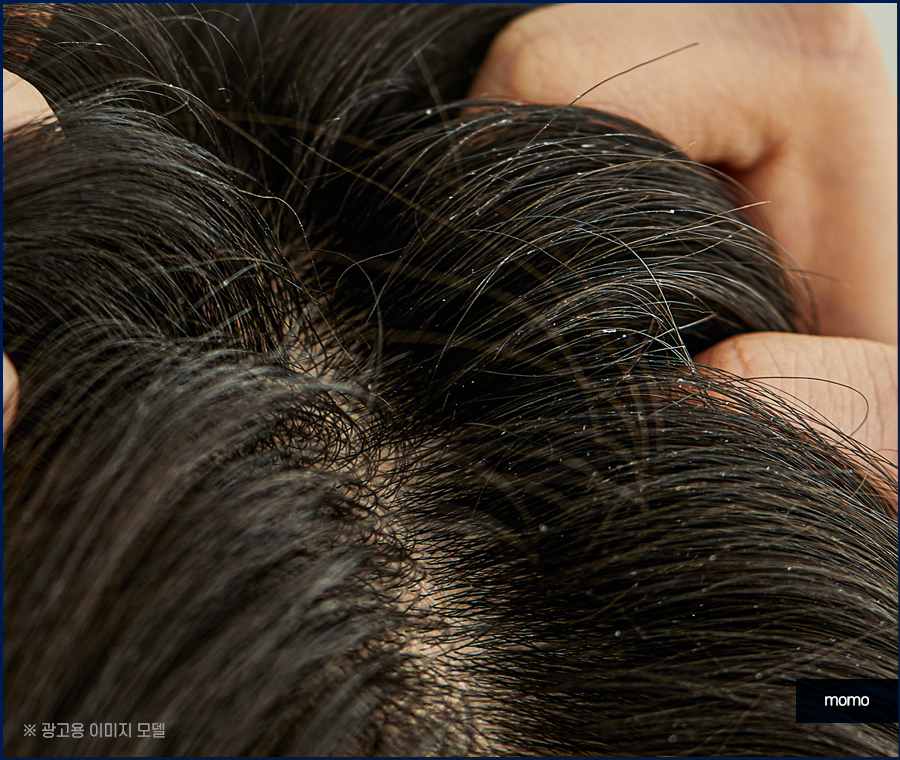
If such symptoms are found, it is best to visit a related clinic immediately and receive detailed consultation
and diagnosis about your current condition and the disease. However, most people do not treat this as a
priority. Instead, they try methods based on information they have found themselves, and if they do not
see any particular effect, they try something else. In the end, when they realize they cannot bring back
the hair they have lost, this often turns into psychological problems such as deep despair, and can greatly
diminish not only appearance but also overall confidence, significantly affecting ordinary social and daily life.
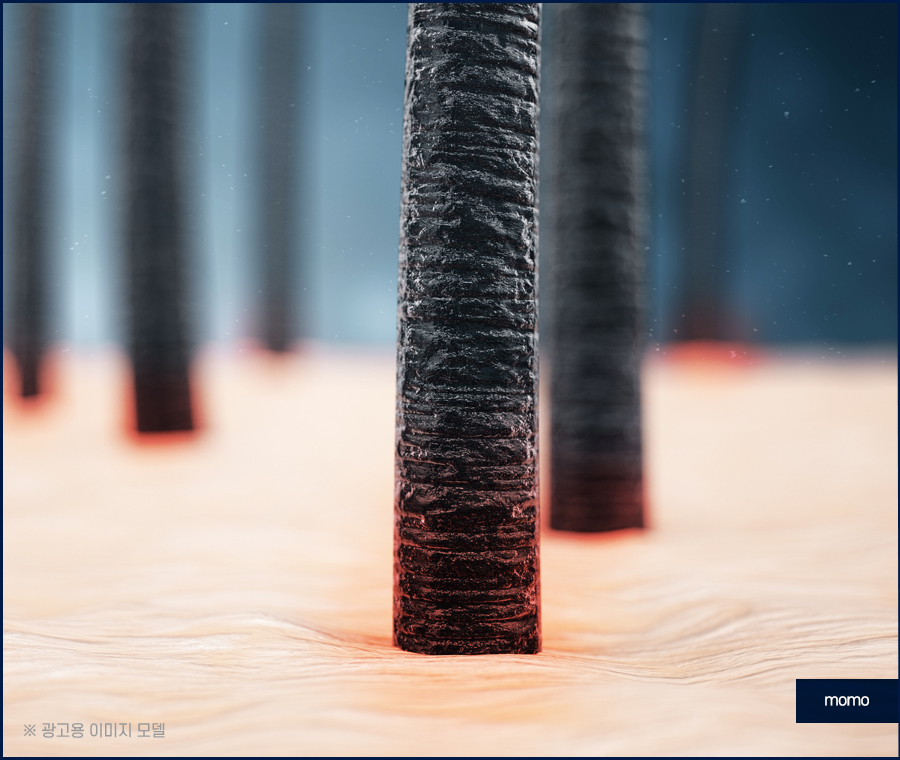
Many people who have gone through such trial and error visit the clinic to ask questions and receive consultation
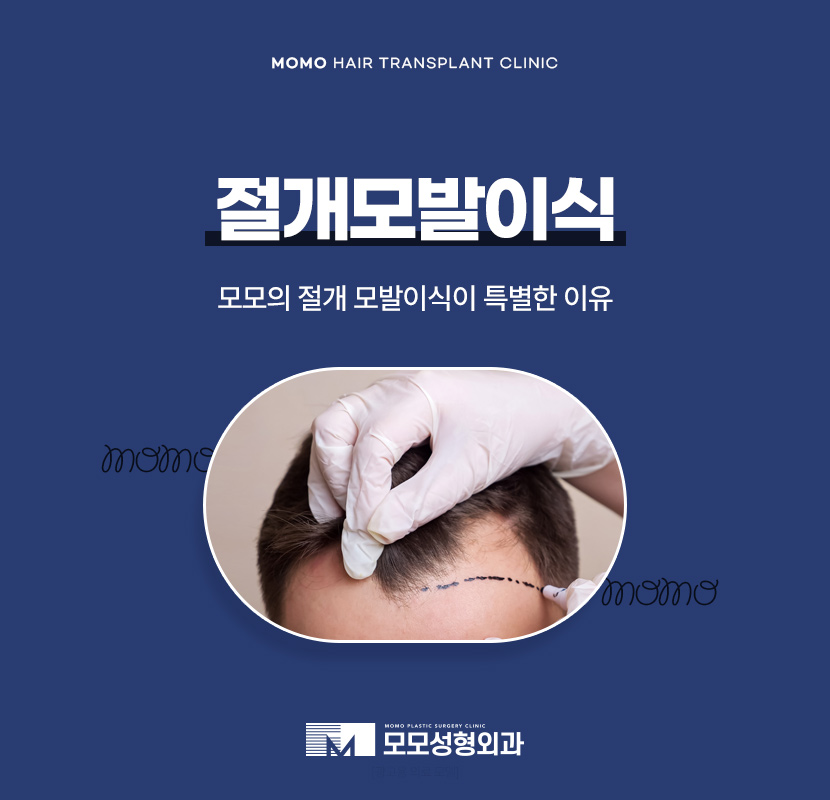
about medical solutions such as strip hair transplant so they no longer have to spend difficult days with this condition.
This procedure helps restore a natural hairstyle in the emptied areas where natural hair has been lost due to various
causes, and it is broadly divided into two methods: the excision method and the non-excision method.
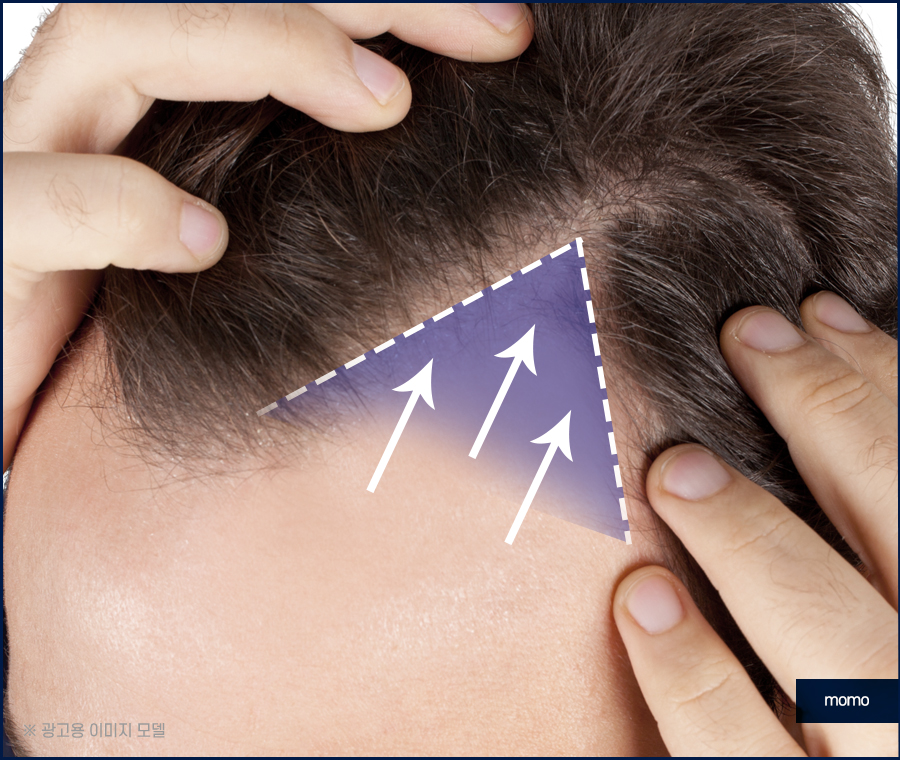
Because each person has different symptoms, condition, and characteristics of their existing hair and scalp,
the direction of the solution can be applied differently after a thorough examination. Before choosing a method,
I think it can also be helpful to know the differences between strip hair transplant methods in advance when deciding
on the direction of treatment.
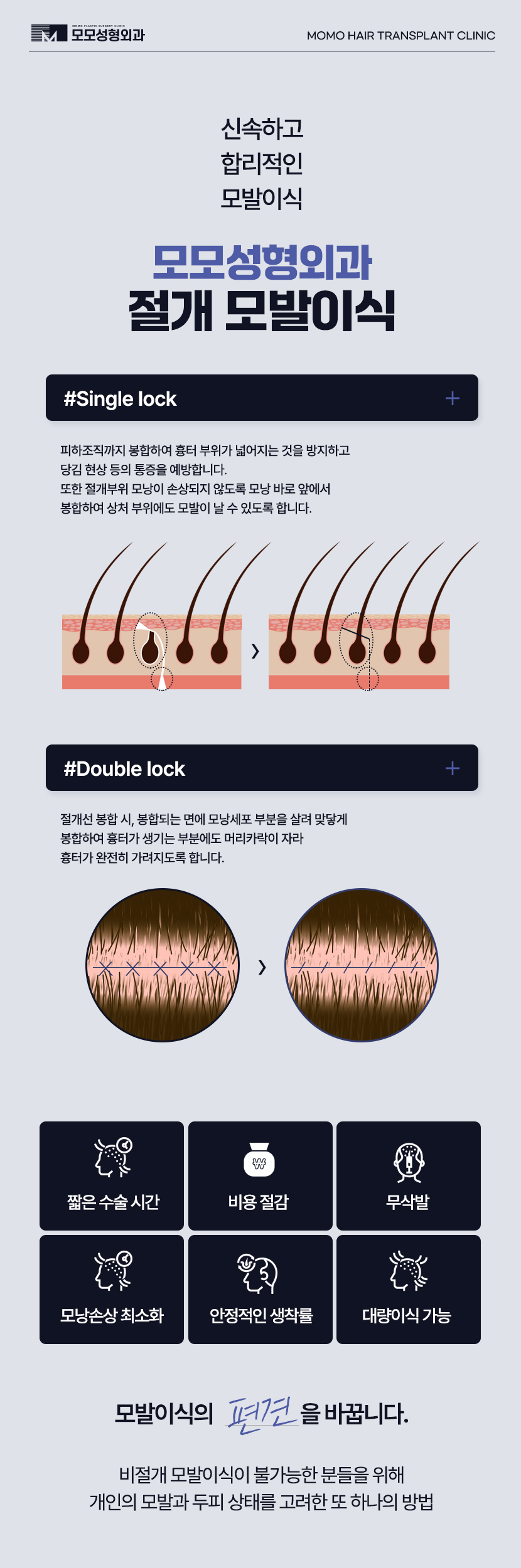
The difference between strip hair transplant and the non-excision method can first be found in whether a certain
portion of scalp tissue is removed. In the former, a tool is used to excise the scalp in order to obtain the number
of follicles needed for implantation, and the follicles are then extracted from the removed skin. In the latter,
that process is not required, and follicles are individually collected one by one in a selective manner, so the
method of obtaining them itself is different.
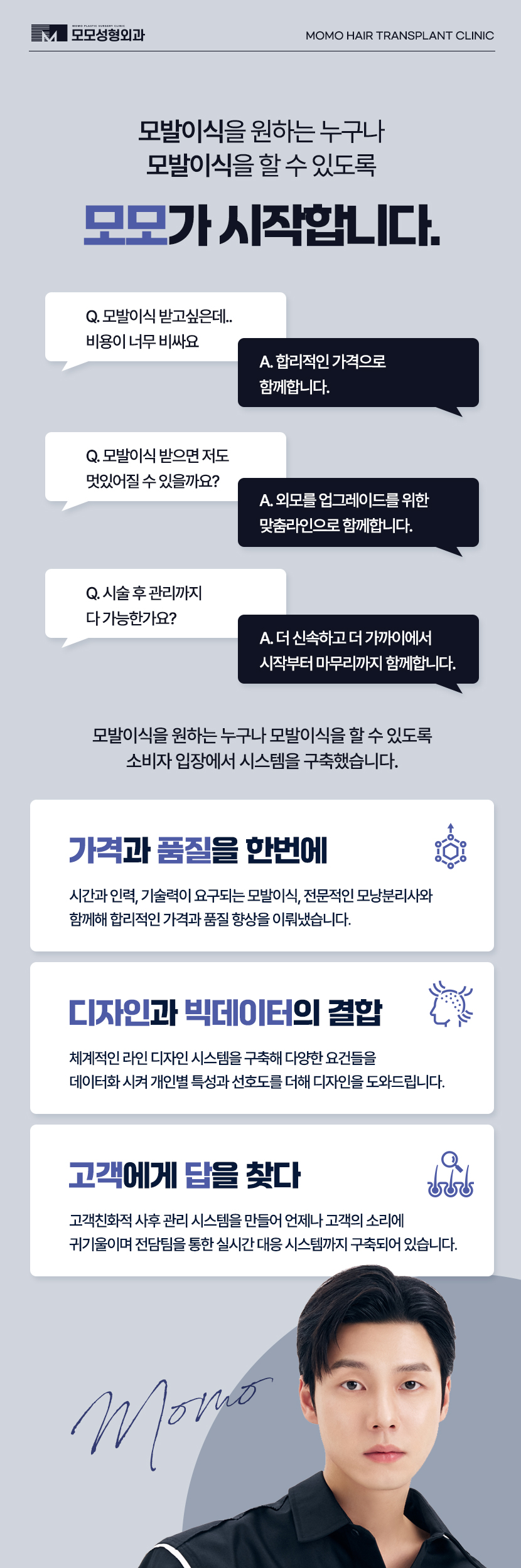
Also, because strip hair transplant is a method that can obtain a large number of follicles at once, the time required
for treatment can be shorter than the non-excision method, which requires individual harvesting, and the cost may also
be set relatively lower. However, cost is by no means the only factor that determines satisfaction with the results,
so it is advisable to understand these aspects and the detailed differences in depth and consider the standards you
are seeking from multiple angles.
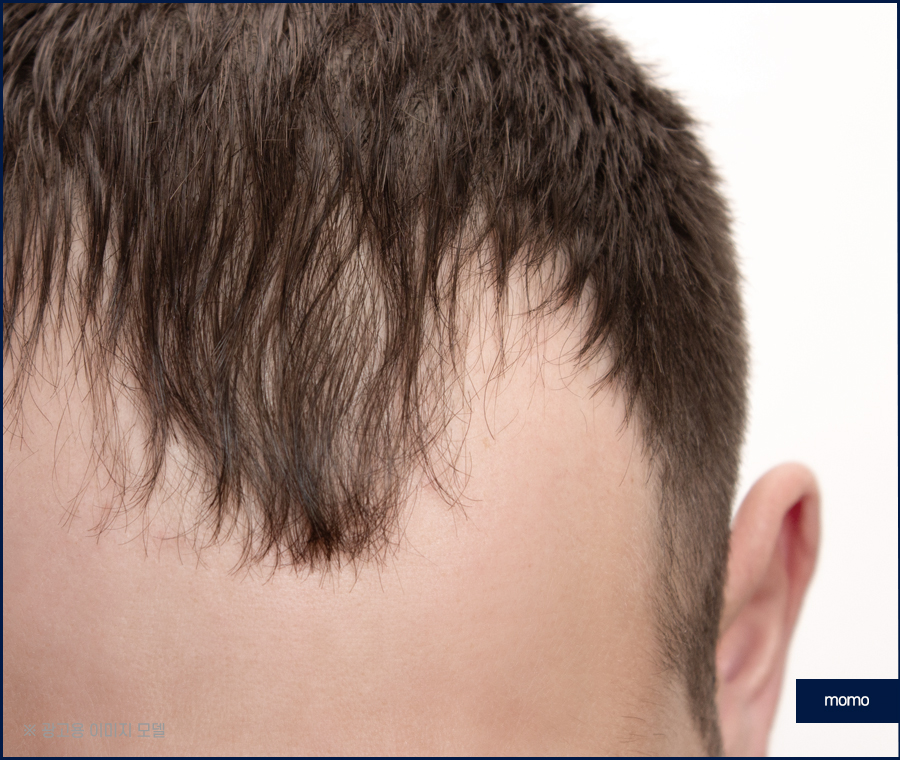
Depending on the situation, a combined solution that uses both methods may be advantageous, so it is best to take
into account your own scalp condition, the progression of hair loss, and external circumstances as well. In addition,
you can compare the differences in pain and scarring after the solution.
In general, strip hair transplant may involve slightly more pain than the non-excision method. Looking at the procedure
shared earlier, because it proceeds in the order of cutting the tissue in the back of the head with a tool and then
suturing it, pain occurs while the wound is healing.
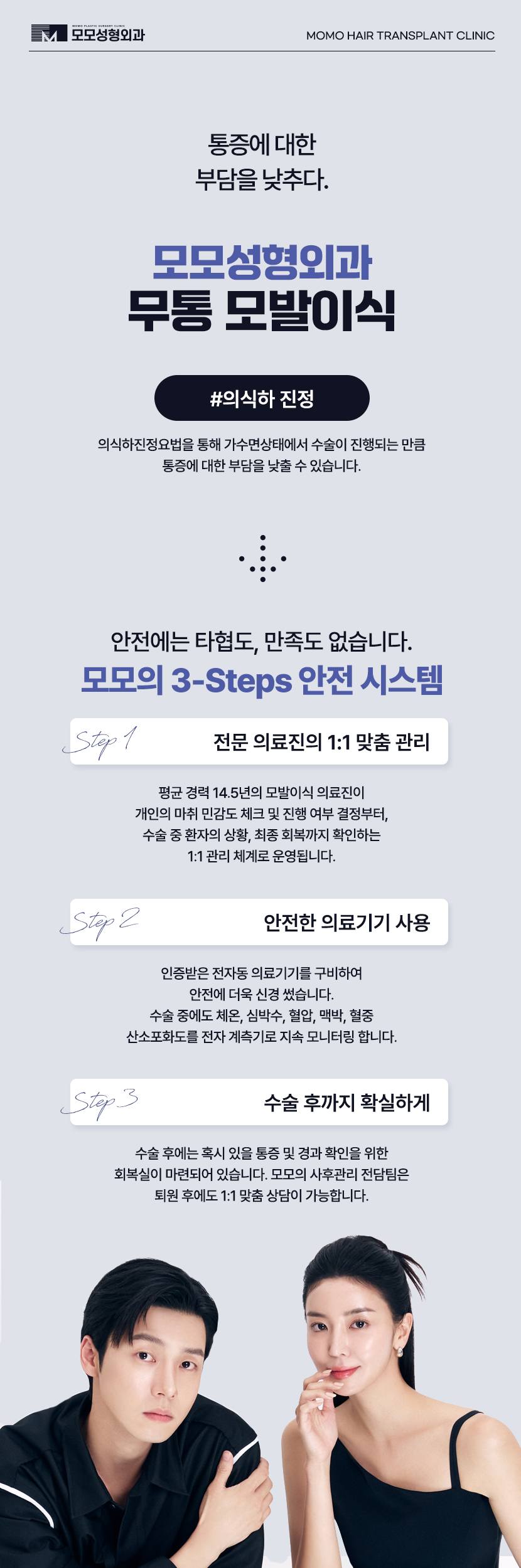
Also, as this scar heals, a long linear scar may remain along with pain. By contrast, in the non-excision method,
because of the characteristics of the harvesting process, pain can be said to be relatively less. In addition, only
small dot-like marks about the size of a follicle remain, and when the hair is styled long enough, these are not visible
from the outside. As the skin fills in and turns white again, they become hard to see with the naked eye, which also
means that even immediately after the procedure, you can return to daily life quickly without much difficulty.
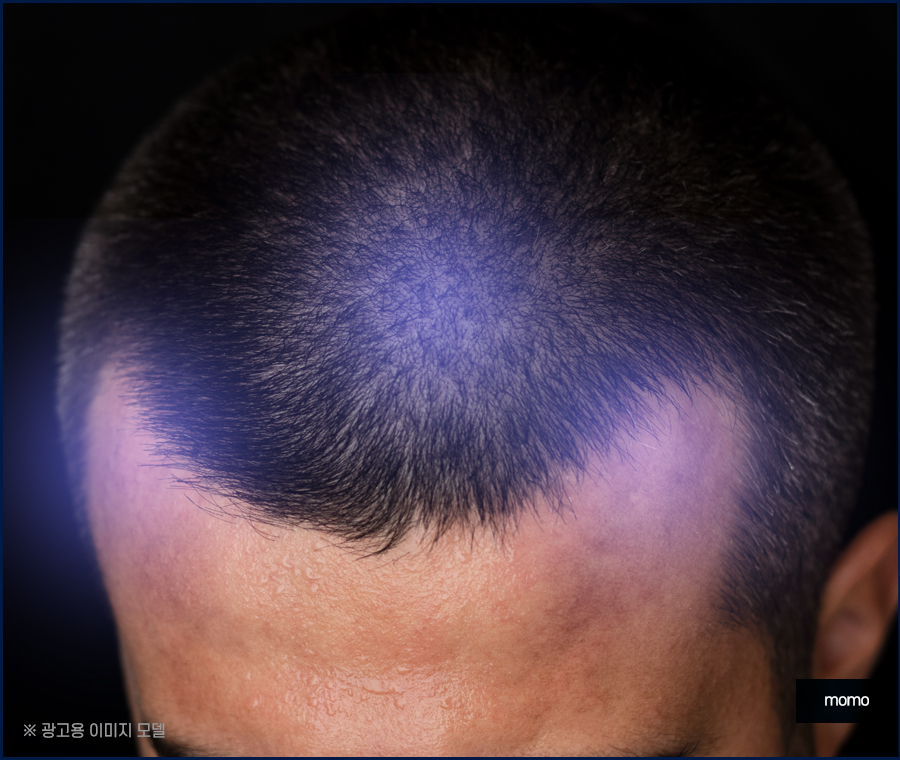
Because there are clearly differences between strip hair transplant and other methods, it is necessary to carefully
examine the various criteria together with the doctor in charge and make a thoughtful decision.
And if you have any questions or concerns about the solution, it is important not to hesitate and to receive a thorough
consultation from the doctor in charge. If you have opinions about the overall process, such as the procedure method
and personal design, it is advisable to communicate smoothly and discuss the design or concerns you want so that they
can be reflected in the plan.
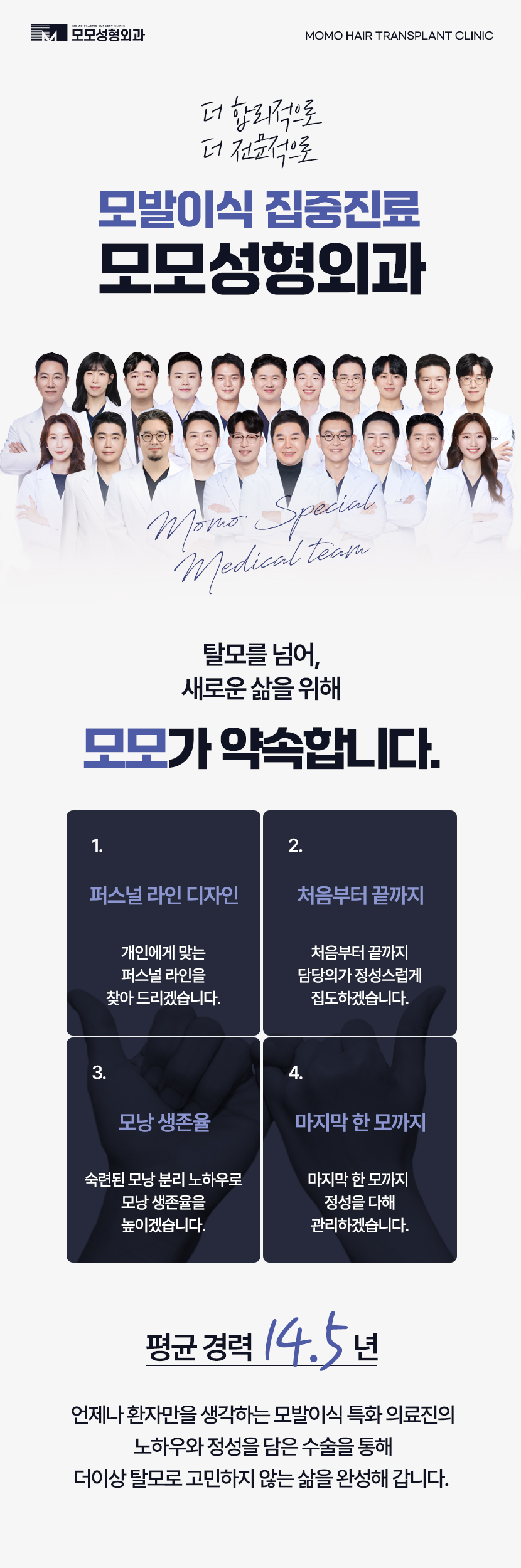
In addition, to face the confidence and full hairstyle that have been lost over time once again, I think it is necessary
to carefully check the skill of the doctor performing the procedure. It is advisable to choose after carefully and
thoughtfully checking whether they have abundant experience data and cases across various situations including this
solution, whether their related knowledge and understanding are at a high level, and whether they possess excellent
aesthetic sense, design ability, skilled technique, and know-how that can satisfy lacking aesthetic elements.