In the routines of everyday life that repeat every day,
our habits, which we do almost unconsciously,
also tend to unfold in the same way day after day.
Among those habits, we wash and dry our hair
using products such as shampoo and rinse.
Since it is something we have to do every day,
most people do not think much of it. Keeping the
hair, face, and facial features neat overall is
important because the outward appearance plays a
major role in the impression and image that can
be conveyed to others, as well as to ourselves.
�A0
�A0
In particular, depending on how you style your hair,
such as through dyeing or perming, you can show a
different sense of individuality and charm, and it can
also create a refined yet tidy atmosphere. However,
even after carefully maintaining your hair in many
ways and consistently practicing good hygiene habits,
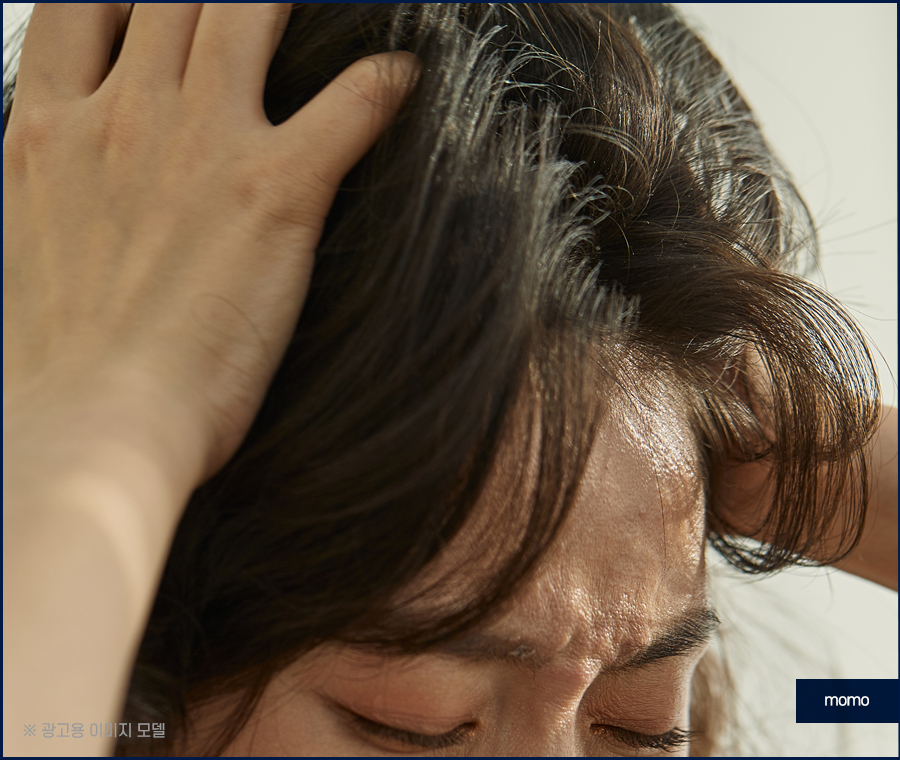
many people still say they feel discomfort due to a
sudden itchy scalp.
�A0
�A0
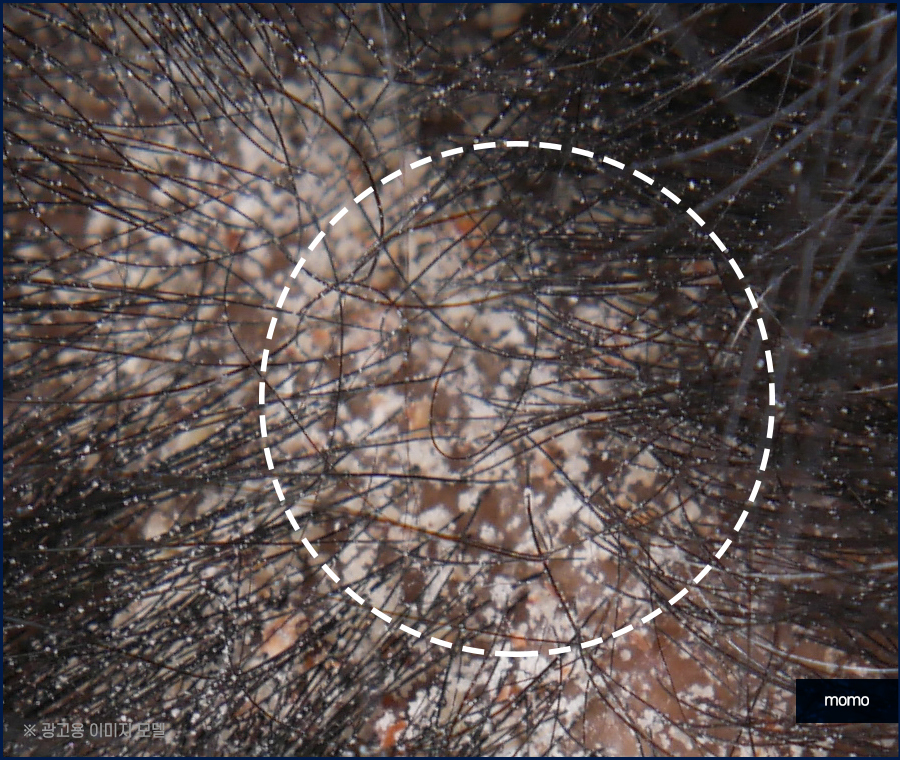
In the case of an itchy scalp, it may not simply be
caused by dry skin, dandruff, or dead skin cells as one
might think. It can arise from a variety of causes.
To determine the exact cause, it is necessary to
identify it clearly so that proper treatment and
prevention can be carried out. In this article, we will
share information about the causes of itching in this
area and tips for quickly relieving the symptoms.
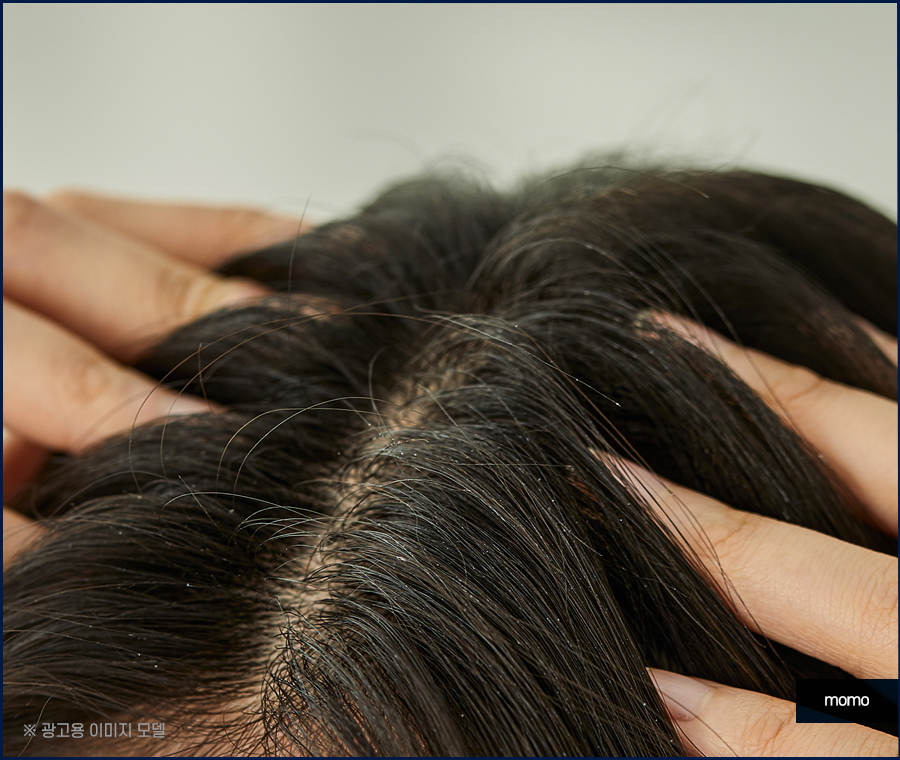
First of all, one of the most common reasons for an
itchy scalp is skin-related conditions. In particular,
diseases such as xerotic eczema, atopic dermatitis,
hives, and psoriasis cause inflammation in the skin,
and inflammatory substances in the blood stimulate
the sensory nerves, leading to itching. Also, during
winter, humidity drops and indoor heating makes the
skin dry more easily, which can worsen the itching.
�A0
�A0
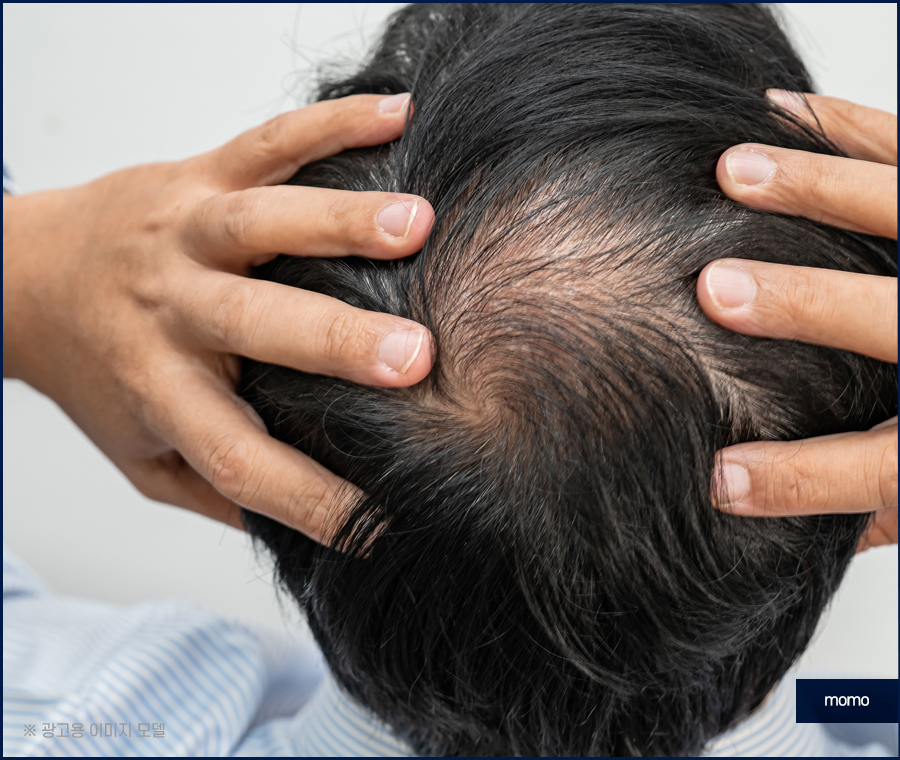
In addition, as we age, the skin's barrier function
declines due to natural aging, sebum production also
decreases, and blood vessel function weakens, making
it harder to supply moisture and nutrients smoothly,
which can also cause itching. Sometimes an itchy
scalp can occur when dealing with internal medical
conditions as well. If you have diabetes, poor kidney
or liver health, thyroid dysfunction, menopause, or
anemia, these conditions can cause problems with
blood circulation and affect the skin's sensory nerves
through nerve damage, hormonal changes, or excess
bile secretion, which may lead to itching of the scalp
and hair.
�A0
�A0
Psychological factors that appear in daily life are also
said to be an important cause of itching. According to
reports, it can happen when you are under excessive
stress or sleep-deprived due to a busy schedule, and
research findings also show that the symptom can
become worse in extreme states of tension and fear.
In this way, stress reduces the skin's overall immunity
and increases histamine secretion, which triggers an
itchy, prickly sensation.
�A0
�A0
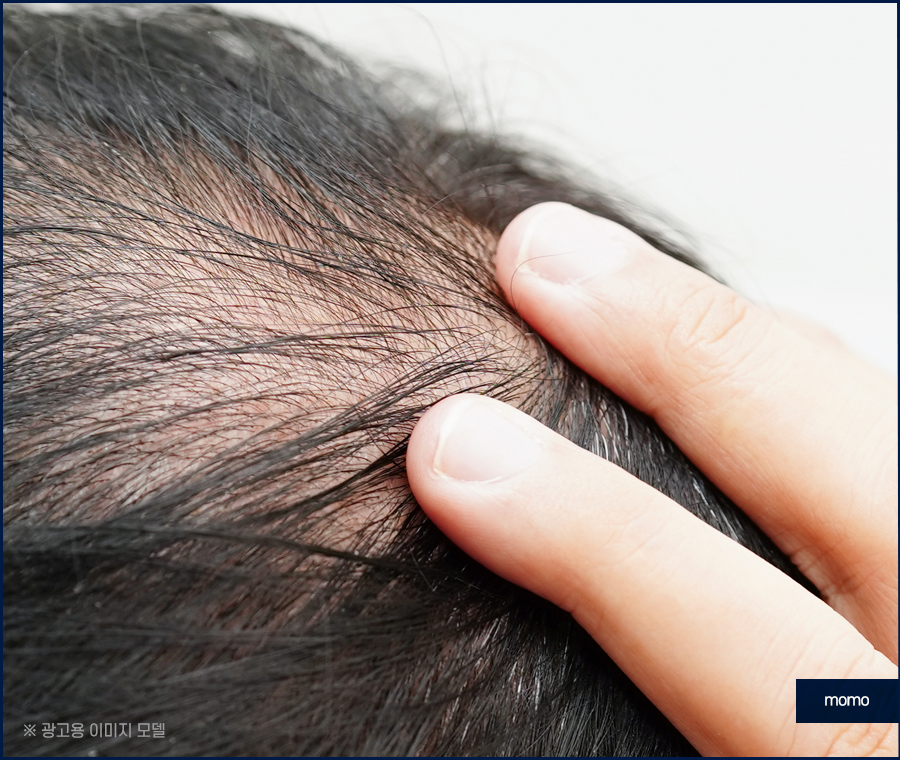
In addition, people with dry skin may also experience
this symptom, and because the scalp surface can
easily peel and crack and worsen, repeated scratching
may create wounds, allowing bacteria and other
germs to enter and cause inflammation, so it is best to
be careful.
Also, if you have seborrheic dermatitis of the scalp,
the affected environment is often quite oily and humid,
and because the symptoms appear in multiple areas
rather than just one spot, thoroughly drying the scalp
to keep it from becoming damp can help. One way to
quickly relieve an itchy scalp caused by the various
reasons mentioned above is to improve bad everyday
habits.
�A0
�A0
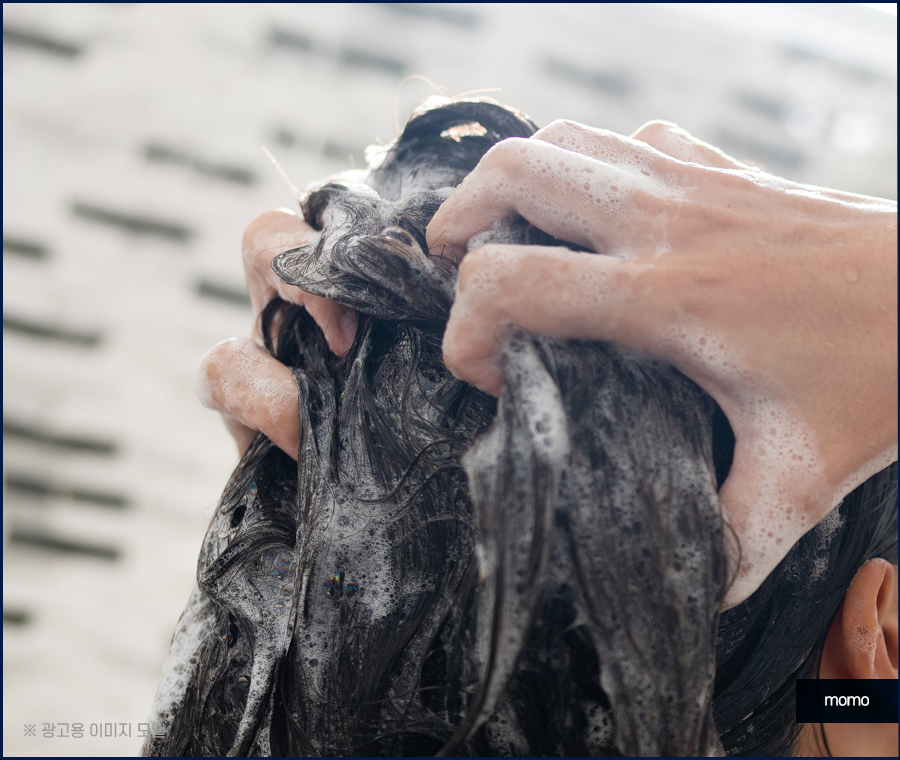
In particular, washing the hair properly is important.
If residue remains because shampoo, rinse, conditioner,
and other products used while washing are not rinsed
out thoroughly, it can become waste buildup, block
pores, and interfere with the smooth supply of
nutrients. Therefore, it is important to make sure these
ingredients do not remain on the scalp or hair.
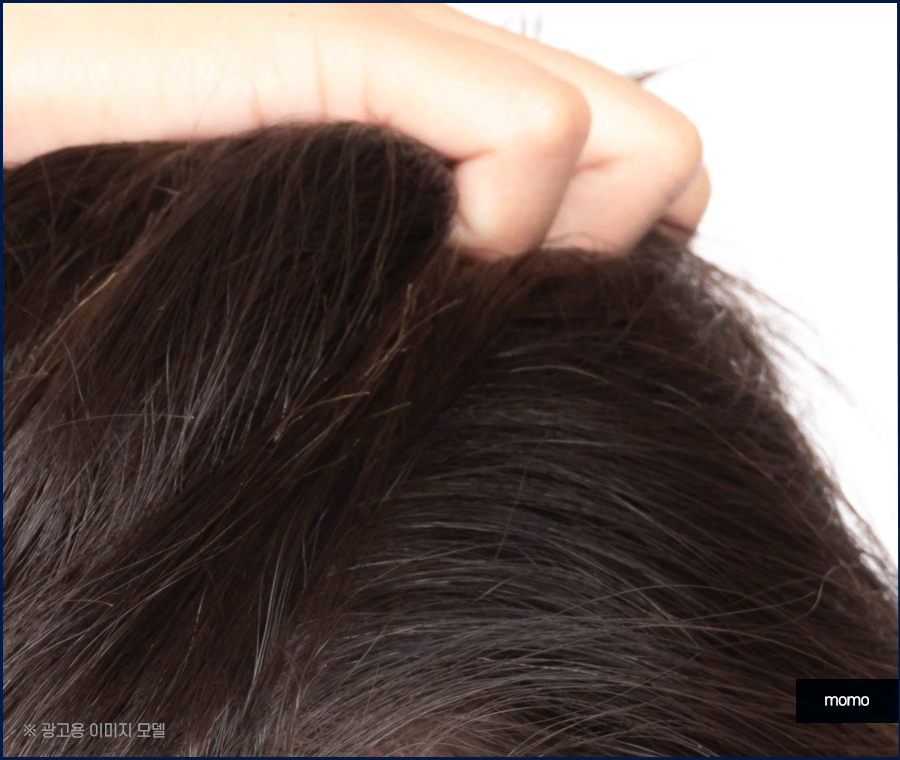
Avoid products with strong ingredients, and it is best to
use products with mild or primarily natural ingredients.
�A0
�A0
Also, when washing and drying the hair, it is best to
avoid using very hot water and air. Try to get into the
habit of using lukewarm water and cool air.
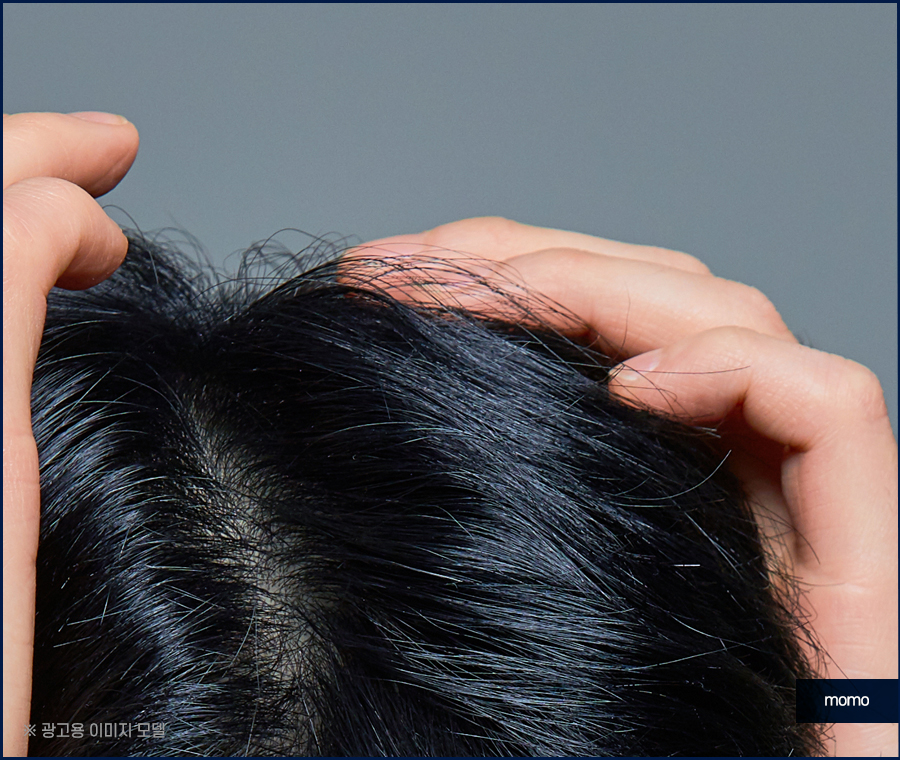
In addition, if you regularly do scalp scaling, you can
cleanly remove remaining residue or waste buildup,
creating an environment where the pores can breathe.
�A0
�A0
This scalp scaling method is also best performed in a
way that matches your own scalp type, and it is said to
help relieve the discomfort of an itchy scalp. Since
nutrients are also absorbed more thoroughly, it is
advisable to use this method if you usually have
excessive sebum or feel unusually dry.
�A0
�A0
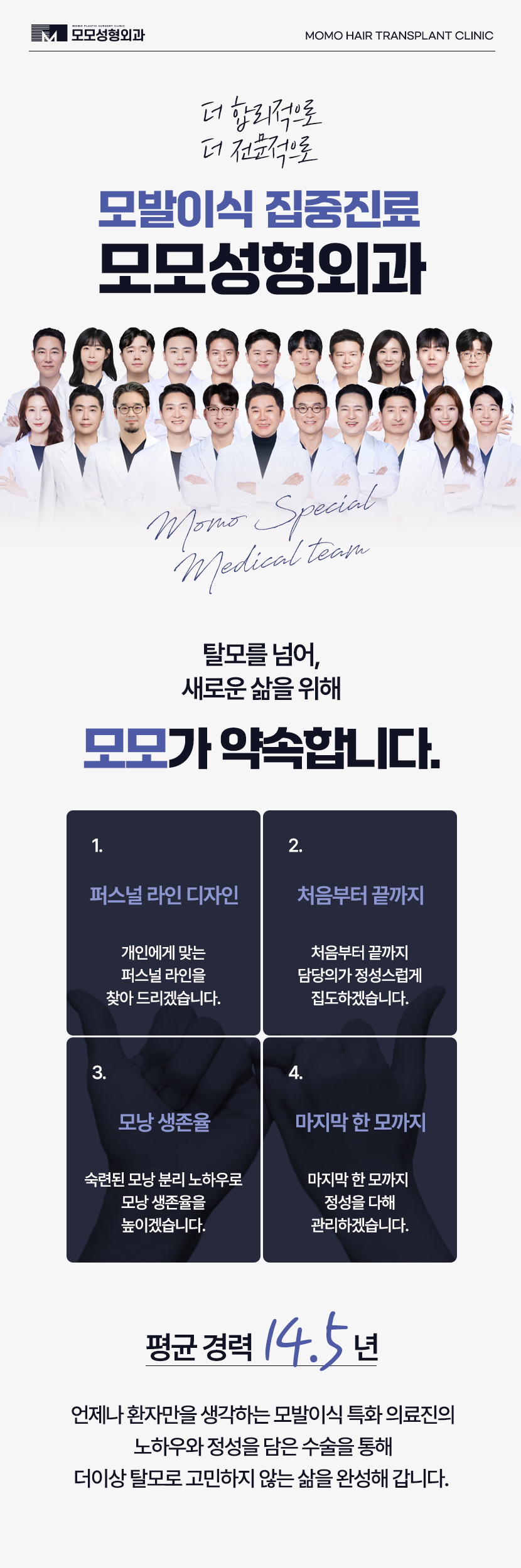
In addition, if you wanted to quickly relieve the
symptoms through these solutions but did not achieve
the results you wanted, rather than leaving the
symptoms as they are, it may be a turning point to visit
a related specialized clinic, receive a consultation to
identify the exact cause, and get help from a solution
appropriate for the result.
�A0