As we live in modern society, creating an outward appearance and impression that we like can be considered an important part for anyone. Because the first impression formed in just 3 seconds plays a very decisive role in shaping the overall beliefs, knowledge, and expectations about a person or object, many people, regardless of gender or age, pay more attention to external factors and make various efforts to create a positive atmosphere and a favorable impression and image.
Among the elements that contribute to beauty, there is caring for the skin, which is the most basic foundation, and sometimes enhancing one’s unique charm and individuality with trendy makeup and fashion styling. In addition, one can mention hairstyling, which plays a very important role that should never be overlooked in these elements.
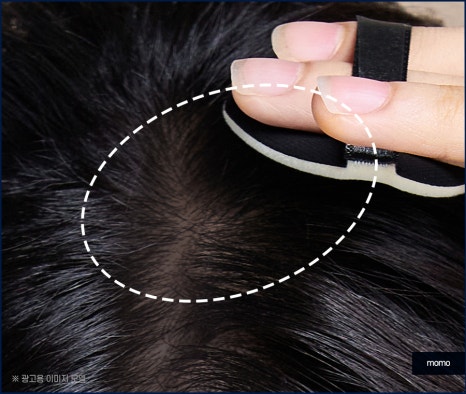
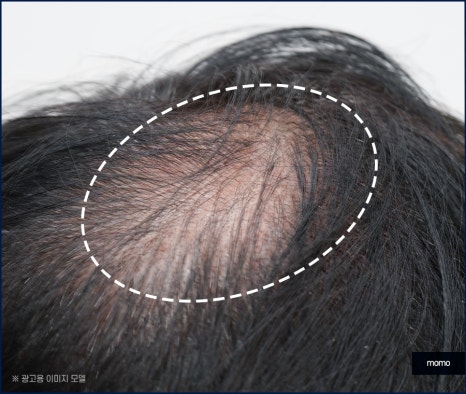
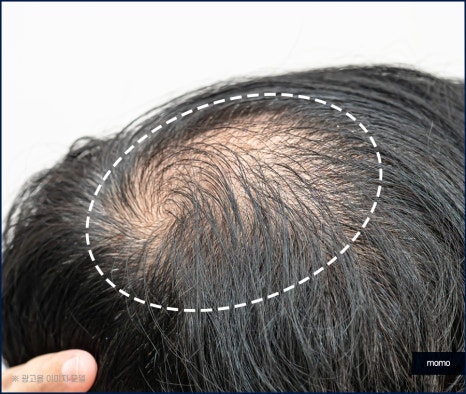
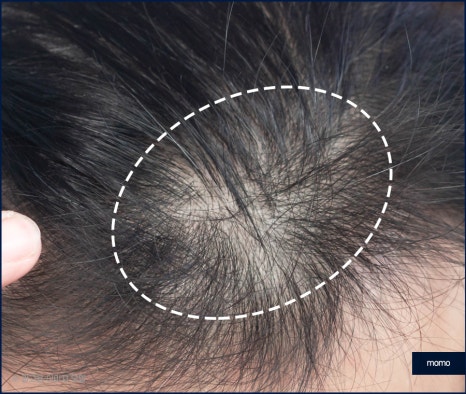
If styled smoothly with designs using various expressive techniques such as perming, coloring, and cutting that best suit the individual based on abundant hair volume and healthy strands while harmonizing with the face and features, it can further improve the impression and image, as well as the overall appearance. However, if the hair is becoming thinner overall and losing volume, or if the number of hairs falling out is noticeably increasing compared with usual due to shedding symptoms, then in trying to manage and care for the beauty-related aspects, the person is likely to face many worries and difficulties, and as a result, may suffer severe stress and a complex about it.
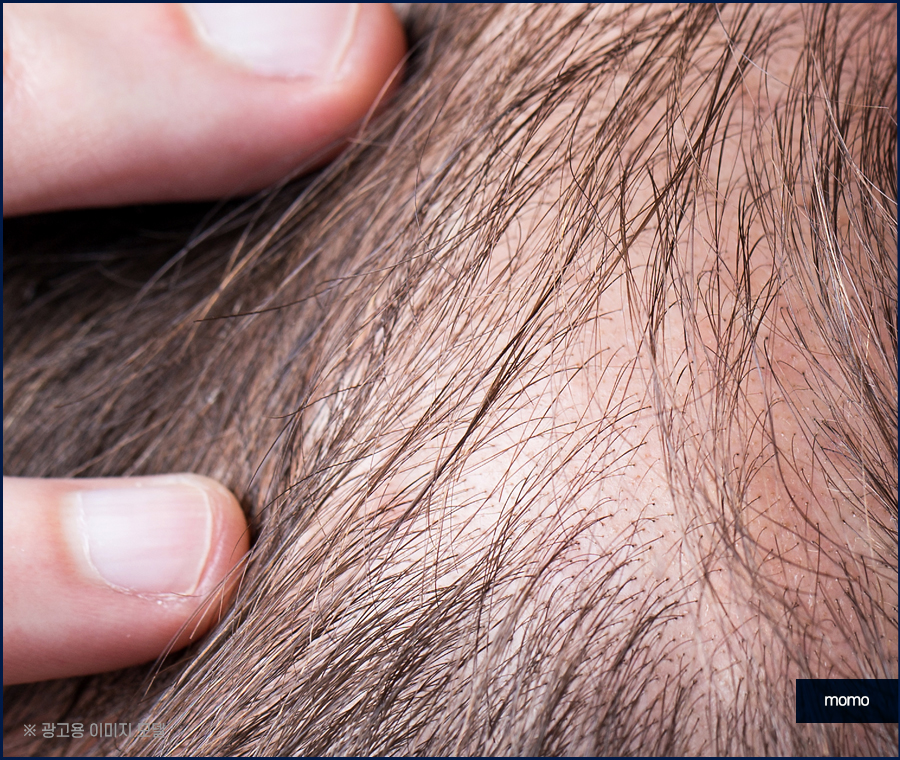
Those with such concerns usually try the information and methods they have found on their own first. However, after realizing that the effects afterward are minimal and that there is no clear improvement, more and more people are visiting related clinics to inquire about crown hair loss hair transplantation and seek medical help. In general, it is said that hair loss of more than 100 hairs a day can indicate a condition. However, it is difficult to count the hairs falling out one by one during daily life, and in the case of the crown area, it is even harder to check in detail.
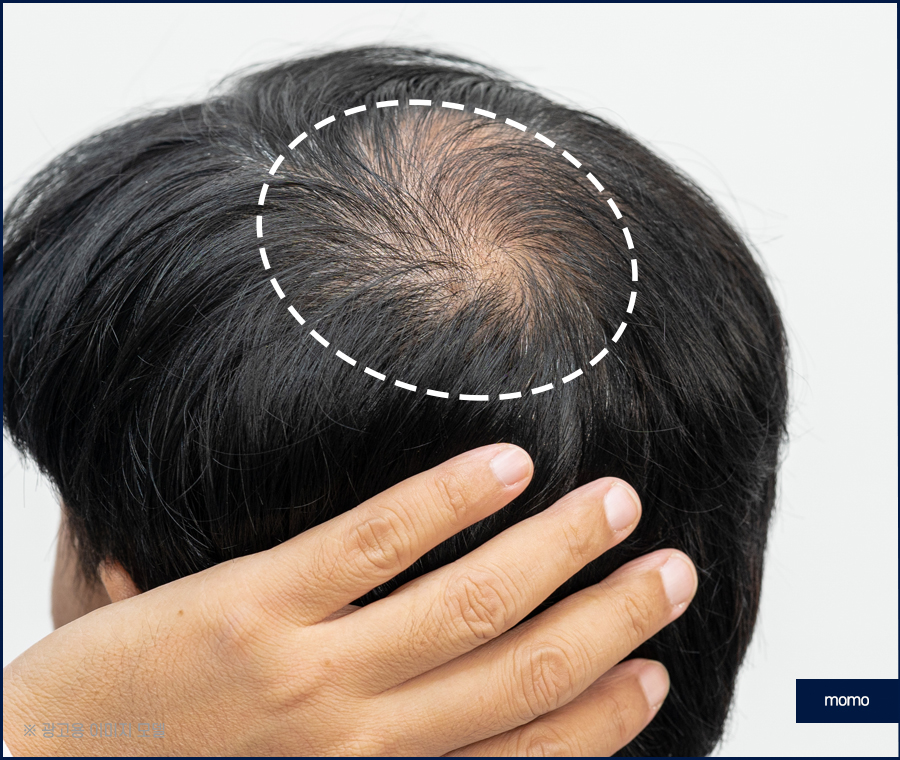
In addition, because the causes, progression, and patterns differ for each individual, rather than struggling and worrying about the problem alone, it can be the first step toward a full solution for crown hair loss hair transplantation to visit a clinic in person and receive a clear diagnosis from the doctor through a face-to-face consultation.
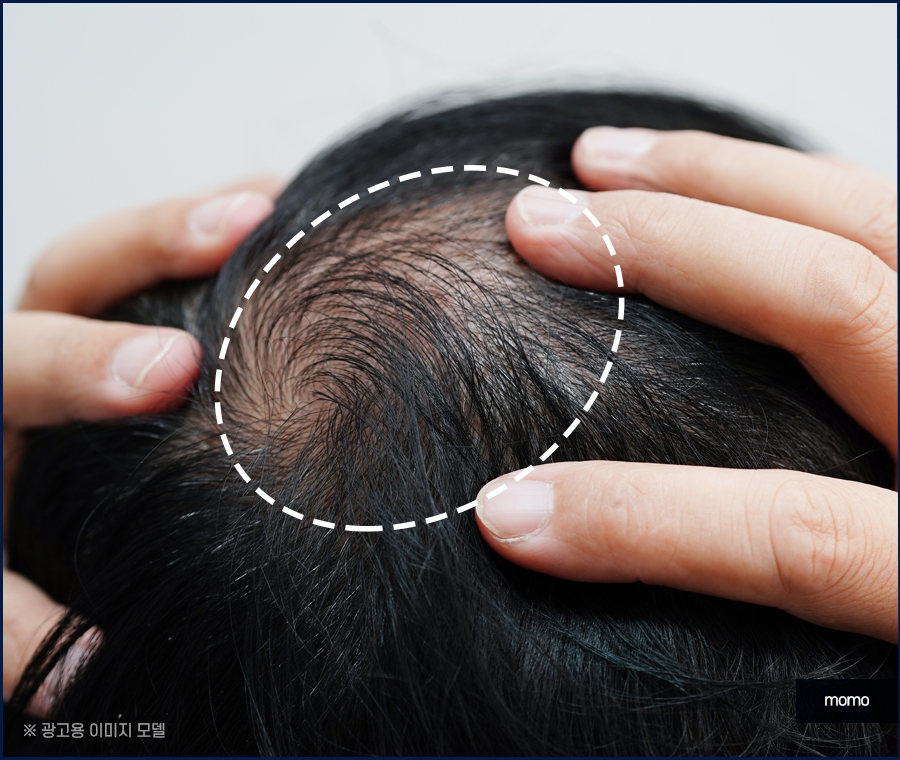
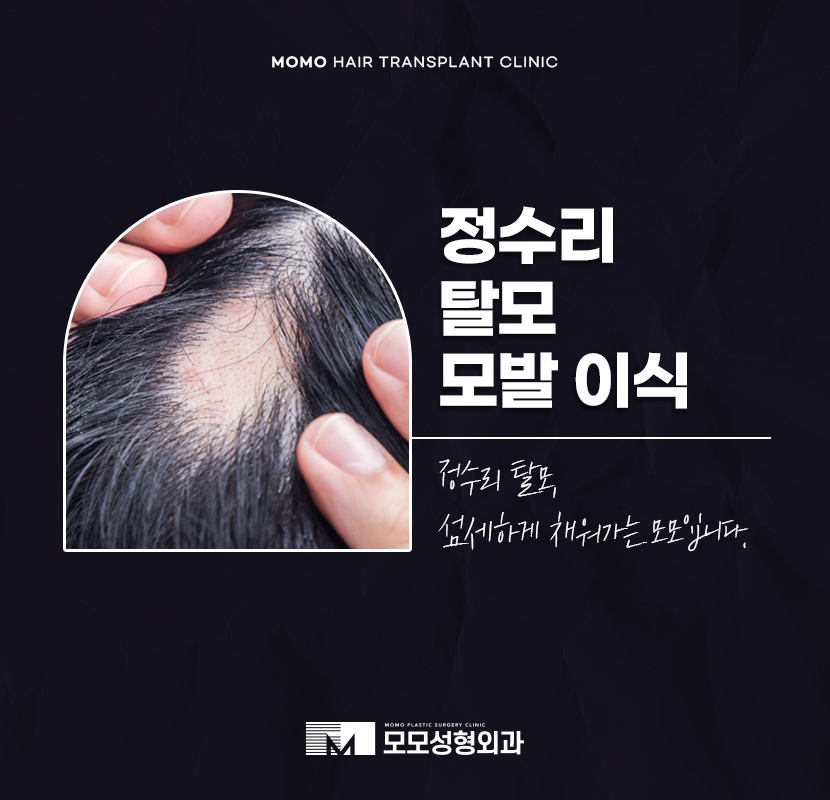
There are several alternatives for treating this symptom, but among them, crown hair loss hair transplantation is a method that many people with the same concern pay attention to and choose. Among the various options, it can be said to be a solution that can efficiently cover the empty area in a short period of time. The solution proceeds by extracting follicles located in the occipital area, which is less affected by hair loss, and transplanting them into the empty area. Depending on how the follicles are obtained, the procedure is broadly divided into two methods: incision and non-incision.
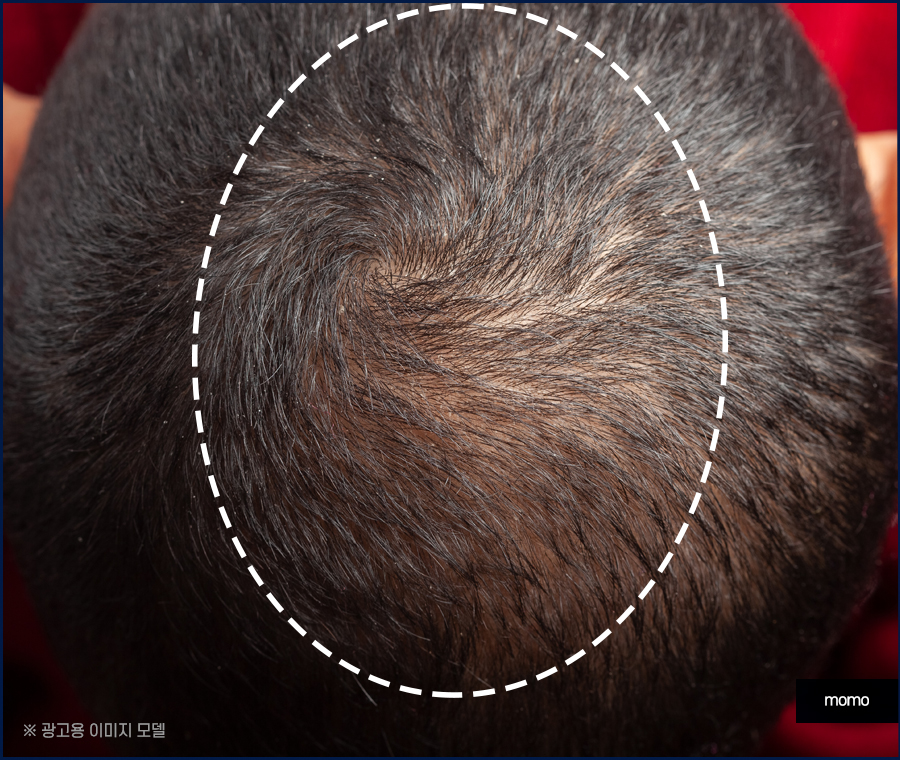
It is also advisable to keep in mind that whether or not a specific method is used, the direction of the solution may differ depending on the cause, type, and characteristics of the existing natural hair, so there are clear individual differences. Since hair follicles are also called the homes of hair and are very small in size, this procedure is one that requires extremely delicate and highly precise technique.
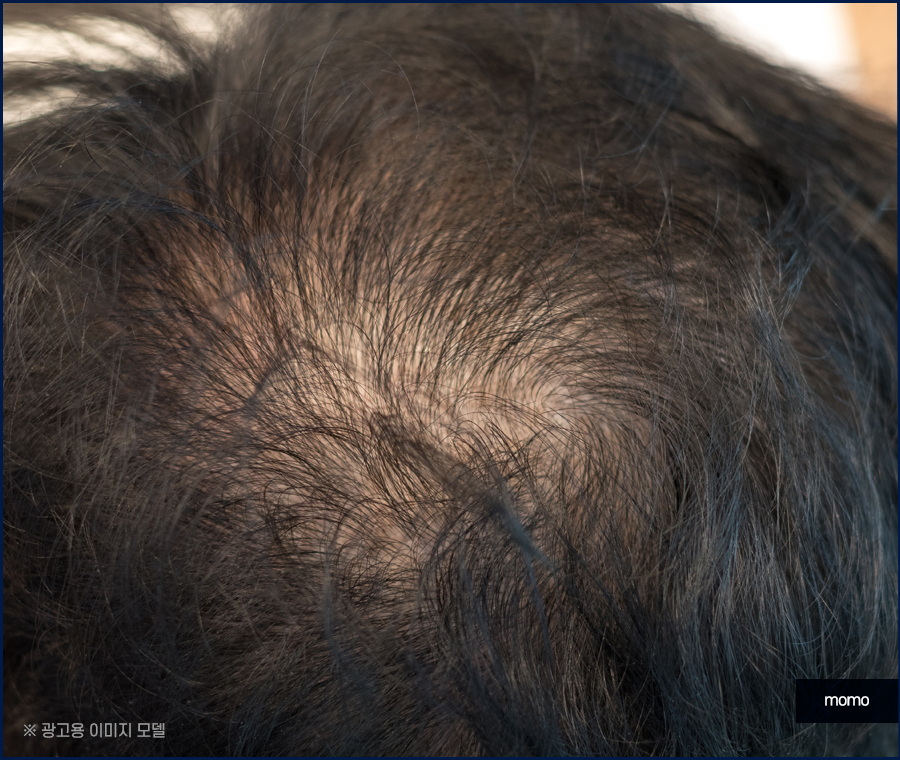
However, some people do not recognize that hair-loss conditions require a professional solution, or they tend to take them lightly because they do not cause direct physical pain. But before long, they sometimes discover visible symptoms or develop a large empty area, and only then do they visit a clinic. Rather than creating a situation that could lead to major regret, it is necessary to visit a related clinic immediately when early symptoms are confirmed and begin thorough consultation and diagnosis.
Also, if you are considering crown hair loss hair transplantation or are thinking about whether to proceed with the solution, it is important to pay attention to the criteria for this. The approach is to identify the individual’s condition and detailed characteristics such as type, and based on that, plan a customized program for each person.

In particular, personal design planning can be said to be an important key point in crown hair loss hair transplantation. Because the area where hair has been lost is located in the center, where it directly comes into the sight of both the person and others, the design must calculate the ideal proportions and angles of the overall face and features, and allow the hairline and part to connect neatly and naturally. In addition, the process must include a detailed assessment of the specific unique characteristics of the existing natural hair—such as growth direction, thickness, length, density, and fine strands—and create a design optimized for one’s impression and image that is natural while harmonizing with other external aspects.

And if you want to achieve a satisfying outcome, it is important to clearly check the capabilities of the doctor performing the crown hair loss hair transplantation. First, you should carefully look into whether they have a strong track record with abundant experience and cases from handling various situations, whether they possess a high level of specialized knowledge and understanding, and whether they have the analytical ability, aesthetic sense, and design sensibility to meet both the aesthetic and functional needs that the patient feels are lacking, as well as excellent technical skill and know-how, before making a careful decision.