There is a saying that “appearance is a competitive edge and a source of self-esteem,”
and because of this, people of all ages and genders
pay close attention to how they look on the outside and
put in a lot of effort and intention to maximize
their appearance by combining various elements.
When it comes to appearance, people may focus on
refining the shape of the face and features,
or caring for their skin to make it smoother
and brighter. They may also try to follow the fashion styles and makeup of trendsetting stars or
influencers in an effort to bring out their own
unique charm and individuality.
Among these elements, hairstyle cannot be left out,
as it plays an important role in shaping a person's overall
impression and image. Of course, clothing and makeup can also
help us understand someone's first impression, but because the way hair is styled can influence the entire look,
it is important to realize that creating a hairstyle that suits you
is also a very important area.
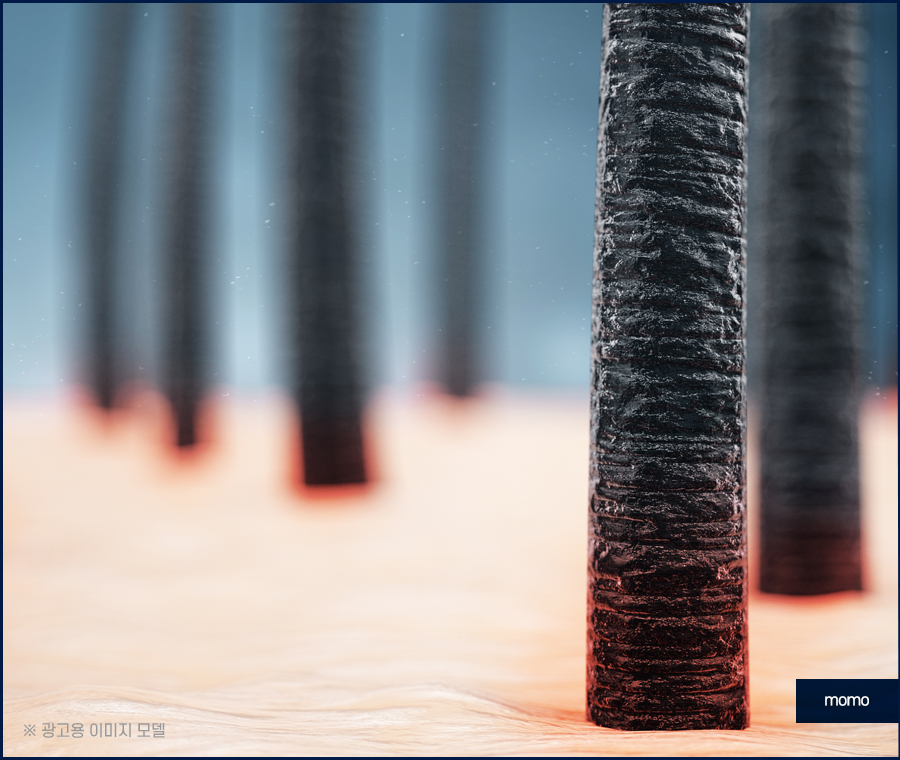
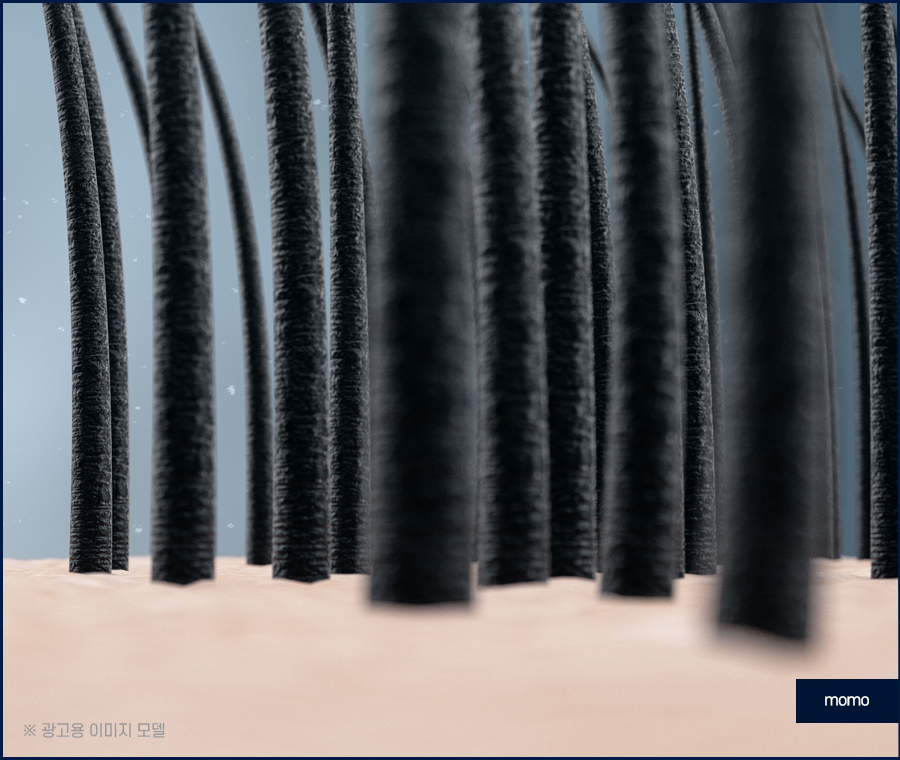
For that to happen, a healthy scalp and hair condition,
such as abundant density and soft hair texture,
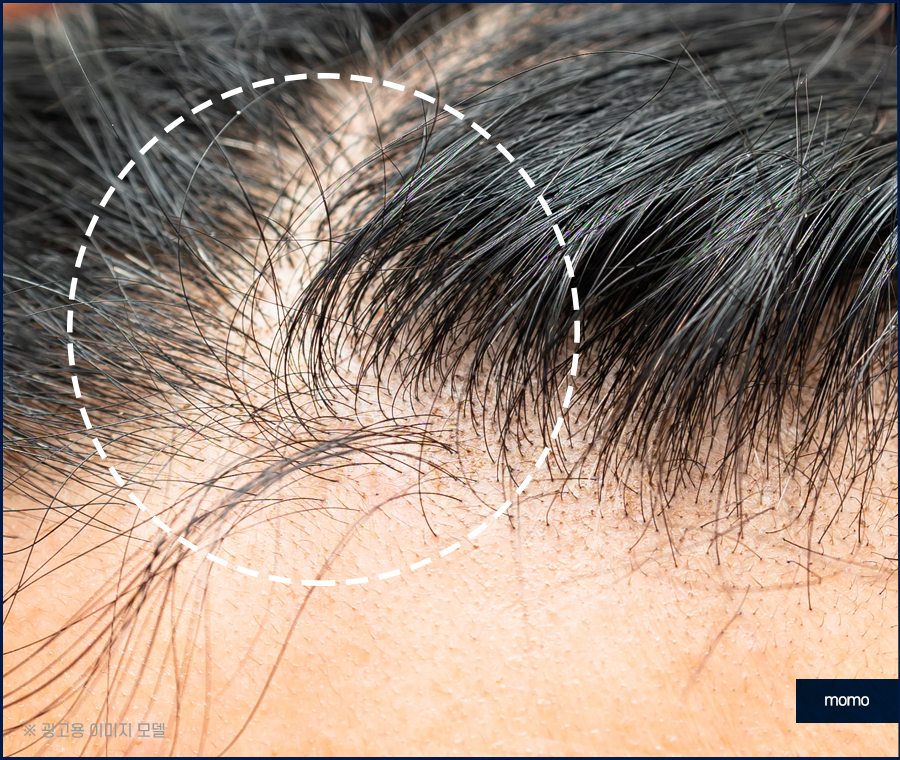
must be the basis. However, if hair becomes thinner,
overall volume disappears, or symptoms of hair loss are suspected,
this may be recognized as a problem that can cause severe stress and
complexes related to appearance. In addition, confidence may
decline, satisfaction with daily life may also fall, and
this can even lead to serious situations where the issue spreads into
psychological illness.
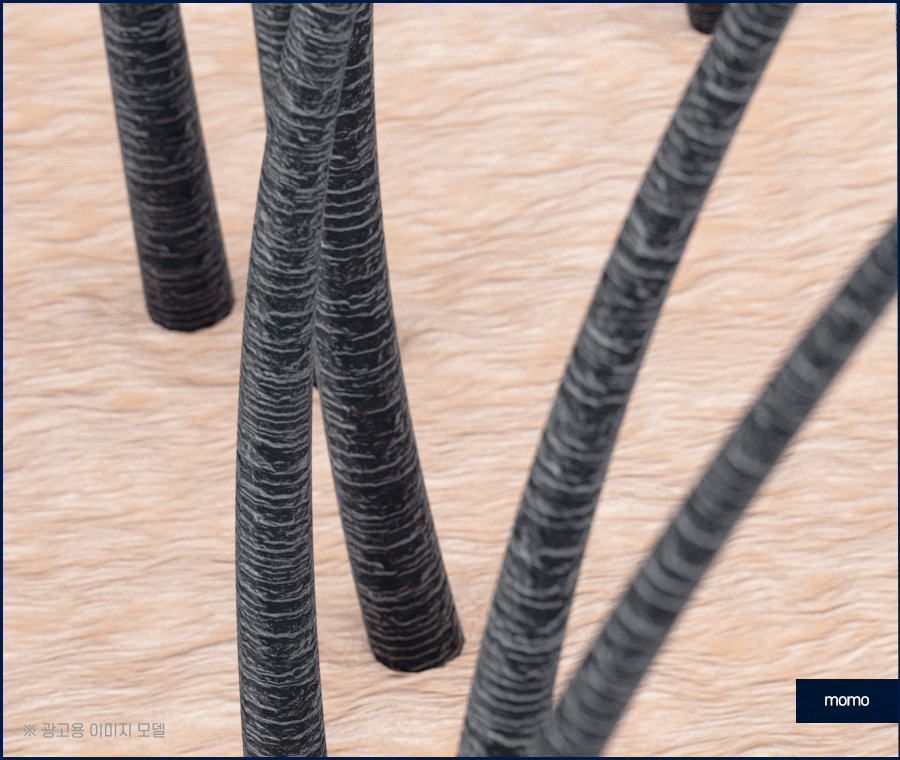
As a result, the number of people struggling with numerous worries
because of hair loss has been steadily increasing year by year,
and it is true that the number of people seeking effective ways to improve hair loss is also rising.
In particular, hair transplantation, which allows people to see newly growing hair again,
has continued to advance over time and is being recognized as a solution that offers hope for escaping hair loss.
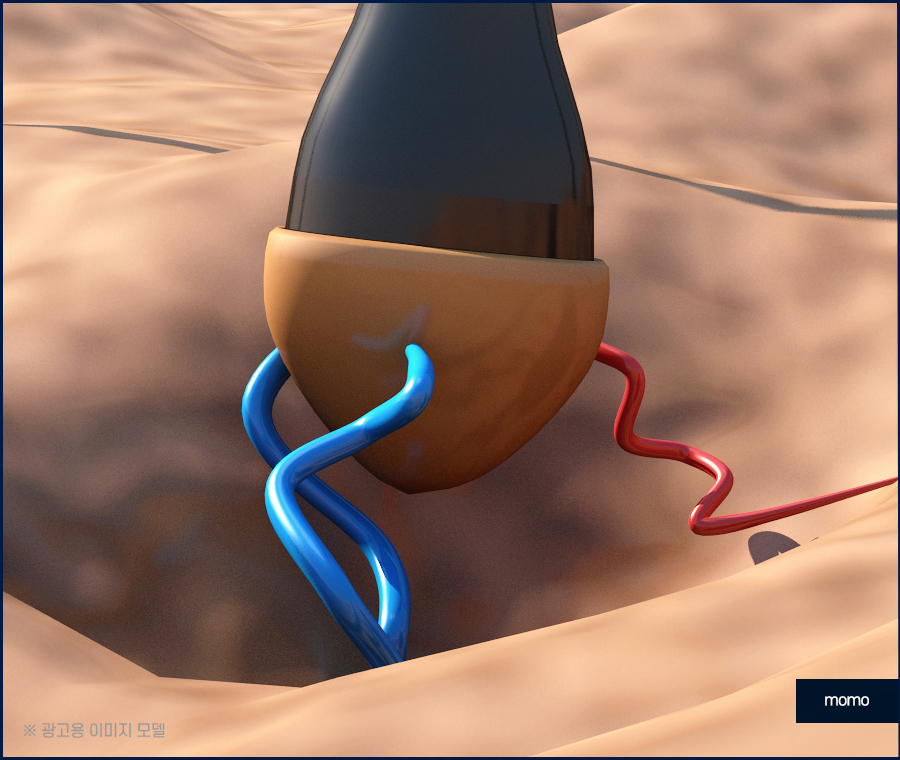
The survival rate of a hair transplant, which is often considered a key point in the process of this solution,
is also a criterion that should be examined in more detail because it is a crucial factor that can affect the prognosis.
The hair transplant survival rate can be understood as a probabilistic measure of how well the transplanted follicles settle in stably and how much new hair they grow after the procedure.
It is said that there is a difference in the level of satisfaction between domestic and overseas cases.
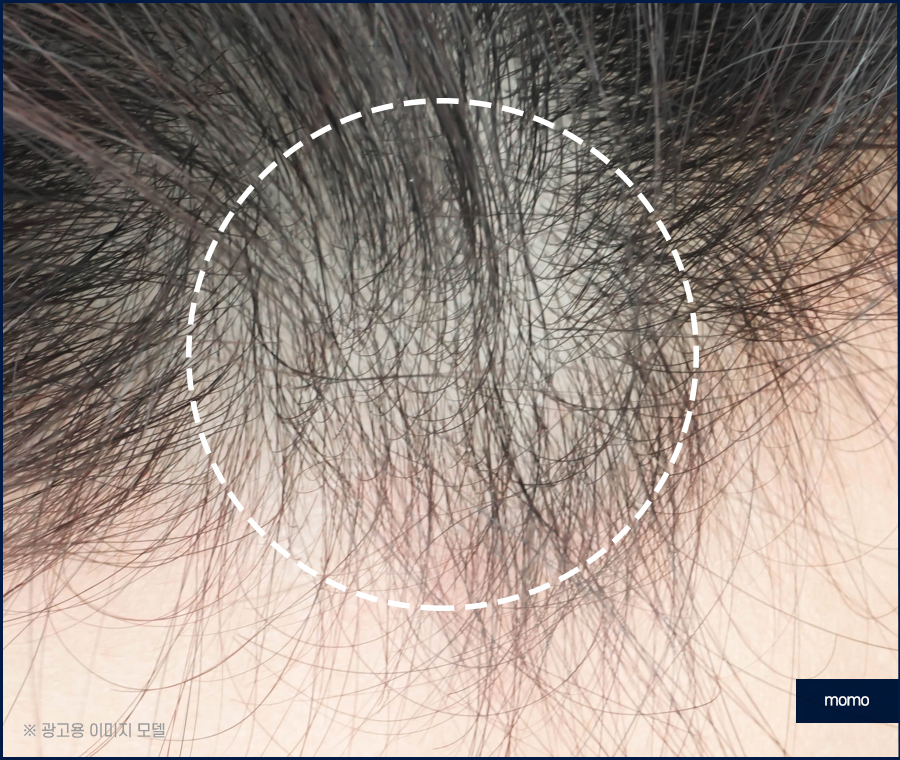
In particular, in Korea, it is said that a minimum of about 80–90% is considered a satisfying result.
Therefore, it may be helpful to know more about the factors that determine the hair transplant survival rate, which can ultimately lead to significant differences.
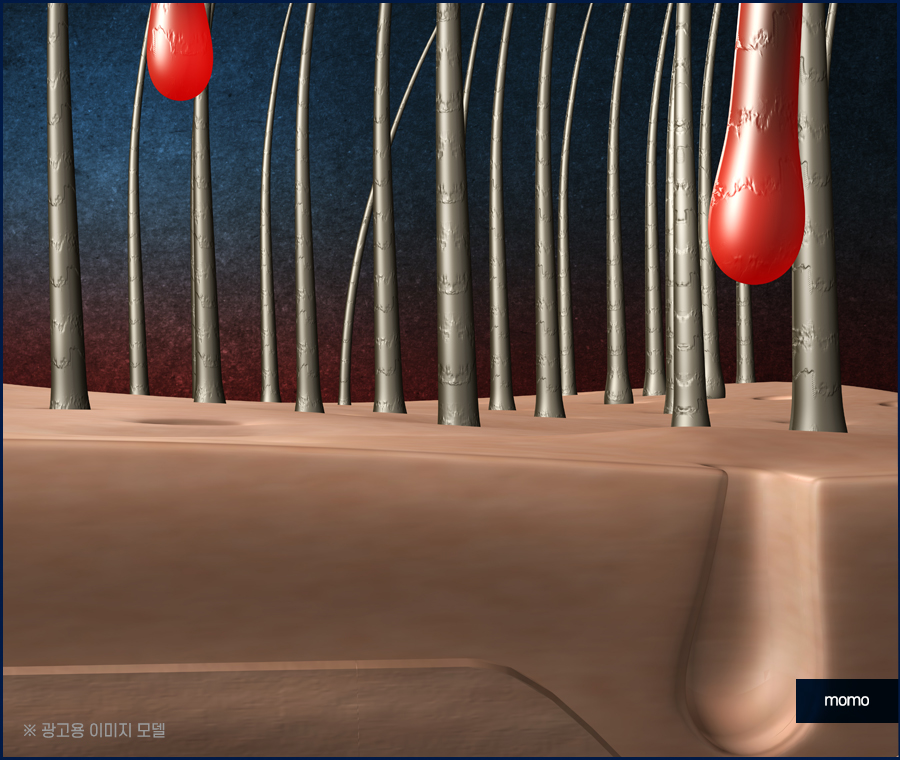
The first and most important factor is the skill of the doctor in charge.
This solution is broadly divided into incision and non-incision methods,
and it consists of extracting follicles from the back of the head,
separating them, and implanting them into the empty area. Since there are only minor differences and not much else that is significantly different, it is necessary to check whether the practitioner has abundant experience and records from working on various cases,
whether they possess in-depth knowledge and a high level of understanding related to the procedure,
and whether they have thorough analytical ability and a detailed sense of design that can satisfy both aesthetic and functional aspects that may otherwise feel lacking, along with excellent technical skill and know-how.
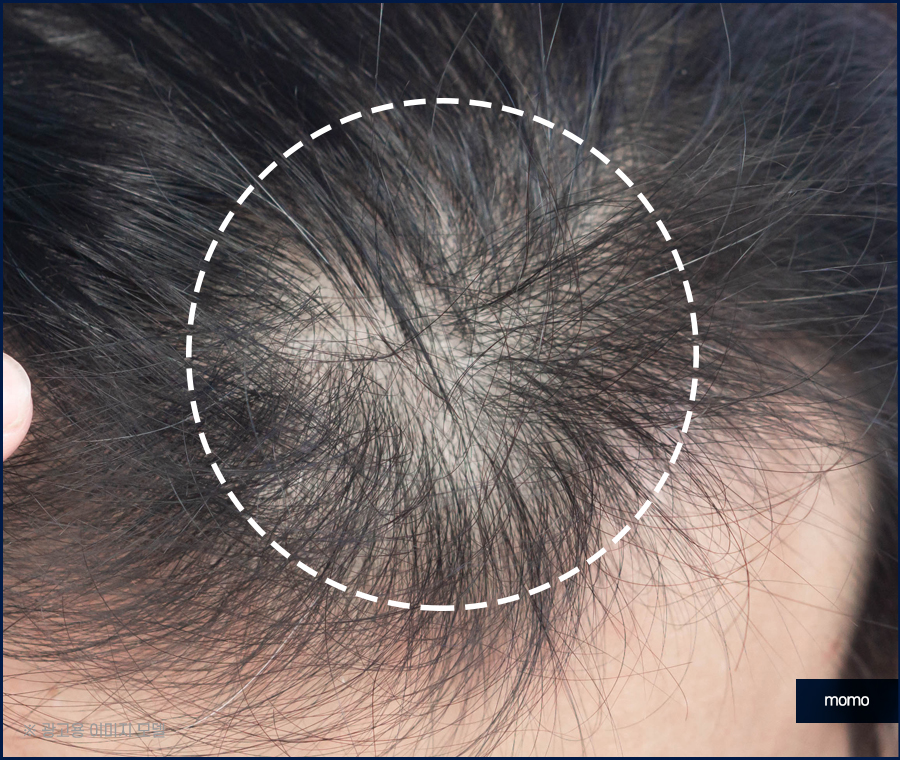
Because the level of skill and ability can affect the hair transplant survival rate as well as the overall procedure, this is something that must be kept in mind.
In addition, because human hair comes in various forms such as single, double, and triple strands, it is desirable to focus on maximizing naturalness by using the appropriate type according to the patient's condition, symptoms, and characteristics.
For a more satisfying hair transplant survival rate, the standard may also vary depending on whether a personal design was created to blend naturally while suiting the individual best.
It is said that the standard can change depending on this as well.
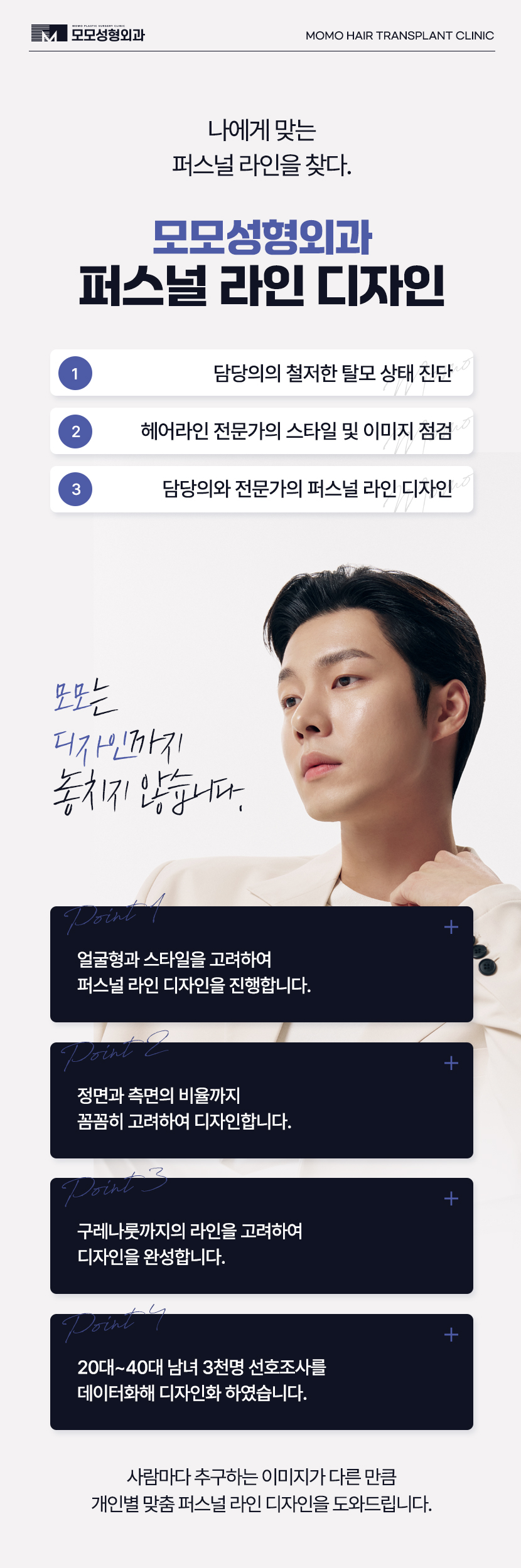
The elements that make up a personal design include understanding the shape of the face, the proportion of each facial feature, and the angles seen from the front and side, as well as examining in detail the direction, thickness, length, density, and whether fine hairs are distributed in the existing hair growth pattern. It is important to create a design that can harmonize with the surrounding hair one element at a time.
Lastly, it is also said that whether a professionally trained follicle separator is present at the clinic affects the hair transplant survival rate.
This role can be described as managing the harvested follicles throughout the process while putting them in the most suitable condition.
Because this solution can help the tissue that has been obtained settle properly, it is important to manage it through a systematic system.

And during the aftercare period that begins in earnest after the procedure is completed, it is important not only to continue personal care and steady effort, especially during stages such as the shedding phase, but also to check whether the clinic's stage-by-stage follow-up and individualized customized care program are being carried out appropriately.