The appearance-related conditions that each person values most highly may differ,
but among them, hairstyle is definitely a
key element that cannot be overlooked.
Many people are said to make an effort to
care carefully by applying a design optimized
for themselves or by taking an interest in
trendy styles and looking into them.

For that to be possible, an adequate amount of hair
must support it, and glossy, abundant hair can
serve as a medium for expressing individuality and charm,
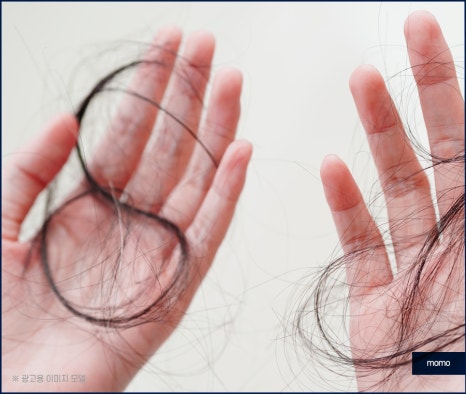
creating a lively image. However, if for some reason
the amount of hair decreases or hair loss occurs,
it can negatively affect appearance.
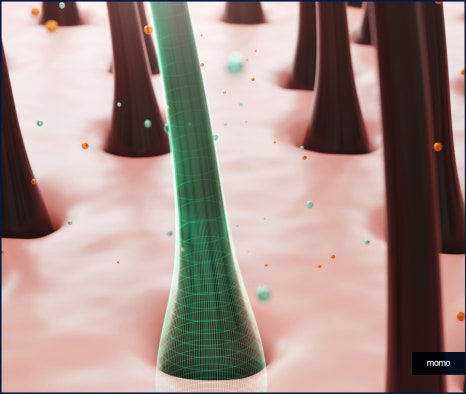
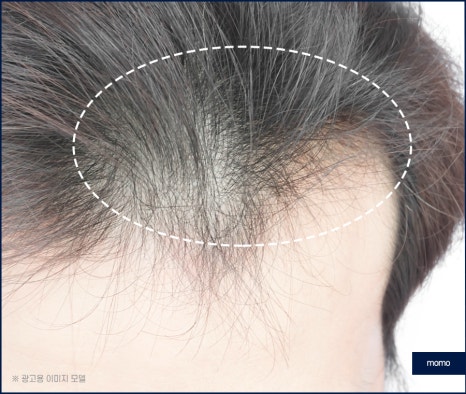
In particular, if the problem of hair loss develops,
it can make a person appear older than their actual age,
creating the impression of premature aging. In addition,
as such issues accumulate, confidence in one’s
appearance or image may gradually decline,
complexes and stress may increase, and it can become
difficult to carry on with ordinary daily life,
social activities, and interpersonal relationships.
There is also a risk that psychological issues such as
depression and avoidance of face-to-face interactions
with others may accompany it.
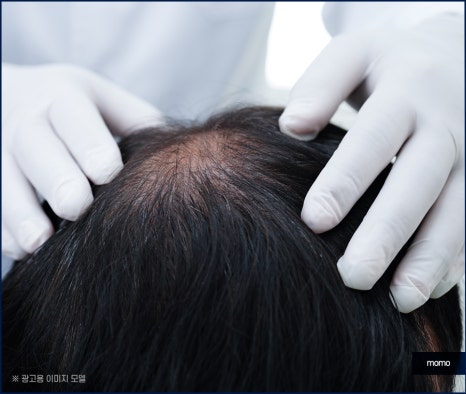

As a result, people who are trying to improve concerns and problems related to hair loss are
trying various methods, and among those alternatives,
Apgujeong Station hair transplantation is said to be drawing attention as one clear solution. However,
when looking into such solutions, it is advisable to have a thorough consultation with the doctor
about the methods that can be applied, the detailed conditions,
and whether there are tips for stably maintaining and increasing the graft survival rate,
which can be considered a key criterion throughout the overall process. It is also advisable
to proceed with a solution suited to one’s type and symptoms through a clear diagnosis
and identification of the cause of hair loss.
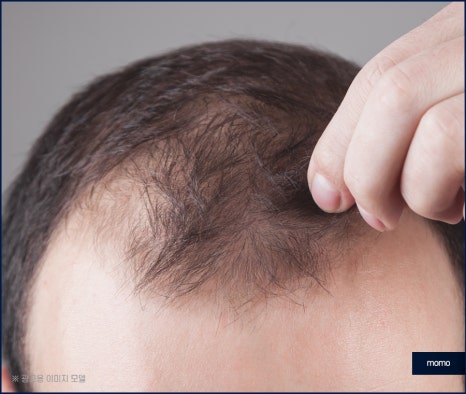
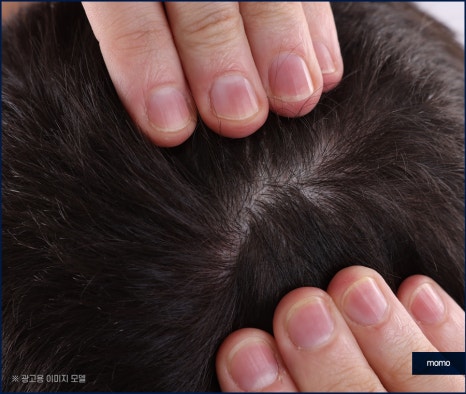
Above all, symptoms of hair shedding are divided into various types,
and it is very important to carefully check one’s scalp and hair condition and health
to find a personalized method.
In general, depending on the area where symptoms appear, hair loss may be considered to occur at the crown, part line, M-shaped hairline, circular areas, or hairline. It has also been explained that such types can arise not only from genetic predisposition but also from acquired factors such as hormonal changes, an unbalanced lifestyle and eating habits, and stress.
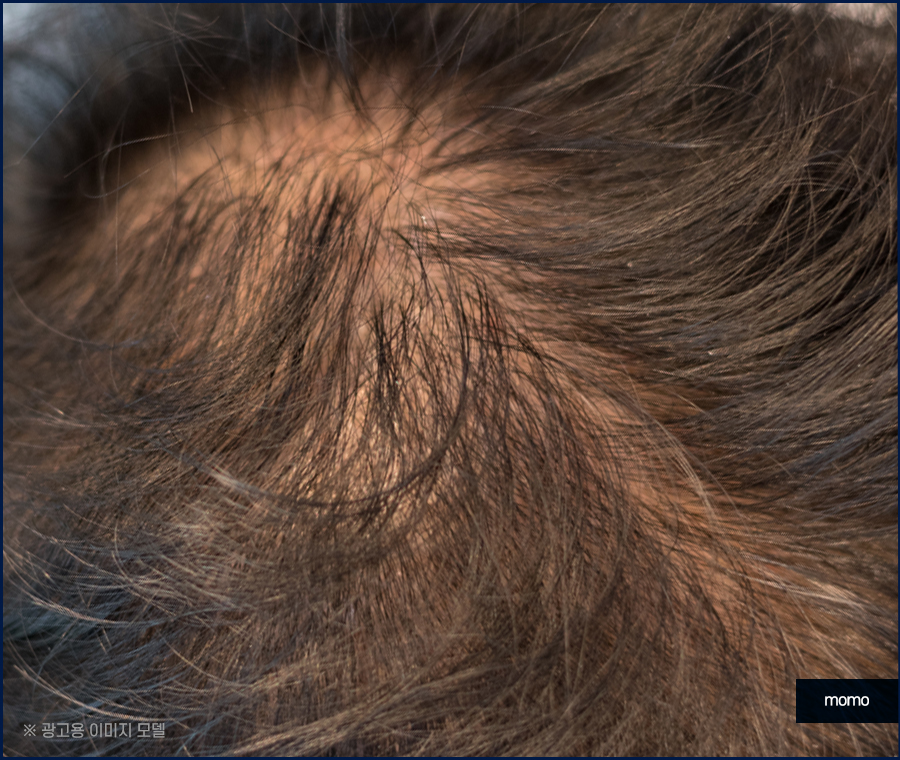
That is why people who have been struggling with hair loss concerns for a long time are choosing Apgujeong Station hair transplantation.
Depending on the follicle harvesting method, this can be performed using either an incision or non-incision approach. The traditionally used incision method and the non-incision method, which has recently been receiving much attention, are characterized by not showing a large difference in terms of graft survival rate.
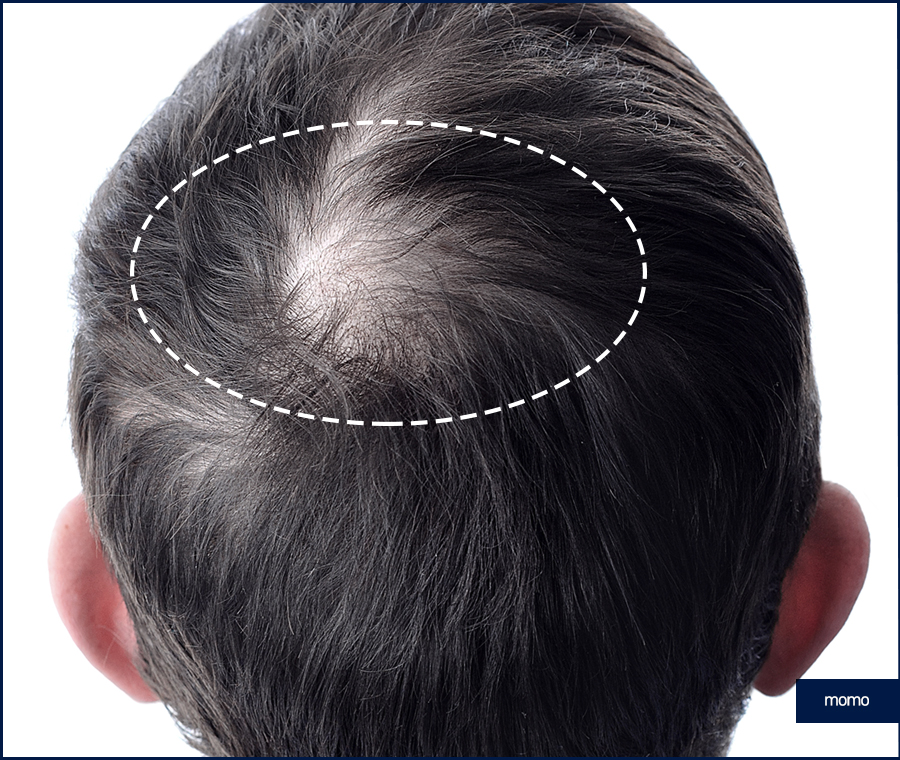
In addition, both methods share the premise of obtaining healthy follicles from the occipital area, but the previously mentioned method is a procedure that necessarily requires skin damage by removing a certain amount of scalp tissue. Therefore, it is advisable to keep in mind that there may be pain and scarring during the process of suturing and treating the treated area, and that some recovery time may be required.

For this reason, many people looking into Apgujeong Station hair transplantation nowadays prefer the non-incision method. Depending on the individual case, this method has the feature of allowing follicle extraction either with shaving or without shaving, and is said to offer the advantage of allowing a quick return to daily life starting the very next day after the procedure. In addition, because it proceeds by selectively obtaining and implanting the healthiest follicles, there is less unnecessary follicle loss, and it can be considered a solution that allows for a natural result that blends well with the existing hair.
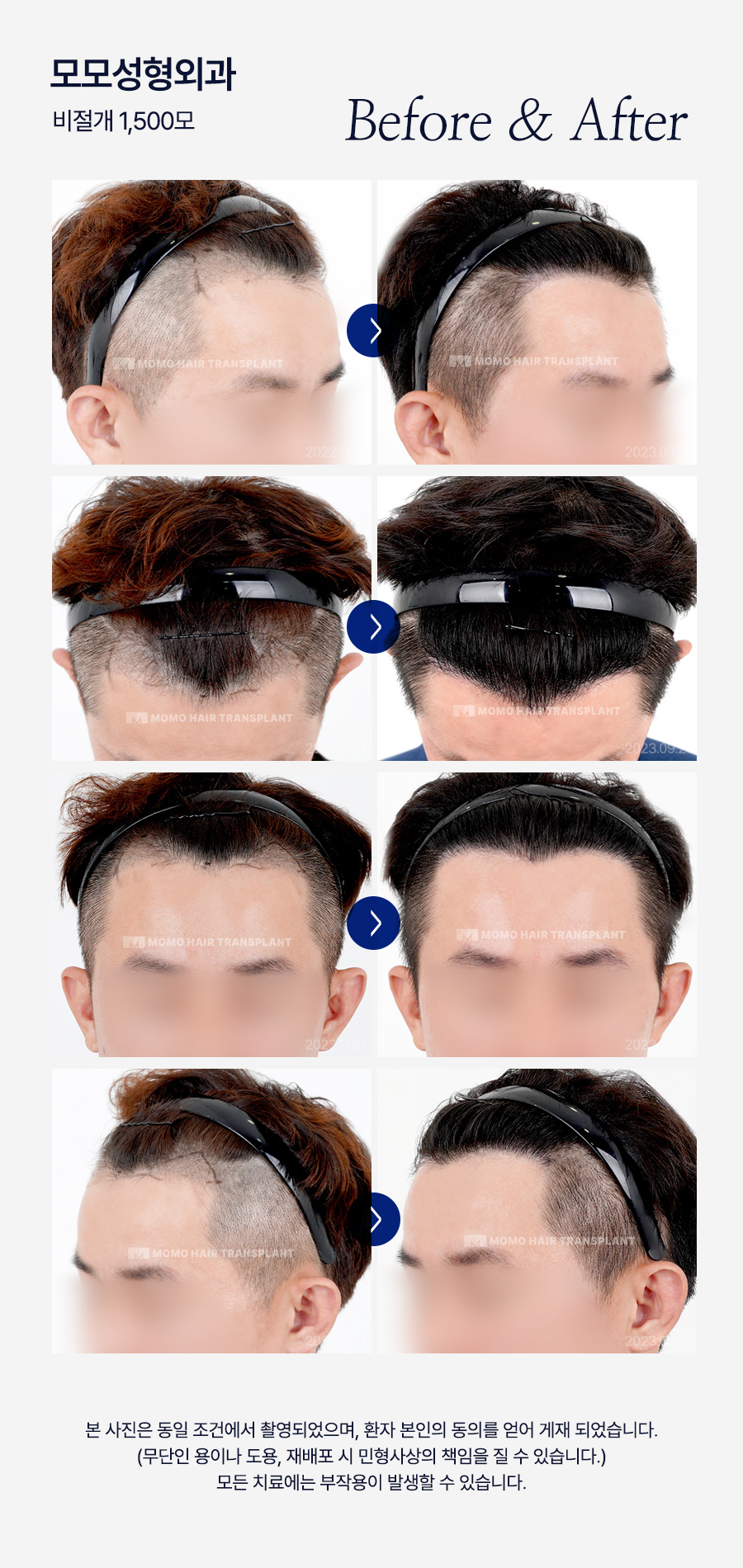
Apgujeong Station hair transplantation also has abundant data from hands-on experience with various related types and cases. Together with a doctor who has precise technique and an excellent level of know-how, it is necessary to plan the overall process based on detailed criteria through in-depth consultation and diagnosis, and to make a careful decision in order to achieve a natural look and outcome.
In addition, for such a method to lead to a satisfying result that matches expectations, how well the transplanted hair settles in place can determine the final outcome.
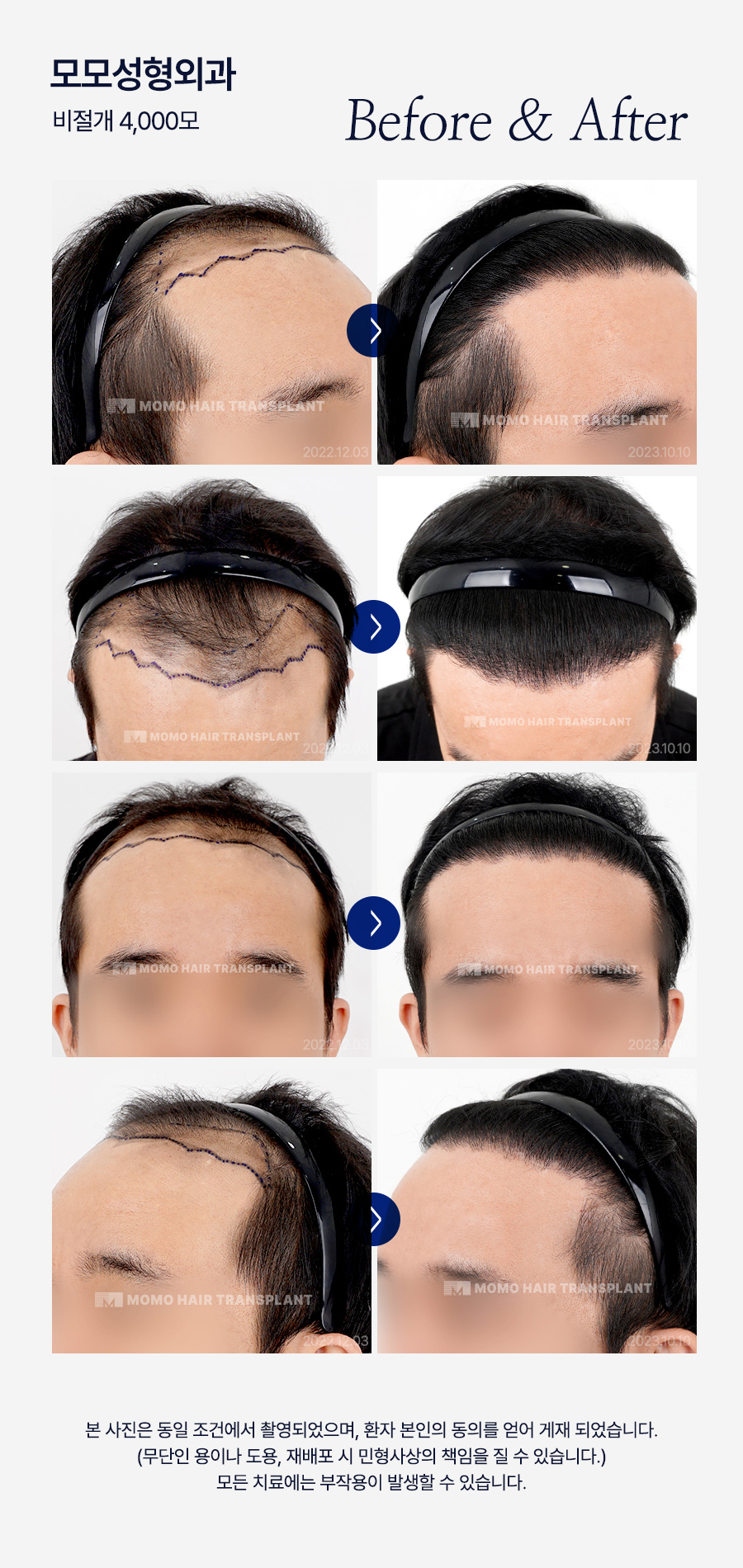
Therefore, the graft survival rate in Apgujeong Station hair transplantation should be regarded as a very important factor throughout the entire process of the solution.
The graft survival rate refers to the proportion of transplanted follicles that settle stably and then grow normally as hair. Even if the same amount of hair is transplanted, there can be differences in the sense of fullness and density.

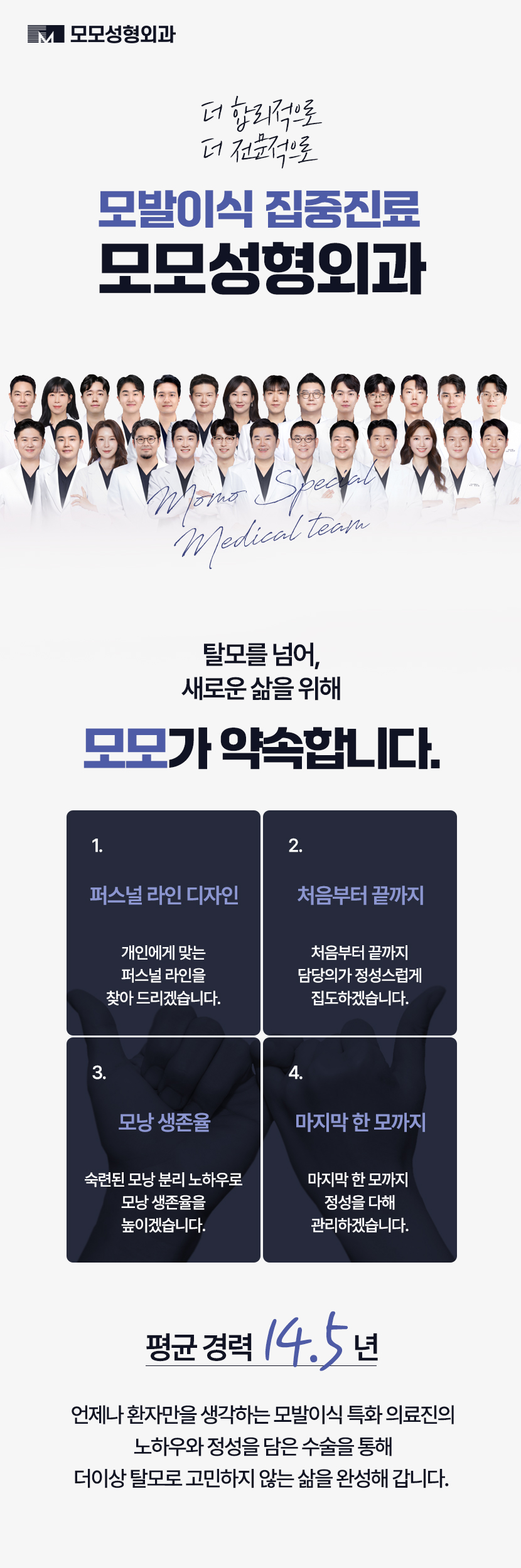
And it would not be an exaggeration to say that the graft survival rate in Apgujeong Station hair transplantation can be determined by various factors, above all by the detailed skill of the doctor who directly performs the procedure in harvesting follicles and by a systematic aftercare system. Therefore, if you are keeping this in mind or are at the stage of 고민 and choosing whether to proceed, you should be very careful in deciding on the institution that will carry out the procedure. Since the process itself is not simply about transplanting hair, but is a solution that requires a detailed aesthetic sense and a refined sensibility for personal design, as well as advanced technique, it is important to thoroughly check the doctor’s capabilities.

Of course, looking into these standards is important, but you should never forget that you need to devote all your attention and care to post-procedure management. This is to maintain a high level of graft survival rate, and during the approximately one-year graft settling period, it is essential to maintain a clean and hygienic environment, keep the area in good condition, and be careful to avoid unnecessary stimulation or contact with the treated area.
In addition, it is necessary to maintain proper habits and carry out personal care, and to remember that many efforts are required, including the application of the institution’s systematic management system. It should also be kept in mind that how long such efforts are sustained can affect whether the expected result is achieved.