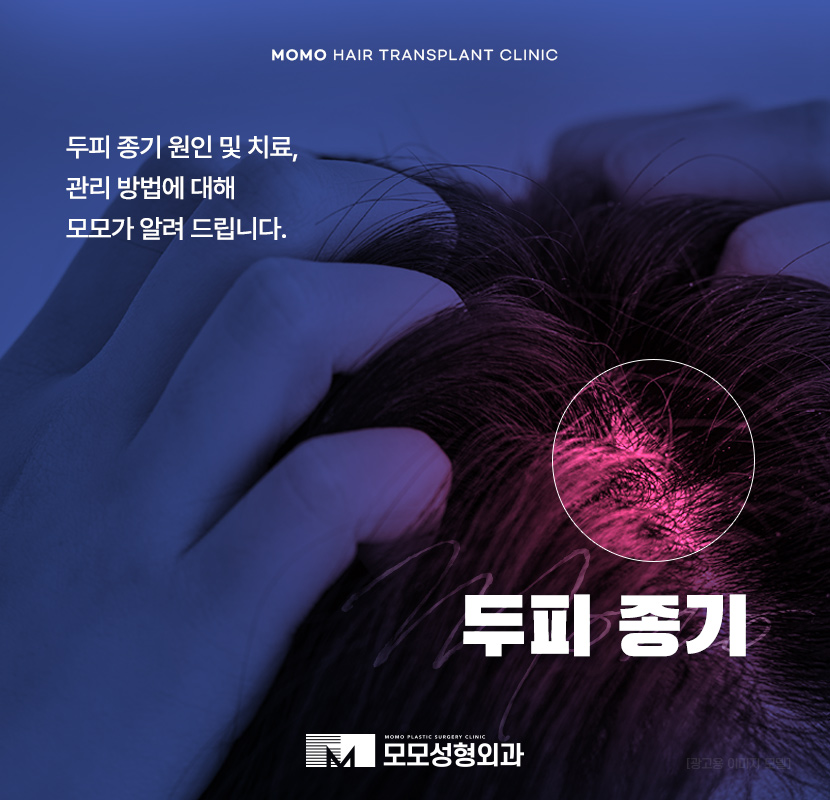
A person’s hairstyle is one of the factors that plays a major role in appearance more than we might think. For that reason, people of all ages and genders put great effort into their hair and continue to manage it carefully. Because of this, many people also pay attention to the trendiest designs at the time, visit hair salons, discuss styling with a hair designer, and try applying them in ways that suit them well.
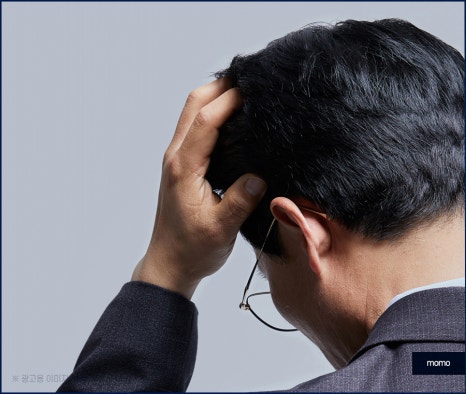

However, one day, while washing and styling your hair, you may suddenly notice a sore and worry that something serious has happened. In some cases, people are very sensitive to changes in their skin or health and notice them quickly, but in other cases, they may not recognize them easily and leave them untreated, allowing the sore to worsen and develop into a larger lesion.
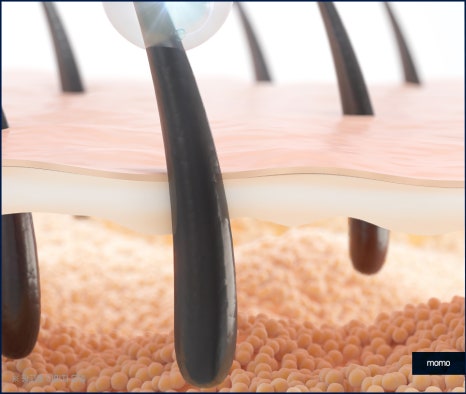
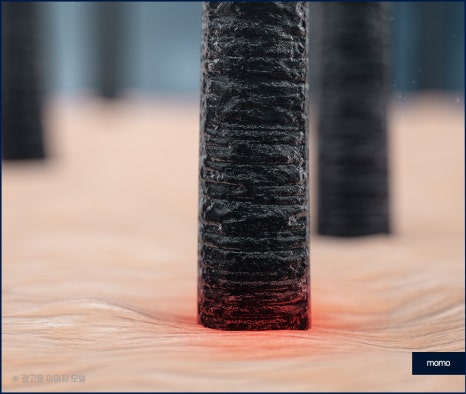
This symptom is commonly called a scalp boil. It is important to look into the cause of this condition in detail, but first it seems best to understand the sore itself. A boil refers to a pus-filled inflammatory lesion that appears in the deep layers of the skin.
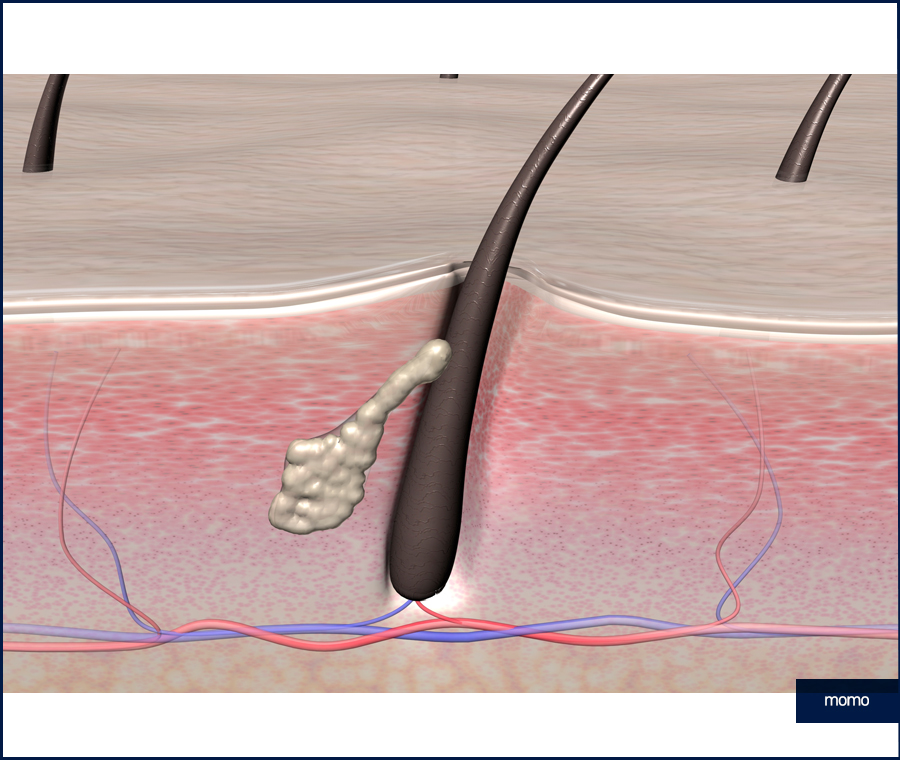
It usually occurs due to an infection of a hair follicle or sebaceous gland, and when this infection spreads deeper, a sore forms. A scalp boil refers to when this problem appears on the head. One of the main causes of the symptom is bacterial infection, and Staphylococcus aureus in particular is known as a common causative bacterium.
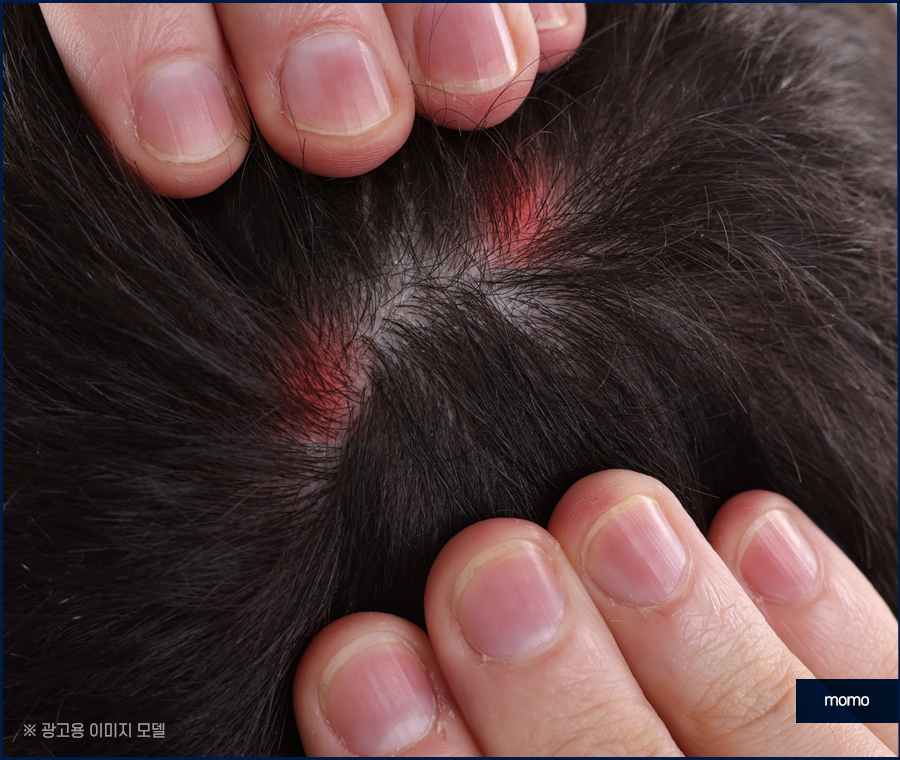
This bacterium can naturally exist on the skin, but if the skin is damaged or the immune system is weakened, it can cause infection. Small wounds or scratches on the head can provide a pathway for such bacteria to enter, and this is known to lead to scalp boils.

A weakened immune system is also mentioned as one of the major causes of scalp boils. When immunity is lower than that of other people, a person is more vulnerable to bacterial infection. This includes cases in which the immune system is weakened due to diabetes, HIV/AIDS, or cancer treatment. In addition, accumulated stress, poor nutrition, and lack of sleep can also weaken immunity, increasing the likelihood of sores developing.
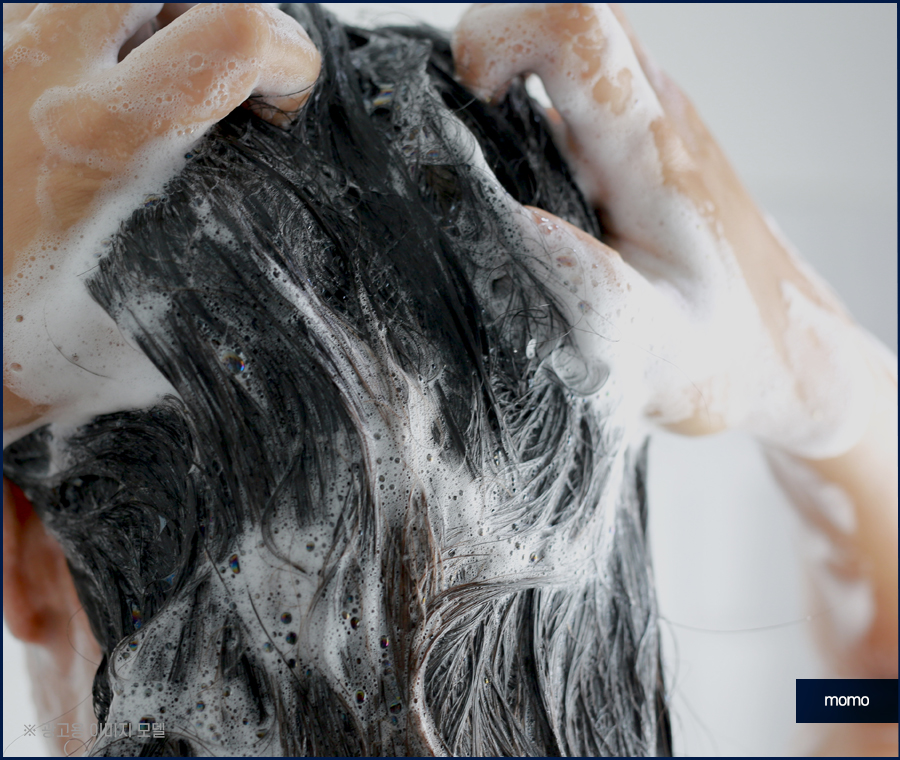
Hormonal changes can also play a role, and it is worth noting that hormone levels change significantly during puberty or pregnancy, which can increase sebum secretion in the skin and create the conditions for hair follicles to become blocked. In addition, each person’s hygiene habits can have a sufficient impact on the formation of sores. If a clean environment is not maintained consistently, waste such as sebum and sweat accumulates, hair follicles become blocked, and inflammation can occur. Also, people with oily hair are more likely to have blocked hair follicles, which provides an environment where bacteria can grow, so it is important to wash regularly and maintain clean hygiene habits.
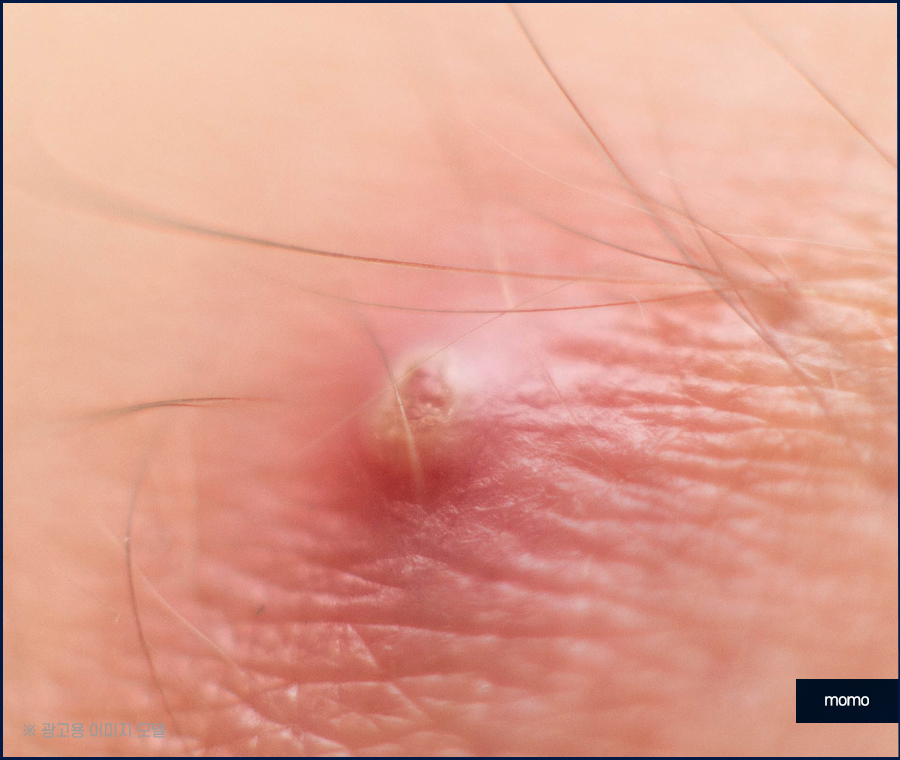
Certain diseases or medical conditions can also act as causes of scalp boils. For example, folliculitis is a condition that causes inflammation and can develop into a sore. Conditions such as seborrheic dermatitis or atopic dermatitis can also cause infection and trigger the symptom. In some cases, a pouch-like lump, or cyst, can form on the head. Although it is not harmful to the body or particularly disruptive, if left alone for a long time it can grow larger and develop into a lesion, and in severe cases it can cause hair loss. Therefore, if any concerning symptoms are observed, it is advisable not to simply worry about them, but to visit a specialist immediately and receive treatment through an appropriate diagnosis.
Therefore, when looking for a clinic to identify the cause of and treat a scalp boil, it is important to carefully consider the provider’s expertise and capabilities, such as whether the attending doctor has extensive knowledge and understanding of the condition and whether they have practical experience, data, and case history. Depending on each person’s symptoms and condition, appropriate medication, anti-inflammatory products, or steroid-based treatment solutions may be applied, and such improvement can significantly relieve symptoms only through the doctor’s careful consultation and accurate diagnosis.

In addition, maintaining personal hygiene habits and a regular lifestyle can be one solution for preventing and managing this symptom. Of course, it is worth remembering that people who are prone to developing sores may experience the symptom frequently regardless of cleanliness, even if they wash their hair every day and manage it carefully.
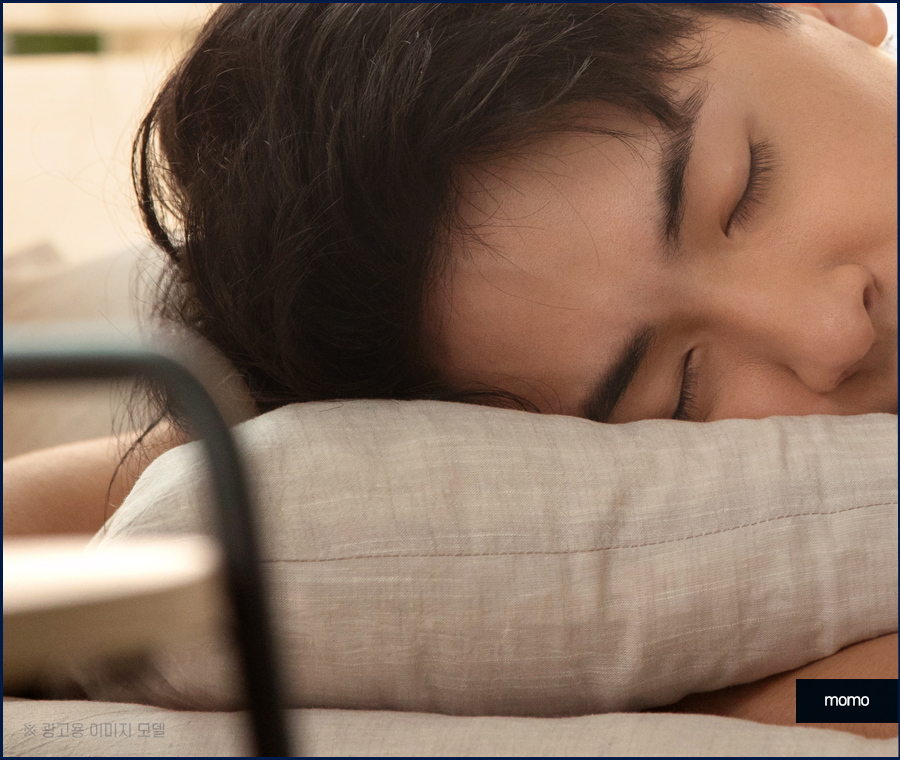
Even so, it is better to avoid stimulating, greasy foods and to consume a balanced intake of essential nutrients. You should also get enough sleep, at least 6 to 7 hours a day, and properly relieve stress caused by school, work, or other environments. Otherwise, problems may arise in the body’s immunity, leading to abnormalities in the sebaceous glands and inflammation.