A neat appearance is not something people strongly disagree on,
and it can leave a positive impression on others.
In the end, a person’s image is shaped by the first impression they give,
so if there are any characteristics that could become a concern,
they may lead to a great deal of stress and insecurity.
One such case can be having less hair or experiencing hair loss.

Because everyone pays attention to trends and styling
and wants to create the look they desire,
for those who are sensitive to these matters,
hair loss can become a major concern.
That is why more and more people are looking into
male hairline hair transplants and making inquiries.
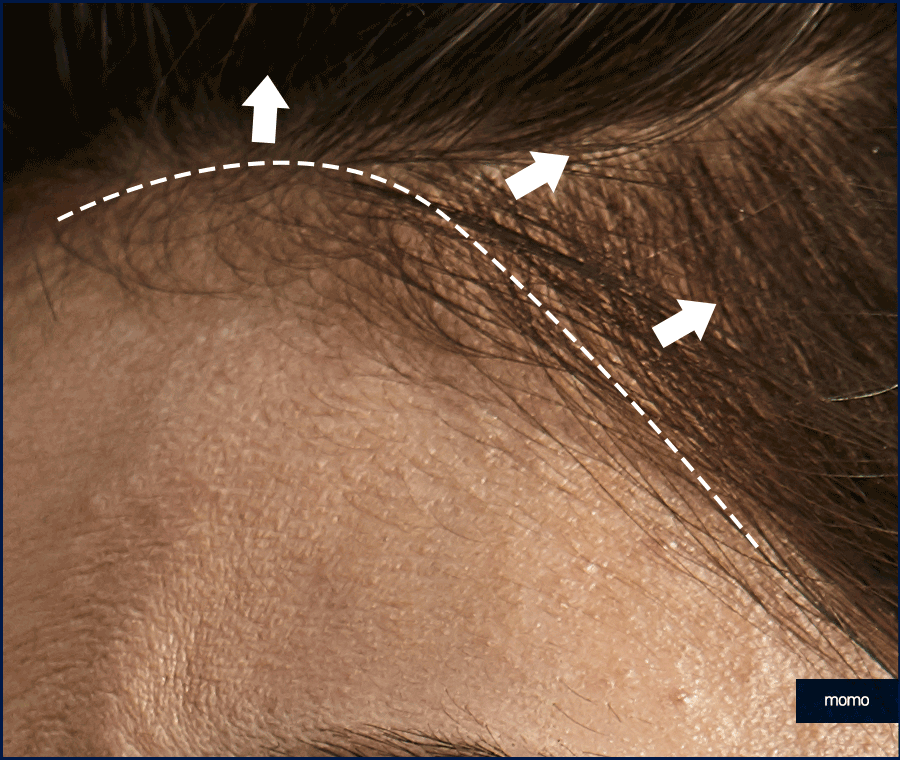
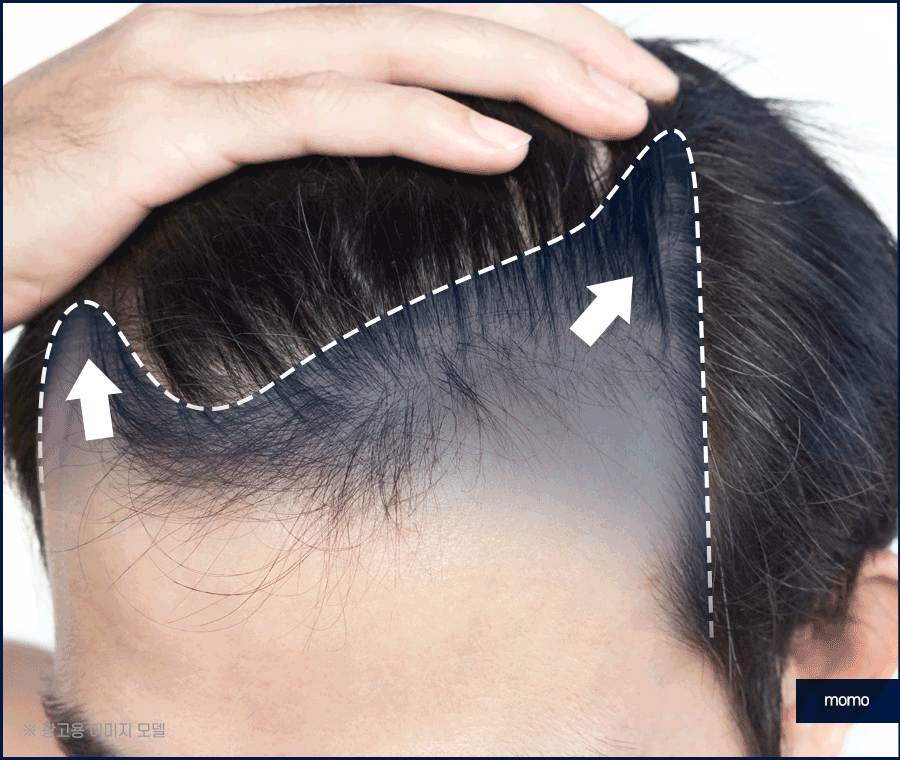
For those whose hairline is not smooth and neatly formed,
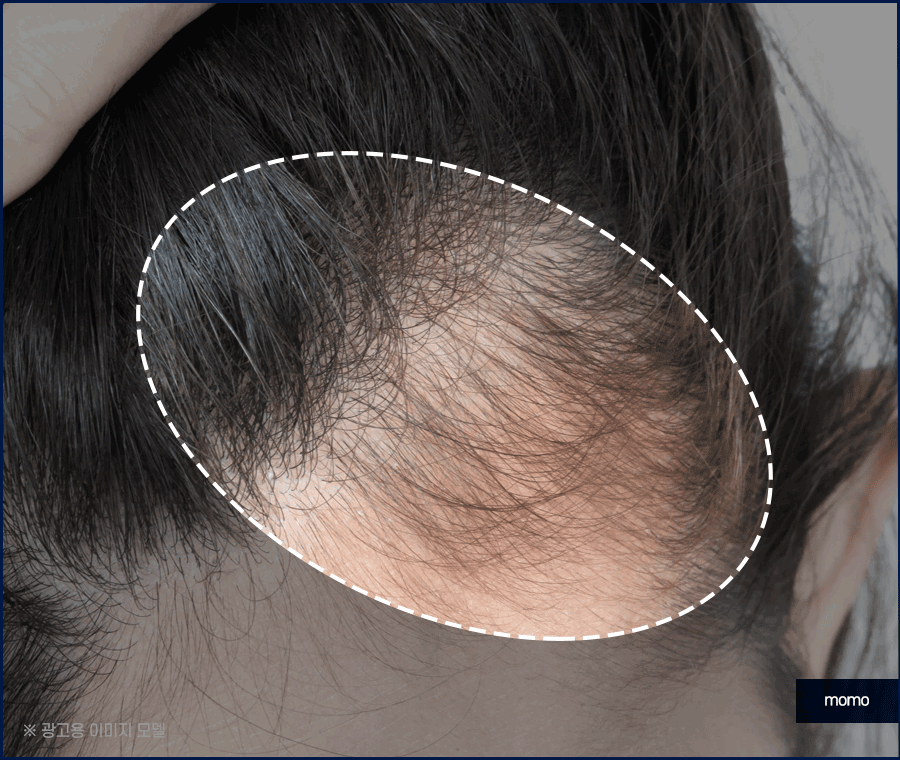
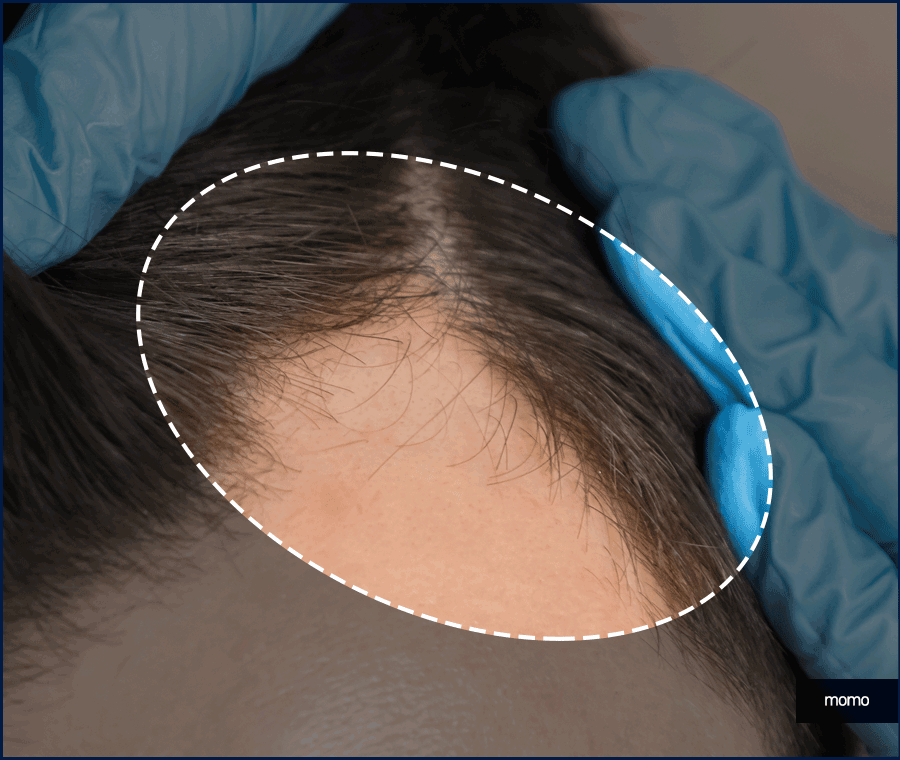
or whose crown or parting area is experiencing hair loss,
and who are worried about these issues,
looking into related procedures may be a way to improve the problem.
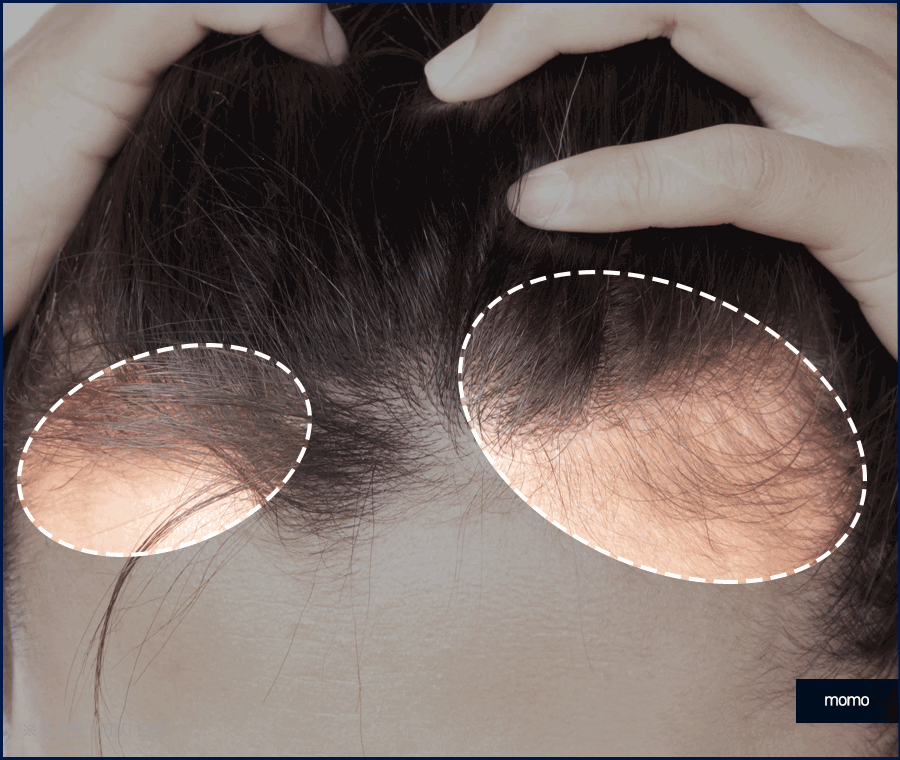
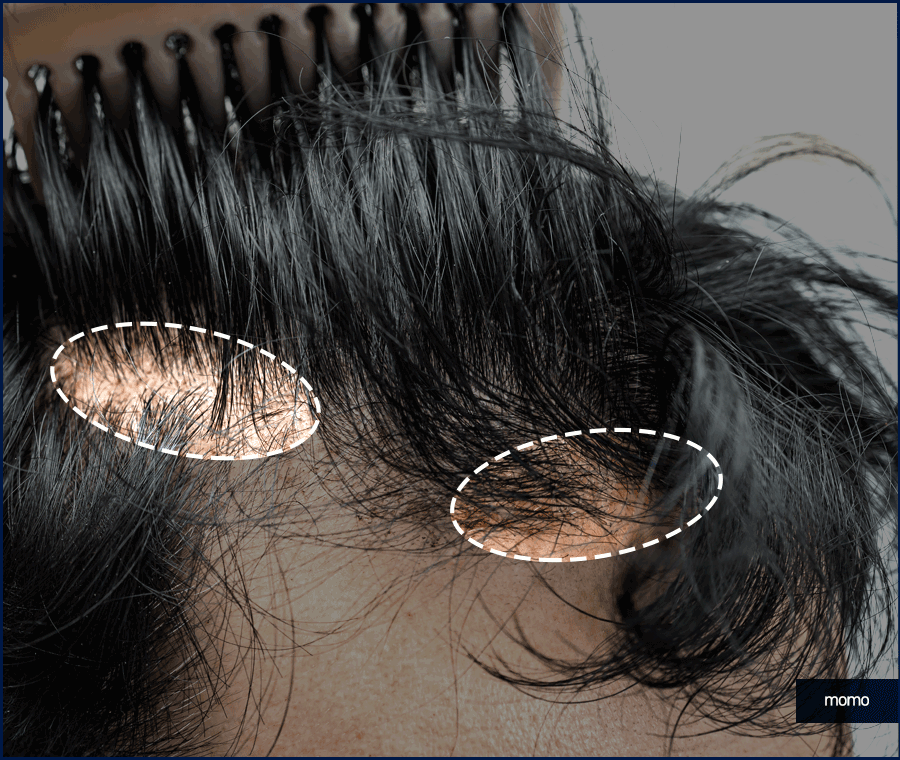
In fact, many people first try using easy-to-apply makeup products or highly functional products,
or make efforts to fill in the empty areas through folk remedies and the like.
These may provide temporary effects, but since the root cause has not been addressed,
they may eventually return to their previous condition.
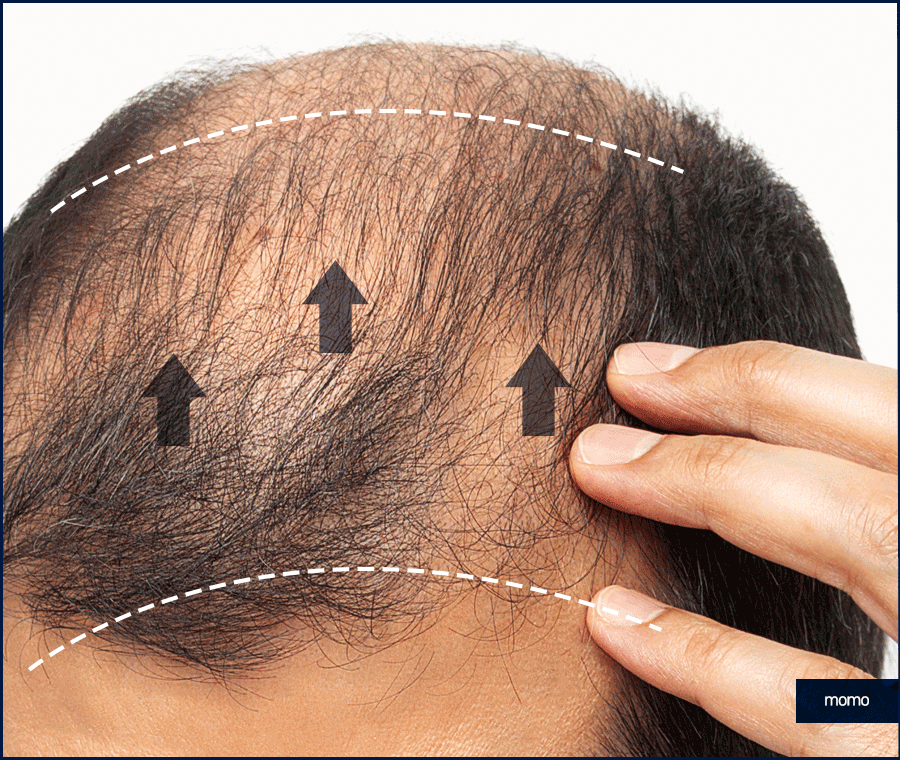
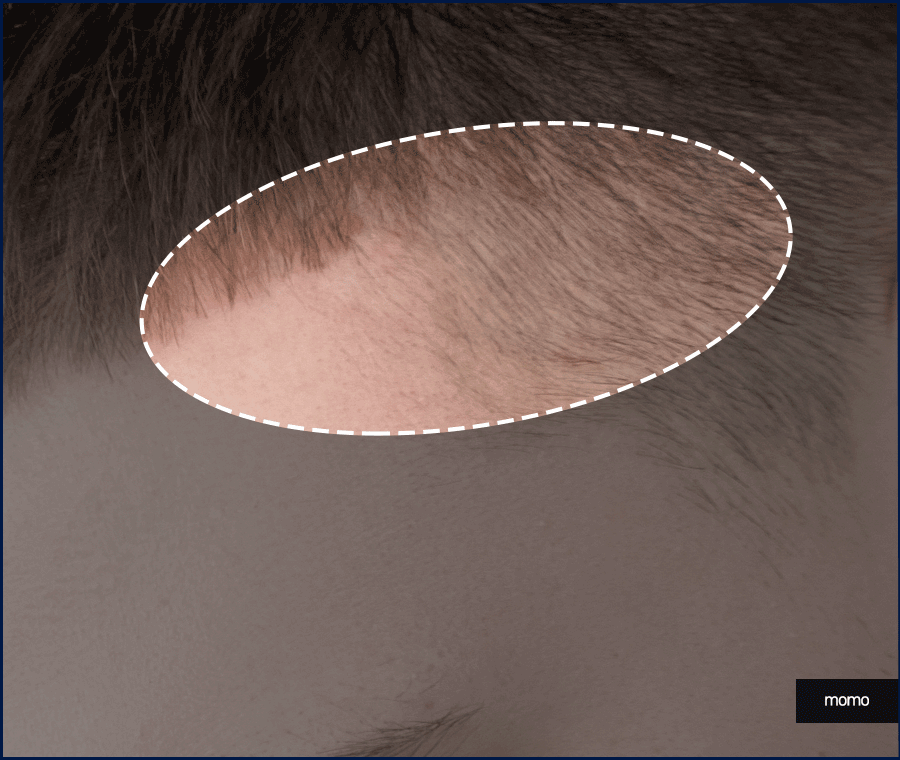
In particular, among those looking into male hairline hair transplants,
many are considering the procedure for aesthetic reasons even when the condition is not severe yet
and there are no major issues with the forehead line.
In the past, it was usually performed for treatment purposes,
but now it is increasingly being carried out to improve cosmetic aspects.
If you are currently looking into this procedure,
it is necessary to plan an image that is well harmonized with the overall face you have in mind,
as well as your facial features.
First, if the condition appears,
the area that can be considered the boundary between the forehead and the hair may change into an M shape,
and the sides may gradually recede backward and expand.
As a result, the forehead may appear wider,
and the face may seem larger as well.

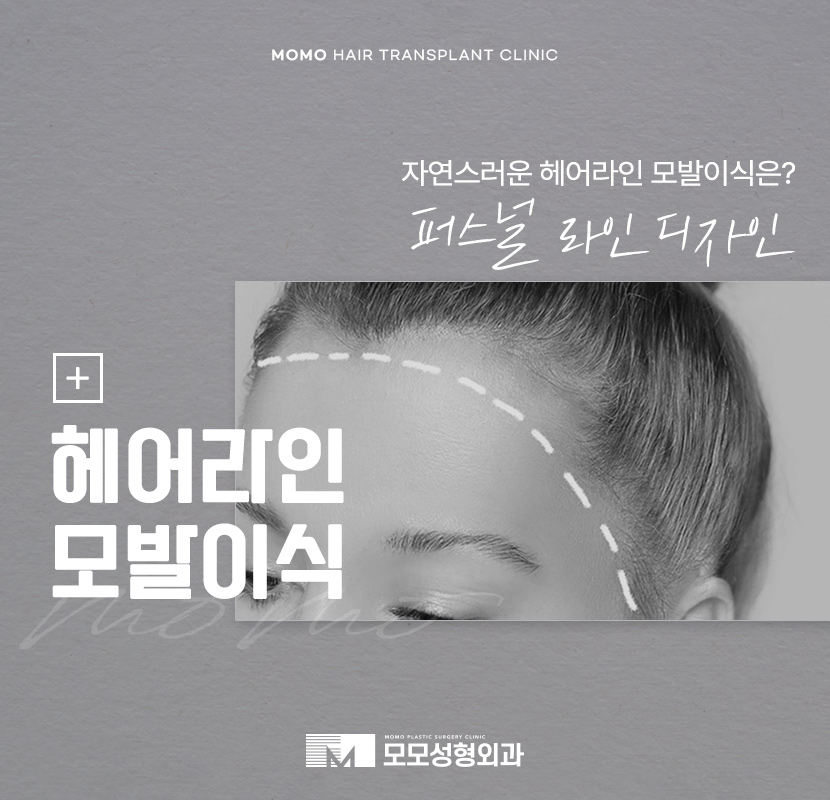
Therefore, it is important to proceed with male hairline hair transplantation after creating a personal design that suits each individual,
considering not only the thickness, density, and direction of the remaining natural hair,
but also the face shape, the proportions of facial features, and even the shape of the sideburns.
In addition, to achieve the desired results,
it is necessary to have detailed consultations with the medical team performing the procedure, as well as considering the importance of the design itself.
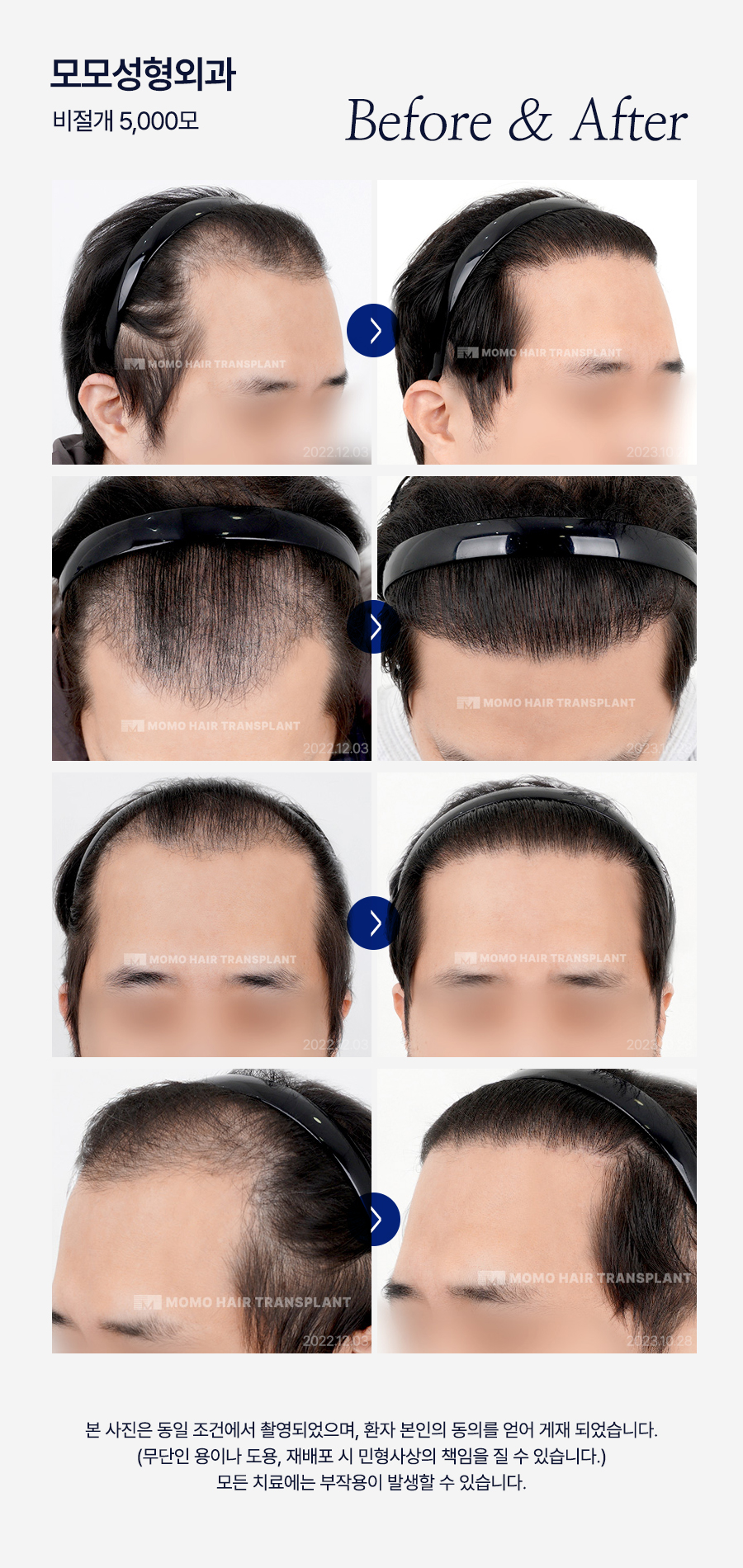
Through this process, one of the two methods—incisional or non-incisional—is selected and performed.
Each has its own advantages and disadvantages,
and these days many people prefer the non-incisional method.
This process involves directly selecting and extracting healthy follicles that have not yet been affected by the condition,
one by one, and transplanting them directly into the lacking area.
Because of this, compared with a method that involves making an incision in a specific area,
there is less loss of follicles,
and it has the advantage of a lower likelihood of scarring or pain.
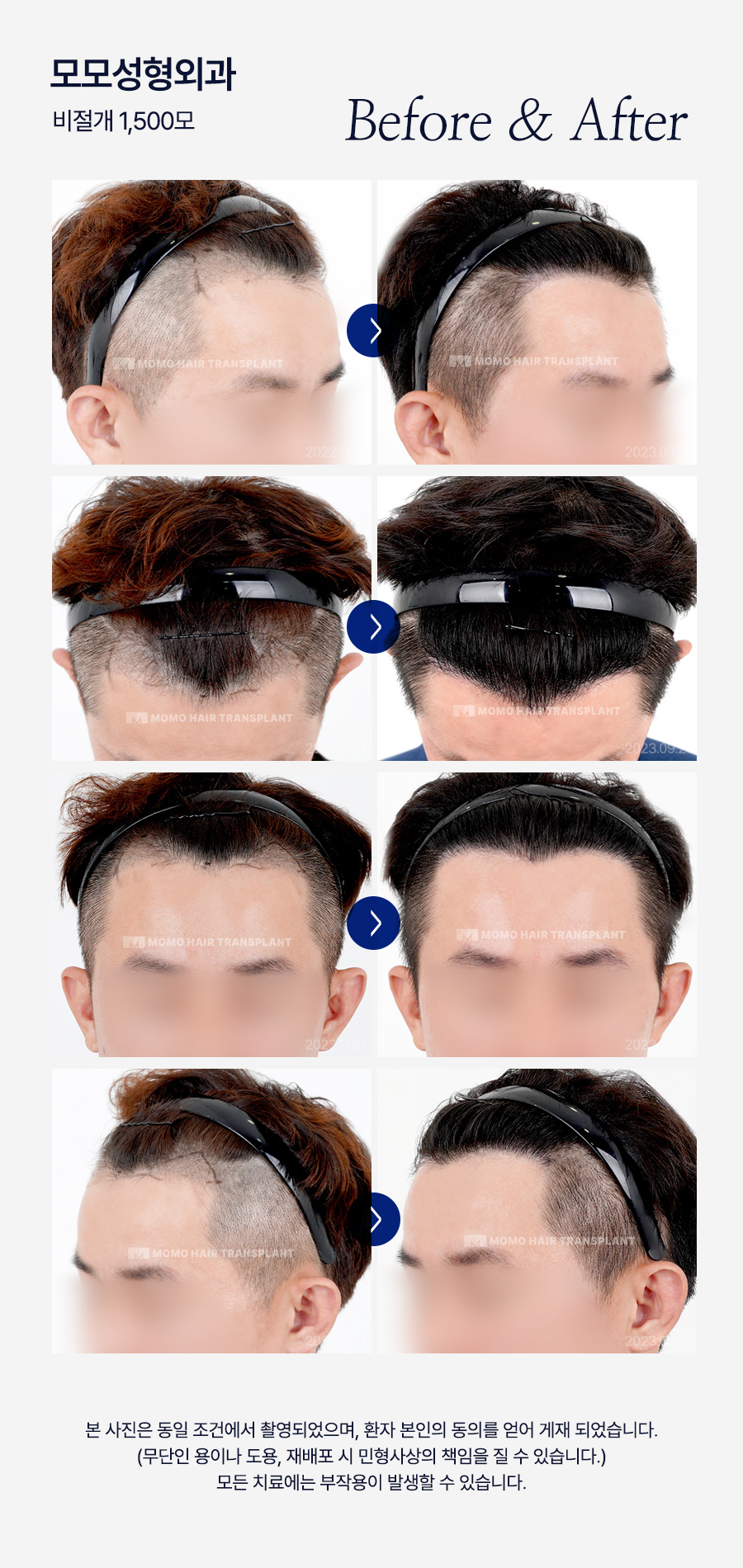
Many people may think that transplanting a larger number is always better,
but that may not be the best choice.
In fact, it can lead to unnatural results,
so it is important to carefully look into the appropriate amount required for the procedure,
as well as the institution and medical team that can provide highly satisfying outcomes.
Therefore, before undergoing male hairline hair transplantation,
it is best to first check whether the medical team providing the care has plenty of experience,
know-how, and skill.

It is also advisable to check whether they are carrying out the procedure while considering important factors such as a natural personal design and graft survival rate,
and to receive the procedure through stable treatment while also paying attention to aftercare.
This can be an appropriate approach,
and it may help resolve the stressful issue and achieve a more satisfying change in appearance.