The society we live in today and its many fields have undergone rapid and highly advanced development, and it seems that this was made possible because countless people made tireless efforts every day throughout that process.
In addition, because we have diligently and fiercely carried out the lives and responsibilities given to each of us, we are able to enjoy a rich life.
However, in the midst of all this, when you are in an environment such as excessive work, business, or studying hard for your dreams and future, there are times when you feel stressed if you occasionally find yourself in situations that are difficult to adapt to.
This is also a phenomenon that cannot be ignored in the issues faced by modern people who continue active social lives, daily routines, and interpersonal relationships, and it is especially referred to as the root of all disease.
If you deal with these symptoms properly through hobbies or leisure activities you enjoy in your daily life, there is nothing more to say. However, many people do not have enough time to relieve them because of busy lives, and as stress builds up, large and small illnesses can occur in various parts of the body psychologically and physically, leaving them feeling more discouraged and in pain.
Among such illnesses, there are cases where the health of the scalp and hair worsens due to these factors, eventually causing hair loss. This not only makes a tired body and mind even harder to bear, but also creates awkward situations when symptoms are occasionally visible even if you try to cover them inconspicuously, increasing feelings of inferiority and making you sink further into a negative state.
In particular, because hair-loss diseases come in many different patterns and types, learning about them in advance can also be one way to help and can be very beneficial.

Among those types is alopecia areata, in which round, coin-like patches of hair suddenly fall out, and in severe cases, all the hair on the head can be lost in a large clump, causing extreme stress.
This type is not limited to middle-aged and older adults; it is also steadily increasing among people in their 20s and 30s, as well as teenagers who are under pressure and stress from school and entrance exams.
And even without taking any special measures, about 60% of cases with the same type can naturally recover if they eat foods good for alopecia areata.

It can also respond well to medication and improve quickly, but since it is a type that often recurs, such as when there is no recovery at all even after more than three months, when it continues to widen, or when symptoms appear in multiple areas, it is advisable to identify the clear cause and, while eating foods good for alopecia areata and managing the condition steadily, seek helpful methods and, in severe cases, visit a relevant institution for detailed consultation and diagnosis and look for proactive improvement measures.
What are the causes?
First, there is no exact confirmed cause of alopecia areata, but it is thought to occur through the interaction of genetic factors and environmental influences such as hormonal imbalance.
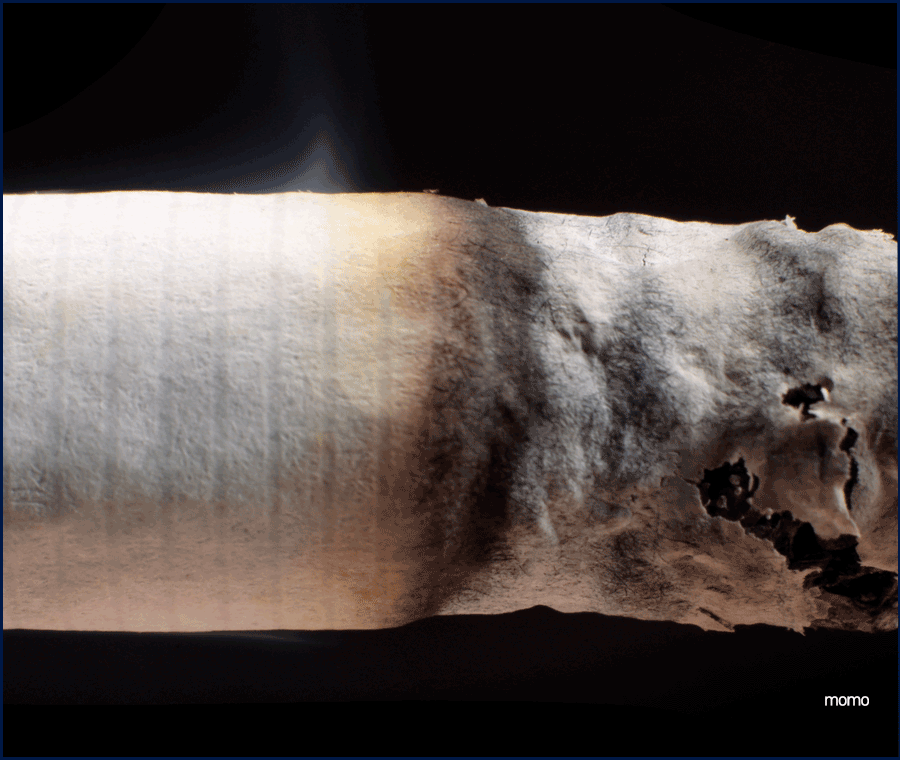
At present, stress and nicotine are known to be the biggest triggering factors, and it generally occurs most commonly in children; about 20% of cases may experience their first onset before the age of 20, with similar frequency in men and women.
Also, because it is a type of autoimmune disease, T lymphocytes in the blood do not recognize hair as part of the body and instead attack it, causing hair to fall out from the body. In severe cases, all the hair on the scalp may fall out in large amounts, and hair across the body, including the scalp, eyebrows, eyelashes, and underarms, may also fall out.

Eating foods that can help is also necessary.
Therefore, it is important to look into foods and ingredients good for alopecia areata and continue careful, consistent management so that you can prevent symptoms and face a faster recovery.
Hair is mainly composed of protein, so in order to prevent and manage the symptom of round patches of hair loss, it is advisable to eat foods good for alopecia areata made with helpful ingredients. Let’s look into the related foods in detail.

To do that, it is good to include foods rich in protein.
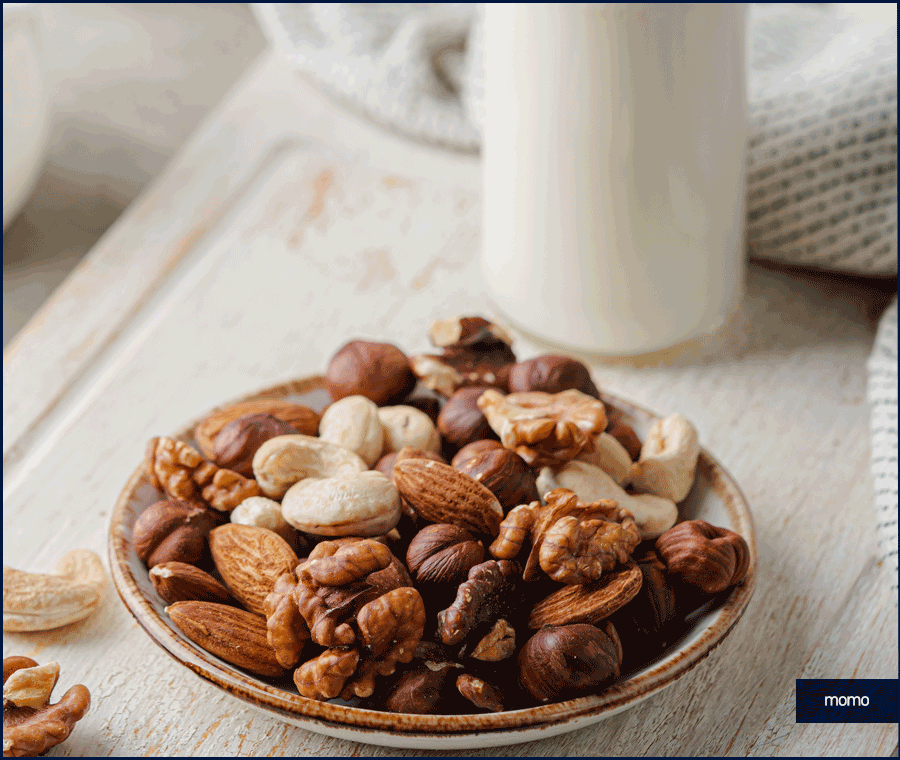
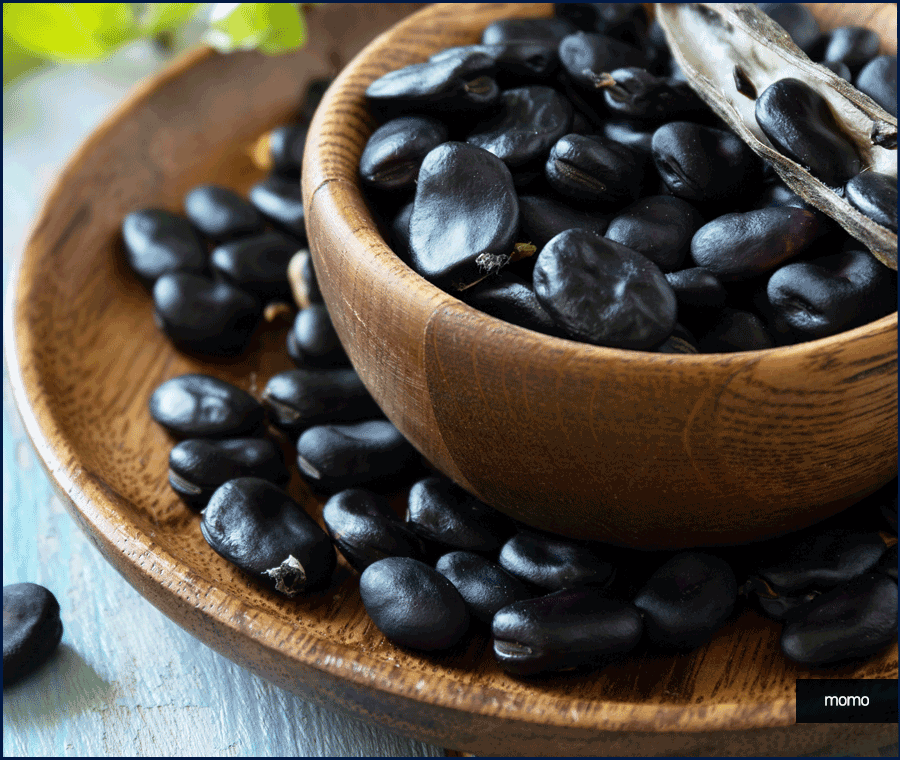
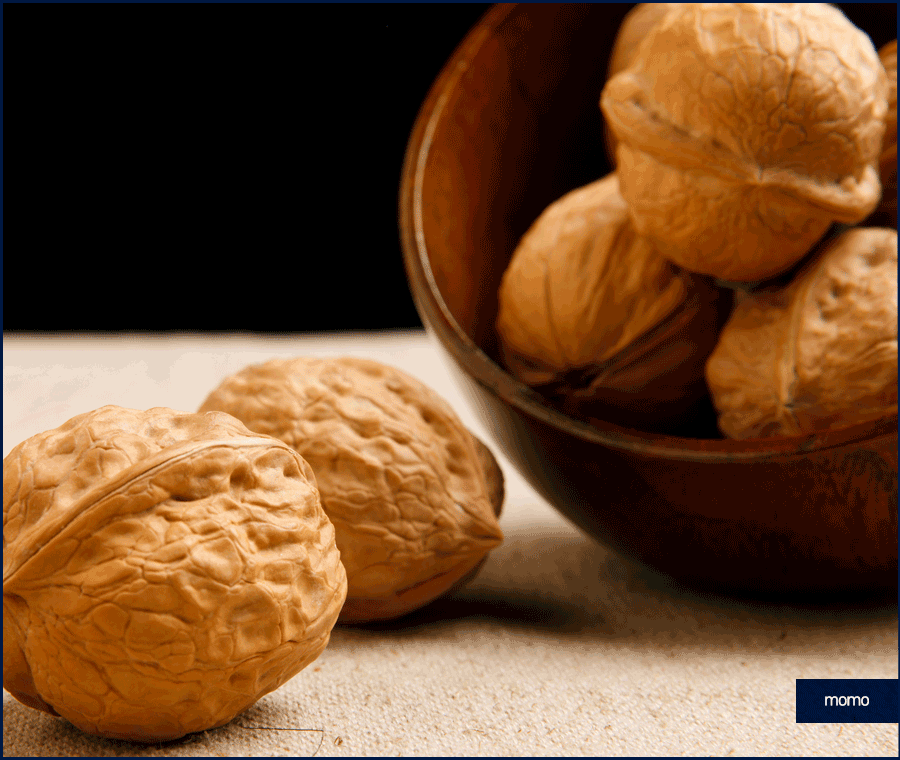
Chicken, eggs, fish, nuts, and legumes provide high-quality protein, and consistently consuming these ingredients can positively affect the elasticity and strength of hair.

Omega-3 fatty acids also play an important role in maintaining hair health.
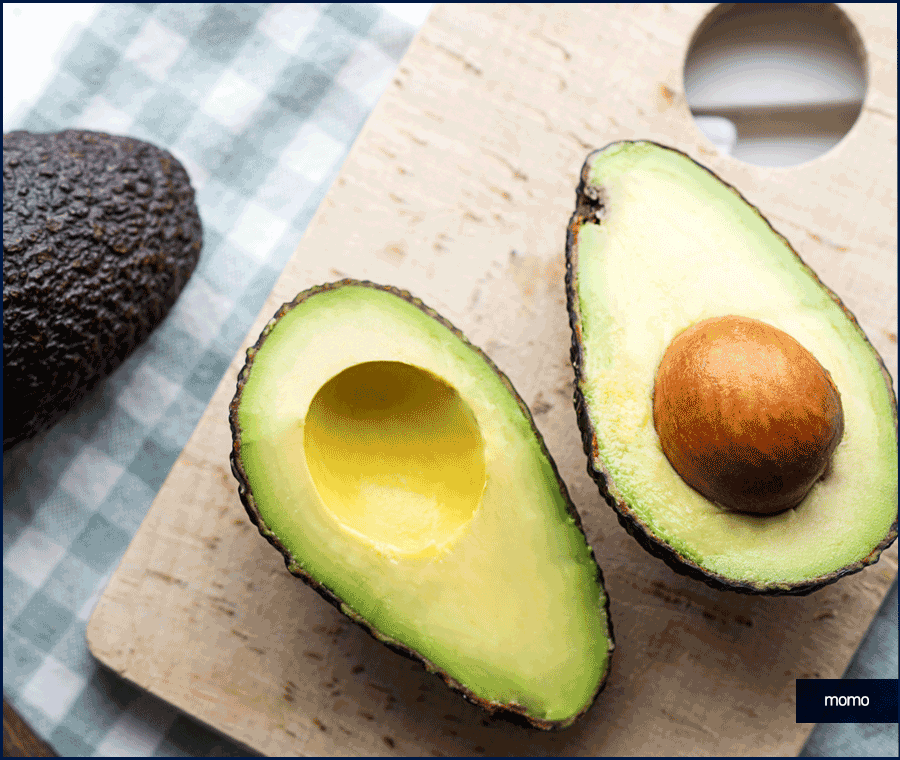
They are one type of unsaturated fatty acid, and as fatty acids needed for hair shine and protection, consuming foods rich in omega-3 fatty acids such as salmon, almonds, avocados, and walnuts can help maintain hair health and prevent loss.
In addition, foods good for alopecia areata should include vitamin and mineral components, as these are essential nutrients for hair growth and health.


In particular, vitamins A, E, and C, zinc, and iron support growth and help make hair stronger.
It is said that consistently eating carrots, green leafy vegetables, fruits, seeds, and so on can improve the condition of the scalp and hair.

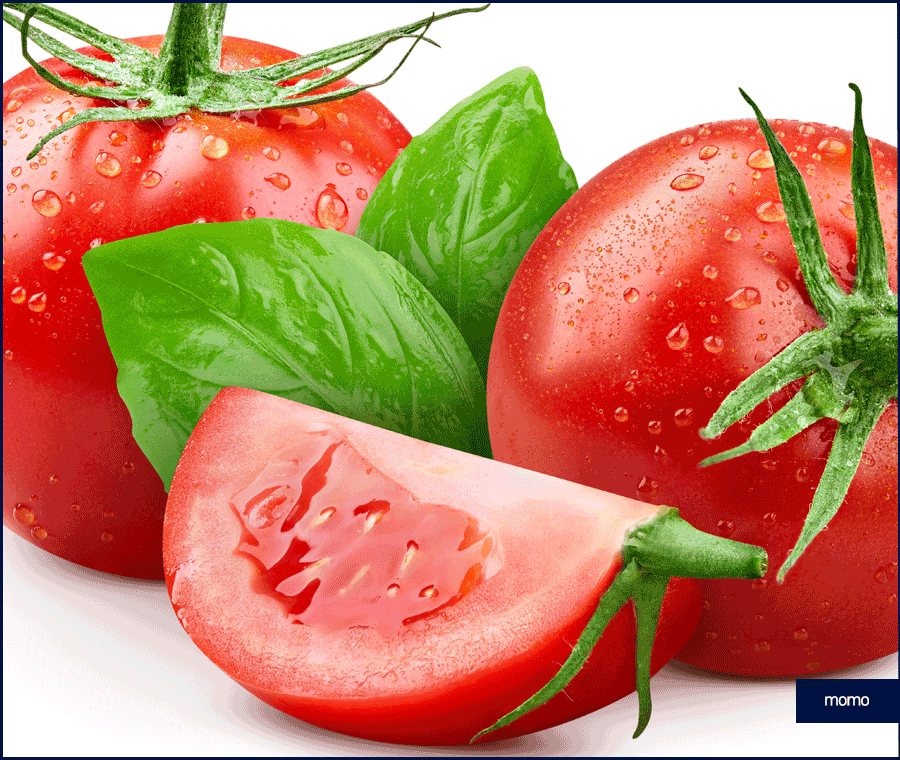
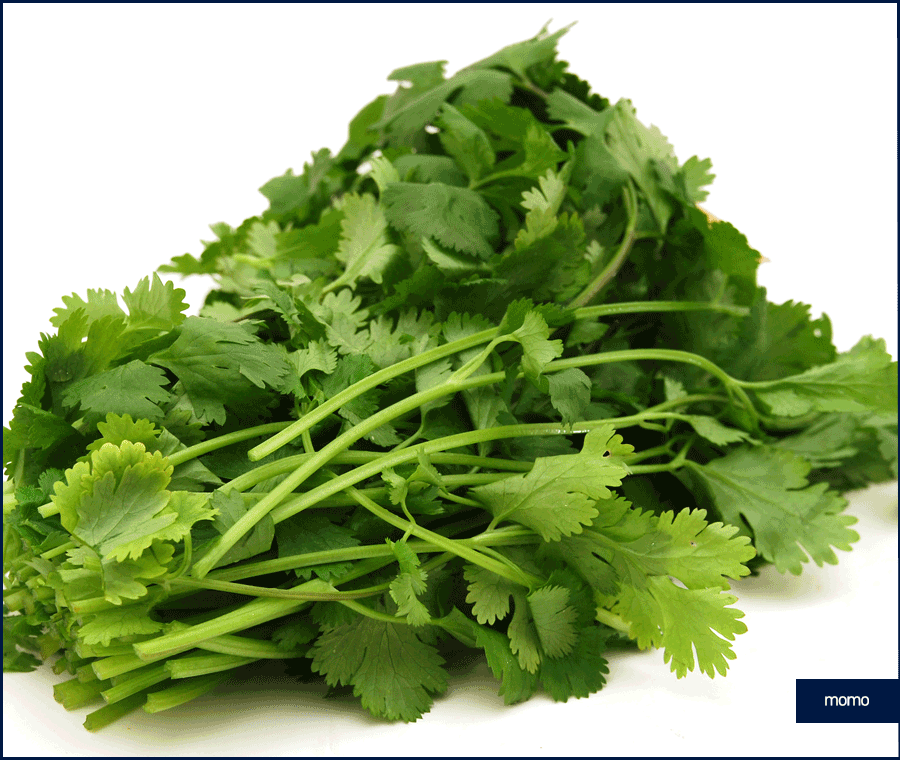
As mentioned again, hair can be damaged by stress or environmental factors. To prevent and recover from such damage, it is good to consume foods containing antioxidants. Eating fruits and vegetables rich in antioxidants such as blueberries, strawberries, tomatoes, and parsley can help protect and maintain hair.
In addition, while it is very important to make sure you eat foods good for alopecia areata, it is also necessary to reduce the intake of foods that can worsen scalp and hair health and hair loss symptoms.


What should you watch out for?
For example, it is advisable to avoid excessive sugar, refined carbohydrates, and greasy foods, and along with regular meal patterns, replenishing enough water and managing stress are also important factors in managing this condition.
Also, if you are not seeing any improvement despite putting in a great deal of personal effort and care, it is necessary to visit a relevant institution immediately and, through consultation with the medical staff in charge, actively carry out treatment or solutions suited to your symptoms and condition.