We live in a society that has advanced through modernization,
and in that intense
competitive atmosphere, there are people who work hard
to study and prepare for school or employment
in pursuit of their dreams and future,
while others pay even more attention to self-development
whenever they have free time
to further improve their abilities
at work.

In addition, many people also place importance on
relationships with acquaintances and those around them.
However, unexpected negative happenings or mishaps
can occur in such situations or environments,
and when people go through those experiences,
stress can naturally arise.
For that reason, stress can be said to be inseparable
from modern people who live in various environments
and carry out their assigned roles.
This is often referred to as the root of all disease,
and it can cause major and minor illnesses
throughout the body.

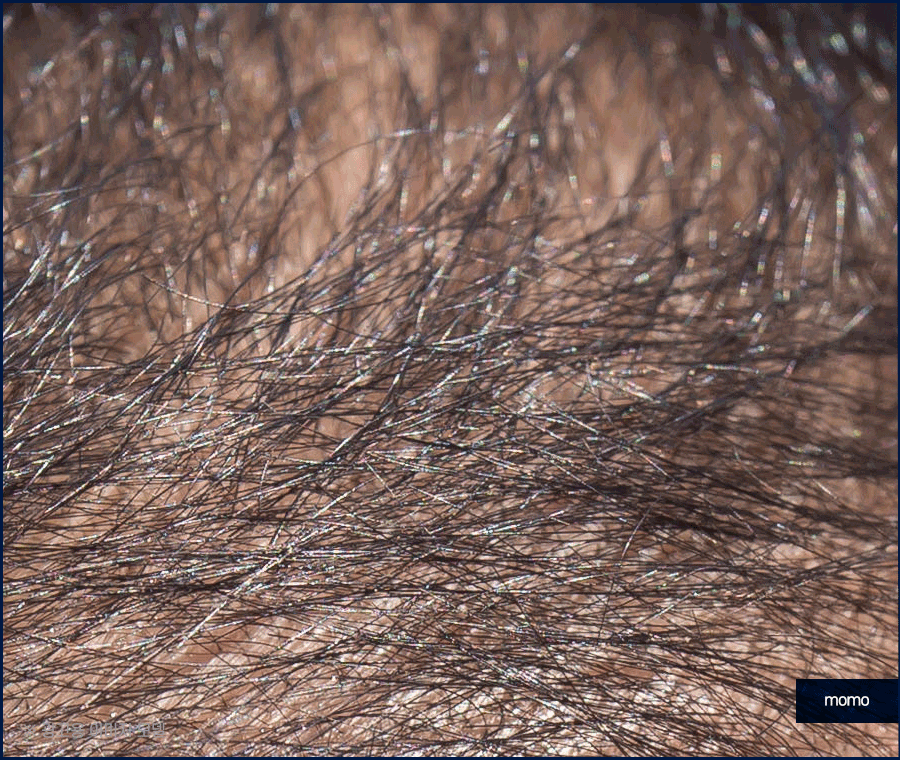
In particular, among the symptoms caused by stress,
the condition of the scalp and hair can rapidly deteriorate,
becoming thinner and losing elasticity and strength,
or in severe cases, developing into a disorder in which
a large amount of hair falls out.
Hair loss refers to a state in which hair is not present
in areas where it should normally exist. However,
if stress is not properly relieved and accumulates,
it can worsen from a round-pattern form of symptoms
to frontal hair loss, so when early signs are found,
it is advisable to proceed with active treatment and solutions.
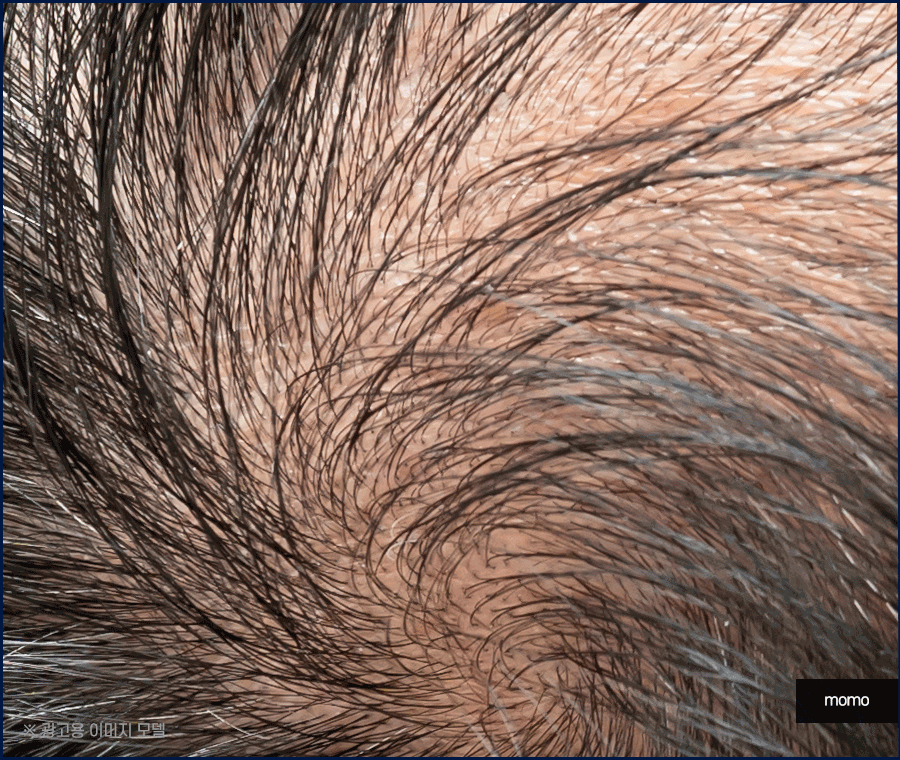
Also, if these symptoms do not improve and instead continue,
they can create significant flaws in hairstyles,
which play an important role in appearance,
leading to an appearance-related complex and
further increasing stress.
Therefore, it is important to examine the causes of the condition
detail and consider a direction in which you can wisely choose
improvement measures that can help address these problems.
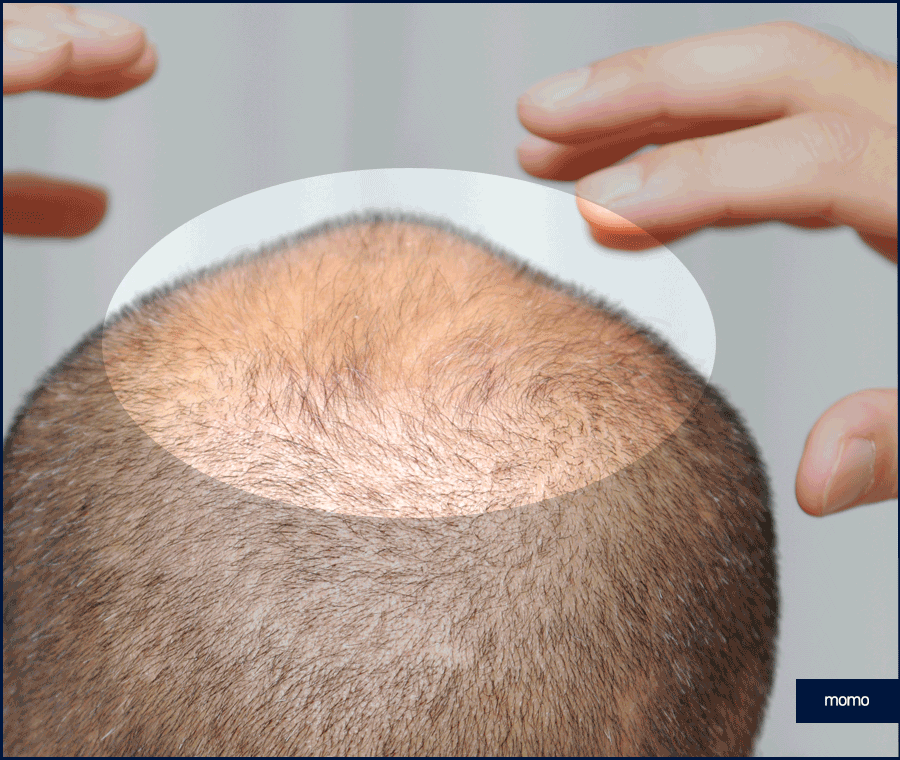
Before that, to briefly look at frontal hair loss,
as the name suggests, it refers to hair loss occurring
across the entire scalp; in other words, it can be understood
as a symptom in which hair falls out across the full area,
leaving the scalp visible.
It occurs due to various causes, but among the stages
of circular-pattern hair loss symptoms,
it is reported as the stage that appears at the very end.
If it continues to expand beyond that,
it can develop into a serious illness in which all body hair,
including eyelashes, beard, and body hair,
falls out completely.
Therefore, it is said to be advisable to receive medical care
as quickly as possible at the early stage of detection.
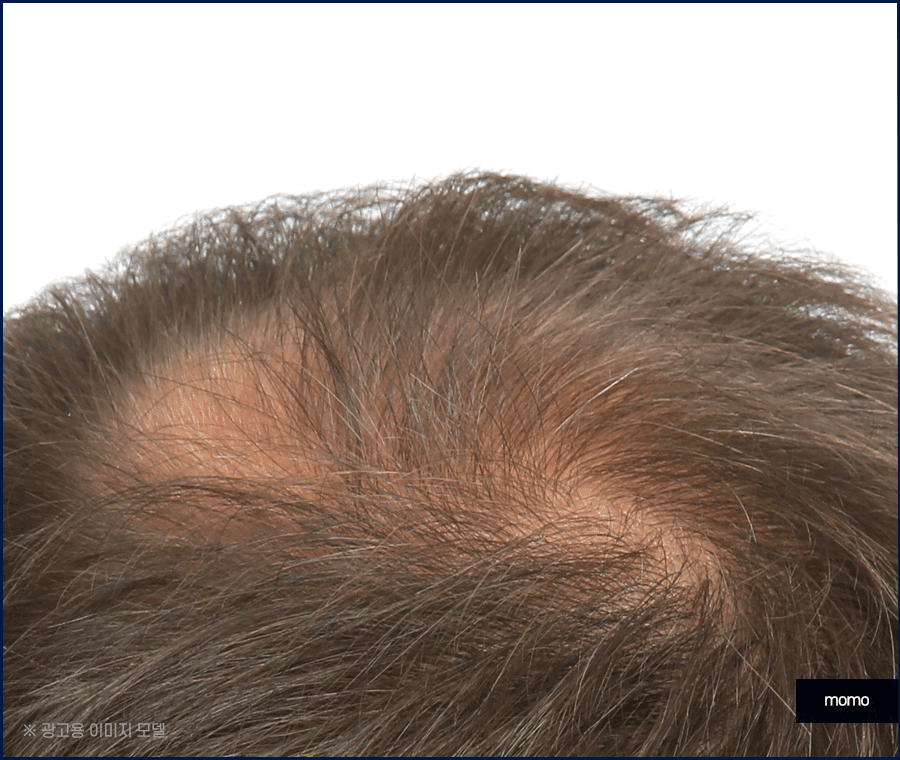
Then what is the cause of frontal hair loss?
First, autoimmune factors can be mentioned.
This refers to a phenomenon in which the body mistakes
its own tissue components for external factors,
triggering immunity or causing a hypersensitive state.
In other words, it may be an autoimmune condition
in which the immune system recognizes part of one’s own hair
as a foreign substance, leading to an abnormal immune response
that eventually causes hair to fall out.
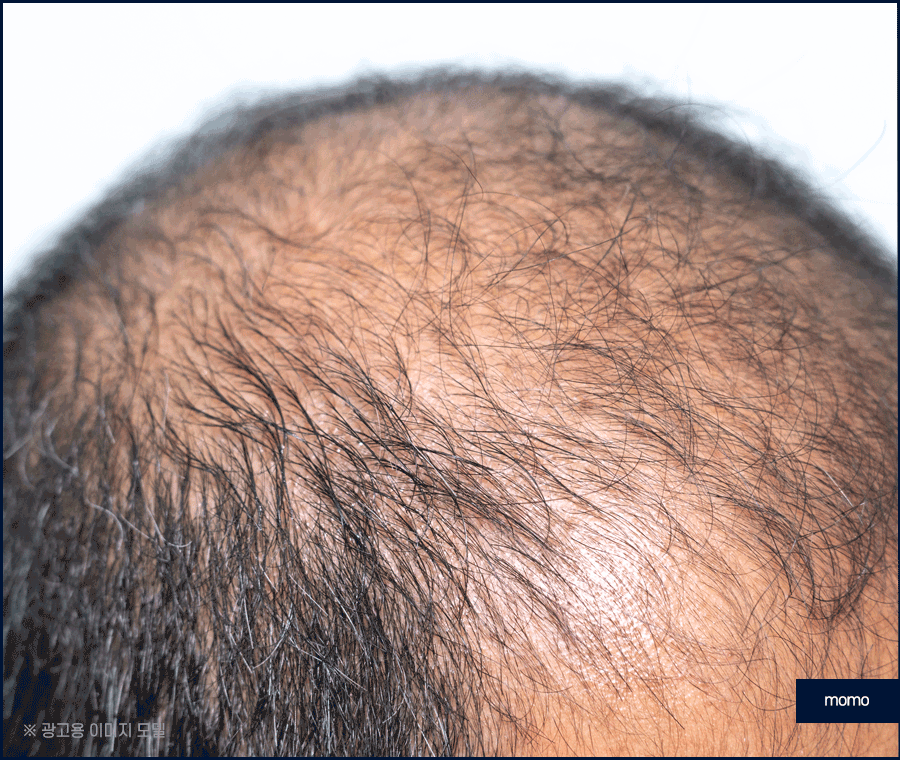
It is also said that it can occur through the combined action
of multiple genes.
About 10 to 42% of patients with this type of condition
are known to have a family history.
It can also appear due to environmental factors.
Among such cases, 20 to 30% reportedly developed hair loss
symptoms after severe mental stress. However, while stress
can be related to inducing and worsening hair loss,
considering it as the sole cause is not correct.
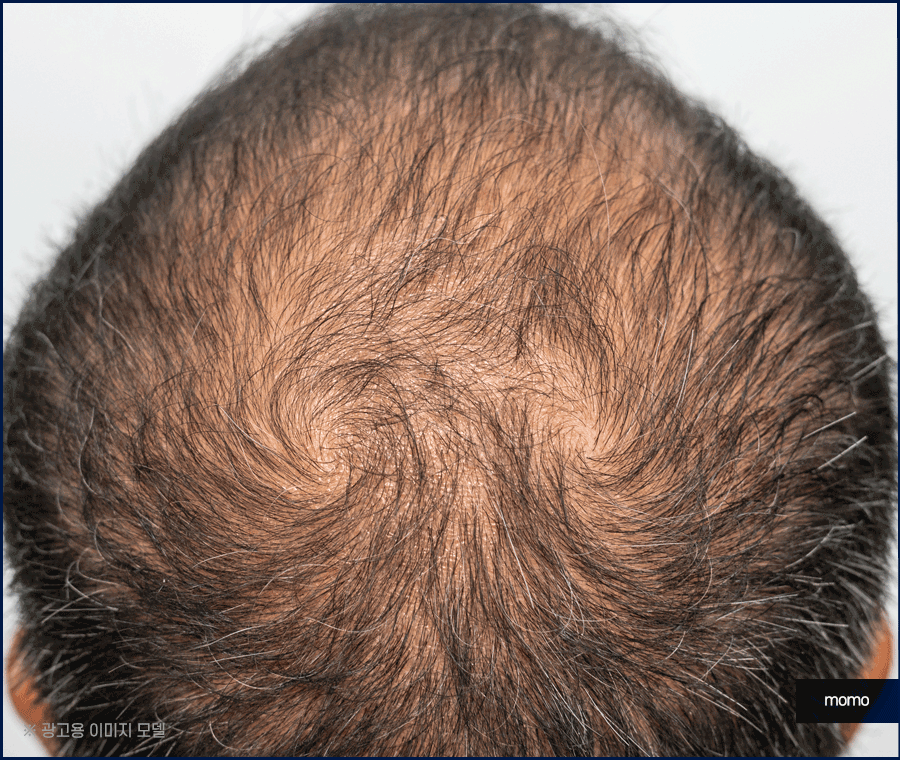
In addition, various environmental factors such as viral infections
can be causes that trigger and worsen symptoms.
Also, among people with frontal hair loss, the condition may
progress to a worse state due to the possibility of comorbidities.
Other autoimmune diseases such as systemic lupus erythematosus,
thyroiditis, diabetes, and vitiligo can occur,
and it is also important to note that atopic dermatitis
and lichen planus may also accompany it.
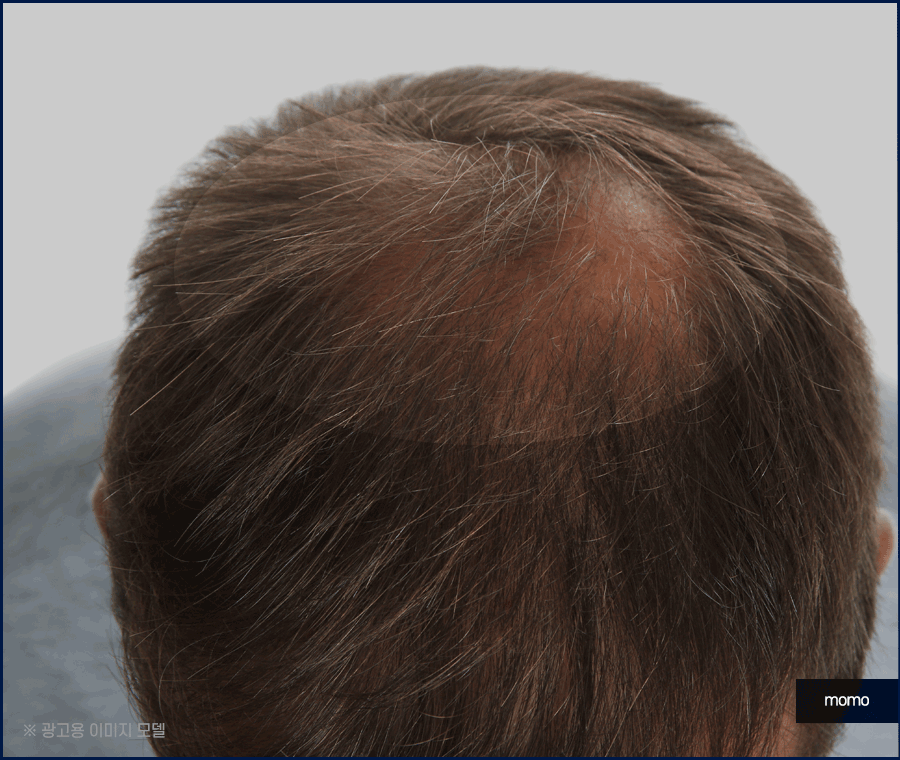
And among the patterns in which frontal hair loss fully develops
due to such causes, acute diffuse hair loss can be an example.
Compared with other patterns, it shows relatively rapid recovery,
and in most cases it can improve naturally within 6 months.
However, if the round-pattern symptom recurs and becomes multiple
in number, and the process of recurrence and improvement repeats,
a symptom in which hair over the entire scalp falls out can appear.
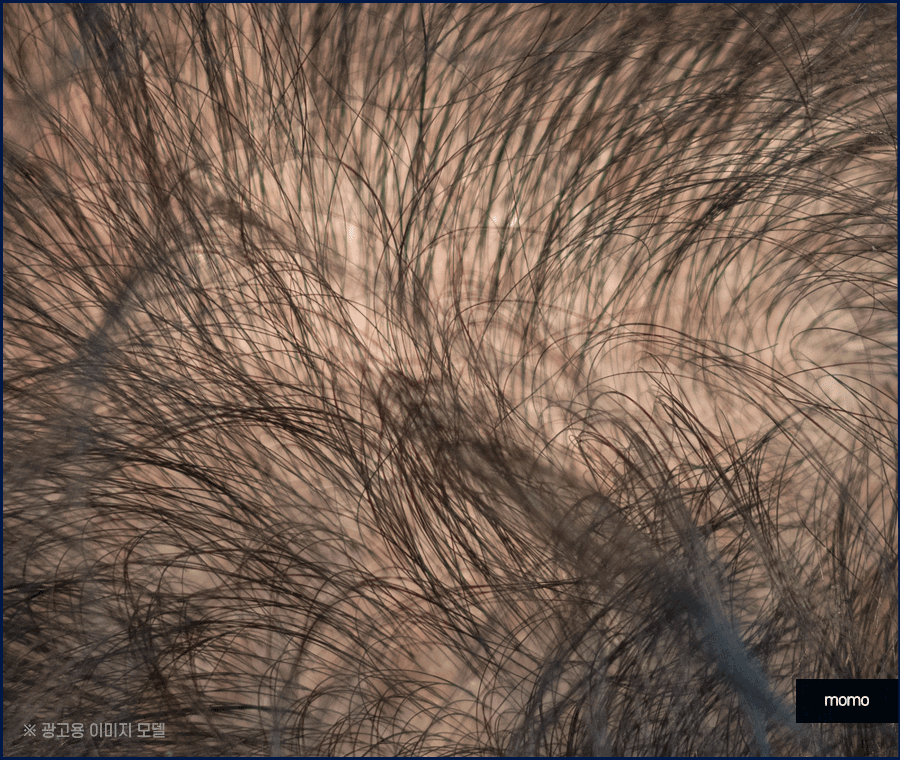
It can also take the form of becoming chronic,
with diffuse and acute symptoms appearing first,
then continuing to worsen without natural recovery.
Therefore, before the condition expands further and reaches
a serious stage, it is advisable to carefully check the early signs
and visit a relevant medical institution immediately,
rather than simply hoping it will improve on its own.

It is important to carefully analyze the symptoms and type
that appear in you through personalized counseling and diagnosis
with the attending physician, and then proceed after carefully
reviewing the appropriate solution.
Among such solutions, the method preferred by people who
repeatedly worry and struggle due to this hair-loss condition
is undoubtedly a hair transplant solution.
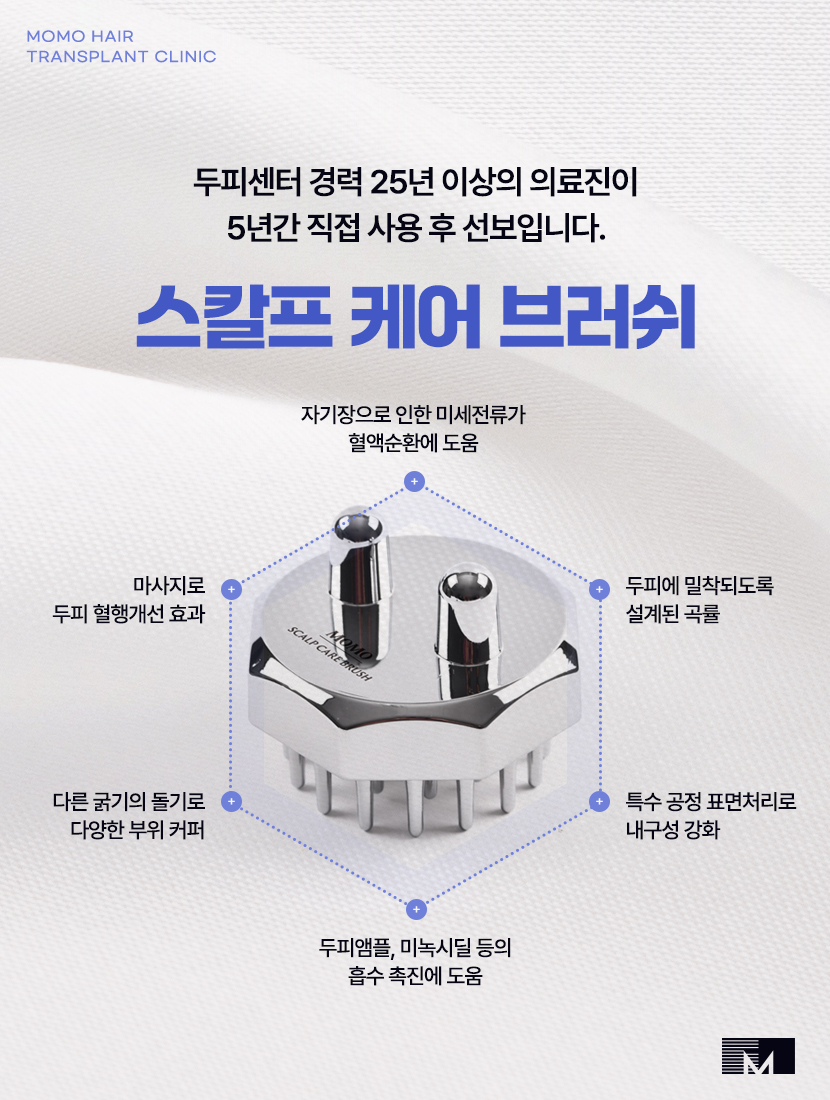
This can be said to be an improvement measure that can create
a natural harmony by extracting follicles in relatively healthy
condition and transplanting them back into the area of concern.
It is broadly divided into incision and non-incision methods,
and each method has its own strengths and characteristics,
so it is important to identify them in detail, review them fully,
and choose the method that is appropriate for your specific
traits and condition.

Also, in order to fill the empty areas with an appropriate level
of density and a natural look, a delicate process must be carried out
to thoroughly analyze features such as facial shape, the proportions
and angles of the facial features, and the thickness and density
of the existing hair, so that an appropriate personal design can be
planned and realized.
And if you are hoping for recovery so that you can once again
see a full hairstyle, it is necessary to carefully check the overall
competence of the attending physician who directly performs
solutions such as hair transplantation.

First, you should look at whether they have abundant data from
practical experience with various types and cases, including
frontal hair loss, and whether their level of knowledge and
understanding is high. Then, after carefully considering criteria
such as whether they have a detailed aesthetic sense and design
ability that can fill in and compensate for any shortcomings,
and whether they fundamentally possess outstanding skills and
know-how, it would be advisable to make a decision with a cautious mindset.