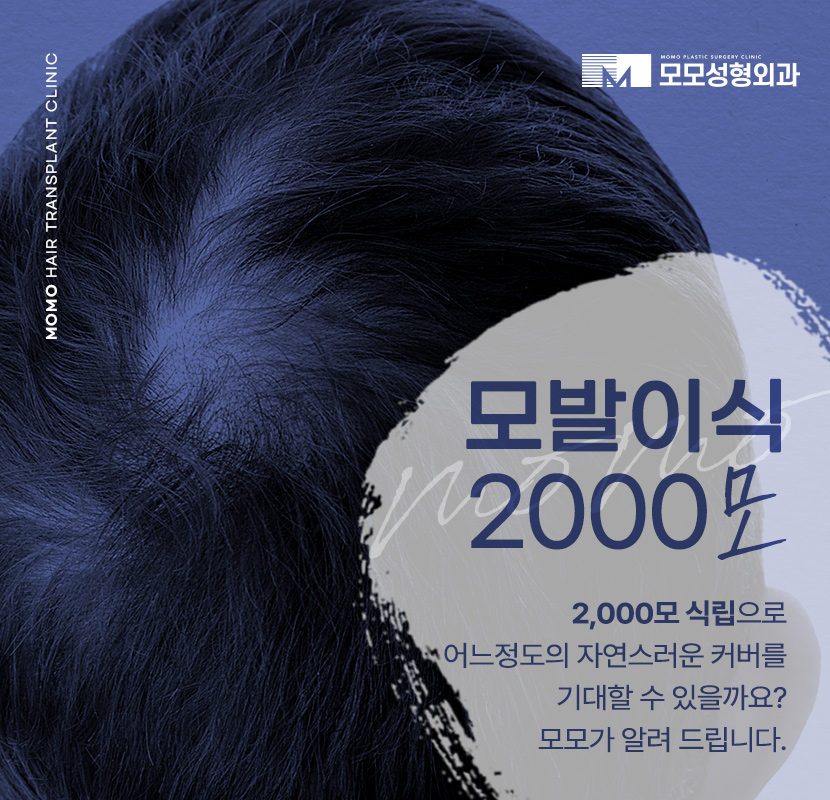
In the past, even if existing hair suddenly
fell out, many people thought it would
recover and grow back again, so they either
left it alone or simply accepted the problem
and went on living as usual.
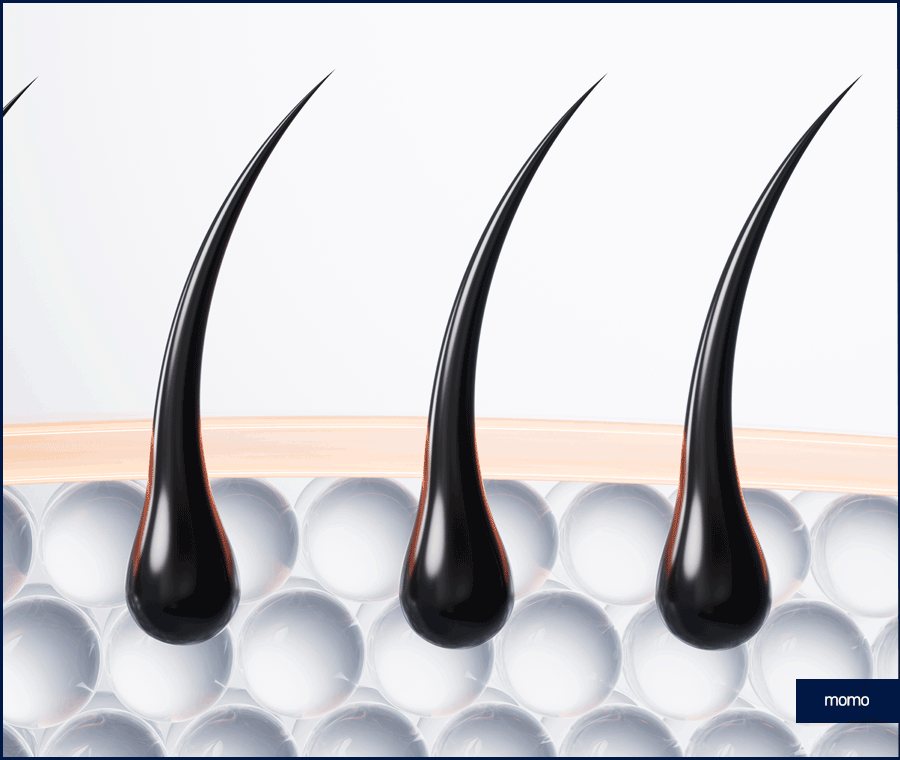
As time has passed, the number of people
experiencing hair loss, which used to be
known as something that occurred in specific
genders and age groups, has been gradually
increasing, and since it now appears regardless
of age or gender, more people are taking it
seriously.
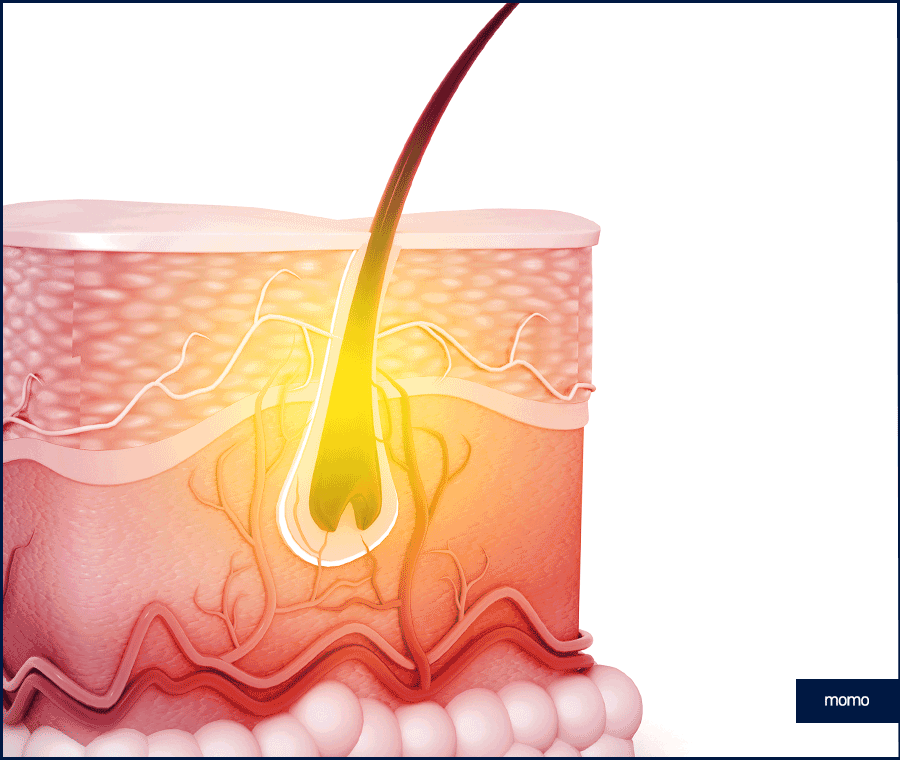
The reason is that once the condition appears,
it does not recover naturally, and it is highly
likely to worsen over time.
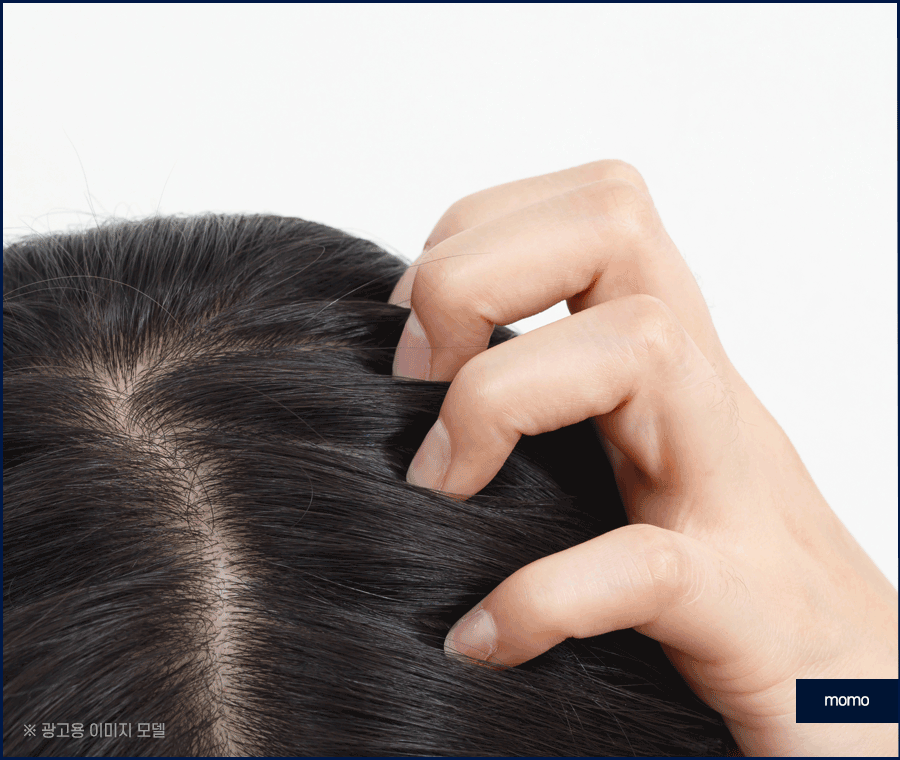
In addition, it can increase stress as people
become self-conscious about their appearance,
and because it can negatively affect daily life
and social activities, it may be better to first
identify the underlying cause of the symptoms
and type you have, then fill in the affected area
naturally with the appropriate method.
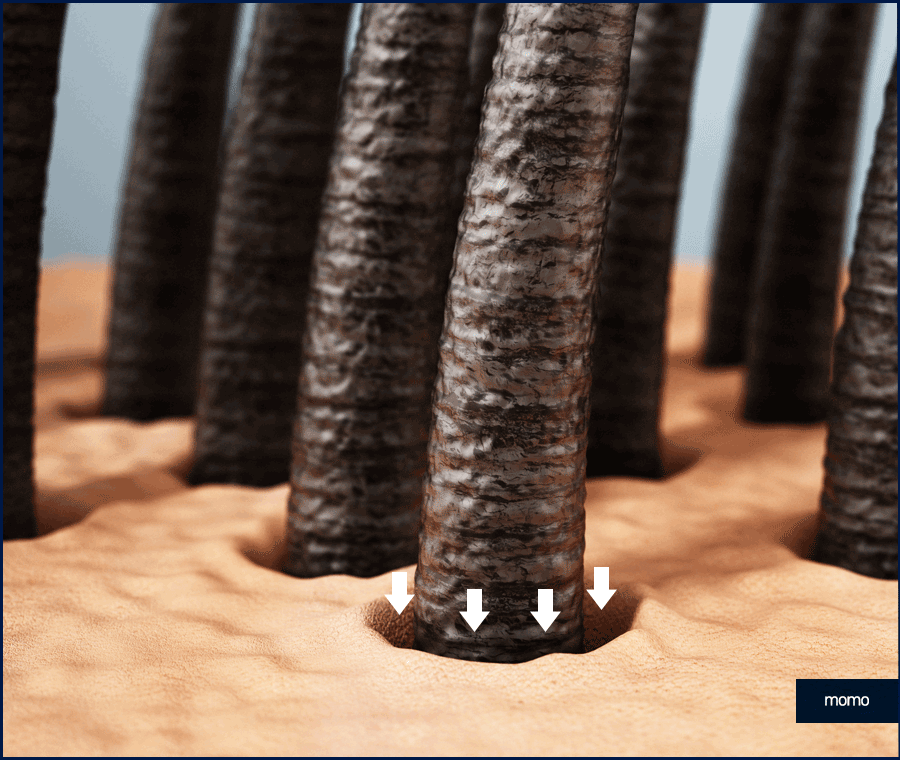
It may be difficult to achieve results.
However, some people try folk remedies or
use functional products sold on the market,
hoping they can return to how things were,
spending time and effort in the process, but
rather than improvement, they may only end up
maintaining the current state, which leads them
to consider procedural options.
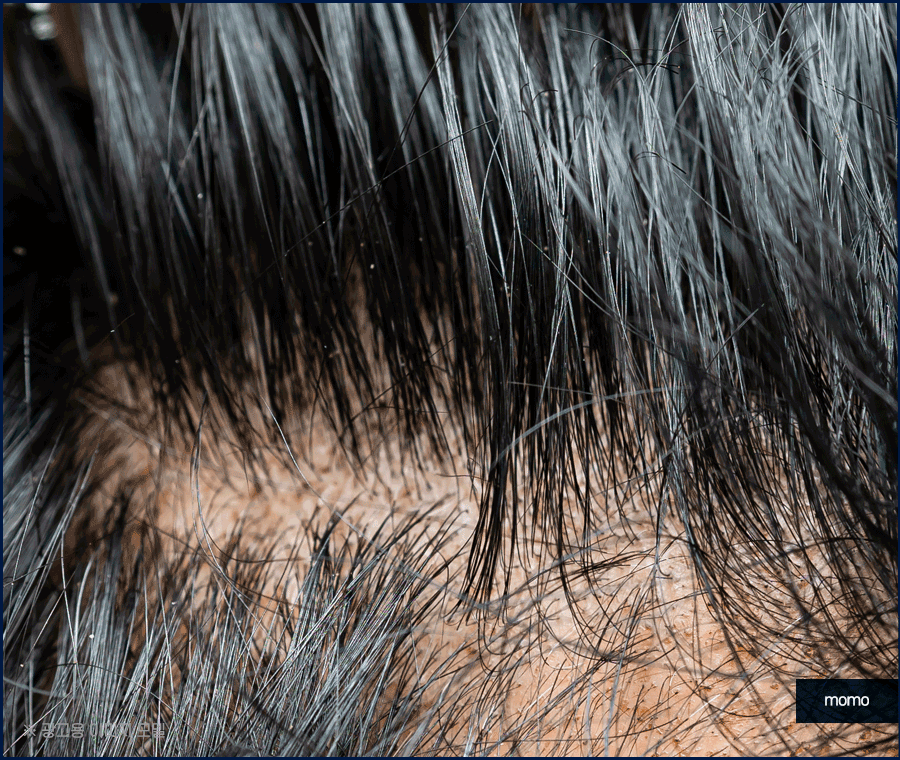
That is why many people look into information
about procedures such as 2,000 hair transplants
and ask whether it can naturally cover their own
hair.
In particular, among people with hair loss, this
is a procedure preferred by many when they
want to transplant their own hair. In the past,
it was mostly performed on middle-aged and
older men, but these days, since the causes of
the condition are becoming more varied, there
are also many people in their 20s and 30s who
consider it.
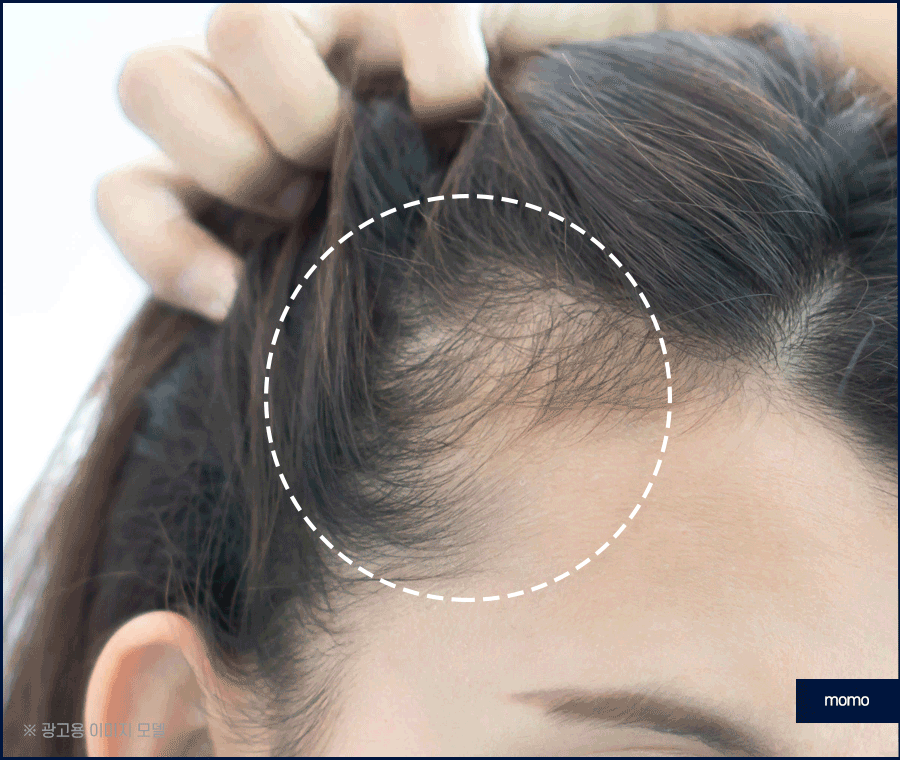
The types and degree of hair loss that appear
in various age groups can differ from person to
person, but there are some similar features.
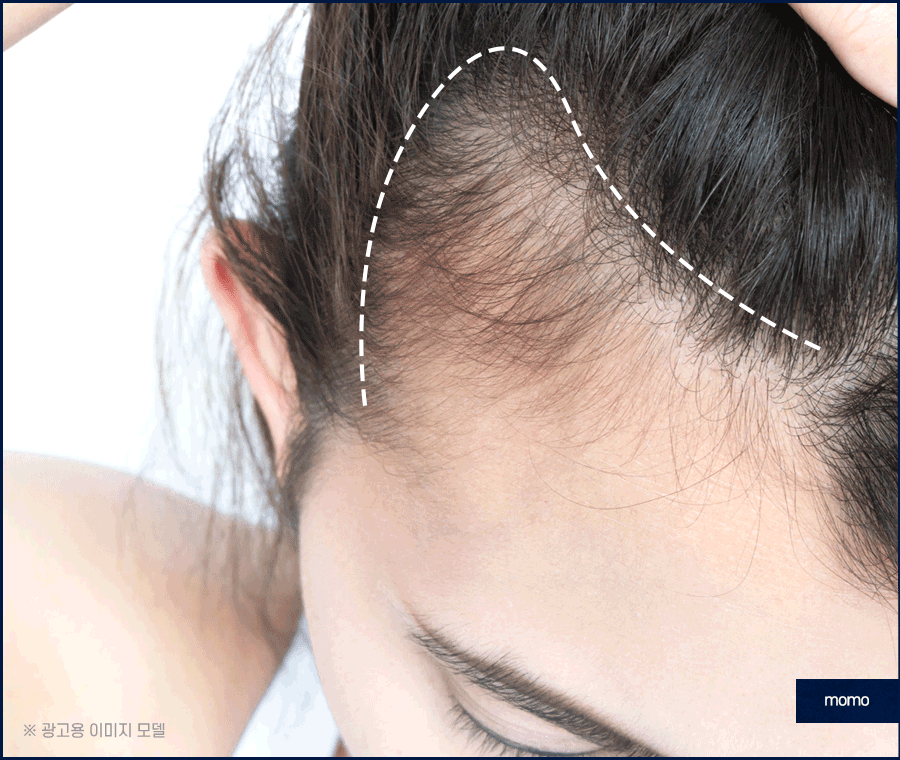
One common feature is that the area affected
by hair loss is visibly noticeable from the
outside, and it is difficult to cover the empty
spot with the surrounding remaining hair.
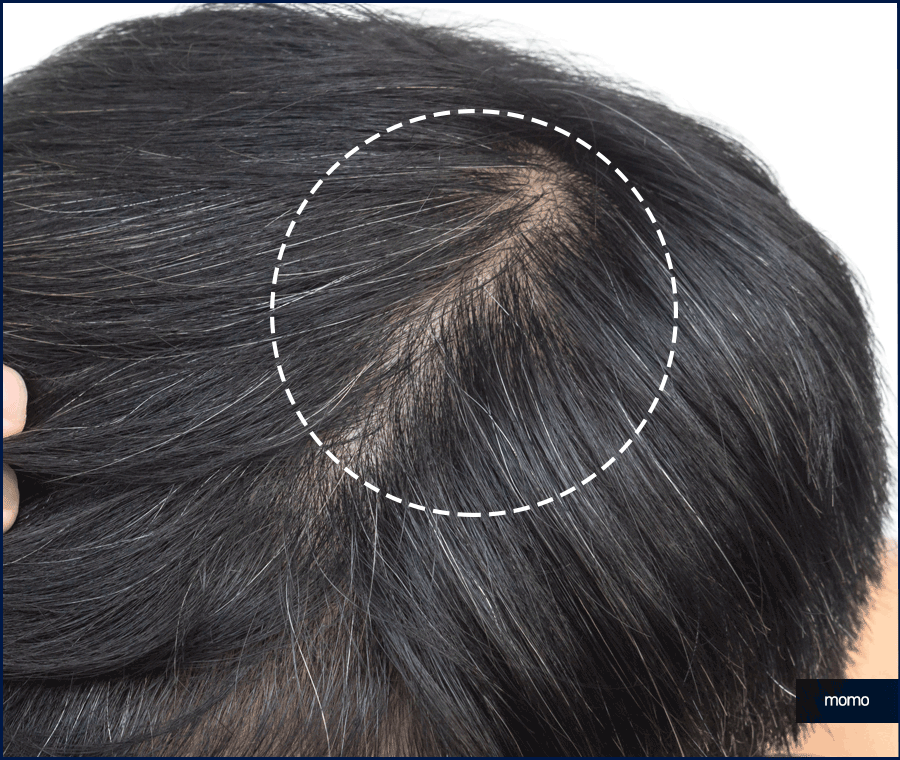
In addition, situations that require transplantation
usually occur after quite a long time has passed
since the onset of the condition. Perhaps because
people try many methods and make efforts but do
not get the desired effect, more people are
considering this procedure in hopes of a more
satisfactory outcome.

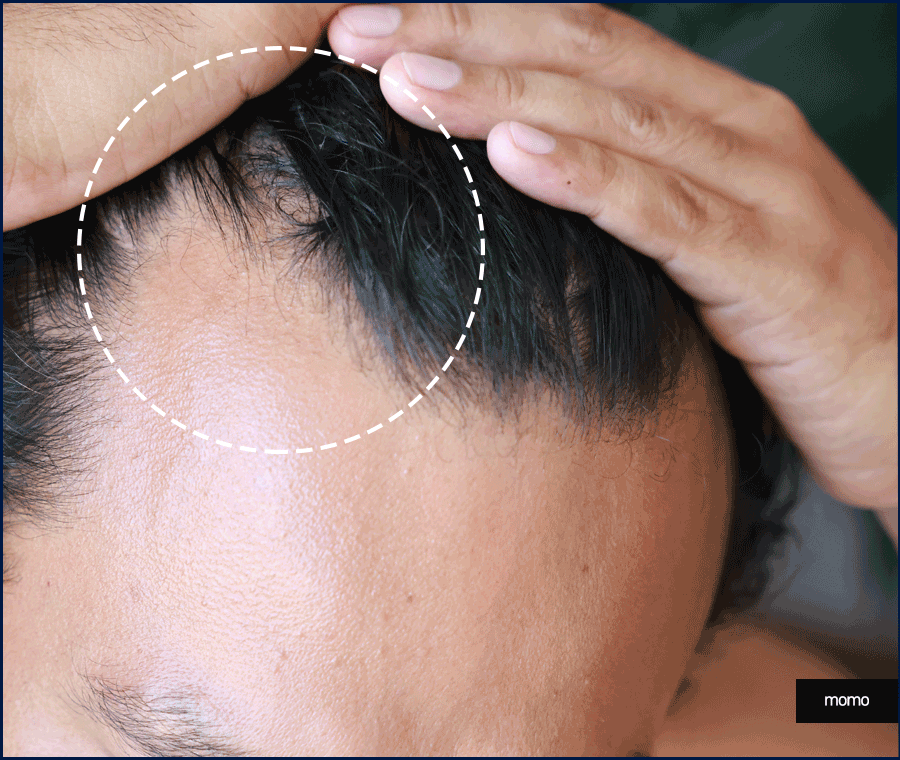
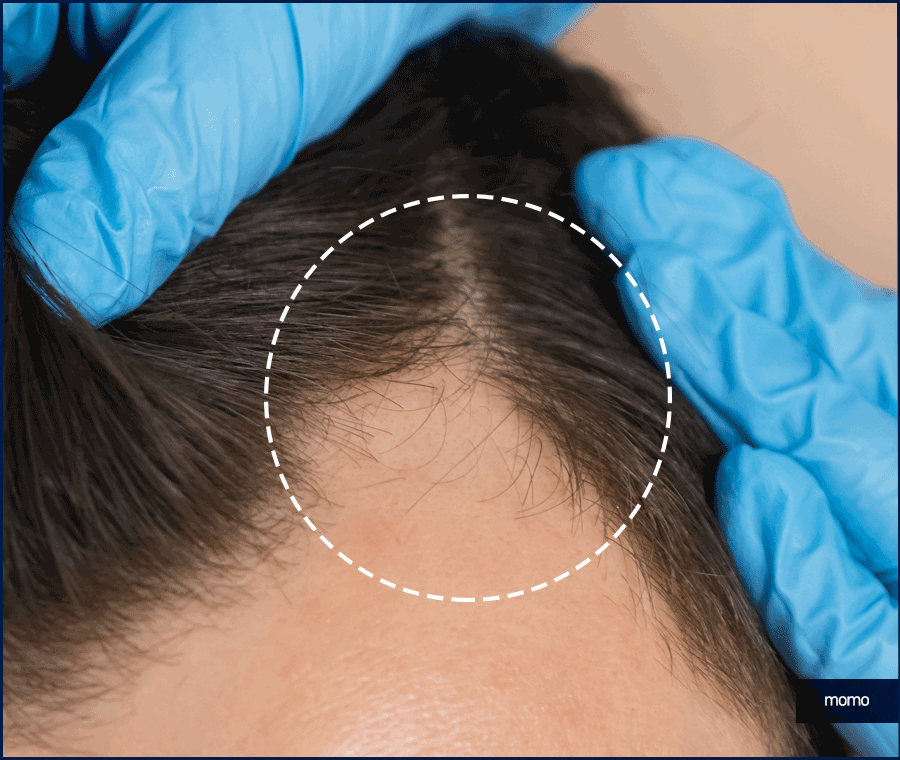
The proportion of M-shaped hair loss is high.
In general, when a 2,000-hair transplant procedure
is applied, the expected case is when the upper
hairline of the forehead is uneven or indented in
a shape like an M. In such cases, this method can
create a uniform line and naturally cover the
recessed areas.
Looking at cases considering this option, many
have an M-shaped pattern. Some initially notice it
but do not think much of it, and only later, after
realizing that the forehead is gradually becoming
wider and the hairline is moving upward, do they
begin to consider the procedure.

In fact, the amount needed can vary depending
on the affected area and severity, but in such
cases, receiving a 2,000-hair transplant is also
common, and there are many cases in which people
undergo the process, achieve natural coverage,
and regain confidence.
To obtain a satisfying result after the procedure,
it may be helpful to learn about the methods used
to transplant natural hair. It is generally divided
into incision and non-incision methods, and each
process has its own advantages and disadvantages,
so it should be applied according to each person's
condition and characteristics. This is important
to carry out based on a personalized design made
in advance.
Because the type and degree of hair loss, the
extent of the affected area, the direction and
density of the remaining hair, and the thickness
all differ from person to person, the personalized
design must be decided in advance before proceeding.
In addition, to achieve a naturally covered result,
you should also consider the capabilities of the
relevant institution and the medical team performing
the procedure, as well as whether there is a post-
procedure aftercare program.