At this point, after repeated progress has been achieved,
in the midst of fierce competition and self-improvement,
many modern people are living busy daily lives,
devoting themselves sincerely to the work and responsibilities
assigned to them. Hair loss is often considered a social disease
that continually troubles and wears down modern people,
and you may already have known this in everyday life.
Recently, regardless of gender or age,
hair—the foundation of a hairstyle and one of the elements
that make up one’s appearance—has been increasingly falling out
and thinning. The number of people concerned about this problem
has exceeded 10 million, showing that the issue has reached a
serious level.

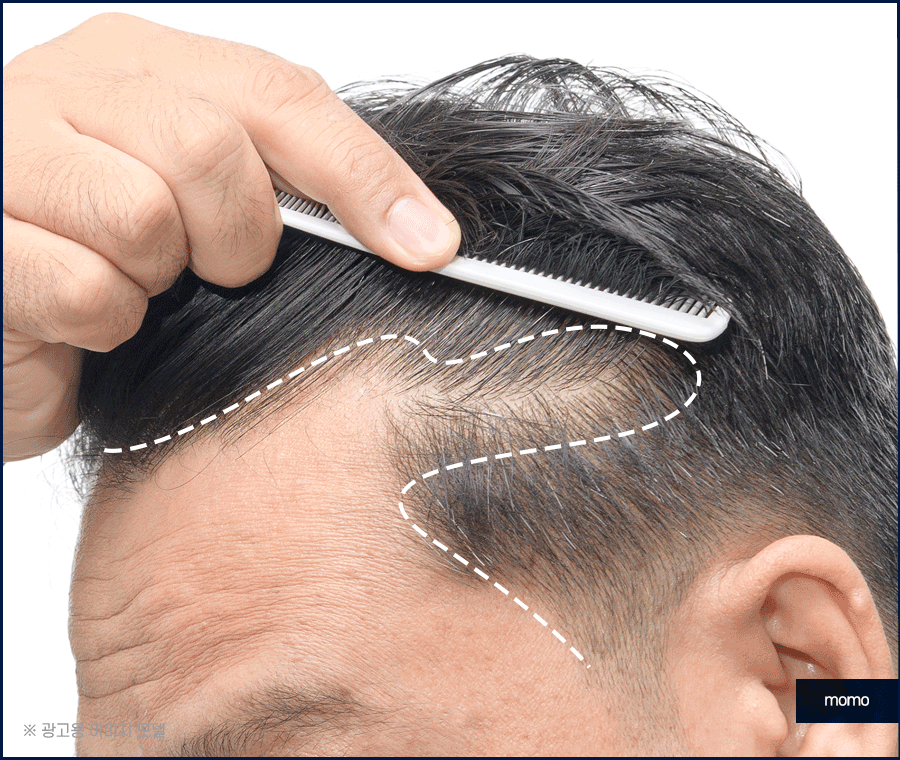
The causes of this condition include innate genetic factors,
hormonal changes, physical and mental stress,
irregular lifestyle patterns and eating habits, and extreme dieting.
These acquired and environmental factors act together,
which is why so many people experience this condition.
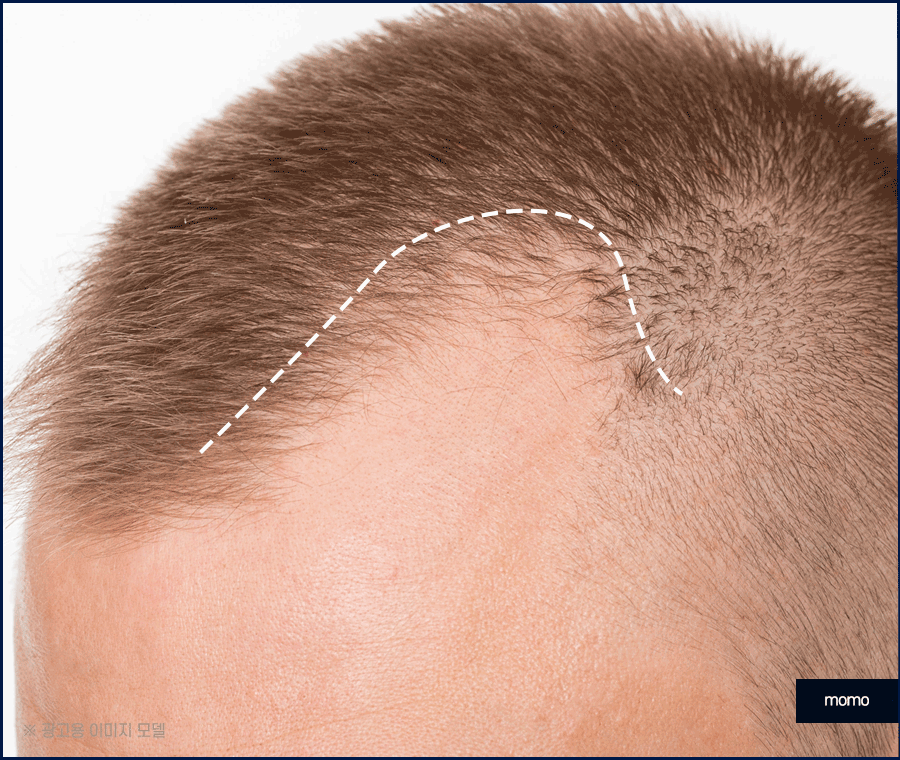
Also, even when symptoms are present,
some people do not recognize the changes and instead
end up facing worsening hair loss.
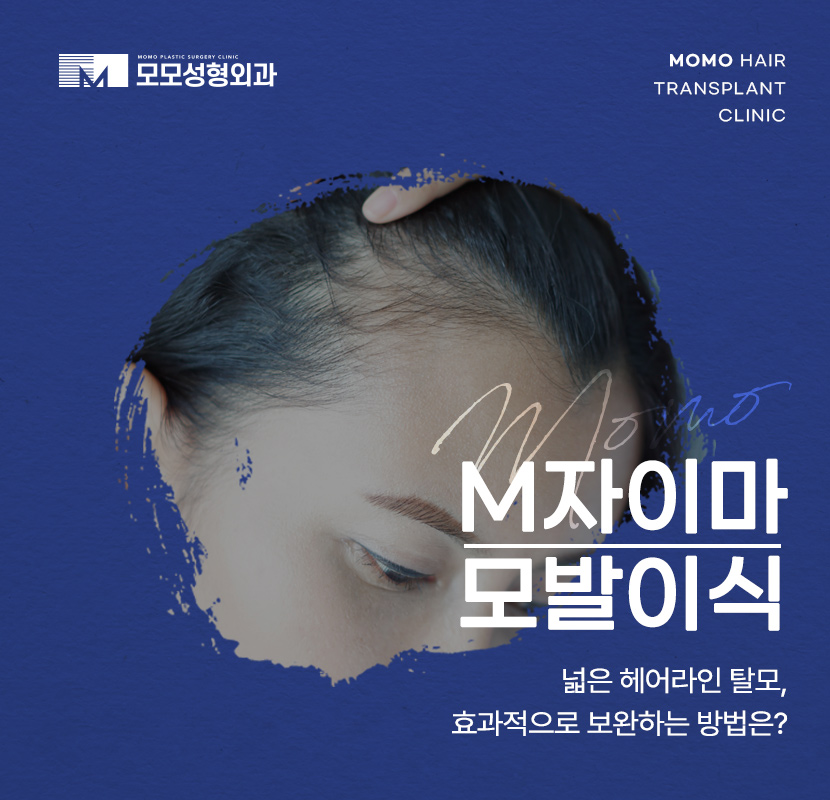
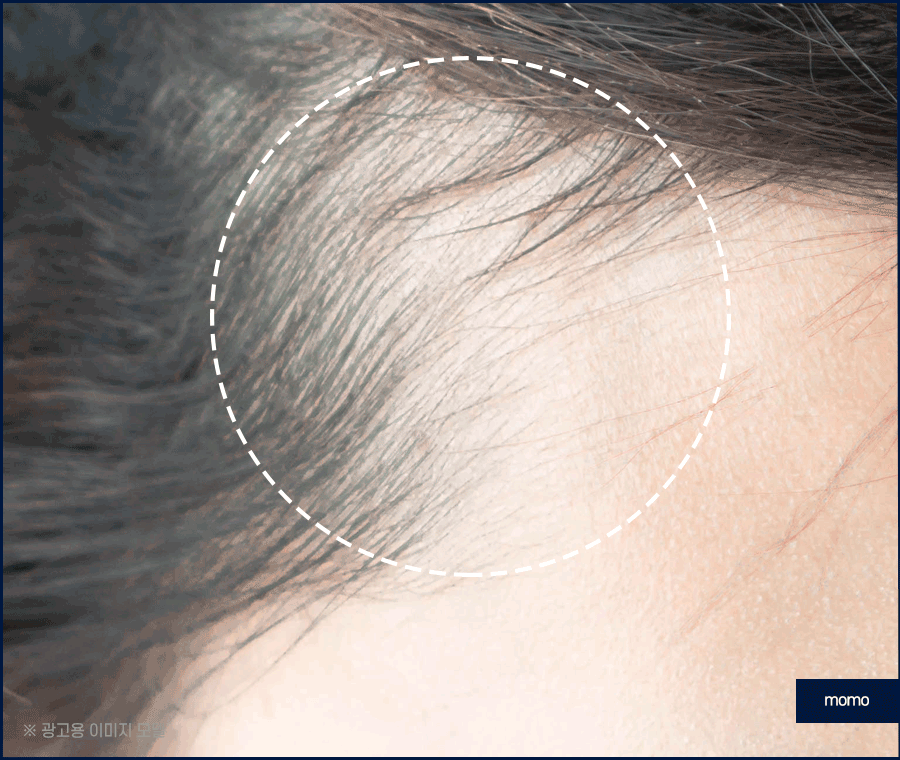
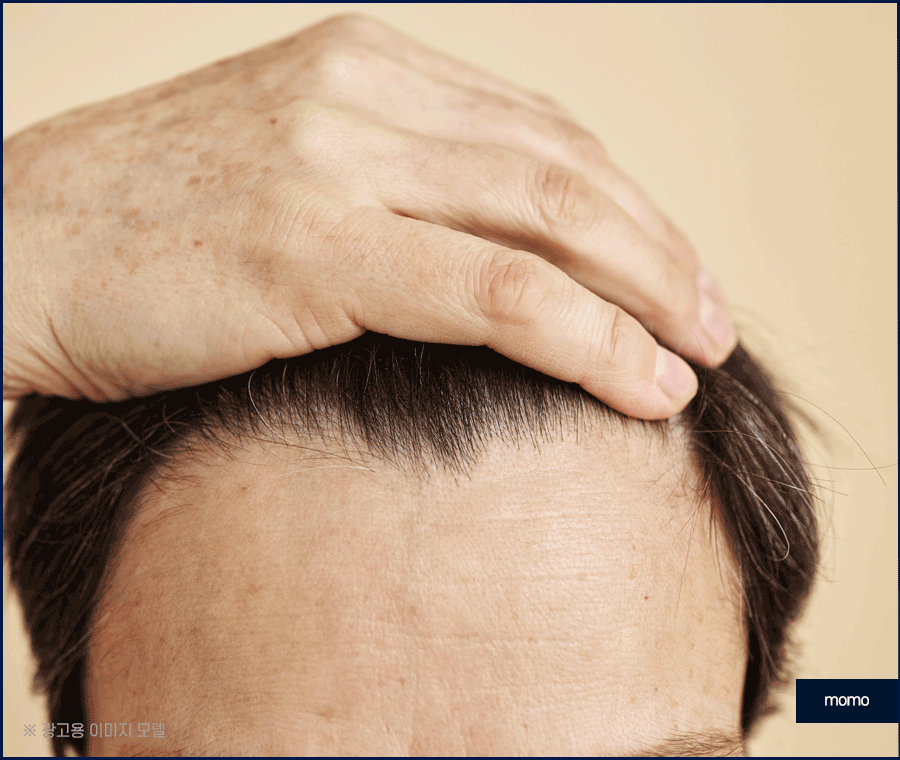
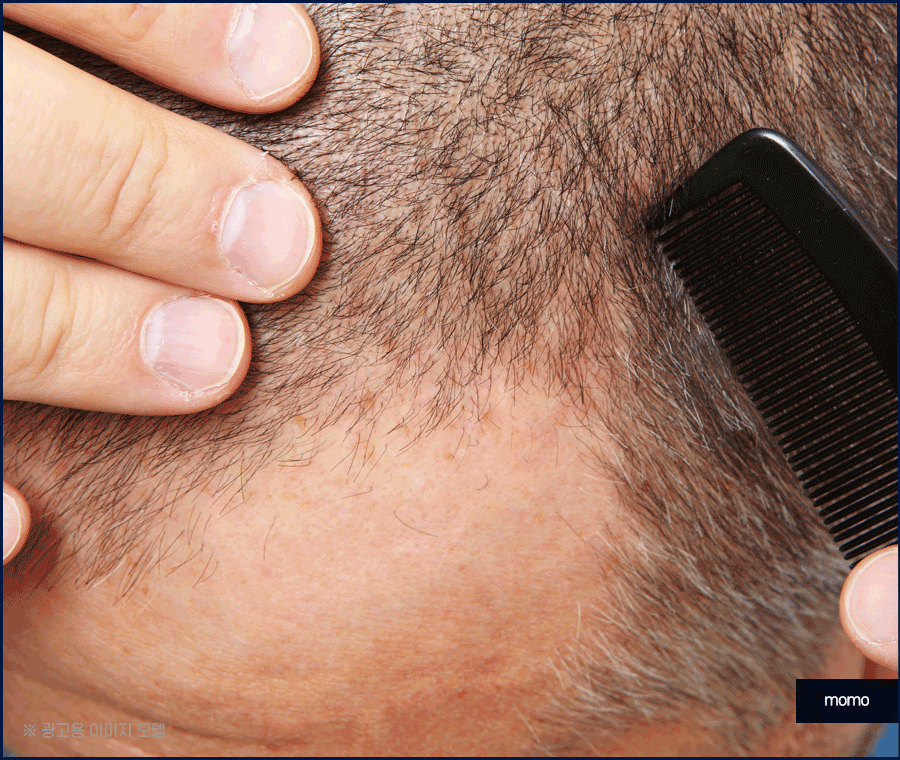
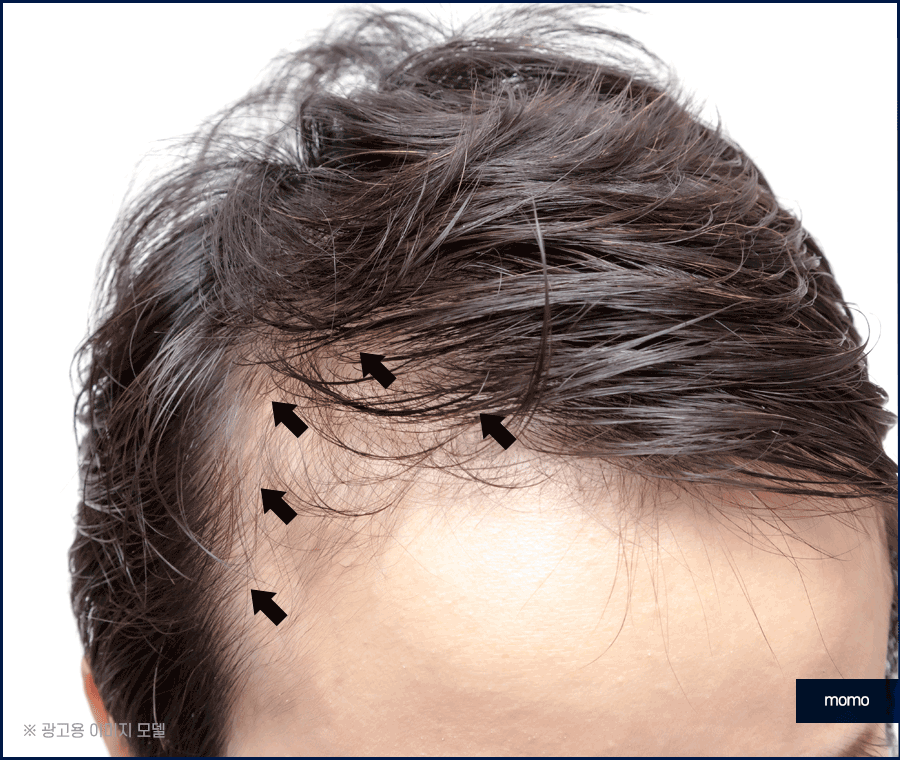
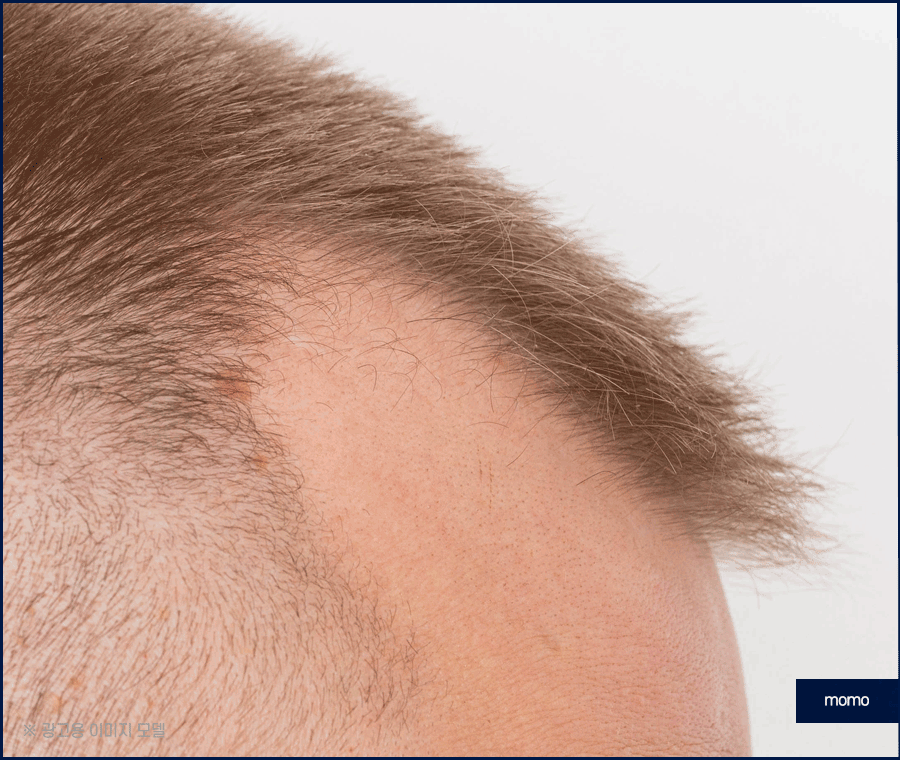
In particular, if those symptoms appear as an M-shaped receding hairline,
one’s desire to recover and improve the condition becomes even stronger.
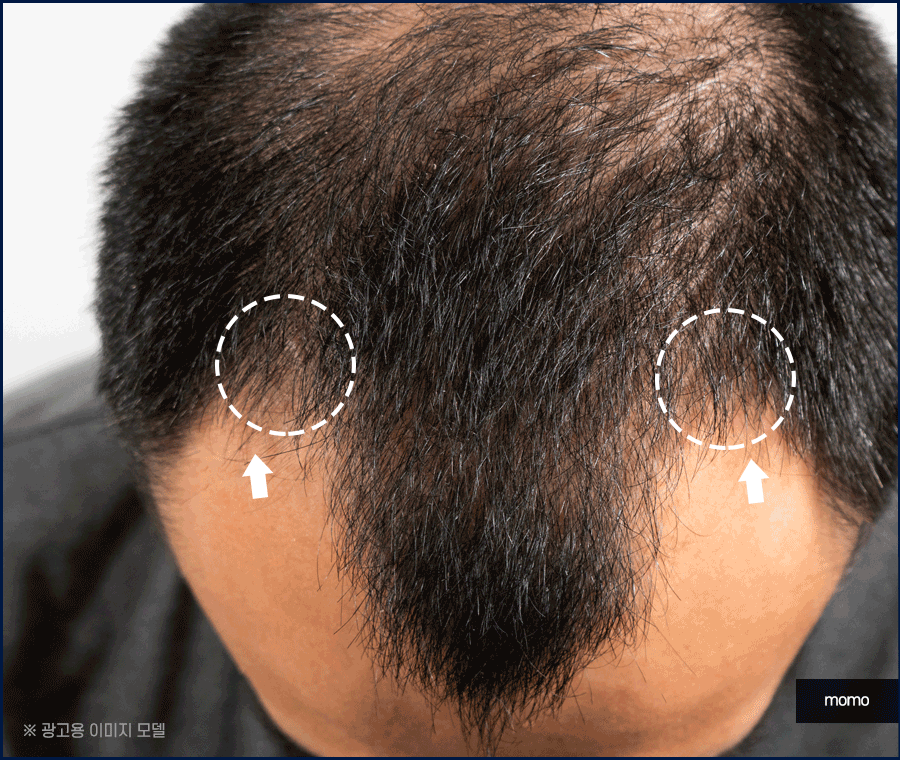
This can lead to negative effects.
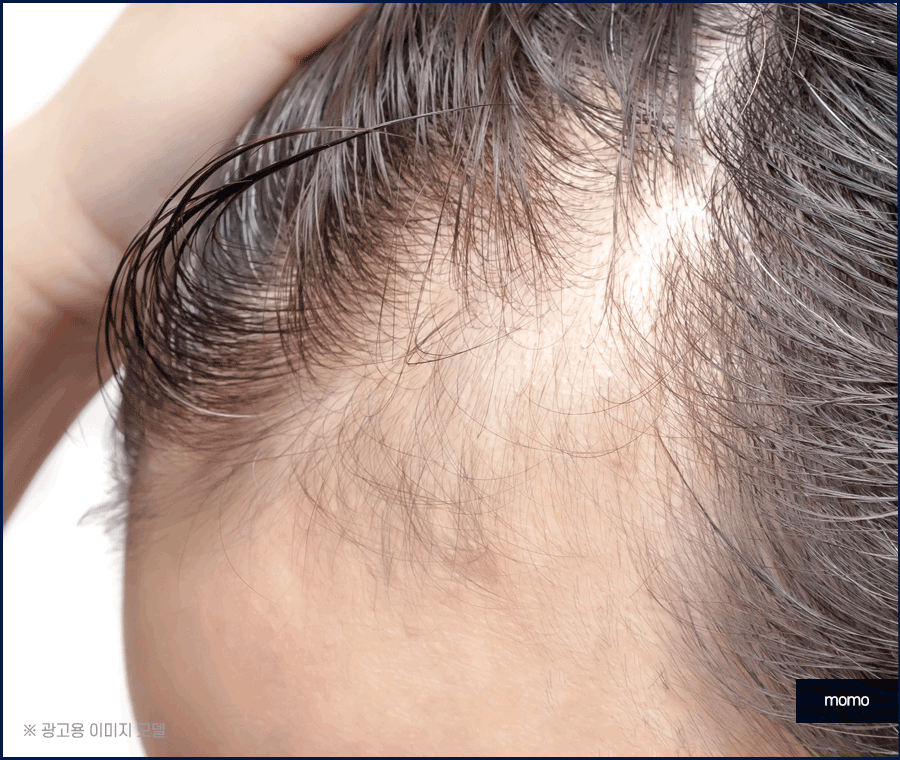
That is because if you are experiencing this type of symptom,
not only may you appear older than your actual age,
but your confidence in your appearance can also drop significantly,
which may increase feelings of insecurity and stress,
and can affect daily life, social life, and interpersonal relationships
to a considerable extent.
Therefore, many people devote effort and time to taking care of it
in order to compensate for this appearance as much as possible.
They try various methods such as functional shampoos and supplements,
but many discover that these only provide temporary effects
and are not enough to achieve the new hair growth they desperately want.
As a result, they come to learn about hair transplant procedures
that densely fill in the M-shaped receding hairline and restore it naturally,
leading more people to visit related clinics.
If you improve an M-shaped receding hairline through a hairline hair transplant
that can guide you back onto the path of new change,
the follicles located in your own scalp are transplanted,
and new hair grows stably from there.
For that reason, it can help you obtain natural hair in its original condition.
Of course, the idea of undergoing a procedure may create vague 부담감,
but since it is regarded as a turning point that allows you to start again
after the painful days spent suffering from an M-shaped receding hairline,
if you are considering it, it would be advisable to set several criteria,
think carefully, and make a prompt decision.
Each method has differences.
As a way to treat an M-shaped receding hairline,
hairline hair transplantation is broadly divided into two types:
the incision method, which has been widely performed for a long time,
and the non-incision method, which is now preferred by most demand groups.
Because the symptoms and characteristics each individual experiences
are all different when applying such a solution,
the detailed methods also have clear differences.

Among them, the biggest difference can be divided by whether or not the scalp is excised.
If part of the scalp is removed, scar formation is unavoidable,
so this issue can become a serious concern.
In such cases, choosing the non-incision method can serve as one solution.
The hairline hair transplant, which further improves the drawbacks
that inevitably appear in the incision method, does not require excision,
so the chance of leaving scars is lower, and the pain is not severe either.
This makes it possible to return quickly to daily life right away,
which can be considered an advantage.
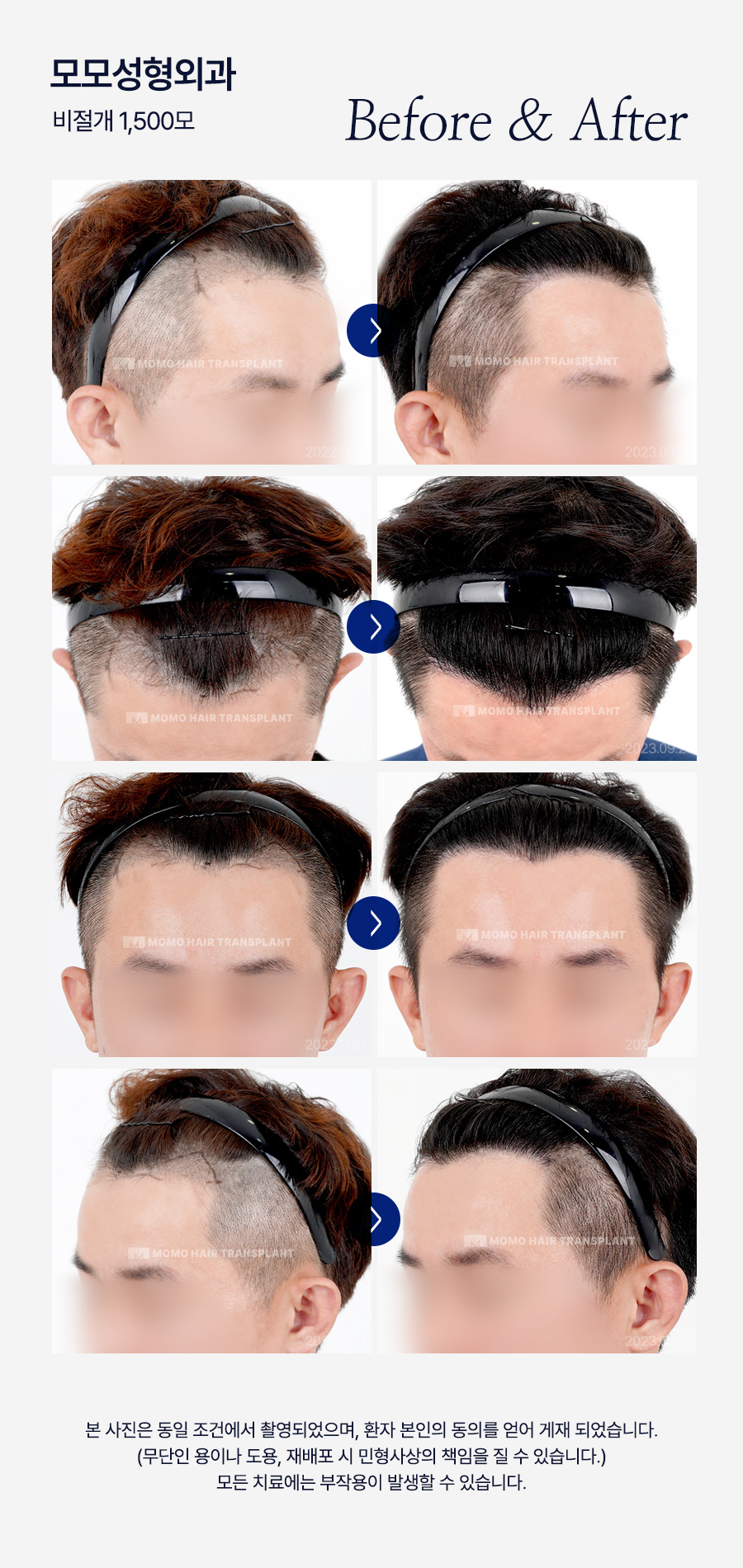
This method, performed with the goal of overcoming an M-shaped receding hairline,
is a highly difficult solution in which healthy follicles must be selectively obtained one by one.
To achieve results that meet expectations, the skill of the practitioner is more important than anything else.

Smooth communication is important.
Basically, it is important to receive detailed consultation,
diagnosis, and examination regarding your symptoms and condition.
In addition, the detailed characteristics of the existing hair,
such as the direction of growth, pattern, and thickness,
must be included, and your face shape, the proportions of your features,
and the appearance viewed from multiple angles such as the front and sides
should be carefully considered from the hairline to the sideburns.
Only when communication is smooth in order to clearly convey the needs
you want and pursue during the personal design planning stage,
while improving the M-shaped receding hairline and creating a hairstyle
that can express even more natural fullness,
will it be possible to have a chance at an ideal outcome.

Also, you should determine whether the clinic is properly equipped
with the devices and equipment used during the procedure,
and whether it has accumulated abundant practical data
from directly experiencing various related types and cases over a long period of time,
along with excellent techniques, skill, and know-how derived from that experience.
Only then can you expect a result with higher satisfaction.
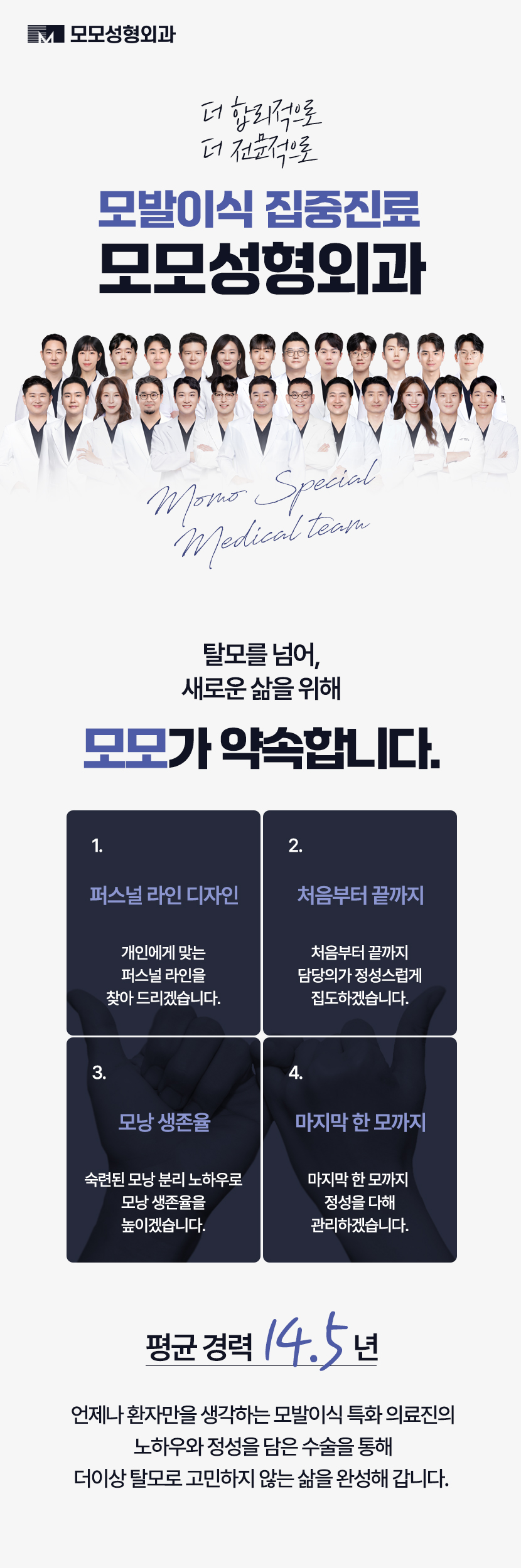
For stable graft survival, which is considered a key point in the hair transplant process,
your own steady efforts, together with the clinic’s aftercare system,
should be actively applied so that the transplanted follicles can settle properly
and the new hair can grow fully.
If you always understand and follow the recommended precautions well,
it can become a positive direction for solving your concerns thoroughly.