There are countless illnesses we can experience,
and they vary in symptoms, characteristics, and affected areas. Among them,
the problem of hair loss does not directly
cause pain or
lead to health problems.

However, in today’s world, where appearance and image matter more,
it is highly likely to have a negative impact,
and this can lead to psychological issues such as
severe stress, a complex, and lowered self-confidence.
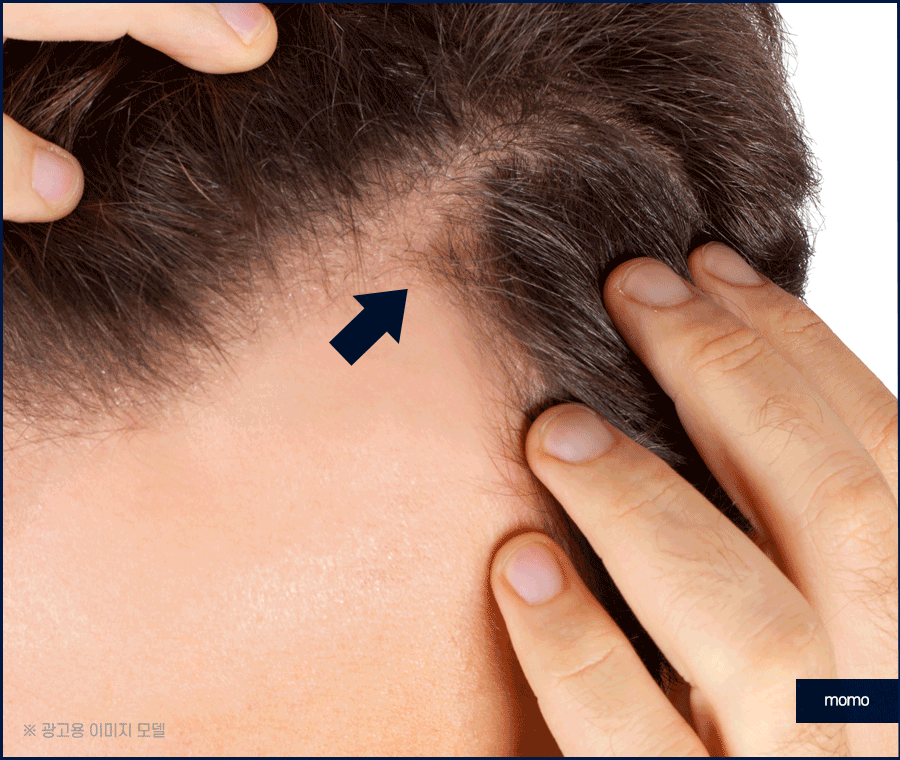
So if you are dealing with this issue,
you may try applying various methods to improve it
and hope for recovery, investing a great deal of
time, money, and effort.
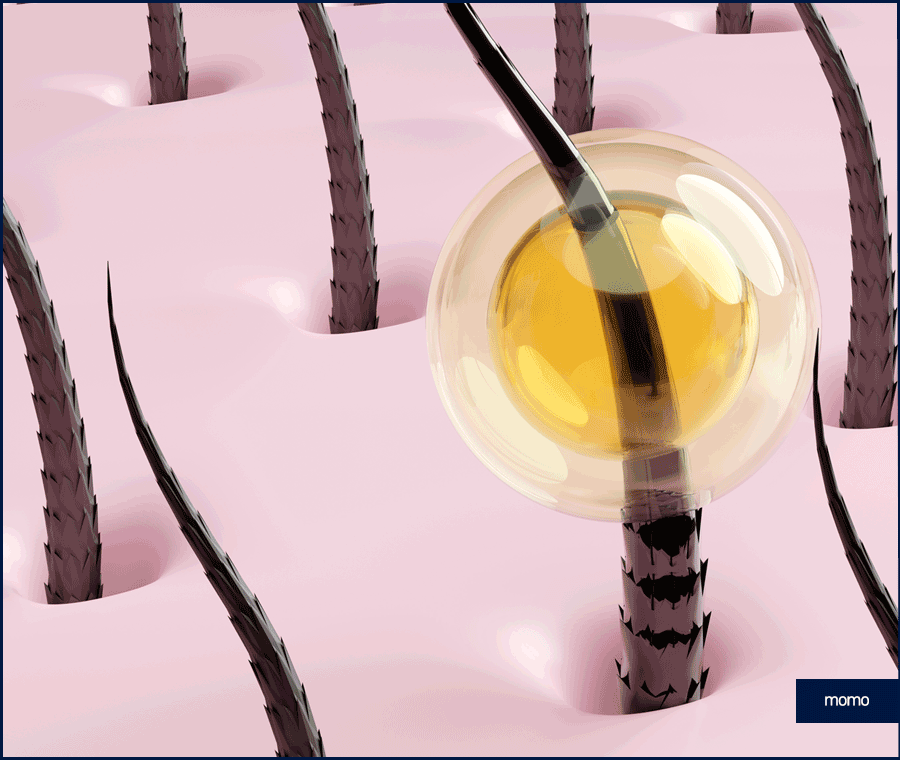
Once the hair has already become thinner and the number of hairs falling out increases,
and the visible area becomes larger to the naked eye,
there can be limits to what you can do on your own,
so you may look into procedural options
for this reason.
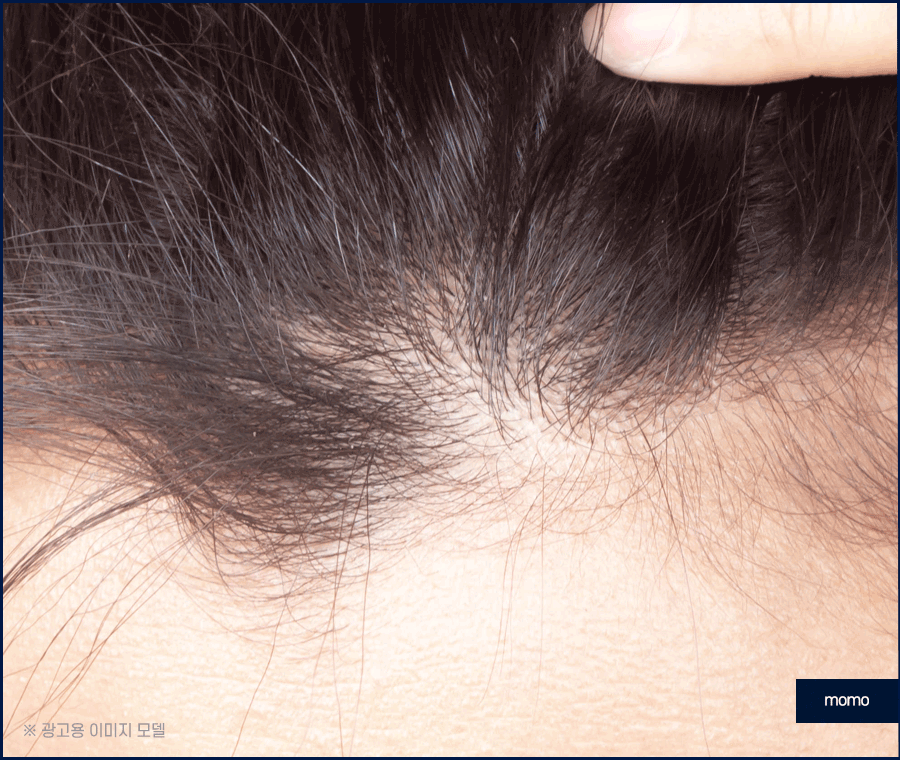
In particular, many people look into various sources of information in order to receive medical help such as hair transplant procedures,
and among many people, there are increasingly more cases of those who are curious about ways to increase the hair transplant survival rate and also make inquiries.
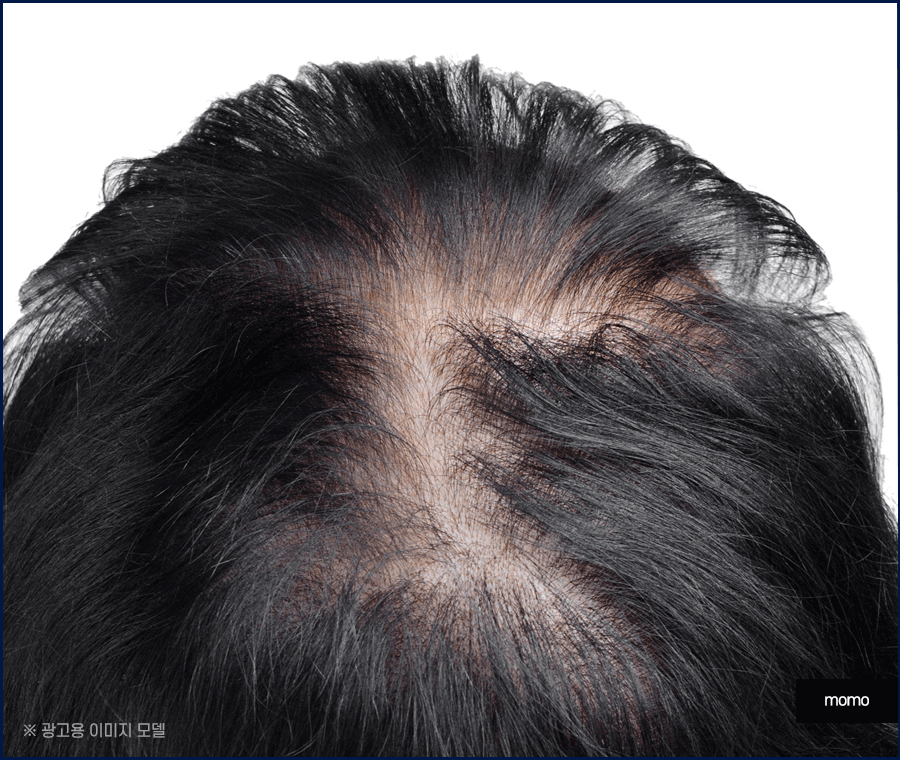
This procedure cannot simply be said to end with planting hair in the empty area.
A good prognosis can be expected only when various conditions are carefully identified and appropriately balanced.
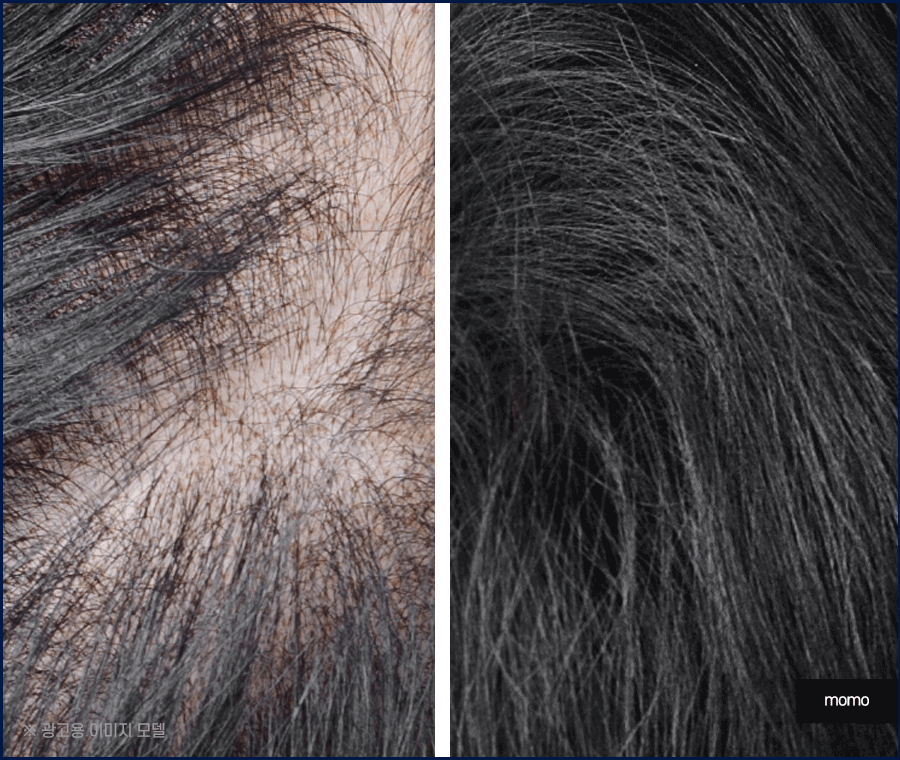
The face is made up of many elements,
and even a slight difference can create many changes,
which can sometimes result in an awkward-looking outcome.
Therefore, it is necessary to examine things carefully and establish a plan.
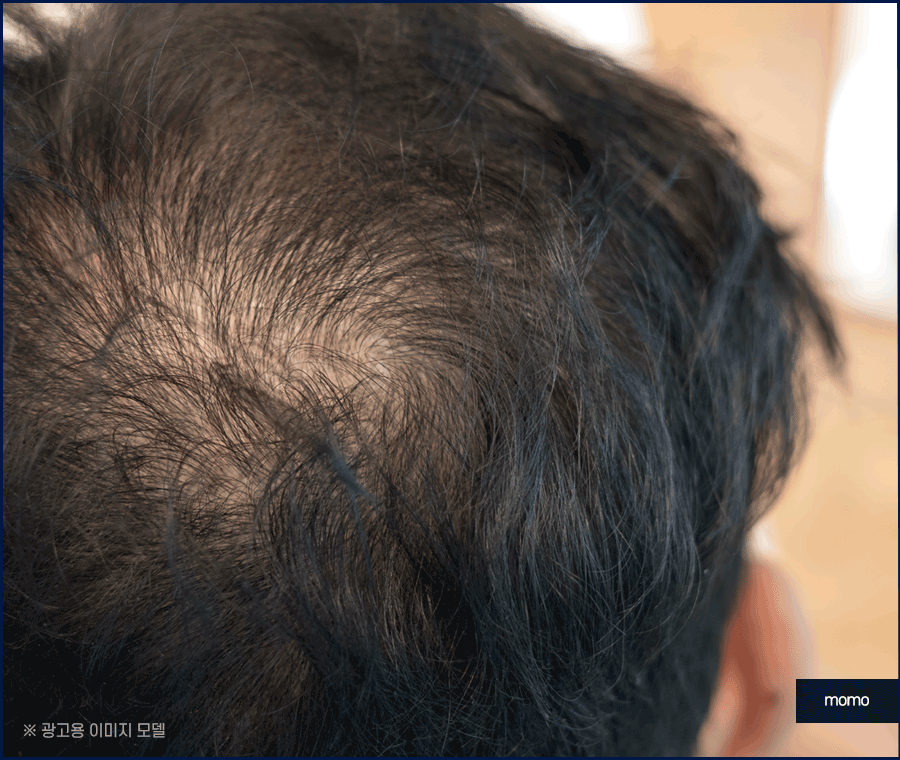
In addition, to increase the hair transplant survival rate,
it is important to carefully identify the conditions that may be important in achieving such results,
consider them, and make the appropriate choice.
 What Is Hair Transplant Survival Rate?
It can be described as a figure showing how many of the newly implanted hairs in an area affected by hair loss
have settled in stably and survived.
In Korea, a rate of about 80–90% or so can be said to be a good result.
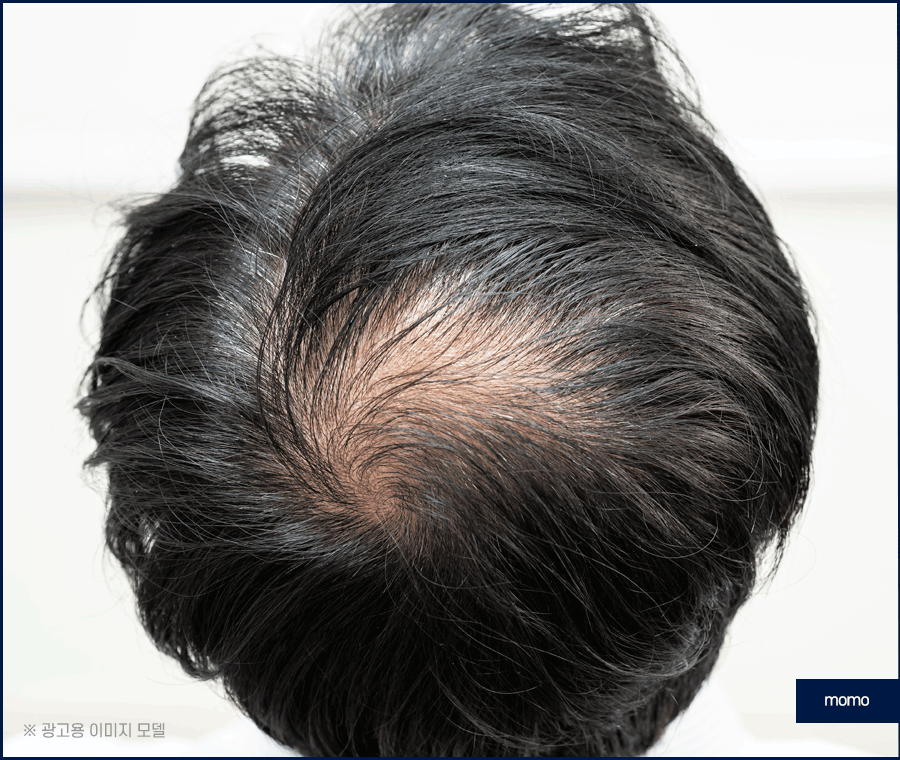
Therefore, in terms of the procedure, this figure can be said to be very important,
and to create a natural hairstyle,
a solution is needed that can continuously maintain and further increase it.
 How Can It Be Increased?
Because the type of hair loss, severity of symptoms, extent, and characteristics of the person’s existing natural hair differ from person to person,
it is necessary to diagnose these details carefully and carry out the procedure by custom-designing a personal line design so that it can blend naturally.
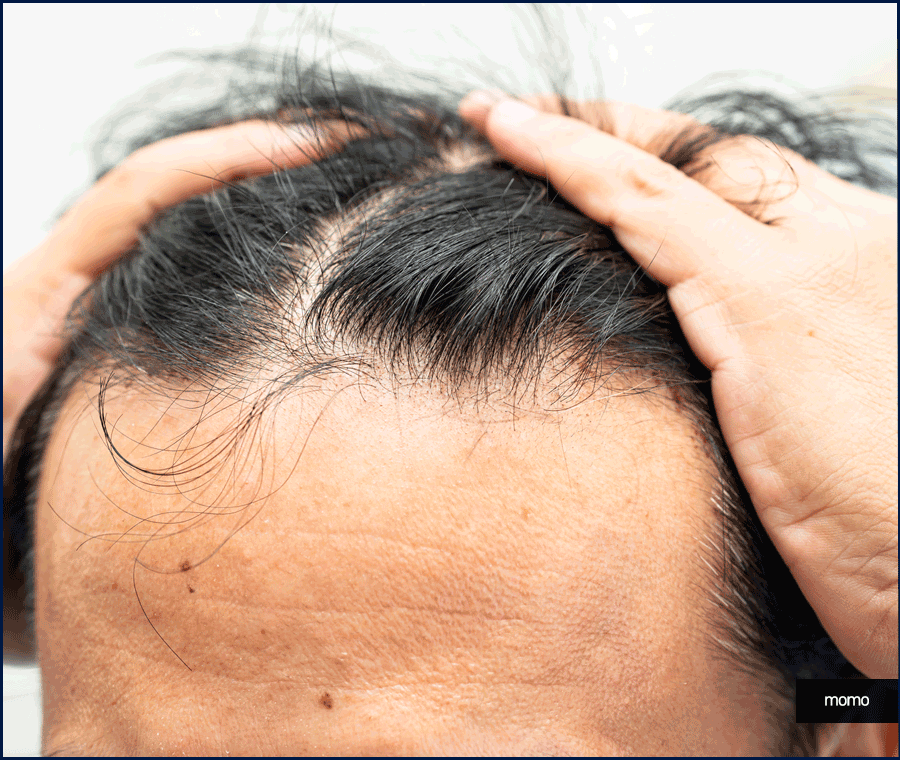
In addition, a decision must be made about the method used to harvest the follicles.
There are incision and non-incision methods, and the procedures and advantages/disadvantages differ.
The method that suits the patient also differs, so carefully checking and applying the appropriate process in advance can greatly help the result.

Aftercare
A particularly important part of the solution is that the hair transplant survival rate can change depending on how care is provided after the procedure is applied.
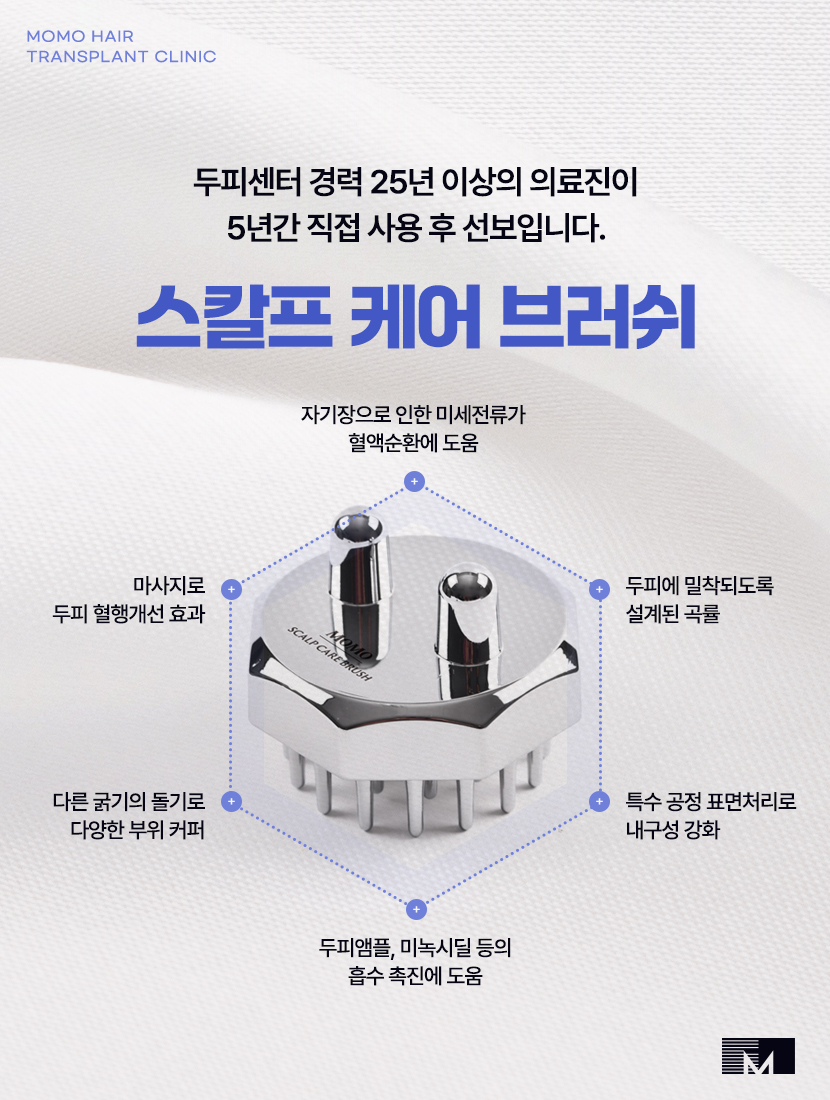
During this period, it may be necessary to understand and consistently follow the precautions for each stage.
In the early stage, when the transplanted follicles are settling in, it is advisable to quit smoking and drinking, avoid strenuous exercise, refrain from behaviors that may cause irritation, and keep the area clean by applying the correct shampooing method.
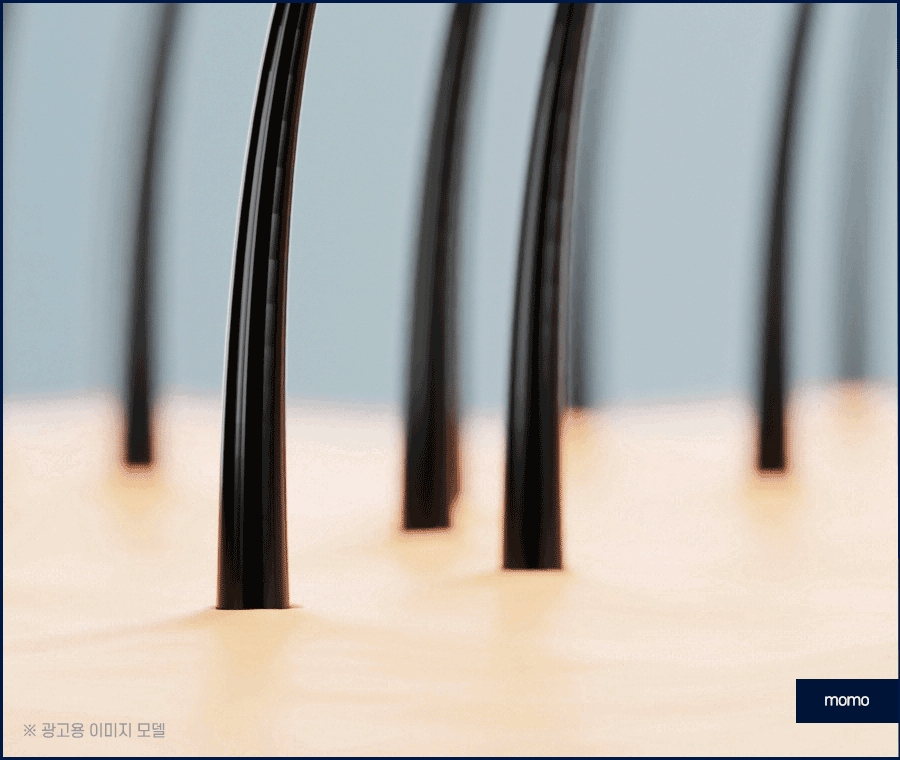
In addition, by periodically checking the progress according to the course of recovery and understanding whether there is a system in place that can systematically support this process, you can increase the rate and create natural hair when you receive this care together.
 The Medical Team’s Competence Is Important.
Even if customized treatment is planned for each individual, the actual operation and implementation are ultimately carried out by the medical team.
Only through the attending physician, who has gained know-how through experience with many cases and accumulated related knowledge, can points of insufficiency, desired designs, and specific needs be properly identified and carried out, which will help raise the hair transplant survival rate.
I hope you can refer to the points discussed today, receive a method that suits you, restore the hair volume lost through shedding, and once again show off your hairstyle.