In a society that has achieved advanced development across many fields,
do you know that there is a social illness
that troubles and makes life difficult for
modern people living busy daily lives?
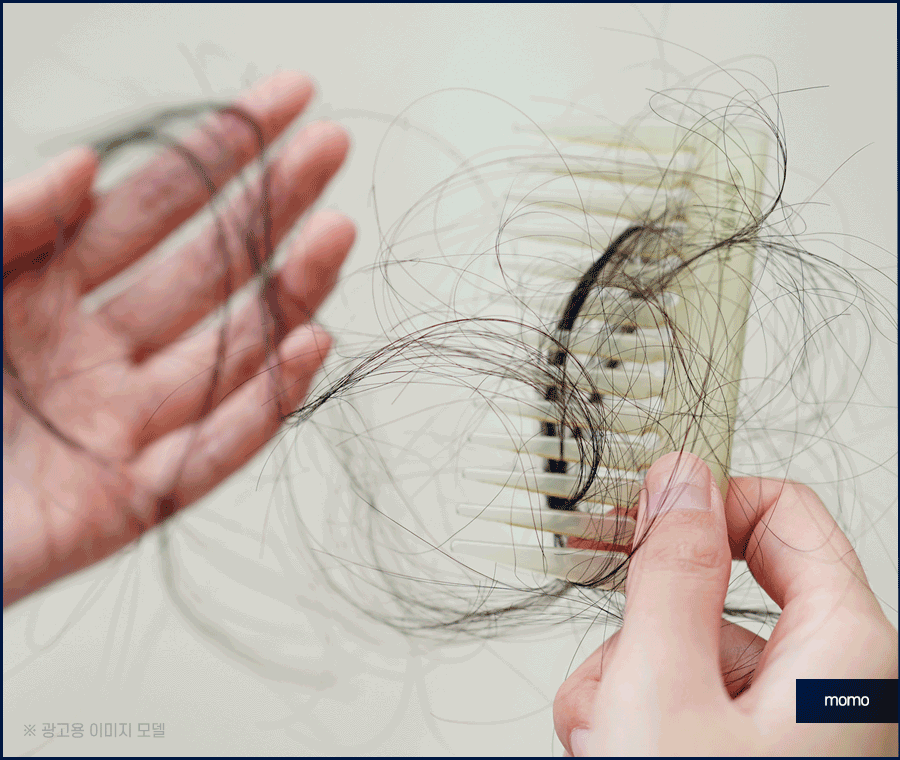
Recently, regardless of gender or age,
there has been a serious situation in which
many people are experiencing worry and concern
because hair, which is a key element in
shaping appearance, is gradually becoming
thinner, falling out repeatedly, and being lost
to the point that the number of people affected
has exceeded 10 million.
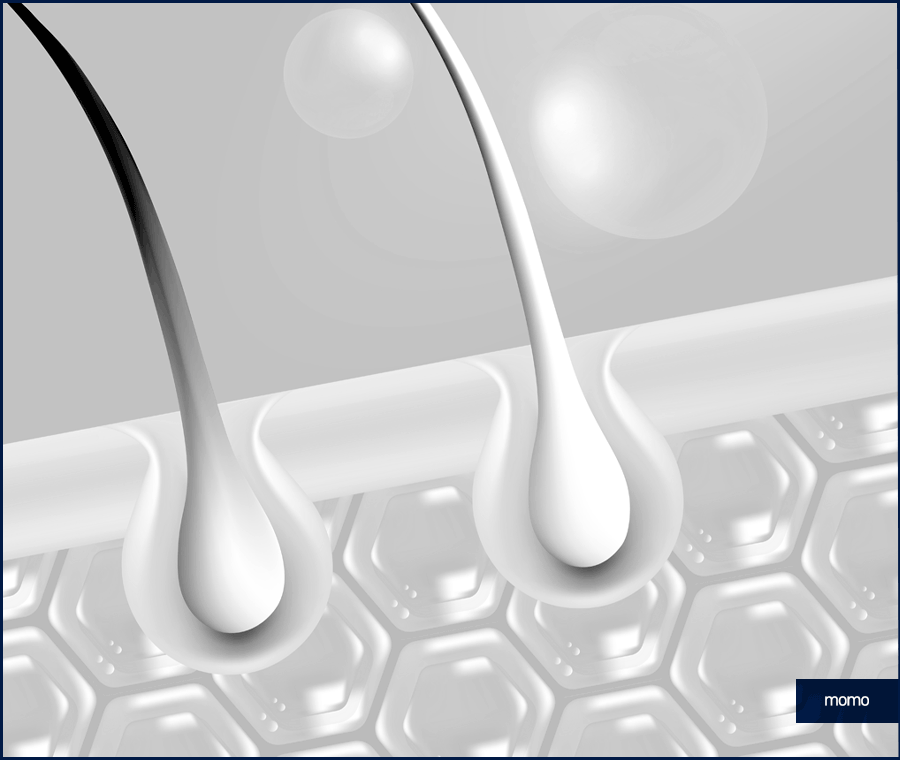
The main causes of this condition include
genetic factors due to family history, hormonal
changes, and various situations or environments
that together involve small and large amounts
of externally triggered stress, irregular lifestyle
patterns and eating habits, excessive hair-related
procedures, dieting, and other acquired and
environmental factors acting in combination.

However, even when these symptoms are clearly
present, there are cases where people do not
properly recognize them and instead end up
seeing them worsen.

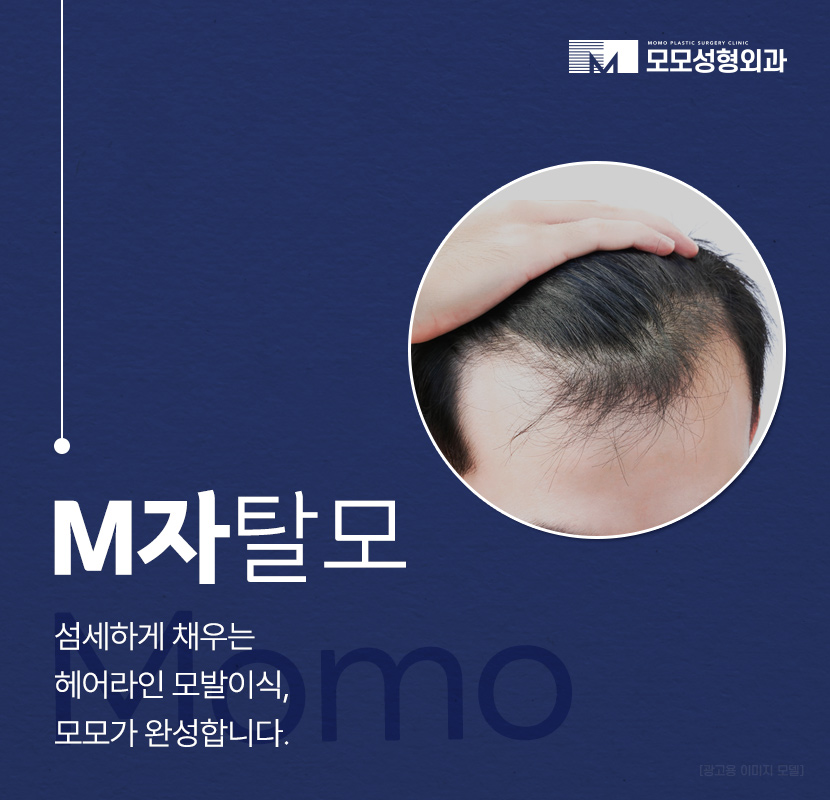
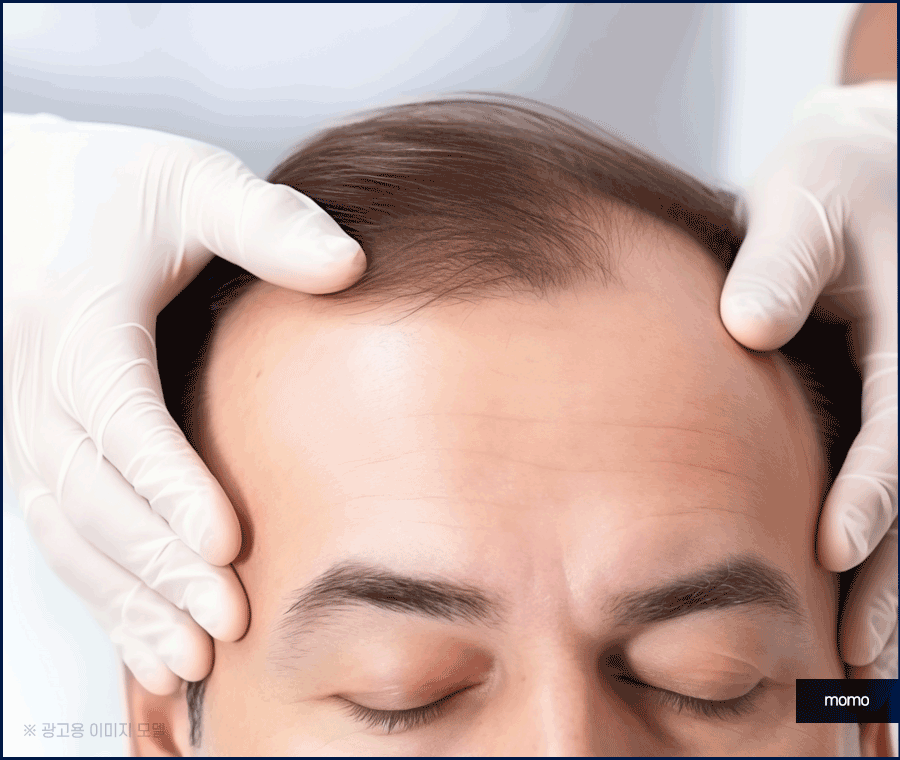
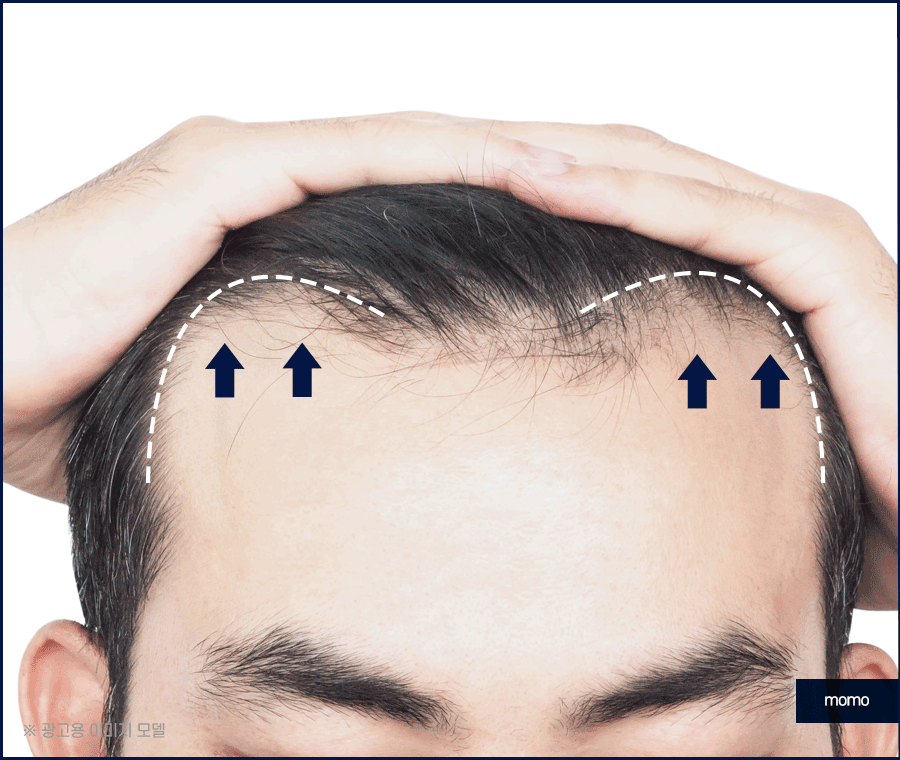
In particular, if this kind of symptom appears
as an M-shaped hair loss pattern, the desire to
improve it more clearly will likely be even stronger.
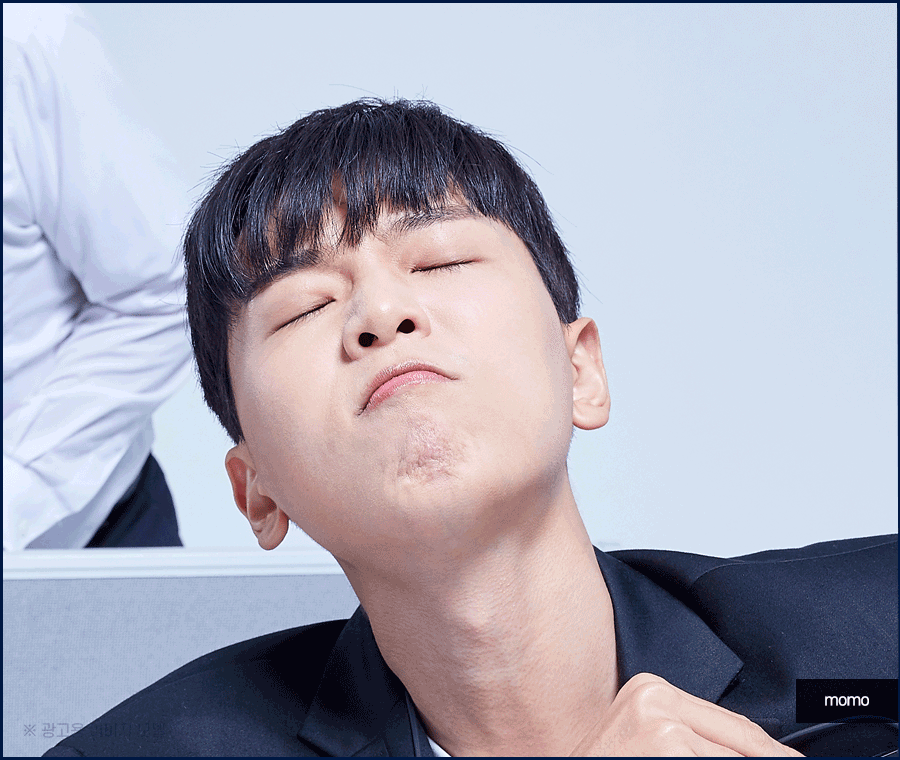
If you have this type of shedding symptom, the
likelihood increases that you may be seen as
looking older than your actual age, and as a
result, your confidence in your appearance can
decline significantly, which can also have a
noticeable impact on daily life, social activities,
and interpersonal relationships.
That is why people tend to put in a great deal
of effort and time to manage it on their own.
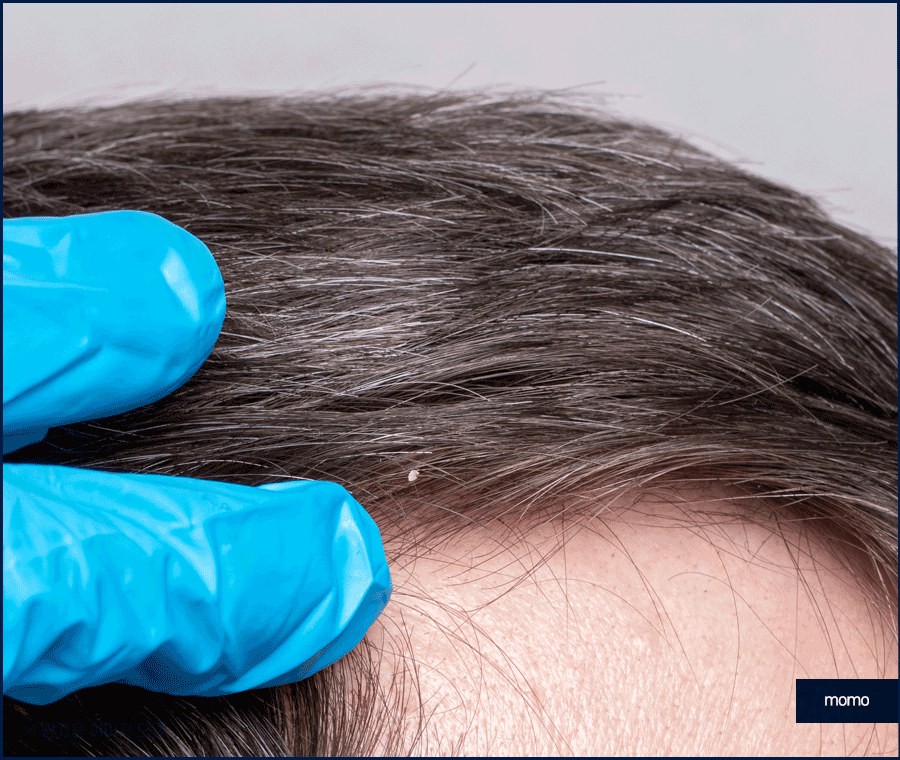
People may try functional products or supplements
said to help regenerate hair that has already
disappeared, and they may also use items such
as hair fibers or wigs to cover it up. However,
these methods only provide temporary effects,
so it can be difficult to expect the growth of
new hair that one truly hopes for.
Therefore, medical solutions that can naturally
and delicately fill in an M-shaped hairline and
create change are receiving a great deal of
attention, and the number of people visiting
related institutions to ask questions about this
is steadily increasing.
| This can be a burden. |
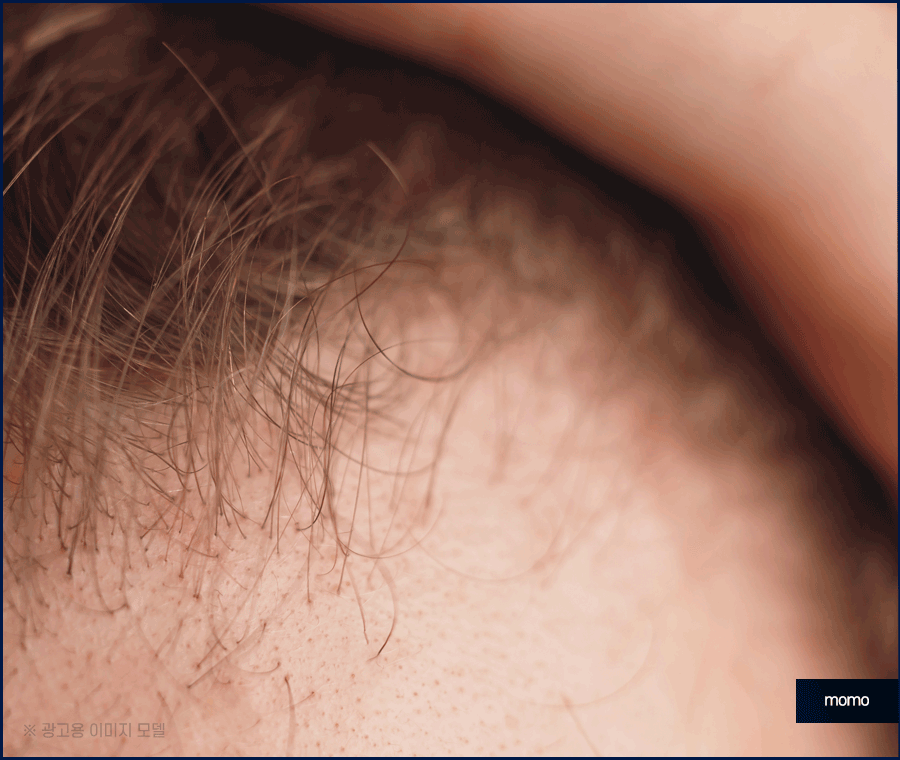
This involves harvesting and transplanting your
own healthy follicles from the back of the head,
which is less affected by the symptoms, and
because it is a process in which new hair grows
from that area, it can help you regain genuine
natural hair. However, the fact that a procedure
must be performed can feel vaguely burdensome.
Still, this can play a major role to the point of
being seen as a turning point that allows one to
move from the painful days caused by an M-shaped
hairline to a new life. So if you are considering
or worrying about this treatment plan, it is
advisable to set various criteria and important
conditions in advance, make a careful judgment,
and proceed with a prompt decision.
| Incision and non-incision |
There are broadly two methods for treating an
M-shaped hairline: the incision method, which
has been widely used for a long time, and the
non-incision method, which is preferred by most
current cases.
When applying such methods, the symptoms,
progression, and detailed characteristics that
each individual is experiencing are all different,
so the choice of method that follows also varies.
The major difference can largely be divided by
whether or not the scalp is excised.
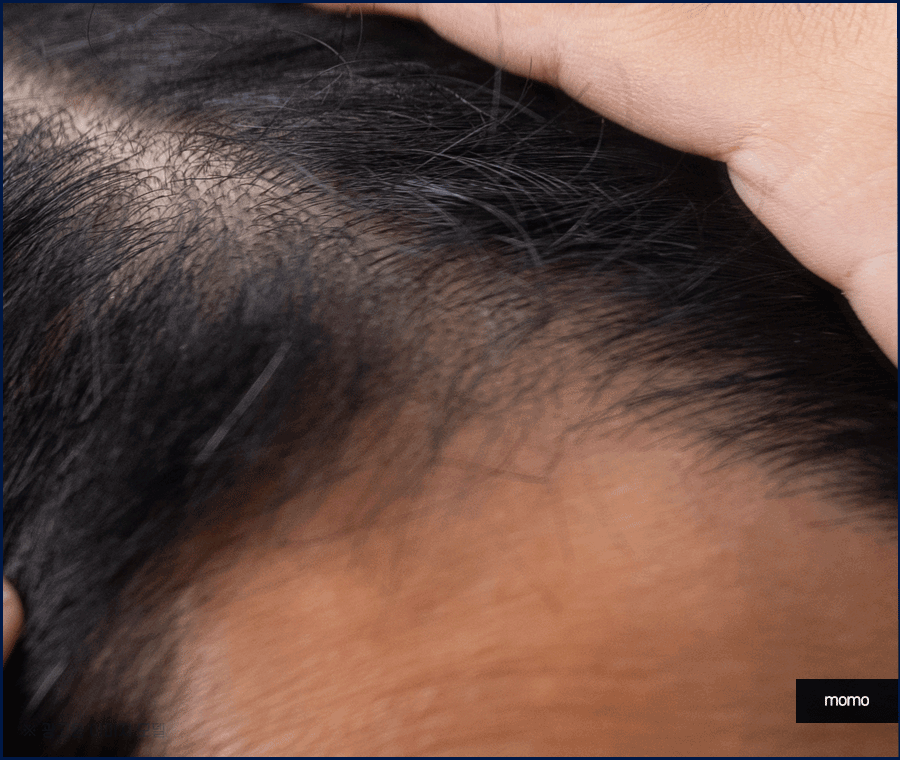
If a certain amount of tissue is removed, pain
and scarring are unavoidable. Therefore, if this
is a concern or feels burdensome, choosing a
method that does not involve excision can be an
efficient improvement option.
As a solution that further supplements the
inevitable drawbacks of the incision method
mentioned earlier, excision is not absolutely
necessary, so the possibility of leaving scars is
low, and the pain is not strong, allowing a quick
return to daily life.

In addition, this method used to overcome an
M-shaped hairline is a highly advanced solution
that requires selectively harvesting each follicle
one by one, so in order to achieve results that
match one’s expectations, the skill of the
responsible doctor must be considered more
important than anything else.

Since the thickness, length, growth direction,
unique hair pattern, and density of each hair are
all different, they must be thoroughly sorted and
stored and used at the optimal temperature.
And before transplantation, keeping them in an
appropriate environment to prevent unnecessary
damage, and then transplanting follicles that
have gone through such a process, can improve
the survival rate.
| Customized treatment is important. |
To achieve a satisfying outcome, a customized
program that matches the individual’s personal
characteristics and basic appearance and points
of emphasis must be carried out in order to
achieve a more harmonious and natural result.
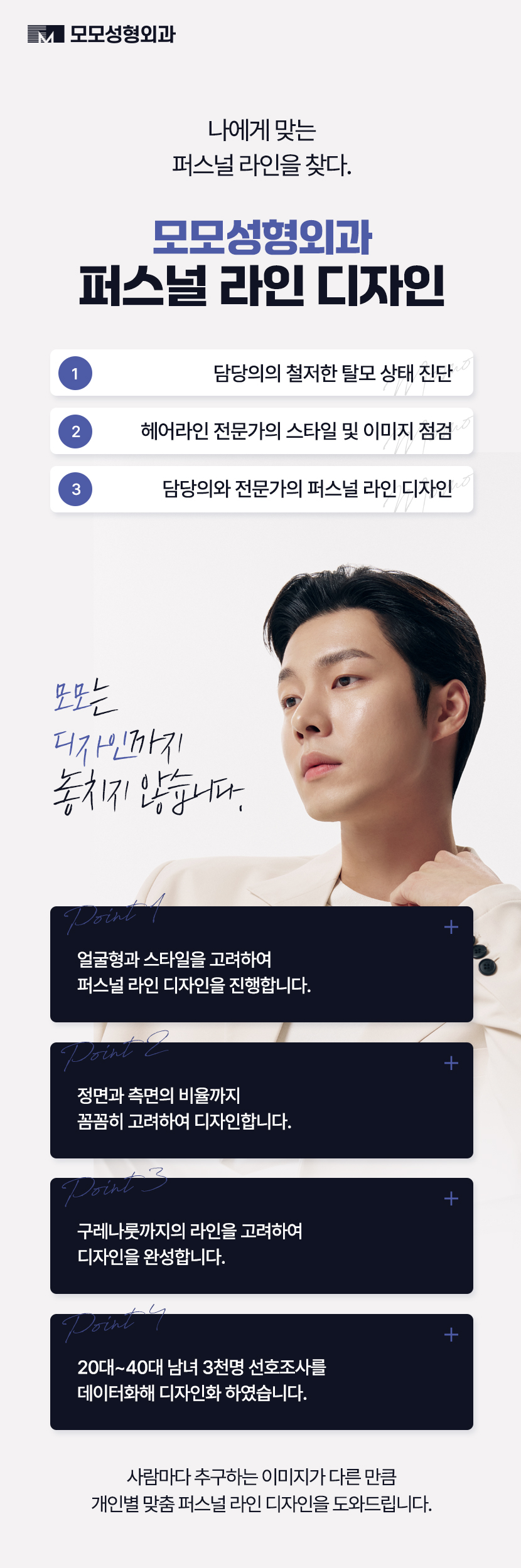
This is called personal design, and in order to
overcome the worries and complexes caused by
an M-shaped hairline, it is important to carefully
plan and proceed through this stage so that a
design with appropriate density can be applied
without awkwardness to the original hairstyle,
based not only on the characteristics of the
existing natural hair but also on a strict
evaluation of the lines starting from the forehead
and hair area, through the crown and part, and
extending to the sideburns.
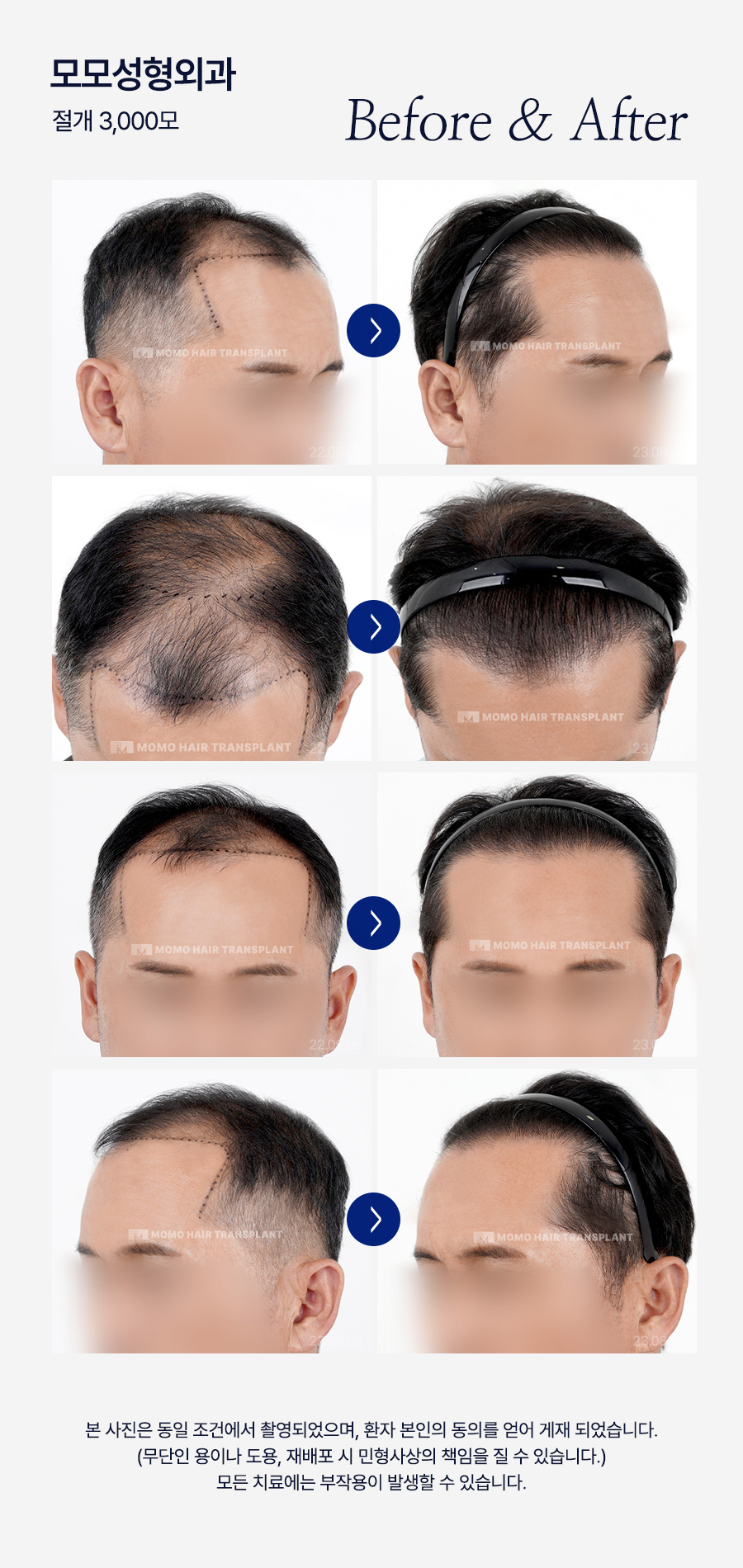
In addition, to achieve a satisfying outcome, it
is advisable to proceed with a clinic that is well
equipped with the devices and equipment used
during the solution process, and with a doctor
who has abundant practical data from direct
experience with various cases, including M-shaped
hairline types, and who also possesses excellent
technique, skill, and know-how related to them.
This can be a positive direction for resolving
concerns about the condition.
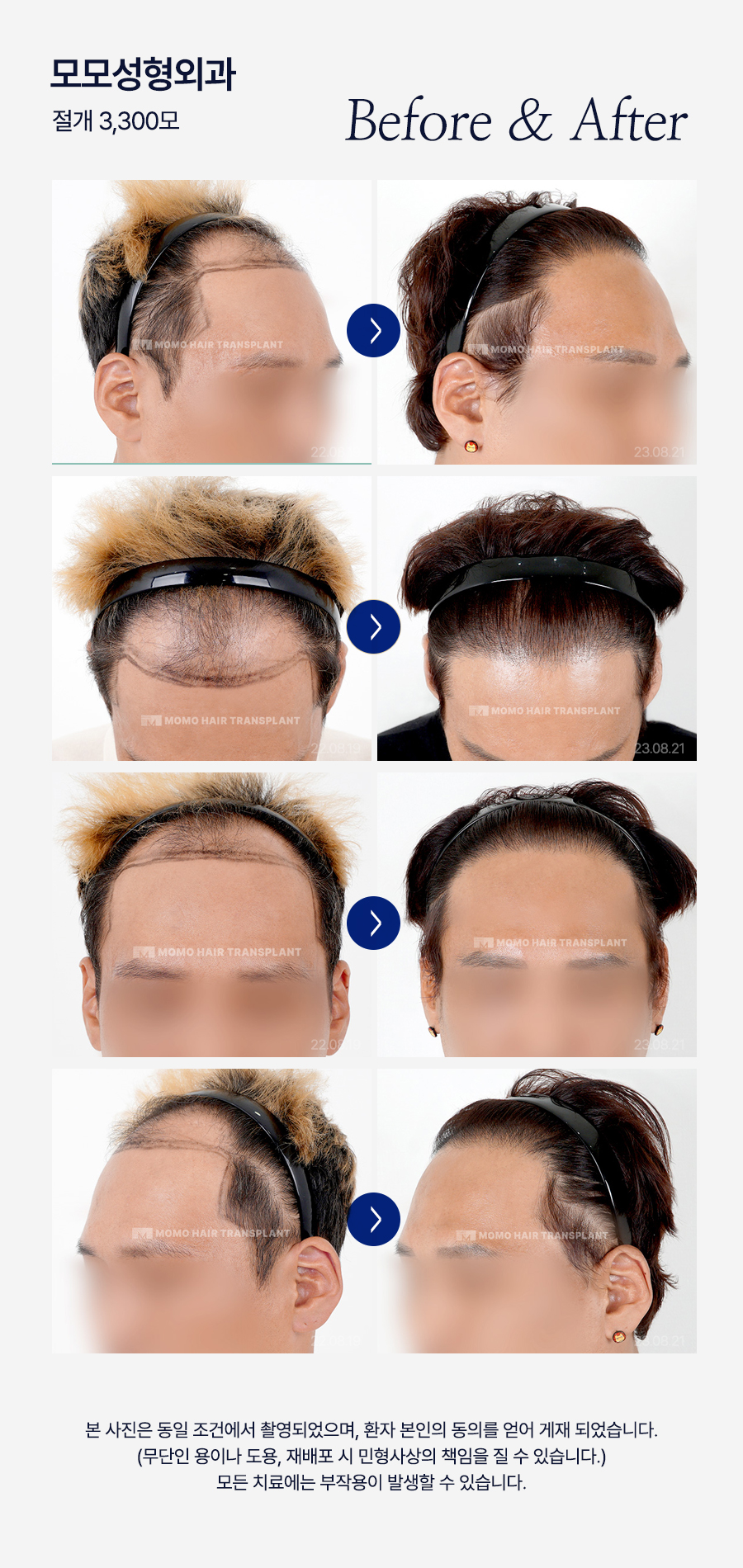
It is also advisable to check whether they have a
delicate sense of design and aesthetic judgment
that can satisfy the lacking aesthetic elements.
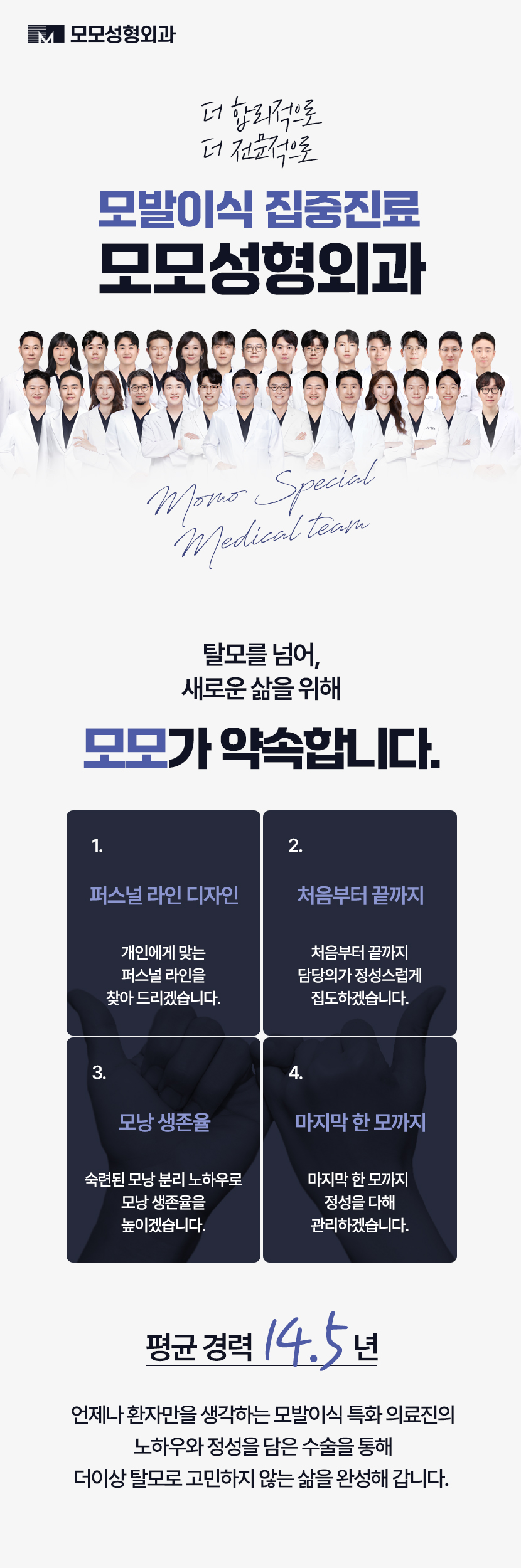
In addition, to maintain a stable survival rate,
which is mentioned as a key point in the solution
process carried out to overcome concerns related
to the symptoms, you should actively try your own
consistent care and effort, along with stage-by-
stage monitoring and aftercare systems provided
by the institution, and always be aware of and
follow the recommended precautions so that the
transplanted follicles can settle properly and new
hair can grow fully. If you do so, you will be able
to maintain a neat and stylish hairstyle for a long
time.