In the course of daily life, if a large or small
shock is directly applied, or if a part of the body
shows an abnormal reaction and suddenly becomes
painful, most people immediately visit the relevant
medical facility, undergo an examination,
and receive appropriate treatment.

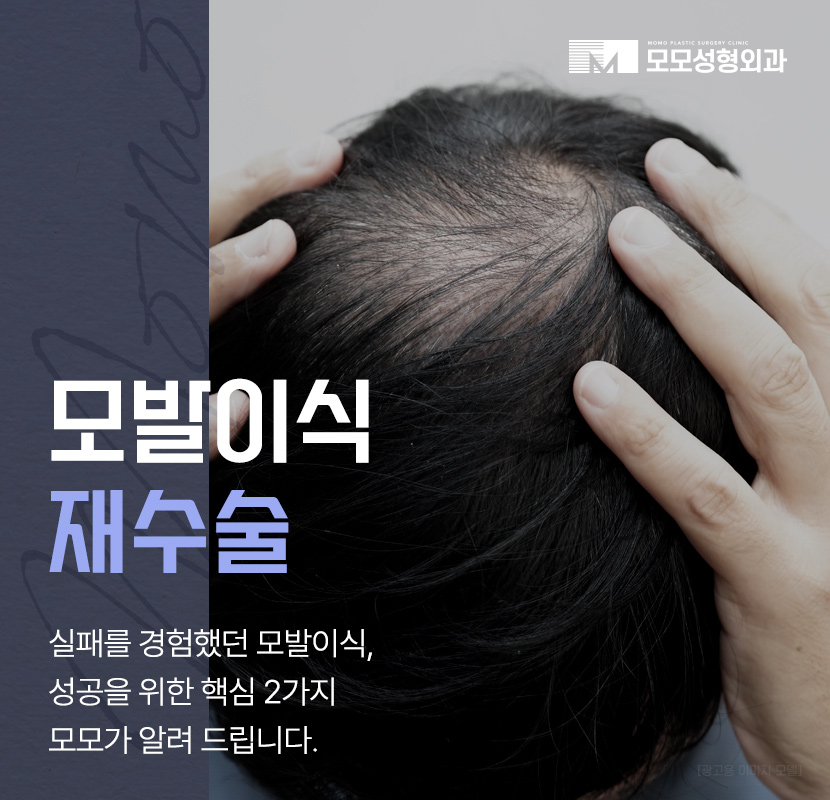
However, when hair loses its elasticity, gradually
becomes thinner, and the amount of hair decreases,
or in severe cases falls out, rather than taking
immediate action, many people neglect it with a careless
judgment like, “Will it get worse from here?” or
“Maybe it will improve on its own,” and eventually
put effort and care into trying to improve it themselves
based on various methods and information they have
searched for.
As a result, methods such as supplements,
functional shampoos, hair fibers, and shadowing
may not provide the satisfying result one expects
when it comes to restoring already lost hair.

Because the condition does not improve, the negative
changes in outward appearance can actually intensify
complexes and stress, and in severe cases it can become
a major obstacle to living an ordinary daily life such as
social life and interpersonal relationships, often
leading to psychological problems like depression and
avoiding contact with others, and eventually to a more
pessimistic environment.

After going through countless trial and error and
becoming thoroughly exhausted, many people are making
their way to relevant clinics to receive proper help and
are not stopping their visits when it comes to consulting
and asking questions in order not to lose any more of the
confidence in life they once had.
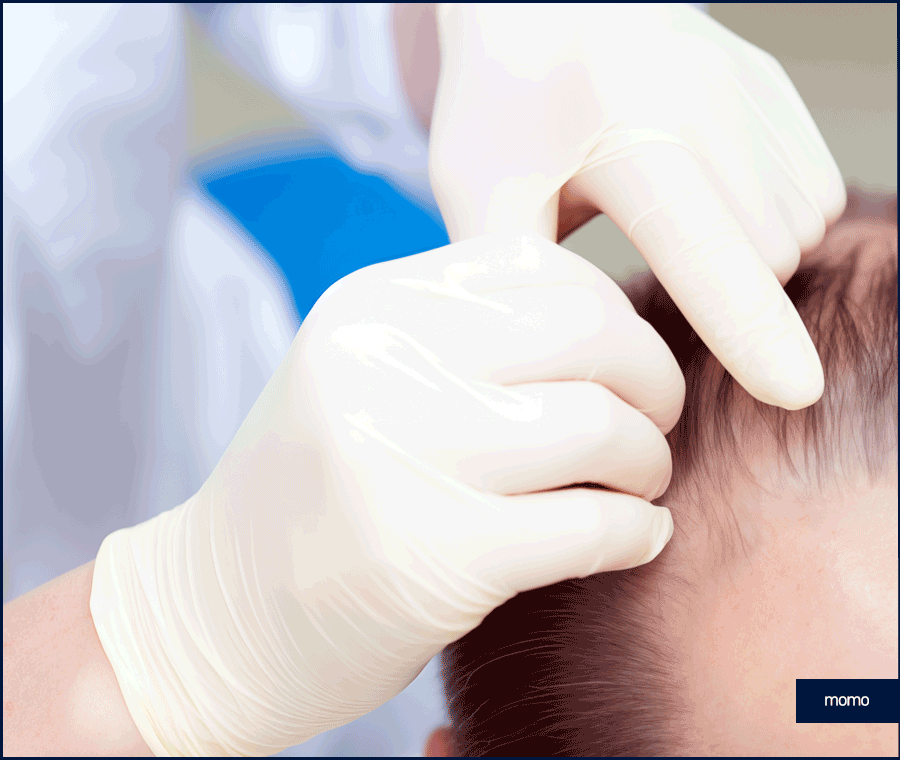
Among them are many who have already undergone a
solution that involves harvesting and transplanting their
own hair, and this can be said to be the case for those
who have concerns and worries about hair transplant
revision surgery.
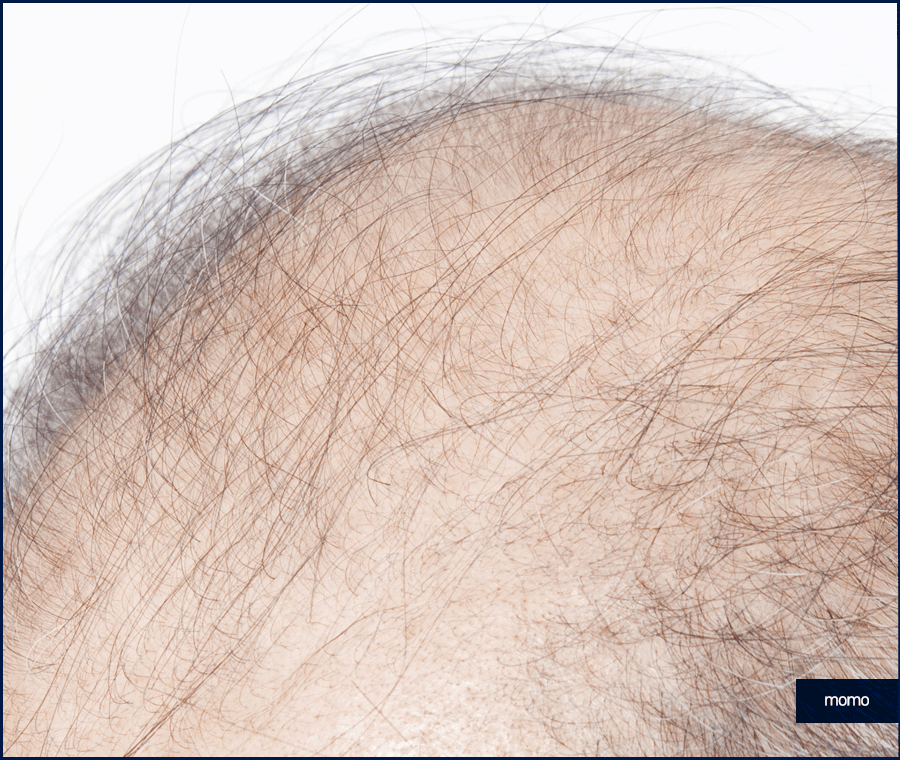
In particular, the age range of people experiencing hair
loss is expanding these days, which means that the number
of cases requiring a solution is increasing as well.
And recently, interest in methods carried out through an
unshaven, non-incisional process has been rising.
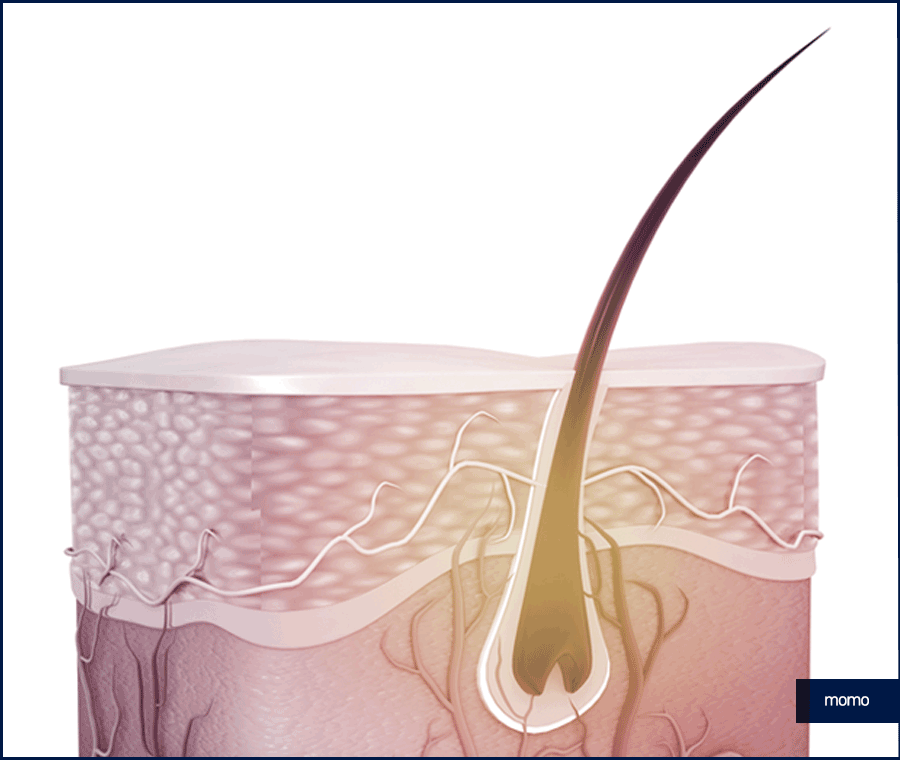
Because this method selectively extracts follicular units
one by one before performing the procedure, the pain that
may occur is less, and since the scars are minimal, the
recovery period is shorter, making a quick return to a
busy daily routine possible. For these reasons, it can be
said to be a more preferred solution.
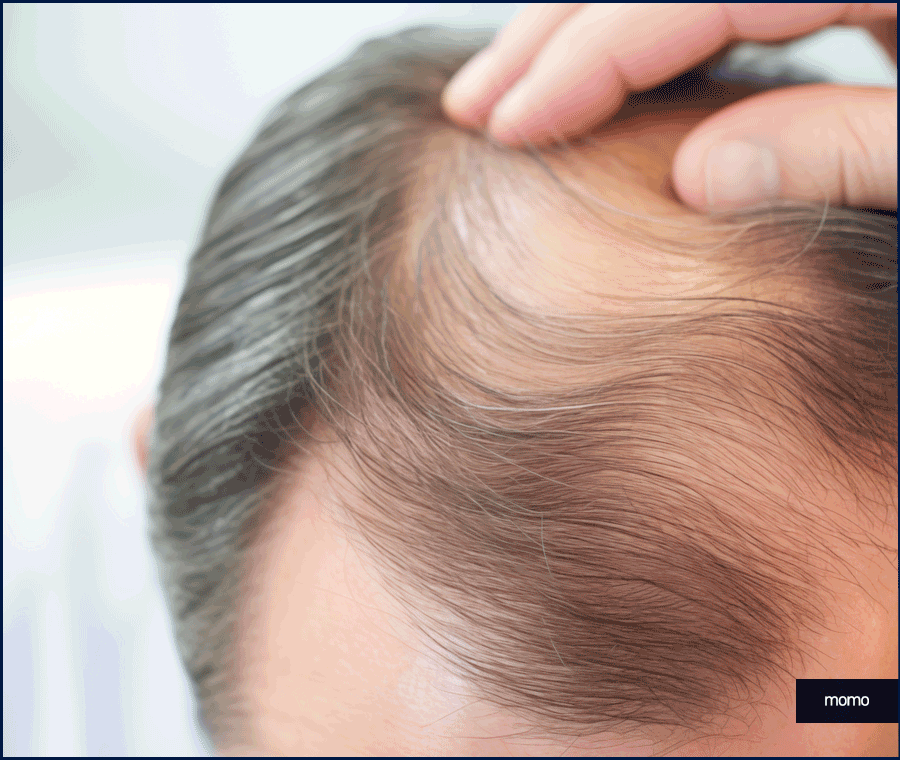
To achieve a clear change and highly satisfying outcomes
through such a response, the point that must be considered
important is the survival rate.
Once hair has been implanted, it should be maintained
permanently, but if skill or know-how is lacking, there
may be cases where the follicles do not settle properly.
So if you are considering or have decided to undergo hair
transplant revision surgery, a detailed consultation and
an accurate diagnosis tailored to each individual are
essential requirements for steadily increasing a stable
survival rate.
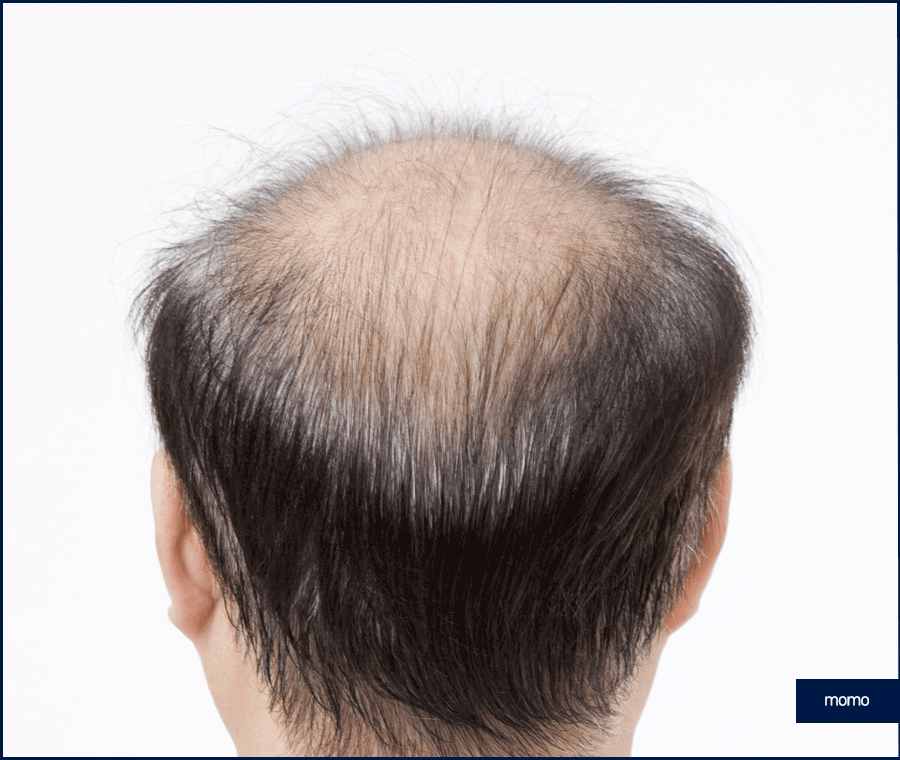
In addition, if proper habits and routines are not
consistently practiced, including the previously mentioned
problem of reduced survival rate and insufficient aftercare,
the transplanted hair may be less likely to settle properly.
Even after making a strong decision and proceeding with a
solution, if hair loss continues and the hair loss
phenomenon repeats, it can only lead to deep concern and
frustration.
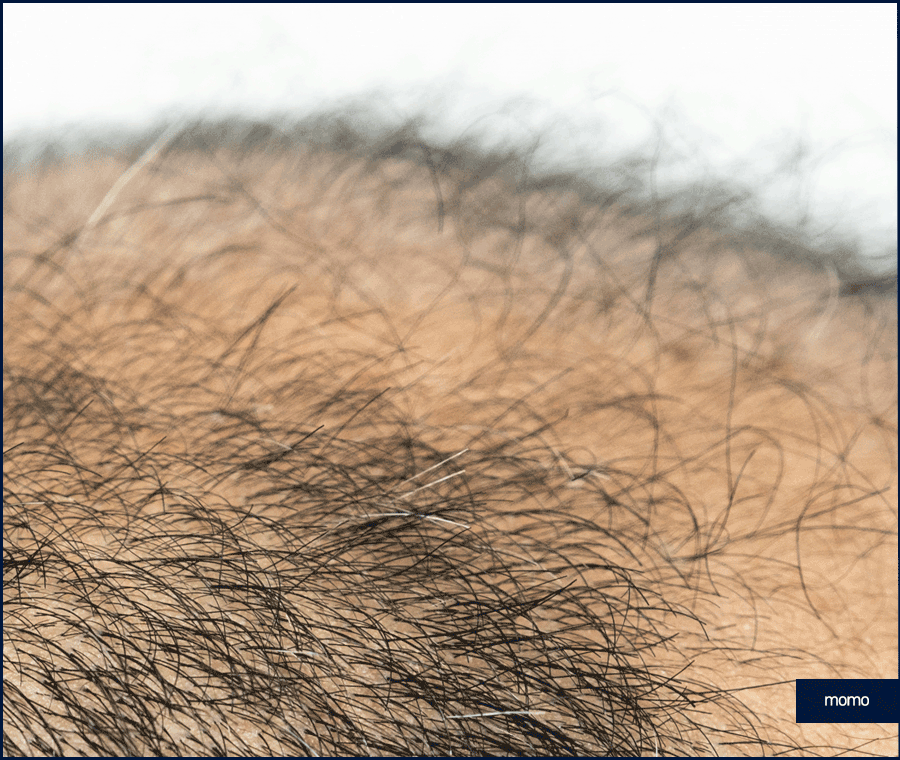
At such a time, the key point is to proceed with hair
transplant revision surgery without delay and choose a
clinic that is capable of doing so.
Also, it is advisable to refer to two key points that must
be examined for the desired purpose and success, and to
obtain results that match them.
- Cause of Failure
This is because hair transplant revision surgery, once it
has already been performed, can be more difficult than the
first attempt, and the number of factors that must be
carefully considered increases. Therefore, when speaking
with the doctor in charge, it is most important to
carefully understand why the procedure is being pursued.

Whether the density and survival rate are significantly
lower than the amount transplanted, or whether the cause
is the effect of hair loss that has reoccurred, the main
cause must be closely identified, and the basis for
repeating the same solution and a plan suitable for it must
be established.
- Checking Condition
And after about a year has passed since the solution,
it is advisable to attempt it after carefully checking the
progress, and it is best to determine the appropriate time
after examining the health condition of the area to be
implanted and the area from which follicles need to be
collected.
This is because the scalp requires a certain period of
time to recover again, and only after a clear result is
confirmed should the solution be carried out, so that
unnecessary damage to surrounding follicles can be avoided
and a decrease in the survival rate can also be prevented.

Also, one of the key points to be careful about during hair
transplant revision surgery is this: if the first procedure
resulted in an outcome far from the satisfaction you had
expected, and you are considering whether to proceed in
order to correct it, you should clearly identify the
reasons why you made that choice, recheck any incorrect
habits, and discuss them during consultation with the
doctor so that you can communicate your own opinions
smoothly.
And it is important to think carefully about the issues,
analyze them thoroughly again, and plan the direction of
the personal design and solution appropriately as a
personalized plan so that such mishaps do not repeat,
while approaching the process with even greater sincerity
and care.

In addition, what the patient must do is improve the
relatively poor habits related to insufficient hair loss
and survival management, and carefully put in effort and
care so that the implanted hair can grow stably and well.

Furthermore, because this is hair transplant revision
surgery undertaken to once again face a natural and full
hairstyle after repeated worry and concern, you must
carefully check in advance whether the doctor performing
and overseeing the procedure has abundant experiential
data from related cases as well as various other cases,
whether they have a high level of knowledge and
understanding, whether they possess an aesthetic sense and
delicate design sense that can satisfy the aesthetic
elements, and whether they have excellent technique and
know-how derived from years of practical experience.
After carefully checking all of these points in advance,
it is important to make a prudent decision.