In dry and chilly weather like these days,
it can be important to pay attention to
scalp and hair care.
In this kind of environment, the ability to
defend against external irritation is reduced,
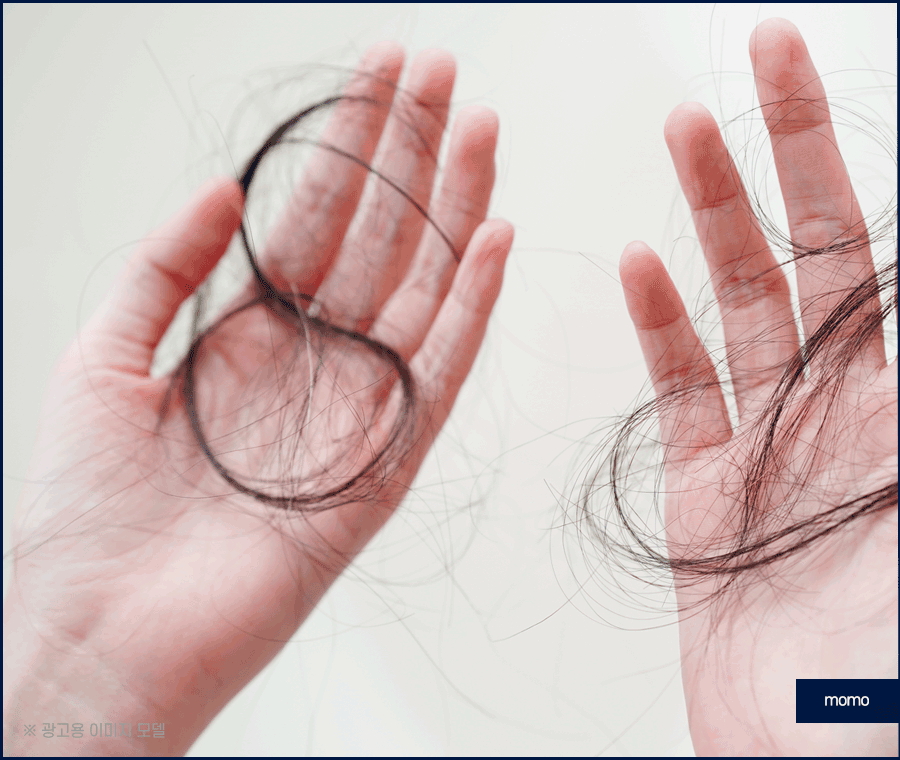
and symptoms such as itching, dandruff, and
flaking may occur as well, eventually leading
to hair loss.

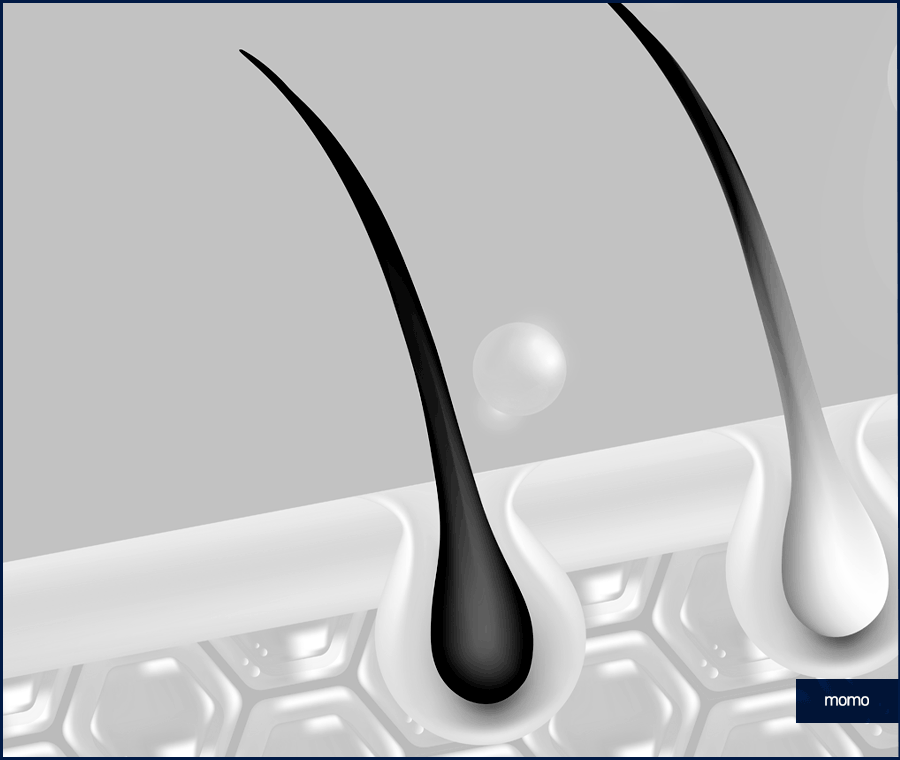
When it comes to losing natural hair, people
may develop this condition due to causes that
range from congenital factors to acquired
habits and various behaviors that can have an
effect.
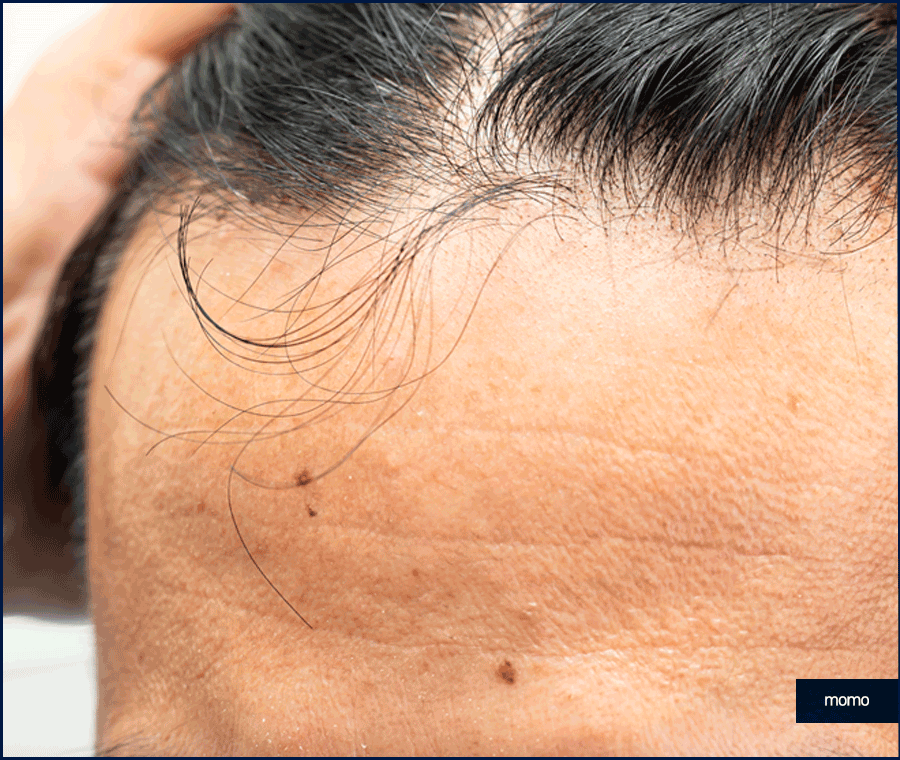
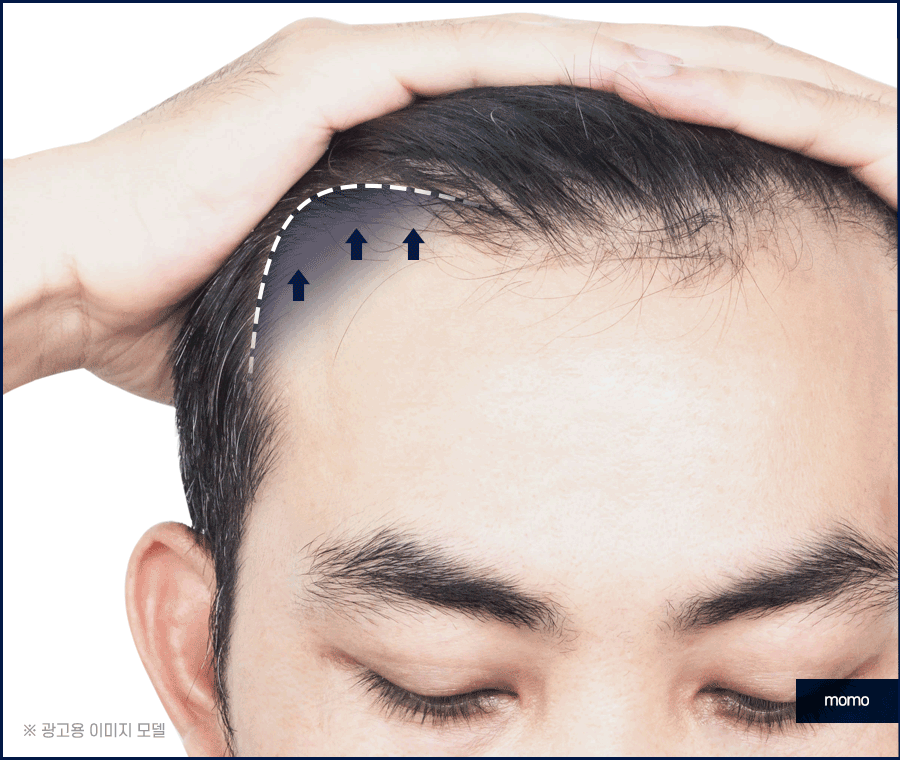
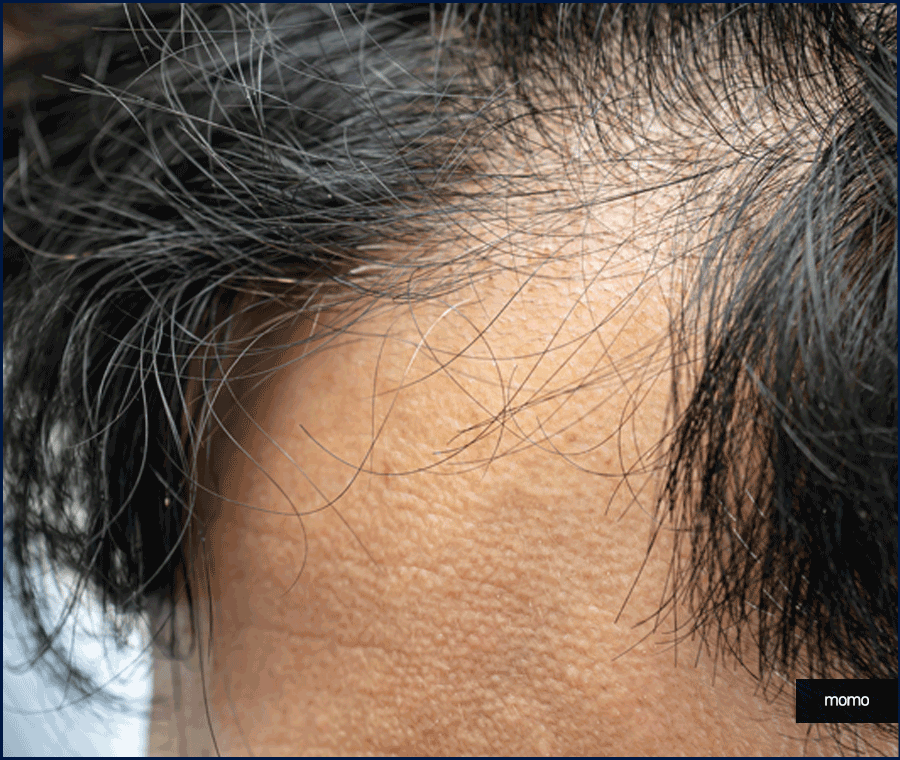
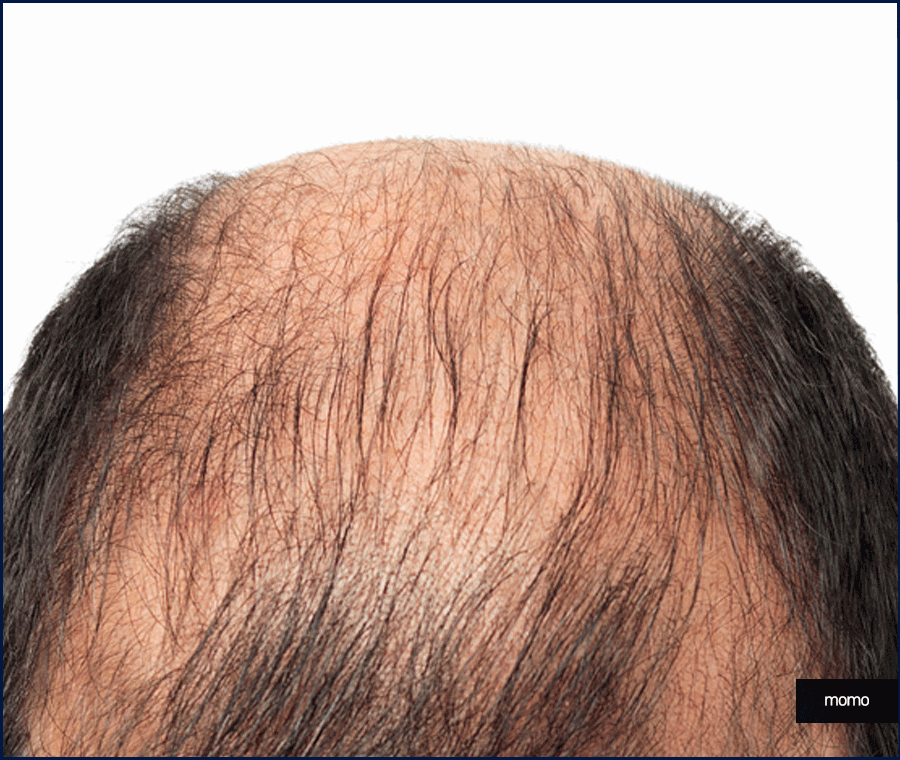
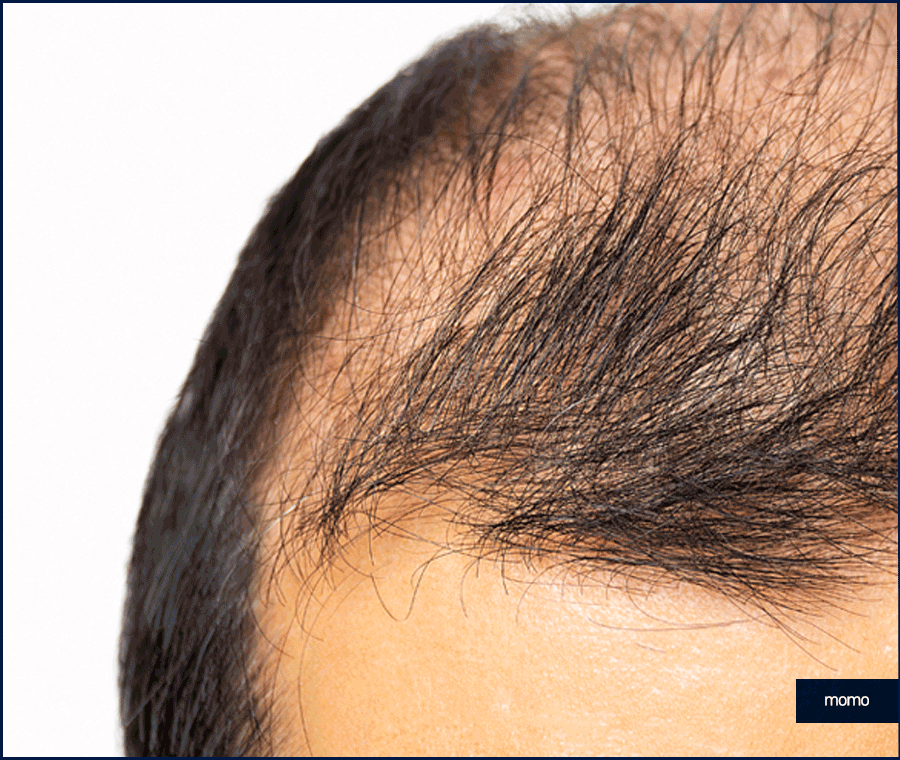
As a result, a once-full head of hair gradually
becomes sparse and empty spaces appear, which
eventually has a negative impact on appearance,
and can lead to a lack of confidence, stress,
and later even a complex. However, instead of
choosing to visit a clinic right away, many
people tend to try measures they can take on
their own first.
Symptoms can worsen more quickly.
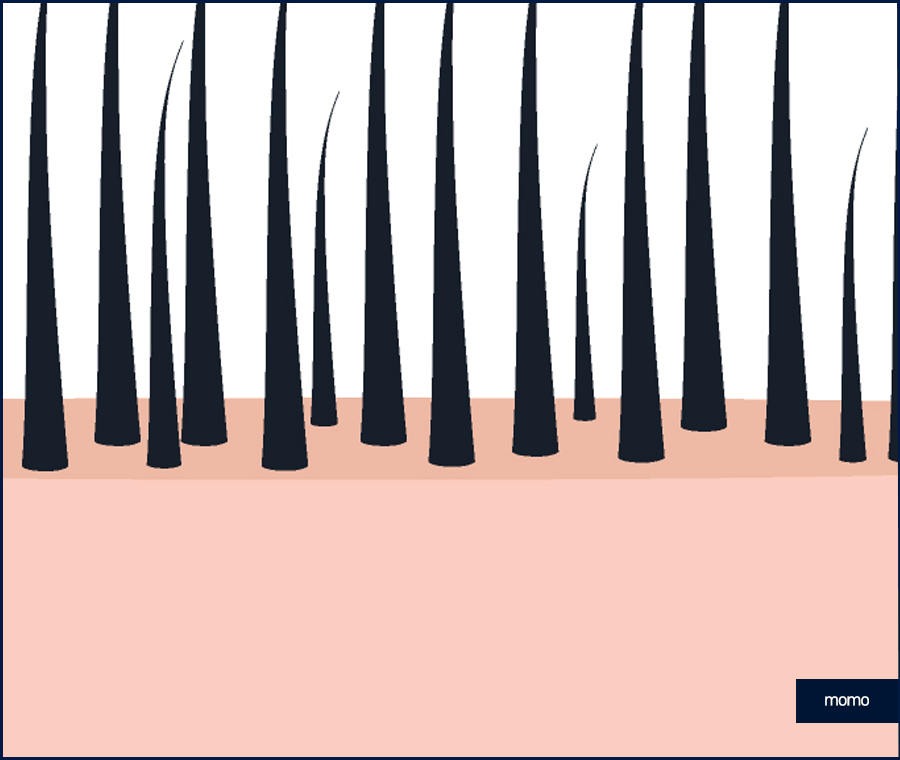
However, because it cannot solve the underlying
cause, it often does not produce the effect
people expect, and may instead be an action
that accelerates the condition further.
For those who did not get the desired effect,
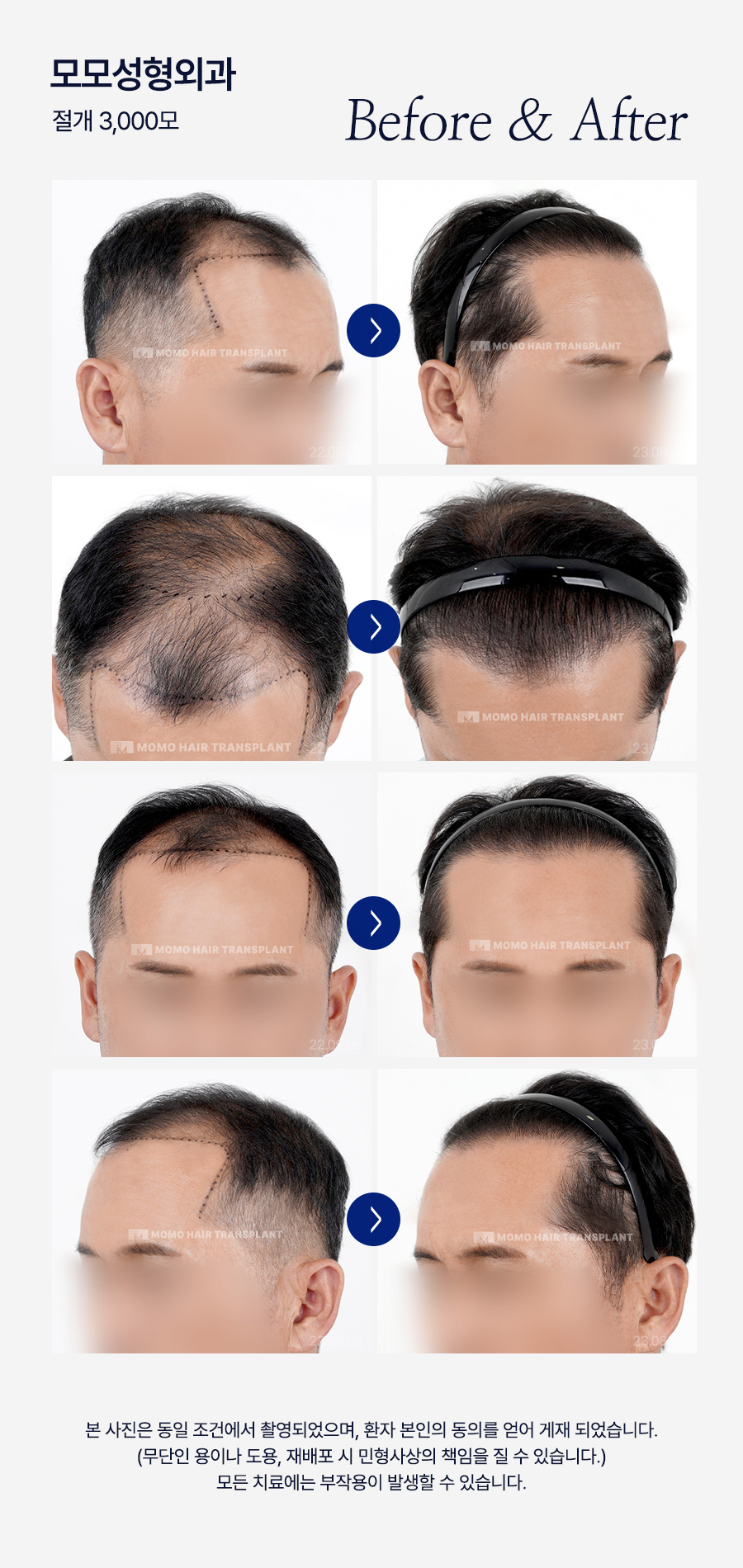
medical options are then explored, and the part
that draws attention at this point is likely the
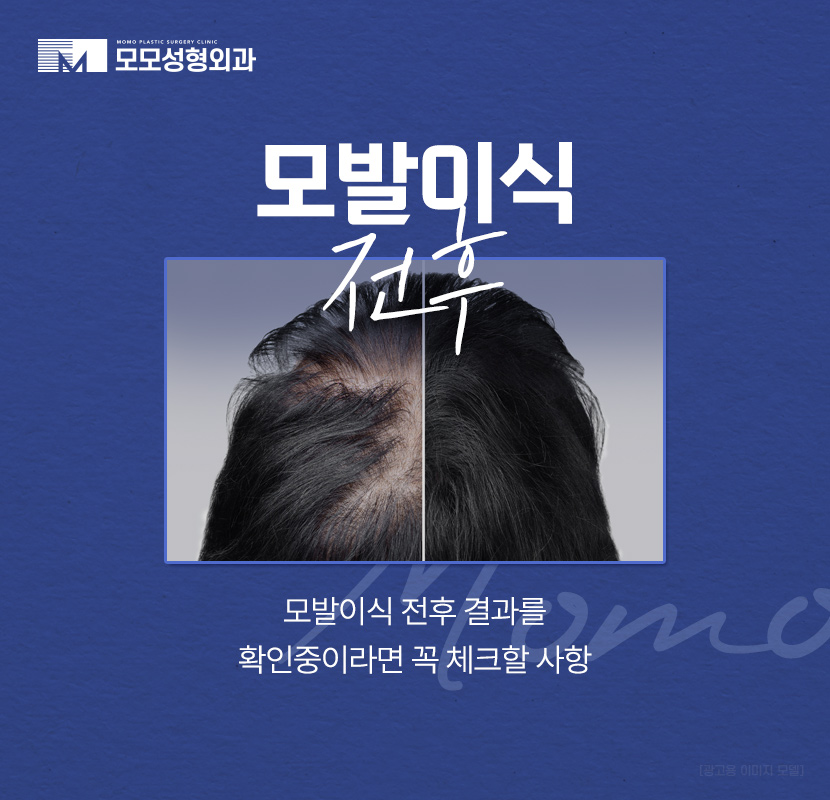
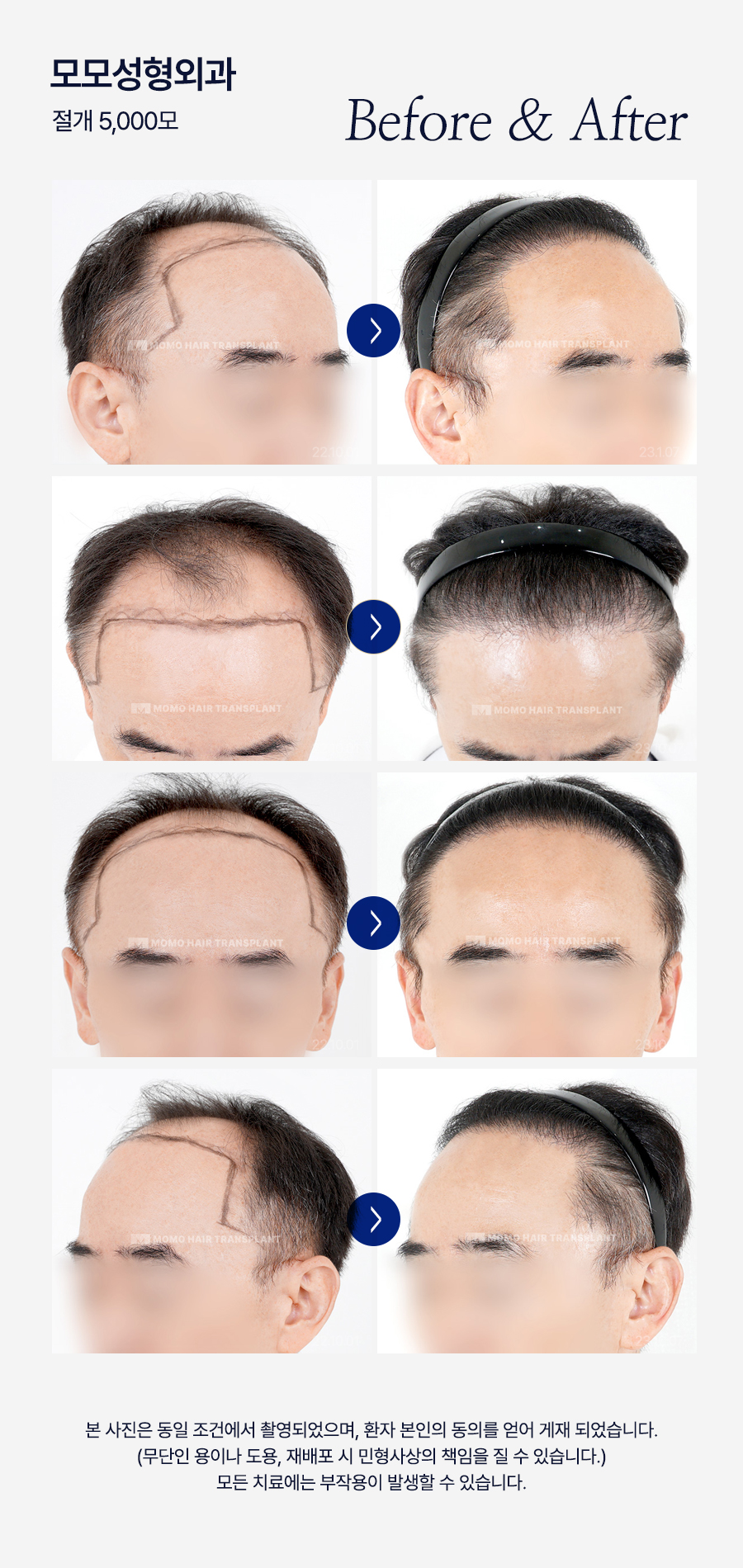
before-and-after changes from hair transplantation.
This procedure is considered a good option when
someone wants to improve the problem of hair
loss getting worse, or wants to see a dramatic
change in their own appearance by undergoing
the procedure.

It is carried out by extracting follicles that
have not yet been affected from an area where
hair has fallen out and transplanting them
again, and because the difference before and
after hair transplantation can also be directly
confirmed with the eyes, satisfaction is high
and the changes that appear in the results are
large, which is why many people consider it.
However, if you want to make a decision based
on this kind of outcome, there are points that
need to be checked.
Personal design planning
Depending on the individual, the type and extent
of hair loss differ, and there are also
differences in the amount, thickness, and
direction of the remaining natural hair, as well
as the presence of fine hairs, face shape,
facial feature proportions, and sideburns. So
even if a similar method is performed, there can
be many differences in the results.

Therefore, a customized treatment plan must be
established and carried out, and for this it is
important to check whether the clinic is
planning and performing the procedure only
after first creating a personal design in advance.
Even after that, when you look at the method of
the procedure, it can be classified into incision
and non-incision methods, and since each has
suitable cases, it is also good to check whether
they can suggest and apply the option that is
right for you.

Post-treatment care program operation
After the hair has been transplanted and the
procedure is completed, the graft survival rate
still needs attention. This refers to the rate at
which follicles collected from the back of the
head or other areas survive after being
transplanted into areas that lack hair.
The expertise and experience of the medical team
Because the results before and after hair
transplantation can vary greatly depending on
how post-treatment care is handled, it is
important to check whether the institution runs a
program that can provide care support, and
whether the medical team in charge of the
procedure is carrying it out based on extensive
experience, a high level of understanding of the
procedure, technical skill, and ability.
When these factors are carefully reviewed and
the procedure is performed in a way that matches
them, it becomes possible to fill in the missing
natural hair and create a natural-looking style,
so it can be a good choice to research things in
detail and make a decision before proceeding
with the procedure.

Also, if the problem is not congenital but an
acquired condition, it can reappear if the
underlying reason is not resolved afterward.
Therefore, discussing with the medical team how
best to address it and making changes can
increase the likelihood of not experiencing hair
loss again.