Basically, as we go through daily life in social settings,
relationships, and various environments,
the power of a hairstyle is not limited to
an aesthetic element alone; it plays a very
important role, to the point where that would
not be an exaggeration.
It not only takes part in shaping the visible outward appearance,
but can also influence a person’s unique impression and
image.
If you have a full head of hair with a suitable amount of elasticity and shine,
it can project neatness, a favorable atmosphere, charm,
and even individuality. By contrast, if hair has been lost in spots
to the point that the white scalp is visible, this can
immediately reduce quality of life, while the appearance itself
can become a major complex. Confidence that was once strong can
drop sharply, and this can develop into feelings of depression
or avoidance of face-to-face interaction with others.

In addition, the people affected by this condition are no longer
limited to middle-aged men, as was the case in the past. Recently,
it has become a common condition that can occur in anyone,
regardless of gender or age.
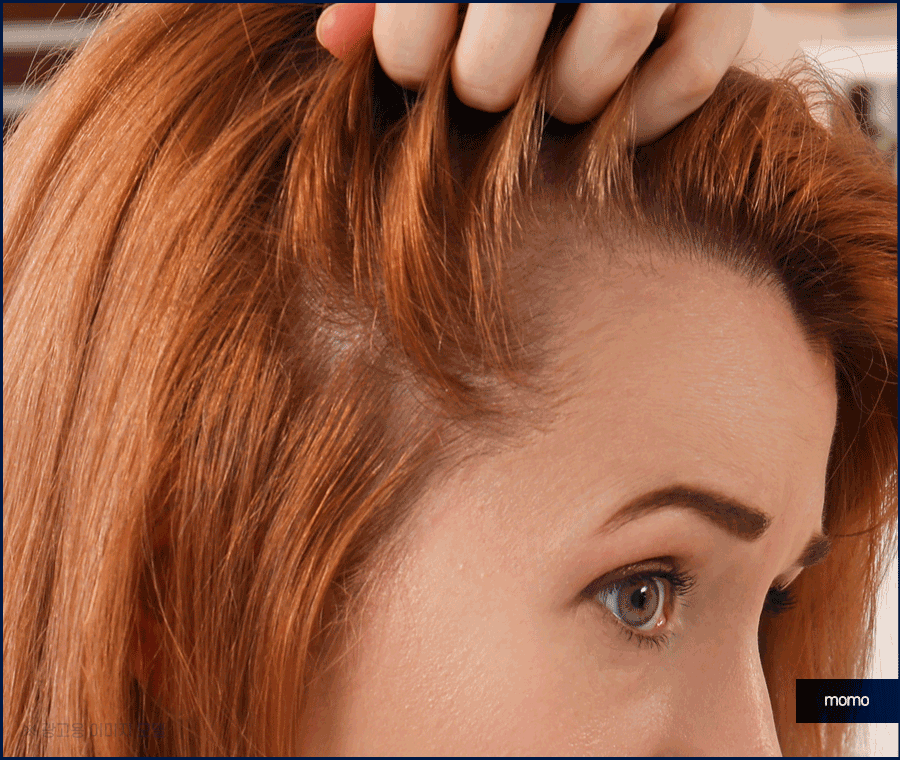
Therefore, if you suspect female temple hair loss or a similar condition,
or if it has already progressed and is spreading widely or receding,
it is important not to leave it untreated and to visit a relevant
medical institution to look for ways to improve it.
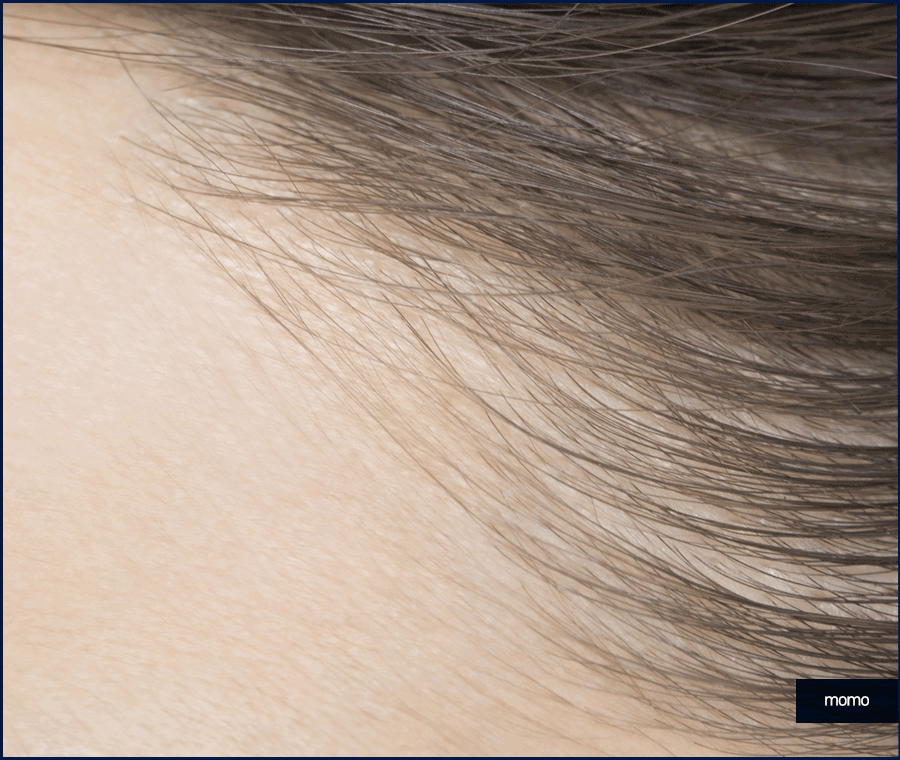
To help address female temple hair loss and at the same time
regain the beautiful side profile you may have forgotten,
it is a good idea to first understand what causes this condition.
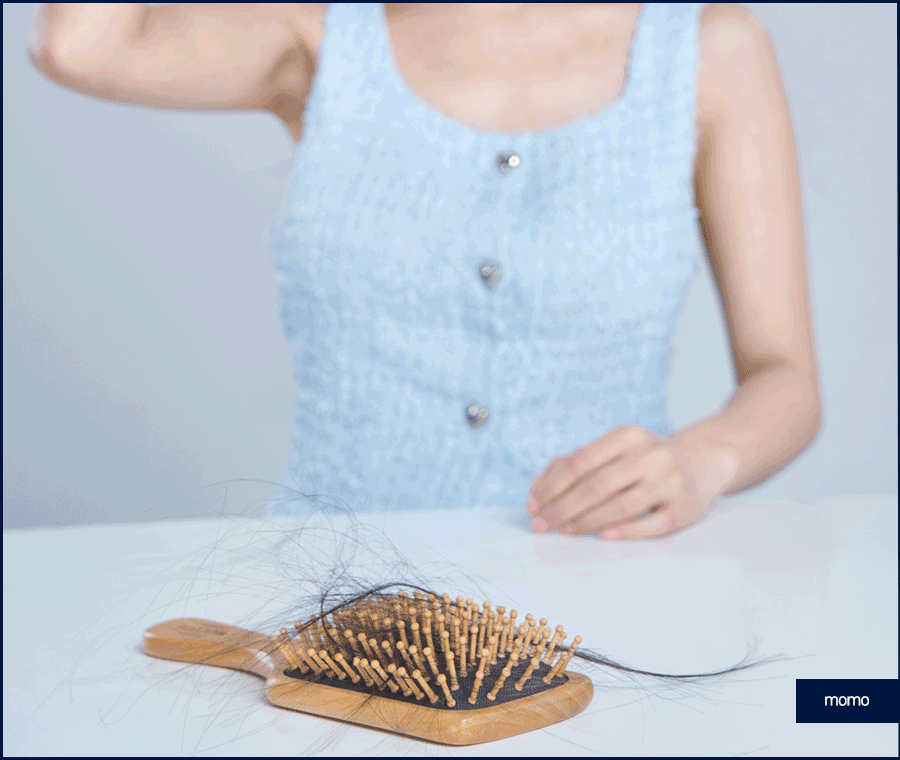
First, genetic factors from family history can be considered a representative root cause. In general, people often think that this type of hair loss appears in men because of such factors, but inherited genetic traits can exist regardless of gender. In women, the maternal side tends to have more influence, so the probability is somewhat lower than in men, but this is still true.
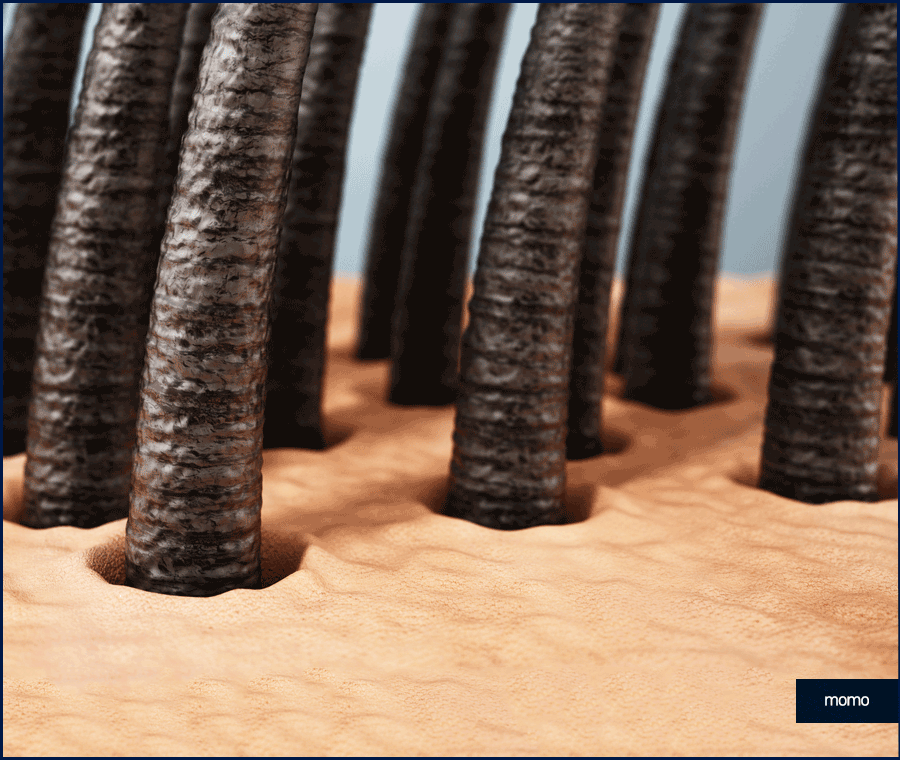
However, because genetic factors like these can manifest differently depending on one’s usual health and physical condition, it is wise to keep in mind that women cannot simply feel completely reassured and that paying attention to health management can be a sensible choice.
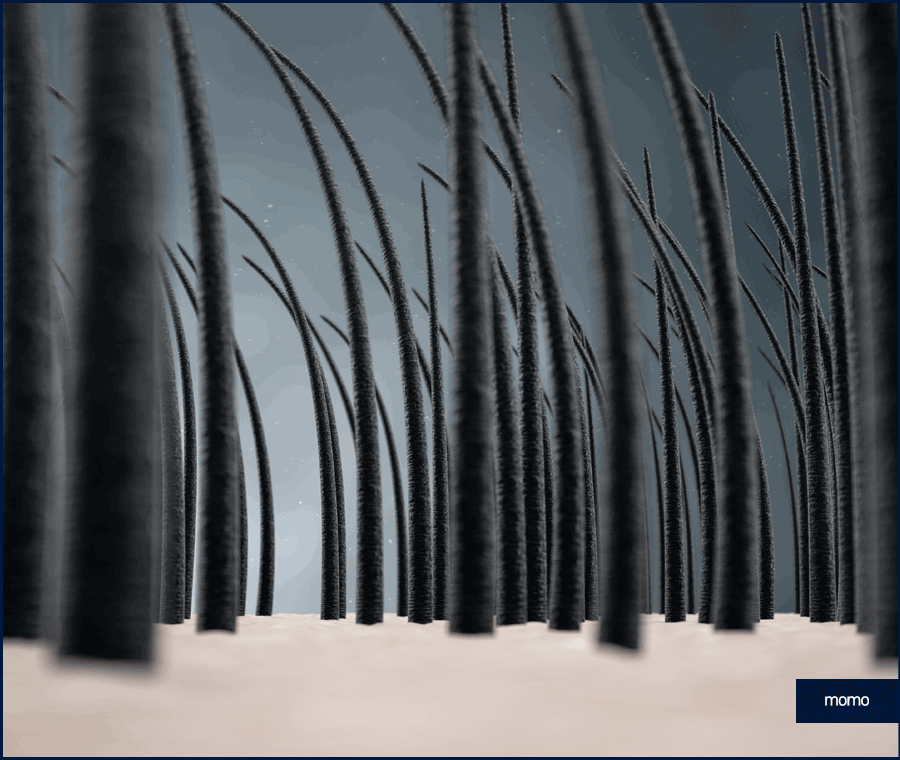
In addition, factors that can affect female temple hair loss include irregular daily patterns or habits in a busy everyday life, which can prevent sufficient sleep. Restrictive situations in which essential nutrients are not properly consumed due to excessive weight loss can also become a cause of hair loss, including side hair loss and all types of hair shedding.
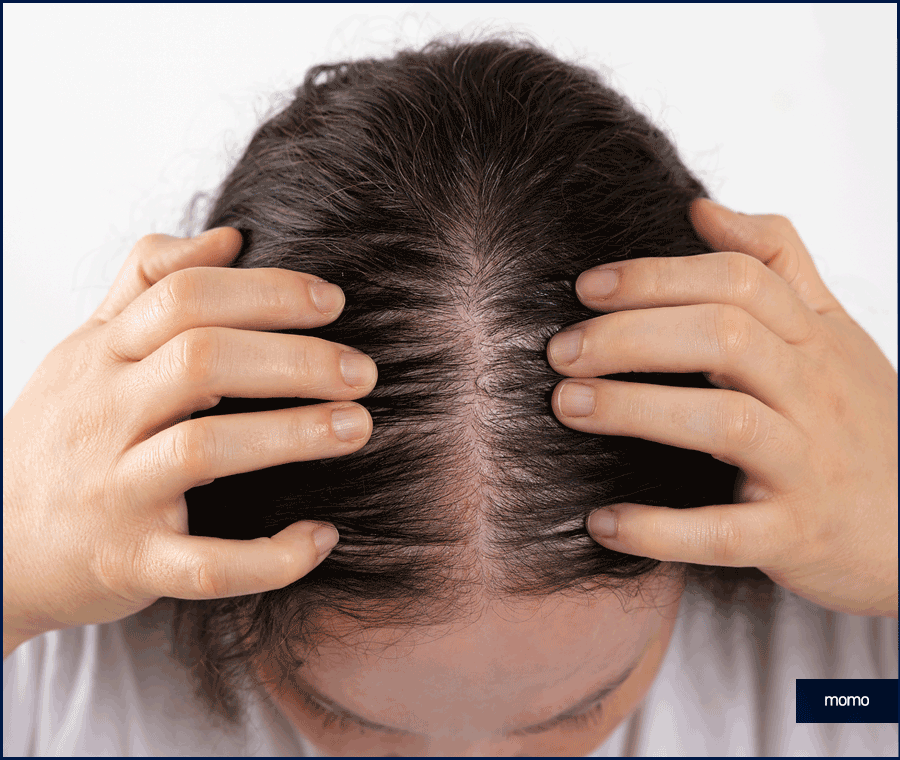
Female temple hair loss can also occur due to hormone changes caused by pregnancy, childbirth, and menopause.
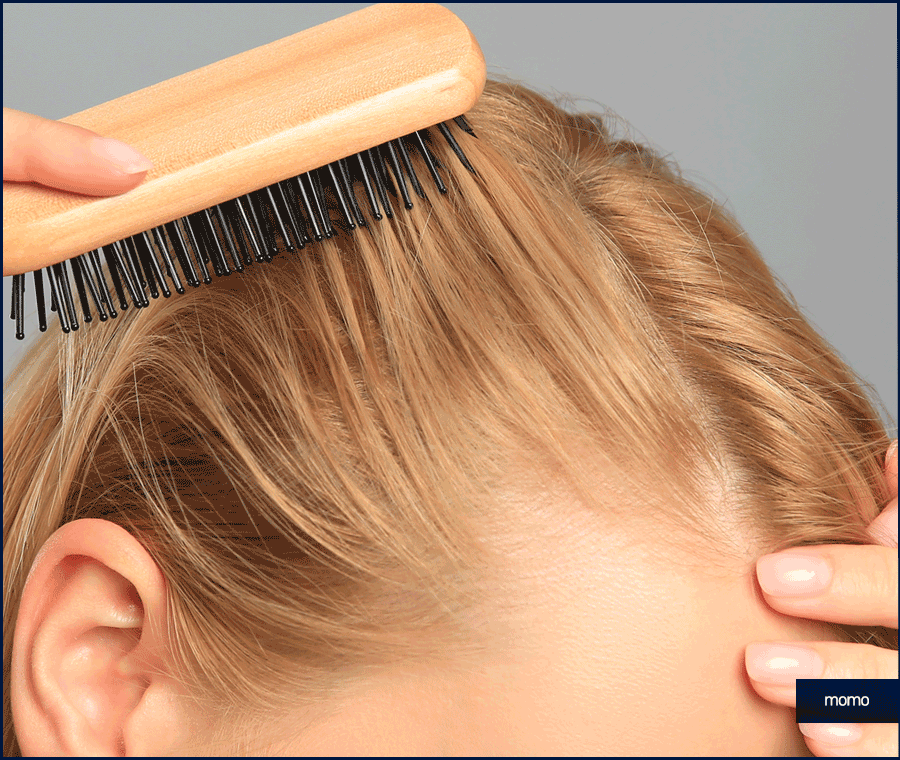
In addition, compared with men, women are generally weaker in physical stamina and more vulnerable to stress. As a result, immunity can decline and the autonomic nervous system balance can be disrupted, leading to poor blood circulation. This can cause heat to stagnate in the scalp and trigger symptoms.
To improve this, it is important to meet with a relevant medical institution and the responsible doctor, discuss your current condition in detail, and establish an appropriate treatment plan through an accurate diagnosis.
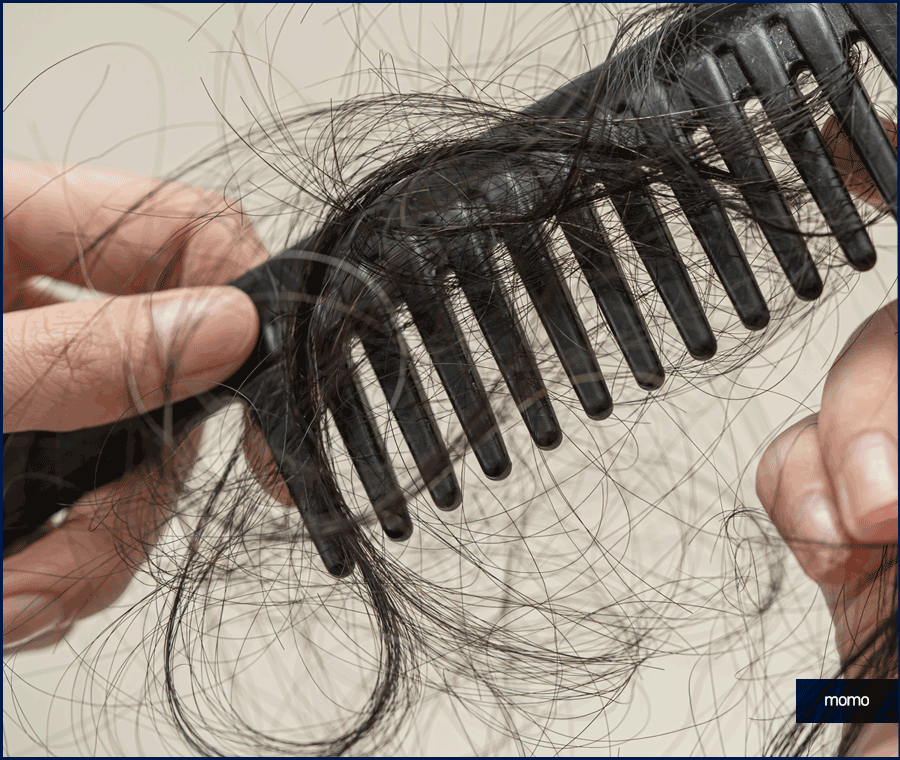
Usually, the early signs of this condition are not common. At that stage, the hair around the part or crown gradually becomes finer, and the amount of hair loss per day may exceed 100 strands. At some point, you may also begin to feel an overall itchy sensation, and a stinging-like pain may appear when touching the side area.

If white flakes are visible or problems such as skin trouble appear, you may suspect that the condition has begun. If these symptoms seem to last for a long time, the hair gradually loses strength and breaks easily. In more severe cases, you should be aware that it can reach a state where hair no longer grows, and it is also a good idea to look into possible ways to improve it.

First of all, prevention methods that are easy to find on the market may make it difficult to obtain meaningful improvement, so a quick and proactive response is needed. Correcting poor everyday habits and following the right methods may help, but considering hair transplantation, which can provide clearer results, may be one solution.

Since female temple hair loss is a source of severe concern, if personal design is planned by carefully considering aesthetic elements such as the shape of the head and face, the proportions of the facial features, the line extending from the front to the side, and the thickness and density of thin and thick hairs included within it, then introducing transplantation afterward can bring you much closer to achieving a natural hairstyle that blends with the existing hair.
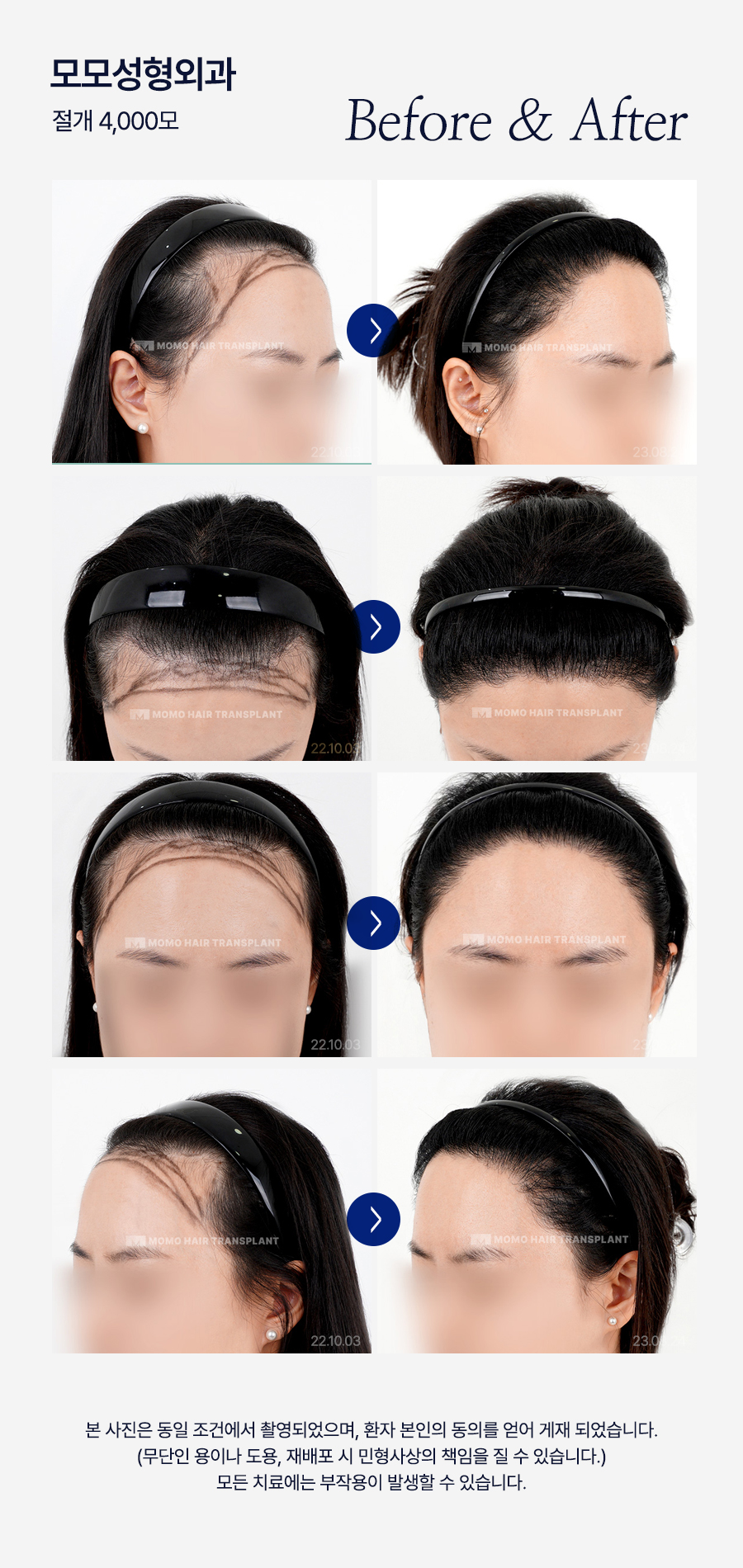
Depending on the amount of grafts needed for the solution, either an incision or non-incision method may be used, and the method selected after diagnosing the current condition of the scalp and hair may differ.
In addition, it is important to sufficiently communicate the needs and goals you are pursuing to the doctor who will oversee and be involved in the procedure overall, so that the design can be formed accordingly.

Also, it is good to determine whether the clinic is one where medical staff with sufficient experience, know-how, and a high level of skill and expertise can help you, as undergoing the procedure in such a place can lead to a better prognosis.