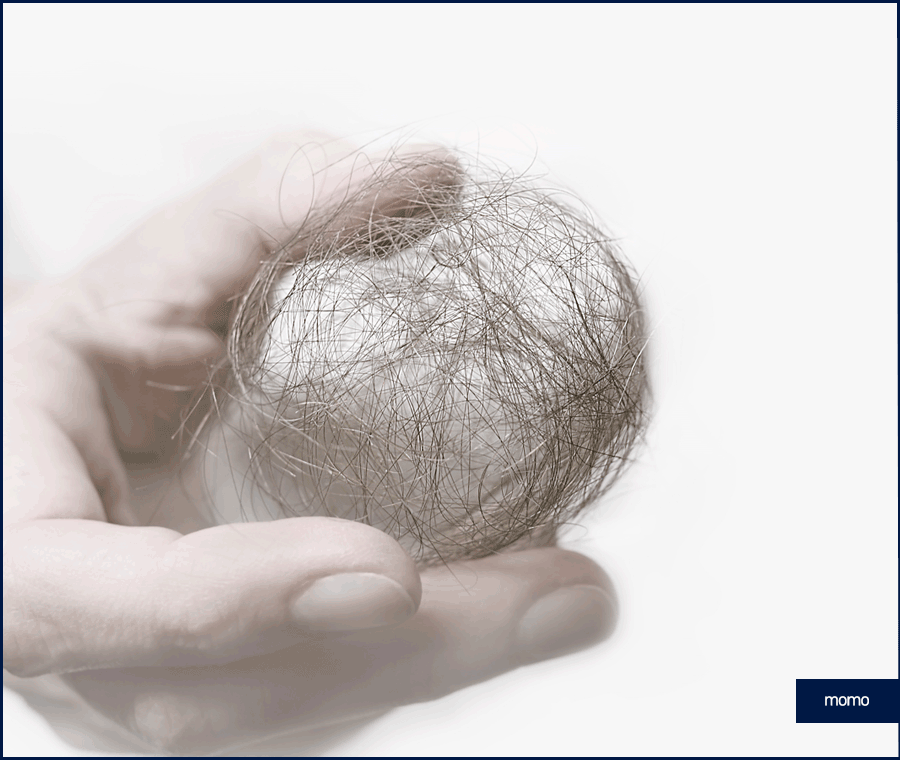
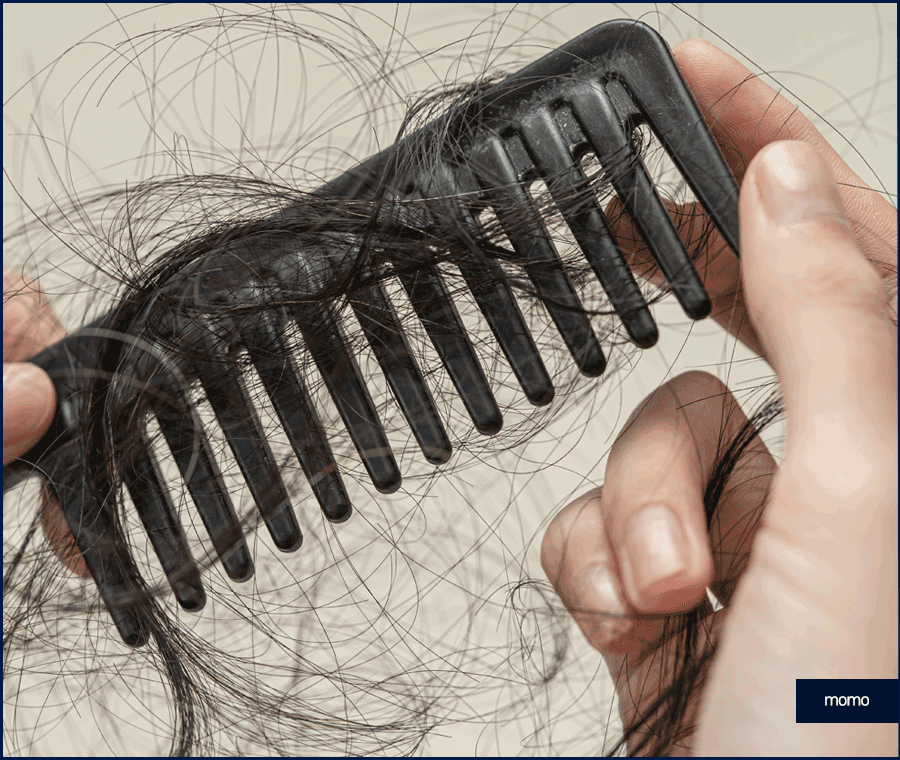
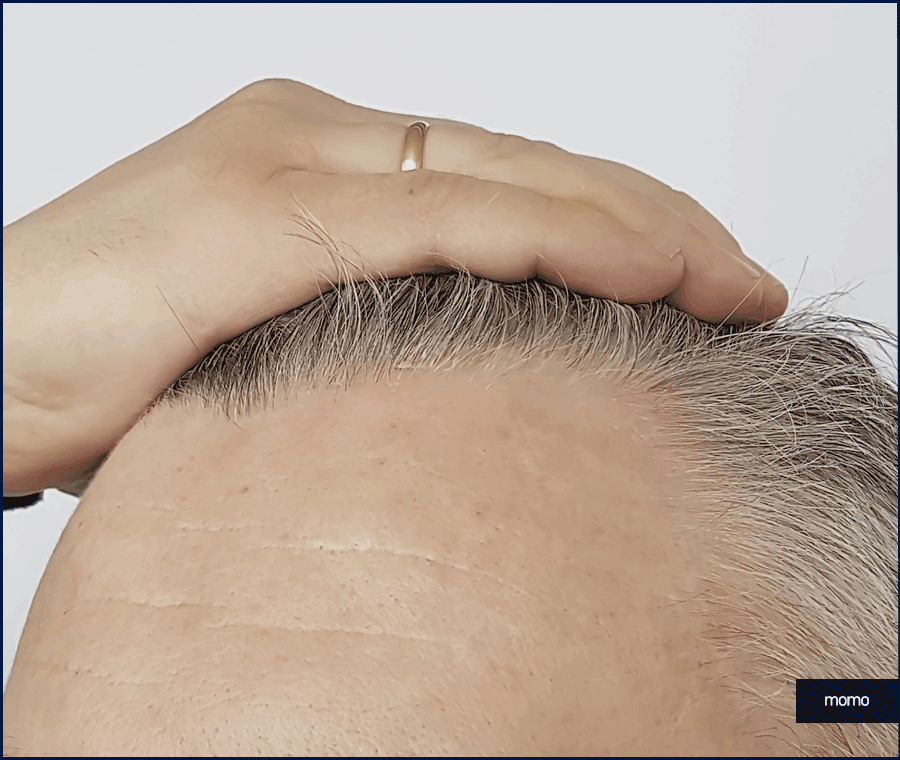
Among people facing hair loss, which can be described as a symptom of hair falling out,
many first look for ways to recover on their own
before deciding how to proceed.
This may lead to improvement, but because there are
many cases where no particular benefit is obtained
despite expectations, many people seek improvement
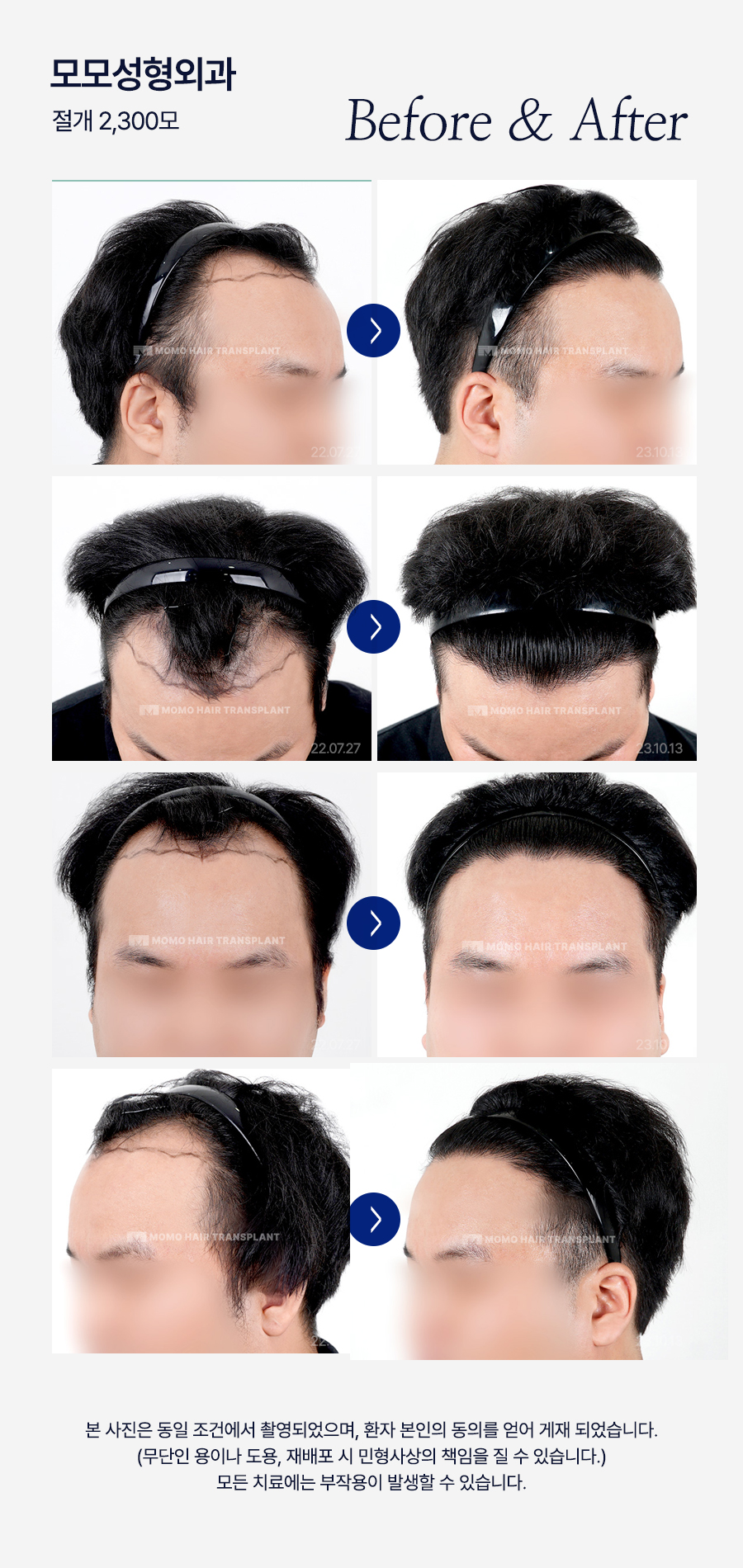
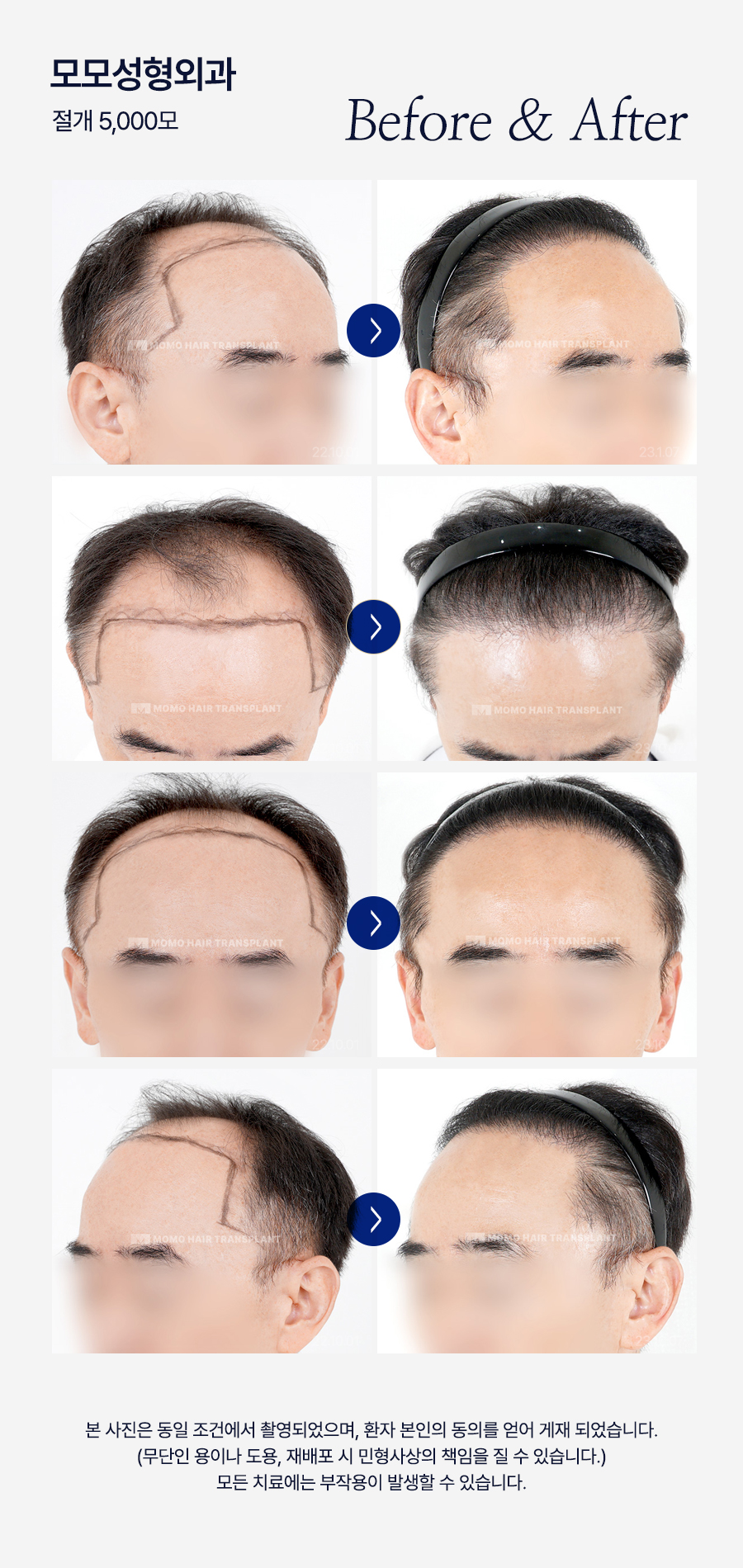
through hair transplantation, which can be said to
be a solution that can provide natural-looking results.
However, the success of this procedure can be greatly
affected by the graft survival stage, which can be
considered an important step afterward, so if you
understand why delicate care is needed at this time
and keep that in mind, you can expect satisfactory
results.
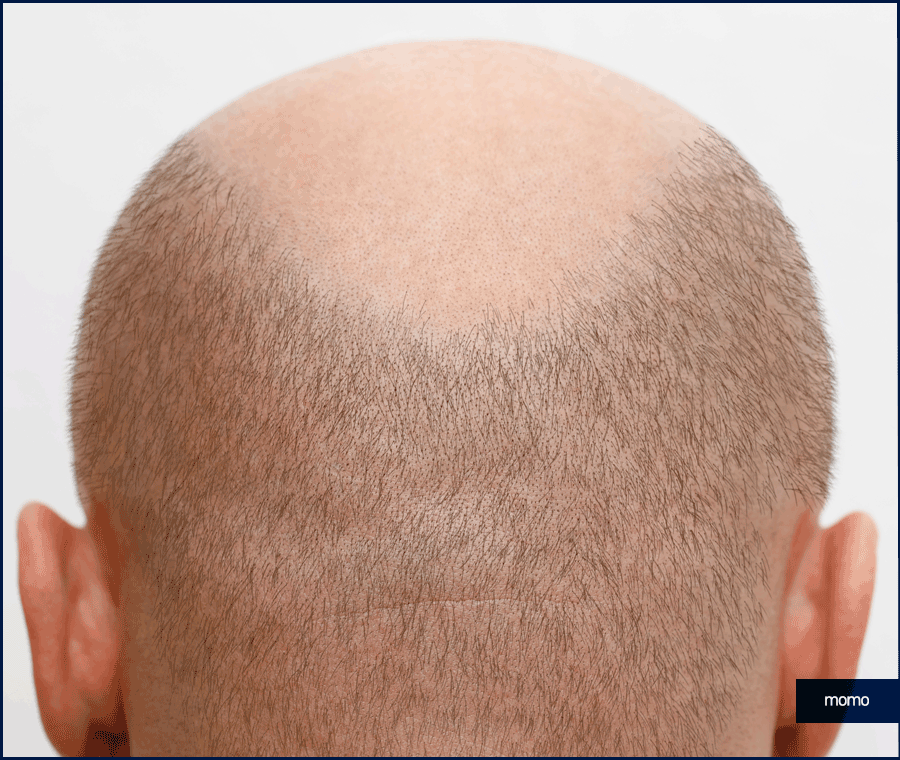
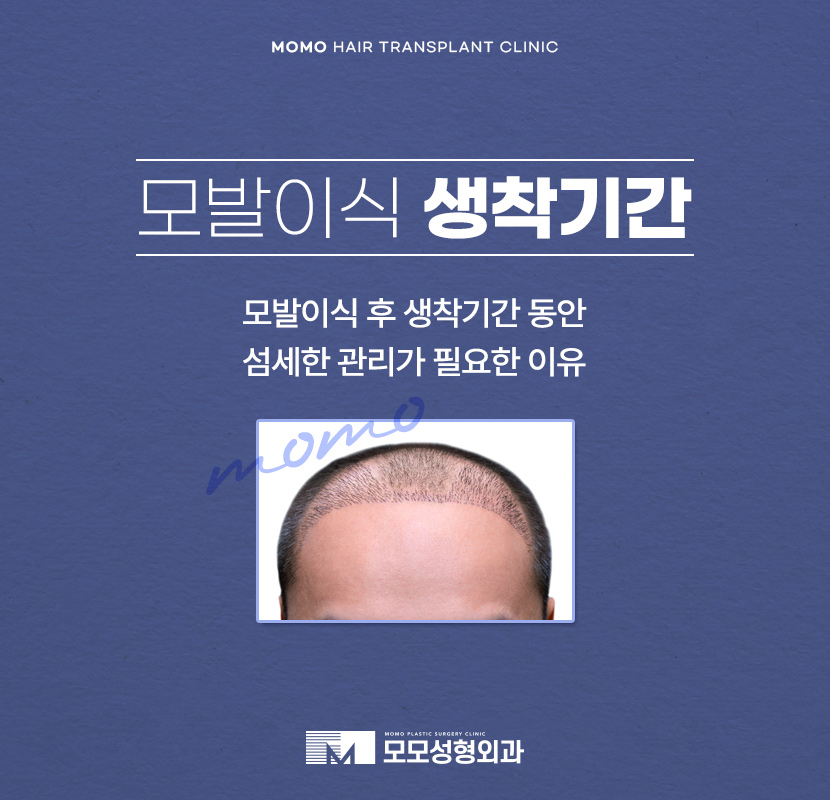
Hair transplant graft survival period?
This can be described as the period when the follicular
tissue moved to another area through the procedure
settles into its new location and takes root. In general,
this stage progresses over about 10 to 14 days and can
be considered a crucial period in terms of ensuring
that the hair is fully implanted.
Why delicate care is needed
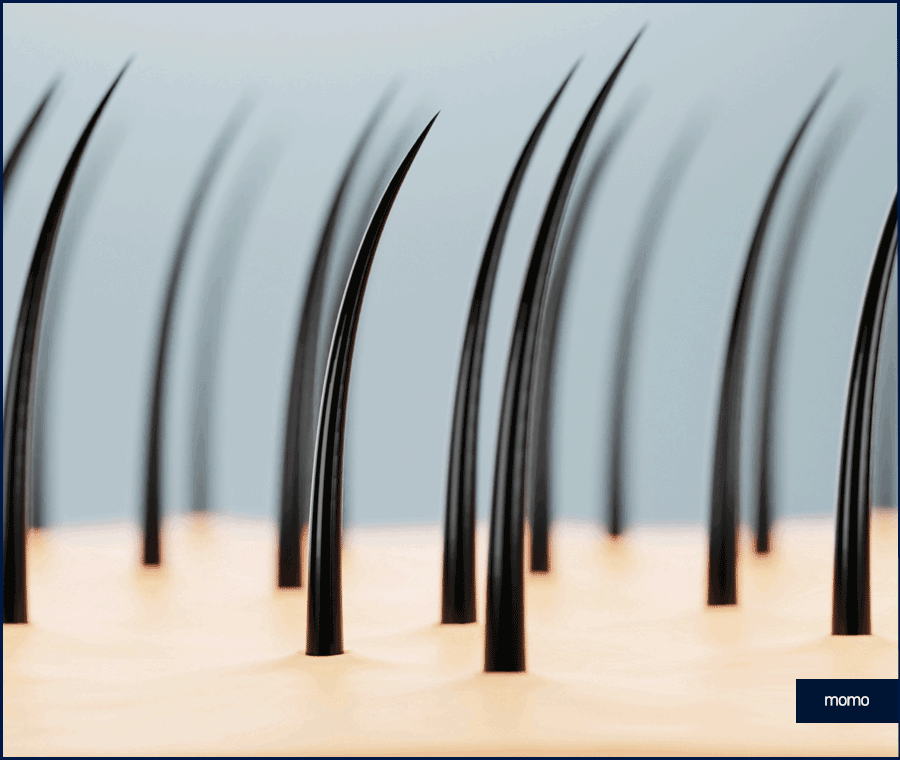
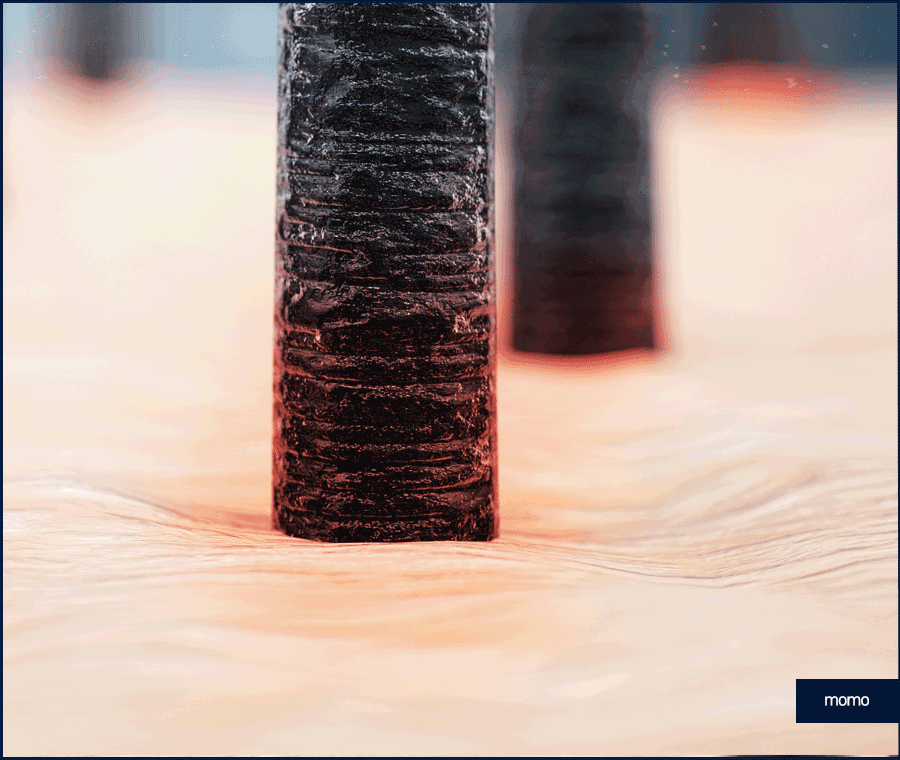
Since it has only just settled in, the follicles at this
time can be especially vulnerable.
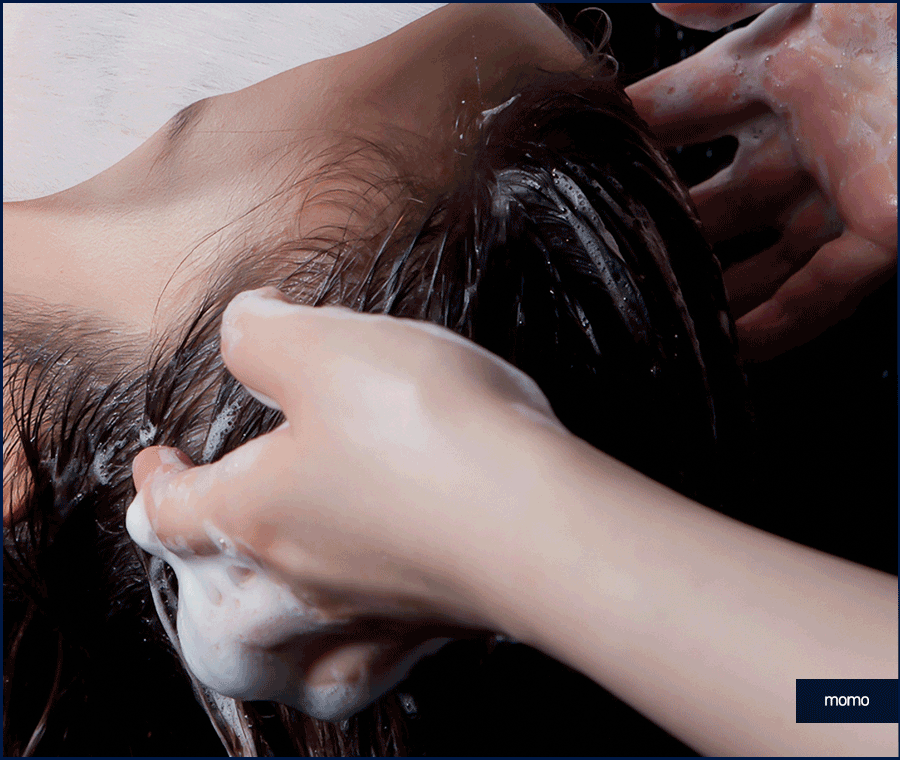
This tissue maintains itself by relying entirely on the
surrounding scalp for nutrients and stability, and if
negative actions or stimulation are applied, it can be
damaged or its growth cycle can be disrupted, which
may ultimately lead to failure.
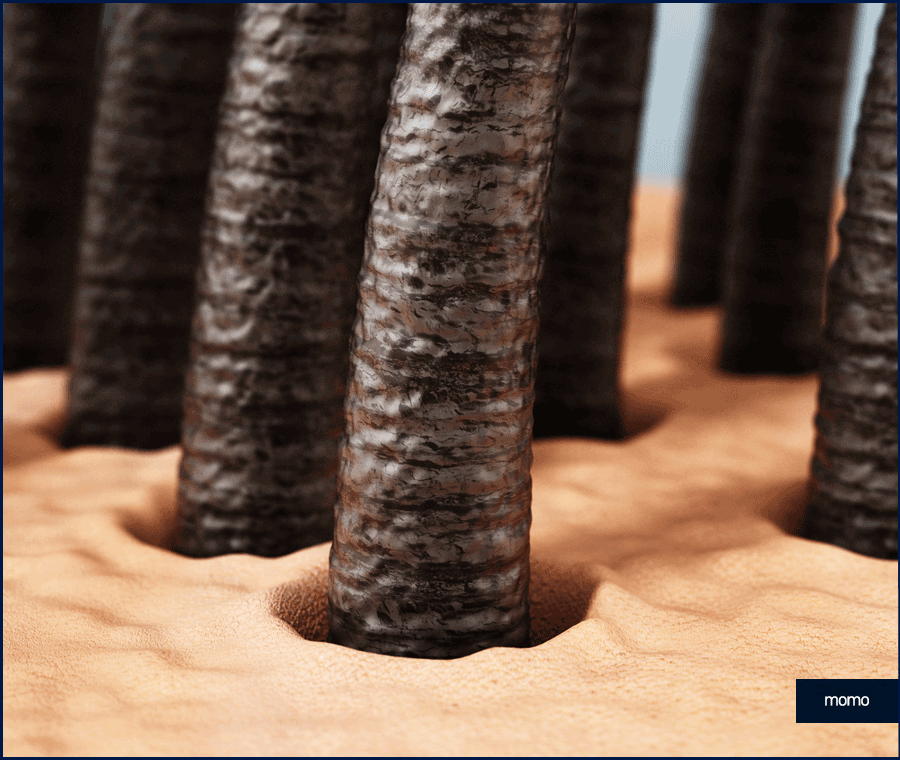
Procedure process
The follicles are harvested and implanted into the area
affected by hair loss. Over time, scabs may form around
the area, and although they may be bothersome to look
at, they will naturally fall off later. If you try to remove
them by hand, the newly implanted natural hair may
come out.
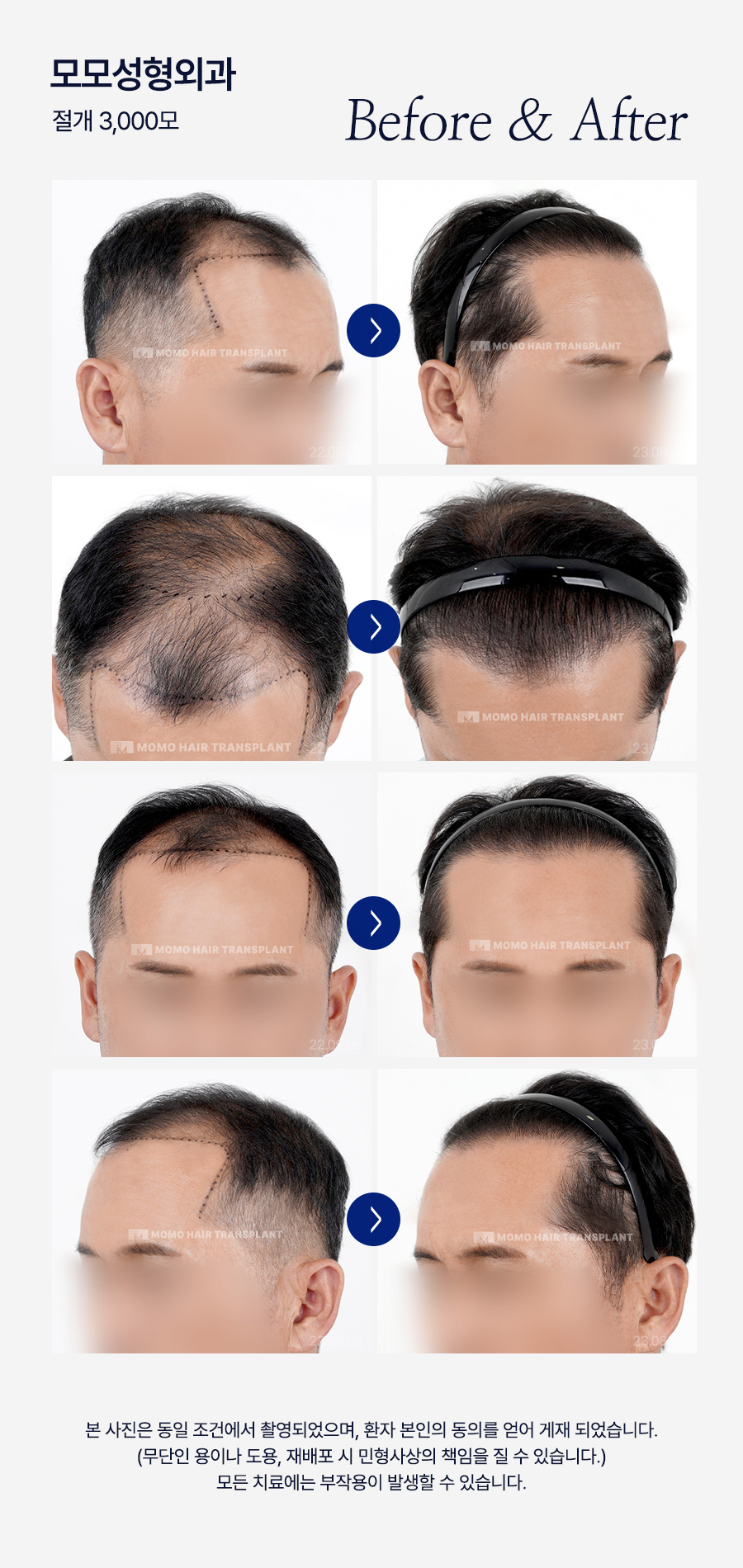
After that, the natural hair enters a resting phase, and
the implanted hair falls out before gradually growing
back over time. This is a natural process, so there is no
need to worry too much.

How to care for it
After the procedure is completed, the medical team that
performed it can provide guidance on what to be careful
about and what to pay attention to during the hair
transplant graft survival period. It is important to fully
understand and follow these instructions carefully.
As mentioned earlier, because newly implanted hair is
delicate, even slight physical stimulation can increase
the chance of it falling out. So especially for about one
week after the procedure, it is necessary to avoid
stimulating the scalp by scratching or touching it.

In addition, to help reduce symptoms such as swelling
that may occur, sleeping with your head elevated above
your chest can help prevent problems such as blood
moving toward the head and causing pressure.
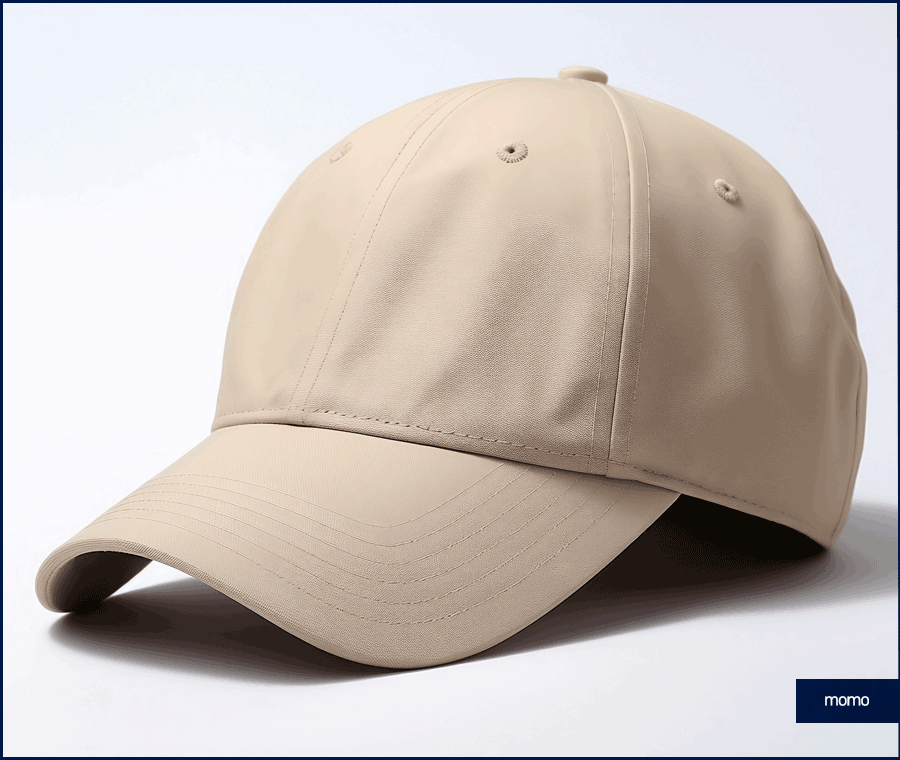
Especially when you need to go outside, factors such as
dust, harmful substances, and ultraviolet rays can cause
problems for the recovering tissue, so it is better to wear
a loose-fitting hat if possible. However, make sure it does
not directly touch or press on the area.
Behaviors to avoid during the hair transplant graft
survival period
It is important to wash your hair using only the shampoo
and other products recommended by the medical team.
Products containing potentially irritating ingredients may
affect the skin.
Also, for a certain period, you should avoid vigorous
exercise. If swelling at the implanted area does not go
down, or if pain or discomfort continues, visiting the
relevant clinic as soon as possible and receiving proper
treatment can help prevent the risk of reduced graft
survival.

Ultimately, since you need proper care and must also pay
attention yourself in order to create natural-looking hair,
this period can be considered an important stage that can
determine the overall success of the procedure.

For this reason, it is also important to check whether the
relevant clinic applies various programs that can help
during this period so the hair can grow stably, and to look
at the competence and expertise of the medical team as
well.