
As time naturally passes and people get older, anyone can experience aging that gradually appears throughout the body.

The degree of these symptoms varies from person to person, but among them, many people around us can be seen worrying about hair loss as their hair gradually begins to fall out.

Recently, not only middle-aged and older people but also younger people have been showing this kind of natural hair loss, and it can be seen that more people are visiting related facilities to receive detailed consultations and diagnoses and carry out appropriate treatment plans.
In particular, inquiries about hair transplants in your 20s are said to be far from few.

Young men and women are under severe stress because of hair loss, and as they need to maintain active social lives, studies, and work activities, such concerns further increase appearance-related complexes, causing them to lose their confidence and self-esteem and act passively. As a result, even when good opportunities come their way, they give them up, leading to negative effects in various areas.

However, hair loss diseases do not usually cause sudden changes or appear with any particular pain or discomfort, so they tend to develop slowly without being noticed unless special attention is paid, and in many cases they are left untreated.
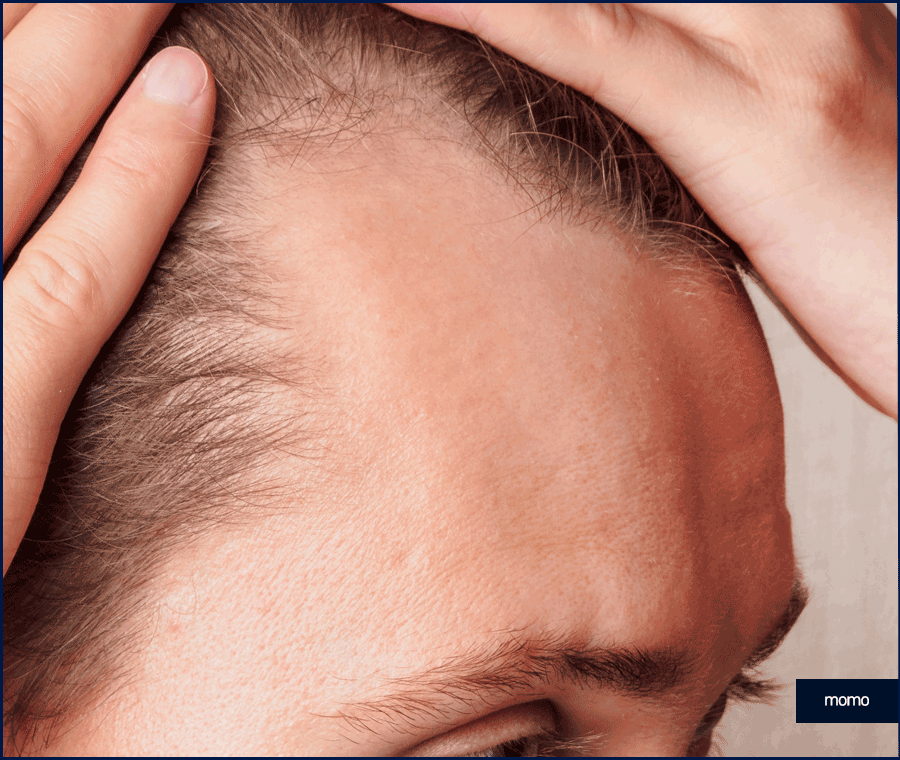
If it is discovered late, it is advisable to visit a related facility immediately for consultation and diagnosis, but many people hope to improve it through their own efforts.
They try numerous methods such as folk remedies, supplements, and shampoos that are commonly available on the market, but contrary to high expectations, it is very difficult to see temporary effects or noticeable improvement.
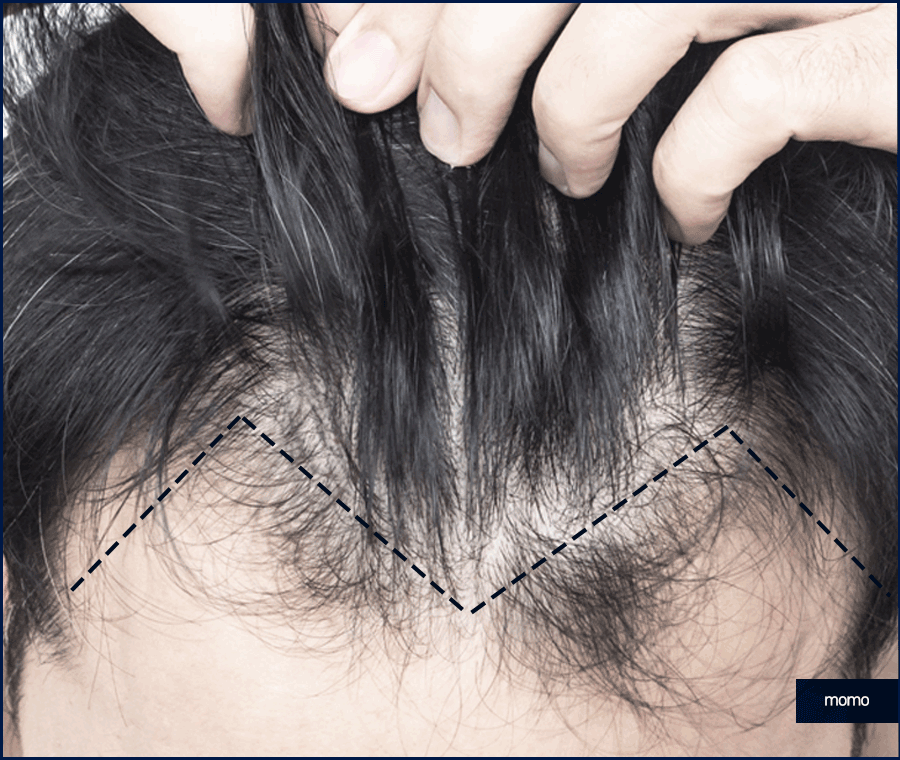
That is why many younger people with hair loss, after countless trials and errors, become interested in hair transplants in their 20s and prefer them more, in order to solve the root cause and create a clearly upgraded hairstyle.
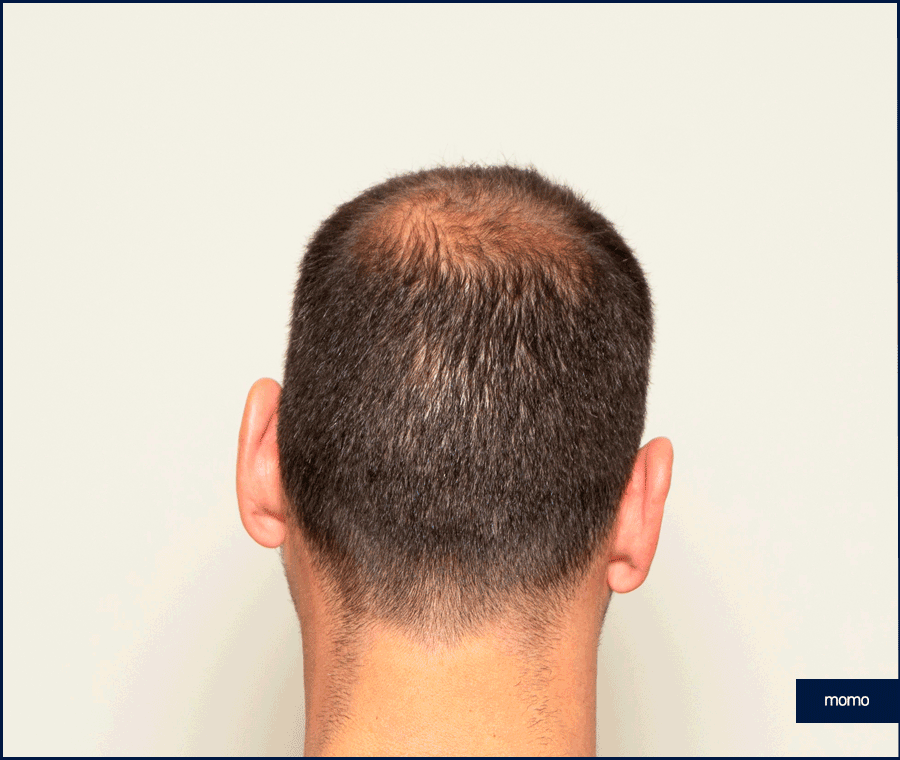
Then, what conditions should be checked as essential to expect successful results and prognosis through a hair transplant in your 20s?
First of all, the most important criterion is choosing the right facility.
This solution requires careful treatment from the medical staff from start to finish, and simply performing the procedure does not necessarily produce a satisfying result, so receiving detailed consultation and diagnosis can be helpful.
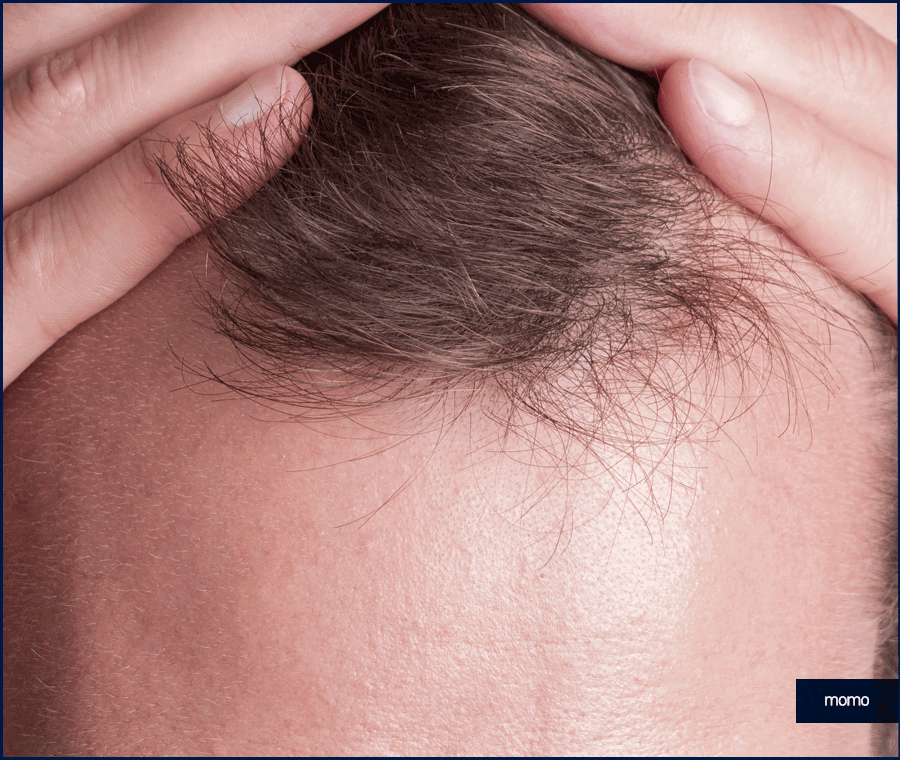
It is also important to carefully check whether the doctor has knowledge and a high level of understanding based on abundant cases and experience data, along with a refined aesthetic and design sense, excellent technique and skill, and strong know-how.

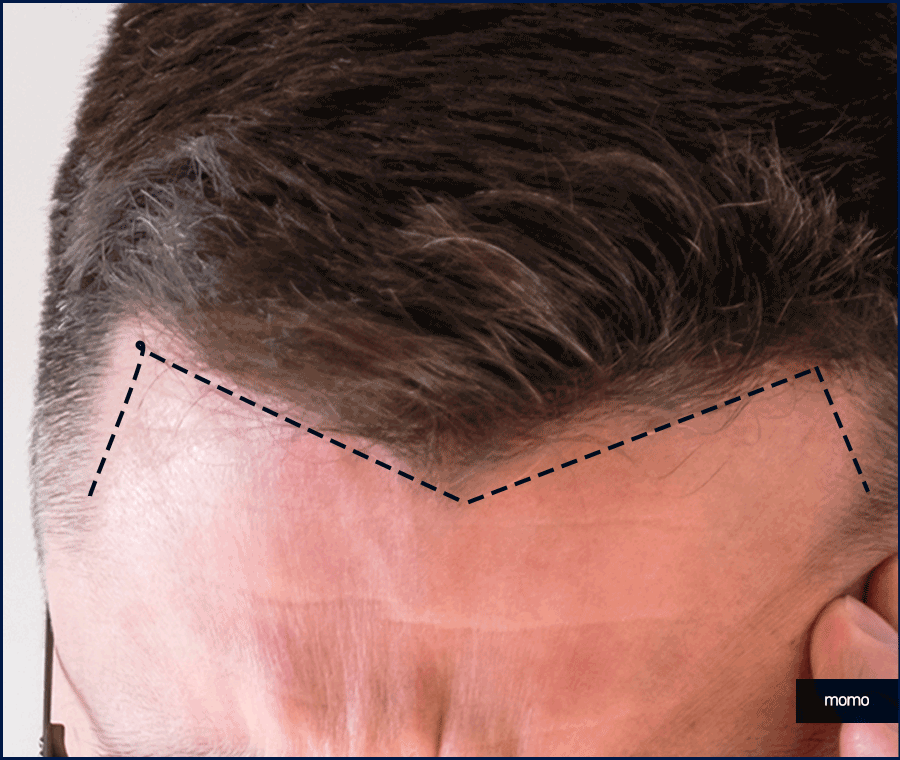
In addition, hair loss types are divided into various categories such as M-shaped hairline, crown, circular, and hairline patterns, and because the degree of each person's condition and scalp environment differ, it is possible to achieve highly satisfying results only when the procedure is carried out in a direction suited to them. That is why the medical staff's competence is so important.

Also, a hair transplant in your 20s is not something to receive periodically whenever you want; when proceeding with it as a one-time opportunity, it should be approached with a lifetime perspective in mind. Therefore, a personal design that suits not only your own head shape but also the shape of your face and the proportions of your facial features should be planned so that a more natural hairstyle can be realized. By considering the front as well as various angles and fully understanding the thickness, density, and direction of the existing hair, it can be designed to match those detailed characteristics, and only then can you also achieve the effect of making the face appear smaller overall.

Sometimes, people considering a hair transplant in their 20s search for and compare related information online or in communities.

Searching in this way can save time because you can find reviews from people who actually underwent the procedure, but if you read many of them, you can see that each person has different likes and dislikes in many respects. The important point is to remember that the reactions of people making such comments are not wrong, but that clear differences can arise depending on the individual.
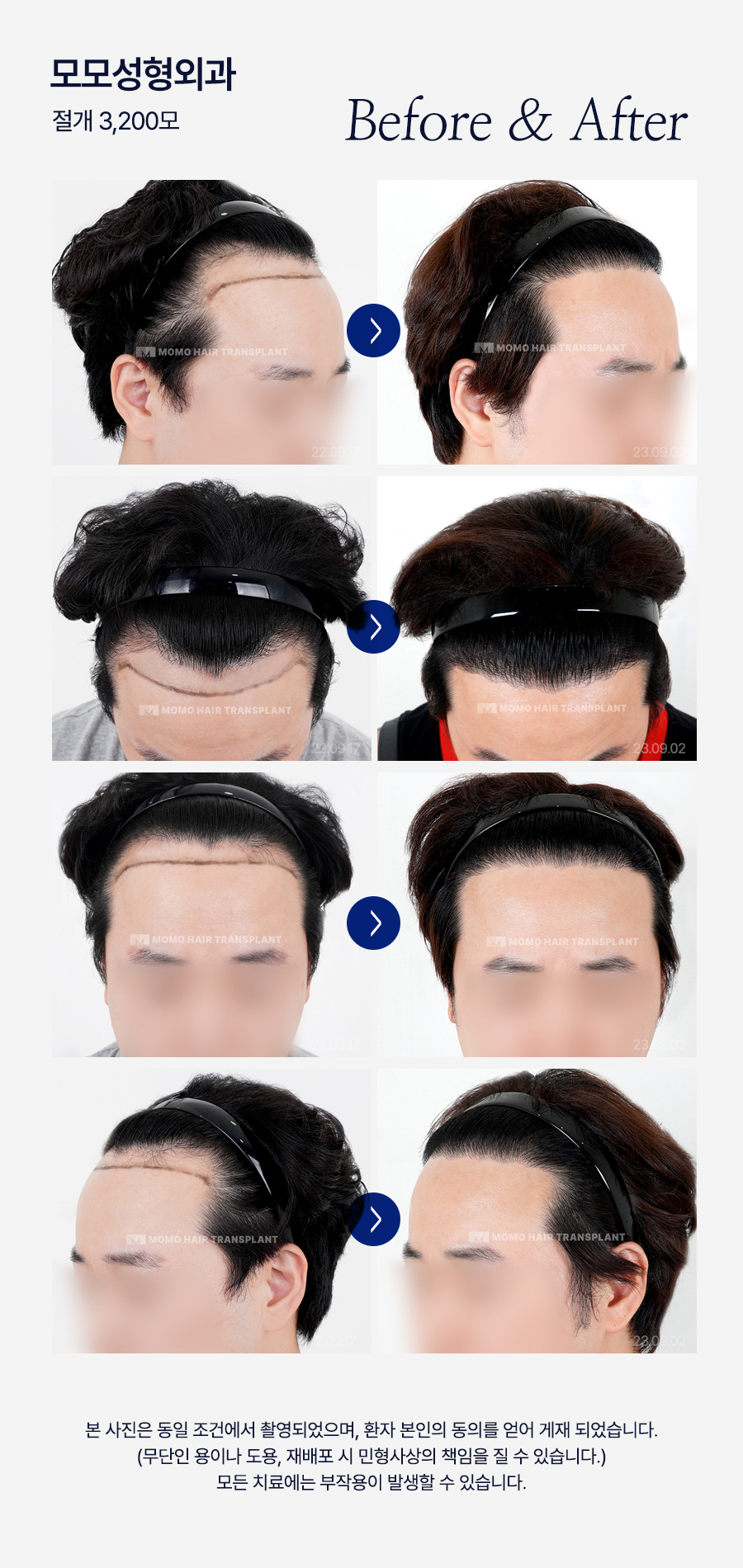
In addition, in order to see a positive prognosis through the procedure, it is not enough to simply receive the solution and end there; to achieve the intended goal, it is important that systematic aftercare is carried out for at least about one year while continuously monitoring the progress so that stable engraftment can take place.
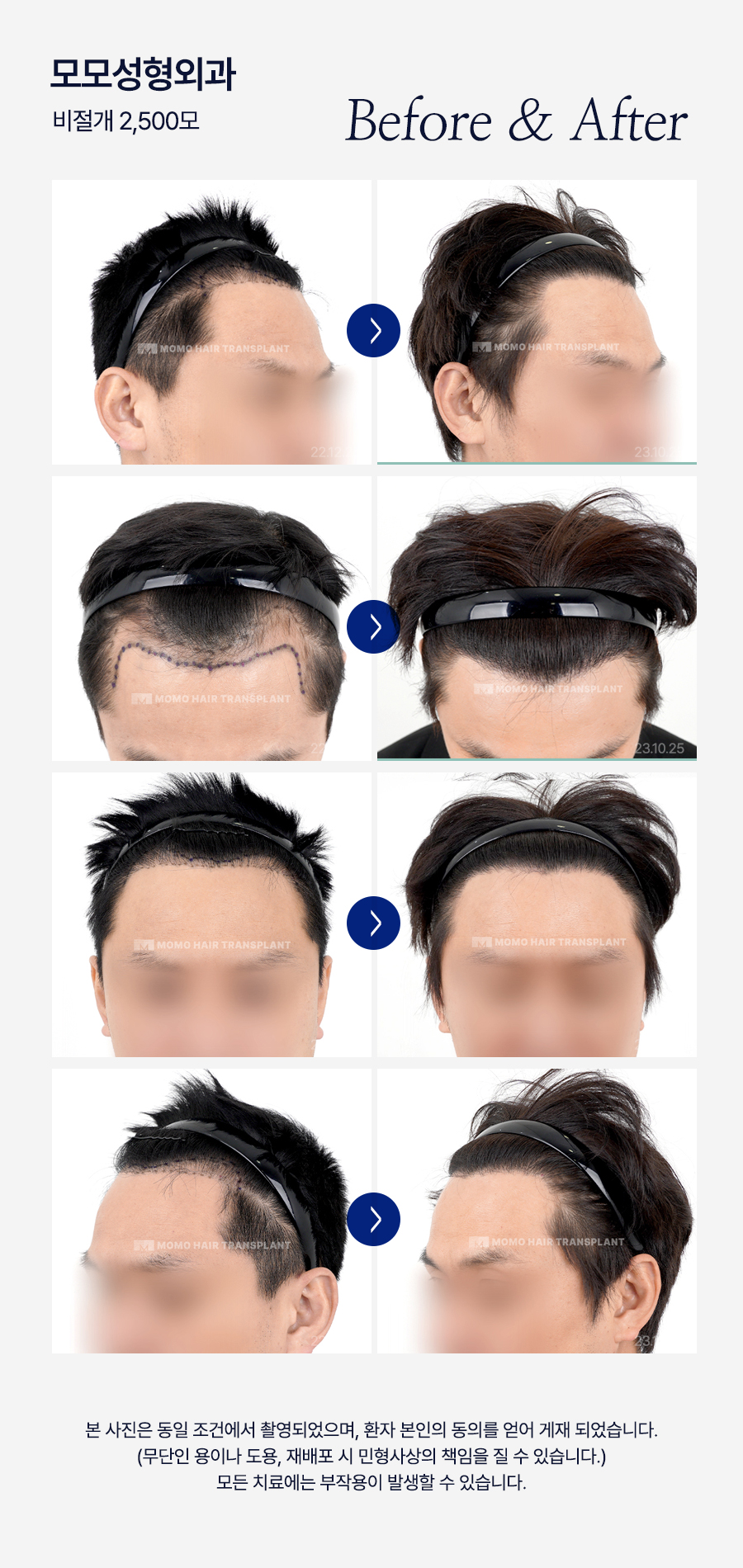
There are cases where people complain of repeated shedding symptoms or abnormal reactions such as inflammation due to incorrect care that was not properly followed, and some people say they feel as if the solution has failed because of the dormant phase.
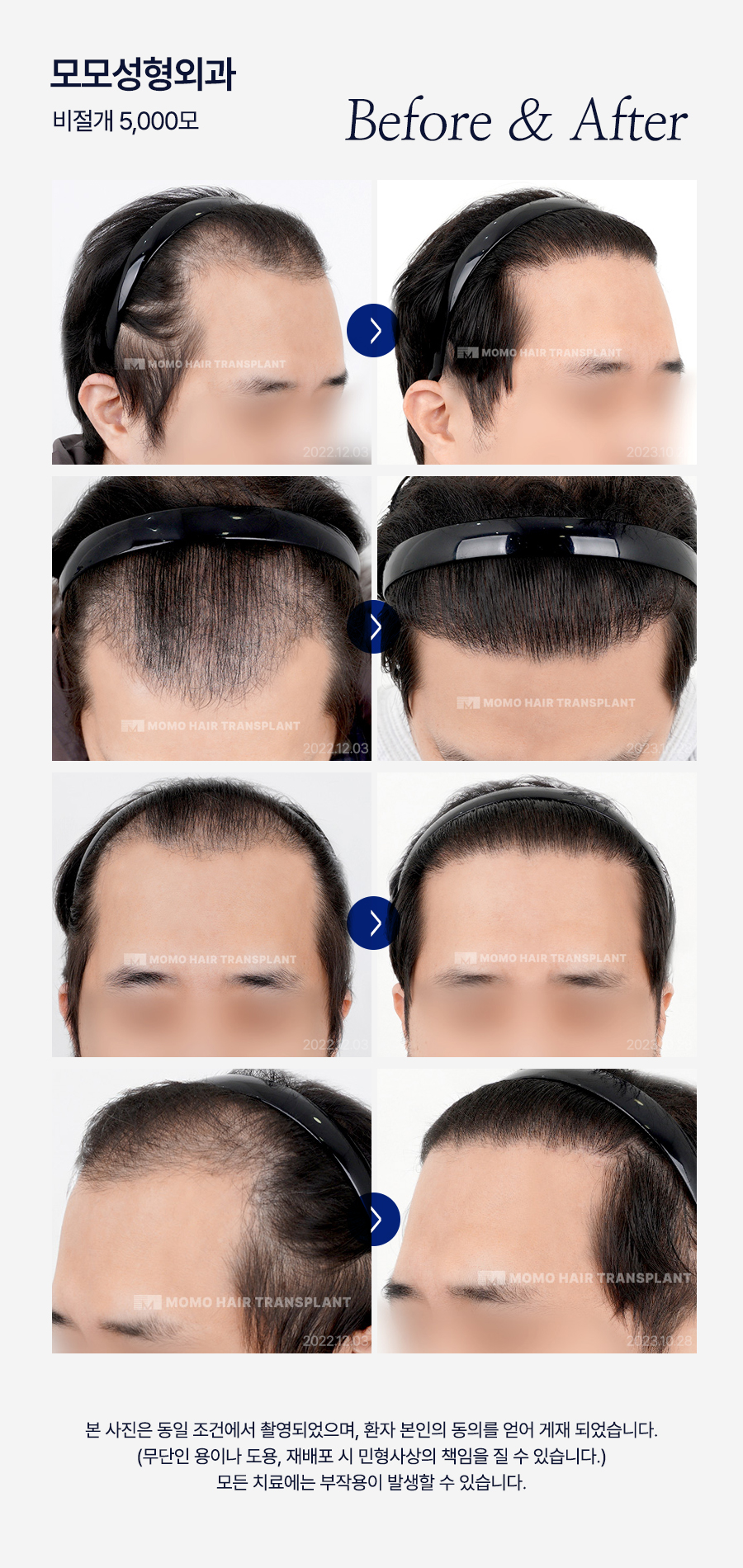
Of course, it is understandable to feel worried and anxious, but these phenomena are known to be one of the natural processes of engraftment.

Therefore, if symptoms such as inflammation occur, it is important to respond quickly and appropriately because they can be directly related to the engraftment rate, and if the recommended precautions are neglected, such phenomena may occur. So it is important to maintain more thorough aftercare until the implanted follicles settle in properly.