These days, you can see that the age group of people
who are worried about the condition called hair loss
is gradually getting younger.


Middle-aged and older adults also worry about hair
falling out, but hair loss in people in their 20s and
30s—who place importance on appearance and invest
much time and effort in taking care of it—can cause
psychological shrinkage as well as mental stress such
as depression.
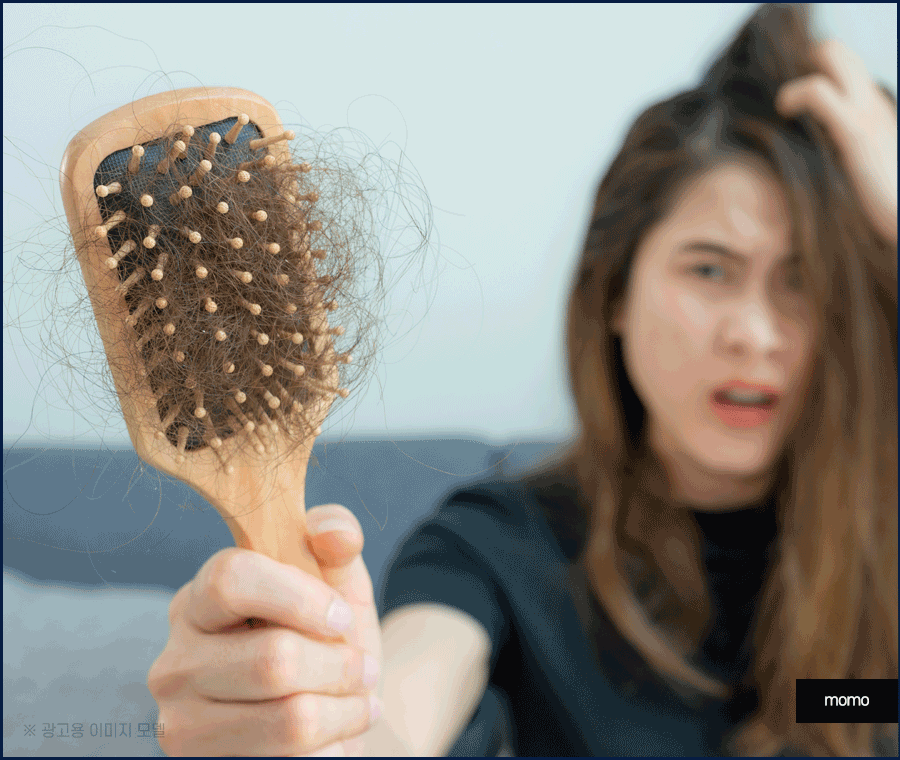

In addition, the number of people who are
continuously being diagnosed with symptoms is also
steadily increasing, and it is now estimated that the
number of people suffering from this problem in Korea
may reach 10 million.
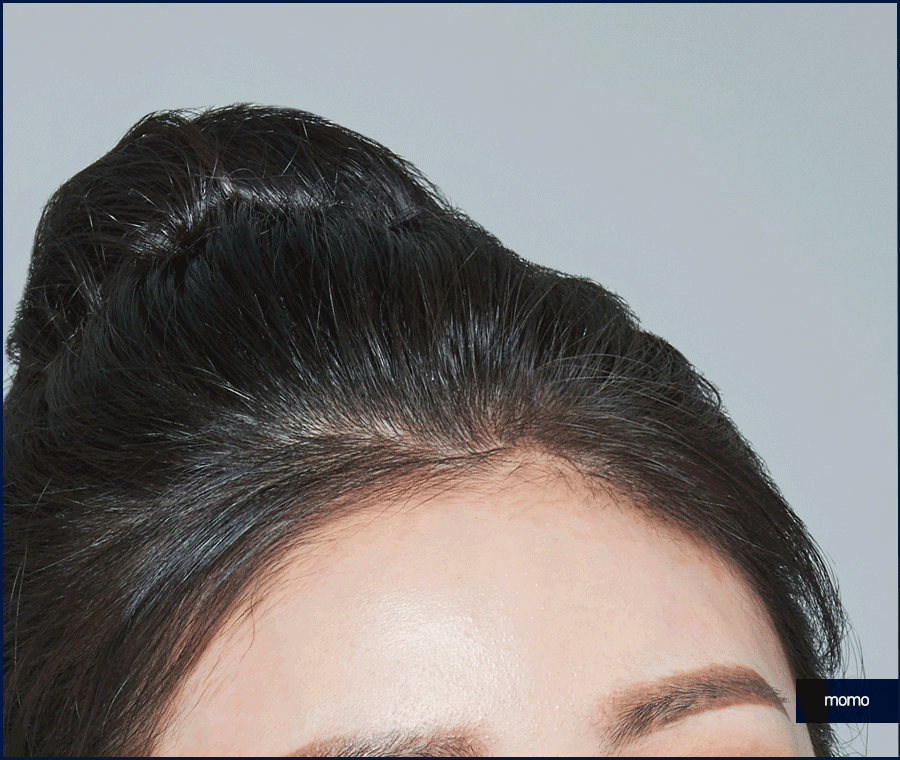

That is why many people look into Seoul hair loss
specialty clinics and hope to maintain their once-full
hairstyle again through these places. In general,
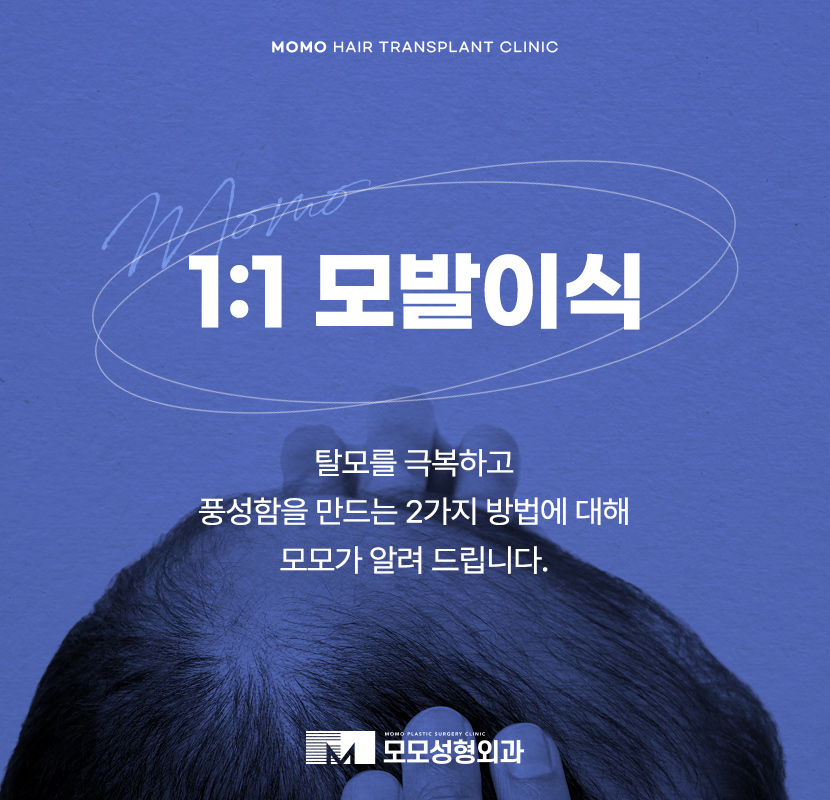
there are two main ways to improve the condition.
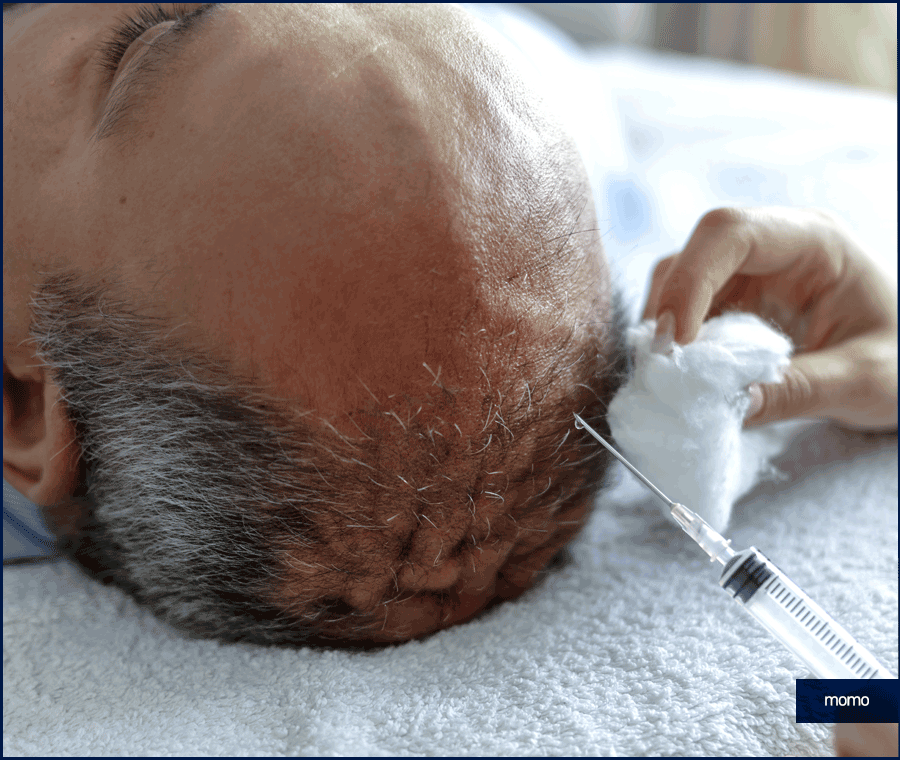
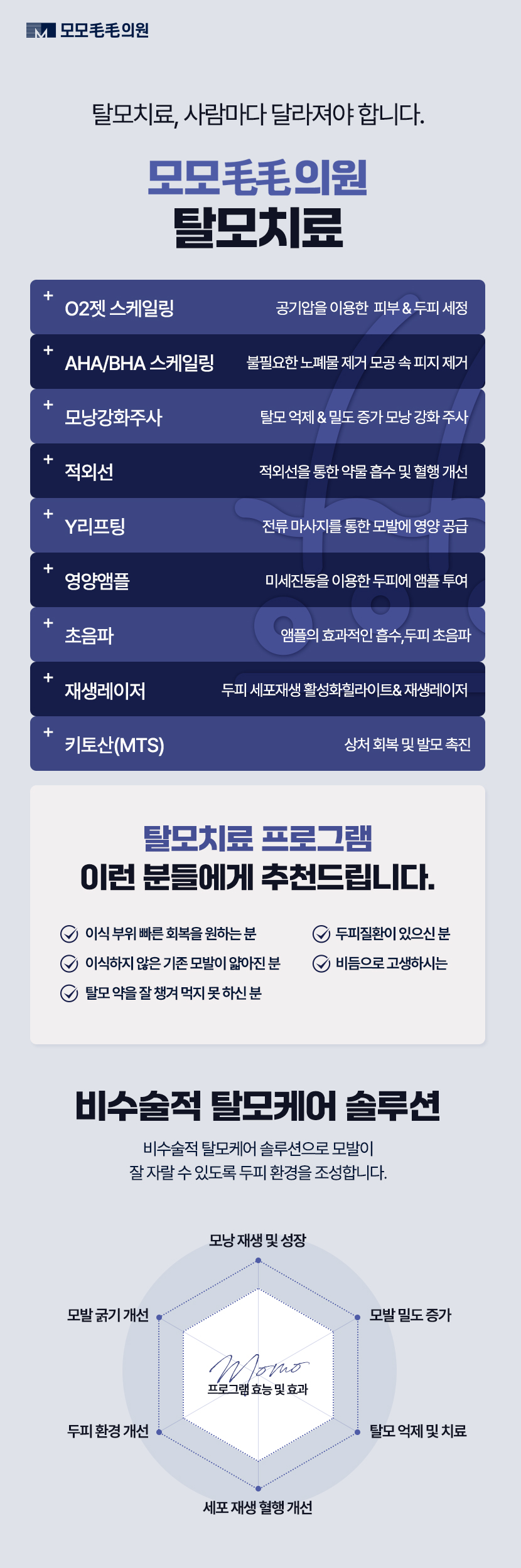
- Medication and injection-based treatment
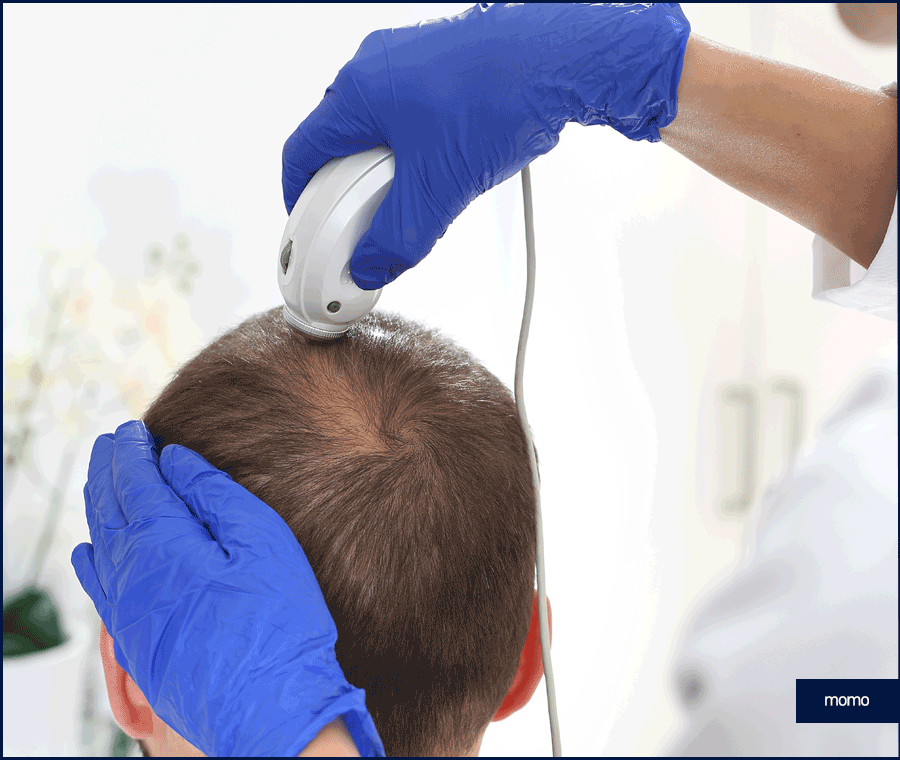
If it is detected early and the condition is not yet at
a severe level, there is a method of proceeding with
treatment through scalp care or simplified solutions.
Recovery may be achieved by using medications
containing ingredients such as dutasteride,
finasteride, or minoxidil, or by applying them through
injections. However, if the symptoms are already
severe, other measures may also be needed.
- Hair transplant surgery
This is well known as a way to bring about a clear
change through treatment, and it can be described as
the process of harvesting healthy follicular tissue and
transplanting it.
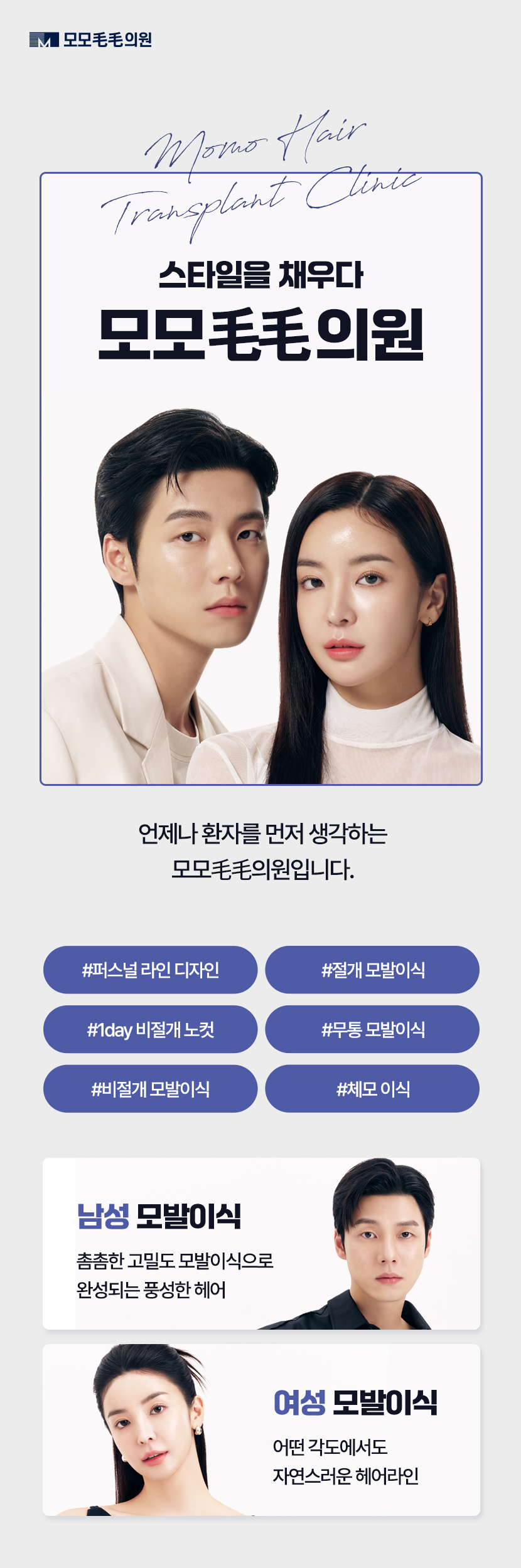
This process can be classified into strip or non-strip
methods depending on how the grafts are harvested.
The strip method involves removing a certain section
of the scalp to obtain tissue, transplanting it, and then
stitching the area back together. Depending on how it
is performed, it has the characteristic that scars or
pain may occur.
In contrast, many people are interested in the
non-strip method, which does not involve excision,
but instead individually selects and harvests follicles
before transplanting them into the empty areas.
Because it allows a relatively quick return to daily life
after the procedure and can reduce concerns about
scarring, many people consider this approach.
However, since each method has its own features and
advantages, and since there are also cases in which
people do not need to attempt transplantation even if
they have hair loss, it is important to first understand
each person’s characteristics, the type of condition,
symptoms, and causes before proceeding.

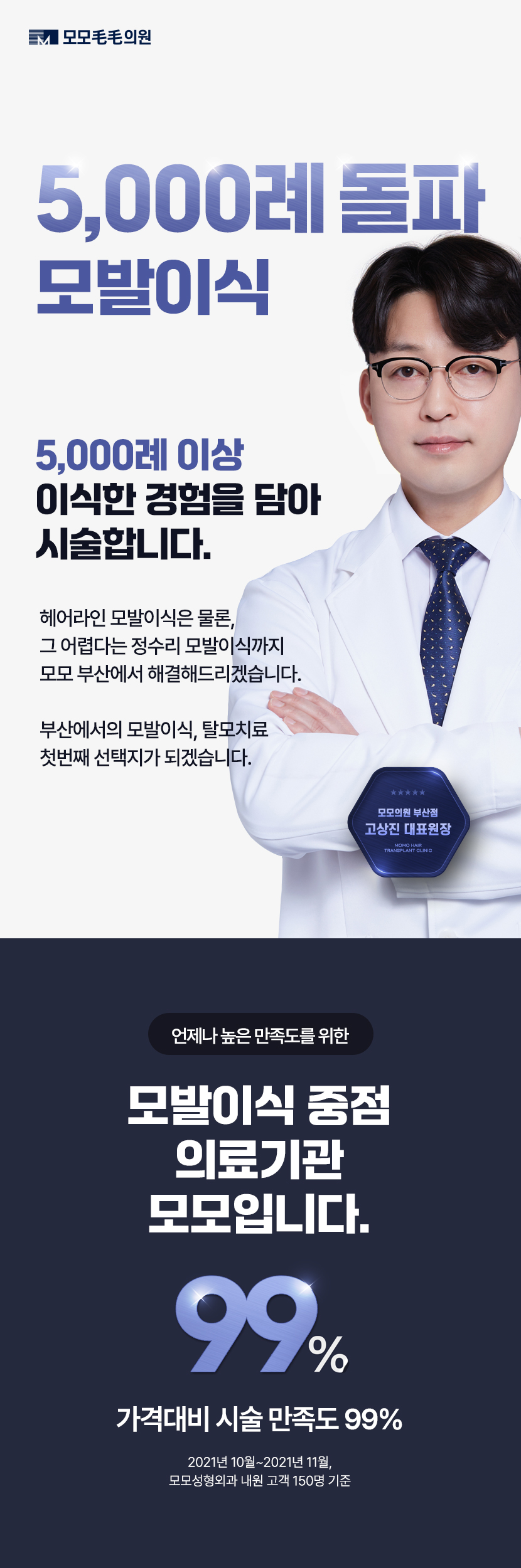
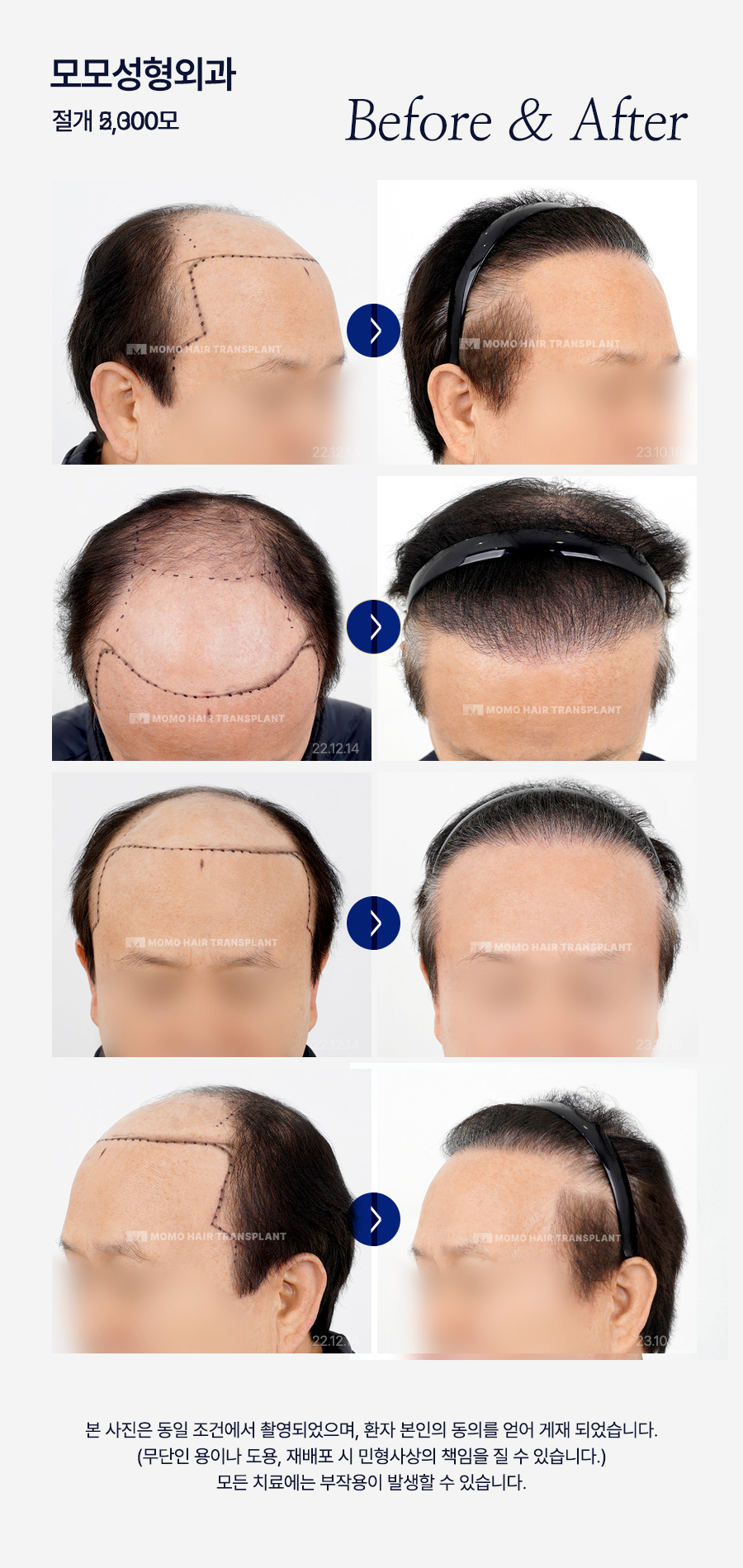
Checking for a personal design plan
If you need to undergo transplantation, when looking
for a Seoul hair loss specialty clinic, it is recommended
to look for one that plans the procedure with a
personal design approach.
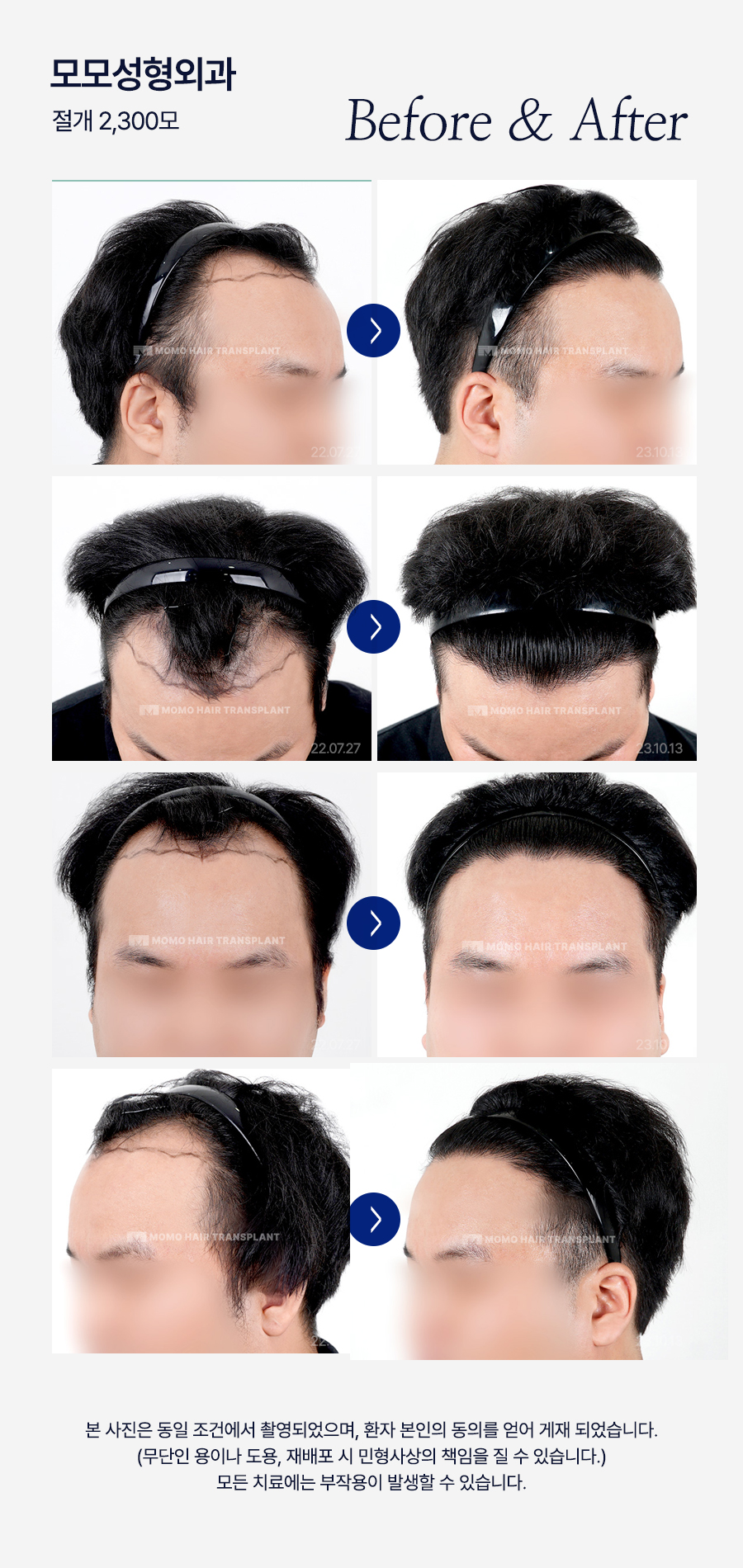
Because the necessary elements for the procedure
vary from person to person, for a natural result it is
advisable to first plan the personal design in advance
and then choose either the strip or non-strip method
for the procedure.
Also, rather than urgently seeking and proceeding with
an immediate solution, it is important to keep in mind
that through a Seoul hair loss specialty clinic, you
should be able to make an appropriate choice based
on personalized consultation and diagnosis with the
medical staff. Since this process can differ from one
person to another, it is necessary to check whether
the clinic can suggest a solution that suits each
individual.
Whether follow-up programs are operated
And regardless of which solution is used, the results
can vary greatly depending on how aftercare is
provided after completion, so to maintain important
metrics such as graft survival rate, it is a good idea to
also check whether the clinic operates a care
program.
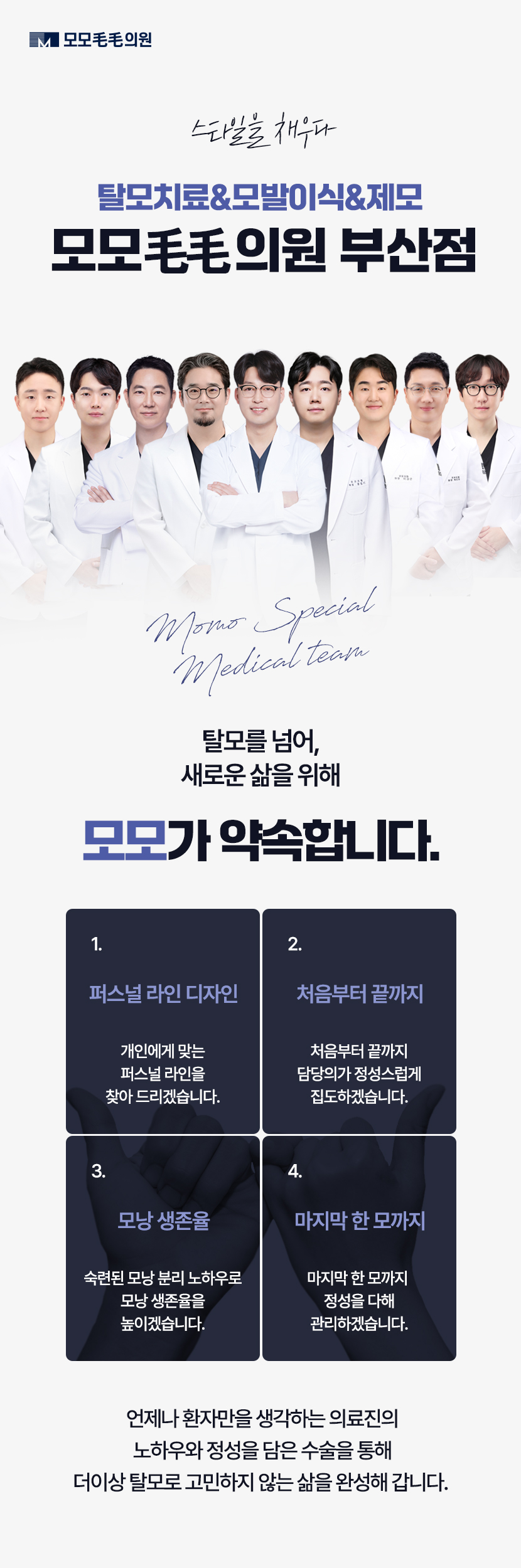
It is not just a simple procedure; it must be carried out
based on key points and standards in order to restore
your once-full appearance. Therefore, from
medication-based methods to hair transplantation, it is
most important to find an institution that can diagnose
the most suitable method for your current condition
and also provide treatment.