
Hello. This is Obje Plastic Surgery.
When it comes to nose surgery and eye surgery, Director Lee Kyung-muk needs no further introduction. In this post, we will talk about the nostrils after nose surgery. At our clinic, we also provide consultations about the shape of the nostrils after surgery, but not every clinic pays attention to this kind of detail.
There is also a lot of information about the nose, but when you actually search for terms like laundry-clip nose or 110V nose, it is hard to find much about them. Let’s take a look at that now.
Laundry-clip nose, 110V nose
Why this happens
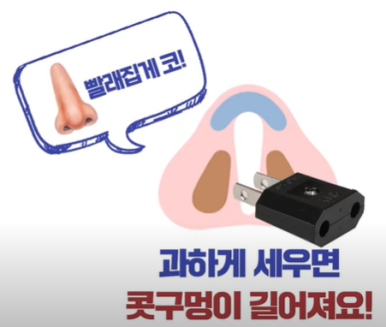
Laundry-clip nose: A condition where the space between the bridge of the nose and the nostrils becomes deeply indented.
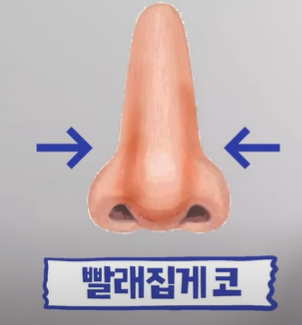
A nostril shape that looks like 110V because the nostrils are long
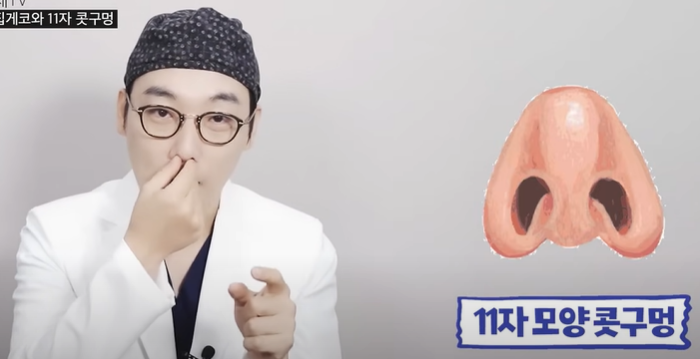
The reason for laundry-clip nose and 110V nostrils is ultimately that the nose has been raised too much.
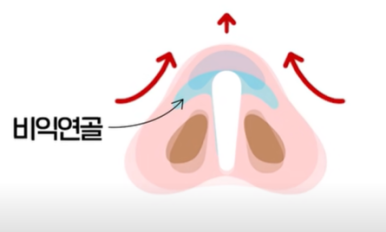
To raise the tip of the nose means to pull up the lower lateral cartilage located under the tip of the nose by setting up a support. If the lower lateral cartilage is small and the tip is raised excessively, the pulling process causes the upper part of the nostrils to sink in and the nostrils to become longer.
-
If the lower lateral cartilage is small, surgery should be done naturally. Otherwise, if it is done excessively, the nostrils after nose surgery will not look natural.
-
In some cases, this kind of nose can appear even without raising the tip very much, due to a phenomenon called "cartilage tying."
In general, the nose is made up of the lower lateral cartilage and the upper lateral cartilage, and the lower lateral cartilage is usually spread apart. However, based on information people have seen online and elsewhere, some patients ask the doctor, "I have a bulbous nose, so please do cartilage tying." But cartilage tying is not very effective for Koreans. This is mostly a technique that applies to Western people. In Western people, the cartilage is large but the skin is thin, so the cartilage divisions are visible, and as the so-called box-shaped nose is brought together, it becomes more delicate.
For East Asians, the cartilage is small and the skin is thick, so if the upper part of the lower lateral cartilage is tied together, the spread-out areas are brought together and the bridge of the nose and the area above the nostrils can become deeply indented.
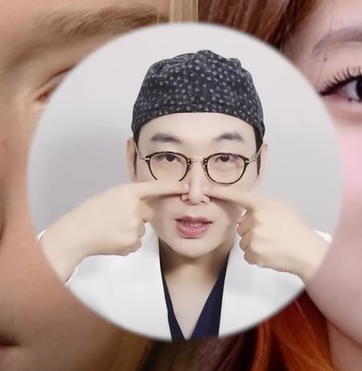
If you want cartilage tying, it will still look natural if only one point near the tip of the nose is tied, rather than doing too much.
Some people tie the entire lower lateral cartilage from the tip of the nose all the way upward, but in that case, if you look at the nostrils after nose surgery, it can look like a laundry-clip nose.
At Obje Plastic Surgery, we do cartilage tying for patients with bulbous noses, but after tying, if we check again and see that the sides of the nose have sunk in, we loosen it and proceed again. However, if the shape looks good after rechecking, we continue as is. In other words, while performing surgery, we monitor the actual result as it is applied and carry out the operation with individualized adjustments for each person.
However, in cases of a very severe bulbous nose, there are times when no amount of tying will make a difference. If the cartilage is large, this kind of nose will not appear no matter how much it is tied.
Also, naturalness is beneficial not only aesthetically but also from a health perspective.
In the case of nostrils after nose surgery, it is most natural to do it according to your own face and your own tissues.
Rather than following a fixed formula, we recommend a customized approach based on each person’s shape, with large noses treated as large noses and small noses as small noses.
■ As experience accumulates, one becomes more cautious, thinks more about safety, and pursues a more natural appearance. This is Director Lee Kyung-muk, now in his 10th year as a plastic surgeon. Let’s take a look at the discussion about nostrils after nose surgery through the video.