
Even a very slight increase or decrease in height can change a person’s impression.
That is the 'nose'.
The nose can make a face seem different even if its height or shape changes only a little. Because it is located at the center of the face, it plays an important role in determining one’s image, and as a result, preference for rhinoplasty is very high.

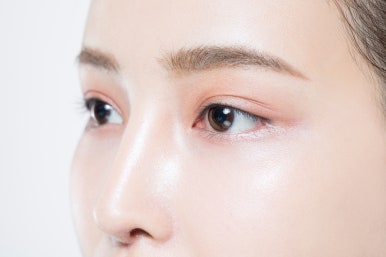
As satisfaction is high with the changed appearance, there are also cases where revision surgery must be considered.
In this post, let’s take a look at 'revision rhinoplasty.'
Cases where revision rhinoplasty is needed
-
Contracture or distortion after rhinoplasty
-
Tip drooping, such as a drooping nasal tip
-
Dissatisfaction with the shape
Let’s look at each one in detail from now on.
- Contracture or distortion after rhinoplasty
Nasal contracture is a symptom in which the nasal tip becomes twisted and hard, and it is one of the most common side effects after nose surgery.
When this symptom appears, the nose becomes shorter and turns upward, resulting in an upturned nose, or the skin around the nose becomes hard and bumpy.
When distortion appears along with contracture, it can occur when inflammation develops during or after surgery.
To prevent this, the doctor must focus on sterile surgery,
and the patient must also carefully follow the precautions for at least 1 to 2 months and up to 6 months.


According to the paper in question, the probability of infection is estimated to be around 3–5% regardless of who performs the surgery.
However, not everyone who has symptoms of infection or inflammation will experience side effects.
Still, if symptoms different from before appear after rhinoplasty, do not delay and visit the hospital where the surgery was performed.
- Tip drooping, such as a drooping nasal tip
The nose may look like one connected bar, but it is made up of the nasal bones, middle cartilage, lower cartilage, and the skin covering the whole structure.
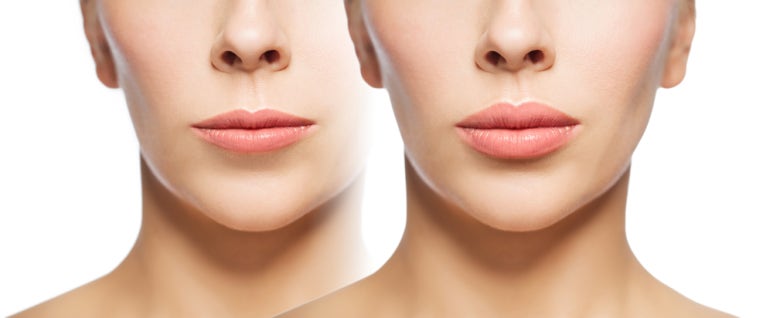
The bone on the bridge of the nose or silicone does not change much over time, but when the nasal tip is raised, the strength of the cartilage holding it up and the force of the skin pulling it down act on the tip, and the height is determined at the point where these two forces are balanced.

- Dissatisfaction with the shape
This is the reason that accounts for the highest proportion among the causes for considering revision surgery.
At the time of the first surgery, the person may not have a strong awareness of the nose shape, but after surgery, they gradually begin to see how the nose shape harmonizes with their own face.
In most of these cases, the surgery was performed without considering the person’s own preferences or overall facial harmony, and because they do not like the shape, they undergo surgery again. In the case of revision surgery, the more times it is done, the greater the side effects and burden become, so during the initial surgery, you should 충분히 상담 with the medical staff, figure out what you want, and establish a nose design and surgical plan that matches it.
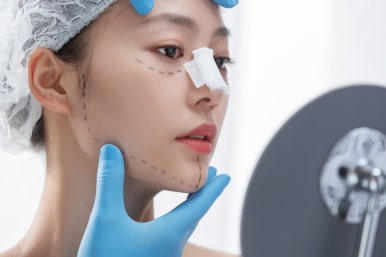
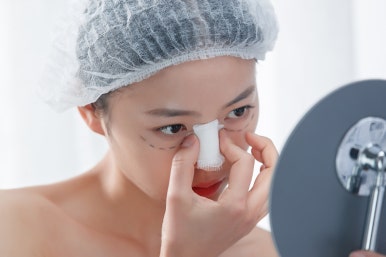
In the case of revision rhinoplasty, the anatomical structure is often damaged, so we recommend meeting with a medical team that has extensive experience and skilled expertise from the very first surgery.