Everything You’ve Been Wondering About Rhinoplasty, Explained by a Rhinoplasty Clinic!
(Answer from a Board-Certified Plastic Surgeon)
Hello, this is Objet Plastic Surgery!
Before rhinoplasty, patients have a lot of questions. They’re curious not only about the shape and design of the nose, but also about situations they should be careful about after surgery and problems that may arise.
Even if you look up reviews across various media and search online, it’s often hard to get accurate answers because there’s so much hearsay. That can leave people wondering whether they should even go through with rhinoplasty. And even when asking friends who have had rhinoplasty, it’s hard to get a clear answer because pain levels and recovery periods vary from person to person.
In fact, the best way to get a clear answer about rhinoplasty is to consult a rhinoplasty clinic. However, because many people feel hesitant about visiting a hospital without knowing what to expect, they often contact us through Objet’s blog or YouTube channel!
Previously, we also took time to answer the three questions patients ask most often about rhinoplasty. At the time, many patients said they were relieved and thankful that their concerns had been resolved, but some also followed up with additional questions.
In today’s post, we’d like to take the time to give clear answers to those additional inquiries! If you’re currently considering rhinoplasty, please take a moment to focus and check this out!
(You can find the previous rhinoplasty Q&A post right away by clicking the link below.^^)
Can donated rib cartilage or your own rib cartilage
be used in a first rhinoplasty?
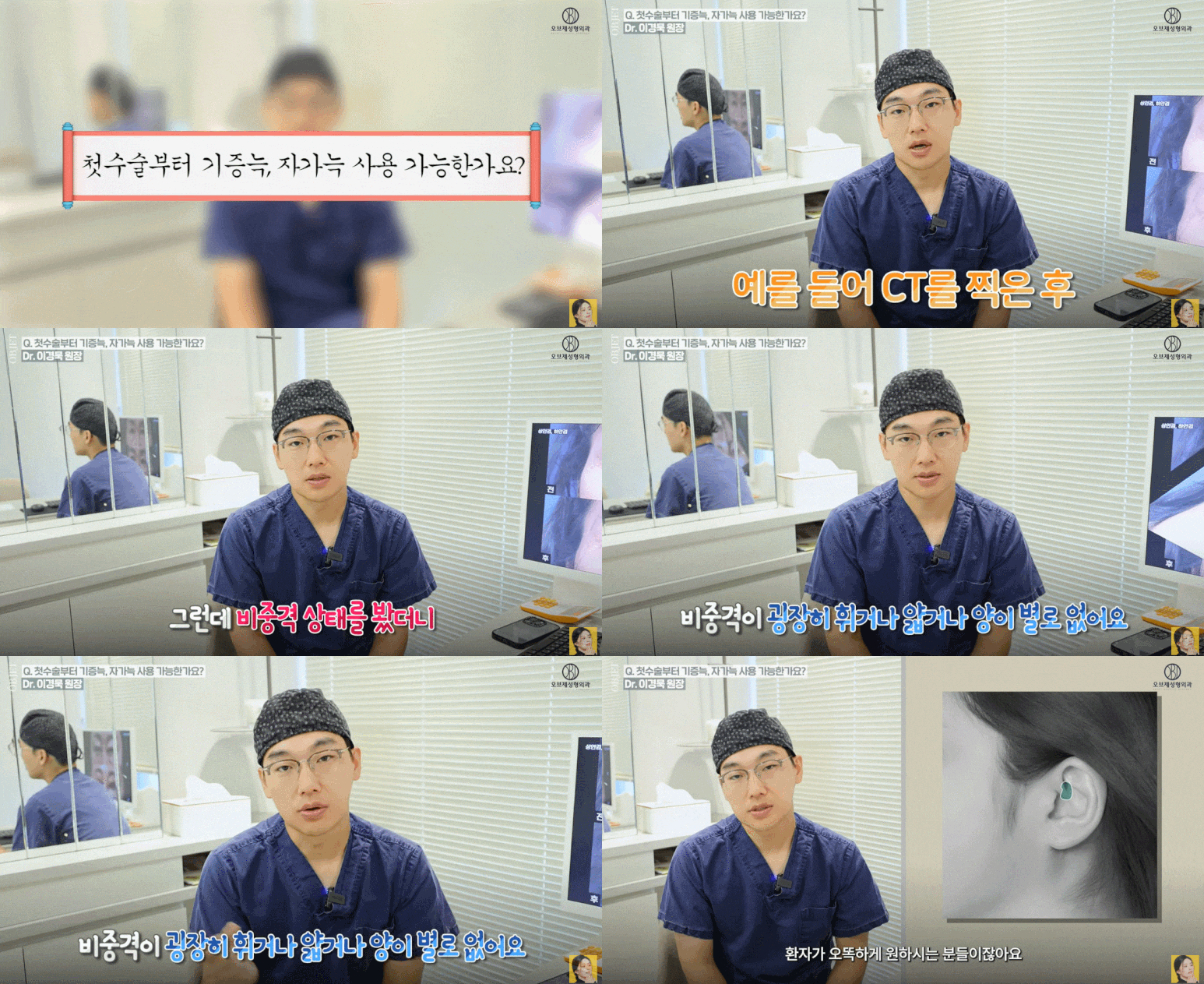
Usually, when someone has rhinoplasty for the first time, septal cartilage or ear cartilage is used.
Donated rib cartilage or your own rib cartilage is often used when previously used implants or cartilage have become damaged, or when there is insufficient cartilage due to a prior rhinoplasty. Because of that, you might think donated rib cartilage or your own rib cartilage cannot be used in a first rhinoplasty.
However, donated rib cartilage and your own rib cartilage are not used only in revision rhinoplasty. Depending on the patient’s nasal condition, they can also be used in the first surgery! The situations in which donated rib cartilage and your own rib cartilage may be needed in rhinoplasty are as follows.
-
Patients with a deviated septal cartilage
-
Patients whose septal cartilage is very thin
-
Patients for whom it is difficult to create the bridge height they want using ear cartilage
In situations like these, it can be difficult to achieve a satisfying rhinoplasty using only septal cartilage and ear cartilage.
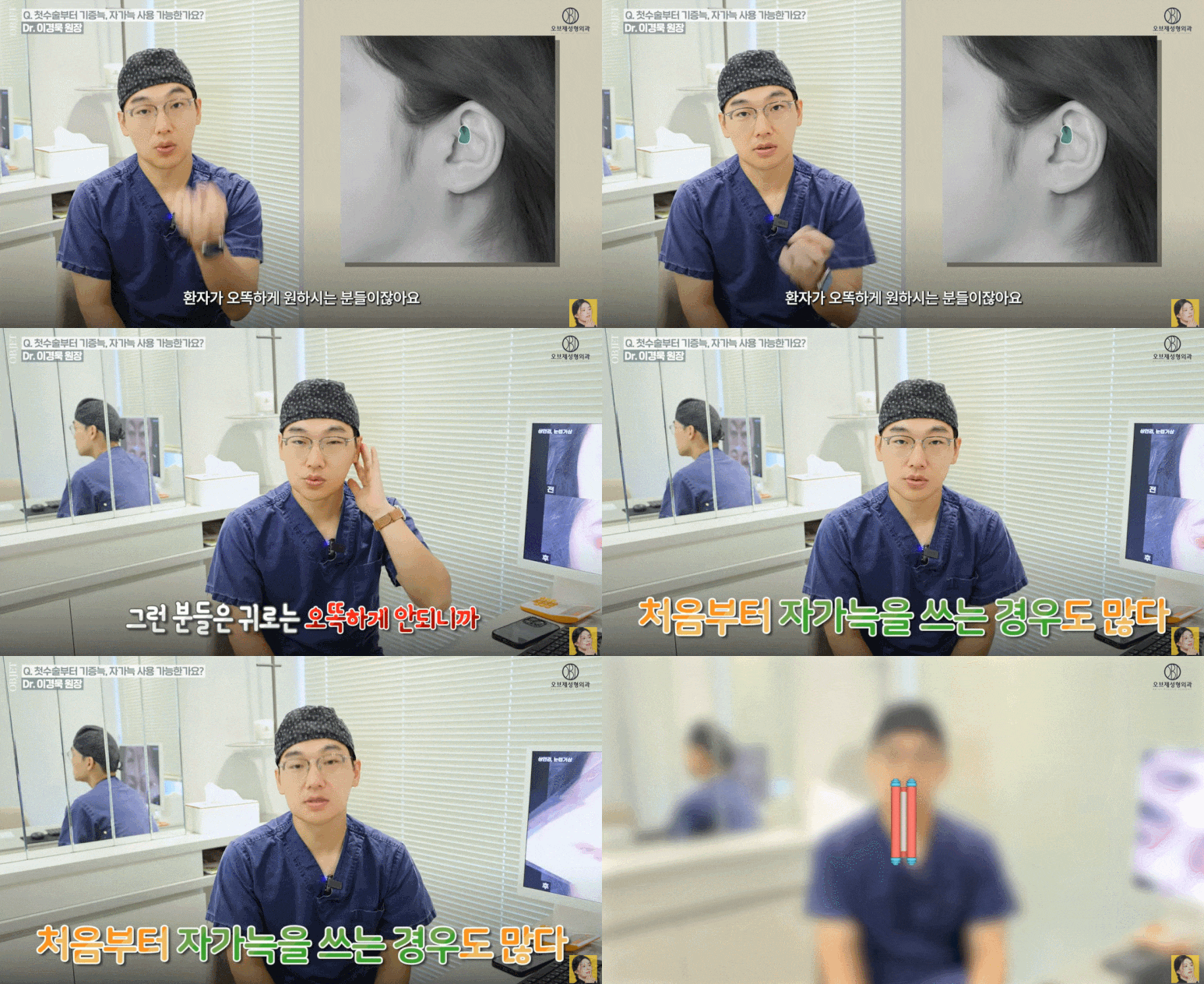
For a satisfying rhinoplasty, the patient’s nasal condition must be carefully examined first so that the most appropriate cartilage can be selected.
At Objet, as a clinic that has gained a reputation as a well-known rhinoplasty clinic, we carefully diagnose which materials will be used for the surgery.
After thoroughly examining the patient’s nose, we recommend using donated rib cartilage or your own rib cartilage from the first rhinoplasty for those who would not be able to achieve the desired nose shape with septal cartilage or ear cartilage alone.
Can I fly after rhinoplasty?
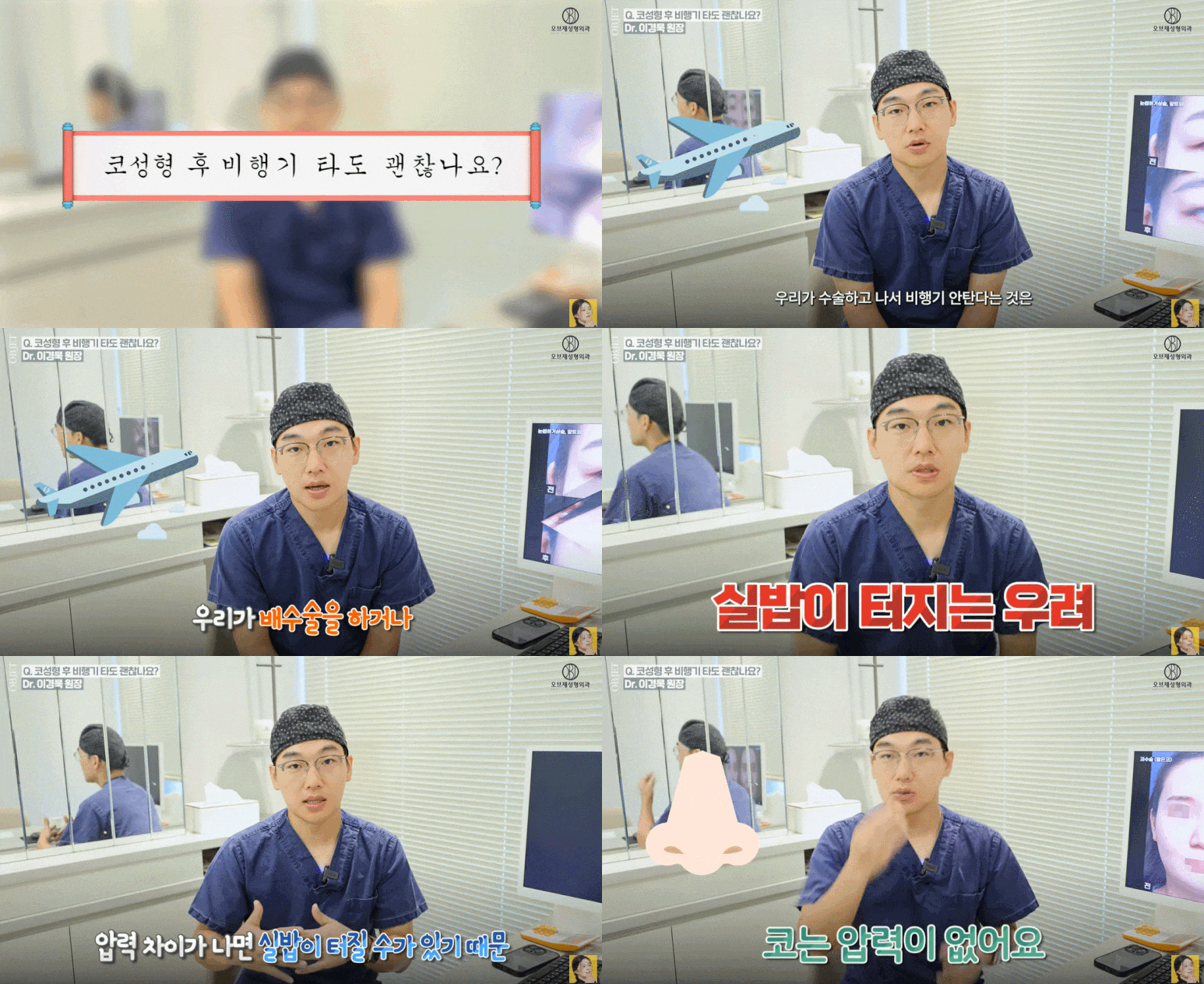
In general, you may know that you should not fly immediately after surgery. Because surgical procedures involve invasive steps such as incision and suturing, you should be careful about air travel until your body has recovered after surgery. If you need to fly, it is best to decide after consulting a medical professional.
However, flying after rhinoplasty is generally considered relatively flexible. This is because the nose is less affected by pressure than some other parts of the body.
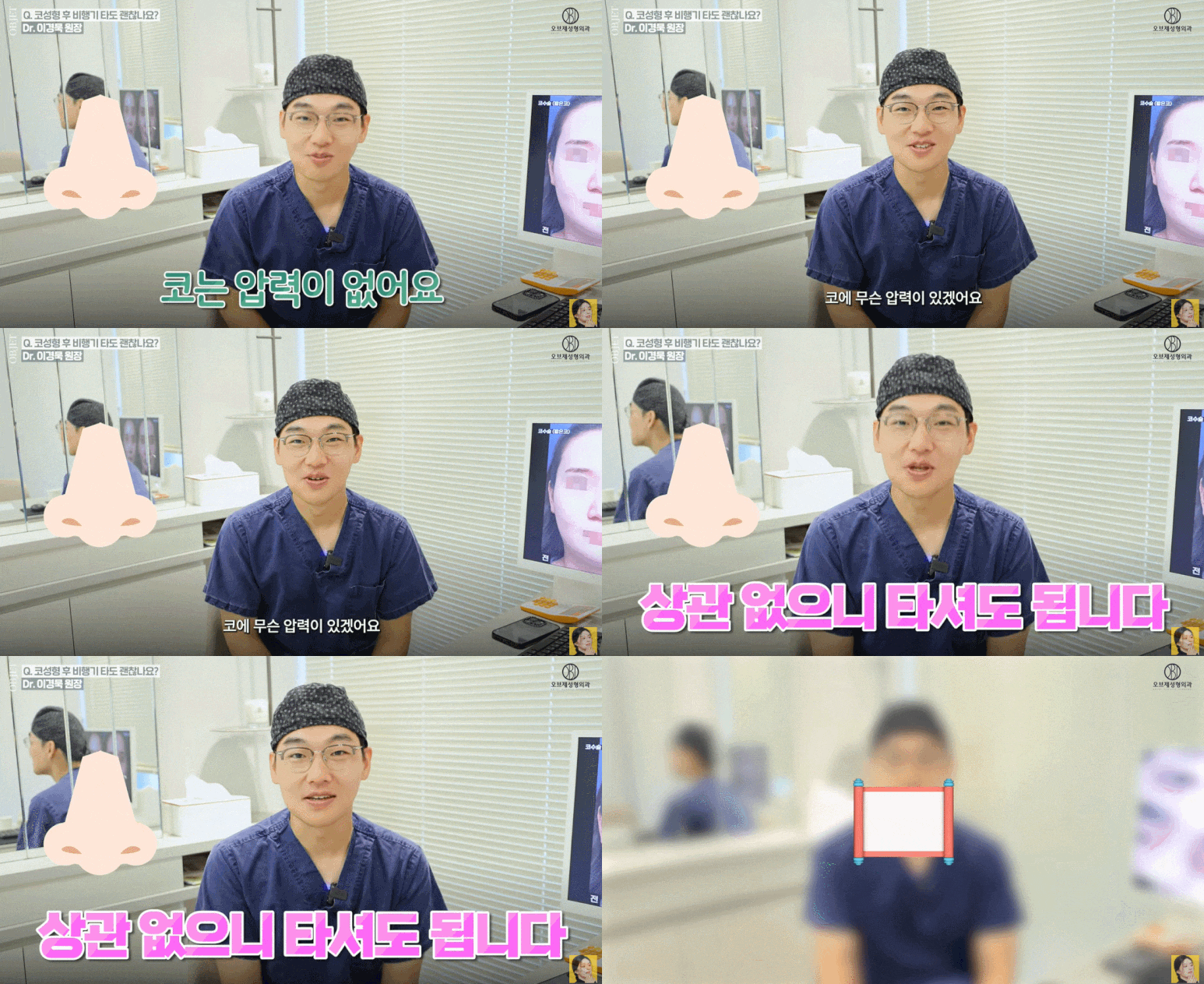
The reason air travel should be approached carefully after surgery is the change in cabin pressure. Due to pressure differences, the surgical area may be pressed during the flight, or you may feel irritation or pain.
That said, because the nose is one of the body parts that is not heavily affected by cabin pressure, air travel after rhinoplasty is generally possible as long as there are no major issues during recovery.
Still, it’s always best to be cautious. If you have a schedule that requires you to fly after rhinoplasty, we recommend discussing it with your medical team before surgery. If it has been about 1–2 months, there is usually no major problem with flying, so there is no need to worry.^^
Is nosebleeding after rhinoplasty okay?
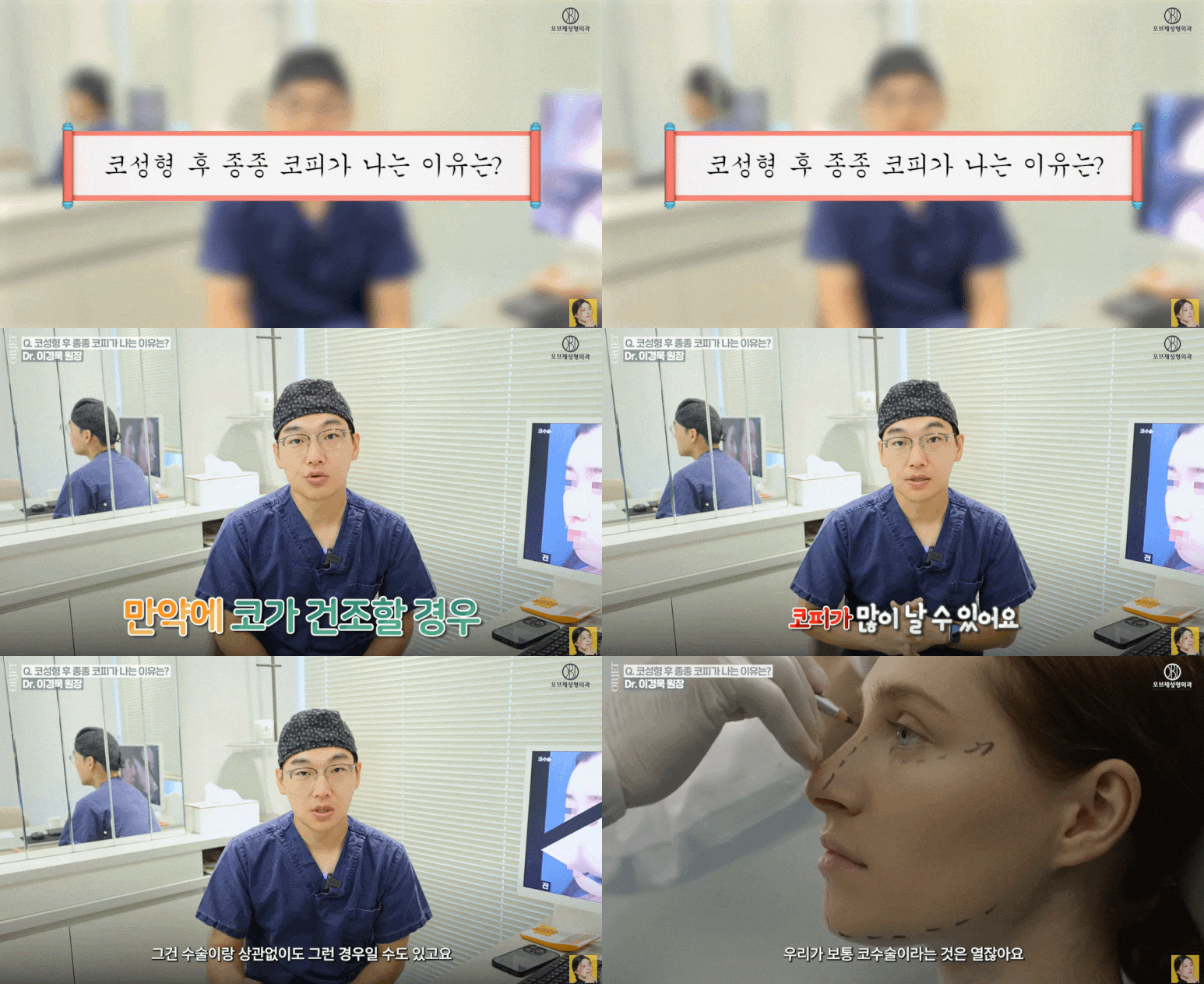
Nosebleeds are a symptom that can occur more easily when the inside of the nose is dry. The inside of the nose is covered by mucous membrane, and a healthy nose is one in which the mucous membrane stays moist.
After rhinoplasty, the mucous membrane may be irritated, which can temporarily make it dry and cause nosebleeds to happen more often. However, this usually improves over time as the nasal mucosa stabilizes, so there is no need to worry too much about nosebleeds.
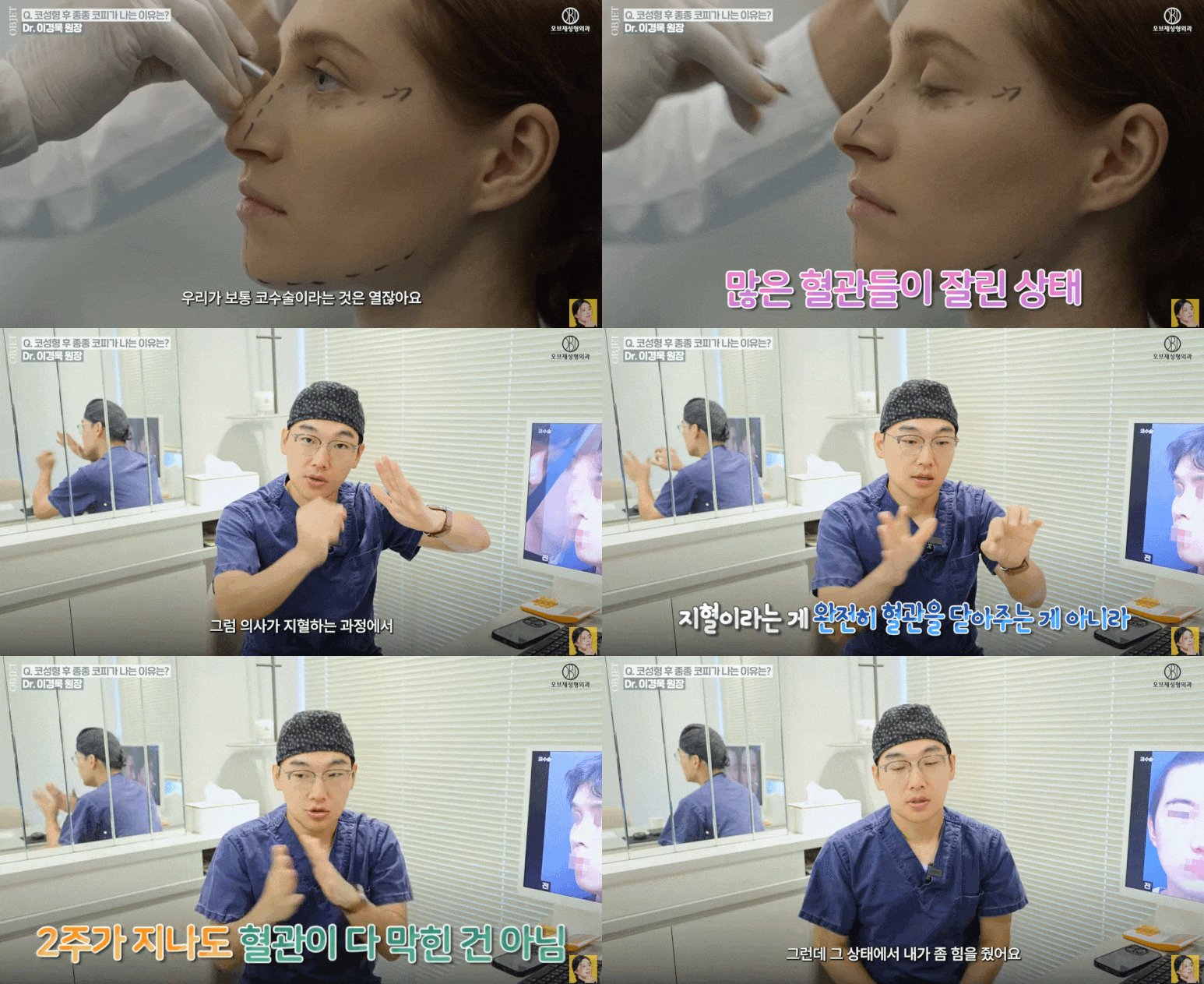
Also, rhinoplasty involves making an incision inside the nose. In the process of making the incision, blood vessels can be injured. At a rhinoplasty clinic, hemostasis is always performed to prevent continued bleeding from blood vessels injured during surgery.
However, hemostasis does not mean completely closing the blood vessels. It means blocking the openings of the vessels so they do not bleed. Over time, as healing progresses slowly, the blood vessels close completely; before that happens, if you exert force on your face, the sealed vessels may reopen and cause a nosebleed.
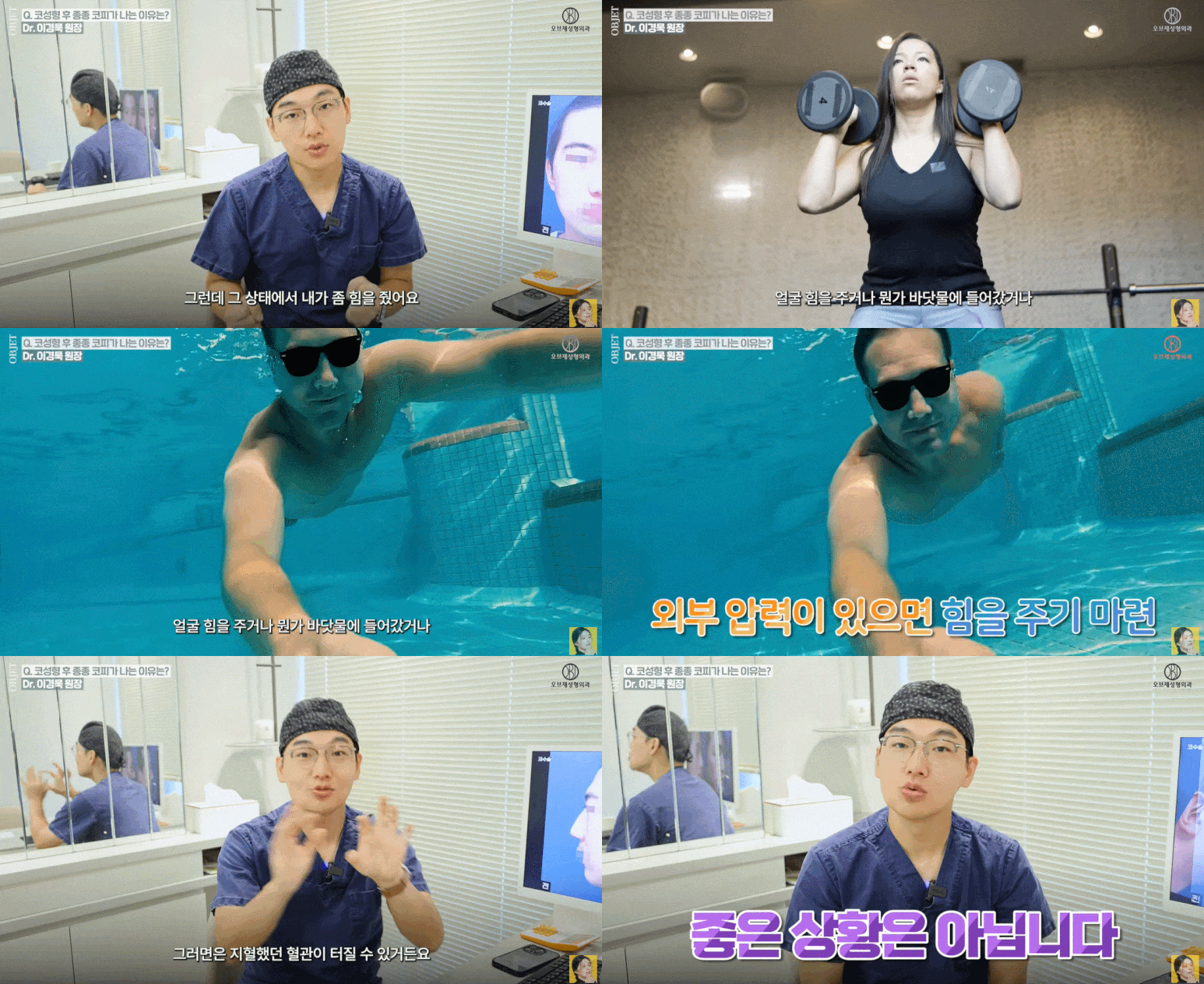
Exercises that require a lot of effort, such as weight training, can put strain on the face and cause the sealed blood vessels to reopen, leading to a nosebleed. Swimming can also affect the sealed vessels because the pressure underwater is higher than outside the water, making nosebleeds more likely.
If a sealed vessel reopens, that is not actually a good sign. It indicates that recovery is progressing slowly, so caution is advised. Therefore, for safe recovery, we recommend avoiding actions that put strain on the face for about 3 months after rhinoplasty.
When can I return to daily life after rhinoplasty?
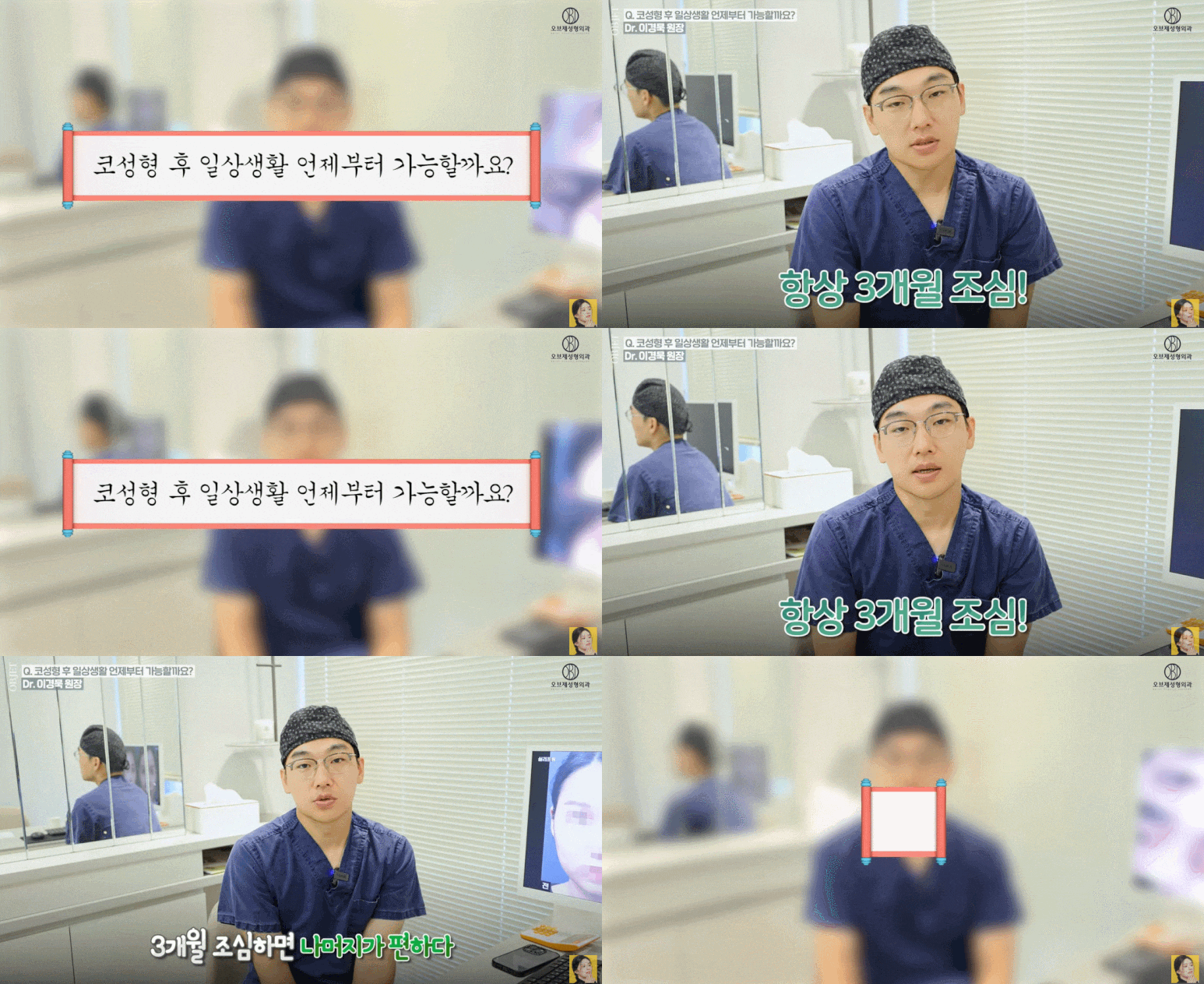
As mentioned earlier, it is best to be careful for 3 months after rhinoplasty. This is something rhinoplasty clinics emphasize very strongly to patients.
The 3 months after rhinoplasty are the most important period for recovery. How you manage this period can affect the length of your recovery. That is why it is best to avoid strenuous exercise, foods that may cause inflammation, smoking, and drinking for about 3 months.
If you are careful for just those 3 months, things will become much easier afterward, so we hope you will follow this advice!
Can a functional nose surgery recur?
What should I do if it does?
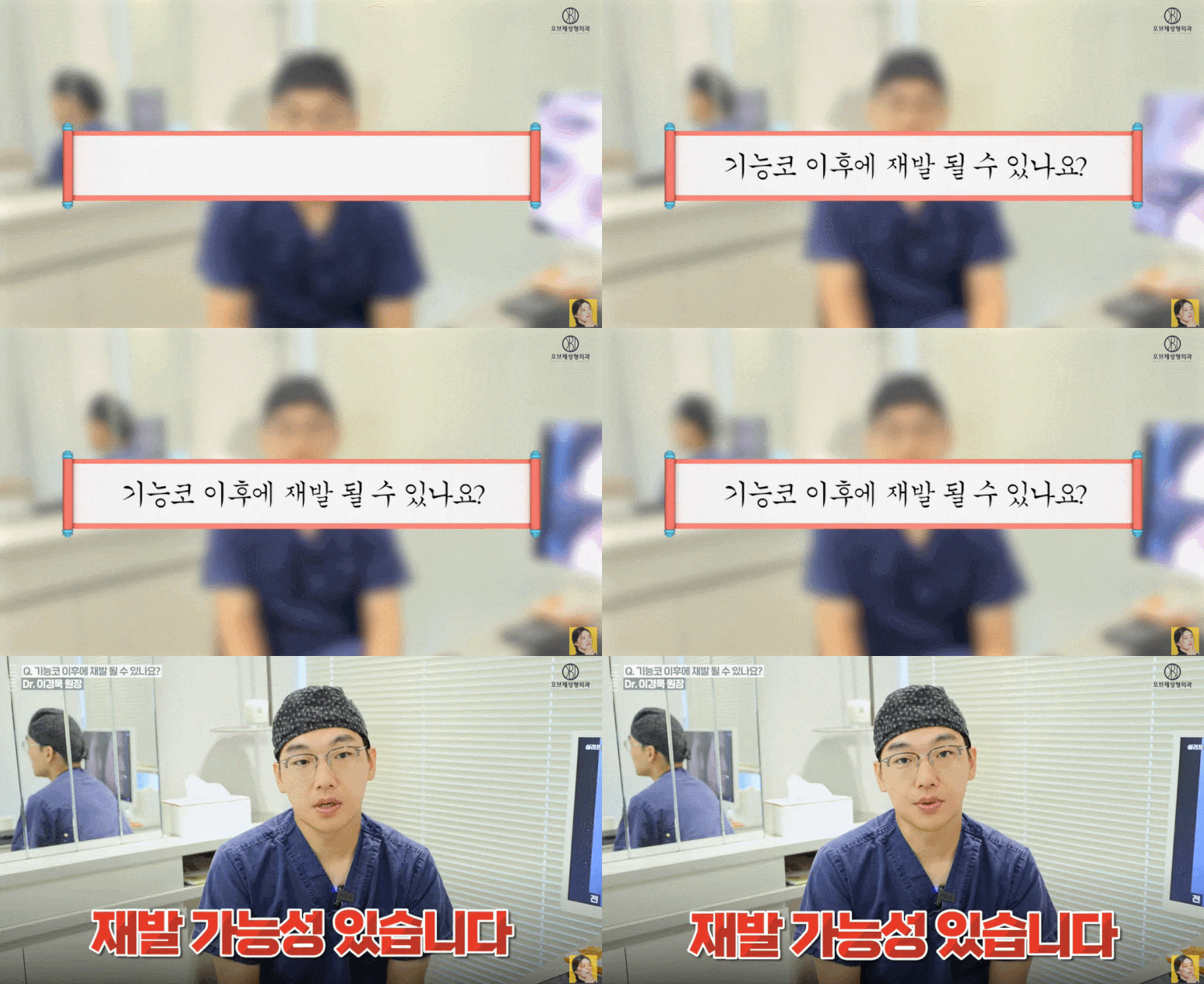
A rhinoplasty clinic does not perform only aesthetic rhinoplasty. We also perform functional nose surgery for patients with functional problems. There are various types of functional nose surgery. Septoplasty and inferior turbinate surgery are the two functional procedures many people undergo.
Septal deviation refers to a condition in which the septum, the wall located in the center of the nose that divides the nostrils into two, is bent. When the septum is deviated, air does not circulate properly inside the nose, creating an environment in which inflammation can occur more easily.
Because of this, many people with a deviated septum experience symptoms such as nasal congestion and sinusitis, and to address this, they often undergo septoplasty, also called deviated nose correction.
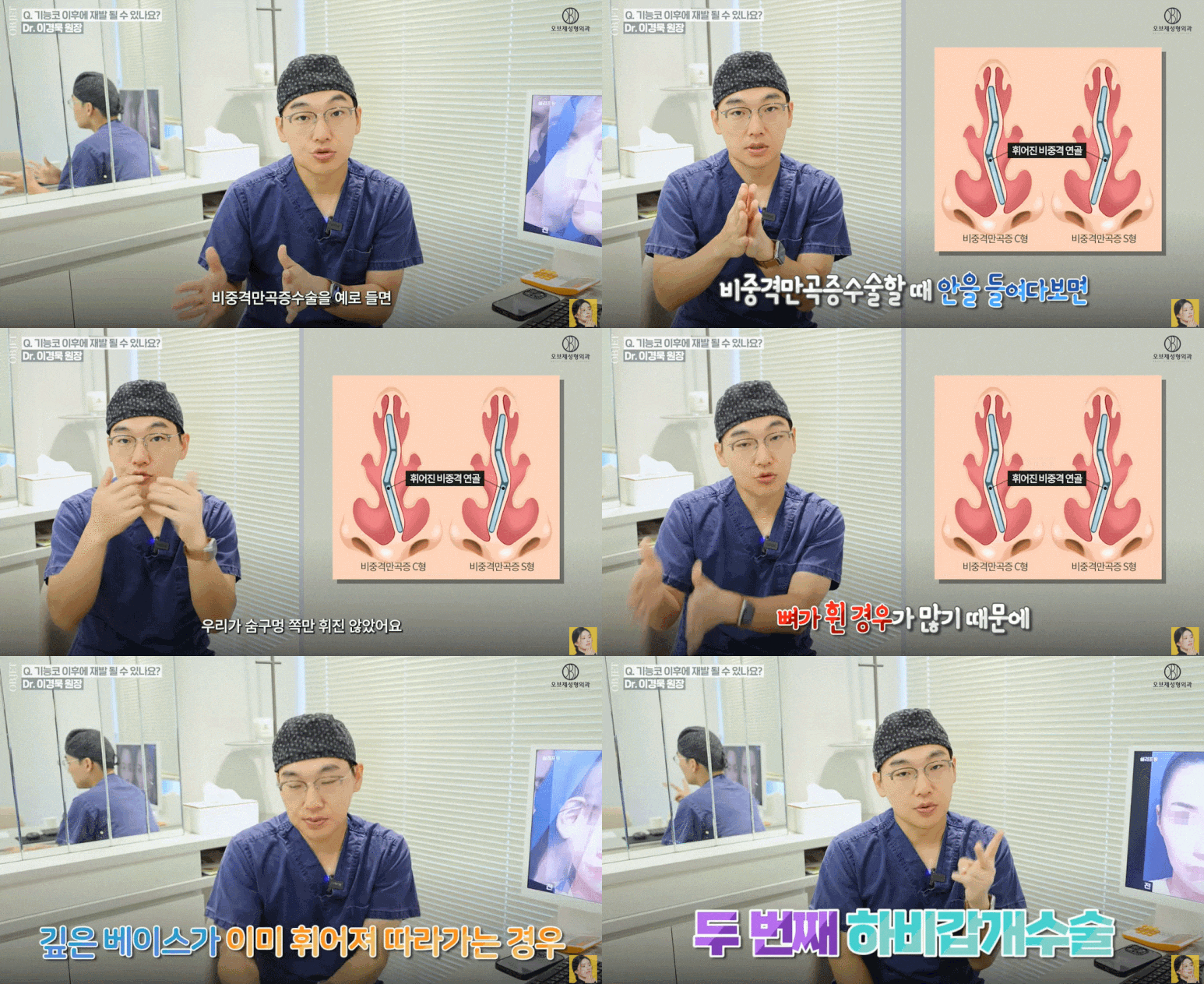
However, there are people who say that after surgery at a rhinoplasty clinic, things seemed fine at first, but over time it became difficult to breathe again.
The reason is that the septum is not bent only in the airway portion. If you look more deeply, the hidden bone is often also bent. If the bone is bent as well, then even if the septum has been moved to the center, the supporting framework is still crooked, so it can bend again.
If breathing difficulty returns or the septum becomes deviated again after septoplasty, improvement may be possible through revision surgery. During the revision process, the posterior bone and cartilage that were not corrected in the original surgery can be addressed more thoroughly, which may improve nasal congestion symptoms.
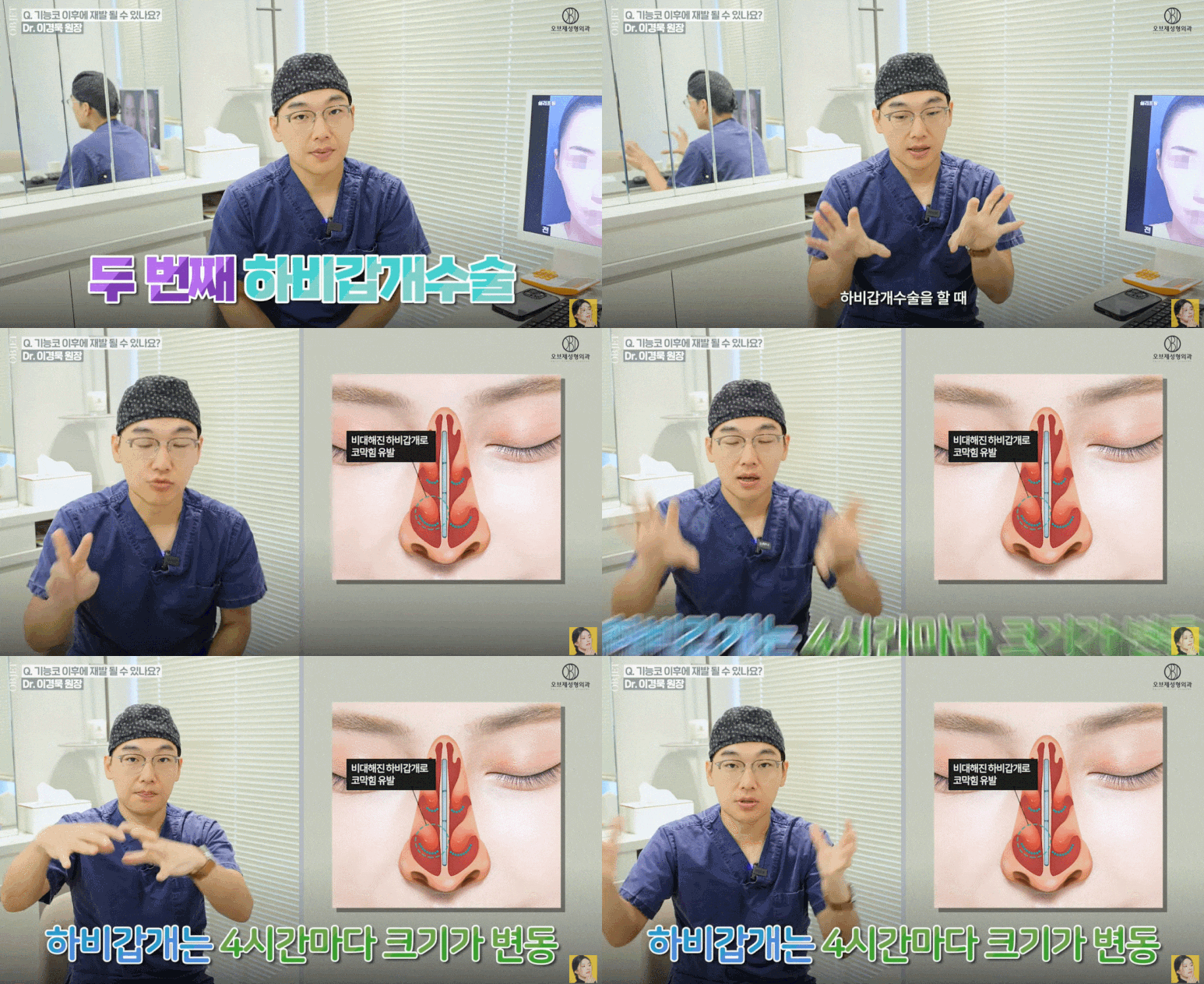
Many people also ask because inferior turbinate surgery often recurs.
The human nose has three layers of structures, called the superior turbinate, middle turbinate, and inferior turbinate from top to bottom. The turbinates help regulate the temperature and humidity of incoming air during breathing, and they also help control airflow.
However, if you have rhinitis, the turbinates can become enlarged and cause various problems, especially with the inferior turbinate. When the inferior turbinate becomes enlarged and blocks the nose, breathing becomes difficult, which can lead to mouth breathing or snoring.
Because of this, many people undergo inferior turbinate surgery, but some later say that symptoms recur and breathing becomes difficult again.
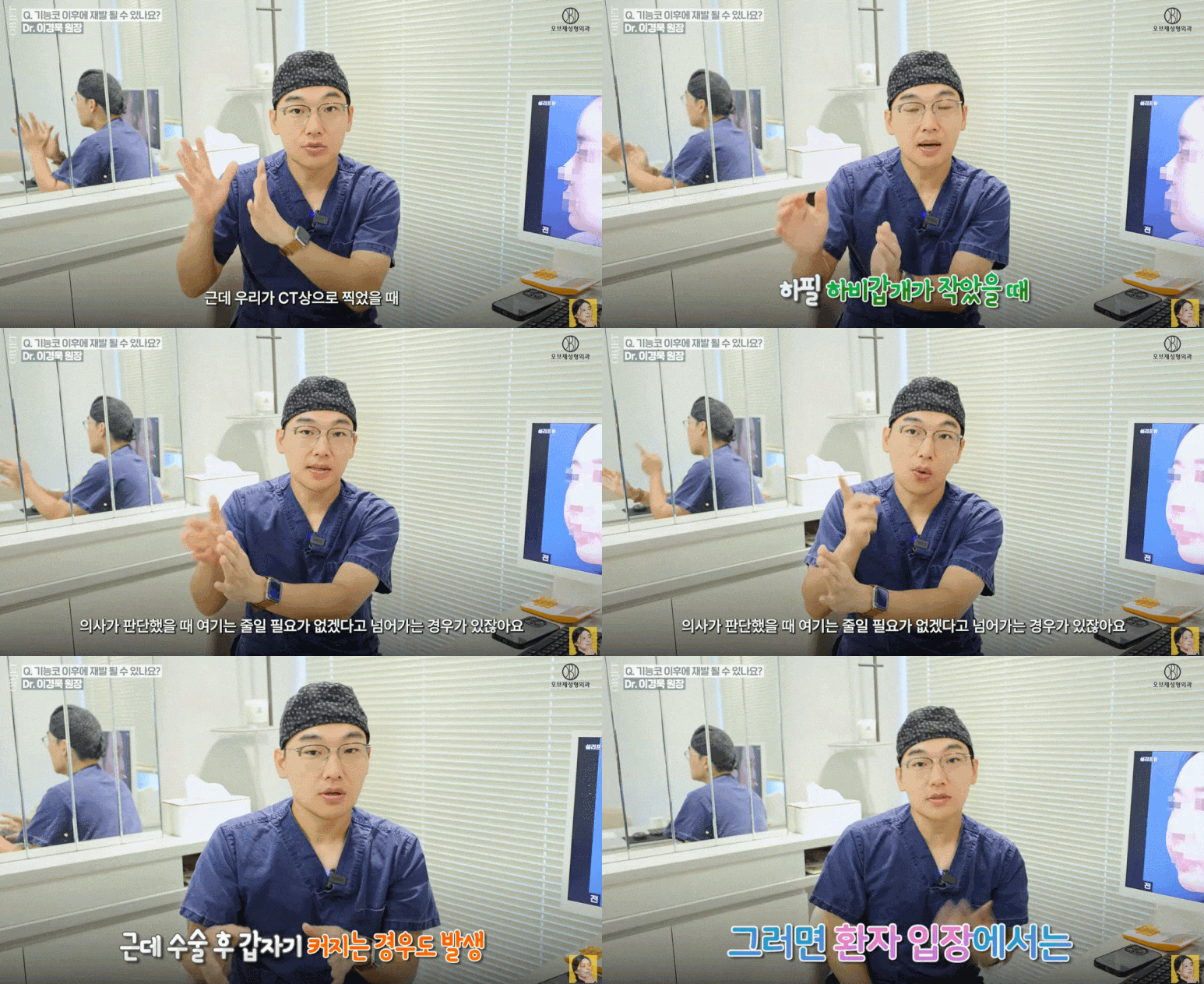
The reason these symptoms can appear even after inferior turbinate surgery is the “nasal cycle.” The nasal cycle refers to the periodic changes that occur inside the nose.
To put it more simply, the nasal cycle is the phenomenon in which the inferior turbinates alternately enlarge and shrink. It is a response regulated by the autonomic nervous system to reduce nasal fatigue and usually occurs every 3 to 4 hours. (The timing differs slightly from person to person.)
When a CT scan is taken during a consultation and the inferior turbinate is already in a shrunken state, it may be judged that there is no need to reduce it further. In such cases, after surgery, when the inferior turbinate enlarges as part of the nasal cycle, the patient may think that symptoms such as nasal congestion have recurred.
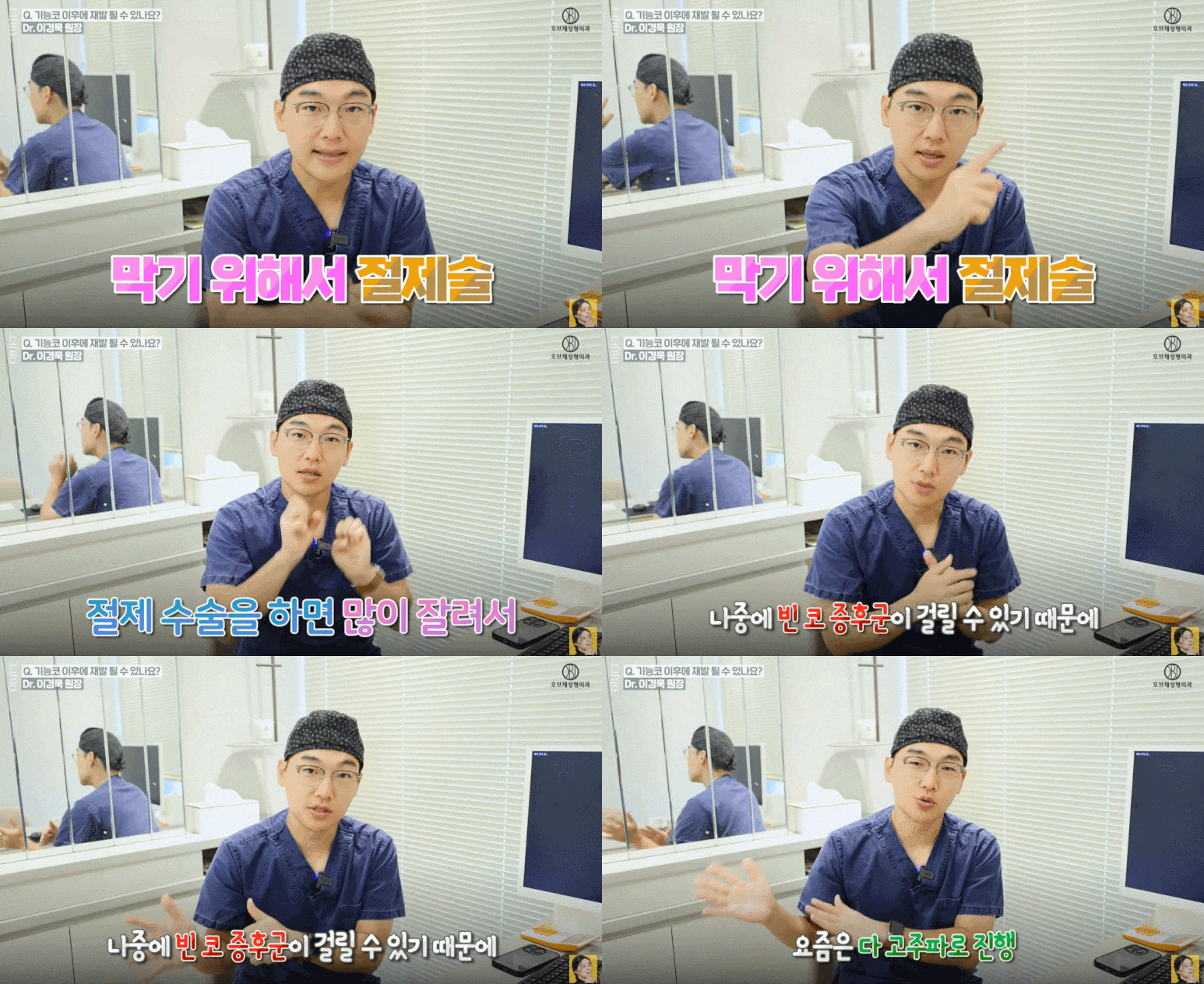
To prevent this from the start, inferior turbinate resection can be performed, but resection increases the possibility of empty nose syndrome. Empty nose syndrome is a representative side effect of inferior turbinate resection. If too much of the inferior turbinate is removed, the inside of the nose becomes dry and irritated, and it becomes difficult to breathe through the nose.
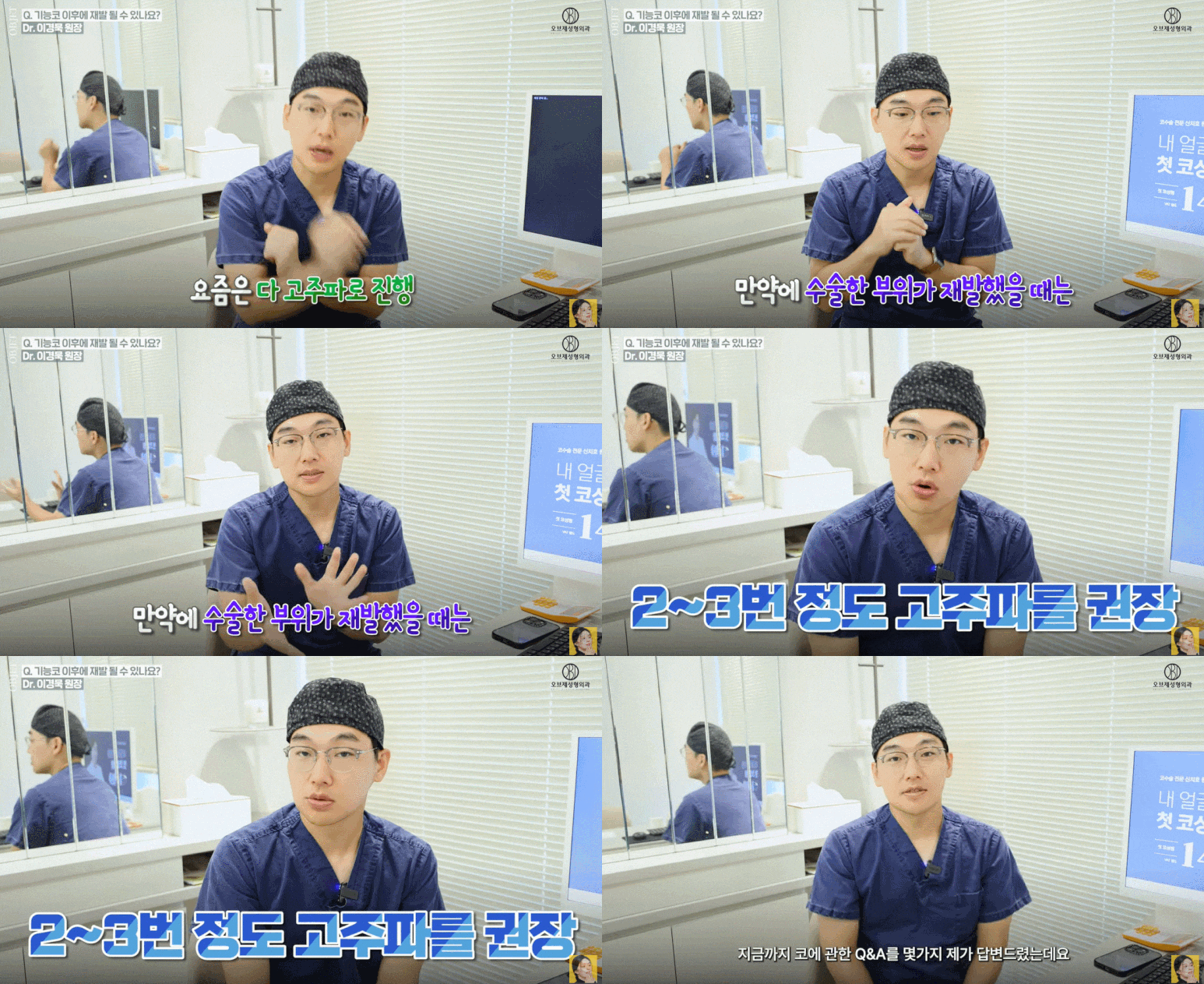
Recently, the trend has been to use radiofrequency, which can reduce the risk of side effects such as empty nose syndrome and allows for repeated correction. Radiofrequency can reduce the size of the inferior turbinate without incision. Also, if symptoms recur after inferior turbinate surgery due to the nasal cycle, additional surgery may be performed 2 to 3 more times.
We’ve organized and answered a variety of questions people often have before rhinoplasty. Were the answers from the rhinoplasty specialist helpful?^^
We tried to answer the questions you were curious about as thoroughly as possible, but since this is delivered in writing, some parts may still feel lacking.
If there is anything from today’s post that you’d like to know more about, or if you have rhinoplasty questions that were not covered but you have been wondering about, please visit Objet Plastic Surgery!
We will provide careful and detailed consultation so that patients can resolve their concerns and receive a satisfying rhinoplasty.
This has been Objet Plastic Surgery. Thank you.
| Rhinoplasty Consultation and Inquiries |
|---|
| Phone consultation |
| Kakao quick consultation |
-
This post is medical information written by Objet Plastic Surgery Clinic in compliance with the Medical Advertising Act.
-
The effects of treatment may vary depending on the individual, and side effects may occur.
We strongly recommend that you have a thorough consultation with the medical staff in advance before deciding on a procedure.