Rhinoplasty Swelling Period and Walking: What Matters More Than Pumpkin Juice
What Matters More Than the Doctor’s ○○○?
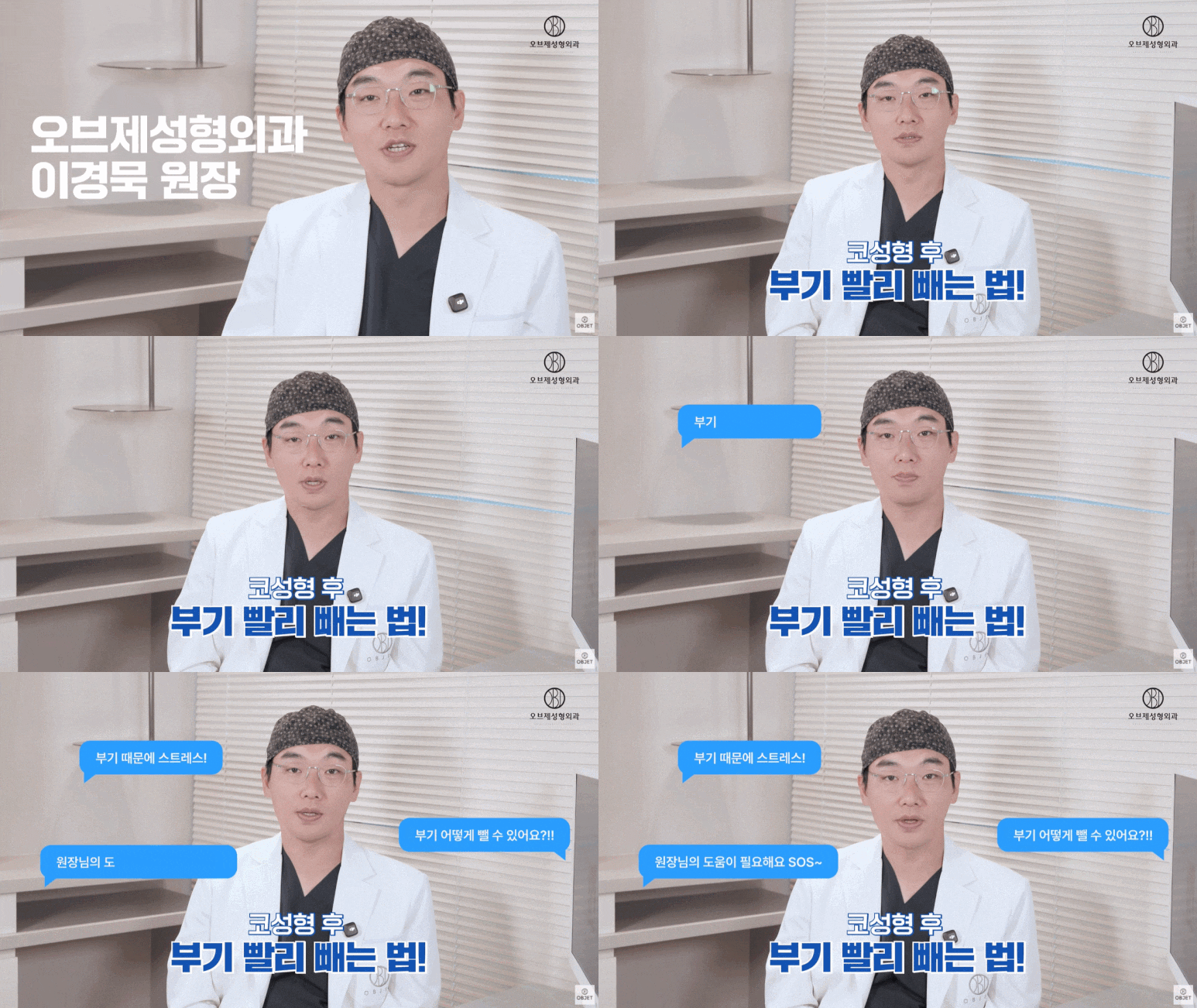
Hello, this is Objet Plastic Surgery.
Because everyone’s facial features are different, the shape of the nose also differs from person to person. As a result, each patient comes in with a different concern about their nose.
My nose is too short, so it looks upturned….
I’m worried because I have a severe hump nose.
Some people are concerned about a short nose, some about a hump nose, and others about a wide, fleshy bulbous nose. At Objet Plastic Surgery, we conduct one-on-one consultations with patients who visit us with all kinds of rhinoplasty concerns, accurately identify what their concern is, and design the surgery to improve it.
After designing the surgery to match each patient’s specific concerns, we perform rhinoplasty, making it possible to improve those concerns while also creating a nose that suits the individual’s face well.
That is why so many patients visit us and receive rhinoplasty consultations. Although patients come in with different concerns, there is one common question that comes up during rhinoplasty consultations.
That is the rhinoplasty swelling period.
Patients often ask why swelling occurs after rhinoplasty and what they should do to reduce it.
Today, we’re going to summarize everything patients want to know about post-rhinoplasty swelling. If you want to shorten the rhinoplasty swelling period, please stay with us until the end of this post!
Post-rhinoplasty swelling
Can the doctor’s ○○○ make a difference?
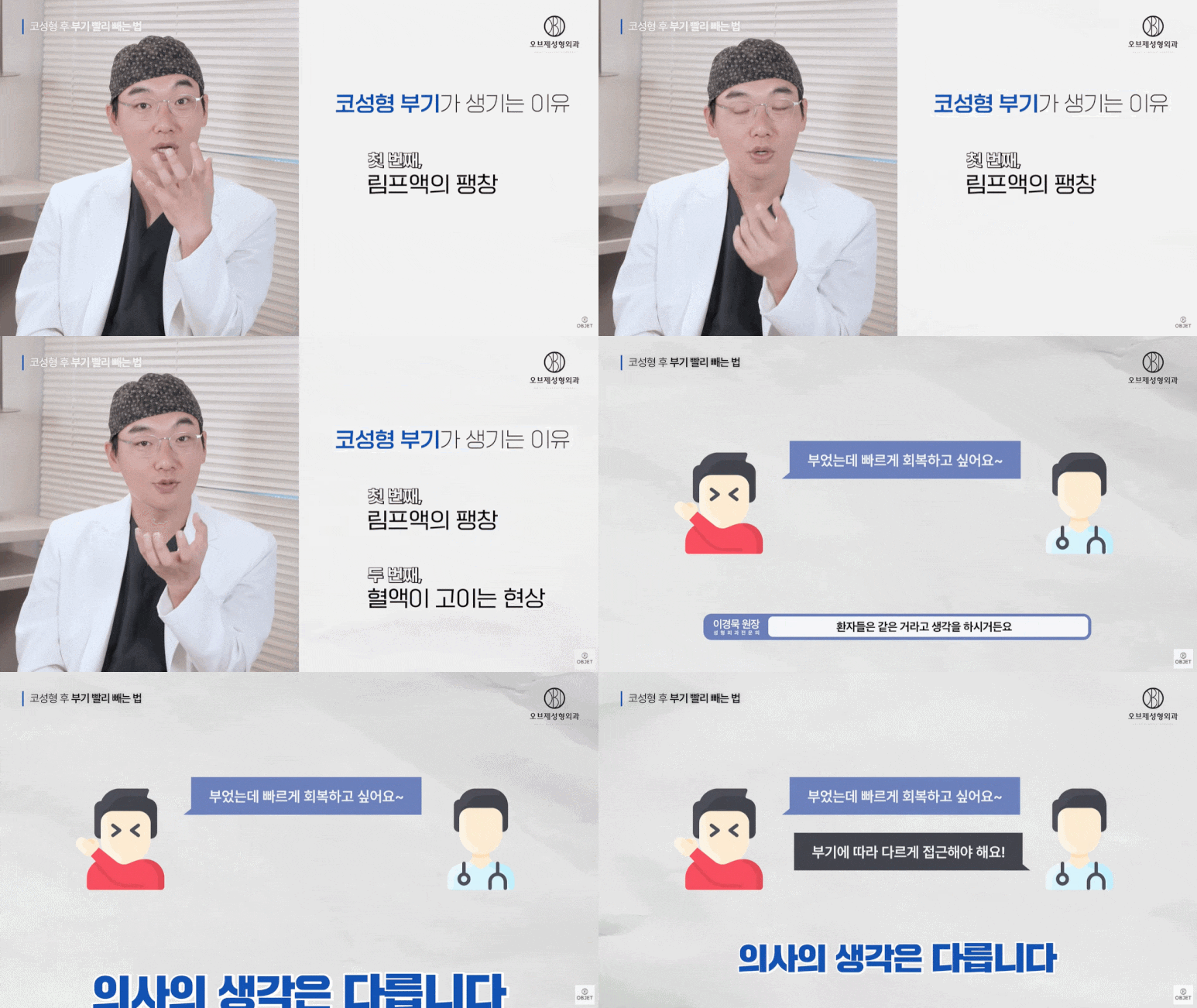
There are two main reasons why swelling occurs after rhinoplasty.
-
Swelling caused by expanded lymph fluid
-
Swelling caused by pooled blood
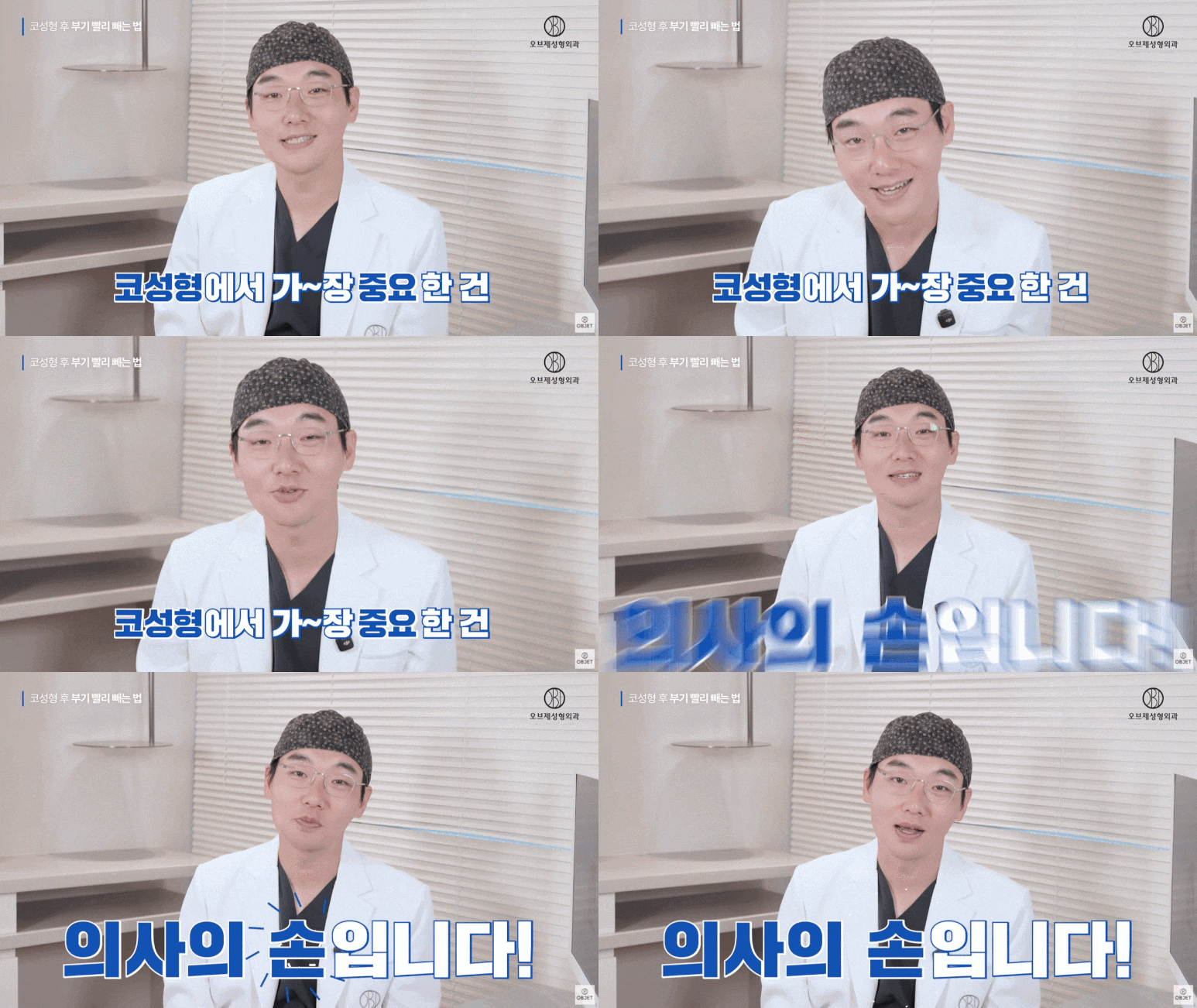
From a patient’s perspective, these two may seem the same. But as a board-certified plastic surgeon, the difference between the two is quite significant.
First, lymph fluid expands to help the wound heal. Rhinoplasty involves incisions and suturing, and the body interprets this process as a wound. In a way, it is treated as trauma.
Because of this, the body makes various efforts to heal the wound, and lymph fluid expansion is one of them. Lymph fluid gathers and expands to protect the wound area and help it recover more quickly.
Next is swelling caused by pooled blood.
Because rhinoplasty involves incisions, some bleeding is unavoidable. Blood can ooze from the surgical site and pool, causing swelling. However, unlike swelling caused by lymph fluid expansion, swelling from pooled blood can be reduced through certain methods.
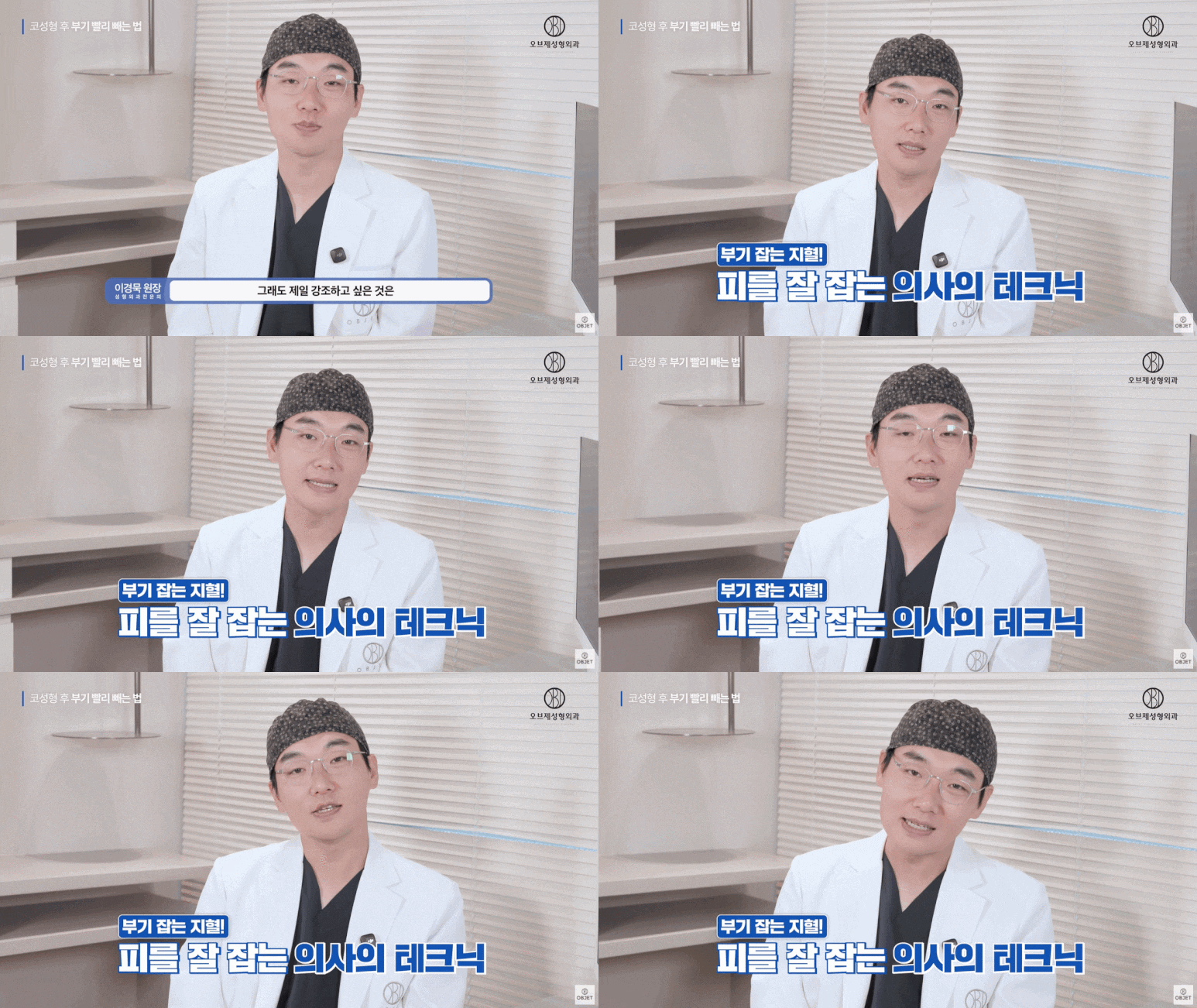
One of them is having a surgeon with strong technique.
How well bleeding is controlled during rhinoplasty is something the medical team needs to pay attention to. If bleeding is minimized through careful hemostasis, post-rhinoplasty swelling will be much less. But if bleeding is not properly controlled and blood pools in the nose, swelling can appear more severe.
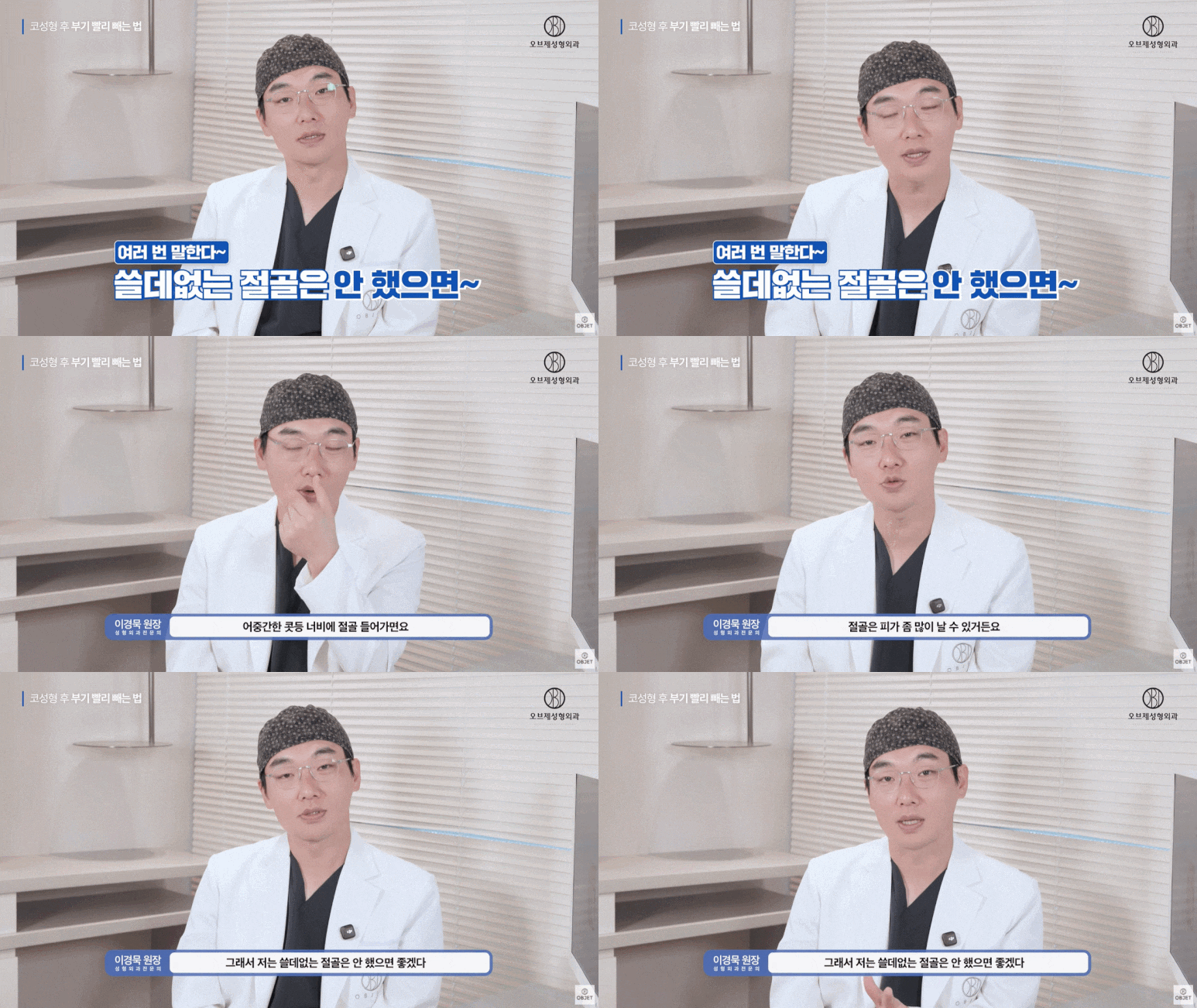
That is why, when getting rhinoplasty, it is important to consider the surgeon’s technique. If the surgeon has extensive rhinoplasty experience and strong technique, they can perform only the surgery that is truly necessary based on the patient’s nasal condition.
In particular, it is important not to perform osteotomy carelessly during rhinoplasty. Osteotomy is a surgical method that fractures the bone itself to reduce its size and change its position. It may be necessary for people whose nasal bones are curved or wide. However, it is not necessary for everyone. Osteotomy can cause significant bleeding, which may make swelling worse and last longer.
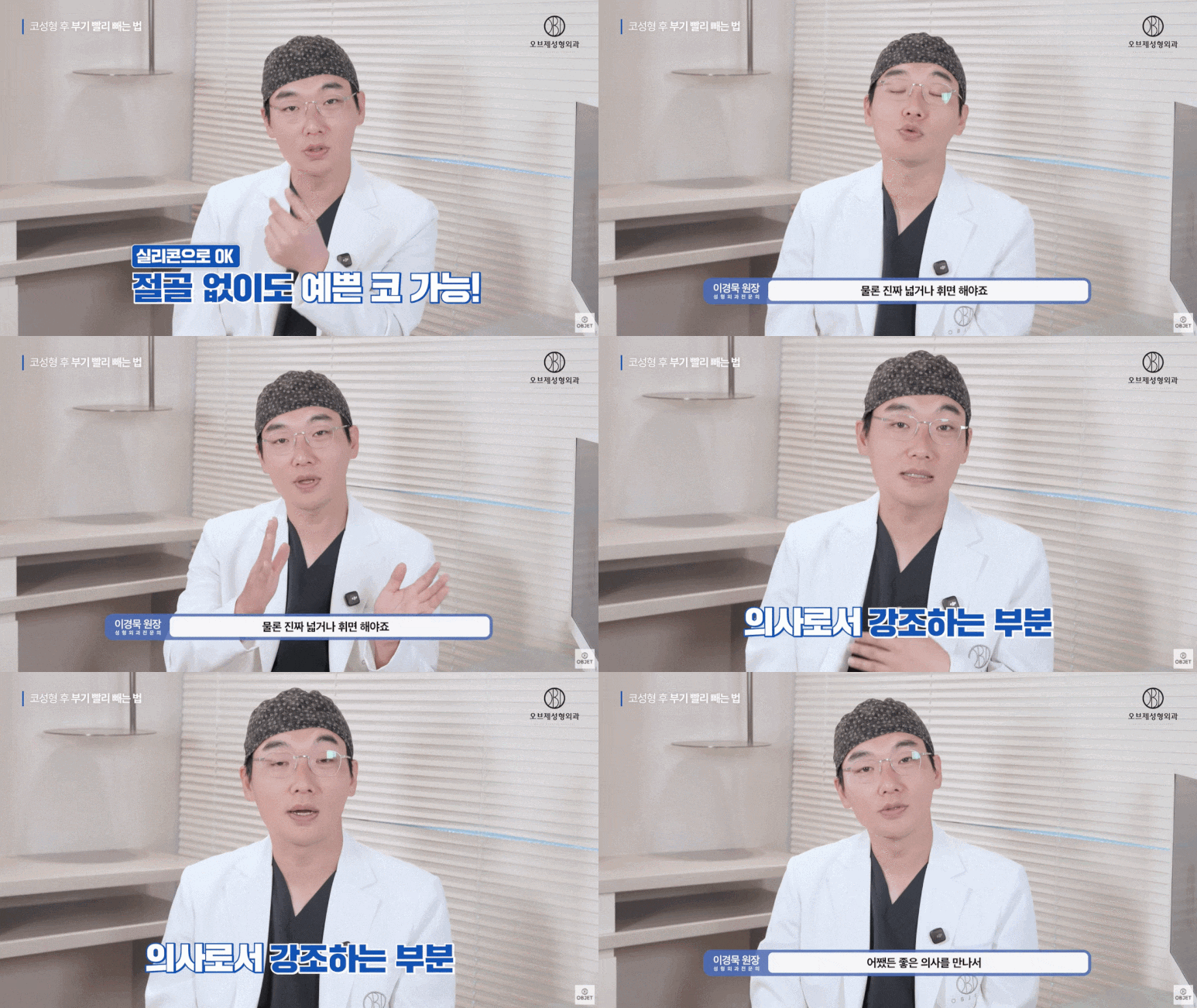
That is why at Objet, we do not automatically perform osteotomy just because the nasal bones are wide. Director Lee Kyung-mook carefully examines each patient’s nasal width and degree of deviation, and if he determines that improvement is possible with silicone alone, he does not recommend osteotomy. We perform surgery with care so that patients can undergo rhinoplasty without 부담, and you can feel at ease when coming in for a consultation.
I heard ○○○ is good for rhinoplasty swelling..
A complete roundup of rhinoplasty swelling rumors!
As mentioned earlier, to influence rhinoplasty swelling, you need to meet a surgeon with strong technique. If you meet a good surgeon and reduce swelling, then how can you reduce it even more?
If you receive good surgery from a skilled surgeon and manage yourself well after rhinoplasty, you may be able to shorten the swelling period further. Below, we will organize the common rumors related to rhinoplasty swelling one by one, so please take note.
Do you have to sleep sitting up after rhinoplasty?
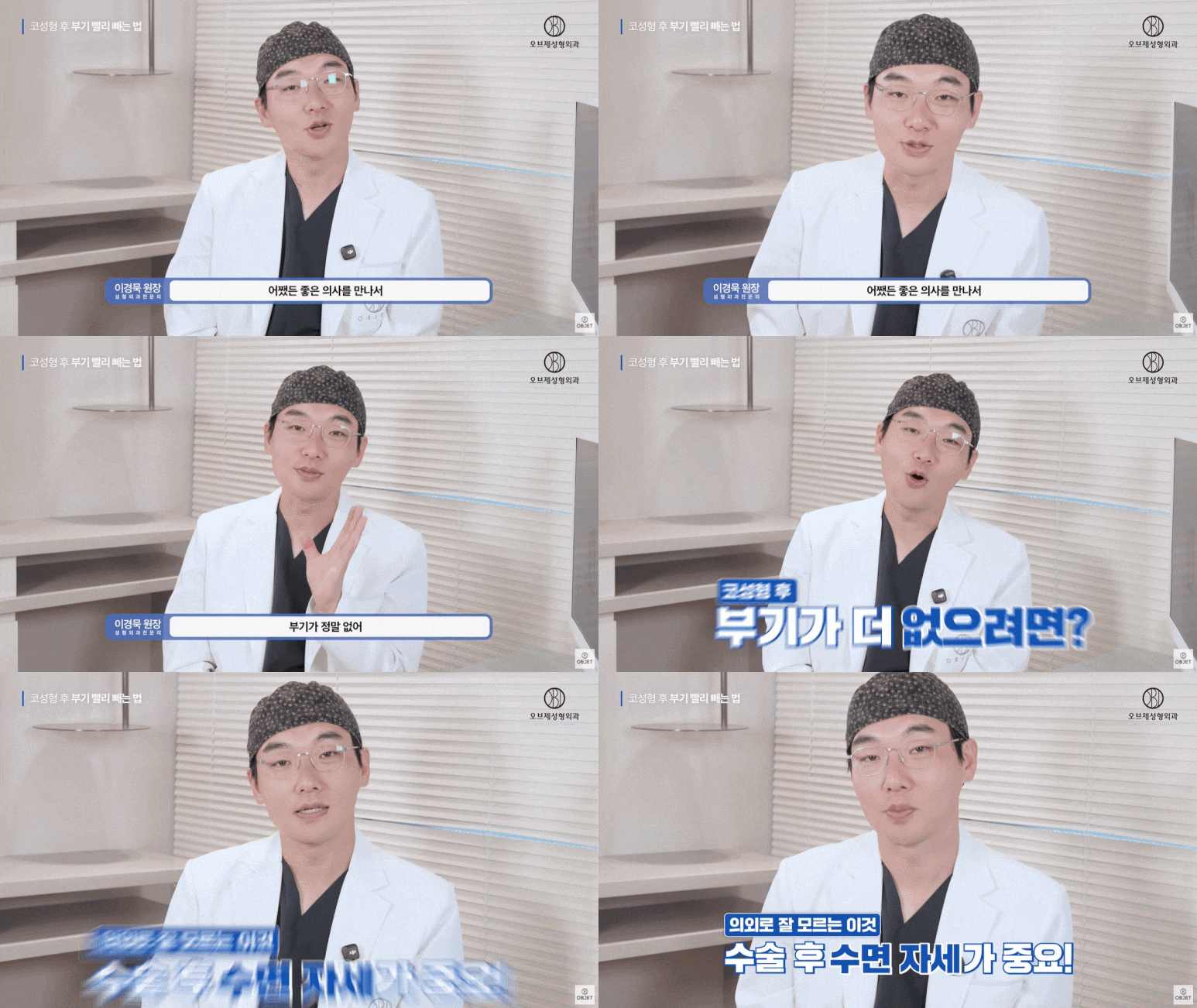
The most important thing for rhinoplasty swelling is your sleeping position.
Some patients think that sleeping is important for a quick recovery after surgery, so there are people who go straight to sleep after returning home.
Sleeping is fine, but lying flat is not recommended.
Normally, when you are sitting or standing, the heart is below the head, so blood does not easily rush toward the head. But when you lie down, the head and heart are on the same level, and blood can more easily flow toward the head.
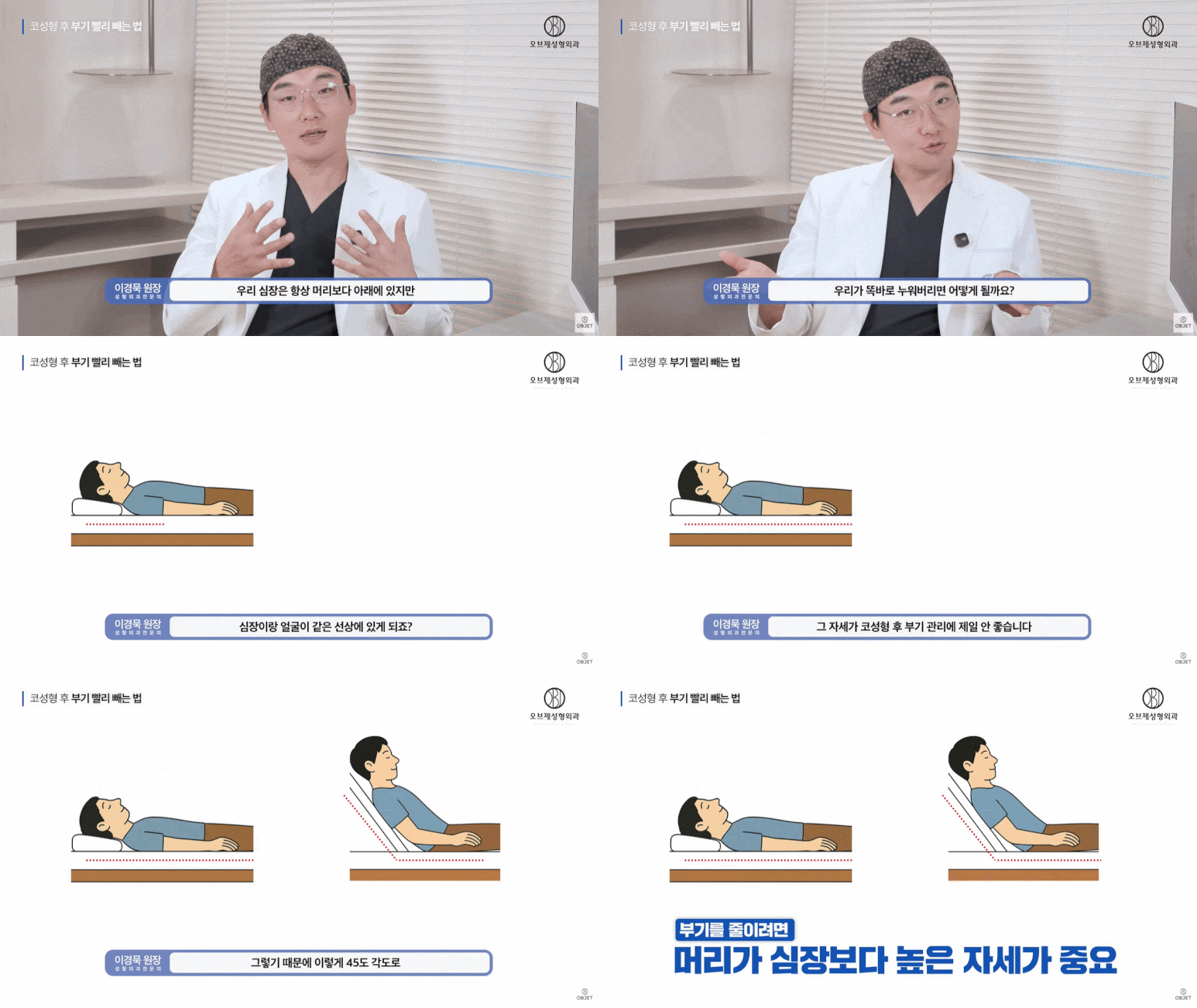
As mentioned earlier, one reason swelling occurs after rhinoplasty is that blood pools. If you lie flat, the heart is on the same level as the face, blood flows toward the head, and rhinoplasty swelling can occur.
So if you want to shorten the rhinoplasty swelling period, it is better to sleep at a 45-degree angle rather than lying flat. If you sit at a 45-degree angle, your head will be positioned higher than your heart, preventing blood from pooling and helping reduce swelling.
Exercise helps swelling go down
So it should be okay to exercise, right?
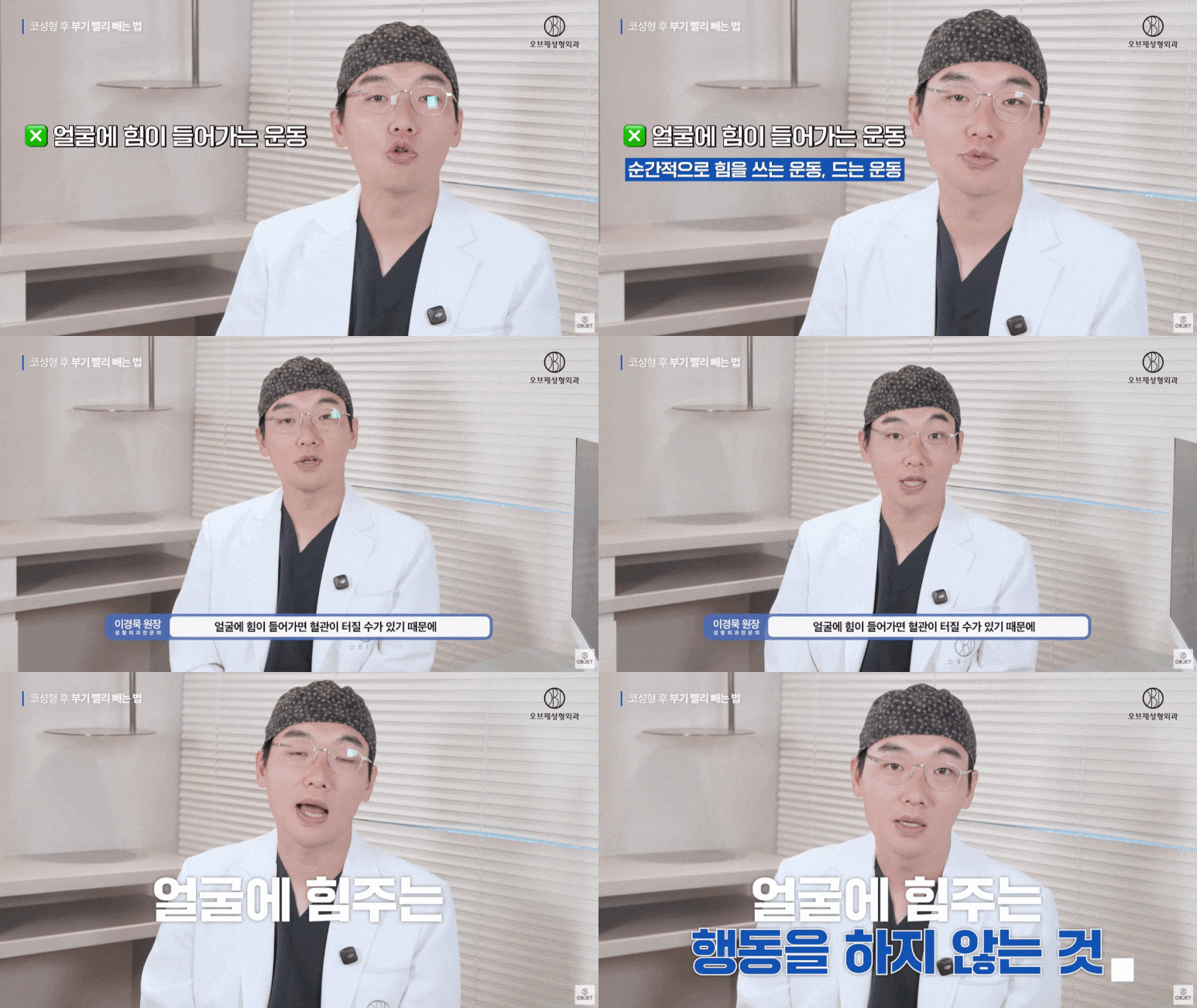
When you exercise, your muscles contract and relax, compressing the blood vessels and lymphatic vessels. This improves the flow of stagnant blood and lymph fluid, allowing pooled blood and lymph fluid between tissues to be drained. As a result, swelling may improve.
Then, to shorten the rhinoplasty swelling period, is any kind of exercise okay?
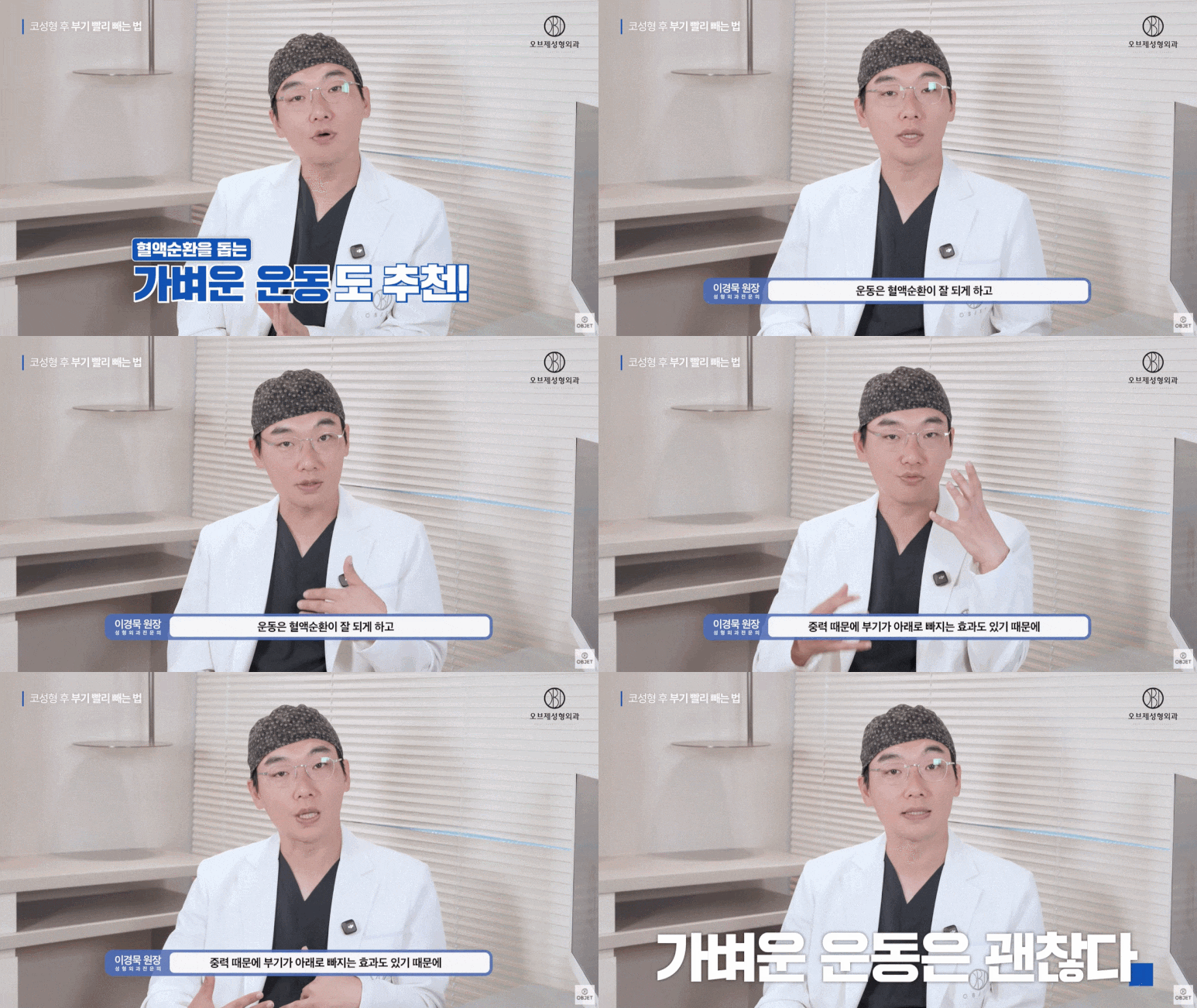
No, it is not. It is better to avoid exercises that strain the face. If you put force into your face, blood vessels may burst, which can cause blood to pool in the nose and lead to swelling.
After rhinoplasty, a light walk is good for reducing swelling. Walking helps improve blood circulation, so it can be considered a good exercise for easing swelling.
Does pumpkin juice really help with swelling?
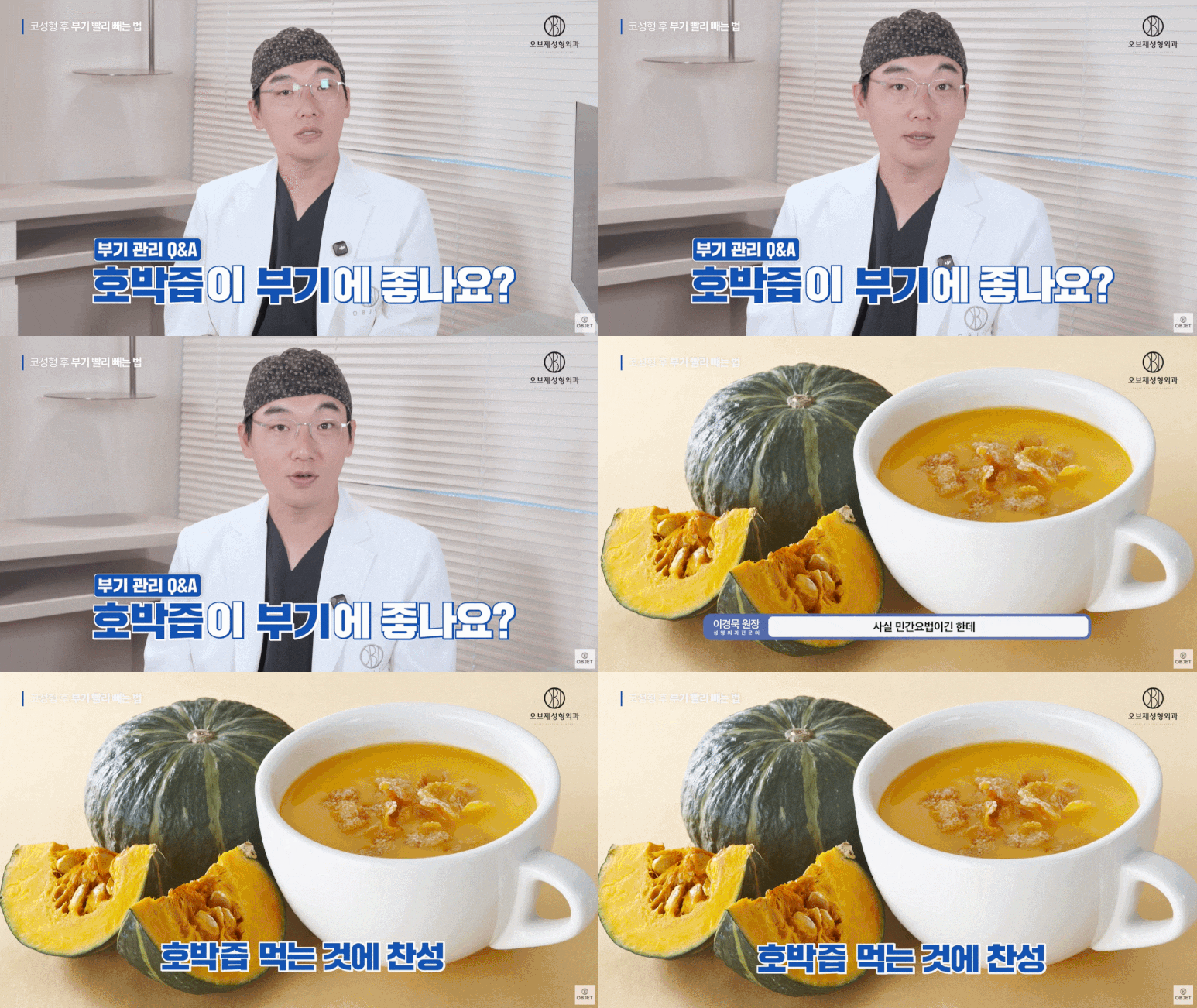
Although it is a folk remedy, drinking pumpkin juice does help reduce swelling. Since there are many research reports showing that swelling decreases when pumpkin juice is consumed, it is a good idea to drink it if you want to shorten the rhinoplasty swelling period.
Also, after rhinoplasty, soft foods are better than hard foods for recovery, so recovering while drinking pumpkin juice is also a good option.
After rhinoplasty, cold compress or warm compress?
Which is better for reducing swelling?
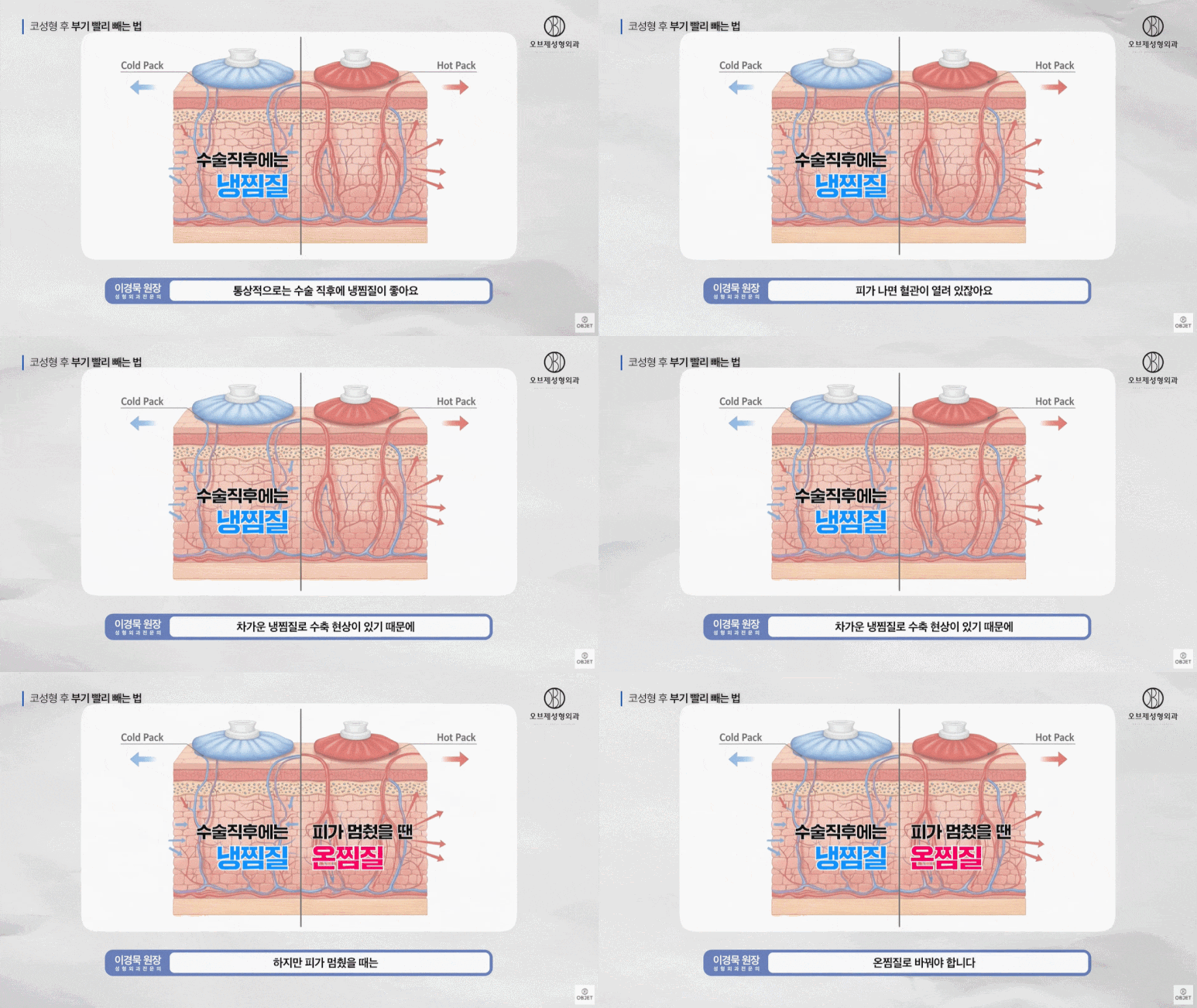
Many people wonder whether cold compresses or warm compresses are better after cosmetic surgery.
Immediately after surgery, cold compresses are good. When you undergo rhinoplasty, incisions leave blood vessels open. At this time, applying a cold compress causes blood vessels to constrict, which helps reduce bleeding and the amount of blood pooling in the nose, aiding swelling relief.
About 2 to 3 days after surgery, warm compresses are recommended. Warm compresses relax the blood vessels and help promote blood circulation. If you apply warm compresses after bleeding has stopped following rhinoplasty, the pooled blood can circulate and swelling may decrease.
In other words, it is best to use cold compresses for up to 2 days after surgery, and warm compresses after that.
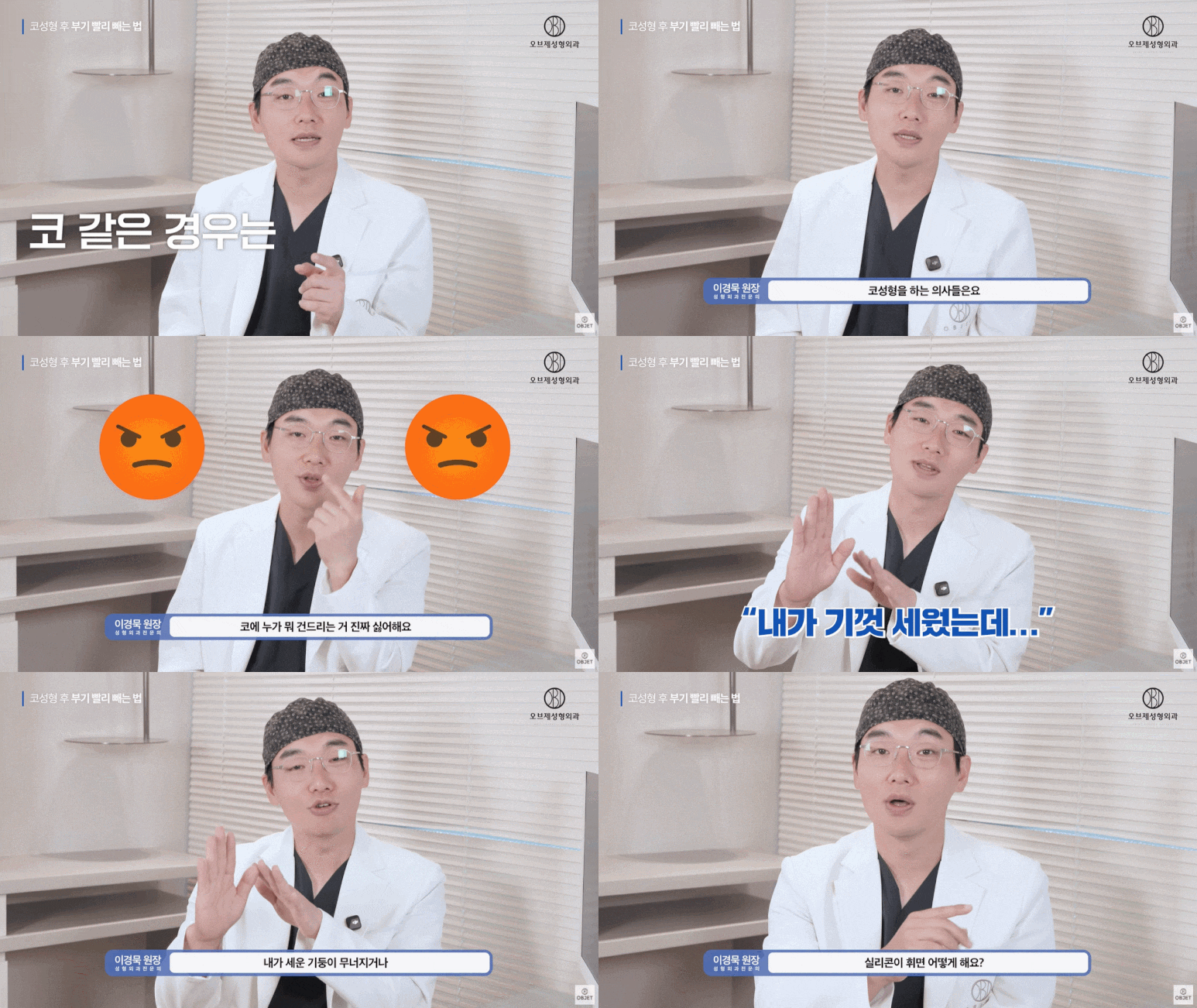
However, you should be careful when applying compresses after rhinoplasty. In rhinoplasty, silicone or cartilage is used to raise the nose, but soon after surgery, the silicone and cartilage have not yet settled properly. A splint is used to help them set in place correctly.
Because of this, while compresses are fine, placing a compress pack directly on top of the splint is not recommended. If a compress pack is placed on the splint, the splint may move, which can also stimulate the nose and potentially cause the silicone to collapse or bend.
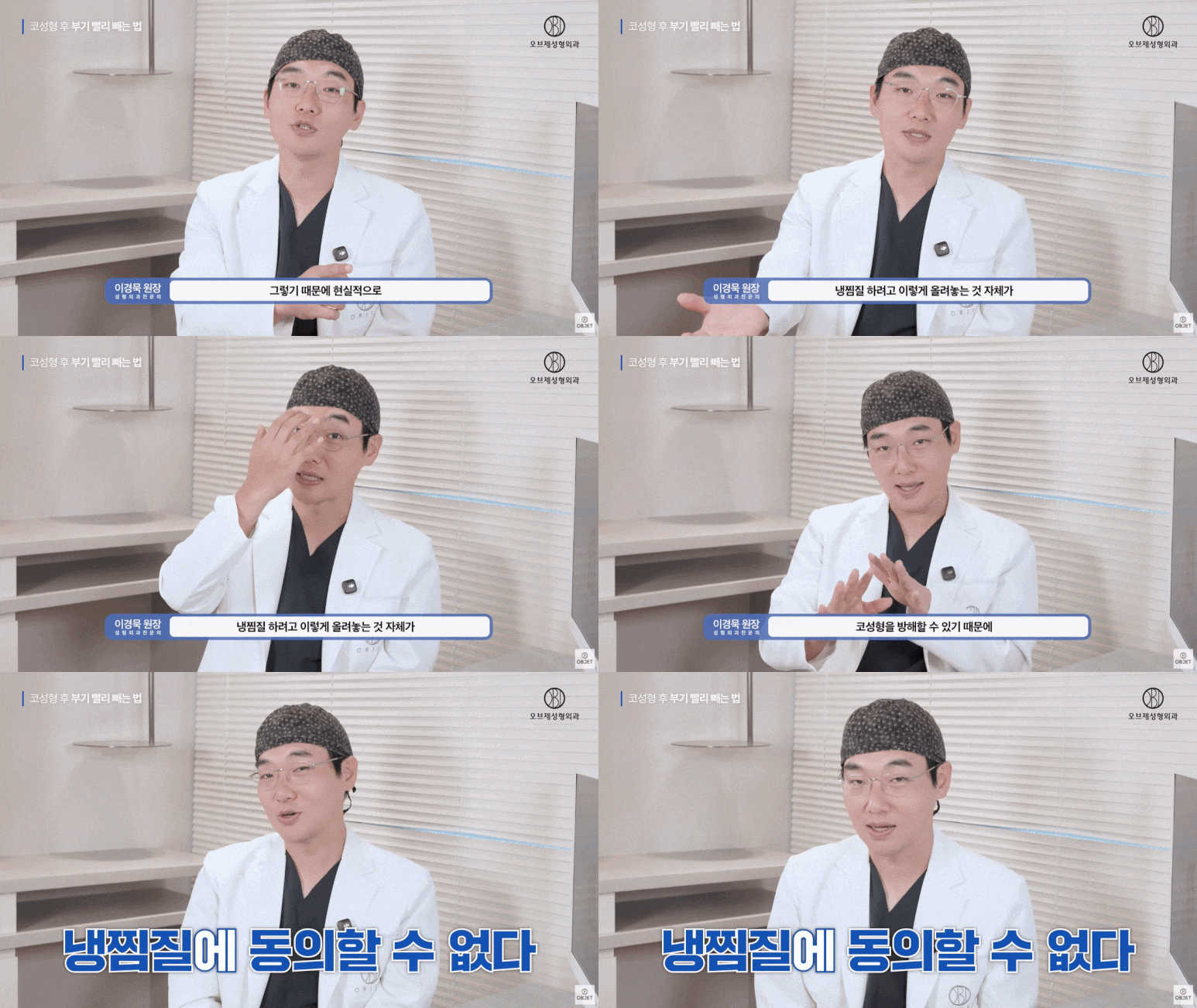
Therefore, if you want to shorten the swelling period after rhinoplasty by using compresses, it is better to apply them to the cheeks and eye area around the nose rather than directly on the splint.
Smoking vs. drinking
Which is worse for rhinoplasty swelling?
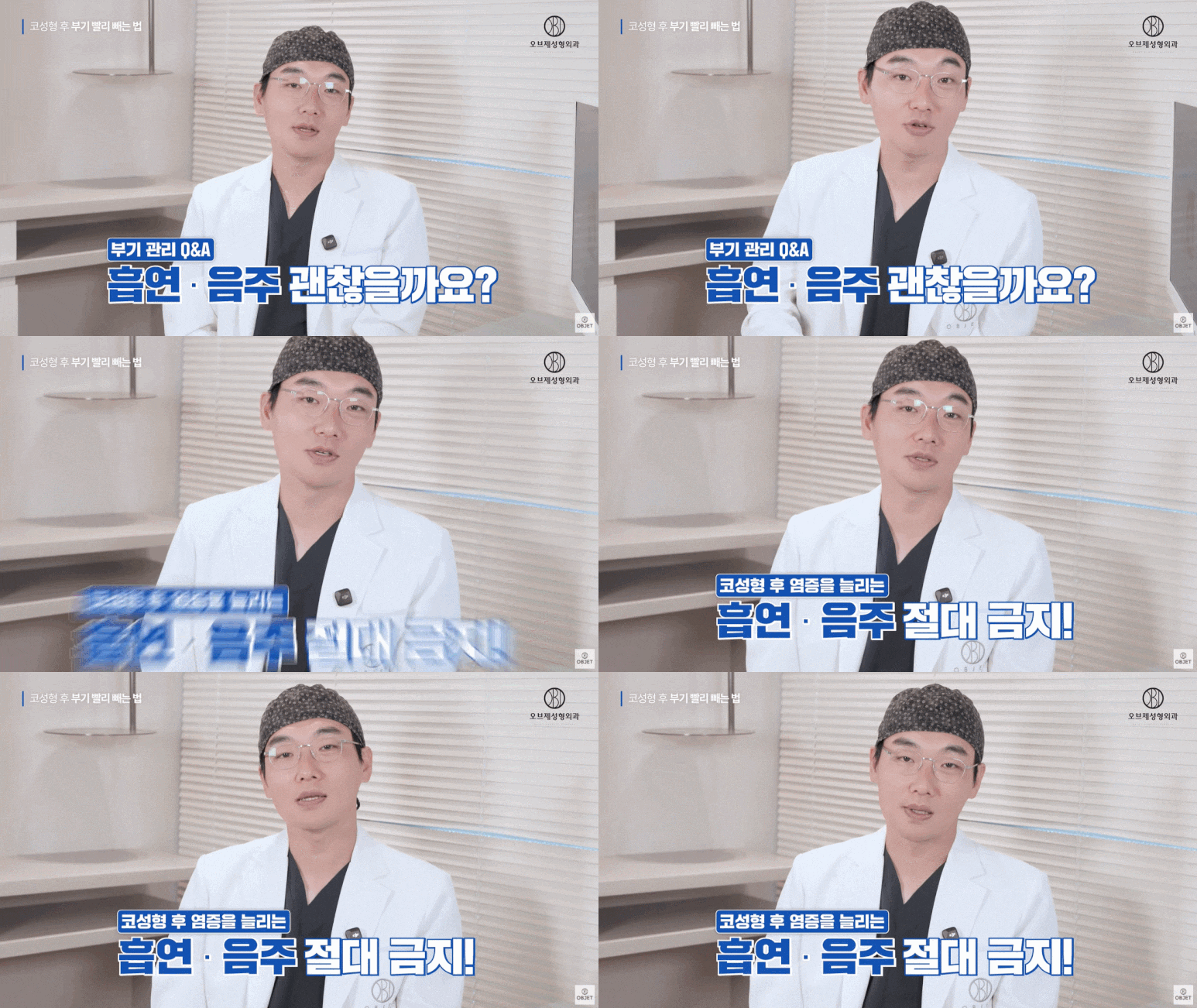
Both smoking and drinking are not good for recovery after rhinoplasty. These two are bad for swelling, but they are even more dangerous because they can cause inflammation at the surgical site.
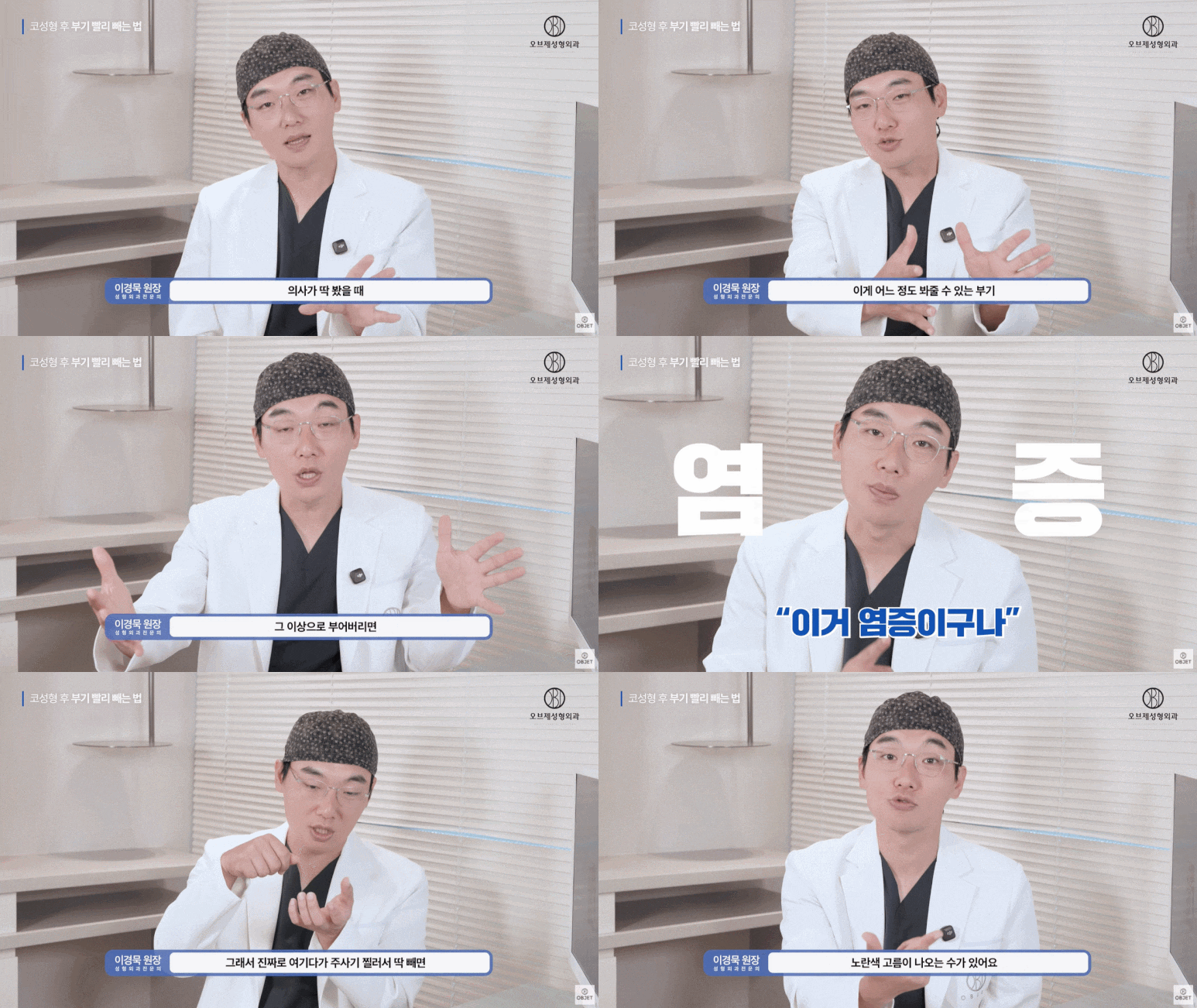
After rhinoplasty, some swelling can occur at the surgical site due to lymph fluid expansion or pooled blood. However, if the area becomes excessively swollen beyond a certain point, it is more likely to be inflammation rather than simple swelling. In fact, in patients with severe swelling, when the area is punctured with a syringe, yellow pus often comes out.
Then what is worse for inflammation after rhinoplasty?
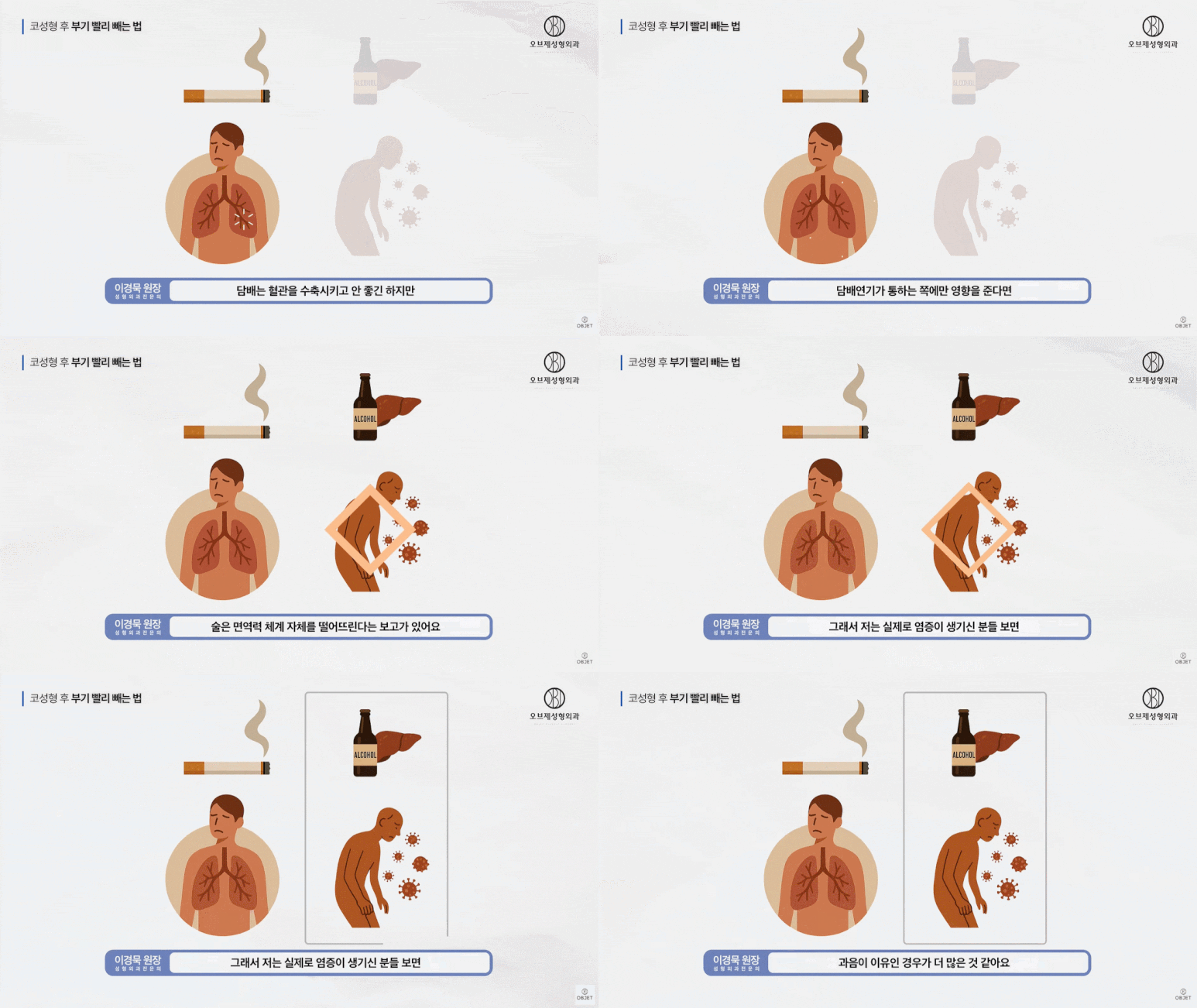
Smoking causes nicotine to narrow blood vessels, reducing the blood flow to the surgical site. This lowers the supply of oxygen and nutrients and slows wound healing.
Drinking alcohol reduces the blood’s clotting function, causing bleeding and bruising to last longer. There are also reports that alcohol weakens immune function by lowering the activity of white blood cells. Drinking can reduce the body’s overall immunity, making inflammation more likely.
So after rhinoplasty, you should be careful with both smoking and drinking, but please be especially cautious with alcohol.
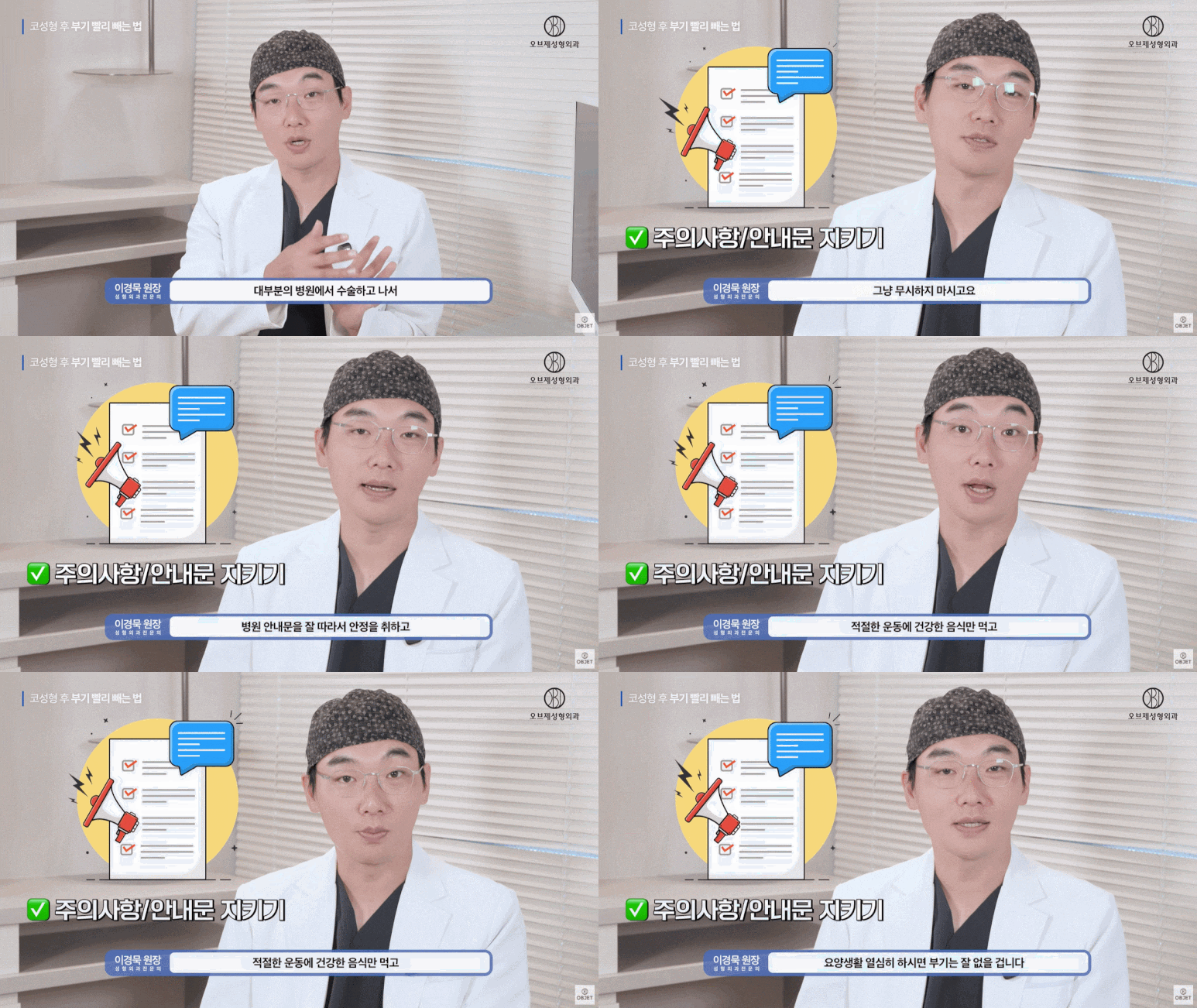 Today, we took time to organize the things you should know to shorten the rhinoplasty swelling period. After rhinoplasty, if you follow the instructions given by the clinic, rest well, and eat properly while doing appropriate exercise and healthy meals, you do not need to worry too much about swelling.
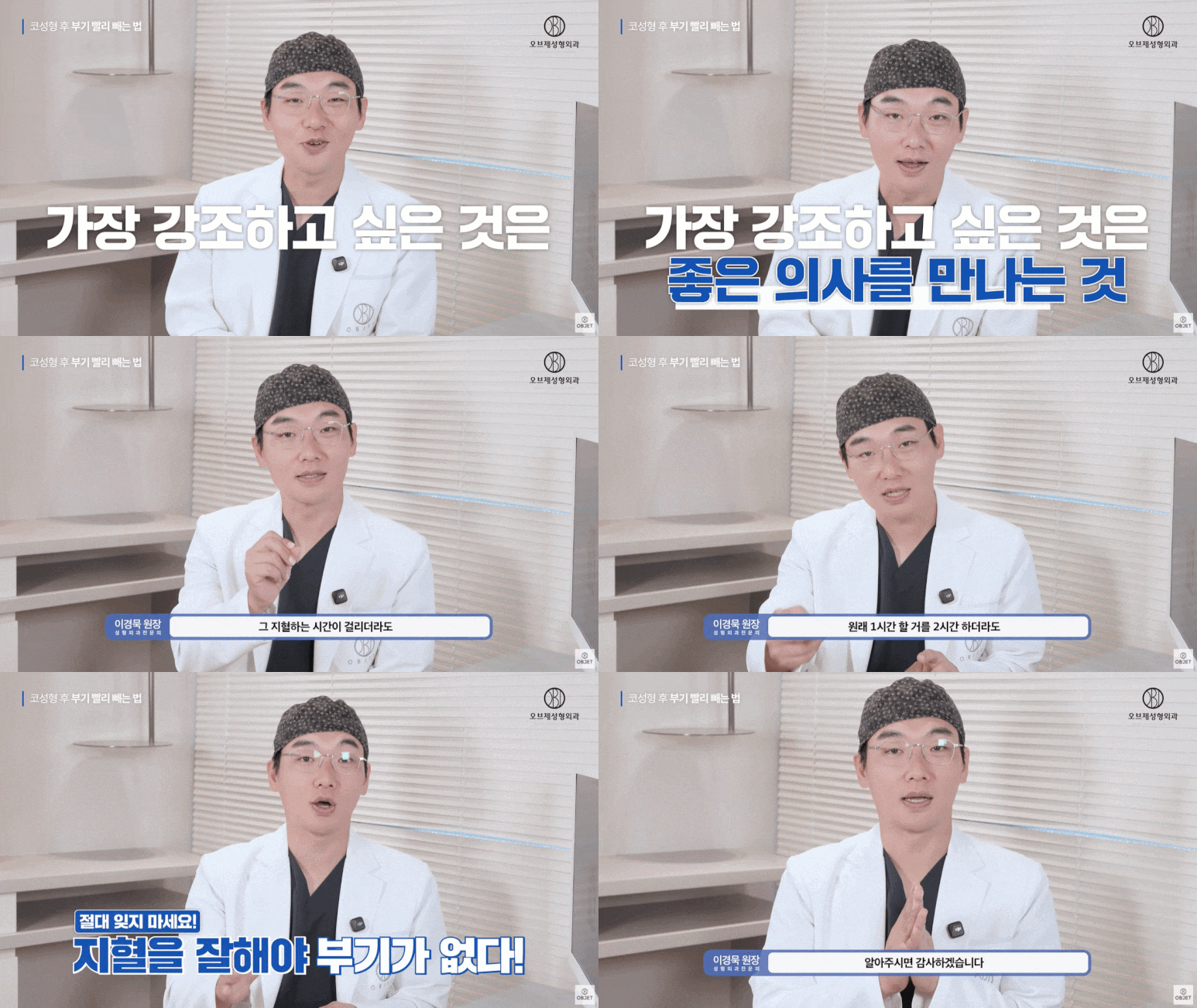 What we would like to emphasize once again, however, is that you should receive rhinoplasty from a skilled medical team. Depending on the surgeon’s technique, swelling after surgery and the final outcome can be affected.
Director Lee Kyung-mook of Objet Plastic Surgery has long performed plastic surgery procedures that improve many patients’ nasal concerns. He has continued researching not only how to simply raise the nose, but also how to maintain a beautiful nose for a long time without contracture, and what design should be used for rhinoplasty based on each patient’s unique face.
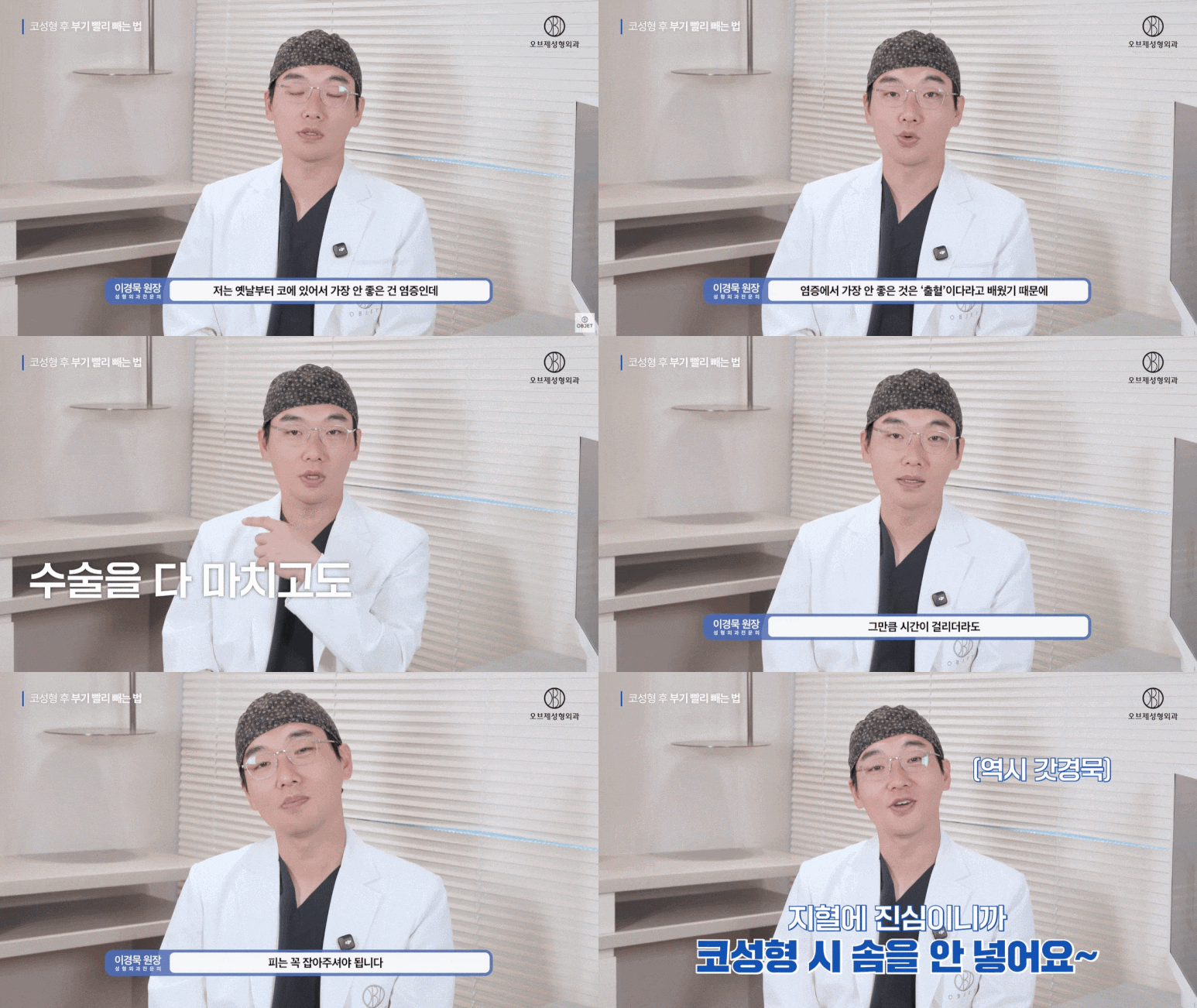
Director Lee Kyung-mook believes that hemostasis is the most important part of rhinoplasty. That is why, even if hemostasis takes one or two hours, he controls all bleeding and then completes the surgery. The reason is that the worst thing for rhinoplasty is inflammation, and he believes the main cause of inflammation is bleeding.
Therefore, if bleeding is still visible after hemostasis and finishing the rhinoplasty, Director Lee will reopen the area, control all bleeding, and then finish again. Even if it takes time, he controls all bleeding, which makes it possible to complete rhinoplasty without packing the nose with gauze. In fact, many patients say they are satisfied because they can live more comfortably without nasal packing and because the swelling goes down quickly.
To shorten the rhinoplasty swelling period, it is important to follow the instructions carefully, but it is also important which medical team you choose for the surgery. If you want to reduce swelling and recover quickly after rhinoplasty, we recommend receiving surgery from a team that performs careful hemostasis.
If you have any further questions about rhinoplasty, please visit Objet for a consultation. We will answer each of your questions in detail.
This has been Objet Plastic Surgery. Thank you.
<Video that may also be helpful>
| Rhinoplasty consultation and inquiries |
|---|
| Quick phone consultation |
| Kakao easy consultation |
-
This post is medical information written by Objet Plastic Surgery Clinic in compliance with the Medical Advertising Act.
-
Depending on the individual, the effectiveness of the procedure may vary, and side effects may occur.
We recommend that you consult thoroughly with medical staff in advance before deciding on the procedure.