Is recurrence of lower eyelid fat repositioning due to ○○?
- Summary by Dr. Kim Hyun-jo
Hello.
This is Obje Plastic Surgery.
If you are reading this article,
you may have undergone lower eyelid fat repositioning
and after not much time,
your under-eye area became puffy again,
or you heard that this happened to someone around you
and are trying to find out
why this happened.
Recurrence of lower eyelid fat repositioning does not happen simply because of bad luck.
It often happens when something is missed during the surgery.
Today, I will explain why recurrence happens,
focusing on the key reasons,
one by one.
If you read to the end,
you will clearly understand
what points you must check before undergoing lower eyelid fat repositioning.
Recurrence of lower eyelid fat repositioning:
the cause lies in the 'septum'
Under the eyes, there is a pouch-like membrane
that surrounds the fat.
This is called the 'orbital septum.'
Simply put, it is a membrane that holds the fat in place
to keep it from protruding.
When you are young, this septum
firmly supports the fat.
But as time passes,
the septum also loses elasticity
and becomes stretched.
A stretched septum
can no longer properly hold the fat in place,
and as a result, the under-eye fat
is pushed forward
and becomes bulged.
But when you undergo lower eyelid fat repositioning,
if only the fat is reorganized
and the septum is left as it is,
what happens?
The septum remains stretched.
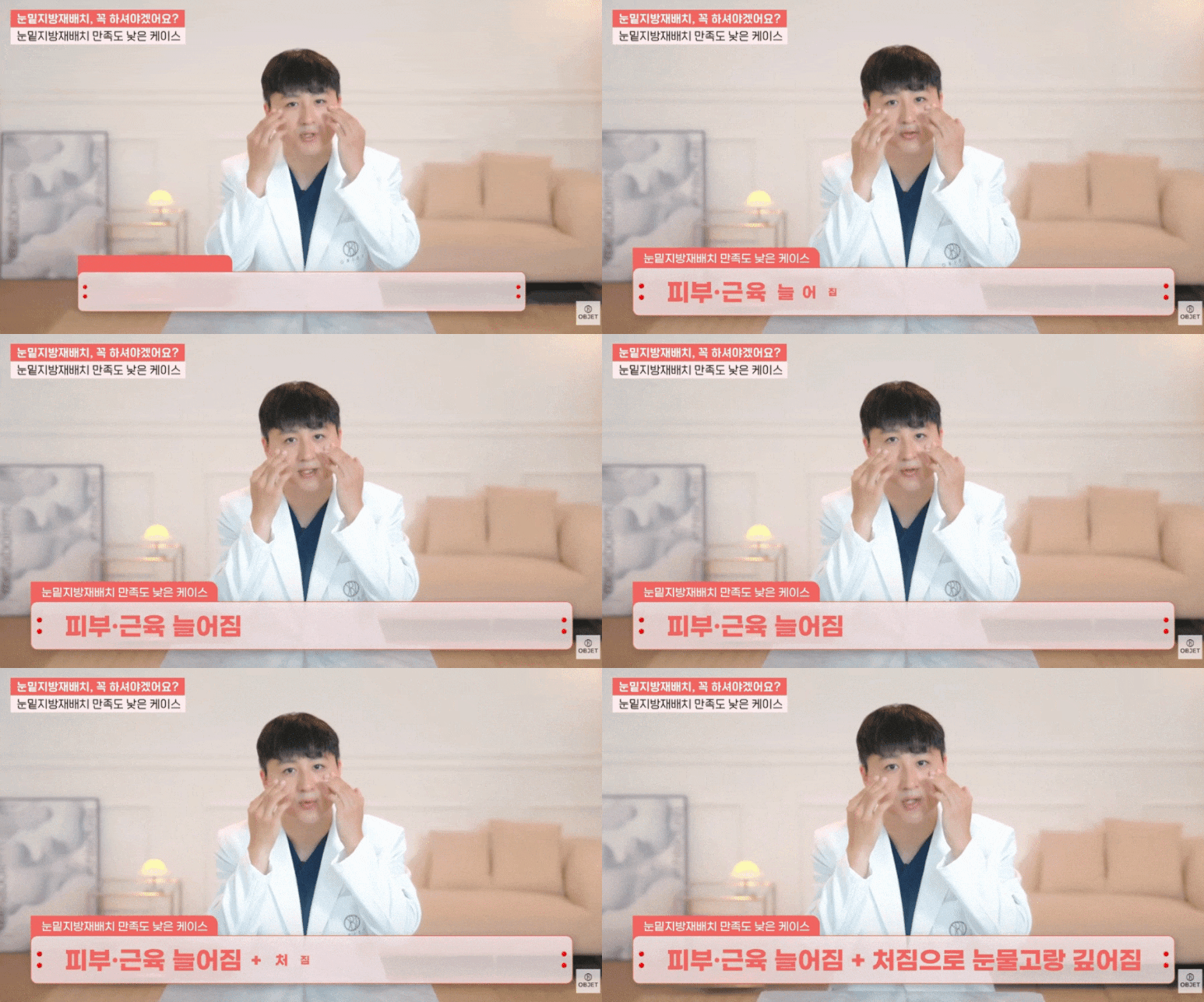
Even if the fat is temporarily rearranged,
if the septum remains stretched,
as time passes,
the fat will inevitably push out again.
This is the most common reason
for recurrence of lower eyelid fat repositioning.
What is the key to preventing recurrence?
<Septum reinforcement>
Septum reinforcement is a process that must be performed
together with lower eyelid fat repositioning.
After moving and arranging the fat
from under the eye toward the upper cheekbone area,
the stretched septum must also be tightened
and reinforced.
Only with this process
can the repositioned fat stay in place,
and the septum can properly resume its role
of holding the fat in place.
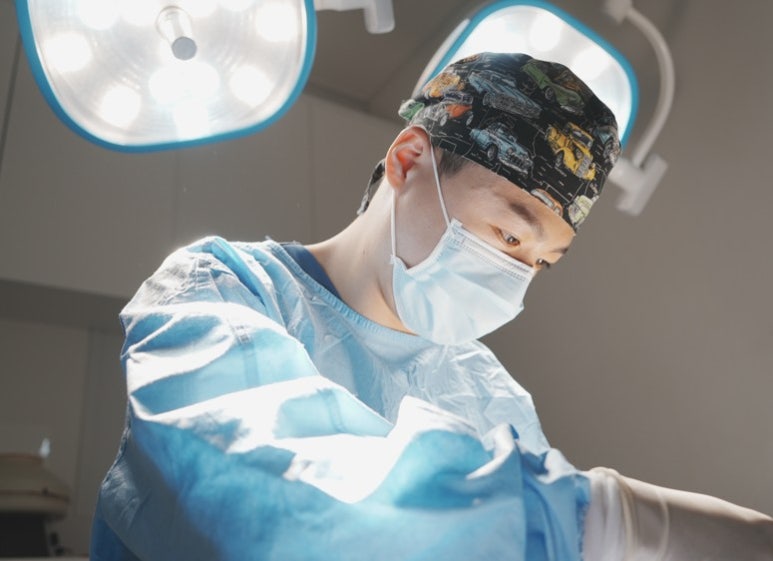
The term septum reinforcement may feel unfamiliar,
so I’ll explain it in simple terms.
Around the under-eye fat,
there is also tough tissue
that supports the septum.
If this tissue is pulled toward the bone
and secured by suturing it to the periosteum
that covers the bone,
the septum and the surrounding structures
become firmly supported.
This can physically suppress the force
that pushes the fat forward,
and the repositioned fat can also stay in place.
It’s such an important step,
so why don’t some clinics do it?
If septum reinforcement is that important,
why don’t all clinics perform it?

The reason has to do with the surgical range and difficulty.
To properly reinforce the septum,
a sufficient space must be secured
from under the eye to above the cheekbone.
Only when that space is 확보ed
can the surgeon access the septum
and tighten and fix it in place.
Adding this step makes the surgery longer
and requires greater skill from the surgeon.
On the other hand, a method that only removes some of the fat
is relatively easier to access
and takes less time.
Also, because the two outcomes can look similar
immediately after surgery,
there are many cases where septum reinforcement is skipped
and simply not performed.
The problem, however,
is that if septum reinforcement is not performed,
the under-eye condition begins to change
as time passes.
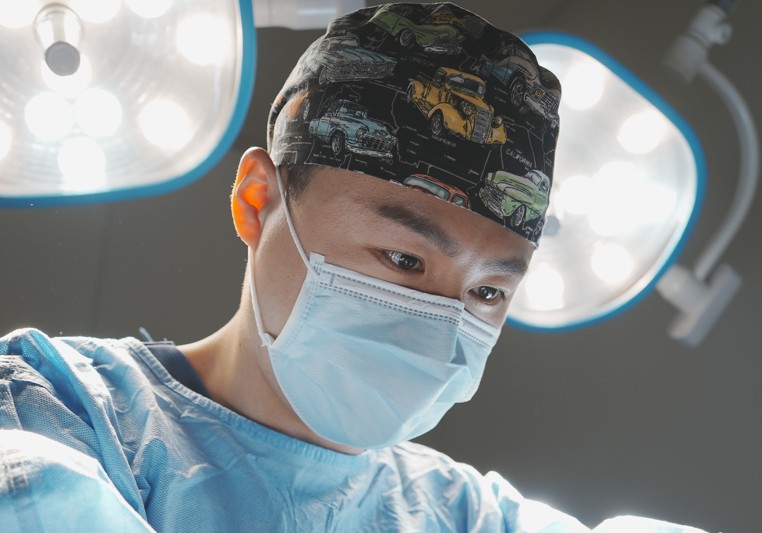
That is why whether septum reinforcement is included
is an important standard
that determines the quality of the surgery.
At Obje Plastic Surgery,
we view septum reinforcement as a key part
of lower eyelid fat repositioning,
and we perform it carefully.
Even though it is called the same lower eyelid fat repositioning procedure,
whether septum reinforcement is performed together
or not
can affect the result over time.
“How can I tell whether the clinic I’m planning to visit
performs septum reinforcement?”
The answer is simple.
When you consult for lower eyelid fat repositioning,
ask this one question directly.
"Do you also perform septum reinforcement?"
This one question is the fastest way to confirm
the clinic’s surgical approach.
If a clinic includes septum reinforcement as a standard step,
they will explain in detail
how they perform it.
Conversely, if there is no clear answer
or the explanation is vague,
you should think twice.
Surgery is difficult to reverse once it is done.
If you are worried about recurrence of lower eyelid fat repositioning,
carefully checking during the consultation stage
is the most practical way to prevent it.
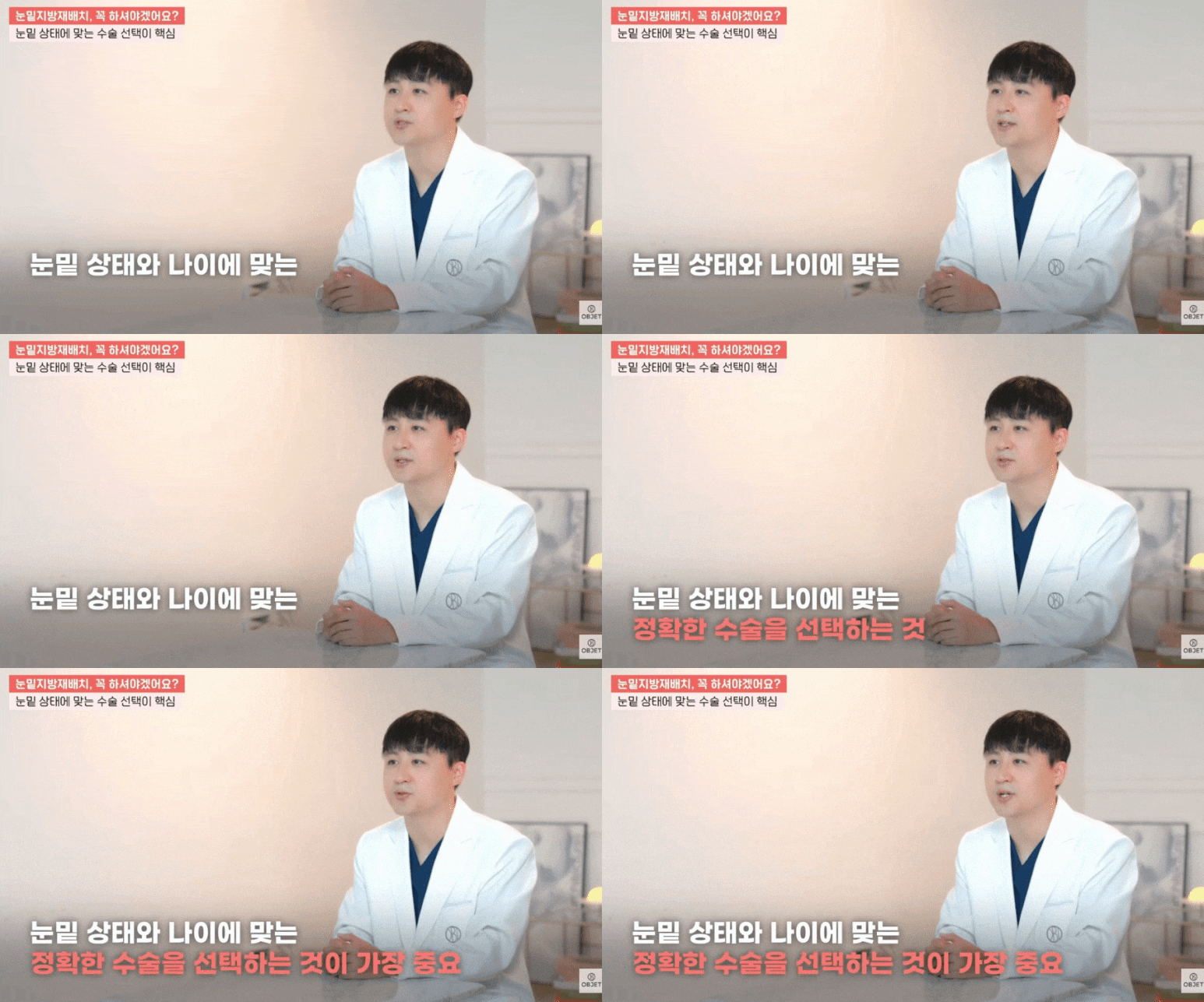
Today, we looked at the key reason
for recurrence of lower eyelid fat repositioning:
the septum.
If you are carefully considering your options,
you are doing the right thing.
The eyes are the center of the face,
and one choice can greatly affect the result.
Please be sure to check before surgery
whether septum reinforcement is properly performed.
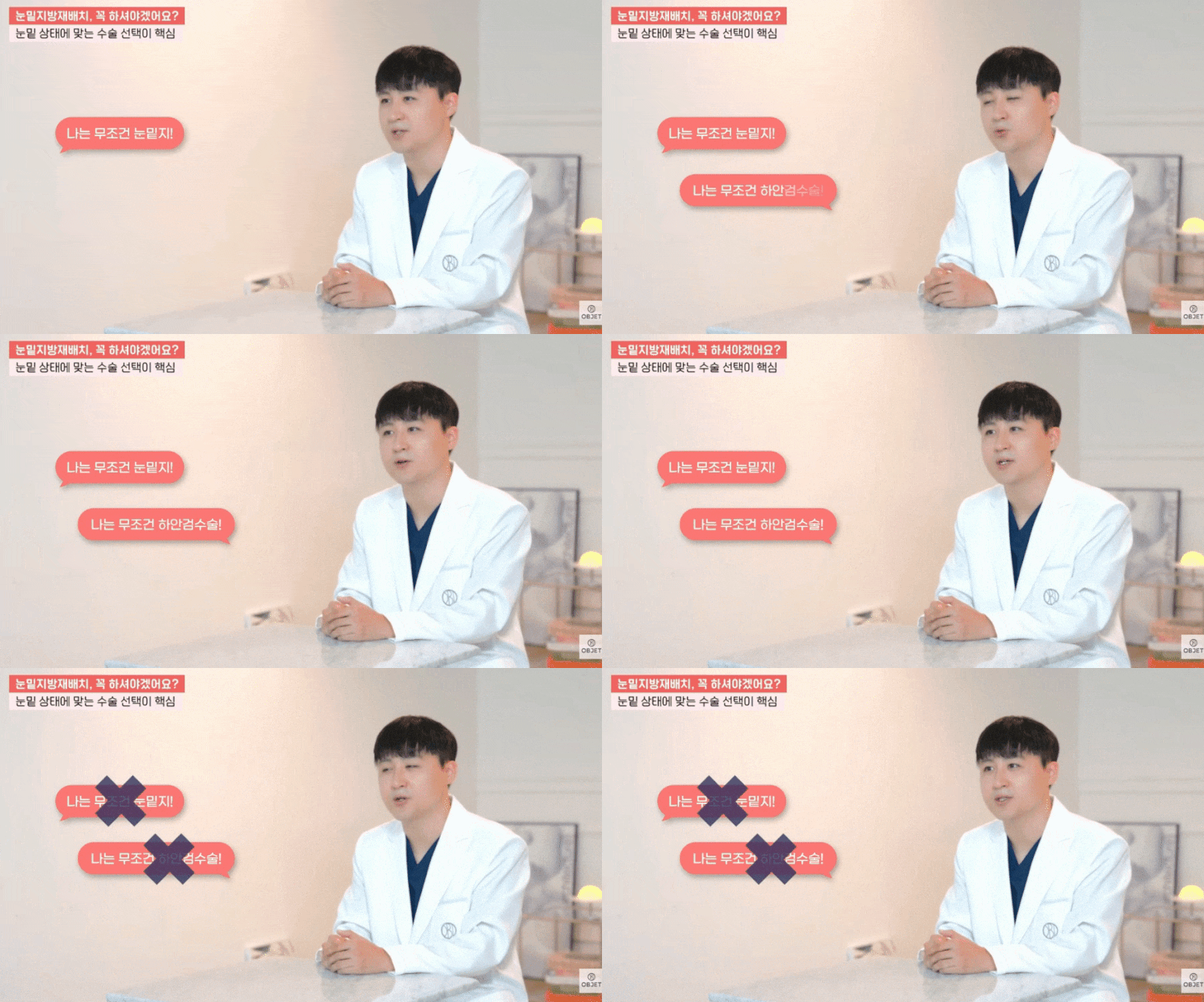
Dr. Kim Hyun-jo of Obje Plastic Surgery
has built deep experience in the field of middle-aged eye surgery,
and carefully assesses the condition of the tissues around the eyes
while providing each patient with guidance
that suits their individual needs.
Calm and precise care,
along with high satisfaction with surgical results,
are Dr. Kim Hyun-jo’s strengths.
I hope this article was helpful
for those considering lower eyelid fat repositioning.
This has been Obje Plastic Surgery.
Thank you.
<🔽🔽Helpful video to watch together🔽🔽>
| Consultation and inquiries for lower eyelid fat repositioning |
|---|
| Phone quick consultation |
| Kakao convenient consultation |
-
This post is medical information written by Obje Plastic Surgery Clinic in compliance with the Medical Advertising Act.
-
The effect of the procedure may vary depending on the individual, and side effects may occur.
We recommend that you make your decision only after having sufficient consultation with medical staff in advance.