If you choose non-incisional double eyelid surgery, does it come undone quickly?
Dr. Park Si-hyun’s <Dispelling the Myth>
Hello.
This is Objet Plastic Surgery Clinic.
When looking into non-incisional double eyelid surgery,
there is a phrase you are likely to hear at least once somewhere.
"The buried method comes undone quickly."
"If you want it to last, the incisional method is the right choice."
Once this kind of statement sticks in your mind,
anyone considering the buried method may start to feel uncertain.
But then, choosing the incisional method right away can also make you worry about the recovery period,
and it may become difficult to even decide what criteria to use
for choosing the right method.
Today, we would like to clear up that misunderstanding directly.
Whether the buried method is really a procedure that comes undone easily,
and how to decide on a double eyelid surgery method,
we will go through each point one by one,
so if you read to the end, it should be helpful.
Is non-incisional double eyelid surgery
really undone quickly?
First, let’s start with the conclusion.
It is not because the buried method is a non-incisional technique that it comes undone quickly.
It happens when a method that does not suit the condition of your eyes is chosen.
In that case, the line may not be maintained for long.
The buried method fixes the line with sutures without making an incision in the skin.
Because there is no incision, recovery is faster and swelling is less pronounced.
However, this method is not equally suitable for every eye.
If the eyelid skin is thick
or there is a lot of fat in the eyelid,
the durability of the line fixed with sutures may be relatively weaker.
On the other hand, if the skin is thin and the eyelids are light,
there are many cases where the buried method can maintain a line naturally and for a long time.
In the end, the issue is not with non-incisional double eyelid surgery itself,
but with whether the method matches the condition of your eyes.
Incisional vs. buried method,
the <real criteria> for deciding
During double eyelid surgery consultations,
several items are carefully examined.
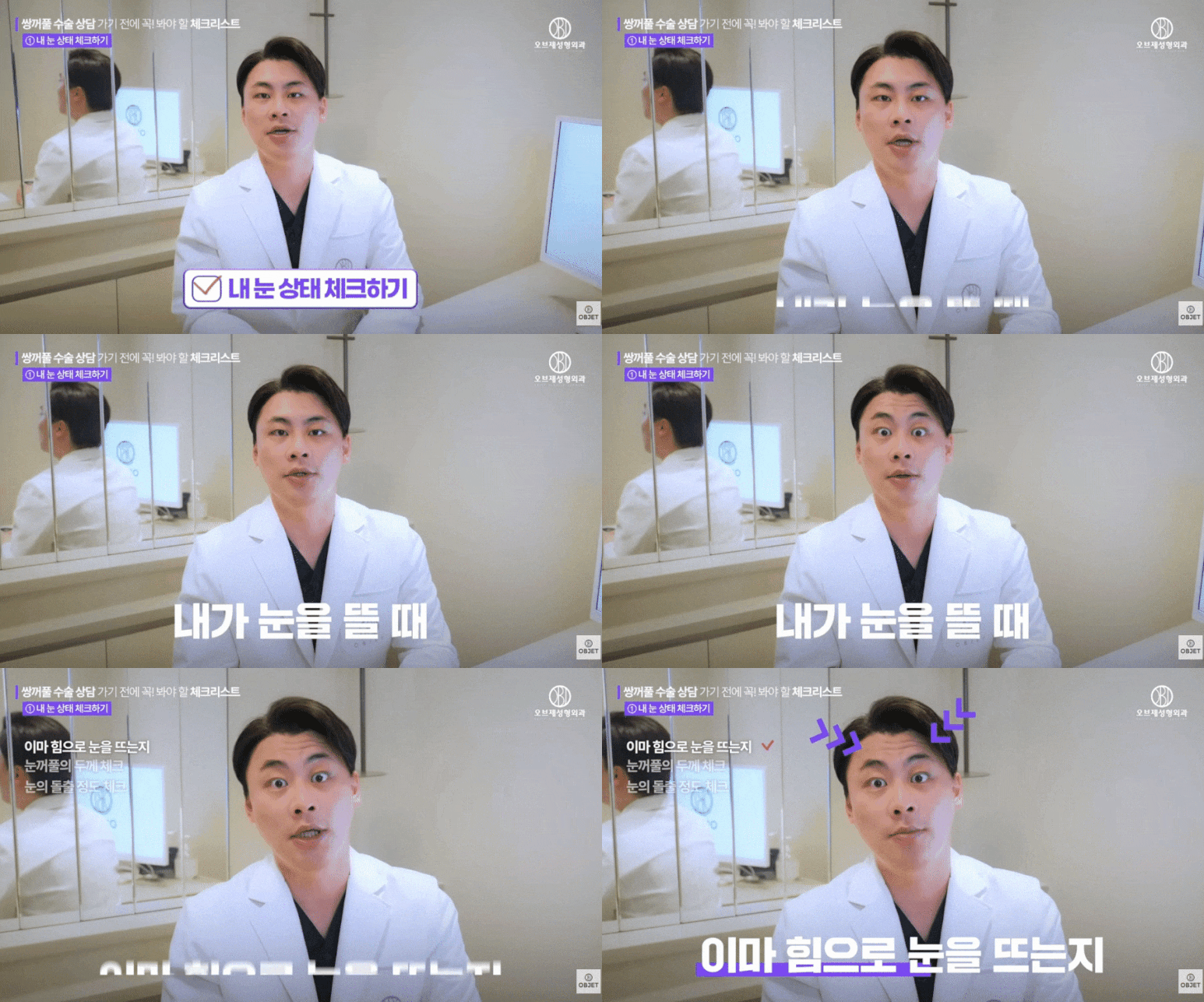
Whether you use your forehead muscles when opening your eyes,
how thick the eyelids are,
how much fat there is in the eyelids,
and what the overall structure of the eyes looks like.
By combining these factors,
we determine which direction is more appropriate
between the buried method and the incisional method.
If the skin is thick and there is a lot of eyelid fat,
there are many cases where the incisional method can produce more stable results than the buried method.
On the other hand, if the skin is thin and the eyelids are light,
the buried method can also be enough to achieve a natural result.
There is one point we should note here.
Some people think that "the incisional method looks unnatural."
If you choose the buried method for eyes that actually need an incision,
the result can end up looking awkward.
If your eyes need the incisional method,
choosing the incisional method will produce a much more natural and stable result than the buried method.
There is no absolute answer in the method itself,
whether it is buried or incisional.
The key is which method suits the structure of your eyes.
If you only choose the right method, is it guaranteed to succeed?
<This> is also important.
Along with choosing the method,
there is another important factor in the outcome of double eyelid surgery.
That is line design.
Even if you choose a method that suits your eye condition,
if the line itself does not fit your eye structure,
you may still feel disappointed with the result.
Everyone has different eye size,
eyelid thickness,
and distance between the eyes and eyebrows.
So even with the same double eyelid line,
it can look completely different depending on facial proportions.
That is also why,
if you copy a celebrity’s eyes exactly or request an excessive line,
the post-surgery result may differ from what you expected.
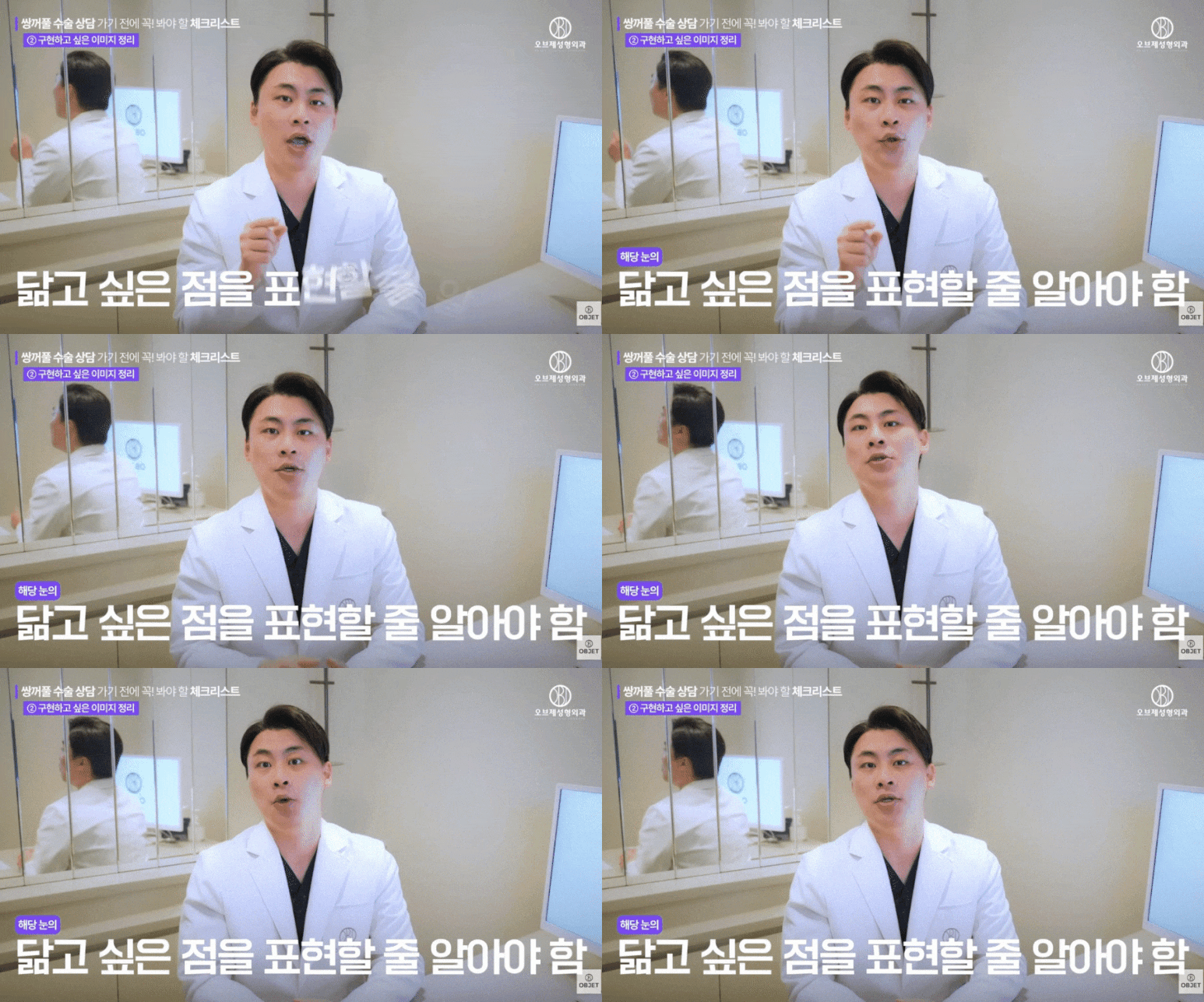
Finding the most natural and long-lasting line within your own facial proportions,
this process is important for keeping the result of double eyelid surgery satisfying over time.
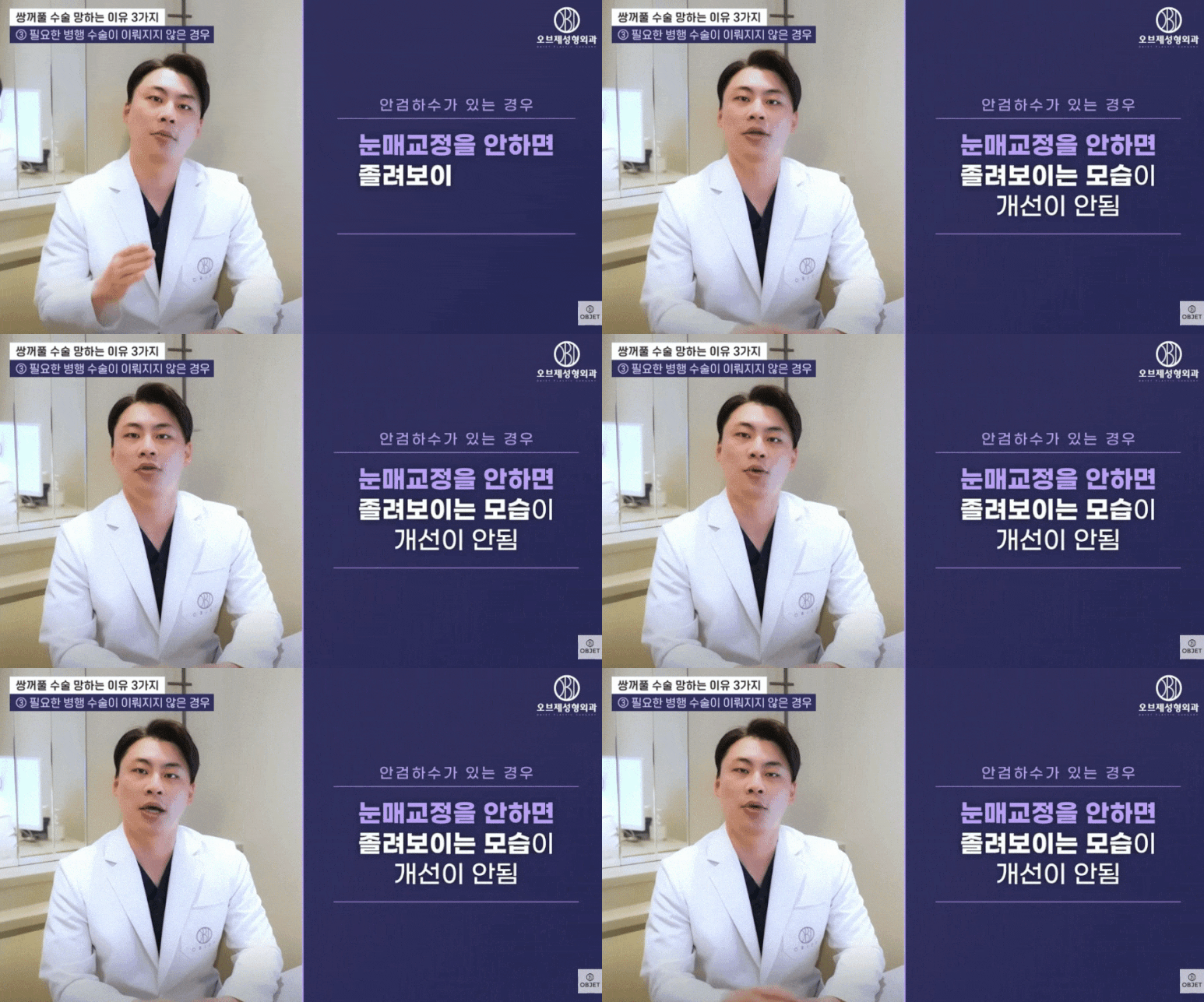
In addition, if you use a lot of forehead muscle when opening your eyes,
you should also check whether ptosis is present.
If you only undergo double eyelid surgery when ptosis is present,
your eyes may still look heavy,
or the result may go in a direction different from what you wanted.
As such, double eyelid surgery is not simply a matter of deciding on one method,
but a procedure that requires looking at the overall eye condition
and considering several factors together.
If you keep this in mind when making your choice,
you will be able to create beautiful double eyelids without regret.
Today, we looked at the misunderstandings surrounding non-incisional double eyelid surgery
and the real criteria for choosing a method.
There is no single correct answer when it comes to surgical methods.
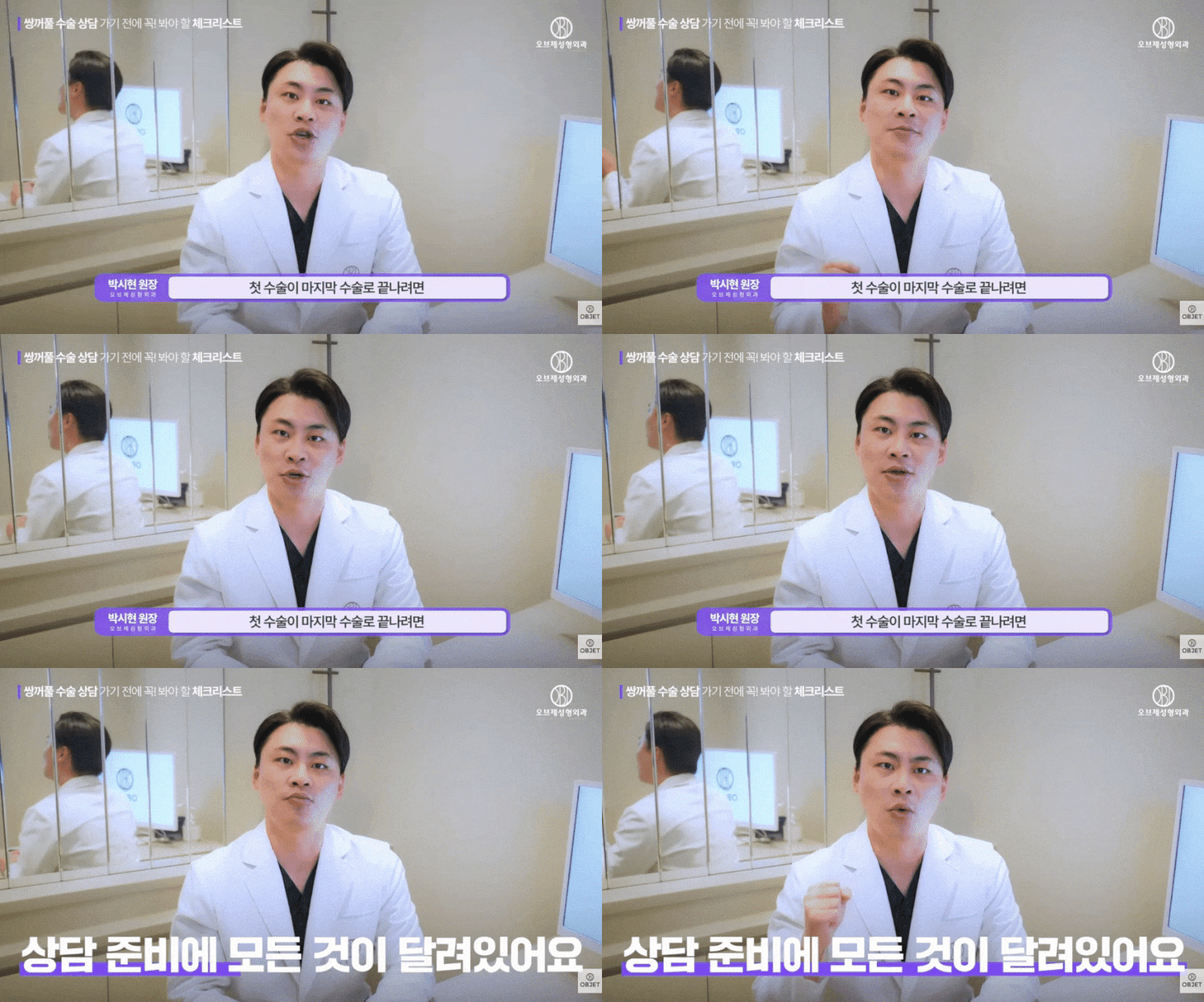
What matters is accurately understanding the condition of your eyes
and finding the direction that suits them.
Before your consultation, if you note whether you feel discomfort when opening your eyes
and organize a clear image of the eye shape you want,
the consultation can proceed in a much more specific way.
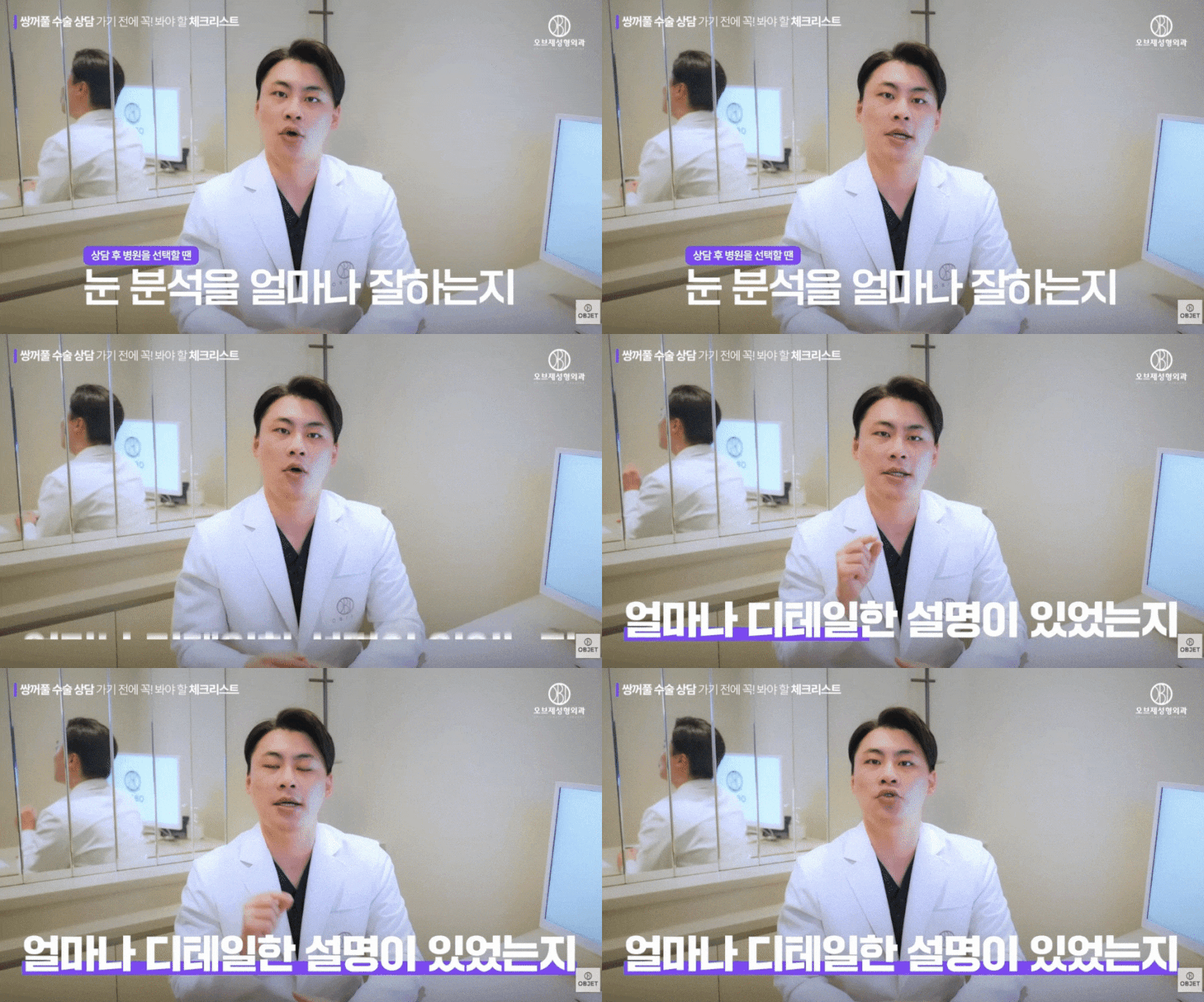
Dr. Park Si-hyun of Objet Plastic Surgery Clinic carefully examines
eyelid thickness and fat volume,
and the overall structure of the eyes,
then suggests the more suitable direction between the buried method and the incisional method,
and even at the line design stage,
he determines the surgical direction while considering facial proportions.
If you are considering double eyelid surgery,
we recommend starting with a consultation to check the condition of your eyes before deciding on the method.
This has been Objet Plastic Surgery Clinic.
Thank you.
<🔽🔽A video you may find helpful to watch together🔽🔽>
| Consultation and inquiries for eye surgery |
|---|
| Quick phone consultation |
| Kakao quick consultation |
-
This post is medical information written by Objet Plastic Surgery Clinic in compliance with the Medical Advertising Act.
-
Results may vary depending on the individual, and side effects may occur.
It is recommended that you have sufficient consultation with medical staff in advance before deciding on a procedure.