Is the recovery period after upper eyelid surgery long?
Dr. Kim Hyun-jo’s <Q&A>

Hello.
This is Obje Plastic Surgery.
If you clicked on this post,
you may be considering
upper eyelid surgery.
In fact, more often than deciding to have surgery,
the more practical concern is how many days recovery will take.
How many days should you tell your workplace you will need off,
when can you start making plans again,
and when will the swelling go down?
You’ve already decided on the surgery,
but because the recovery schedule is unclear,
it can be hard to choose a date right away.
So today,
we’re going to organize the recovery process
around three frequently asked questions
related to upper eyelid surgery.
How long recovery actually takes,
whether it is possible even if you have health issues,
and what to be careful about during recovery.
You can go through each point one by one,
so it may be helpful to read until the end.
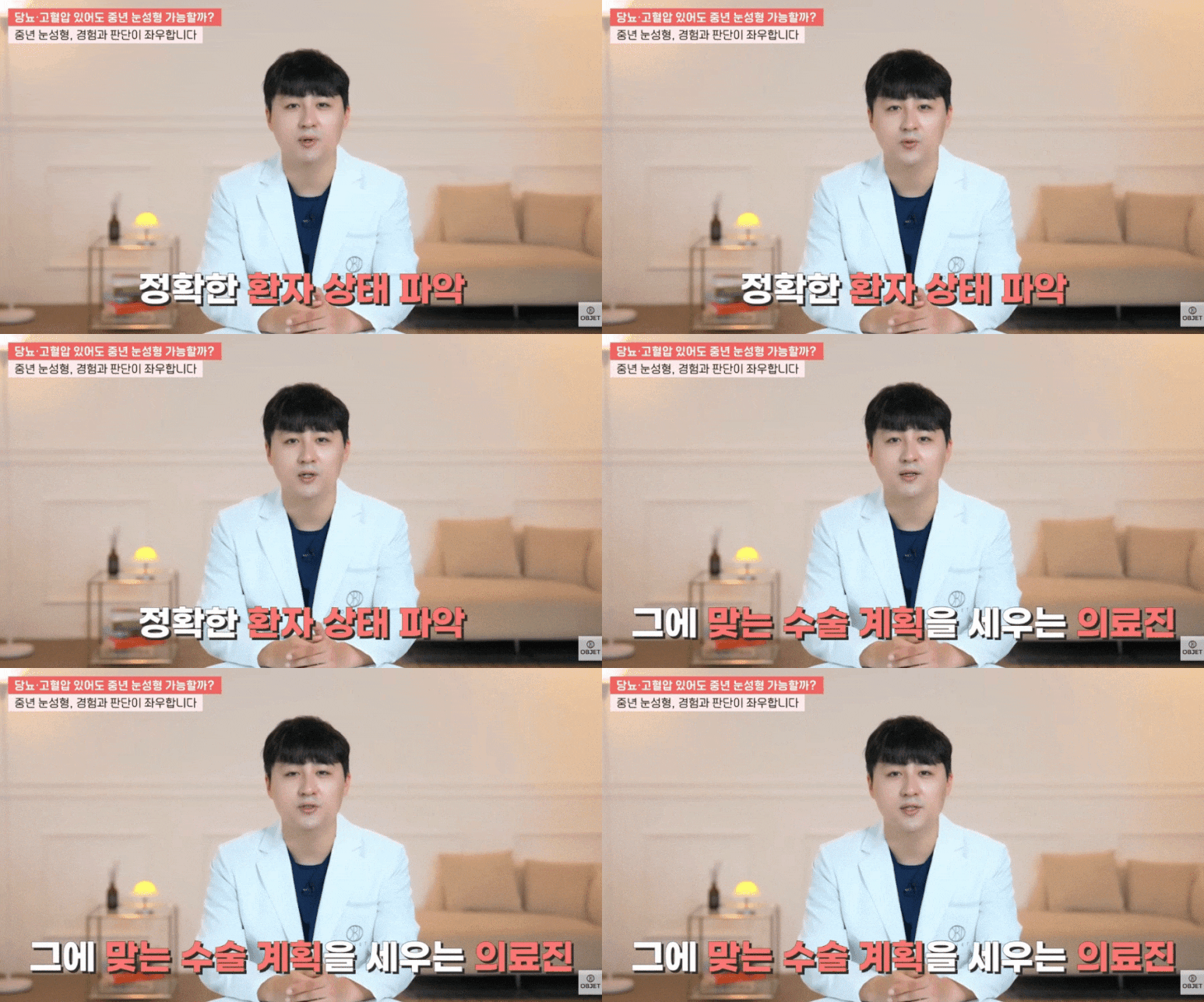
Q1. Upper eyelid surgery recovery period,
is it okay if I can only take a week off?
To get straight to the point,
it is difficult to completely hide the fact that you had surgery
with only one week.
To explain the recovery process roughly,
first, right after surgery,
the eyes swell quite a bit.
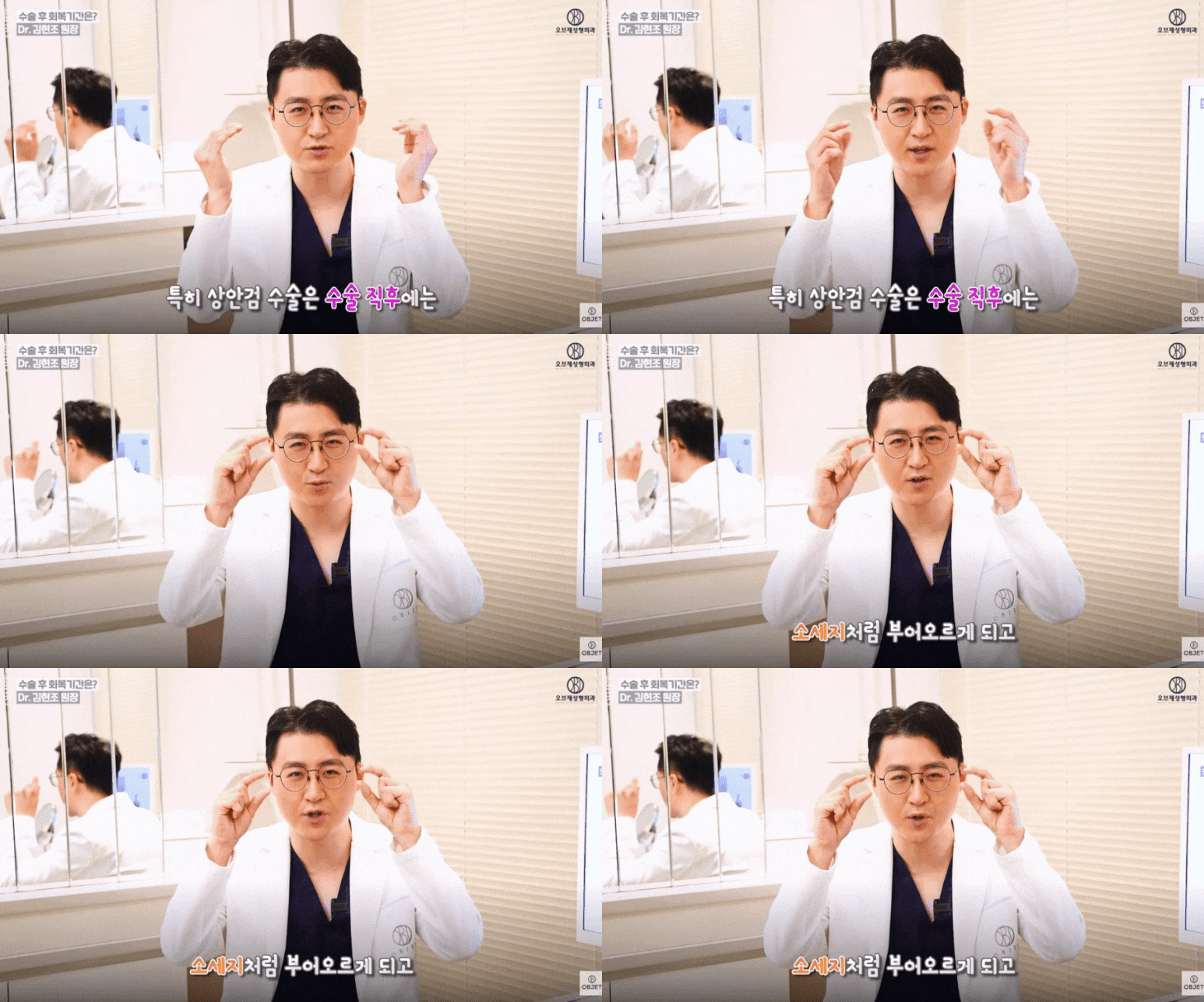
At first glance,
it may feel like a sausage has been placed there.
But this is
a natural reaction after surgery,
and it will subside over time.
Within one week after surgery,
swelling and bruising are at their most noticeable,
and stitches are removed during this period.
Around two weeks later,
most of the major swelling has gone down,
and light daily activities become possible.
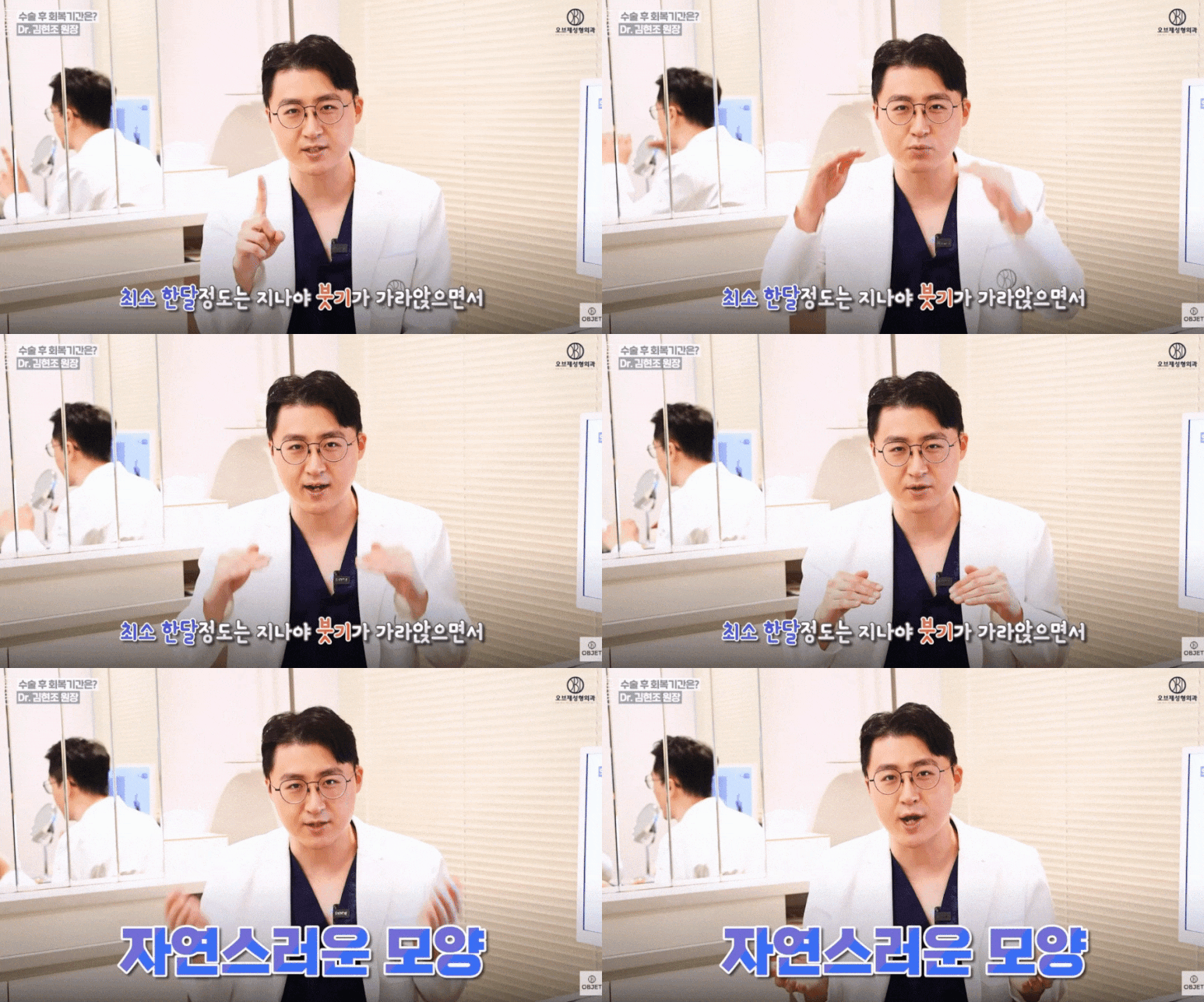
And after about 3 to 4 weeks,
the eye shape begins to change in a more natural direction,
and
it becomes possible to return without it being obvious to others.
However, it takes a little more time
before everything is fully settled.
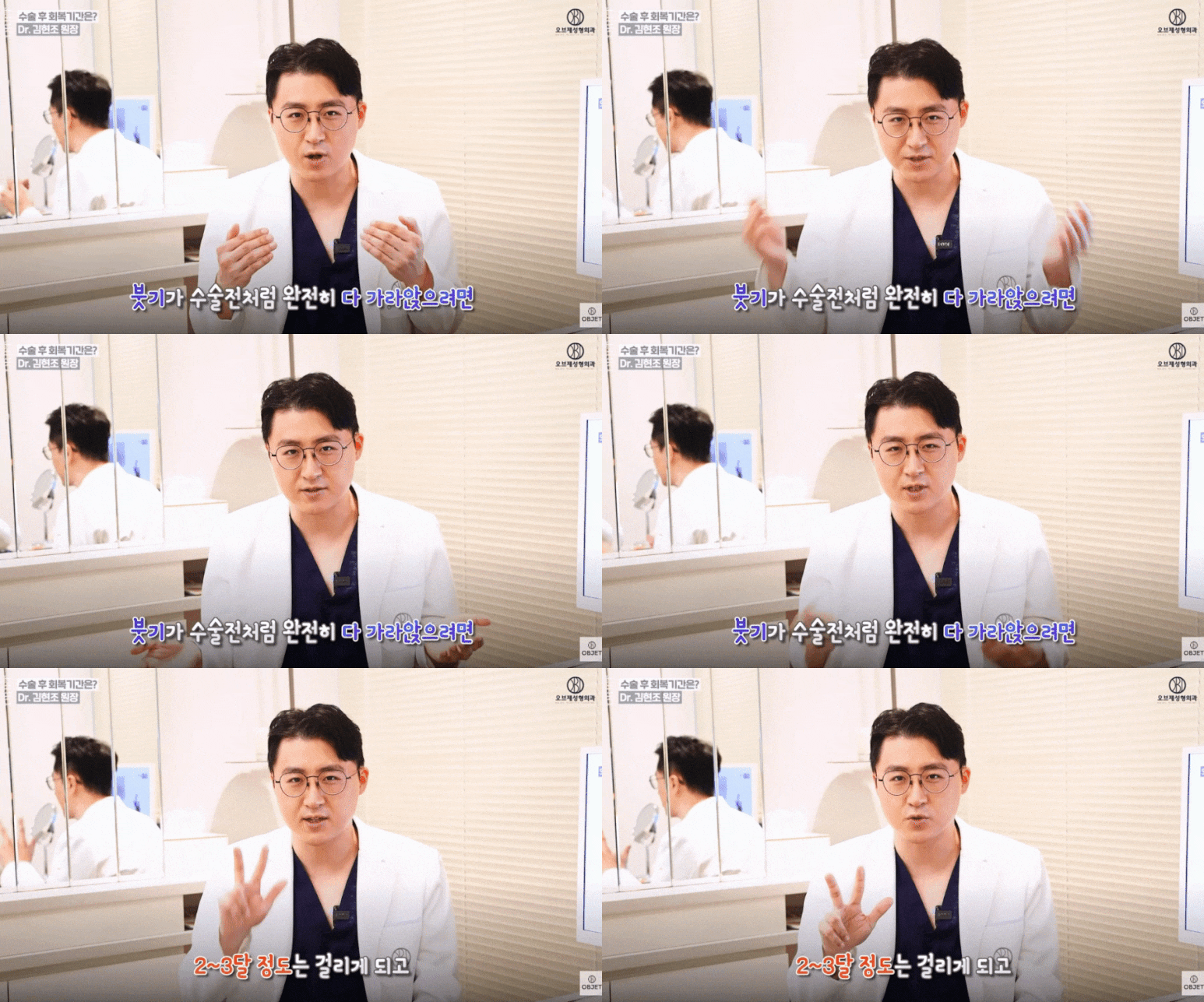
After one month,
the swelling has eased to some extent,
and
by around two to three months,
it becomes almost completely natural.
Depending on the case,
it may take longer than that,
but
upper eyelid surgery recovery can generally be summarized as
"1 to 4 weeks for return to daily life,
2 to 3 months for full stabilization."
Q2. If I’m taking medication,
isn’t it dangerous?
For people considering upper eyelid surgery later in life,
it is common to be taking medication for blood pressure or diabetes.
Some people worry,
"If I’m taking medication,
doesn’t that make surgery difficult?"
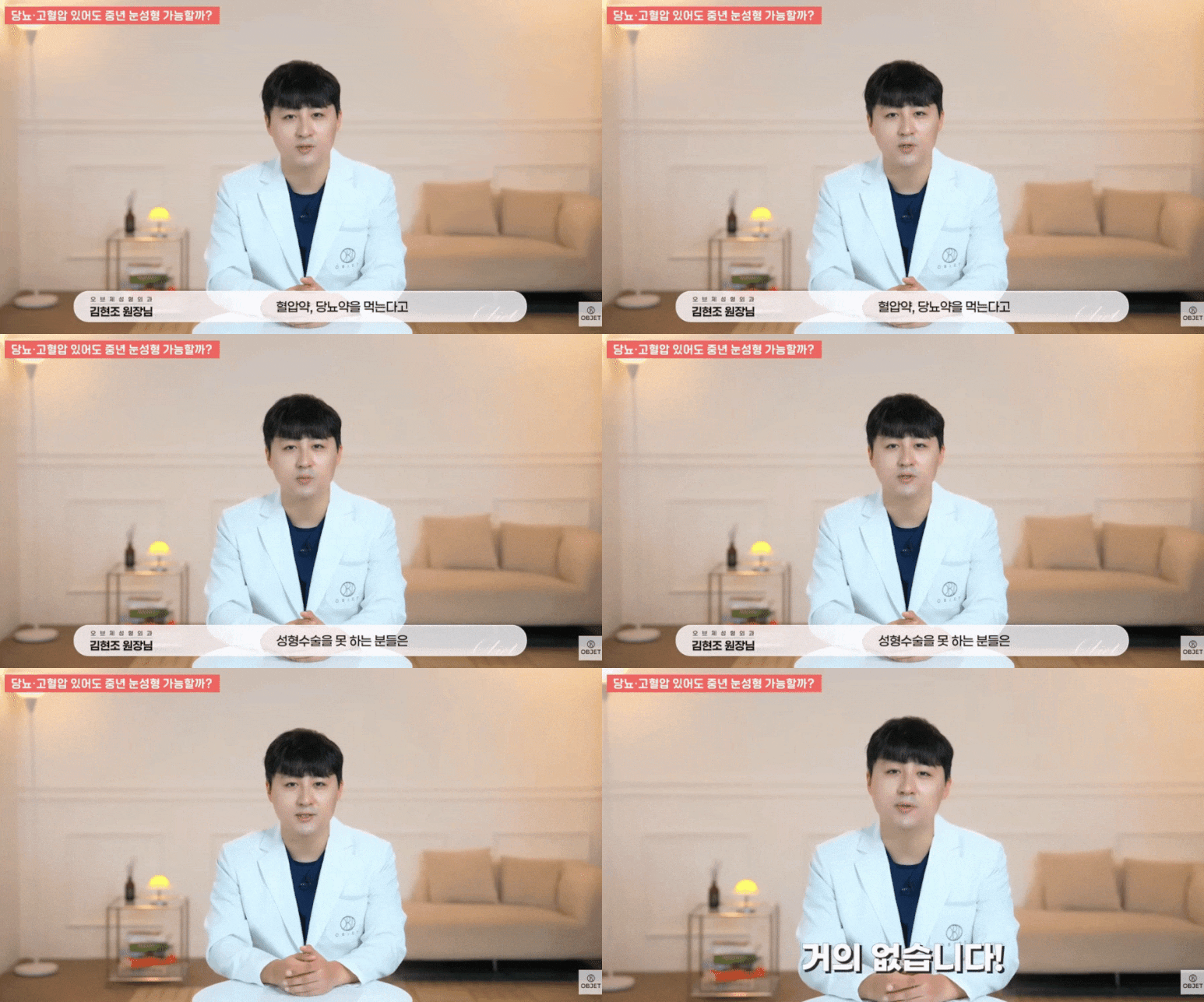
To put it simply,
the fact that you are taking medication itself
does not prevent surgery.
What matters is not whether you have a disease,
but how well it is being managed.
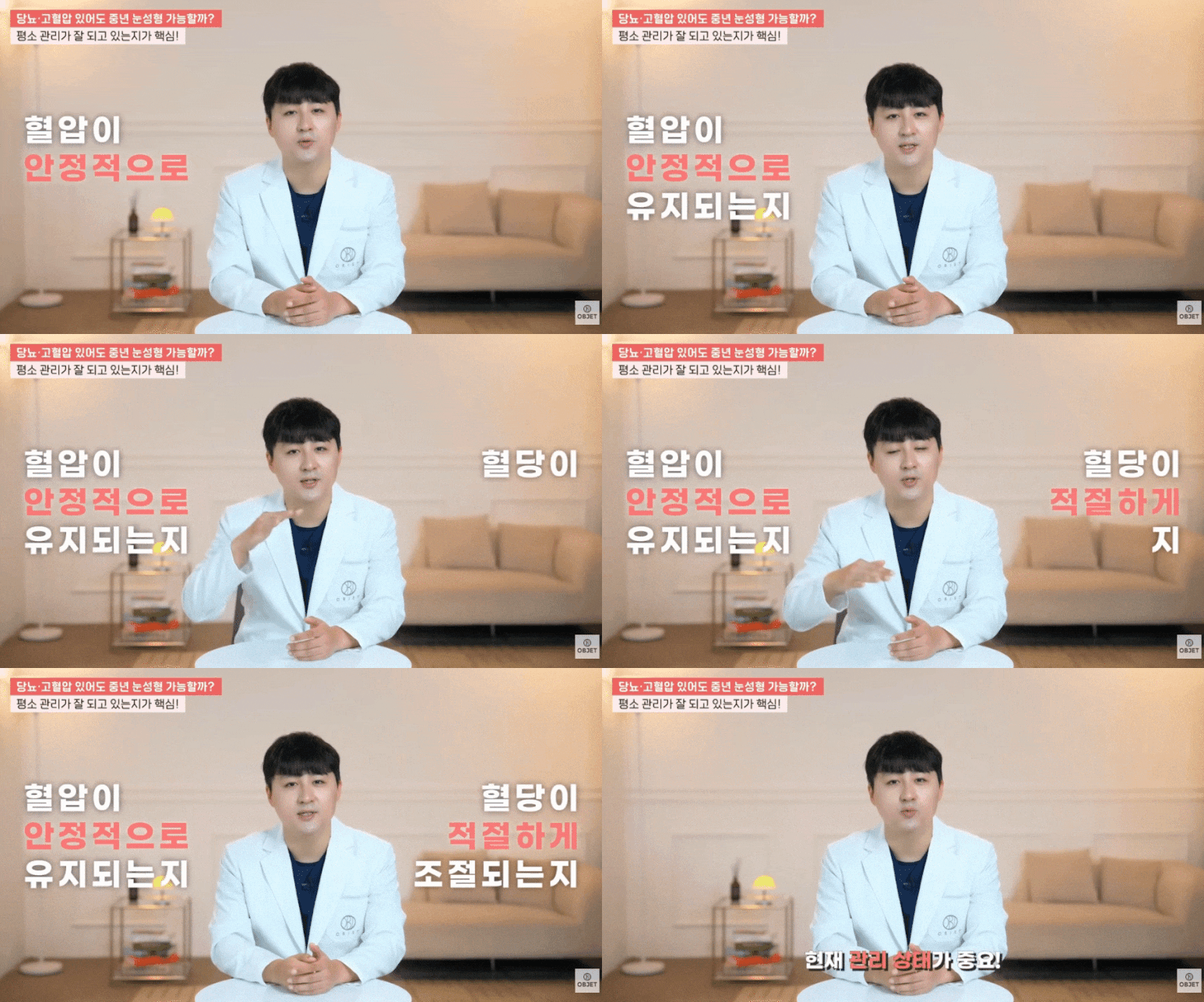
Whether your blood pressure is being kept stable,
whether your blood sugar levels are well controlled—
these are the factors that determine whether surgery is possible.
However, there is one thing
that must definitely be checked.
If you are taking anticoagulants or antithrombotic medication.
These medications can affect bleeding during surgery,
so you must consult the doctor who prescribed them.
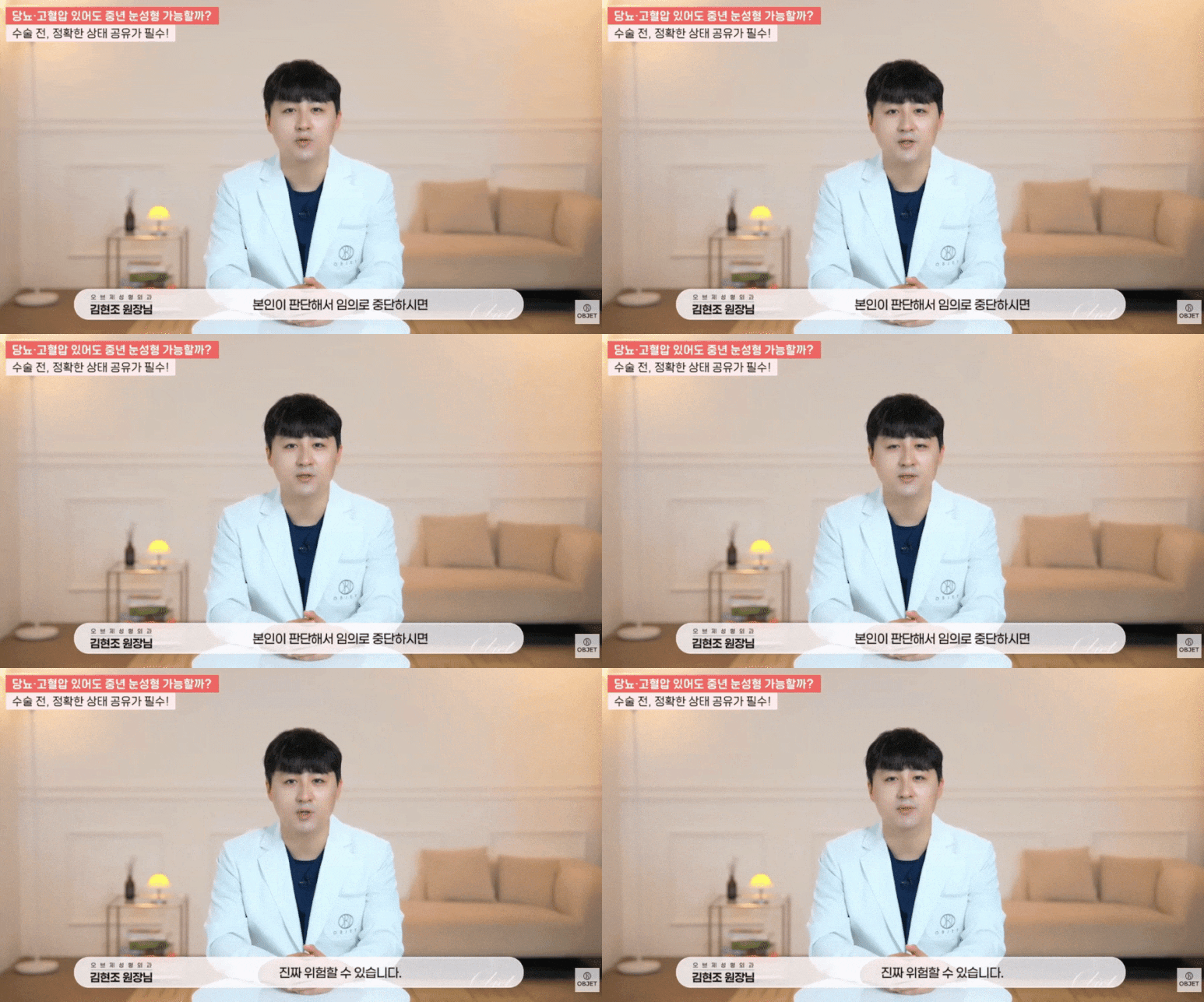
You need to confirm in advance
whether and for how long to stop taking them,
and
never stop them on your own.
So during the pre-surgery consultation for upper eyelid surgery,
if you accurately share the medications you are currently taking,
any past surgical history,
and any underlying conditions,
it can be done safely.
Q3. Can I exercise after surgery?
What about contact lenses?
Here is a summary of the questions we receive most often
during the upper eyelid surgery recovery period.
Light walking is possible
immediately after surgery.
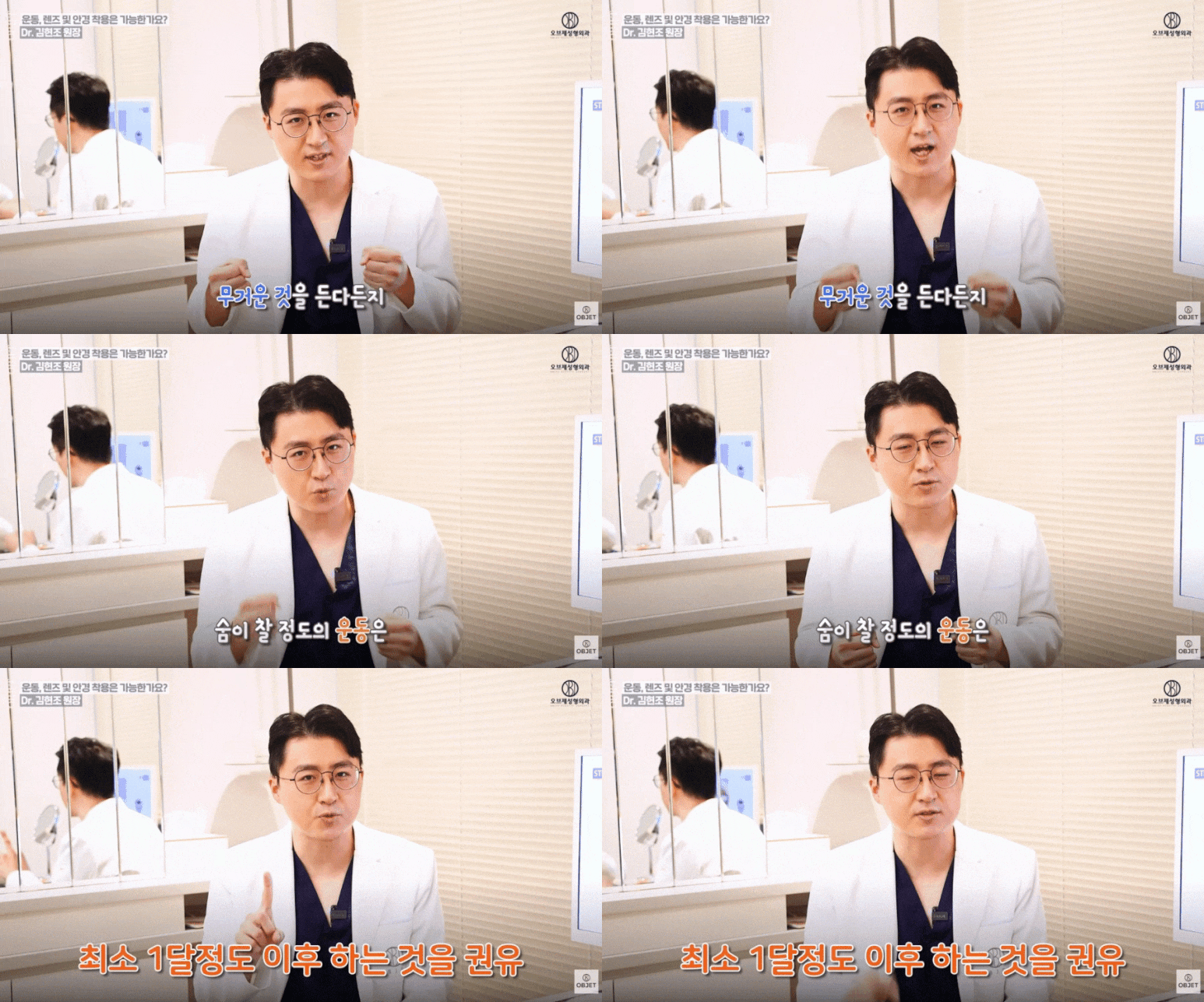
However, intense exercise
is best started only after at least one month.
This is because if blood flow suddenly increases,
swelling may return.
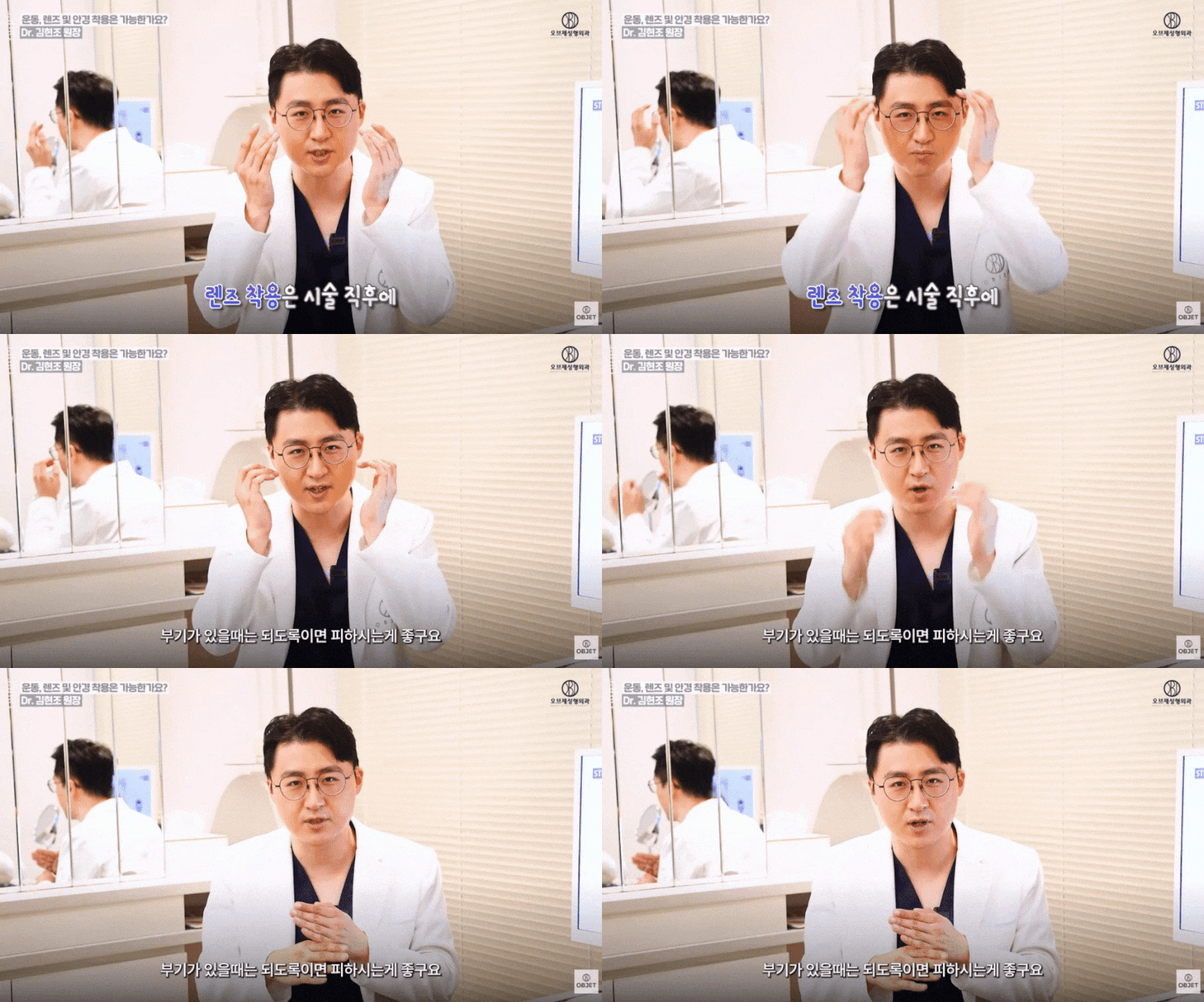
Glasses can be worn right away,
but it is safer to wear contact lenses only after the swelling has gone down sufficiently.
The surgery is performed with local anesthesia
and sedation.
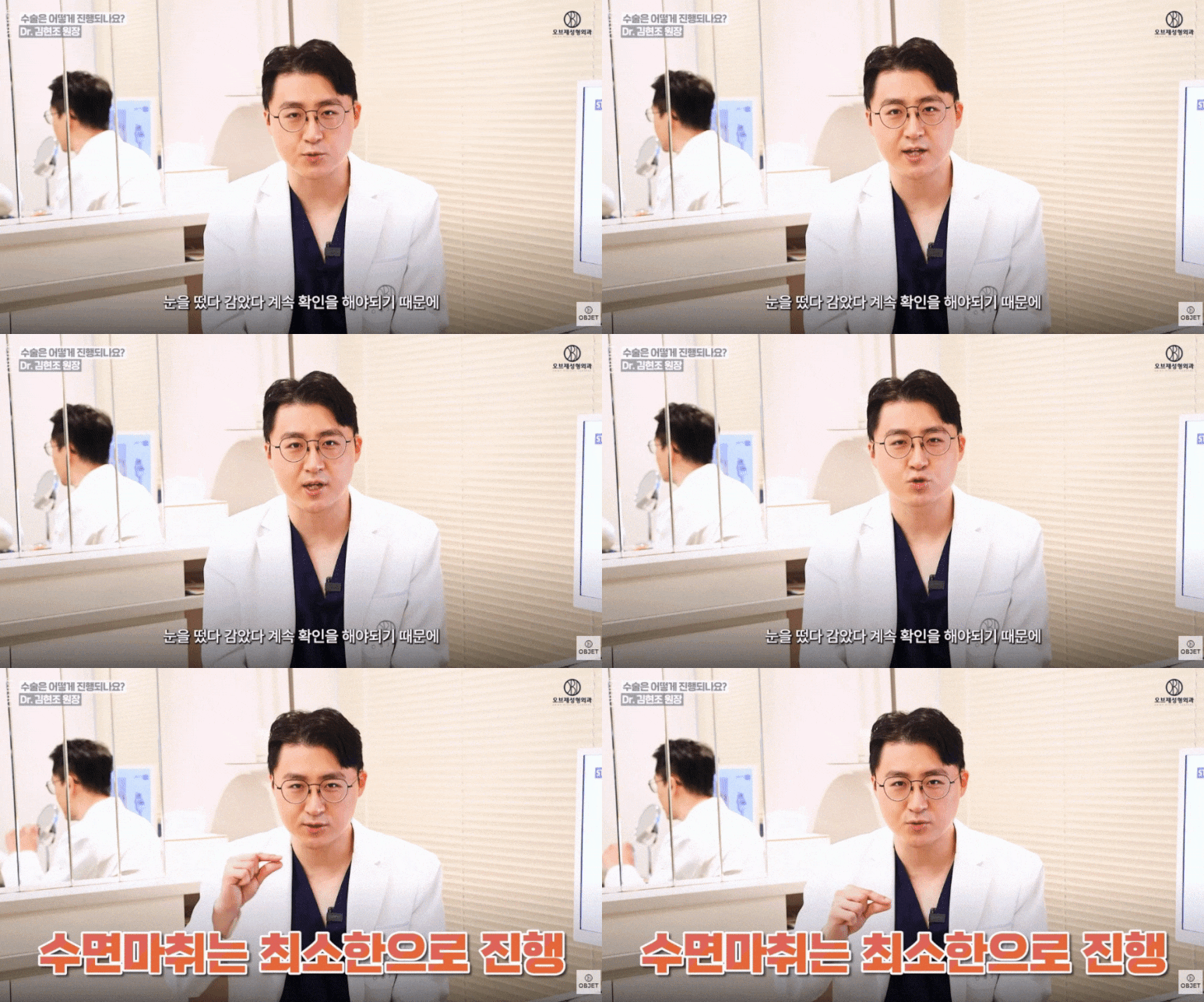
During the surgery, there is a process of checking the condition
through opening and closing the eyes,
so sedation is kept to a minimum,
and you do not need to be overly concerned.
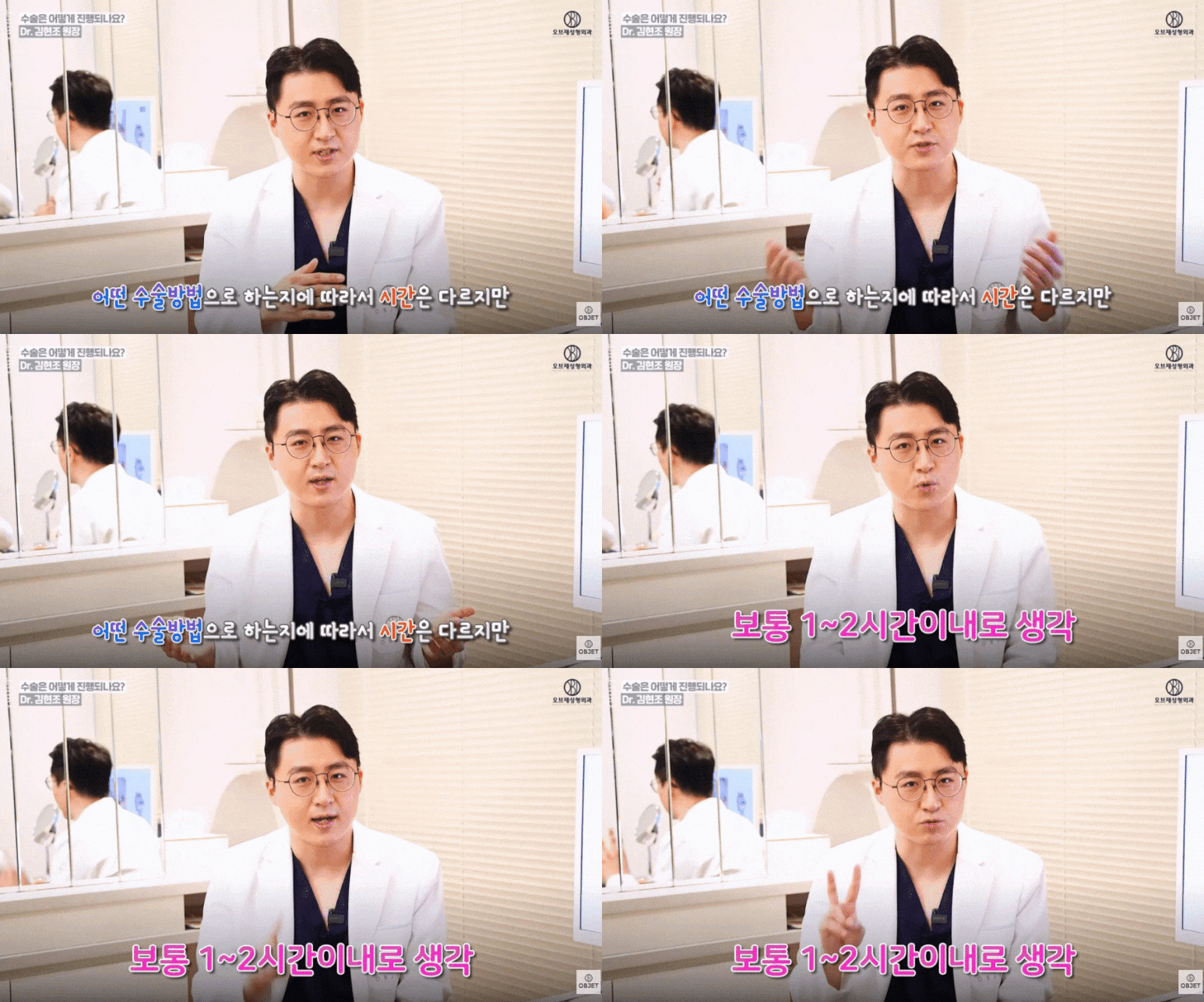
The surgery takes
about 1 to 2 hours,
and depending on the degree of sagging skin
and the strength of eyelid opening,
it may also be necessary to consider ptosis correction
or forehead lift at the same time,
so it may be helpful to know this in advance as well.
Today, we organized the information around
frequently asked questions about upper eyelid surgery recovery.
To summarize the key points again,
return to daily life takes about 1 to 4 weeks,
full stabilization takes about 2 to 3 months,
and if your health condition is well managed,
surgery is often possible regardless of whether you are taking medication.
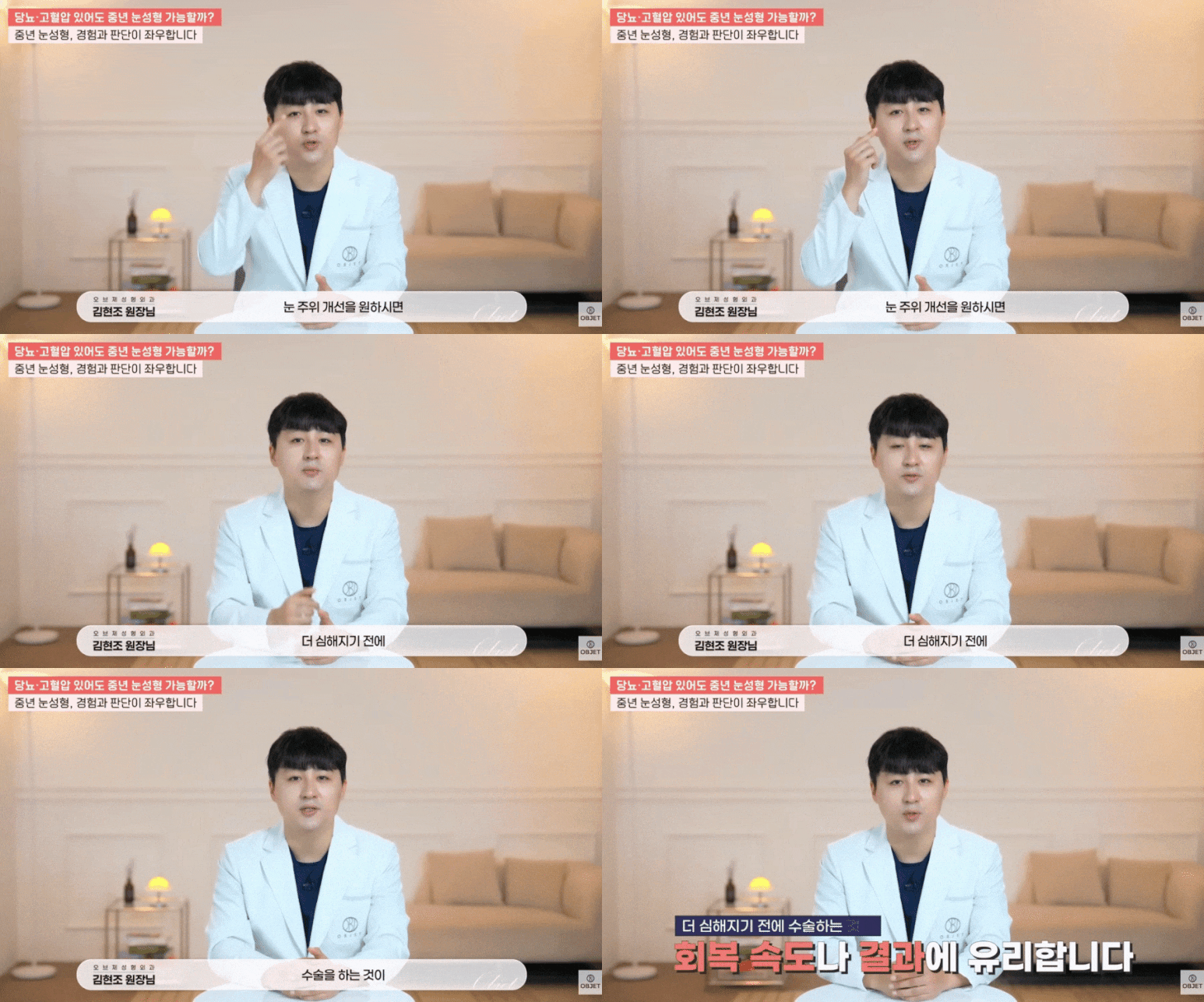
In fact, the earlier you proceed
before the eyelids sag further,
the faster the recovery tends to be
and the better the results tend to be.
Dr. Kim Hyun-jo of Obje Plastic Surgery
performs the procedure in a way that minimizes tissue damage during surgery,
so swelling and bruising during recovery
tend to subside relatively quickly.
If you are worried about the upper eyelid surgery recovery period,
we recommend checking through a consultation
how the recovery process differs depending on the surgical method.
This has been Obje Plastic Surgery.
Thank you.
<🔽🔽Videos you may find helpful🔽🔽>
| Consultation and inquiries for middle-aged eye surgery |
|---|
| Quick phone consultation |
| Easy Kakao consultation |
-
This post is medical information written by Obje Plastic Surgery Clinic in compliance with the Medical Advertising Act.
-
The treatment effect may vary from person to person, and side effects may occur.
We recommend that you have sufficient consultation with a medical professional in advance before deciding on the procedure.