Revision rhinoplasty clinic
Do you have to go at least once?
Director Lee Kyung-mook’s answer!
Hello.
This is Objet Plastic Surgery.
When looking into rhinoplasty,
there is something you may hear at least once.
"In the end, a nose
has to be redone once."
Because it comes up so often
in reviews from people around you and in videos,
whether you are considering your first surgery now,
or have already had one,
this phrase may have stayed in the back of your mind
and made you wonder.
When the tip of the nose seems to droop slightly,
or when the silhouette feels somehow awkward,
the thought that it will eventually have to be redone
may follow as well.
Today, we are going to explain
what this phrase really means,
step by step.
If you read to the end,
it should help you look at your current situation
more accurately.
Rhinoplasty always requires revision?
Only partly true
The statement that you must go through a revision rhinoplasty clinic
is
in fact, half true
and half false.
It is true in the sense that
not a few people decide to have surgery again,
and false in the sense that
not everyone follows the same path.
The reason revision surgery seems common
is not because revision is inevitable,
but because many first surgeries
were performed too aggressively.
In fact, when looking at the first surgeries
of people who are considering revision,
there are many cases where factors such as
skin thickness,
how firm the cartilage is,
and the proportions of the face
were not sufficiently examined,
while the height was raised too much.
Simply put,
"you have to go at least once"
is not a predetermined outcome,
but rather something closer to
"if the first surgery is done too aggressively,
you may end up going once more."
So depending on how the surgical plan was set
at the beginning,
what happens afterward can change a great deal.
Revision rhinoplasty,
This is why people get it
Then why does an overly aggressive first surgery
lead to another operation as time passes?
It is worth taking a closer look.
The most common shared factor is when the design was set
beyond what the skin and structure could tolerate.
The tip of the nose is not bone,
but an area made of cartilage.
Cartilage may seem firm,
but if the height is raised too much compared to the nasal structure,
the burden of supporting it becomes greater.
If the skin is also on the thinner side,
there is even less room to support the implant.
Let’s think of a case where the original nose was relatively small,
but the height was raised too much.
The skin is pulled tight,
and stress continues to build on the nasal tip cartilage.
If this continues for one or two years,
the tip of the nose may gradually lose its shape,
or the implant line may become more visible little by little.
Even if the result immediately after surgery is satisfying,
the shape can slowly change over time.
In addition, how carefully bleeding was controlled during the first surgery
is also a factor that can affect the recovery process.
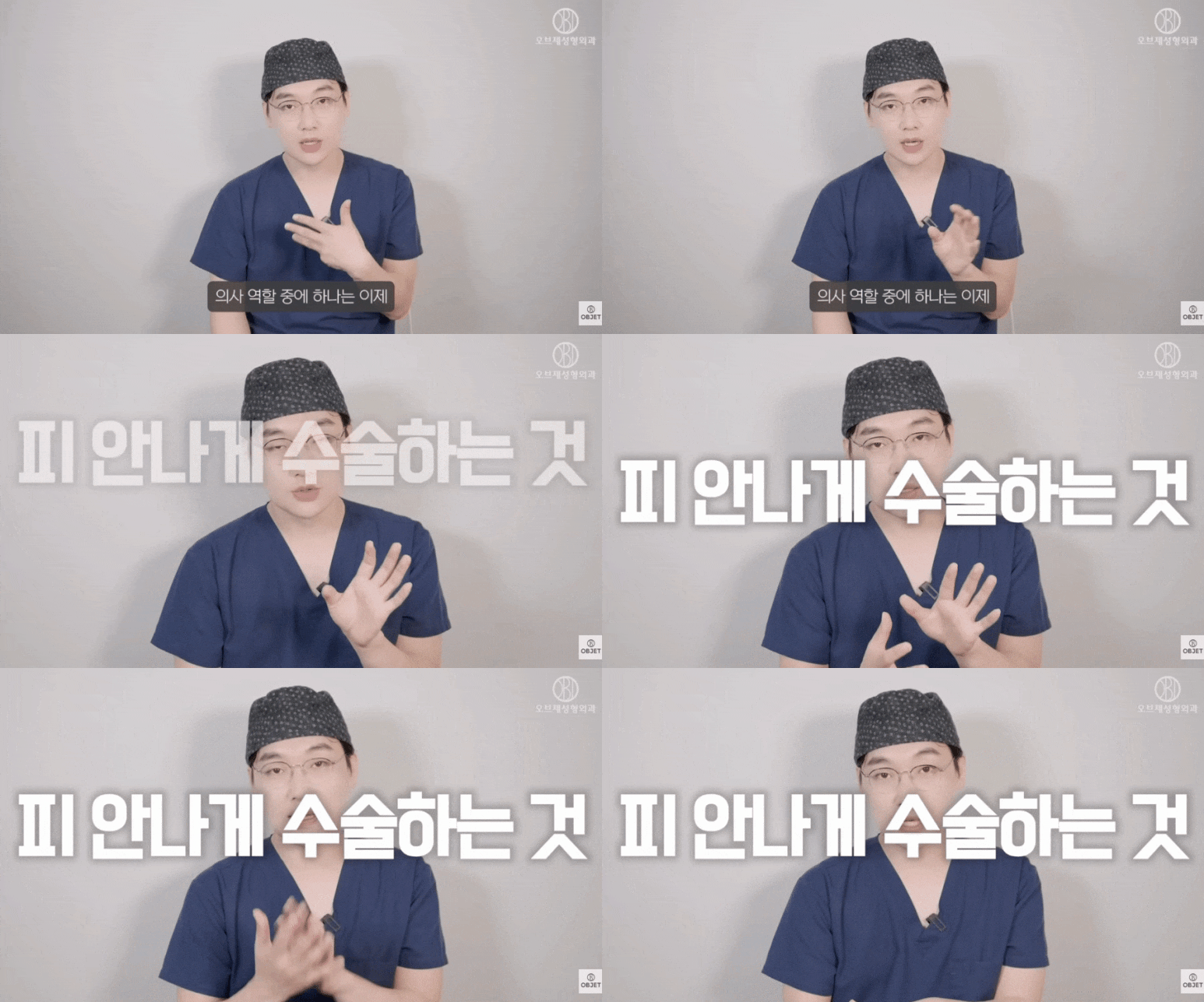
If the surgery is completed
before the bleeding has been sufficiently managed,
blood can collect in the surgical area,
and recovery may take longer than usual.
In the end, in the first surgery,
skin thickness, the degree to which the cartilage supports the nose,
the overall facial proportions,
and careful control of bleeding during surgery
whether these four factors were fully considered
can greatly change what happens afterward.
One thing more important than the number of revision surgeries
As you read this,
if you have already had your first surgery,
you may feel a little weighed down.
What really matters when reviewing revision surgery
is not how many times you have had surgery,
but what condition the skin and structure are in now.
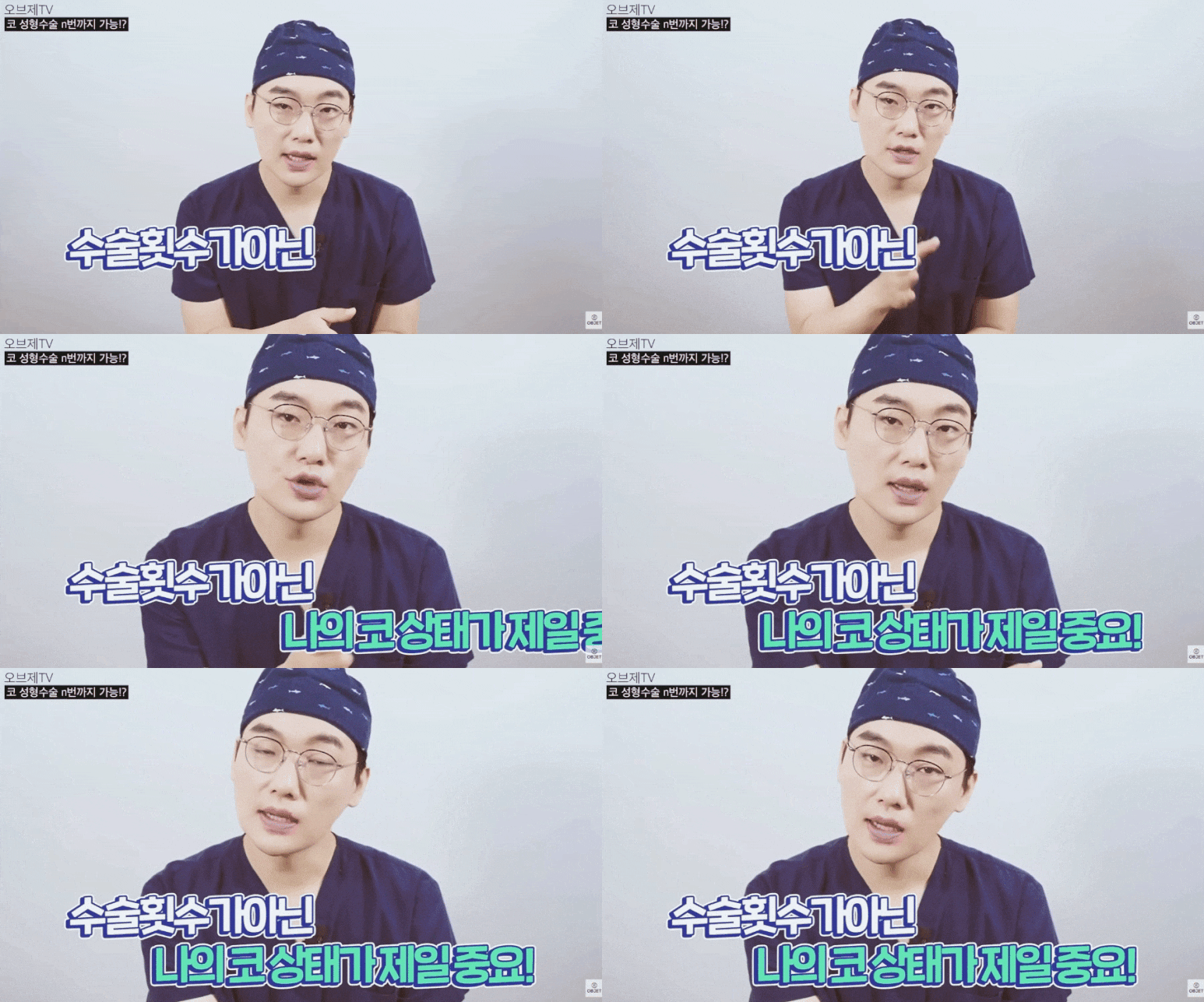
Even if you have had surgery once or twice,
if there is still room left in the skin
and the cartilage is providing good support,
the conditions for the next surgery may not be bad.
On the other hand, even if you have had surgery only once,
if the skin has less room left
or the implant line is becoming visible,
a surgery that further raises the height in the same direction
can actually become more difficult.
In such cases,
you may need to lower the height a little,
change the implant to a lighter material,
or
approach it differently by giving the skin more room.

Rather than the number of surgeries already performed,
first look at what condition the nose is in now,
and then reset the direction accordingly.
That process is the much more important part.
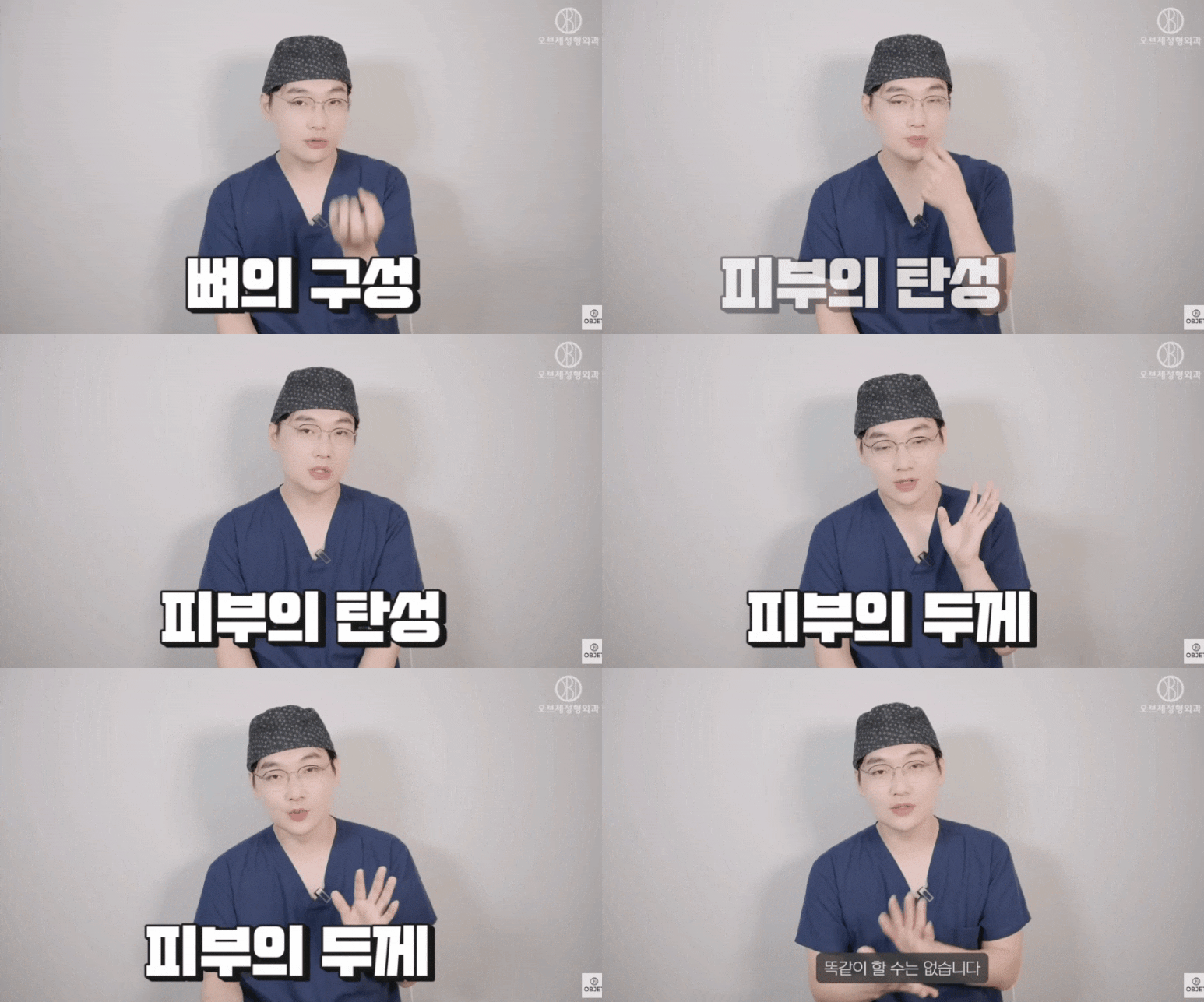
That is why even for the same revision surgery,
the approach can be completely different from person to person.
Today, we looked at whether the phrase that you have to go back
to a revision rhinoplasty clinic at least once
really applies to everyone,
and also at what points to focus on
when looking into a revision rhinoplasty clinic.
To summarize:
"You have to go at least once"
is not a fixed rule,
the reason many people decide to have surgery again
usually stems from cases where the first surgery was done too aggressively,
and more than the number of times,
it is the current condition of the nose
that should be examined first.
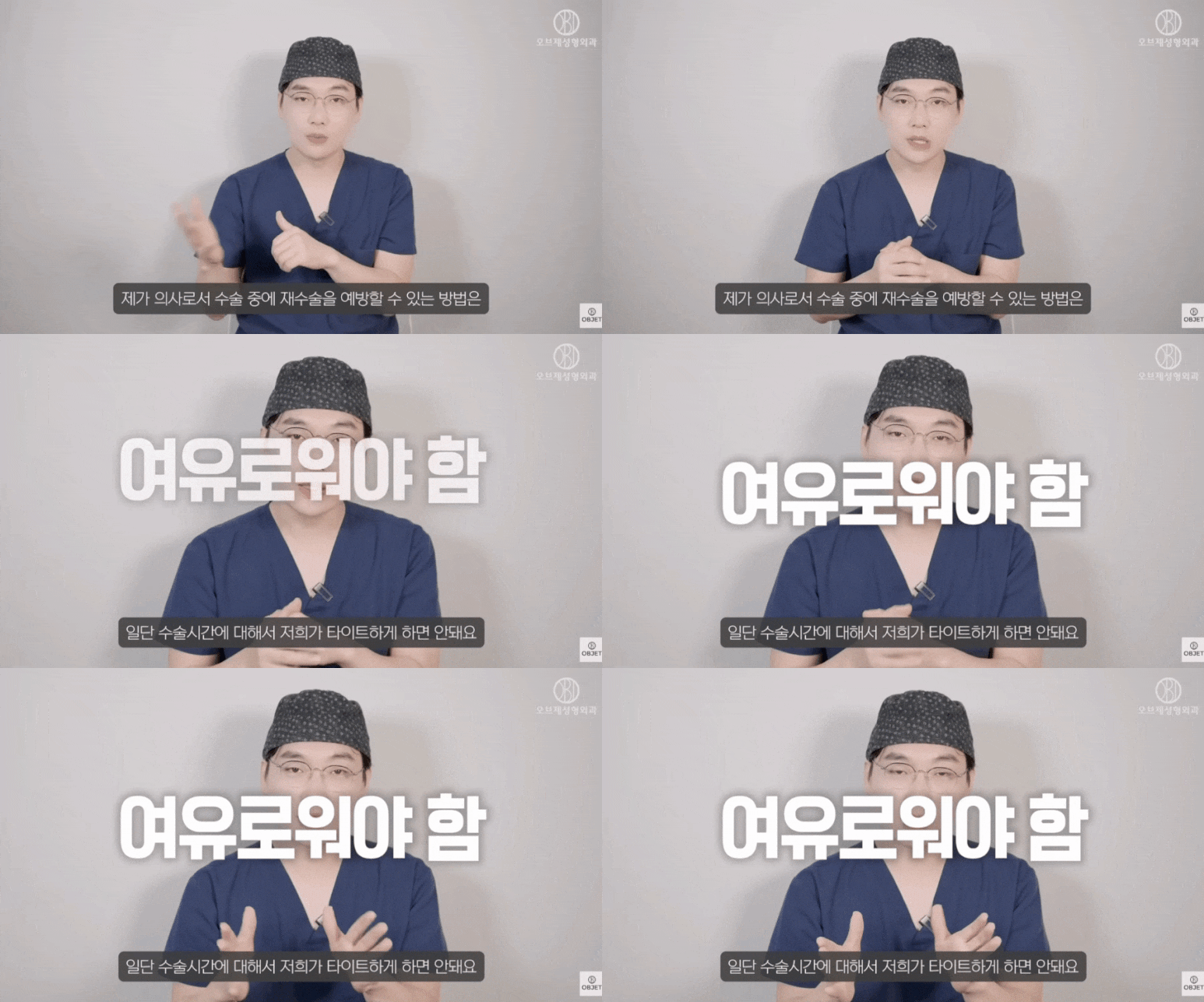
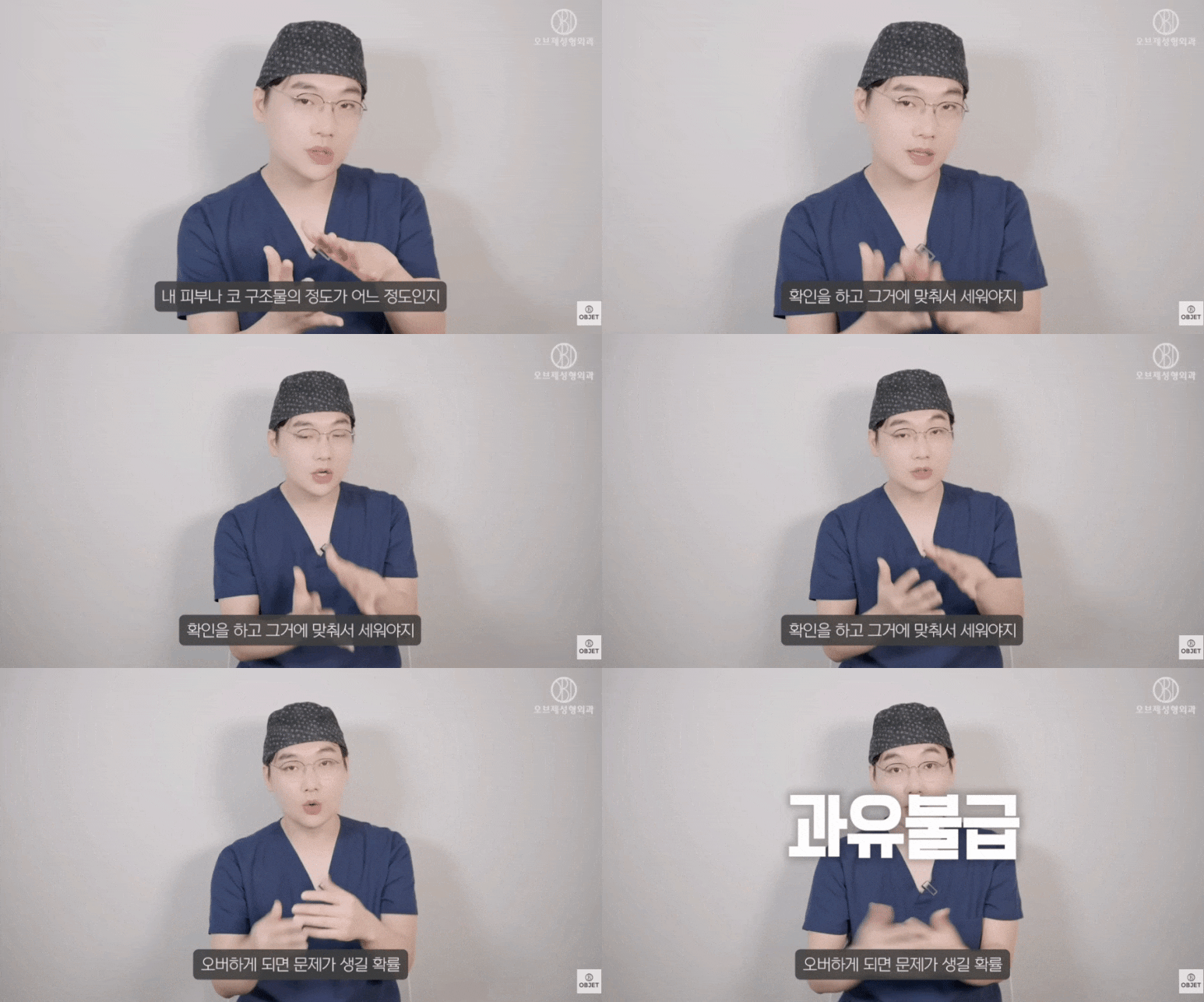
Director Lee Kyung-mook of Objet Plastic Surgery says that
whether it is the first rhinoplasty or a revision rhinoplasty,
rather than raising the height too much,
he sets the surgical direction after looking at
how well the skin thickness and cartilage can support the nose,
the overall facial proportions,
so that the tip of the nose can maintain its position naturally over time.
In particular, in the first rhinoplasty,
unless osteotomy is necessary,
he considers a method that does not add an implant inside the nostrils,
to reduce recovery burden
and help maintain a natural nose line for a long time.
If you are deeply worried about your current nose shape
or whether revision surgery is needed,
rather than rushing,
we recommend starting with a consultation
that can accurately assess the current condition of your nose.
This has been Objet Plastic Surgery.
Thank you.
<🔽🔽Videos you may find helpful🔽🔽>
| Consultation and inquiries for rhinoplasty |
|---|
| Quick phone consultation |
| Kakao simple consultation |
-
This post is medical information written by Objet Plastic Surgery Clinic in compliance with the Medical Advertising Act.
-
Effects of procedures may vary by individual, and side effects may occur.
We strongly recommend that you consult thoroughly with medical staff in advance before deciding on a procedure.