Is It Okay to Pick Your Nose After Nose Surgery?
Director Jang Wook’s <Answer>
�0
�0
�0
�0

�0
�0
Hello.
This is Obje Plastic Surgery.
�0
�0
A few days after rhinoplasty,
something keeps getting stuck inside the nose.
�0
�0
Normally, you would just
quickly clean it out with your finger
and be done with it,
but right after surgery, you hesitate.
�0
�0

�0
�0
You worry that the nose shape you worked so hard to create
might shift, or that recovery may not go well.
�0
�0
In particular, when the inside of the nose dries out
and you see hard, crusted areas,
or when discharge keeps running toward the bridge of the nose,
you want to clean it out right away.
�0
�0
So today, during the recovery period after rhinoplasty,
I’ll explain how you should handle the inside of your nose.
�0
�0
If you currently feel congestion inside your nose,
read to the end,
and you’ll find information you can apply right away in daily life.
�0
�0
First, let’s start with the conclusion.
�0
�0
To give you the answer right away,
during the recovery period after rhinoplasty,
we do not recommend picking your nose.
�0
�0
Even a habit you normally do lightly
can affect the recovery process during this time.
�0
�0

�0
�0
Just because you have a runny nose after nose surgery,
or because a hard area can be felt,
does not mean you should stick your hand deep inside and push it around;
that stimulation can slow recovery.
�0
�0
Although it is not visible from the outside,
right after surgery the inside of the nose is in a period where
the incised mucosa is healing
�0
�0
and the implant and cartilage
are settling into place.
�0
�0
During this time, repeated strong external stimulation
is known to potentially have a subtle effect on cartilage position,
�0
�0
and I’ll explain below
why that happens.
�0
�0
What happens inside the nose after surgery
�0
�0
There are clear reasons why a runny nose after nose surgery becomes more common
and why crusts form more often after nose surgery.
�0
�0
Inside the nose is a thin membrane
called the mucosa.
�0
�0
Think of it like plastic wrap
that gently covers the surface inside the nose.
�0
�0
Normally, it prevents dust and bacteria in the air
from entering the body.
�0
�0
But when the inside of the nose is incised during rhinoplasty
and the cartilage or implant is placed into position,
that membrane enters a state where it must heal.
�0
�0
While the membrane is healing,
a larger amount of discharge flows than usual.
�0
�0
This is the first reason why a runny nose is common after nose surgery.
�0
�0
I’ll also point out
what range is considered normal.
�0
�0
In general, if a clear or slightly pink-tinged fluid flows
during the first 2 to 3 weeks after surgery,
it is considered part of the natural healing process of the mucosa.
�0�0
However, if the color turns yellow or deep green,
and you also develop a fever
or the area around the bridge of the nose becomes hot and swollen,
�0�0
contact the clinic immediately
and receive an in-person examination.
�0�0

�0�0
The second reason is the small amount of fluid
that seeps from the incision site.
�0�0
When that fluid meets air inside the nose and dries,
it hardens and turns into something like crust.
�0�0
This is why crusts after nose surgery can feel larger
and harder than usual.
�0�0
Now, let’s get to the core point.
�0�0
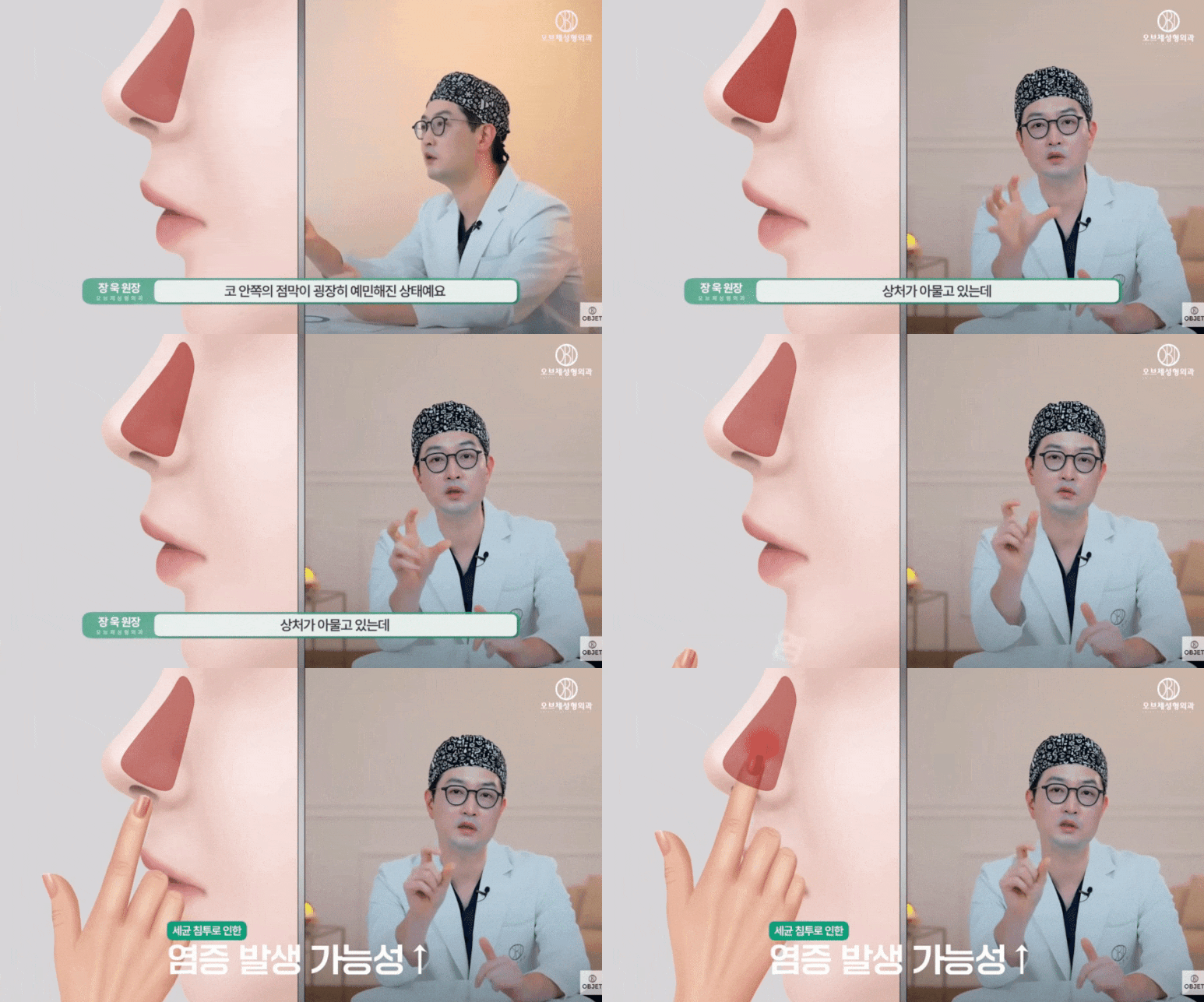
What happens if you insert your finger and forcefully pick the nose during this period?
There are two major things to consider.
�0�0
While the mucosa is healing,
even small irritations can make it vulnerable.
�0�0
�0�0
There are bacteria on our hands
that we do not normally notice,
�0�0
and if those bacteria touch the healing mucosa,
the chance of inflammation increases.
�0�0
If inflammation develops,
recovery slows down
and swelling lasts longer.
�0�0
And although the nose looks like a solid bone structure,
it is actually a cartilage framework
that is still settling into place.
�0�0
If force from a finger repeatedly pushes on a structure
that has not yet firmly settled,
it can interfere with recovery.
�0�0
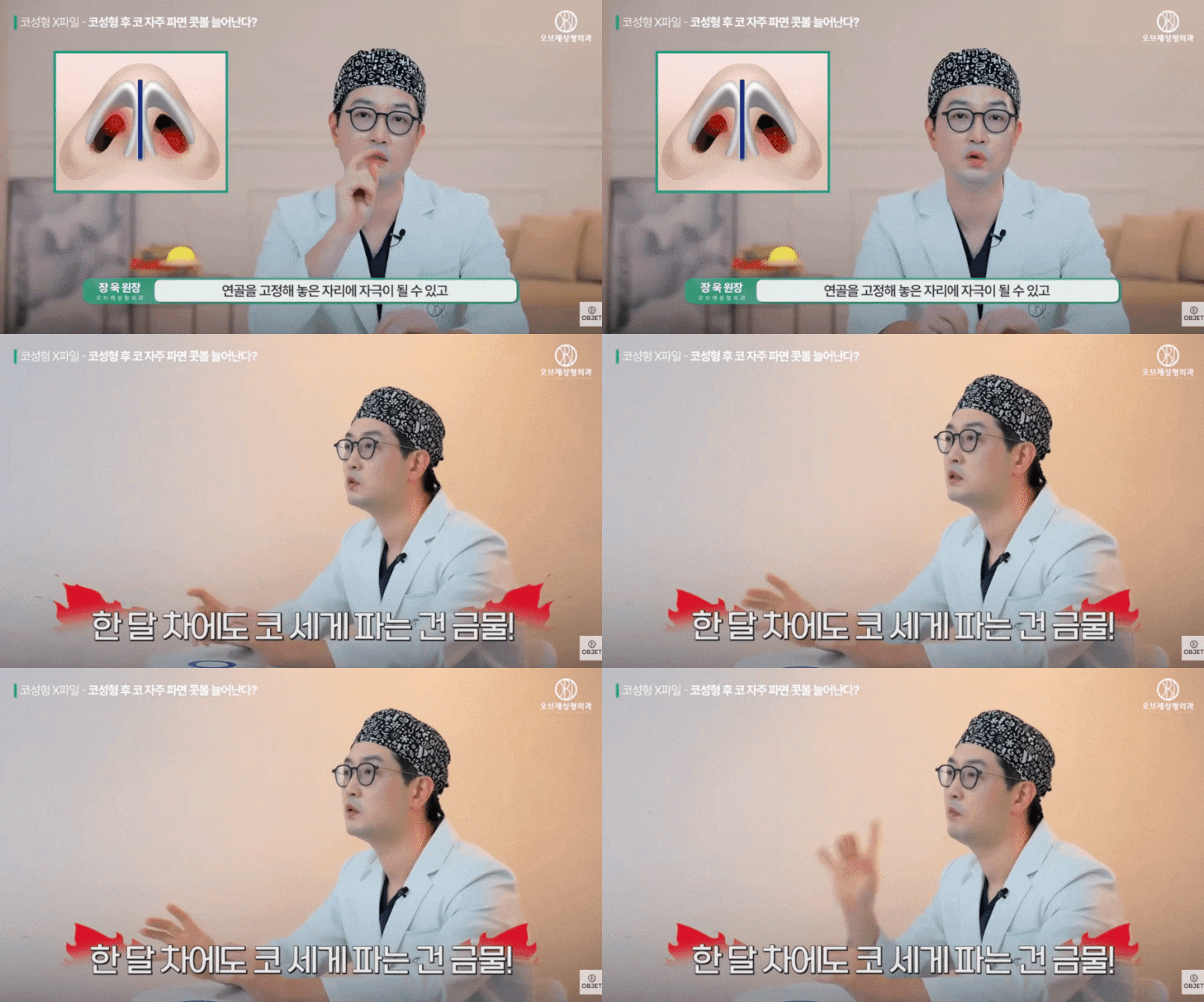
In particular, the central support between the nostrils
is where the cartilage is newly taking shape,
so you need to be even more careful.
�0�0

�0�0
So even if a runny nose after nose surgery
or a crust after nose surgery feels bothersome,
�0�0
do not stick your finger deep inside
and try to forcefully remove it.
�0�0
When your nose feels congested,
clean it like this
�0�0
Then let me explain
how to clean it when the inside of the nose feels congested.
�0�0

�0�0
The tools we recommend most are
sterile cotton swabs and saline solution.
�0�0
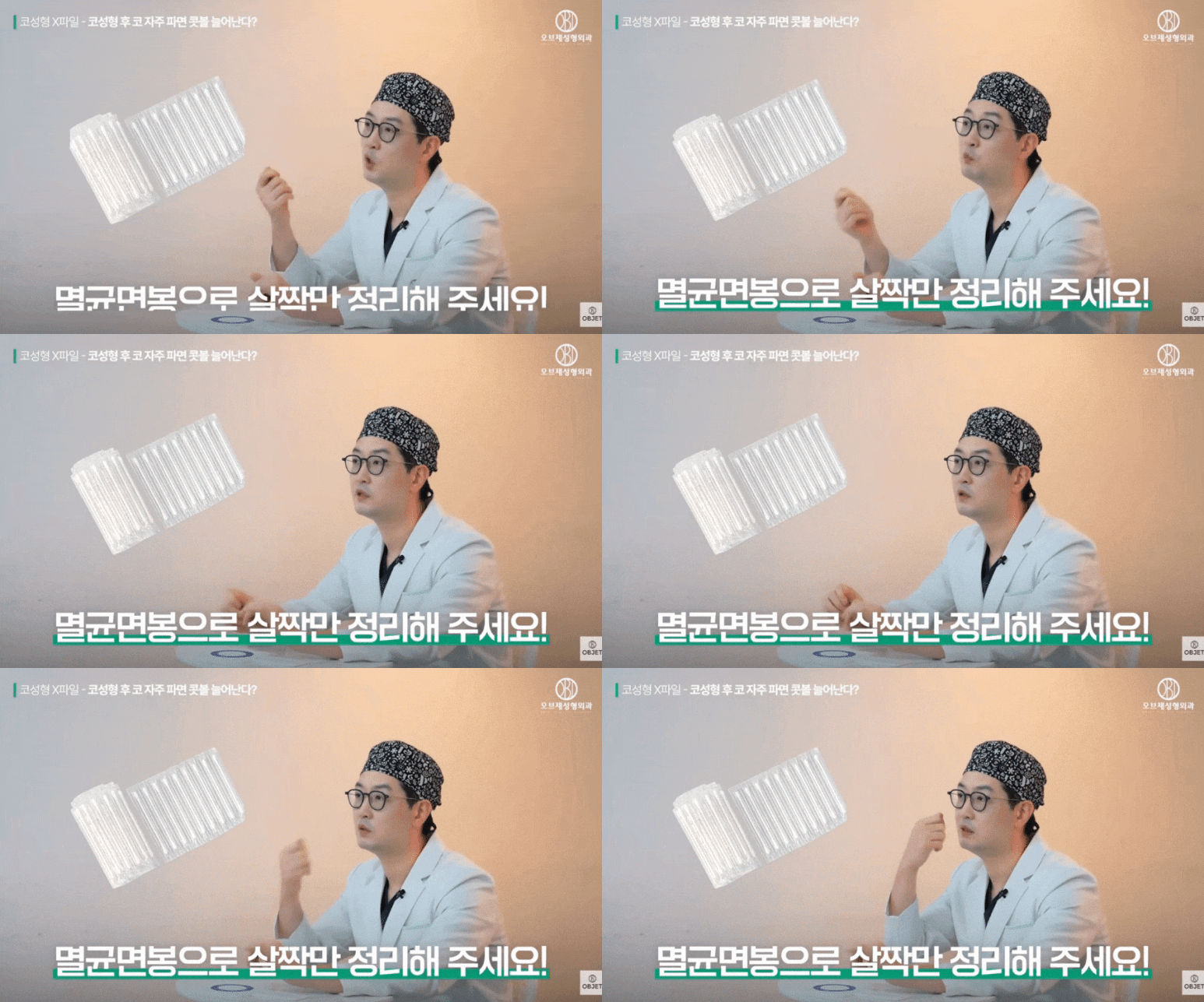
Lightly moisten the tip of a cotton swab
with a small amount of saline solution
available at a pharmacy,
�0�0
and gently wipe only the entrance of the nostril.
�0�0
A depth of about the first knuckle of your finger is appropriate,
and anything deeper is closer to the incision site,
so the swab should not touch beyond that.
�0�0
�0�0
Even if you see a hard area,
if you try to forcibly pull it off,
�0�0
you may also remove the healing mucosa underneath.
�0�0
Then fluid will seep out again from that spot,
it will harden again, and you’ll end up repeating the process of removing it.
�0�0
A common cause of prolonged recovery is
exactly this repeated action of pulling off the mucosa.
�0�0
�0�0
If you lightly moisten the area with saline on a cotton swab,
the hardened part often softens and comes off on its own,
so please try using this method.
�0�0
In general, 2 to 3 weeks after surgery,
the frequency of natural discharge increases,
�0�0
and after one month,
even without touching it,
the condition recovers to the point where
a light nose blow is enough to clean it.
�0�0
The period from immediately after rhinoplasty until about one month later
is the time when you need to be the most careful.
�0�0

�0�0
After one month,
it becomes somewhat more stable,
�0�0
but it is better not to develop the habit of forcefully picking at it
until three months have passed.
�0�0
Even if it looks like the outside has healed,
the internal tissue is still
before the stage of fully settling.
�0�0
Even when you feel bothered by a runny nose after nose surgery,
rather than physically picking at it,
�0�0
gently cleaning it with a sterile cotton swab and saline solution
will allow recovery to proceed much more smoothly.
�0�0
�0�0
Today, we looked at how to handle the inside of the nose
during the recovery period after rhinoplasty.
�0�0
To summarize:
�0�0
- During recovery, do not pick your nose with your fingers
�0�0
- When it feels congested, gently wipe only the entrance area
with a sterile cotton swab and saline solution
�0�0
- Do not forcibly remove hard crusts;
wait until they come off naturally
�0�0
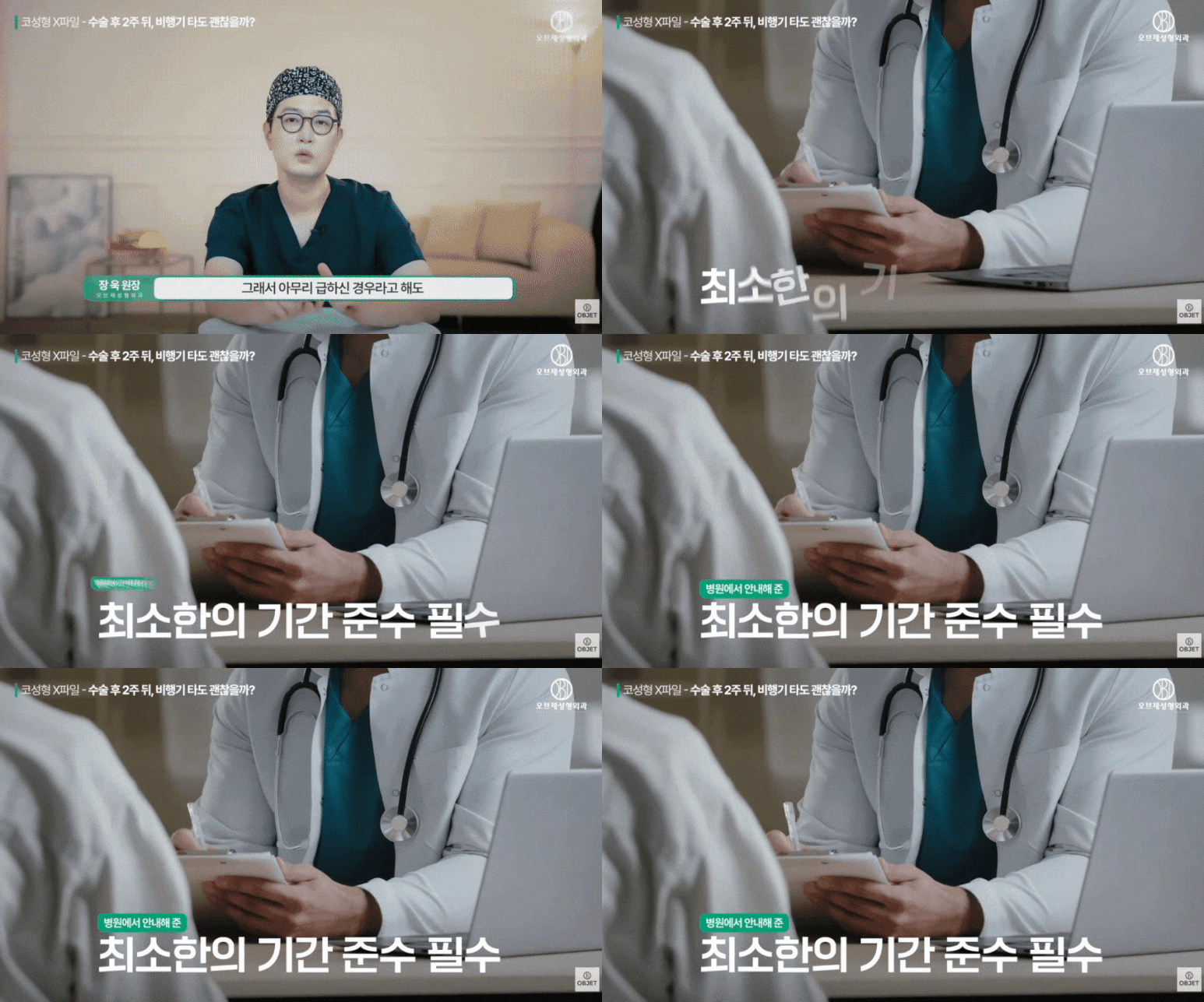
- If yellow discharge, fever,
or swelling appears together,
seek medical attention at the clinic immediately
�0�0
�0�0
Director Jang Wook of Obje Plastic Surgery believes that
the results of rhinoplasty are influenced by small habits during the recovery period,
�0�0
and provides guidance on which methods are safe
depending on the stage after surgery.
�0�0
Because the incision location in the nose,
the amount of cartilage used,
and the recovery stage all change what needs to be done carefully,
�0�0
we recommend checking, during your consultation,
how you should clean the inside of your nose according to your own condition.
�0�0
This has been Obje Plastic Surgery.
�0�0
Thank you.
�0�0
�0�0
<🔽🔽A video you may find helpful🔽🔽>
�0�0
�0�0
| Rhinoplasty Consultation and Inquiries |
|---|
| Phone quick consultation |
| Kakao easy consultation |
�0�0
- This post is medical information written by Obje Plastic Surgery Clinic in compliance with the Medical Advertising Act.
�0�0
- The effects of the procedure may vary depending on the individual, and side effects may occur.
We strongly recommend having sufficient consultation with the medical staff in advance before deciding on the procedure.
�0