Before Midlife Eye Surgery <Q&A>
Director Kim Hyun-jo Answers Your Questions!
Hello.
This is Objet Plastic Surgery.
Before midlife eye surgery,
food, regular medications,
and even lifestyle habits such as exercise or sauna use
there are more things to take care of
than you might expect.
You may already be mentally prepared
for the surgery itself,
but in the days just before surgery,
those small details you need to manage
can feel even more overwhelming.
Especially in midlife,
many people already take regular medications
and have established daily routines,
a single small habit can have an effect on recovery,
which can feel even more significant.
So today,
we’ve organized three questions
that are often asked in the consultation room
and will answer them in order.
We’ll go through them one by one in the main section,
so if you read through to the end,
it may help you with the preparation stage.
Before midlife eye surgery,
What you should take care of before alcohol or cigarettes
The first thing you should take care of
is the fasting period.
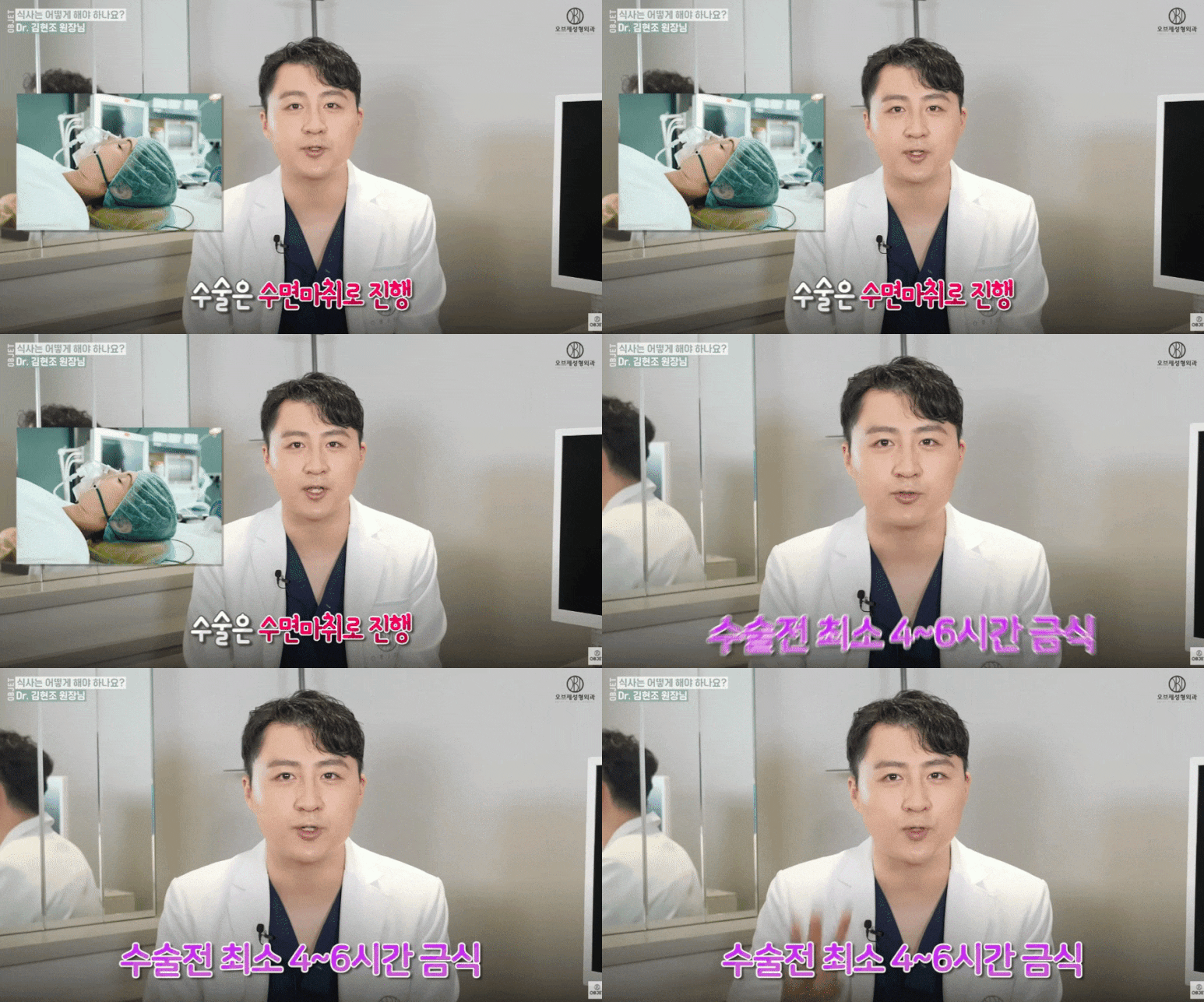
Because surgery is often performed
together with sedation anesthesia,
you should fast starting about 6 hours before surgery.
This is not just a hospital rule;
it is directly related to safety.
If food remains in the stomach
while under sedation anesthesia,
and vomiting occurs,
stomach contents can enter the airway
and affect breathing.

Water and beverages
are also included in the fasting period.
There are no major restrictions
on the type of food itself,
but
if you eat something very salty the day before surgery,
it can affect swelling the next day.
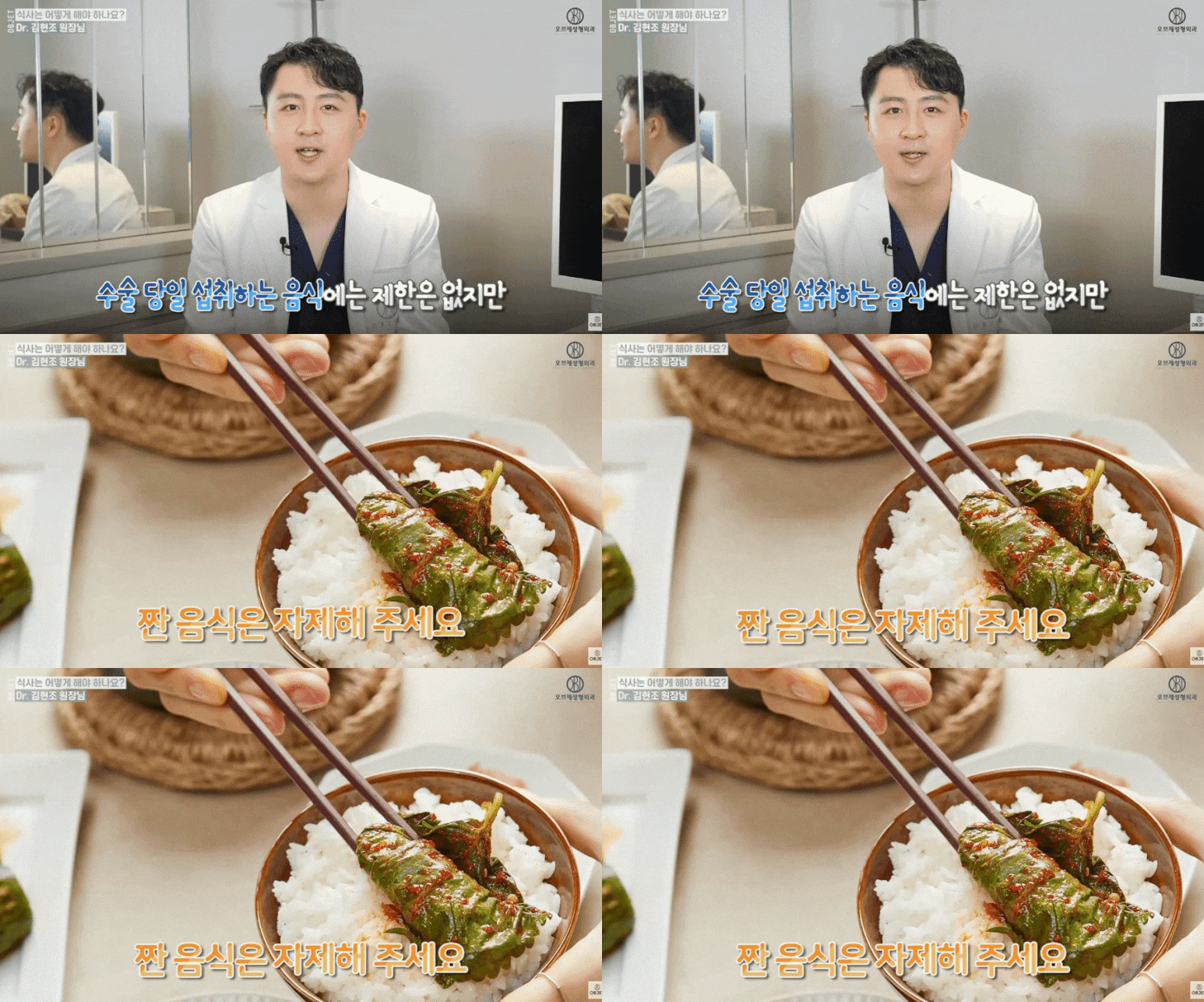
When salt enters the body,
it tends to hold water between tissues,
which can make the face look more swollen
during the early recovery period.
Stews, ramen, and spicy late-night snacks
are better avoided for a few days before surgery.
Next is alcohol and cigarettes.
This is especially important
because it has a major effect on recovery.
The substances in cigarettes
cause peripheral blood vessels to constrict.
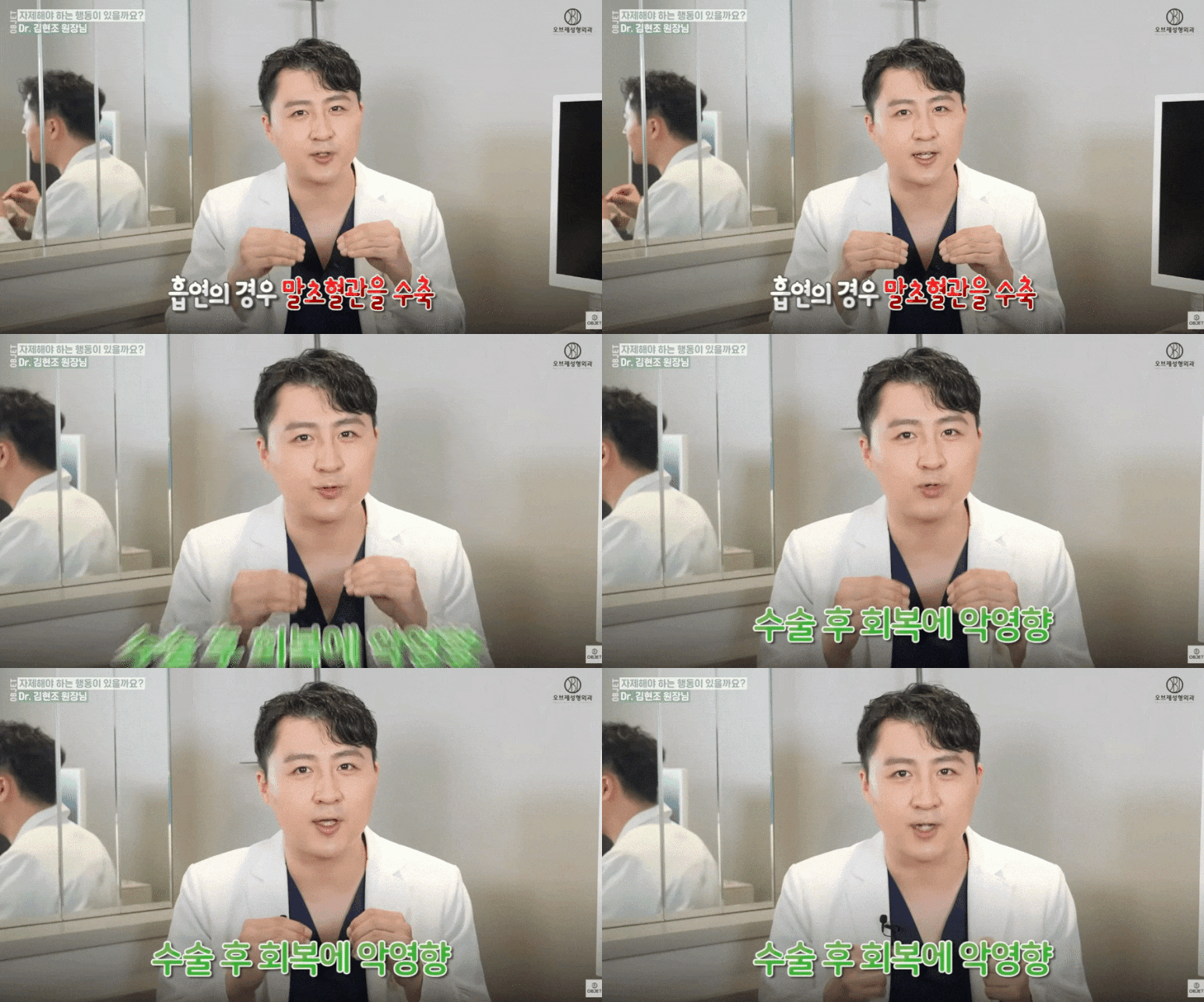
Simply put,
this means the path for blood flowing to the surgical area
becomes narrower.
If blood cannot circulate sufficiently,
wounds heal more slowly,
and it also takes longer for scar marks
to settle in more lightly.

Especially in midlife,
skin does not bounce back
at the same speed as in your twenties,
and if smoking is added on top of that,
unfavorable conditions for recovery overlap.
Alcohol works in a similar way.
When you drink,
blood vessels temporarily widen,
which can make bruising or swelling
around the surgical area more noticeable than usual.

Ideally,
you should stop smoking and drinking
starting 2 weeks before surgery,
and continue the same approach
for at least 2 weeks after surgery as well.
Before midlife eye surgery,
A medication <checklist> you must review
This is the part people usually ask about
most carefully.
In midlife, it is common to have medications
that you take regularly for blood pressure, diabetes,
or blood circulation.
That is why checking medications before surgery
becomes even more important than it is for patients in their twenties.
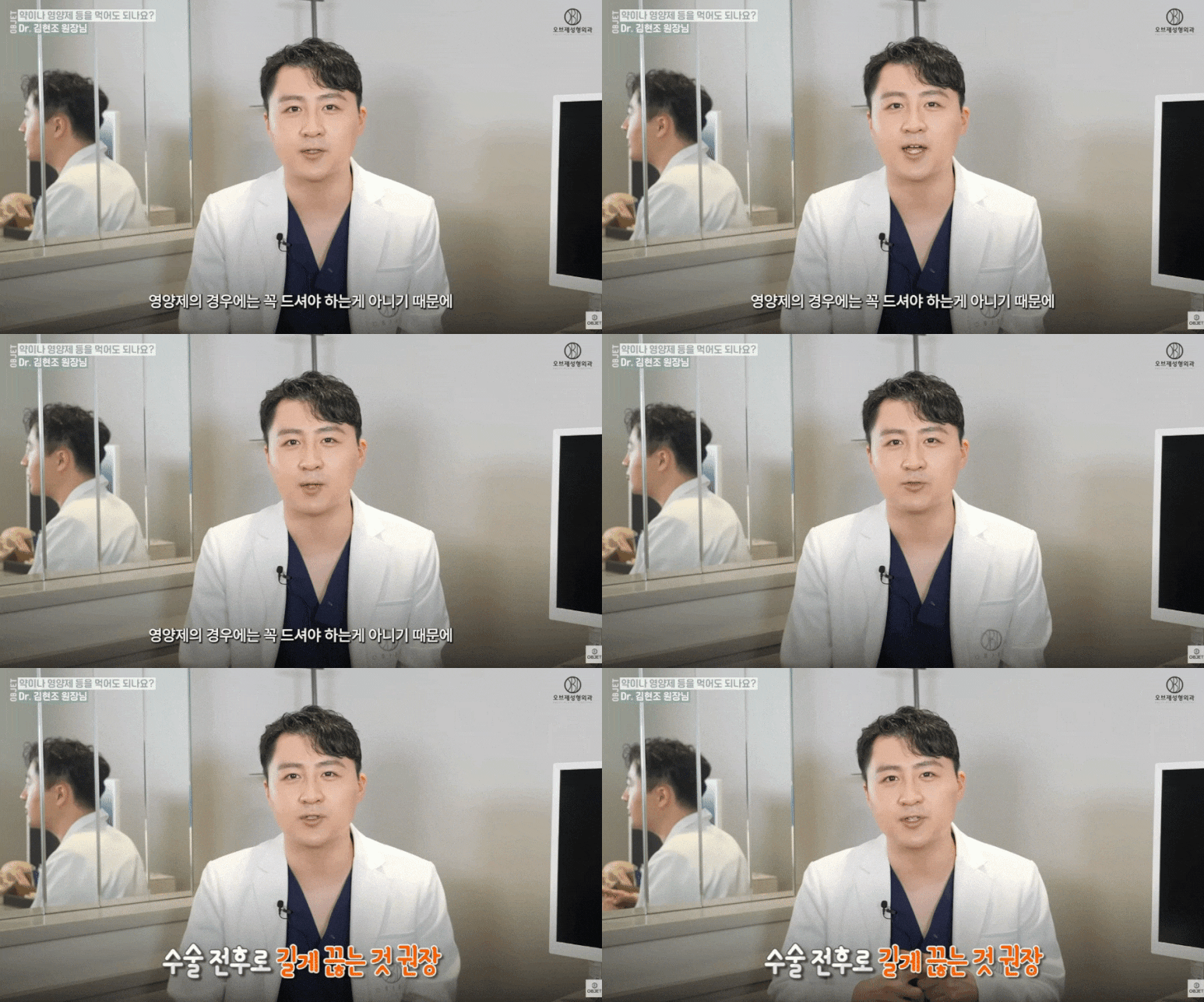
First, to go over supplements:
if they are not absolutely necessary,
it is better to pause them before surgery.
Ingredients such as omega-3,
vitamin E,
and ginkgo leaf extract
can have a blood-thinning effect,
which may affect bleeding or bruising during surgery.
If possible, it is safer
to stop them well in advance.
Prescription medications require a more cautious approach.
In particular, if you are taking
the following medications,
you need to consult the medical staff in advance.

– Platelet aggregation inhibitors such as aspirin
– Anticoagulants such as warfarin
– Antipyretic, analgesic, and anti-inflammatory drugs
taken for headaches or joint pain
– Circulation-improving medications
These medications are generally stopped
about 1 to 2 weeks before surgery,
and restarted about 3 to 4 days later,
after hemostasis has stabilized following surgery.
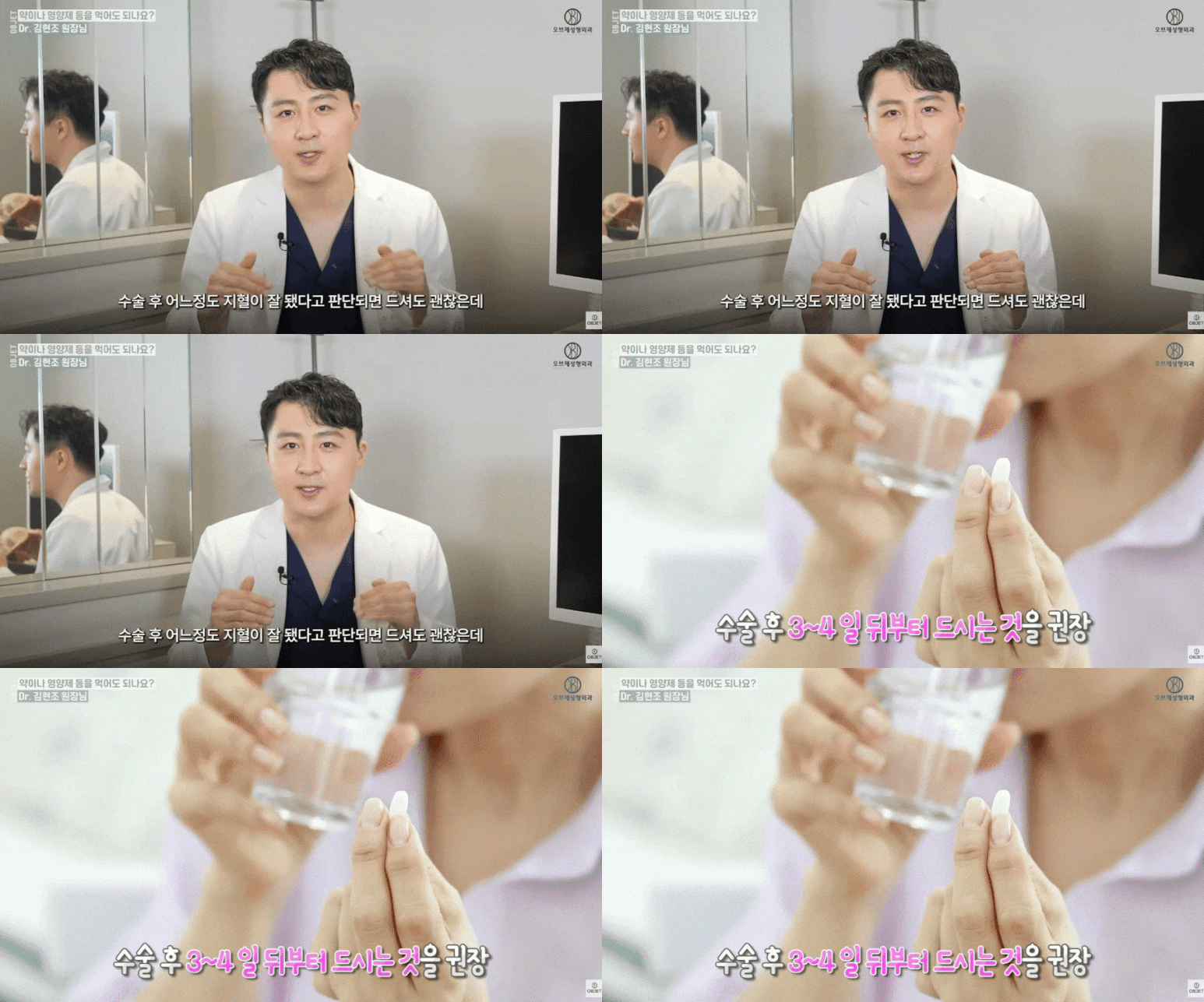
However, the timing may vary depending on
the type of medication and your individual health condition,
so it is safer to adjust it
according to the medical team’s guidance.
The most important point here is
that you should not stop them on your own.
It is essential to first consult the internist
who prescribed your regular medication,
and decide together when to stop
and when to restart it.
If you bring the exact list of medications you take
when you visit Objet Plastic Surgery,
you can receive accurate guidance during the consultation.
Exercise? Sauna? Dieting?
Avoid this period before and after surgery
First, let’s look at exercise.
Light walking is possible
starting right after surgery.
It may even help circulation.

However, vigorous cardio that makes you sweat heavily
or heavy weightlifting
is better postponed until at least 3 to 4 weeks later.
When your heart rate rises,
blood pressure rises as well,
and if the pressure going to the surgical area increases,
swelling or bruising may become more noticeable again.
Saunas, bathhouses, and swimming pools
follow the same idea.

If you stay in a hot place for a long time,
blood vessels expand
and your body temperature rises,
which can make swelling that had been going down
become more noticeable again.
For this part as well,
if you leave a comfortable margin of 3 to 4 weeks,
you can go more at ease.
Dieting is also something
you should definitely mention.
If you had a consultation in January
and scheduled surgery for April,
and in the meantime lost 5 kg or 10 kg,
the facial contours you first saw
may have changed.
That is because as fat decreases,
the degree to which the eyelids look hollow
and the appearance of sagging skin
can also change.

Midlife eye surgery
is not a procedure planned by looking only at the eyes;
because it is designed within the overall facial balance,
it is best to receive a consultation
when your weight is stable.
The last thing to mention is
a history of lifting procedures.
Light lasers that refine the skin surface
are not a major issue,
but procedures such as Ulthera, Thermage, and InMode,
which deliver thermal energy deep into the skin,
are a little different.
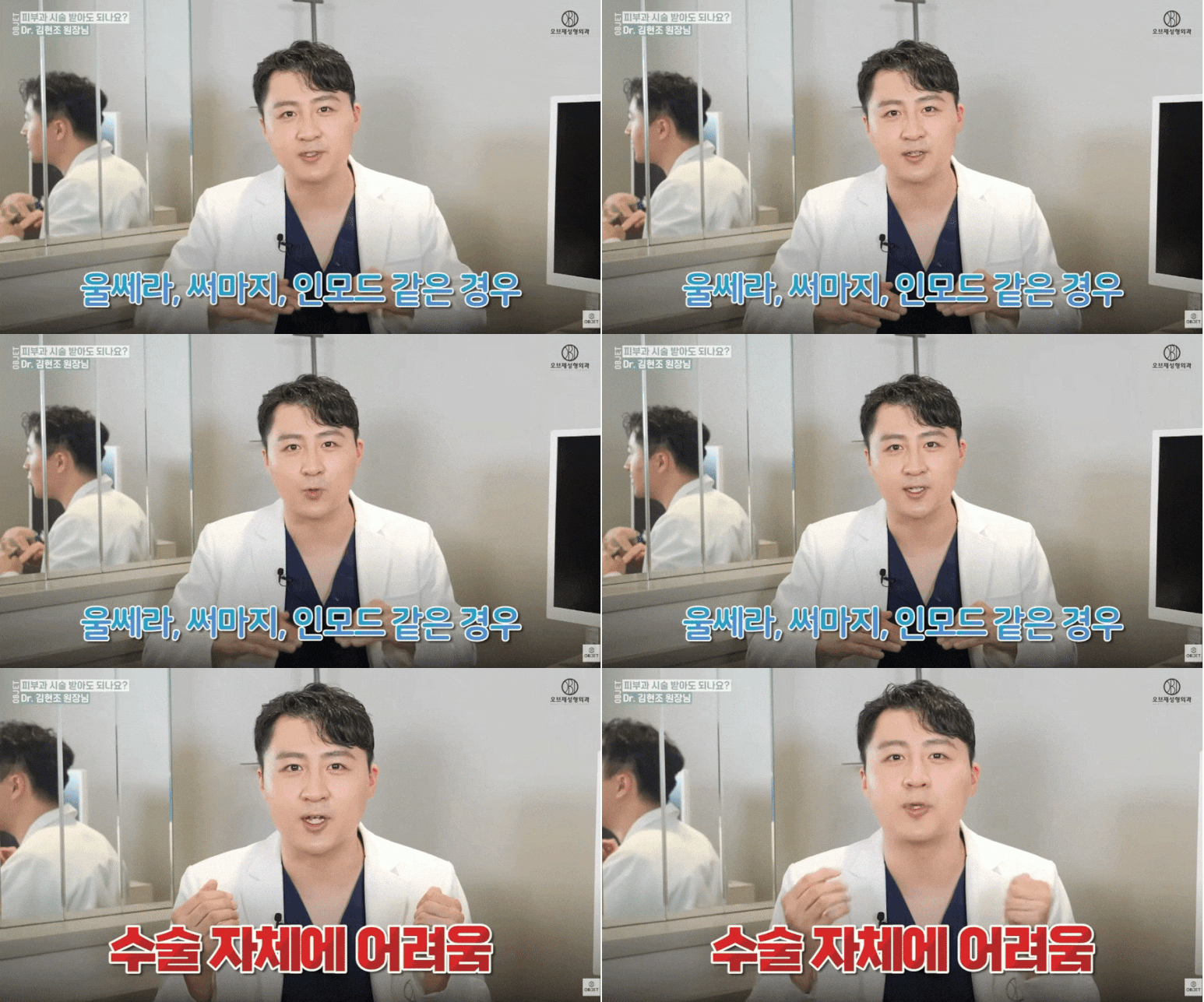
These procedures create changes
in the internal structure of the tissue,
so the dissection process during surgery
may become more difficult.
They may also affect the surgical results
or the recovery process,
so if you recently had such a procedure,
it is best to let us know in full during the consultation.
Today, we organized and explained
the three points that are commonly asked about
before surgery.
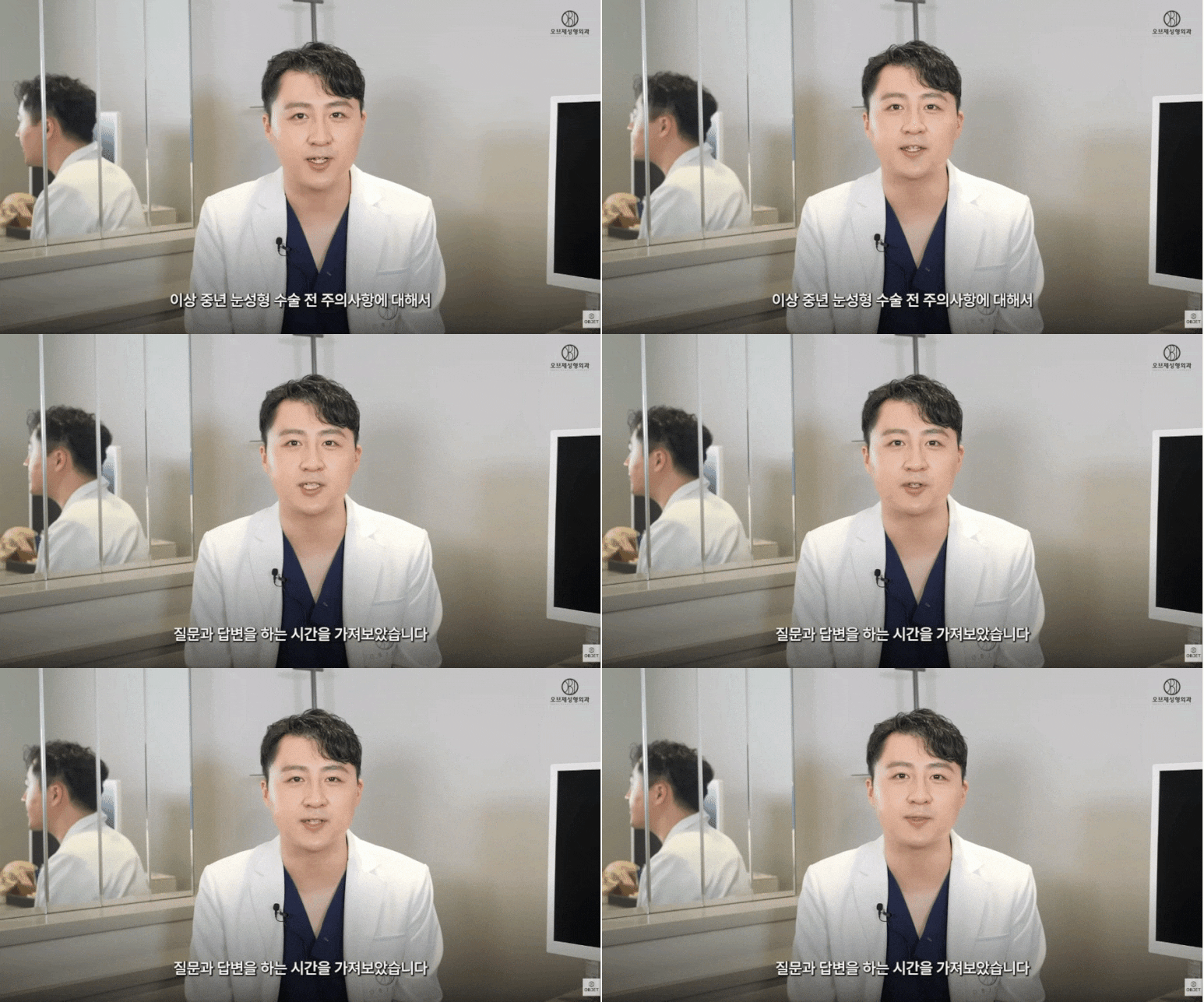
The few days before entering the operating room
can be a small but important time
that may affect recovery.
At Objet Plastic Surgery,
Director Kim Hyun-jo does not look at only one part
of the eyelids in midlife eye surgery,
but instead examines the overall facial proportions,
including the position of the forehead and eyebrows,
the degree of skin sagging,
and how the muscles move,
before deciding on the direction of surgery.
We also check the patient’s condition,
the medications they are taking,
and lifestyle habits,
and provide guidance from the preparation stage
so recovery can proceed smoothly.
That concludes our post from Objet Plastic Surgery.
Thank you.
<🔽🔽Helpful video to watch together🔽🔽>
| Midlife Eye Surgery Consultation and Inquiries |
|---|
| Quick phone consultation |
| Easy Kakao consultation |
-
This post is medical information prepared by Objet Plastic Surgery Clinic in compliance with the Medical Advertising Act.
-
The effectiveness of the procedure may vary from person to person, and side effects may occur.
We recommend that you be sure to have sufficient consultation with the medical staff in advance before deciding on the procedure.