
Nasal surgery without implants,
In which cases is it suitable?☃️
More and more people are looking for a nose that not only looks high,
but also harmonizes with their face and appears natural.
In particular, those who want a natural-looking nose with a lower chance of side effects
often choose nasal surgery without implants.
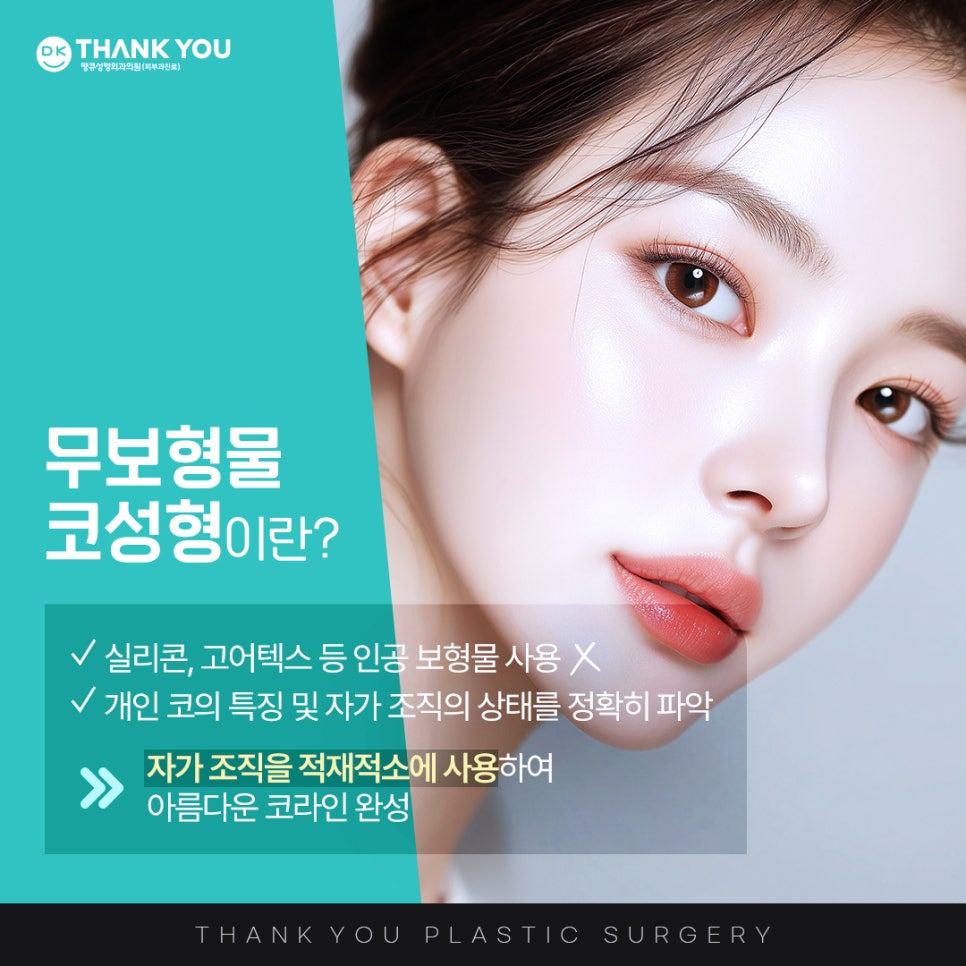
This is a nose surgery method that uses your own tissues, such as septal cartilage, ear cartilage, costal cartilage, temporal fascia, and autologous dermis,
without artificial implants like silicone or Gore-Tex.
It is nasal surgery without implants that diagnoses the condition of an individual nose and selects the appropriate tissue from among various autologous tissues
and uses it in the right place at the right time.
Because no artificial implant is used,
it is important to carefully analyze the condition of the individual nose and custom-use suitable autologous tissue.
Since the amount of cartilage that can be harvested and the desired results vary,
you need to check the condition of the autologous tissue carefully from the beginning.
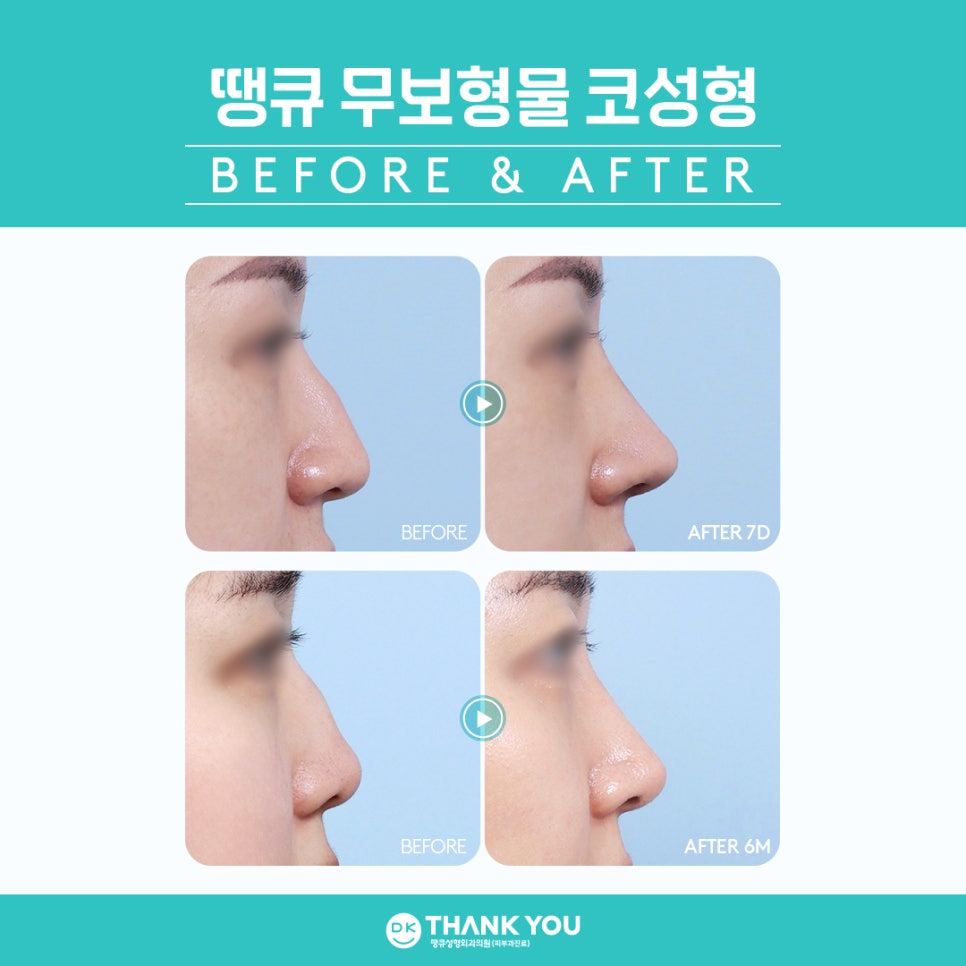
The nose is a very delicate area in which every small element—such as the line from the bridge to the tip,
the shape of the tip, the columella, and the nasolabial angle—has a major impact on the overall impression.
Because of this, depending on the structure and skin thickness,
everything from the surgical method to the type of implant needed can vary greatly.
So today, I will explain in detail the main features and pros and cons of nasal surgery without implants,
as well as the criteria for which tissue should be used according to the characteristics of an individual nose.

After the tissue has taken hold, nasal surgery without implants
is especially resistant to external impact, and because no implant is used,
it has the advantage that implant-related side effects such as contracture or inflammation do not occur.
Also, because there is no artificial feel or foreign-body sensation from an implant,
this method has the advantage of producing an even more natural result.
Moreover, as time passes,
these tissues settle in more stably,
so it can be a good option for those who feel burdened by using an implant at all.

In general, nasal surgery without implants is performed in the following cases.
When there is no need to raise the bridge very much
When the main goal is improving the nasal tip
When natural results are important
When there is concern about implant side effects
When the nose skin is thin
In revision surgery cases where there were problems with a previous implant
However, even if you fall into the cases above, that does not mean you can always have nasal surgery without implants.
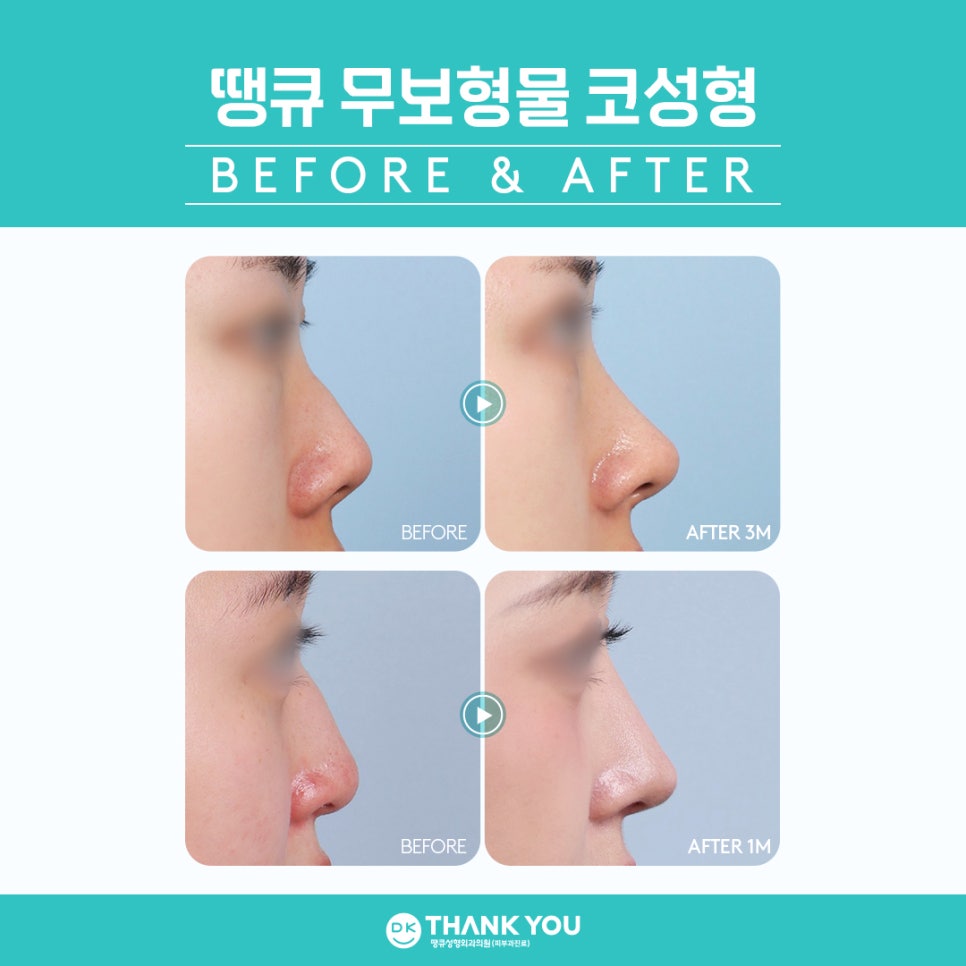
If the bridge is generally low and it is difficult to achieve the desired height with autologous tissue alone,
choosing an artificial implant may produce better results.
In cases where the skin is thick and cartilage changes are not easily visible,
or when the nasal structure itself is naturally small,
using an implant may be more suitable.
If you want a dramatic change in appearance,
using an artificial implant also has the advantage of making it relatively easy to create the height and line you want.
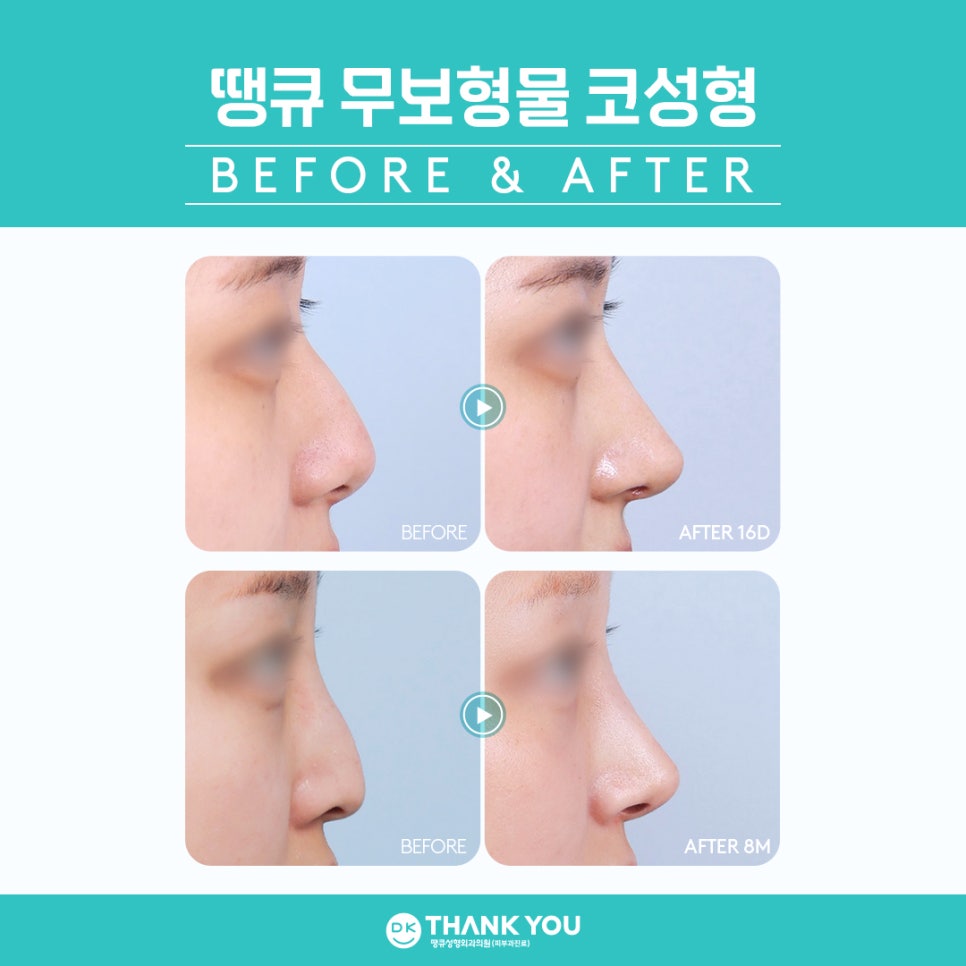
To put it simply,
if you insist on nasal surgery without implants even when it does not match the condition of your nose or the results you want,
the effect may be minimal or surgical satisfaction may drop significantly.
On the other hand, if an artificial implant is inserted even though it is not really necessary,
the impression may become overly exaggerated and the risk of side effects may increase, so caution is needed.
Also, some autologous tissues require additional surgery for harvesting,
so if that is a burden, it is better to consider another method.
As such, because nose surgery can vary greatly depending on many conditions,
we recommend proceeding only after a detailed consultation with an experienced medical professional.
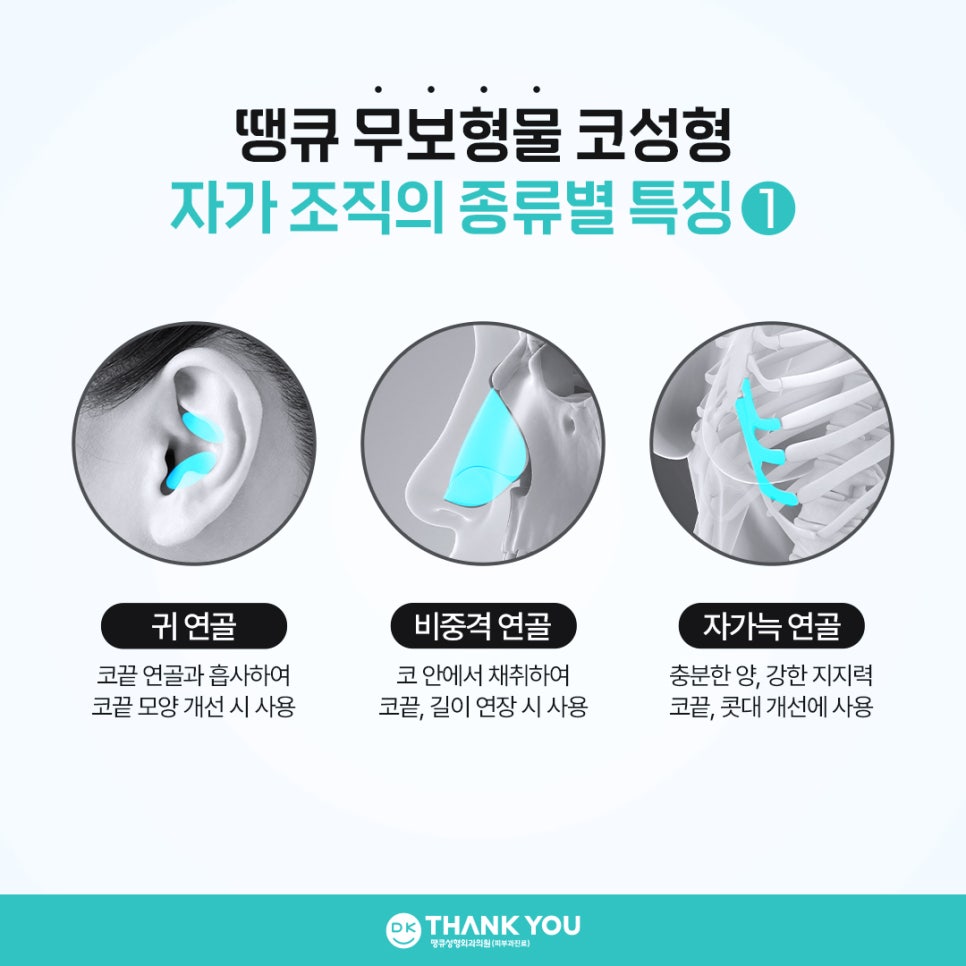
Meanwhile, in nasal surgery without implants, the autologous tissue area used can also vary depending on the desired nose shape.
First, ear cartilage is soft and similar to the cartilage of the nasal tip,
so it is recommended for those who want to create a natural-looking nasal tip shape.
Next, septal cartilage in the septum between the two nostrils is used to lift the nasal tip
or extend the length of the nose.
Third, autologous costal cartilage is harvested from the ribs that connect the rib cage and sternum.
Because the amount is sufficient and the support is strong,
it is a tissue often chosen by those who want a dramatic change to the nose.
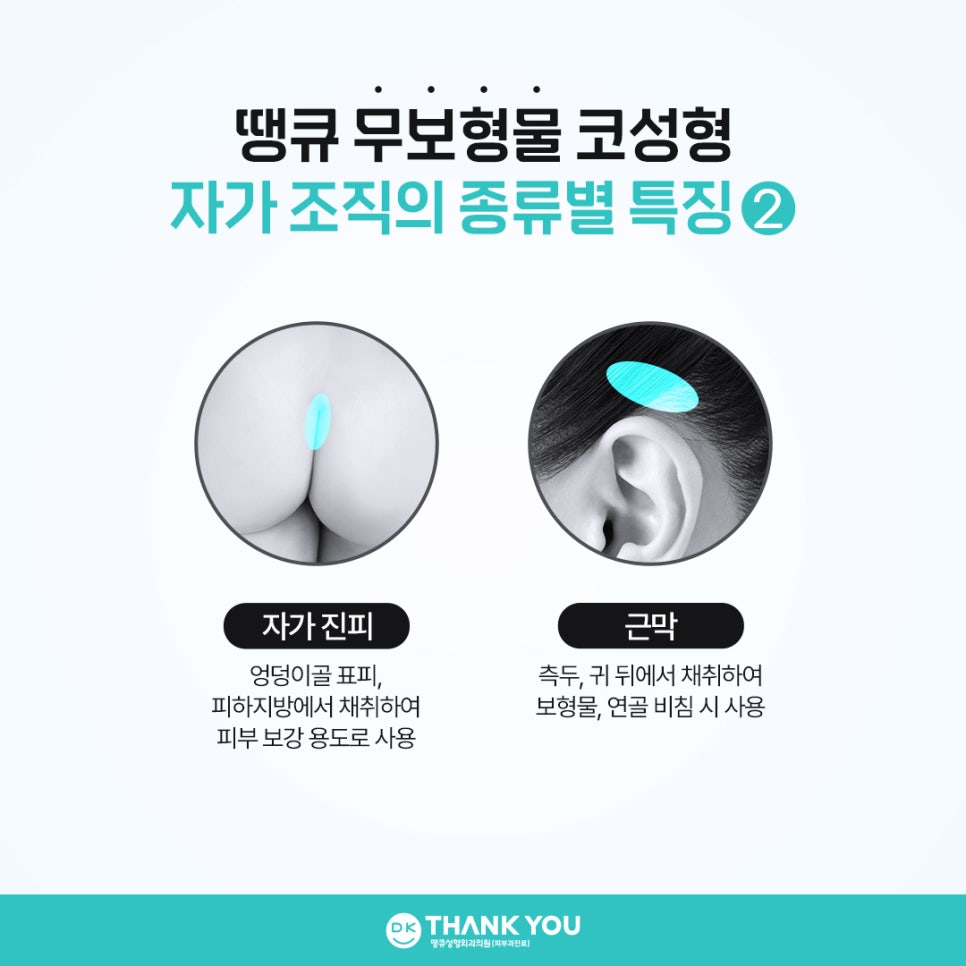
In addition, autologous dermis and fascia can be used to refine the shape of the nose in a harmonious way.
Autologous dermis is tissue harvested from the epidermis and subcutaneous fat of the buttock bone,
and is mainly used to reinforce the skin when the nasal skin tissue is thin or when there is an inflammatory response.
Meanwhile, fascia is a thin membrane that surrounds muscles, and temporal fascia or postauricular fascia is used.
When the skin is thin and an implant or cartilage might show through, it serves to cover them.
It is also used alone on the bridge or nasal tip by layering several sheets.
If you have checked this far, you may have realized that depending on the condition of the nose,
not only the surgical method but also the materials used in nasal surgery without implants can differ.
As mentioned earlier, because nose surgery itself is a delicate procedure,
it is best to proceed only after sufficient consultation with a specialist.
 Thank You also has a dedicated nose surgery medical team with many years of extensive clinical experience,
and with a wide range of experience and know-how, they find the surgical method and materials best suited to your nose.
In addition, using 3D CT, they assess not only the condition of the nose but also the amount and size of the septal cartilage,
and provide 1:1 customized materials suitable for the nose.
If you want a natural-looking nose without worrying about side effects,
we hope you will visit Thank You's nasal surgery without implants,
which is equipped with both expertise and technical skill.
Currently, Thank You Plastic Surgery is running various events,
including nasal surgery without implants.
If you would like more details,
you can check the detailed information at the direct link below.
🔽Click🔽
Go to homepage
Thank You Plastic Surgery
Conveying gratitude, Thank You Plastic Surgery (Dermatology consultation available)
🟡Phone inquiries: 02-567-0900
💗KakaoTalk consultation: https://pf.kakao.com/_Pvrxgb
🍀Website: https://www.thankyoups.com/
- 5th, 8th, and 9th floors, Hanwell Building, 446 Gangnam-daero, Gangnam-gu [Reception: 9th floor]