A patient visited our clinic.
After receiving a Thermage treatment at another hospital,
the skin had become sensitive, with persistent redness and
breakouts.
The procedure had been performed at a place
that was not a dermatology clinic,
and after excessive heat stimulation,
an inflammatory reaction appeared,
but sufficient recovery
had not taken place.
What stood out during the consultation was
a phrase I heard.
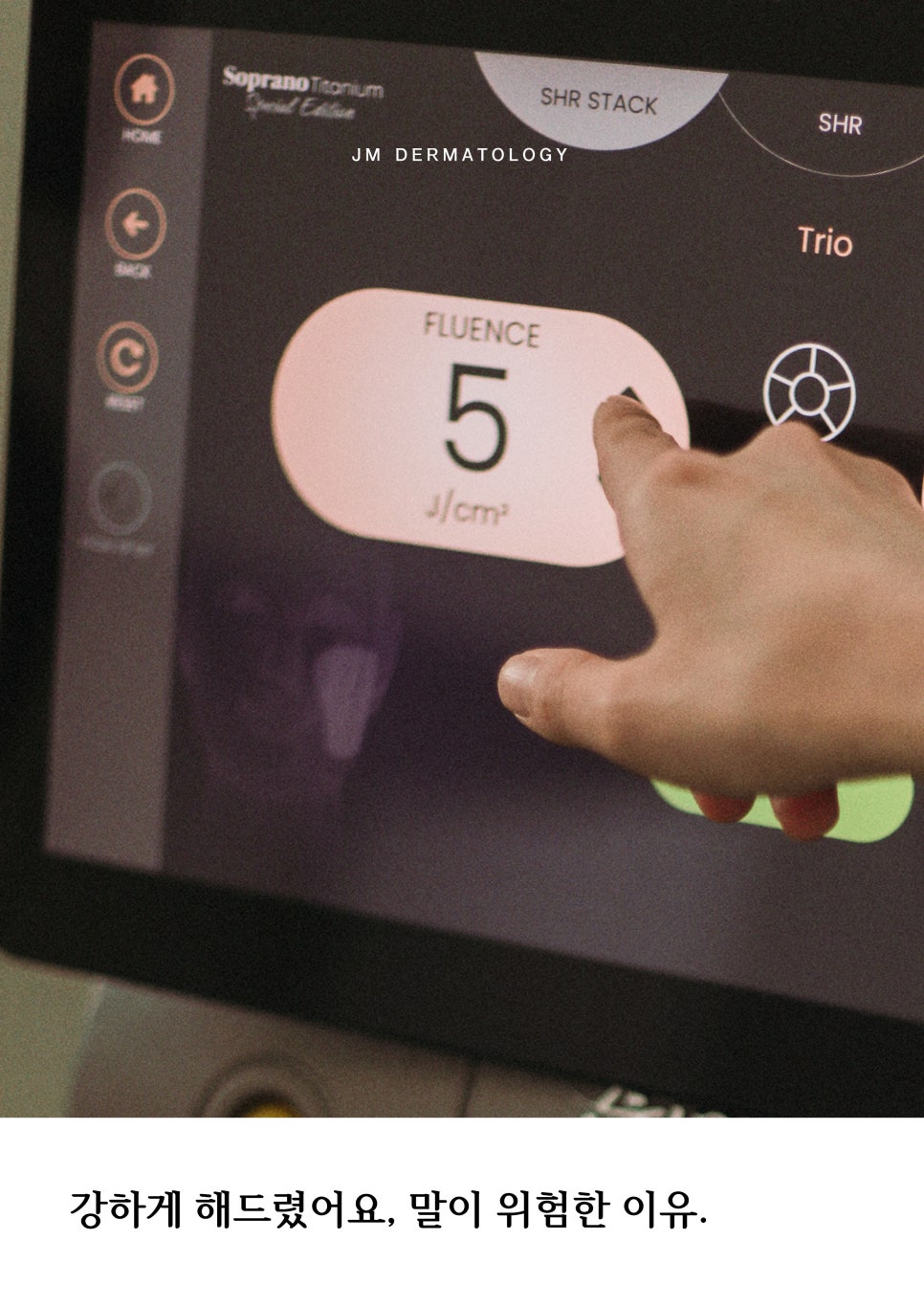
“They said they did it really strongly so the effect would come out well.”
No way....
The result comes from ‘design,’ not ‘intensity’
In energy-based procedures,
the idea that “the stronger, the better”
can be very dangerous.
Especially when the skin is thin or sensitive,
the effects can appear more strongly.
In this patient’s case, after excessive heat stimulation,
the condition showed a complex combination of
heat-induced hypersensitive folliculitis,
rosacea-like erythema,
and skin barrier damage.

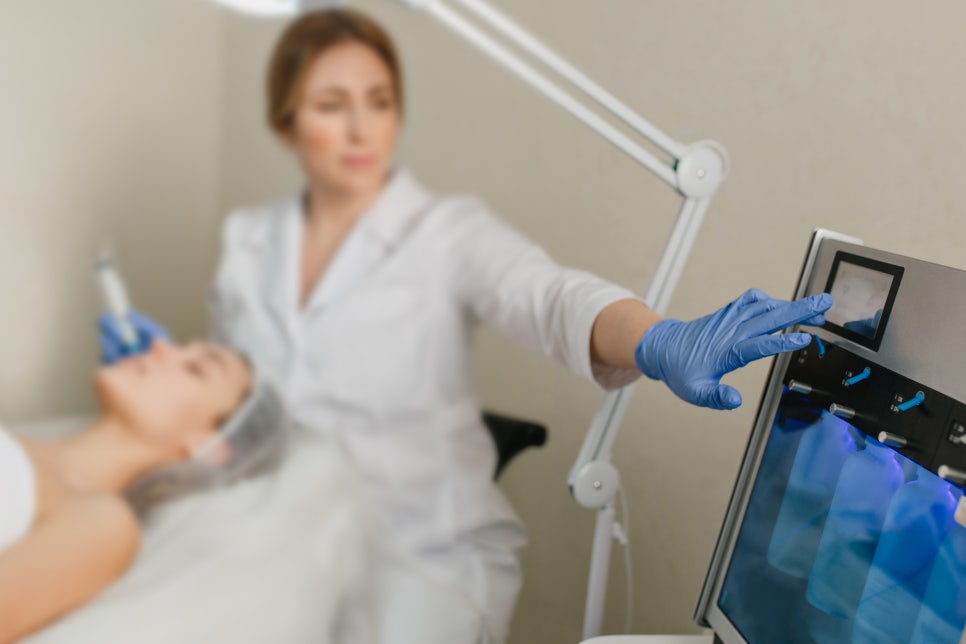
Thermage FLX,
Gangnam Station Dermatology Thermage FLX uses
monopolar RF to
deliver thermal energy
to the dermis layer of the skin.
It is designed to deliver energy to the internal tissue
while protecting the skin surface,
and it has a system that
detects skin temperature in real time.
It also has features such as
a relatively uniform energy delivery structure
and shot design that takes treatment efficiency into account.
Based on this structure,
it is generally used when
skin elasticity feels reduced,
when there are fine lines or changes in skin texture,
or when overall changes in skin density and contour
are a concern.
In addition, after the procedure,
a feeling of tightening in the skin or
changes related to elasticity may
appear gradually.
However, these changes can vary
depending on the individual’s skin condition,
degree of aging, and response characteristics.
So what matters most
is not the characteristics of the Gangnam Station Dermatology device itself,
but on what basis, at what intensity,
and how it is designed.
Even if such technical elements exist,
using it ‘strongly’
does not become the standard.
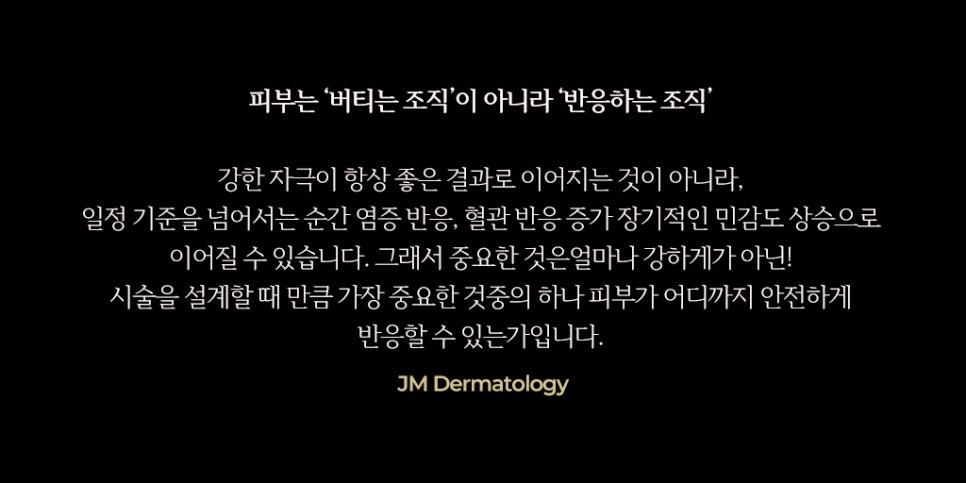
The skin is not a ‘structure that endures’ but a ‘structure that reacts’
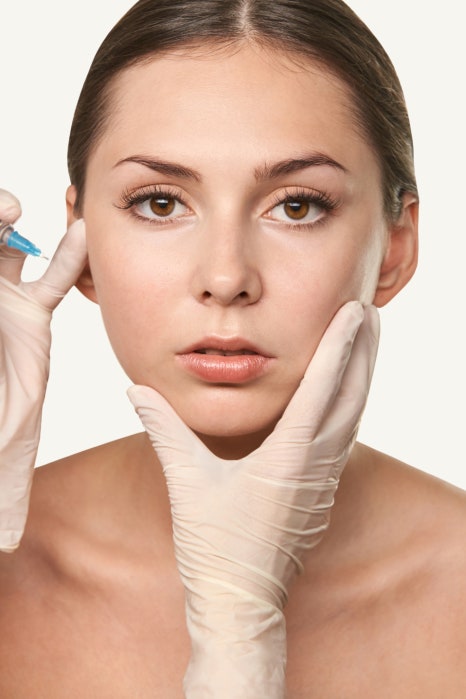
The skin is not simply a structure that tolerates stimulation,
but a tissue that reacts to stimulation.
Strong stimulation does not always lead to good results,
and once a certain threshold is exceeded,
it can lead to inflammatory reactions, increased vascular responses,
and long-term increased sensitivity.
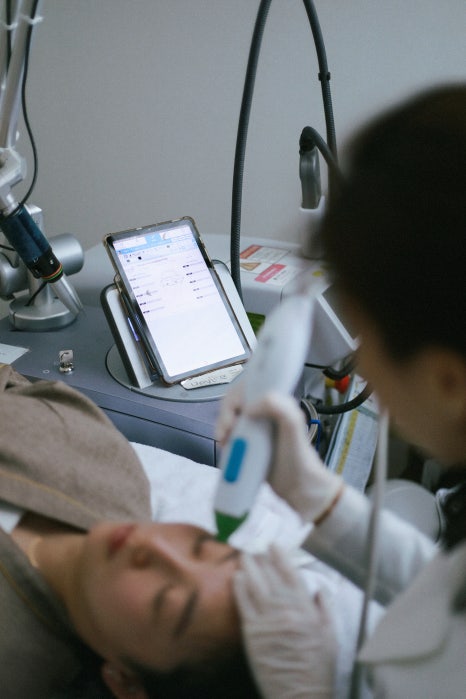

So what matters is
not how strong it is!
And when I design a procedure,
one of the most important things is
how far the skin can safely
respond.
Same Thermage, not the same
Depending on skin thickness,
sensitivity,
and existing inflammatory conditions,
the energy intensity, shot distribution, and layer strategy
must be completely different.
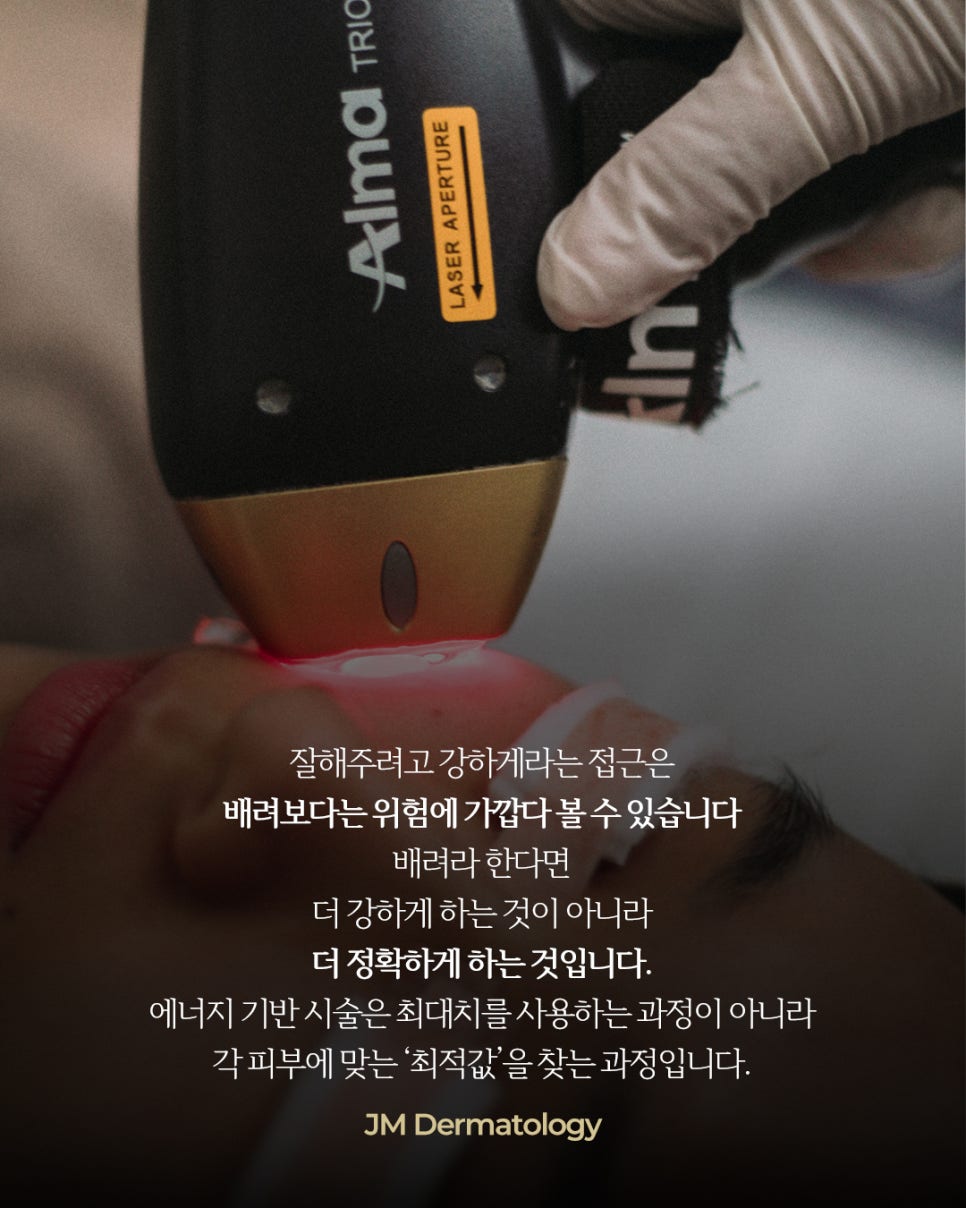
An approach that says to use it strongly in order to do a good job
is closer to risk than to care.
If it is care,
it is not about making it stronger,
but about making it more precise.
Energy-based procedures are
not a process of using the maximum,
but a process of finding the ‘optimal value’ for each skin.


At JM Kim Jeong-min Dermatology,
when deciding on a procedure,
we try to consider not just simple intensity or number of sessions,
but also the range the skin can accept
and the flow of recovery.
The skin does not end with a single treatment;
it is a process that continues into the reactions and changes that follow.
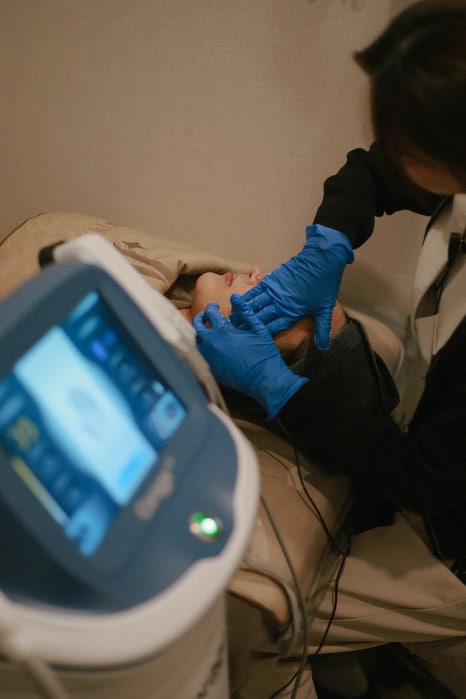

The skin is not a structure that produces better results simply because it is stimulated more strongly.
Rather, once that threshold is exceeded,
damage may appear before recovery.
That is why at Gangnam Station Dermatology JM,
we always begin with the same question.
“How far can this skin safely respond?”
A procedure designed above that standard
makes the difference in results.
Adding science to beauty.
That begins not with making it stronger,
but with designing it more precisely.