At Gangnam Station Dermatology,
new procedures are constantly emerging.
They promise faster, stronger,
and more immediate changes.
The ability to create visible change
in a short period of time
can certainly feel appealing.
From a patient’s perspective,
procedures that are seen often and mentioned frequently
can also come across as a verified choice.
But in actual practice,
the more I treat patients,
the more I feel that standard alone
is not enough.
Skin is not simply a tissue that
accepts “rapid change.”
It exists within a process that continues
through reaction and recovery
after stimulation.
That is why, when looking at a new procedure,
I believe we need a 기준 that considers
not only the result visible now,
but also the flow that follows afterward.


Starting with questions
When I encounter a new procedure,
rather than deciding immediately to introduce it,
I tend to ask questions first.
“Does this procedure make the patient’s skin healthier?”
“Can the result be maintained over time?”
If the answers to these questions are not clear,
I choose to observe a little longer.
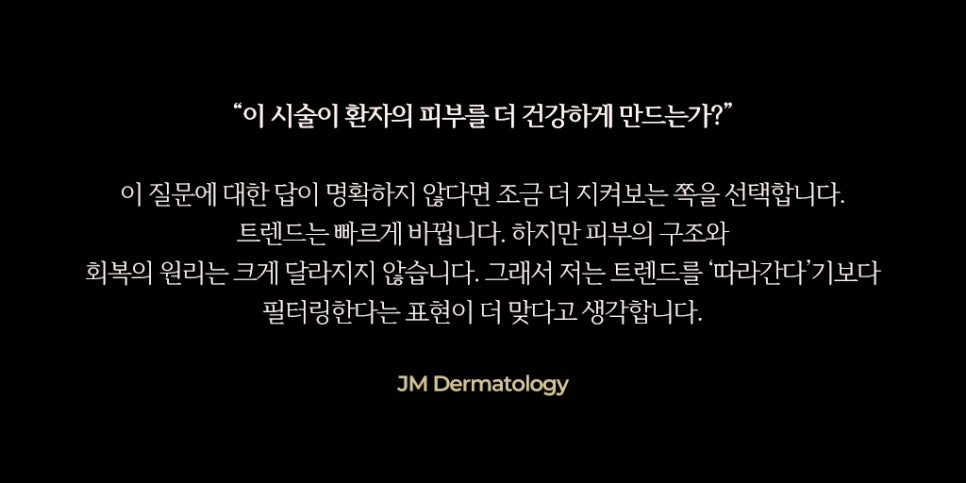

Trends change quickly.
But the structure of skin
and the principles of recovery
do not change all that much.
The response to heat,
the recovery process after stimulation,
and the limits skin can tolerate
still operate within the same framework.
That is why,
rather than saying I “follow” trends,
I think the better expression is that I filter them.
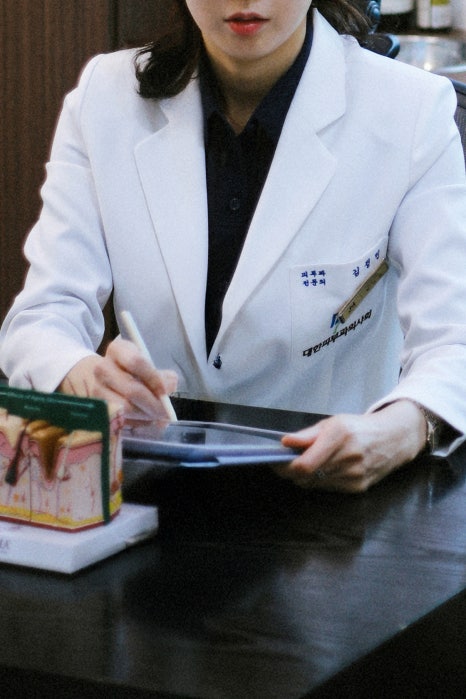
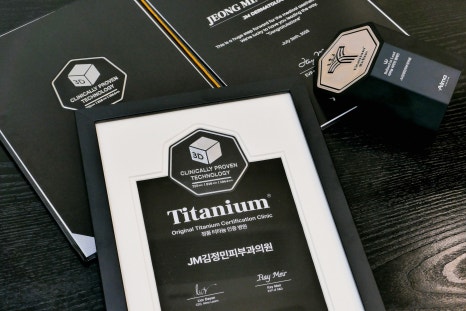
Criteria for looking at a new procedure
When introducing a procedure,
I make judgments based on several criteria.
- Is the tissue response predictable?
First, I check how heat or stimulation
affects the skin,
and whether the recovery process afterward
is a structure that can be explained.
- Is it a direction that can be maintained over time?
I consider not only short-term changes
but also what effect it may have on the skin
over the long term.
- Does it have meaning within the overall plan?
Rather than a single procedure acting independently,
I look at how it connects with existing treatments
and whether it has meaning within
the overall skin plan.
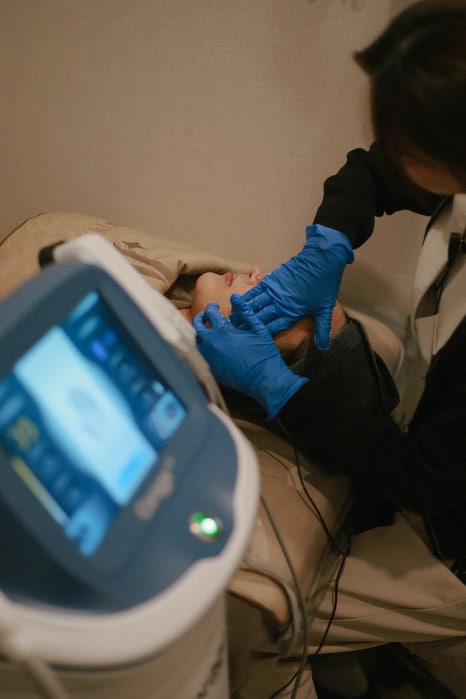

The limits of the “famous” standard
Patients may naturally see
procedures with a lot of advertising or exposure
and think they are good procedures.
But in reality,
when the results vary widely,
when there is not enough long-term data,
or when it can become unnecessary stimulation,
there may be cases where a more cautious approach is needed.
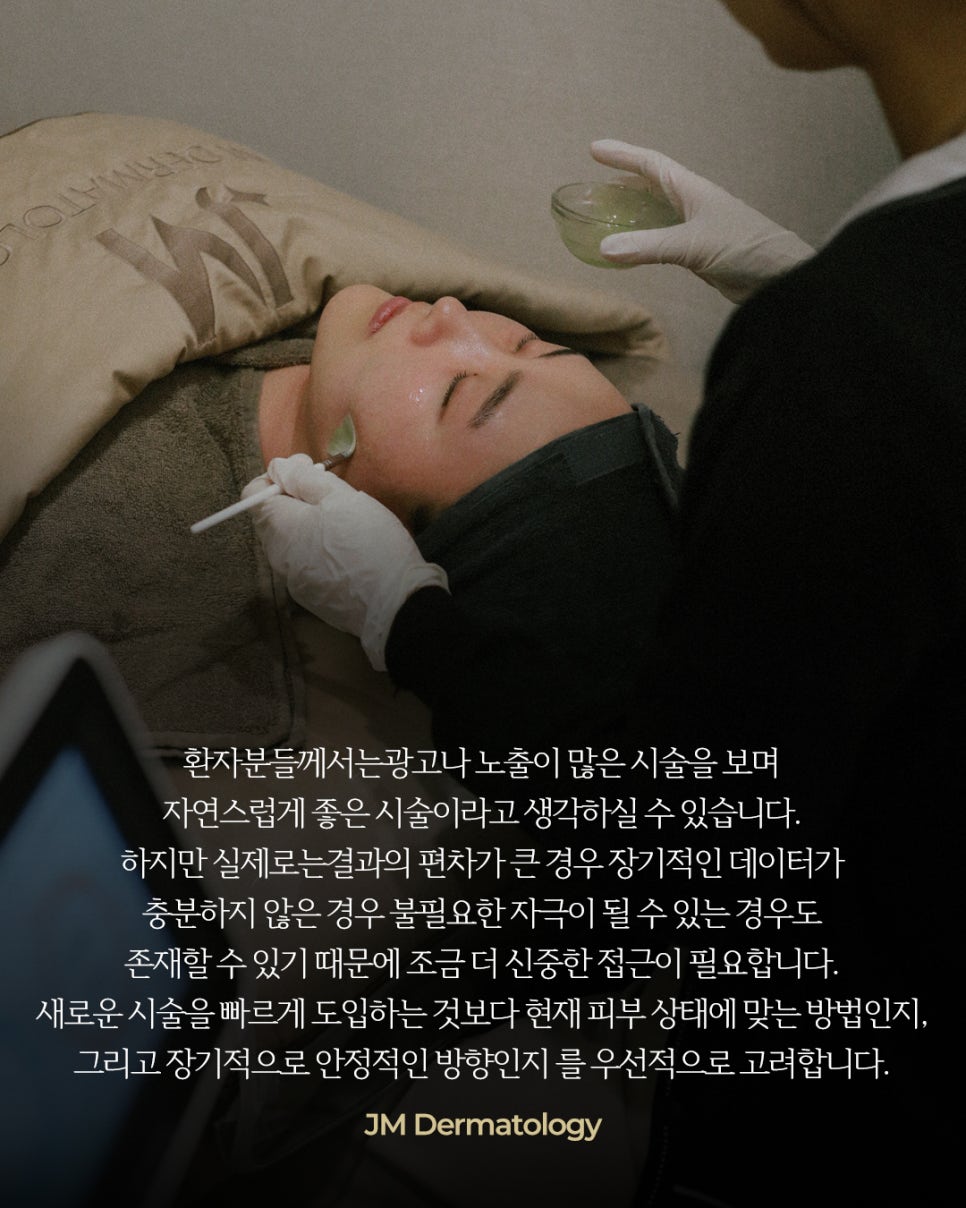
At Gangnam Station Dermatology,
JM Kim Jeongmin Dermatology,
rather than quickly introducing new procedures,
we first consider whether they are appropriate
for the current skin condition
and whether they are a stable direction over the long term.
Skin is not something that ends
with a single choice,
because it is a process that continues
into the changes that follow.


Not everything new
is always the better choice.
That is why at Gangnam Station Dermatology JM,
rather than choosing procedures based on trends,
we want to judge based on what kind of response
they leave on the skin,
and how that change continues over time.
Skin is not a tissue
that ends with one stimulus alone;
results are created by the recovery that follows
and the accumulated responses as well.


So when choosing a procedure,
rather than asking, “Does it look good right now?”
I place more importance on whether it is a direction
that will not strain the skin over time.
Rather than following trends,
we keep only what is necessary
and design within that standard.
And we make sure that design can continue steadily
without disrupting the flow of the skin.
Adding science to beauty,
after all, means maintaining this standard
to the very end.