When the seasons change,
the condition of the skin often changes as well.
As the temperature difference between day and night grows,
and sebum secretion and moisture balance shift,
changes such as pores, skin texture, and breakouts
can feel more noticeable than usual.
Especially during this period,
simply soothing the skin
is often not enough,
and an approach that addresses both the skin surface and its structure
is often needed.
That is because not only visible roughness or
marks,
but also the repeated skin reactions beneath the surface
need to be considered together
for things to move in a more stable direction.
From this perspective,
interest is naturally increasing in devices
that consider both precise improvement of the skin surface
and structural changes at the same time.
Among the devices used in this flow at a skin clinic near Gangnam Station
is
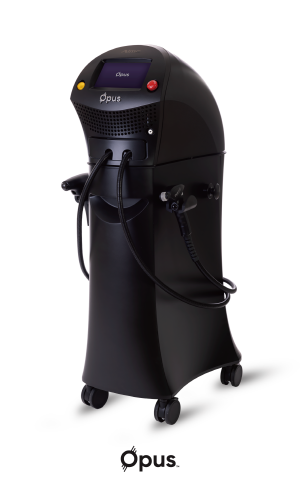
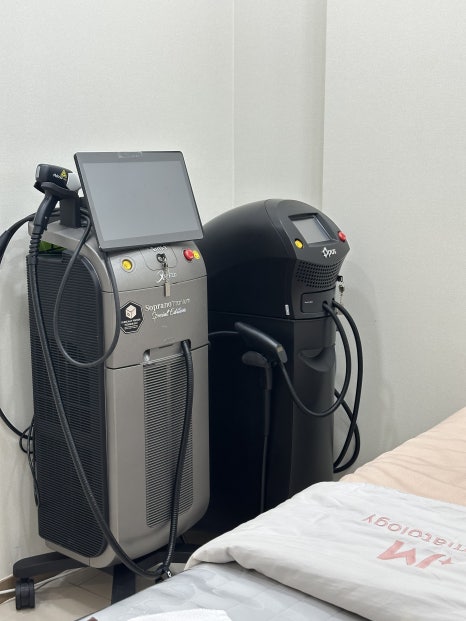
Opus.
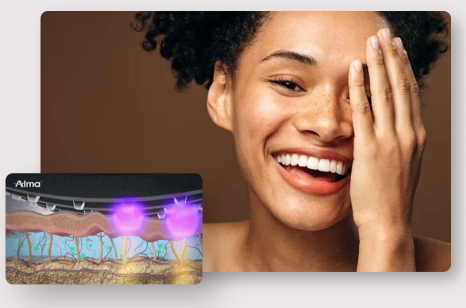
An approach that considers both the skin surface and structure, Opus
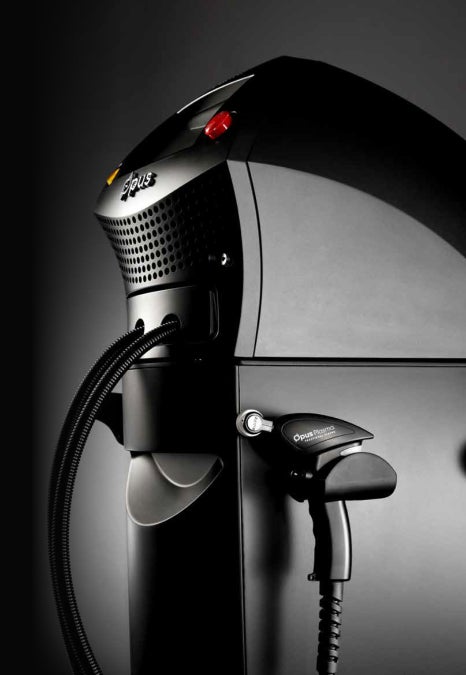
Opus is
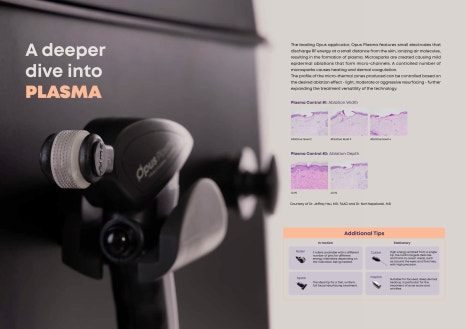
based on micro-plasma technology
and is designed to act on both the skin surface and the dermis layer
by utilizing radiofrequency (RF) energy.
With a method that combines the advantages of
laser and radiofrequency technology,
it delivers micro thermal energy to the skin,
allowing the skin surface texture to be handled more
precisely
while also having a structure that can influence
changes in collagen and elastin in the dermis layer.
At JM Dermatology,
we pay attention to this "dual-structure approach."
Skin is not simply improved overall
just by making the surface
smooth.
Elements such as texture, pores, and marks on the surface,
together with structural changes within the skin,
need to be achieved in balance
for things to continue in a more natural flow.
From this perspective,
Opus can be used when considering
both improvement of skin texture and structural changes.
However, whether it is applied
is carefully decided depending on the skin condition and reactivity.
"These are cases where it may be considered"
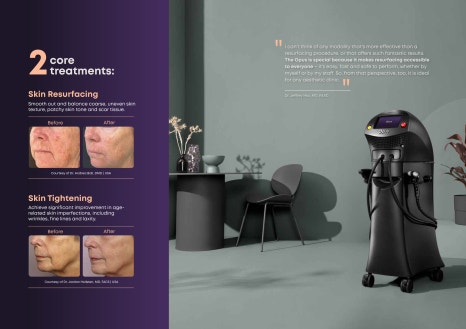
When considering improving both skin elasticity and pores
When trying to manage changes in skin condition caused by inflammatory acne
When considering improvement of acne scars and skin texture
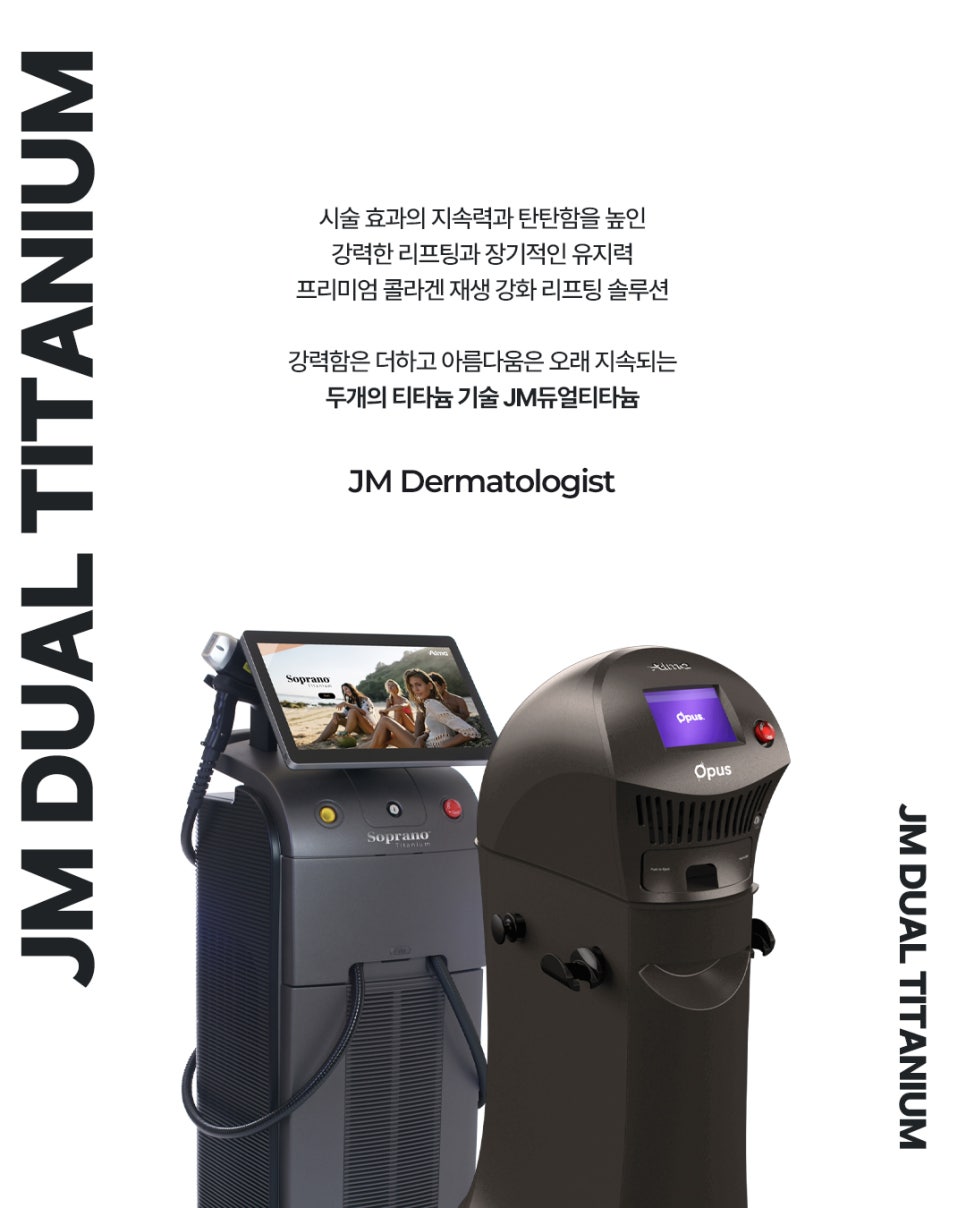
Titanium + Opus radiofrequency laser_Dual Titanium
Titanium treatment is
used as a lifting approach for
skin elasticity and contour changes,
but in the case of a standalone treatment,
the effect may gradually lessen over time.
To compensate for this,
it is possible to apply a combined approach
that considers both the skin surface and the dermis layer
by using radiofrequency treatments such as Opus (Plasma RF)
together.
If Titanium plays the role of establishing
the direction and firmness of lifting,
Opus can work together by affecting collagen and
elastin changes and complementing the density of the skin structure.
This dual titanium approach,
which combines these two technologies,
is used as one option when a design that considers
not only short-term changes but also the passage of time
is needed.
An approach that considers balanced energy delivery
and sustainable change rather than strong stimulation.
For those who want to think about both the direction of lifting
and the stability of the skin structure,
it is a combination that is suggested cautiously.
Design rather than intensity,
flow rather than change.
Add strength,
and let beauty last longer — Dual Titanium.
The standard JM looks at
At JM, a skin clinic near Gangnam Station,
treatments are not determined around a specific device alone,
but the overall flow, including the current skin condition,
the recovery process, and reactivity,
is considered first.
Opus is also
one of several options for improving the skin surface
and bringing about structural changes,
and it is applied carefully according to each person's skin characteristics
and current condition.
In skin procedures,
more important than which device is used
may be the purpose and
the way it is designed.
Rather than creating all changes with a single procedure,
a balanced approach within the range the skin can accept
is necessary.
At JM, a skin clinic near Gangnam Station,
based on an understanding of what role each device can play,
the process of calmly setting a direction
that fits the skin condition is considered important.
Add science to beauty.
for your JM