When treating patients at Gangnam Station Dermatology JM,
there is something I hear more often than expected.
People say that laser treatments are supposed to make the skin thinner,
that they underwent a treatment because it was said to be beneficial,
but their skin became more sensitive instead,
or ask why the results and costs differ between clinics
even when the product is the same.
These days,
information about skin treatments spreads extremely quickly
through YouTube, short-form content, blogs, and social media.
Patients have much better access to information
than they did in the past,
but, conversely, many people feel even more confused
amid the overwhelming amount of information.
Especially in an environment like Gangnam Station Dermatology,
where various treatments and devices
are concentrated,
many people focus more on what is most famous
than on what is right for their skin.
However, skin is not something to follow trends with;
it is more like tissue that must be understood
according to each person’s structure and condition.
This is precisely why
JM Dermatology places importance on the philosophy
of “adding science to beauty.”
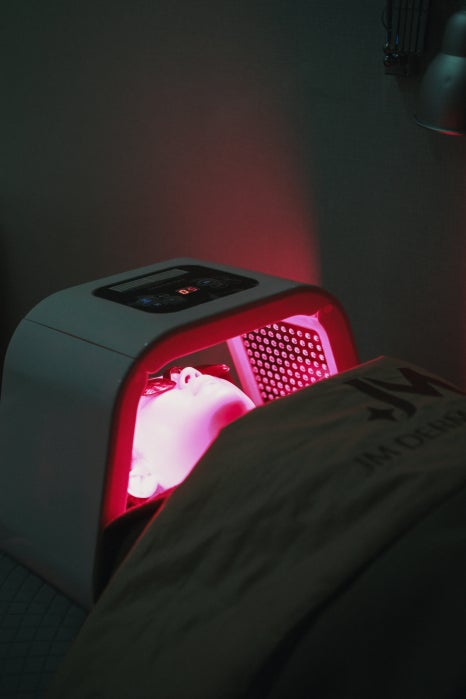

Does laser treatment make the skin thinner? A common misconception
One of the misconceptions
I hear most often during consultations
is that having too many laser treatments
makes the skin thinner.
Of course, excessive stimulation
or an inappropriate approach that does not take the skin’s condition into account
can cause problems.
However, the idea that every laser treatment
weakens the skin
needs to be viewed a little differently.
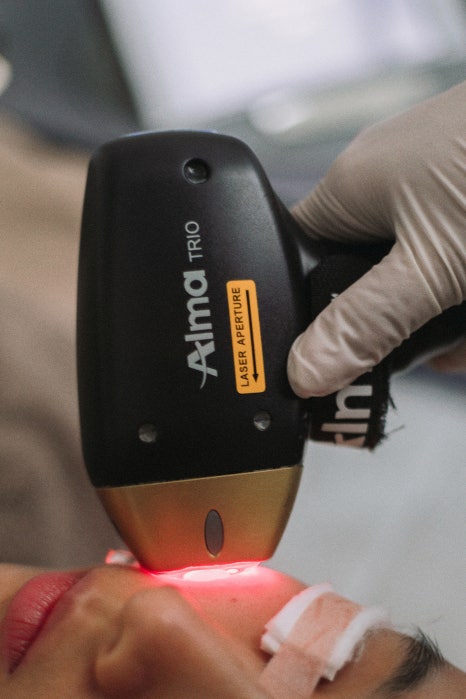
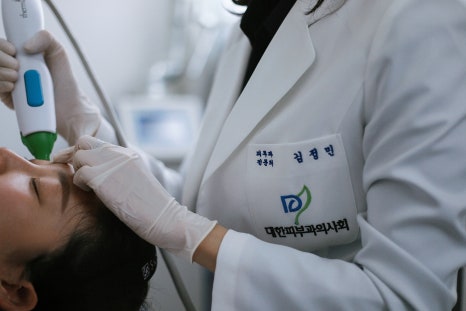
In reality, the response can vary completely
depending on which energy is used,
at what depth,
and on what type of skin condition
it is applied.
Skin is not simply tissue that endures stimulation;
it is tissue that responds to stimulation.
Therefore, what matters
is not applying treatment intensely,
but accurately determining
how much stimulation the current skin condition
can safely respond to.
The misconception that frequent, low-cost treatments are always better
During consultations,
I am also often asked
why there is a difference in cost
when the material is the same.
This is a very natural question
in itself.
However, in actual medical treatment,
using the same material name alone
does not mean that the same result will be produced.
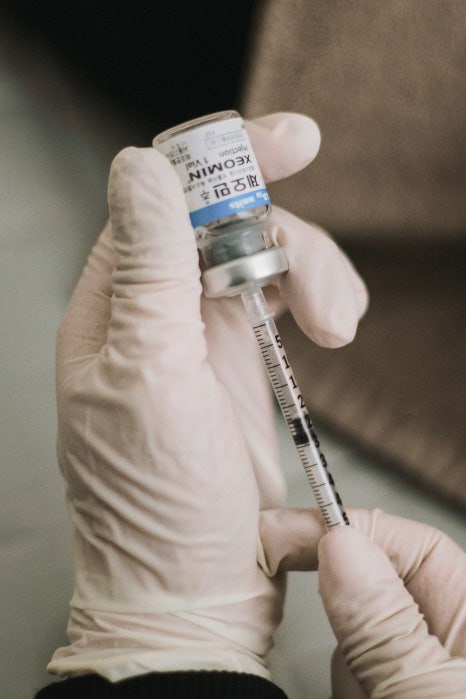
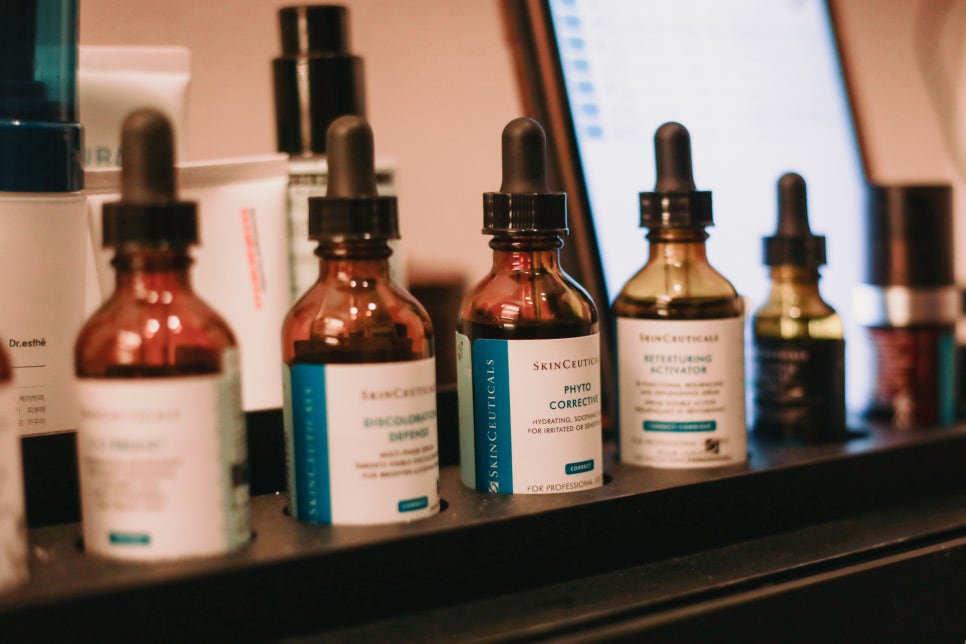
Even with the same skin booster,
the results and level of satisfaction can differ
depending on which skin it is used on,
which layer it is applied to,
and how it is administered.
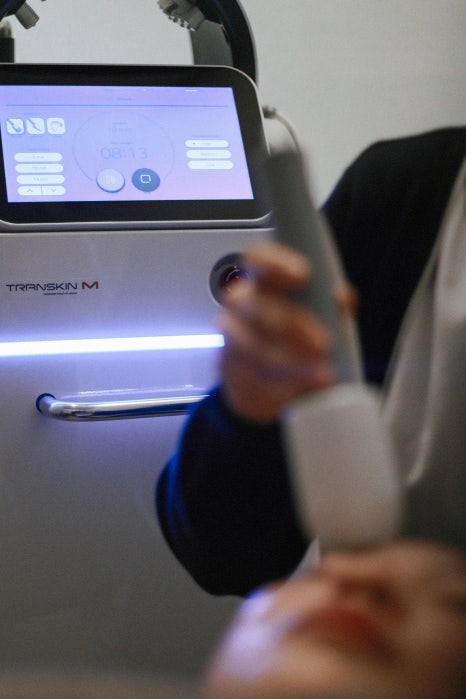
Laser treatments are the same.
Without understanding the output,
shot distribution, layering strategy,
and skin sensitivity,
simply repeating a strong treatment
does not necessarily lead to good results.
Rather, treatments performed too frequently
or an approach that does not consider skin recovery
may lead to increased long-term sensitivity
or skin barrier problems.
At JM,
we try to explain why a treatment is needed
before focusing on doing more.

The moments patients feel most anxious about
Many people
are more anxious about the possibility of side effects
after treatment
than about the treatment itself.
For example,
when a nodule develops after an under-eye booster,
when an inflammatory reaction appears throughout the injection area,
or when burns or persistent redness occur after a laser treatment,
encountering various cases online
can make the treatment itself
feel frightening.
Therefore, at JM,
during the consultation before treatment,
we try to explain as thoroughly as possible
the current condition and sensitivity of the skin,
as well as possible reactions and precautions.
We believe that good medical care
should involve not only carrying out a treatment,
but also understanding why the patient feels anxious.

Why people regret their decision after searching at home
Many people return home after treatment
and suddenly become anxious
while searching YouTube or blogs.
Did I really have the right treatment?
Did I make my decision based only on an advertisement?
Especially when someone decides to undergo treatment
without sufficiently understanding their own skin condition,
based only on marketing phrases or reviews,
this regret can become even greater.
That is why JM
places importance on a process during consultations
that logically explains
why a particular treatment is needed for the current skin condition,
rather than simply focusing on which treatment is popular.
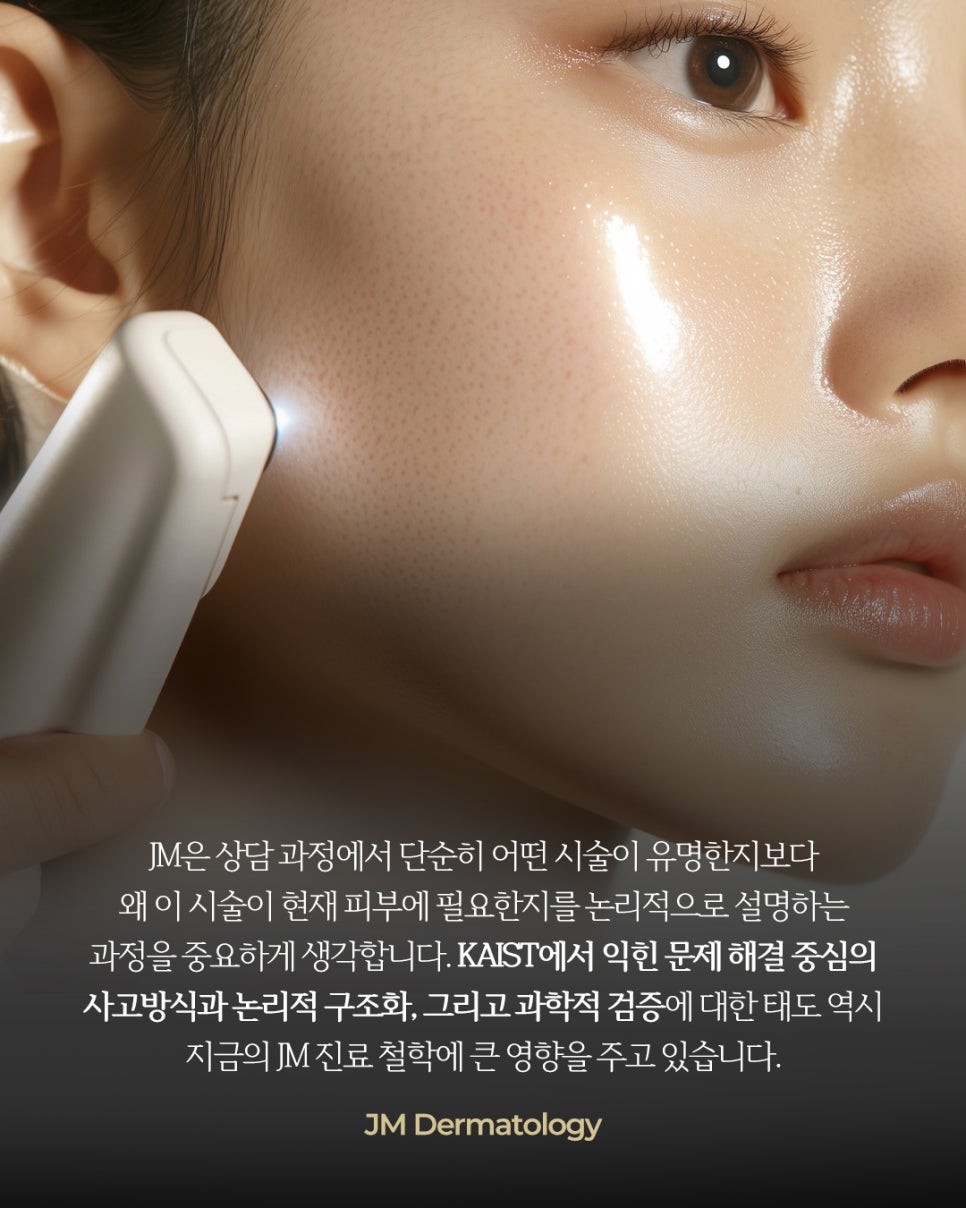
The problem-solving approach,
logical structuring,
and attitude toward scientific validation
learned at KAIST
have also had a significant influence
on JM’s current philosophy of care.
Medical care that can explain
not simply that something is beneficial,
but why it is needed
and in what direction the skin will change.
The skin care that JM envisions
is not simply a process
of selling treatments.
It is closer to a process of understanding
the current condition of the skin,
considering the causes of anxiety together,
and designing the necessary direction.
Considering a sustainable direction
rather than excessive change,
prioritizing stability over speed,
and helping the skin maintain
a healthy course over time
rather than simply making it “look better.”
Gangnam Station Dermatology JM
places importance on these standards.
We add science to beauty.