AI-translated archive post

DMS Cosmetics

김종서성형외과 · 미녀들의 쉼터 김종서성형외과 & 셀퓨전씨 & 레티나지 · July 4, 2014

        Hyperpigmentation   The process by which melanin is formed is that when exposed to ultraviolet rays, tyrosine → dopaquinone → melanin. The enzyme t...

AI translation notice

This page is an English translation of a Korean Naver Blog archive entry. For exact wording and source context, verify against the Korean archive original and the original Naver post.

Clinic: 김종서성형외과

Original post date: July 4, 2014

Translated at: April 24, 2026 at 5:17 AM

Medical note: This translation does not guarantee medical accuracy or suitability for treatment decisions.

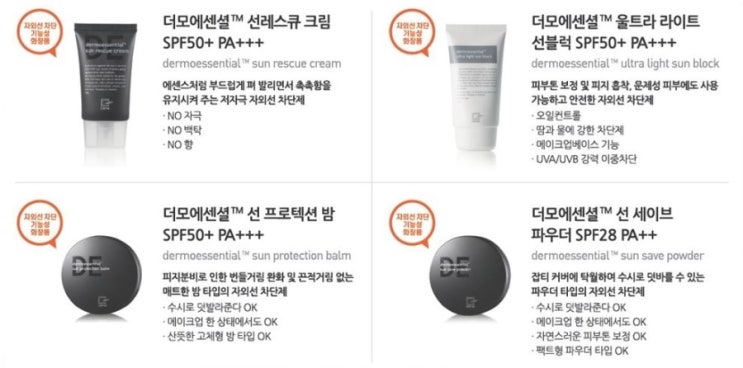


DMS Cosmetics image 1  


Hyperpigmentation


The process by which melanin is formed is that when exposed to ultraviolet rays, tyrosine → dopaquinone → melanin.

The enzyme that helps tyrosine become dopaquinone is tyrosinase, and tyrosinase also helps when dopaquinone becomes melanin.


Causes


  • When the skin worsens due to pollutants, allergenic substances, or other irritants, melanin production increases.


  • Psychological instability, such as stress, disrupts the balance of metabolism, slows the supply of nutrients needed by the skin, and promotes the secretion of adrenocorticotropic hormone from the pituitary gland.   This increases the activity of melanocyte-stimulating hormone, causing excess melanin pigment to be produced, which becomes a major cause of hyperpigmentation.


  • If the liver is not functioning well and metabolism is not smooth, female hormones are not excreted, increasing the activity of female hormones in the blood and stimulating melanocytes.   In addition, if the ovaries, the body’s factory for producing various female hormones, do not function properly, hyperpigmentation can also occur, and thyroid diseases or endocrine disorders are also known to have an effect.


DMS Cosmetics image 2  


http://dmsmall.kr


Continue browsing

Keep exploring this clinic's public source trail

Return to the source archive for more translated posts, or open the Korean clinic profile to compare other public channels.