Hello.
We are Haru Plant Dental Clinic, a comfortable daily life that starts with Haru.
Because implants are a treatment method that can replace natural teeth,
they are made from very strong materials that do not easily deteriorate.
They are essentially designed to be usable for a semi-permanent period.
However, implants can also have an invisible expiration date.
If hydrocarbons build up during long-term distribution or storage,
the surface can deteriorate and negatively affect the success rate of treatment.
Today, let’s look at why hydrocarbons accumulate on implants and
their effects on treatment outcomes.
What are hydrocarbons, and why do they accumulate?
Hydrocarbons are compounds made of carbon and hydrogen.
They are present in very small amounts in cooking oil, car exhaust,
and even the air we breathe.
That is why, no matter how thorough a hospital’s hygiene management is,
trace amounts of hydrocarbons can still accumulate on implants.
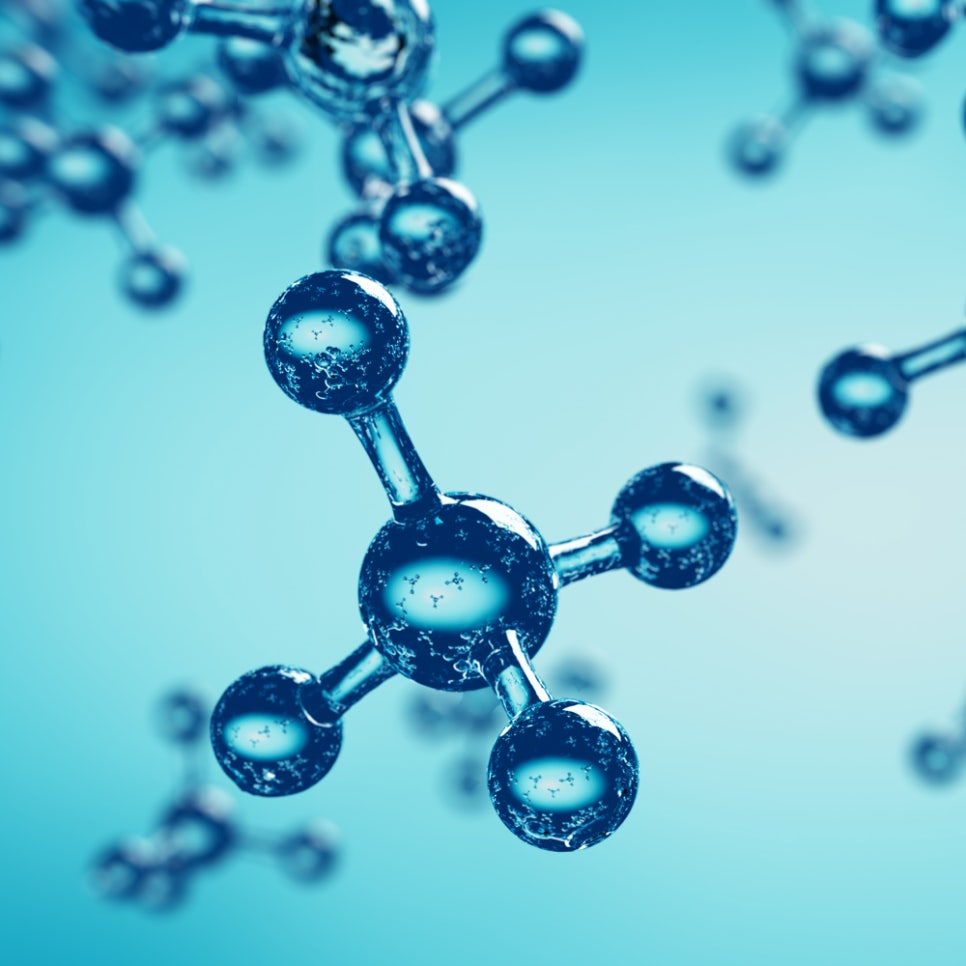
✔ During implant distribution and storage, they can come into contact with hydrocarbons in the air.
✔ The moment an implant is opened, it can come into contact with hydrocarbons in the air.
✔ Standard sterilization processes alone have limitations in completely removing hydrocarbons.
How do hydrocarbons affect treatment?
Of course, hydrocarbons themselves are substances found in nature,
so in small amounts they do not have harmful effects on us.
On the other hand, when hydrocarbons accumulate on the implant surface,
they may not perform as expected.
They can reduce the implant’s hydrophilicity, interfere with bonding to the jawbone,
and negatively affect the long-term treatment process.
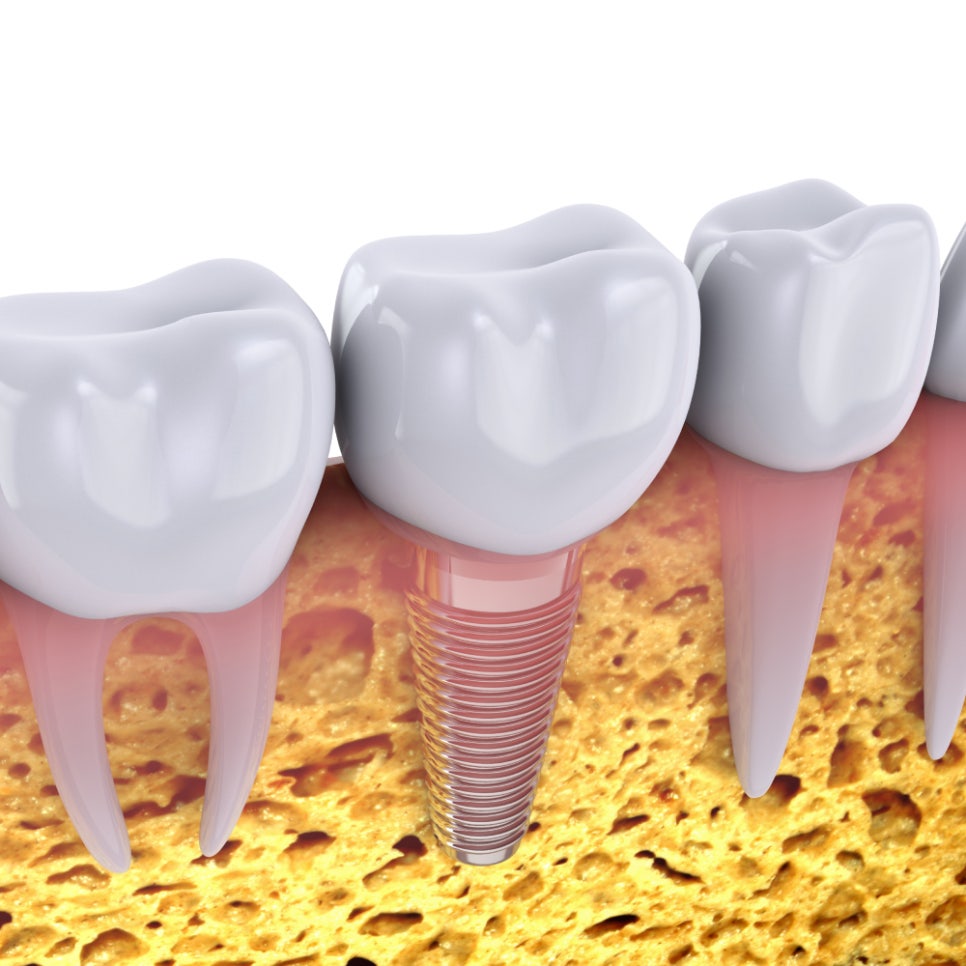
✔ Interference with osseointegration
Because hydrocarbons have water-repelling properties,
when they accumulate on the implant surface, they reduce hydrophilicity.
When hydrophilicity decreases, blood absorption weakens,
and the jawbone may not heal smoothly.
✔ Increased possibility of early failure
If the implant surface becomes contaminated with hydrocarbons.
Its stability may decrease, which can increase the early failure rate.
✔ Effect on long-term treatment outcomes
If bonding with the jawbone does not proceed smoothly,
the implant’s stability and lifespan may decrease,
and the likelihood of various problems occurring later may increase.
Today, we looked at the effects of hydrocarbons on implants.
An implant is an important medical device that becomes part of our body.
Therefore, maintaining it in the best possible condition from the beginning is especially important.
Then, what is the way to completely remove hydrocarbons from implants
and further improve the success rate of treatment?
Next time, we will take a closer look at
the plasma surface treatment method that can remove hydrocarbons.