Hello.
Haruplant Dental Clinic offers a comfortable daily life that starts with Haru.
In the previous post, we looked at implant shelf life and the impact hydrocarbons have on treatment.
We mentioned that hydrocarbons accumulated on the implant surface can negatively affect treatment outcomes.
So you might think, “Then wouldn’t it be enough to clean the implant and remove the hydrocarbons?”
However, it is not that simple.
Implants undergo thorough cleaning and sterilization during manufacturing, are packaged in a sterile state, and are designed to be placed immediately after opening.
Not only is it difficult to completely remove hydrocarbons using ordinary methods,
but an improper cleaning process can actually create a risk of contamination.
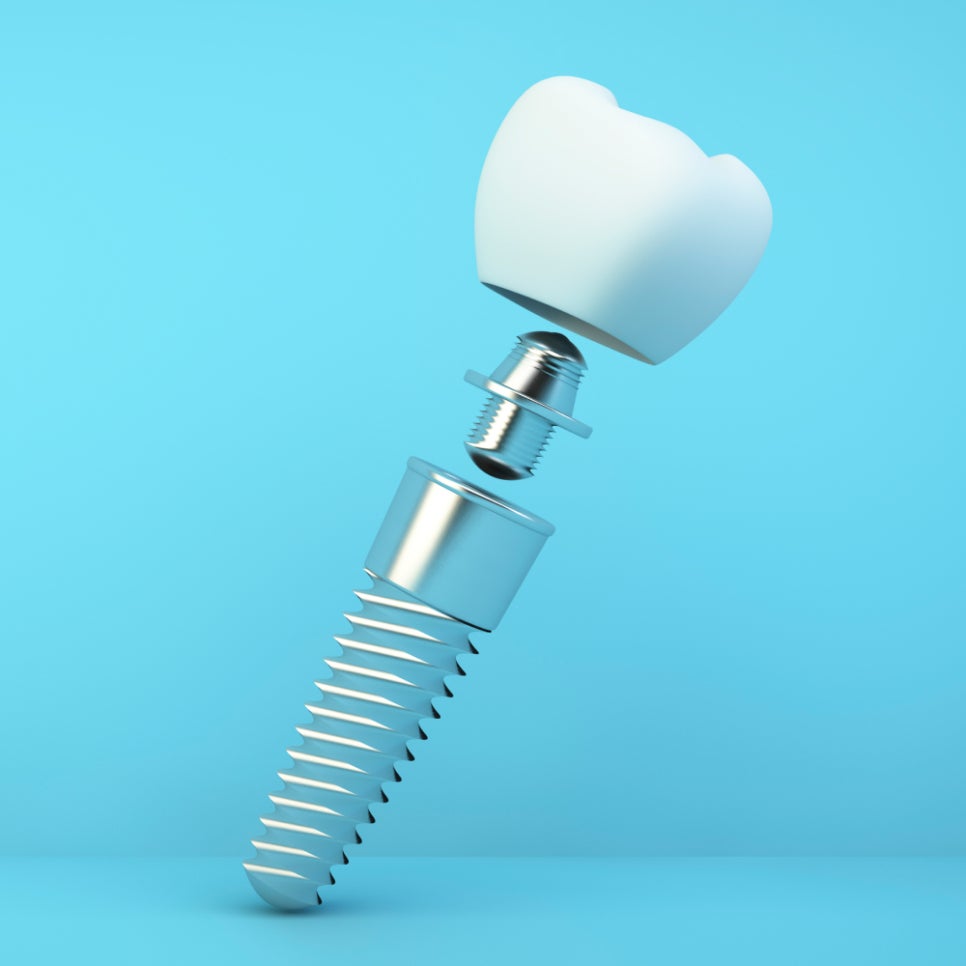
In addition, implants are given special surface treatments or micro-texturing to help them bond smoothly with the jawbone.
If they are cleaned after opening, disinfectants, heat, or physical friction can deform the surface,
which reduces the ability to bond with the jawbone.
That is why implants are generally placed immediately after opening.
However, hydrocarbons can accumulate on the surface during treatment,
and hydrocarbons accumulated during distribution and storage may also be placed along with the implant.
So is there a safe and effective way to remove hydrocarbons?
Plasma can remove hydrocarbons and activate the surface

Plasma is the fourth state of matter, beyond solid, liquid, and gas,
and it has the ability to break down hydrocarbons under certain conditions.
It has excellent hydrocarbon-removal capability,
and because disinfectants, heat, or physical friction are not applied,
it has the advantage of preserving the implant surface characteristics.
It also activates the implant surface and increases hydrophilicity.
When hydrophilicity increases, blood proteins adhere more evenly to the implant surface,
creating an environment for early bone formation.
This allows the bonding process with the jawbone to proceed more smoothly.
If the jawbone bonding process occurs quickly and efficiently,
recovery can also become faster,
and the initial stability of the implant is more likely to improve.
Plasma-based implant surface treatment technology is particularly noteworthy
because it plays an important role in increasing implant stability and promoting osseointegration.
However, because plasma is such an unfamiliar concept,
you may wonder whether it is truly a safe technology.
In the next post, we will look in more detail at the stability and safety of plasma.