Hello.
This is Haru Plant Dental Clinic, where a comfortable daily life begins with Haru.
In the previous post, we introduced plasma technology that removes hydrocarbons from the implant surface and promotes osseointegration.
We explained that implant surface treatment technology using plasma can have a positive effect on implant stability and the early bone formation process.
However, because the name “plasma” is so unfamiliar, many people may find it strange and somewhat awkward.
Are plasma implants a scientifically proven technology?
The surface treatment method using plasma has continuously demonstrated its effectiveness and safety through various studies.
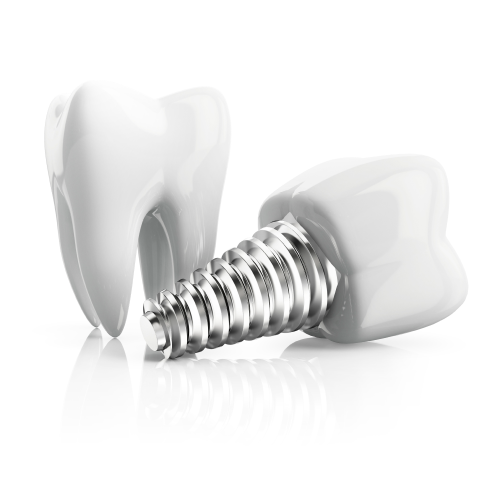
Plasma can effectively remove hydrocarbons under specific conditions without disinfectants or physical friction.
Because it does not require chemical agents or high-temperature processing, there is less risk of altering the physical properties of the implant surface.
In addition, plasma surface treatment leaves no chemical residue, so its impact on the human body can be minimized.
Is plasma technology safe?
Plasma is the fourth state of matter, following solids, liquids, and gases, and it is widely used in nature and industry.
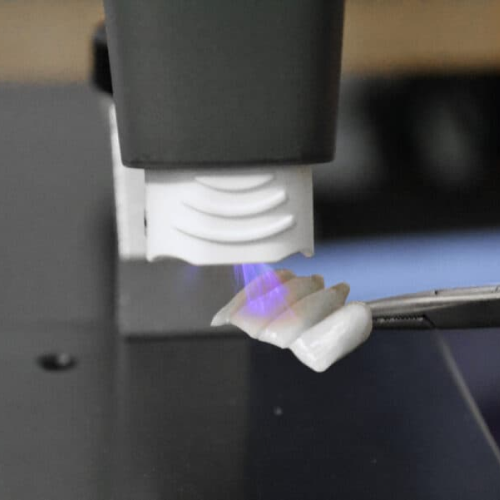
In particular, it is commonly applied in other medical fields outside dentistry for sterilization and disinfection, and in some treatment processes, it also plays a role in supporting tissue regeneration.
The plasma implant method has been reviewed for its effectiveness and safety through research and papers from both Korea and abroad, and it is being applied in some clinical settings.
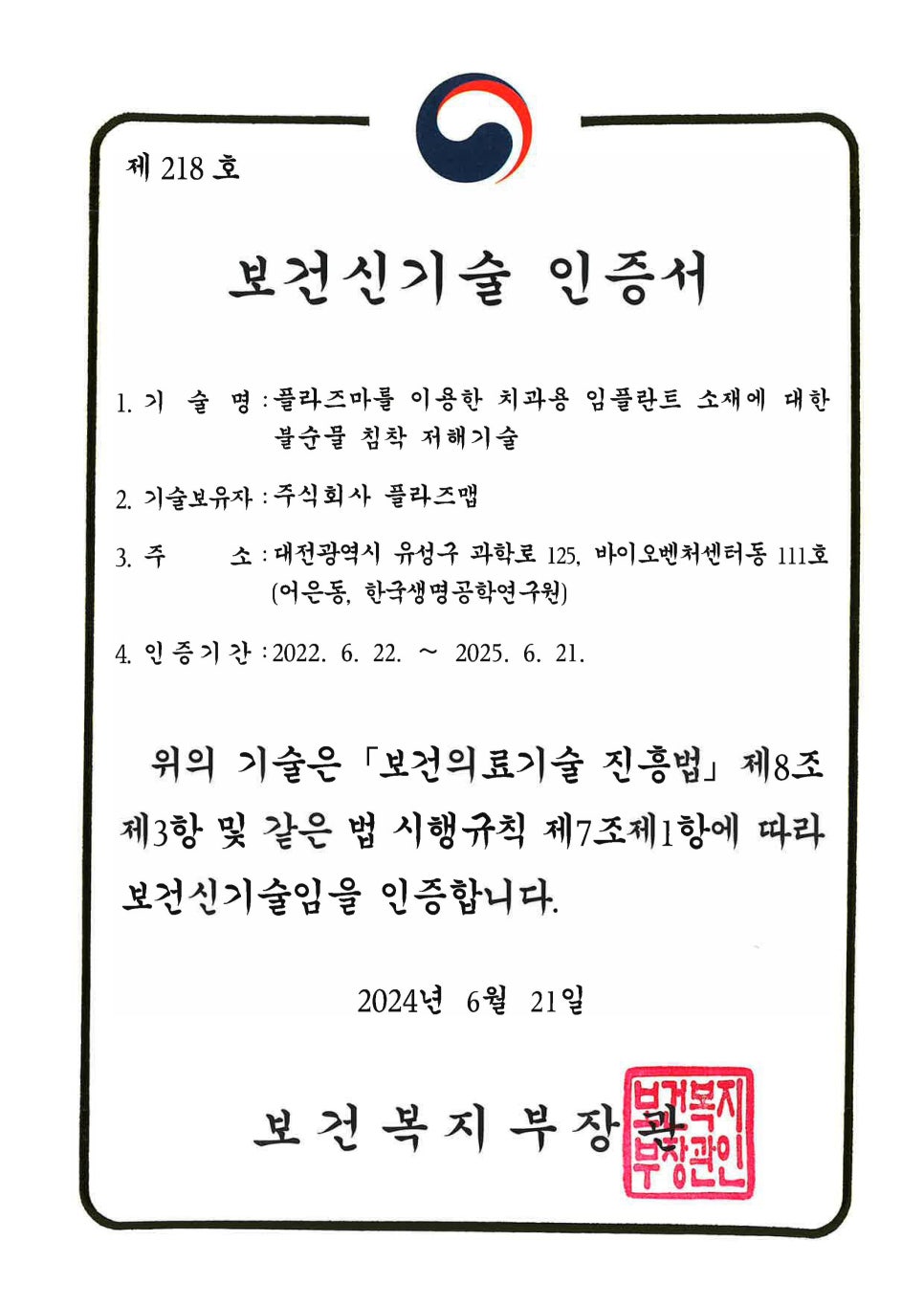
So, how does Haru Plant Dental Clinic make use of this useful plasma technology?
At Haru Plant Dental Clinic, we provide a cleaner and more stable treatment environment through implant surface treatment technology using plasma and plasma sterilization technology.
In the next post, we will introduce in detail the plasma system currently in use at Haru Plant Dental Clinic.