Hello.
This is Haruplant Dental Clinic, where a comfortable daily life starts with one day.
Many patients consider sedation implants in order to receive treatment in a more optimal environment.
Haruplant Dental Clinic thoroughly prepares its sedation implant program so that patients can feel physically and mentally at ease,
and provides careful guidance on every procedure and precaution.
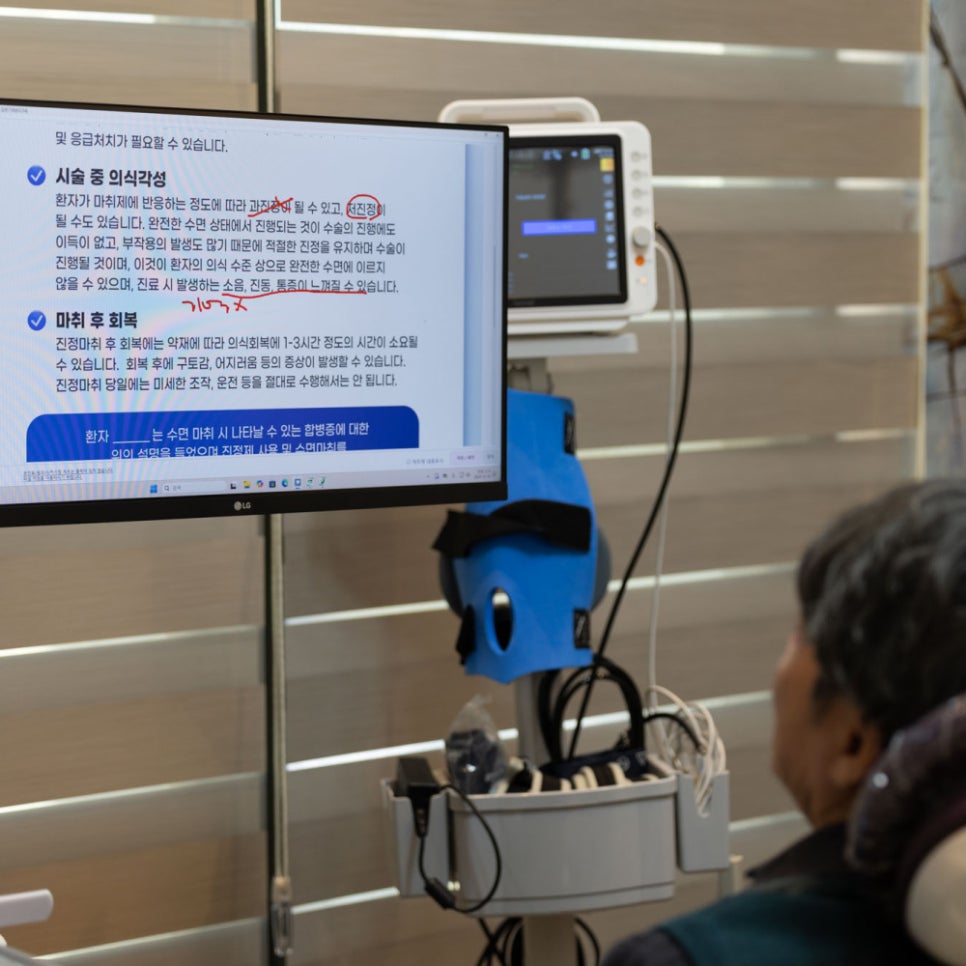
Of course, we explain everything in detail when you apply for a sedation implant,
but many people still want to research and prepare in advance.
So today, we’ll go over in detail the precautions you must know before a sedation implant,
as well as the reasons why they are prohibited.
If you are considering a sedation implant, please read to the end
and use this as help in preparing for a safe procedure!
Minimum 6-hour fast before the procedure

Before a sedation implant, you must fast for at least 6 hours.
You should avoid all food intake, including water, gum, and candy.
If you are having the procedure in the morning, you must remain fasting from midnight.
If you are having the procedure in the afternoon, you should fast for 6 hours after breakfast.
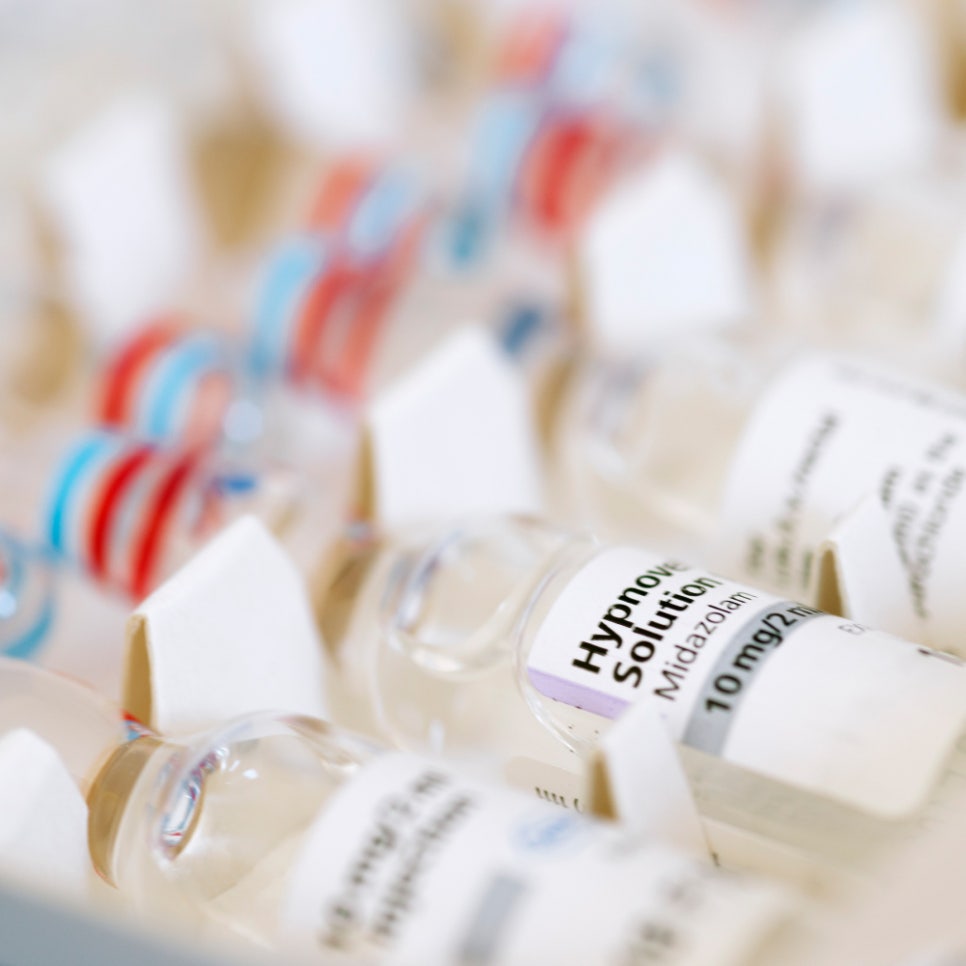
The sedatives used for sleep anesthesia (midazolam, propofol)
slow digestion and reduce the gag reflex.
Therefore, if food remains in the stomach, nausea may occur,
and if vomiting happens, smooth treatment may be difficult.
Gum and candy can also trigger stomach acid secretion when eaten on an empty stomach,
which may cause heartburn, so please be careful.
Tell us whether you have any illnesses and what medications you are taking
During sedation implant consultation, you must inform us of any illnesses and medications you are taking.
For patients with conditions such as high blood pressure or diabetes, blood pressure or blood sugar can change rapidly,
so a safe treatment environment must be prepared in advance.
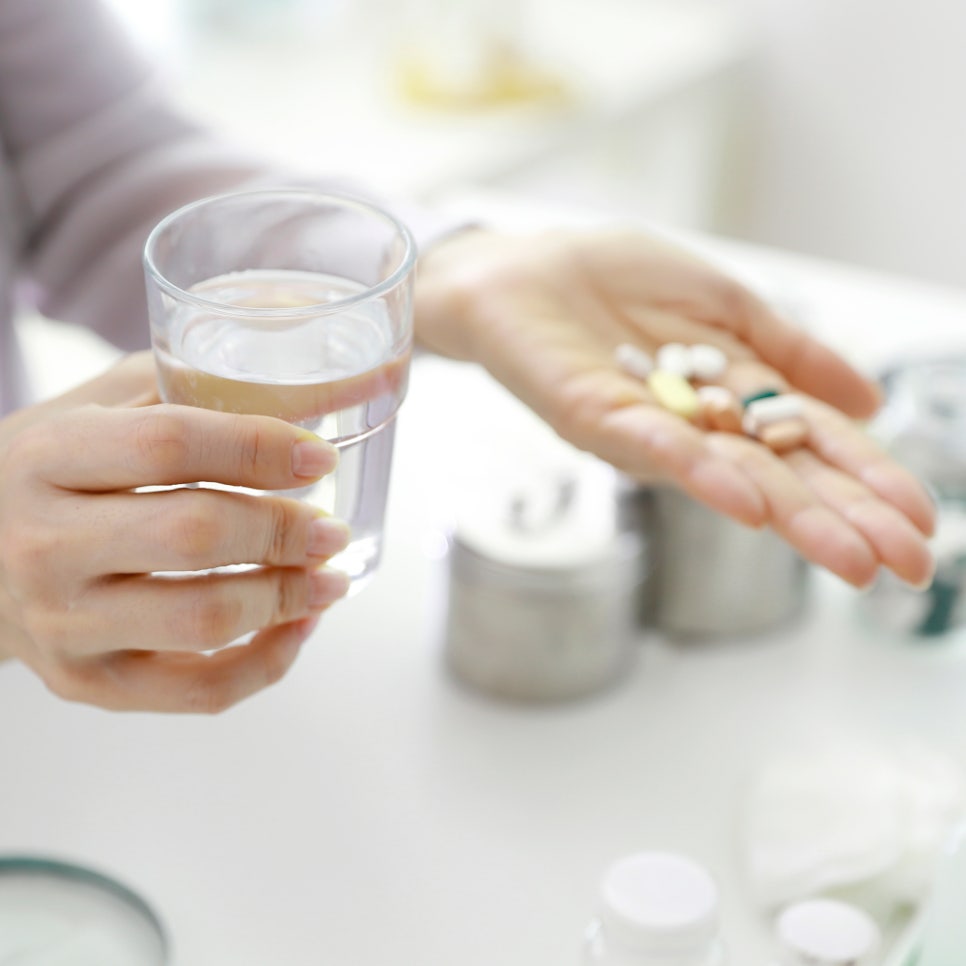
Also, because sedatives can react with some medications and cause side effects,
you must tell us about all medications, health supplements, and nutritional supplements you are taking.
If you are receiving help from psychiatric medication for psychological reasons,
you must absolutely not leave this out and be sure to tell us.
Psychiatric medications such as antidepressants or sleeping pills can reduce the effect of sedatives,
which may prevent adequate sleep anesthesia.
If you tell us in advance, we can adjust the sedative dose beforehand.
Tell us about your drinking habits

In addition to illnesses and medications, you should also tell us about your drinking habits.
Many patients carefully mention illnesses or medication use,
but often think lightly of alcohol use and overlook it.
If you usually drink alcohol frequently, the effect of the sedative may be weakened,
and sleep anesthesia may not proceed smoothly.
Therefore, if you tell us how often you drink and how much you drink at a time,
we can adjust the sedative dose in advance for smoother treatment.
Of course, you must not drink alcohol before a sedation implant.
Wear comfortable clothing when coming in before the procedure
Before a sedation implant, you should come in wearing comfortable clothing that is easy to put on and take off,
such as a short-sleeved top or a jacket that is easy to remove.
Tight clothing or uncomfortable attire can cause tension,
so the goal is to reduce unnecessary stress during treatment.

Also, for a sedation implant, several medical devices are attached to check your condition,
including an oxygen saturation monitor.
Wearing tight clothing or multiple layers makes it difficult to attach the medical devices.
Wearing clothing with roomy sleeves makes blood pressure measurement and
condition monitoring much smoother.
Remove nail art and nail polish before the procedure
Before a sedation implant, you must remove any nail art or nail polish.
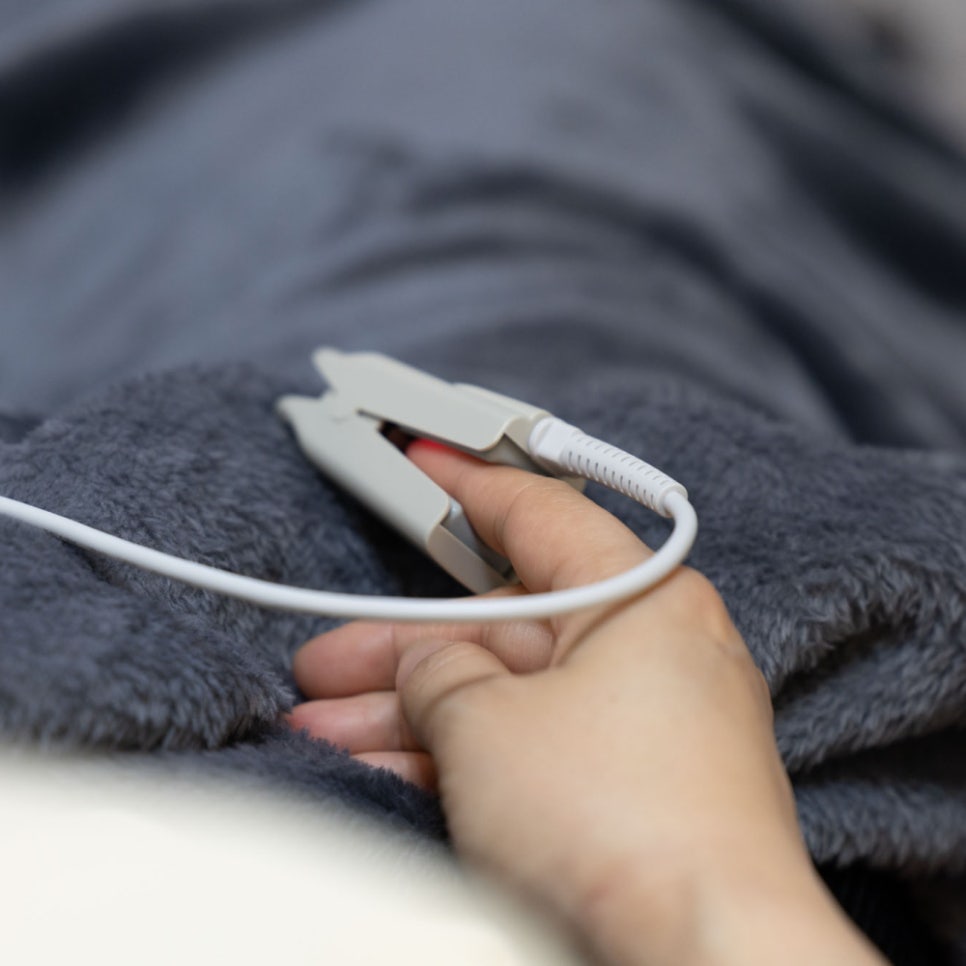
During a sedation implant, an oxygen saturation monitor is attached to the tip of the finger
to continuously monitor the oxygen level in the blood.
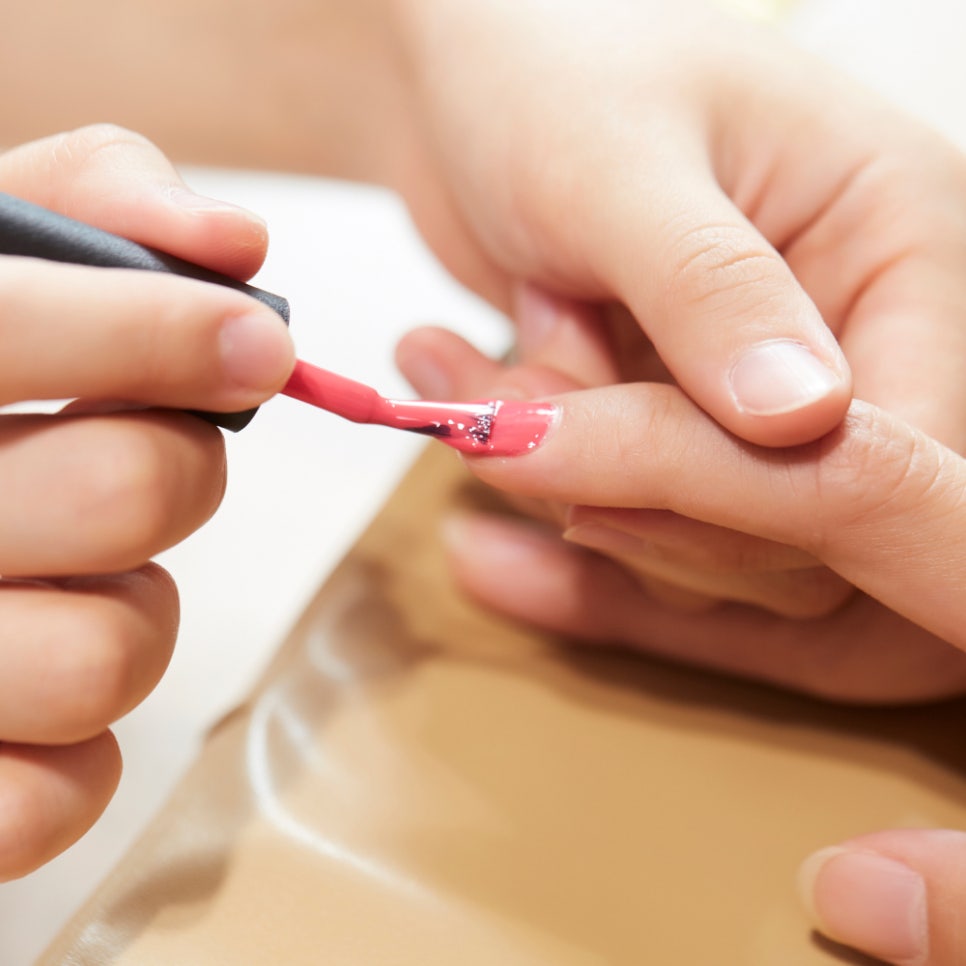
If nail art or nail polish is present, the sensor may
not detect accurate data.
In particular, dark colors are more likely to cause measurement errors.
Also, if an unexpected emergency occurs, medical staff must quickly determine whether there is oxygen deficiency
by looking at the color of the nails.
If there is nail polish or nail art, it becomes difficult to check nail color,
which may delay emergency measures.
Today, we looked at the precautions you must know before a sedation implant.
Sedation implants are a safe treatment method carefully managed by experienced medical staff,
and many patients have already received the procedure comfortably and expressed high satisfaction.
However, safety must always come first.
Because the patient’s health and safety are the top priority in every treatment process,
being sure to prepare the items introduced today can make treatment even safer.
If you are considering a sedation implant, we hope thorough advance preparation
will help you receive treatment more comfortably.