Hello.
This is Haruplant Dental Clinic, where comfortable daily life begins in a day.
During consultations, there are often people who express concern about treatment.
After all, the dental clinic itself can be frightening, and most people who receive implants
are older adults, so there is inevitably some physical burden as well.
That is why Haruplant Dental Clinic recommends sleep implants and provides information about conscious sedation,
in an effort to reduce worries even a little.
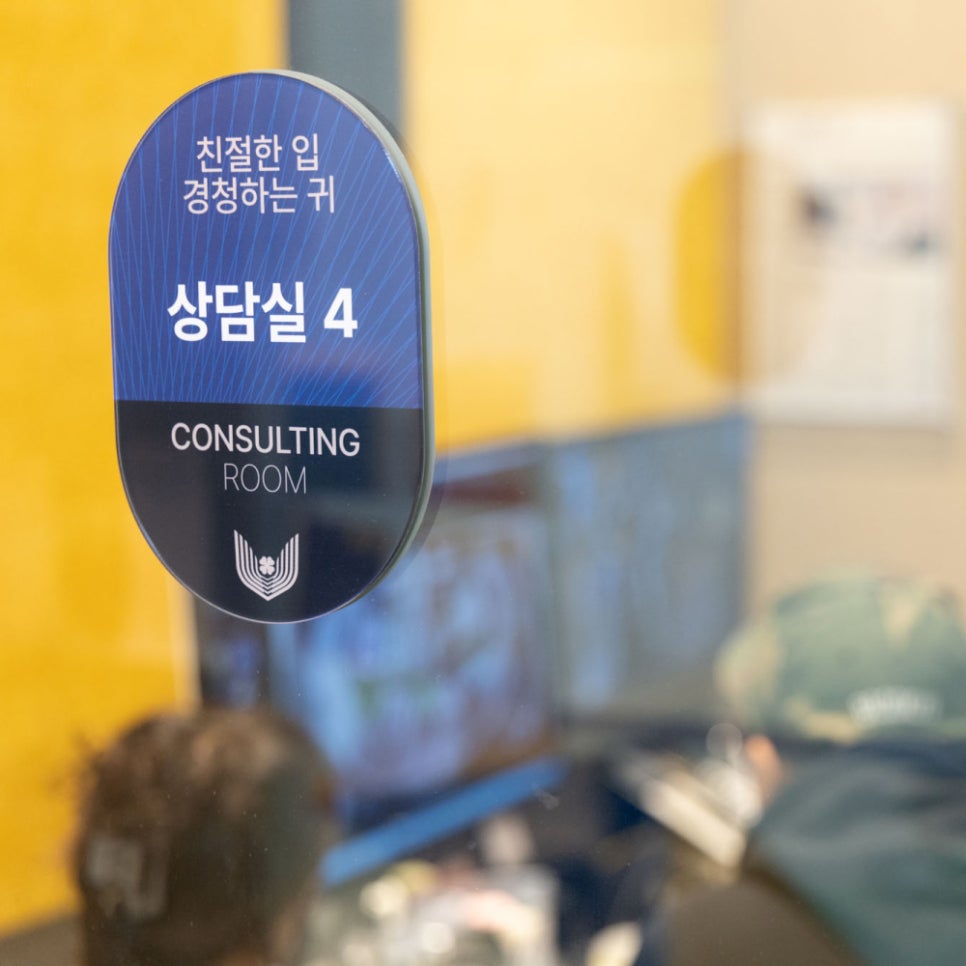
In fact, most people who choose the sleep implant program say things like
"It was much more comfortable than I expected" or "Why did I worry so much about something this good?"
and are very satisfied, praising it to the point that their pre-treatment worries feel unfounded.
However, when we use the term sleep anesthesia to make sleep implants and conscious sedation easier to understand,
some people become skeptical.
That is probably because of the weight the word "anesthesia" carries.

It is understandable to feel afraid,
but in fact, there is no need to worry too much.
Today, I will explain the differences between sleep implant anesthesia and other anesthesia methods.
- Why is conscious sedation called sleep anesthesia?
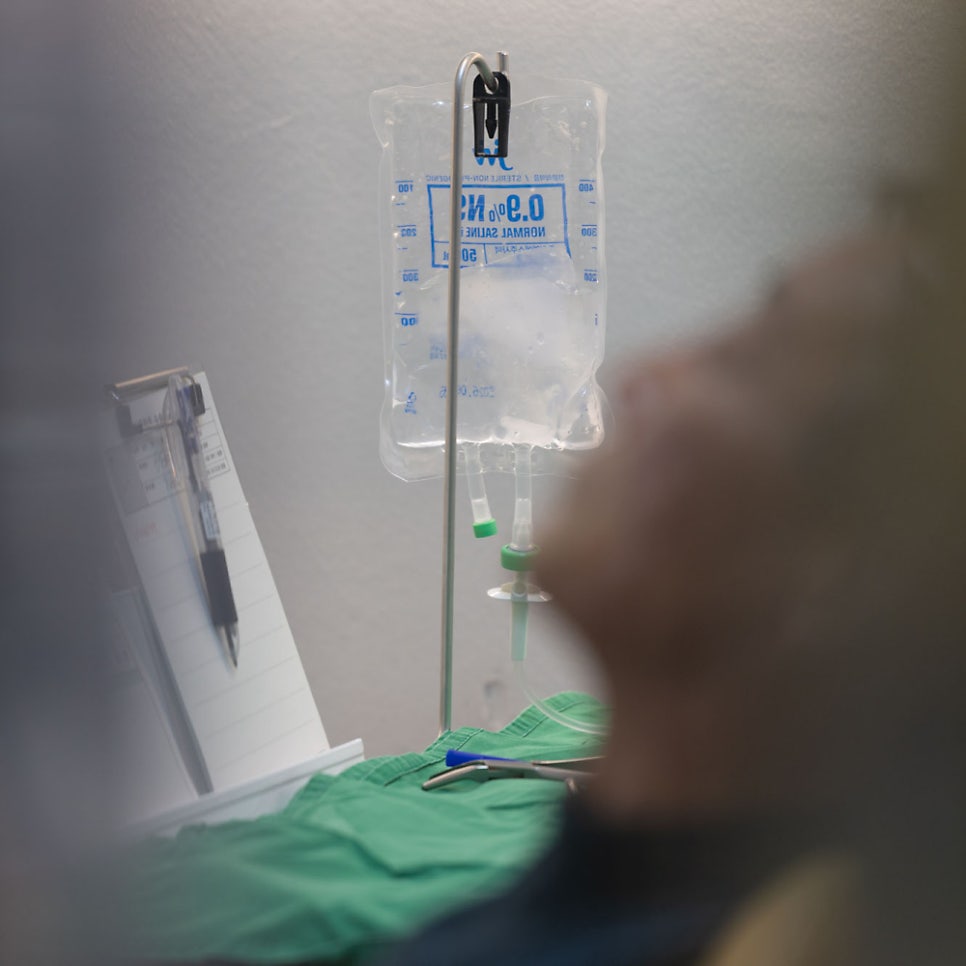
When conscious sedation is applied, you enter a drowsy, languid state,
as if you are nodding off.
Because it feels like the moment just before falling asleep, it is called "sleep anesthesia."
And I think everyone has experienced at least once the feeling of briefly waking up from sleep
and not remembering what they said or did while half asleep.
The effect of conscious sedation is similar.
After sleep implant anesthesia, awareness and memory become blurred.
Because of that, you do not feel the tension or fear of the treatment process,
and even if the treatment takes a long time, there is less stress or fatigue.
Simply put, it feels like, "I just dozed off, and oh? The treatment is already over!"
- Isn’t local anesthesia enough to relieve pain?
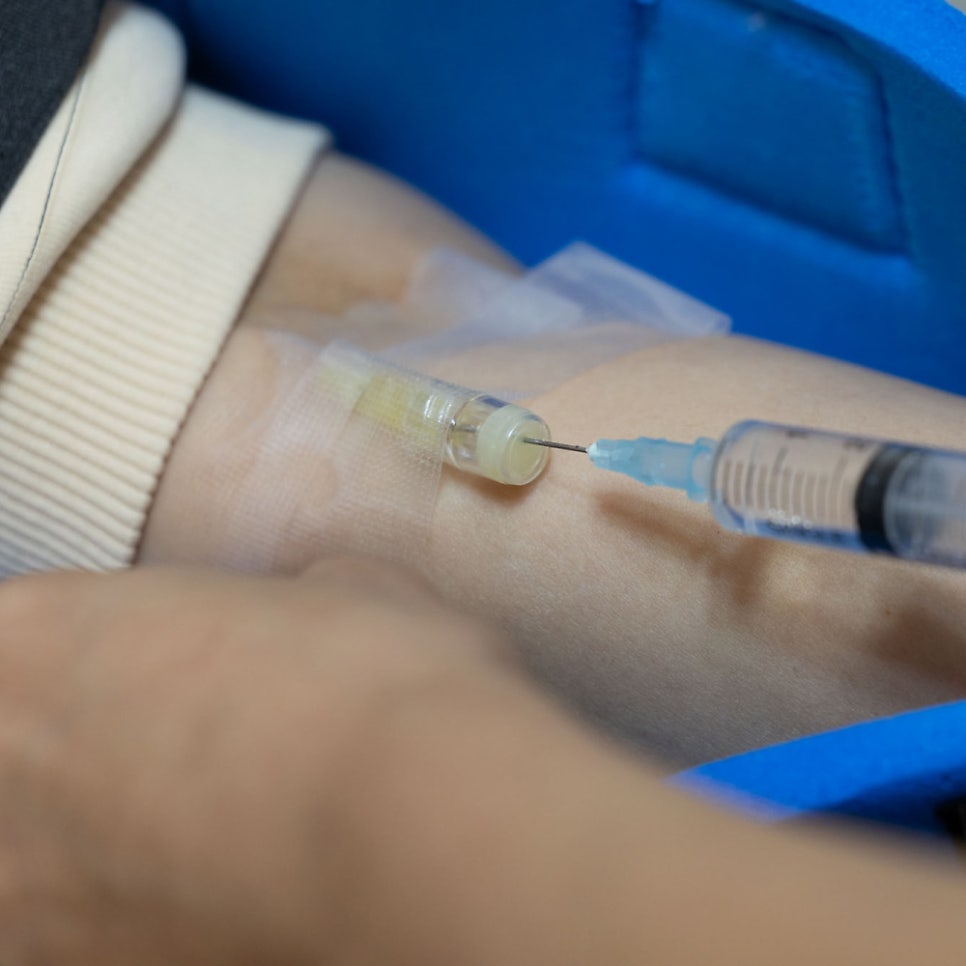
Local anesthesia is essential in dental treatment, and with today's advanced techniques,
most cases involve almost no pain.
Just knowing that it does not hurt already greatly reduces fear.
However, local anesthesia, as the name suggests, only numbs a specific area,
so while it reduces pain, it does not relieve psychological anxiety.
Even if the pain is gone, sight, hearing, and smell remain intact,
so you can still perceive the movement of the instruments, the sounds, and even the distinctive odor.
As mentioned in a previous post, for those with dental phobia,
affected only by these factors alone can be a major source of stress.
In such cases, applying sleep implant anesthesia
can relieve both pain and anxiety, allowing for a more comfortable treatment.
- Then how is it different from general anesthesia?
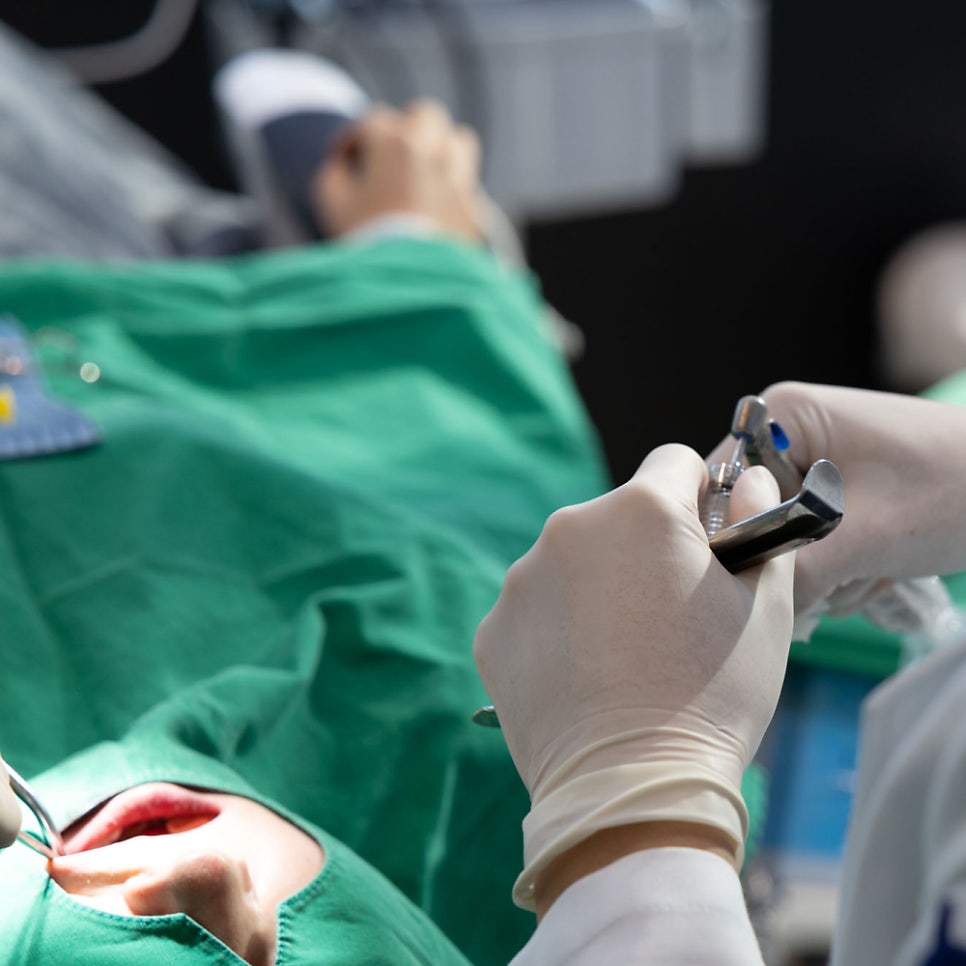
Because you do not remember the treatment process,
general anesthesia may come to mind.
However, conscious sedation is completely different from general anesthesia.
General anesthesia is a powerful anesthetic method in which you are completely unconscious,
cannot breathe on your own, and has all nerves and sensations blocked to the point that it is close to a vegetative state.
That is why oxygen supply equipment and precise monitoring are absolutely necessary.
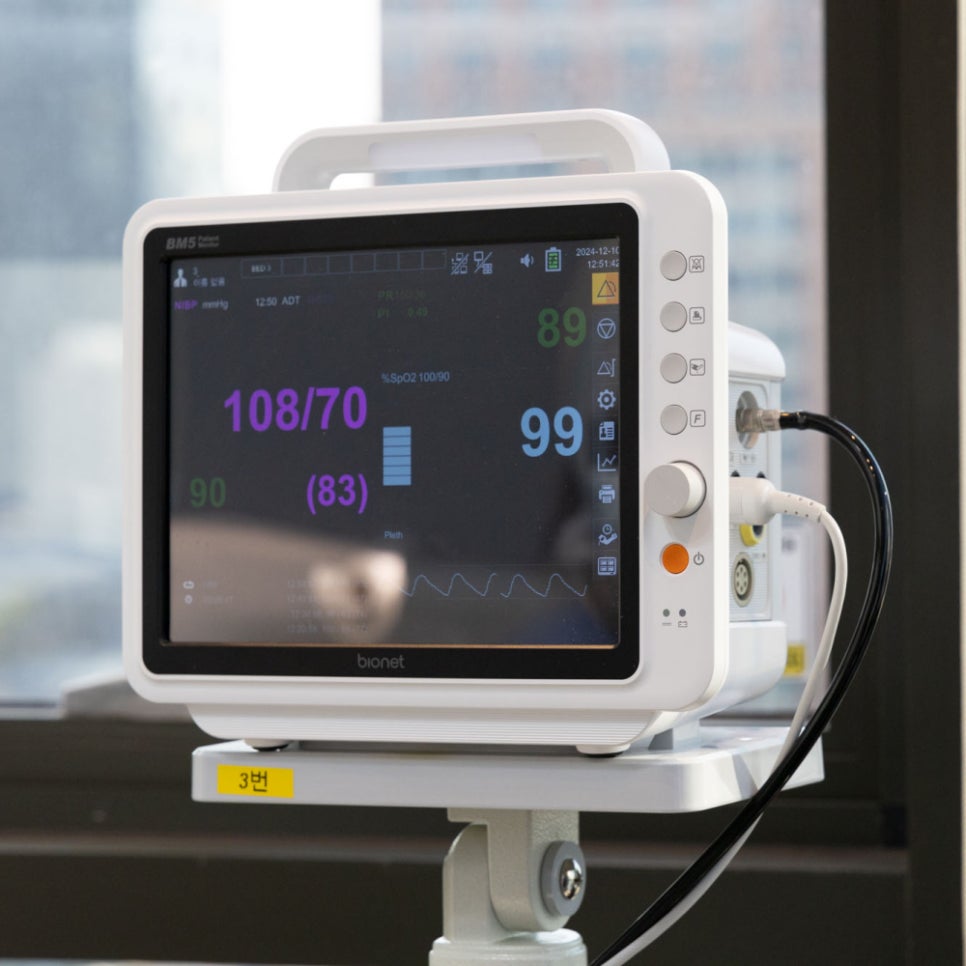
On the other hand, conscious sedation, which is the sleep implant anesthesia method, is a much lighter approach.
You can receive treatment while breathing on your own without an oxygen mask.
In addition, because you are in a state where you can respond to external stimuli and even answer simple questions from the medical staff,
the difference from general anesthesia is clear.
As the term "sleep anesthesia" suggests, conscious sedation is the same safe anesthesia method used in sleep endoscopy at university hospitals.
It is already used in various medical fields, and is especially often applied in minor surgeries where
the patient's tension needs to be reduced even though the procedure is short.
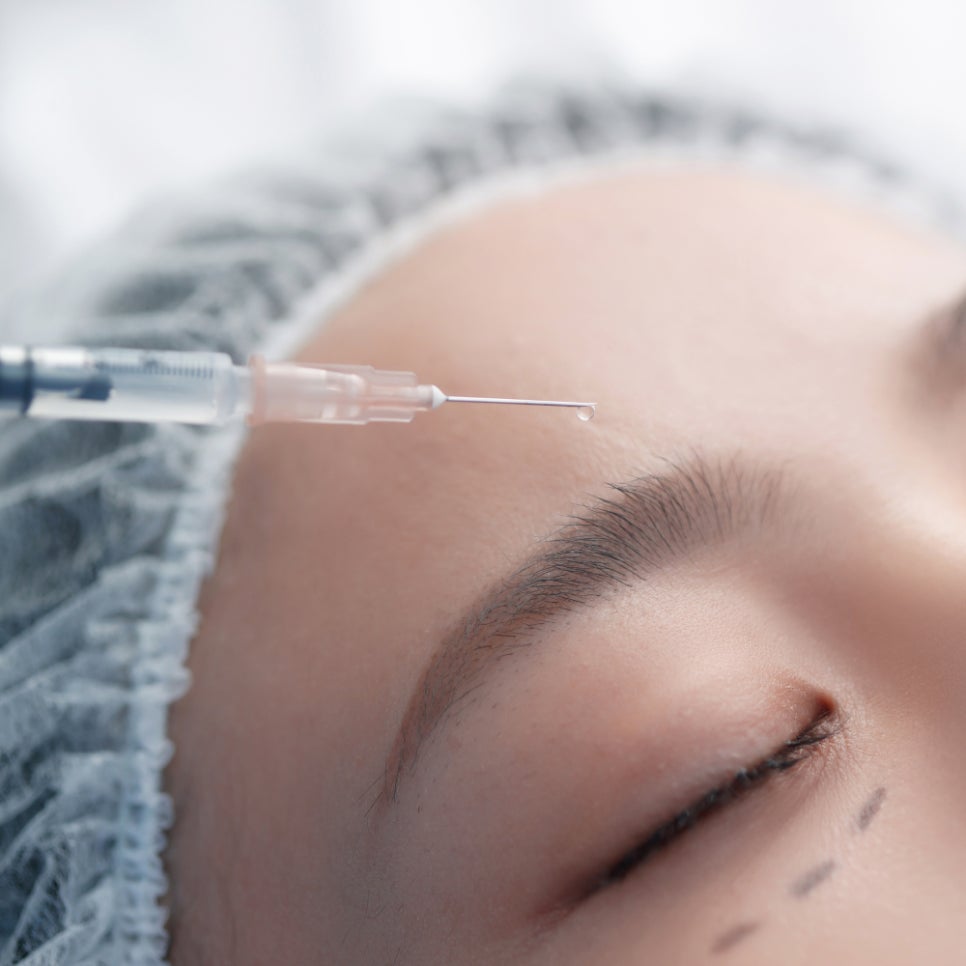
For example, you can think of double eyelid surgery performed in plastic surgery.
The surgery itself ends quickly, but because the area around the eyes is directly handled,
conscious sedation is often used to ease the patient's anxiety.
In this way, the biggest advantage of conscious sedation is that it not only reduces pain during the treatment process,
but also lessens psychological 부담.
Today, we took a detailed look at the sleep anesthesia used for sleep implants,
that is, conscious sedation.
Sleep implants are a safe treatment method that is carefully managed by experienced medical staff,
and many patients have already received the procedure comfortably and reported high satisfaction.
If you are considering sleep implant anesthesia,
I hope you can now receive treatment with peace of mind and comfort.