Hello.
This is Haruplant Dental Clinic, where your comfortable daily life begins with Haru.
As medical technology advances, the range of treatment options continues to expand,
and at the same time, patients’ standards and expectations are also gradually rising.
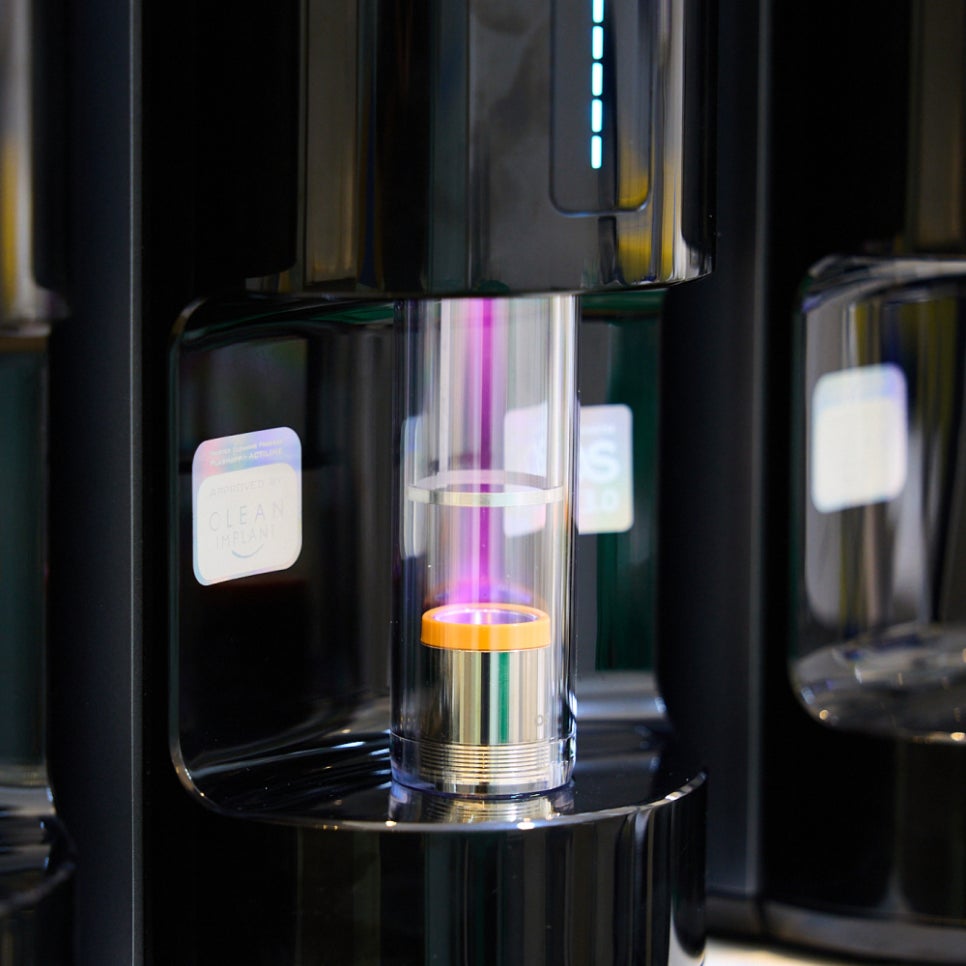
Perhaps that is why many people who visit Haruplant Dental Clinic also
choose plasma implants willingly, hoping for faster recovery and a more stable initial success rate.
However, because it is so easy these days to access a wide range of information,
patients who look into it a little more carefully sometimes ask about
the difference between UV implants and plasma implants.

They may look similar on the surface,
but there is a clear difference between the two technologies, UV and plasma.
In this post, we will explain the difference between UV implants and plasma implants
step by step so it is easy to understand.
What Is a UV Implant?

UV simply means ultraviolet.
It is short for UltraViolet.
As we all know, ultraviolet light is a powerful form of energy
that needs to be blocked with sunscreen.
If you go out on a hot summer day without sunscreen,
your skin can burn and darken,
and over time it can also accelerate skin aging.
This shows just how high the energy level of ultraviolet light is.

If this powerful ultraviolet light is applied to an implant,
its energy can break down hydrocarbons left on the surface.
As mentioned in a previous post, after an implant is manufactured,
hydrocarbons gradually accumulate over time.
UV implants use the power of ultraviolet light to remove these hydrocarbons
and make the implant surface cleaner.
You can think of it as a principle similar to commonly used ultraviolet sterilizers.
So does that mean there is no difference from plasma implants?
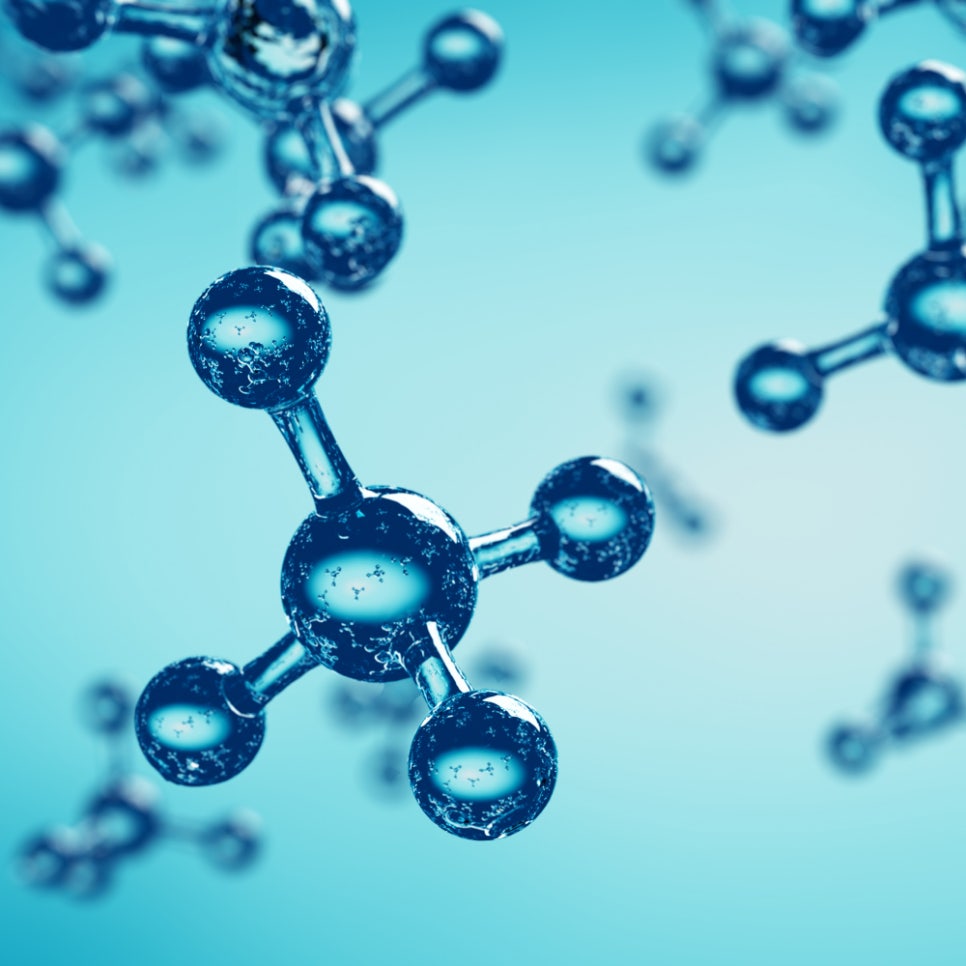
In a previous post, we discussed how hydrocarbons affect implants,
and how plasma surface treatment can remove hydrocarbons
and improve recovery speed and initial success rates.
In fact, the method of removing hydrocarbons and activating the surface
may seem the same between UV implants and plasma implants.
But in reality, the effects of the two technologies are very different.
As mentioned earlier, ultraviolet light is literally ‘light.’
Light travels only in straight lines, and when it hits something, it simply bounces off.
So even if you expose an implant to ultraviolet light, it is difficult to clean every nook and cranny,
especially because implants have an uneven surface.
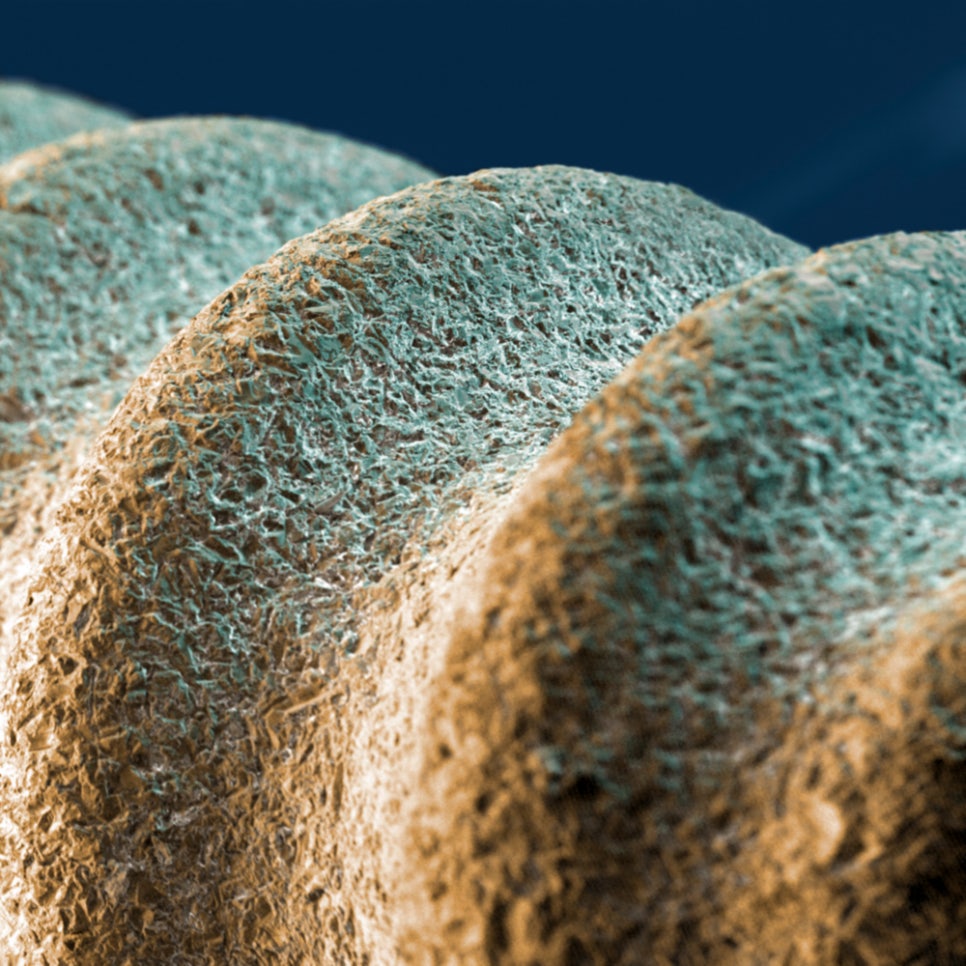
That is because implants are intentionally processed to have a microscopically rough surface
so they can bond firmly with the jawbone.
Because of this structure, blind spots appear where light cannot reach.
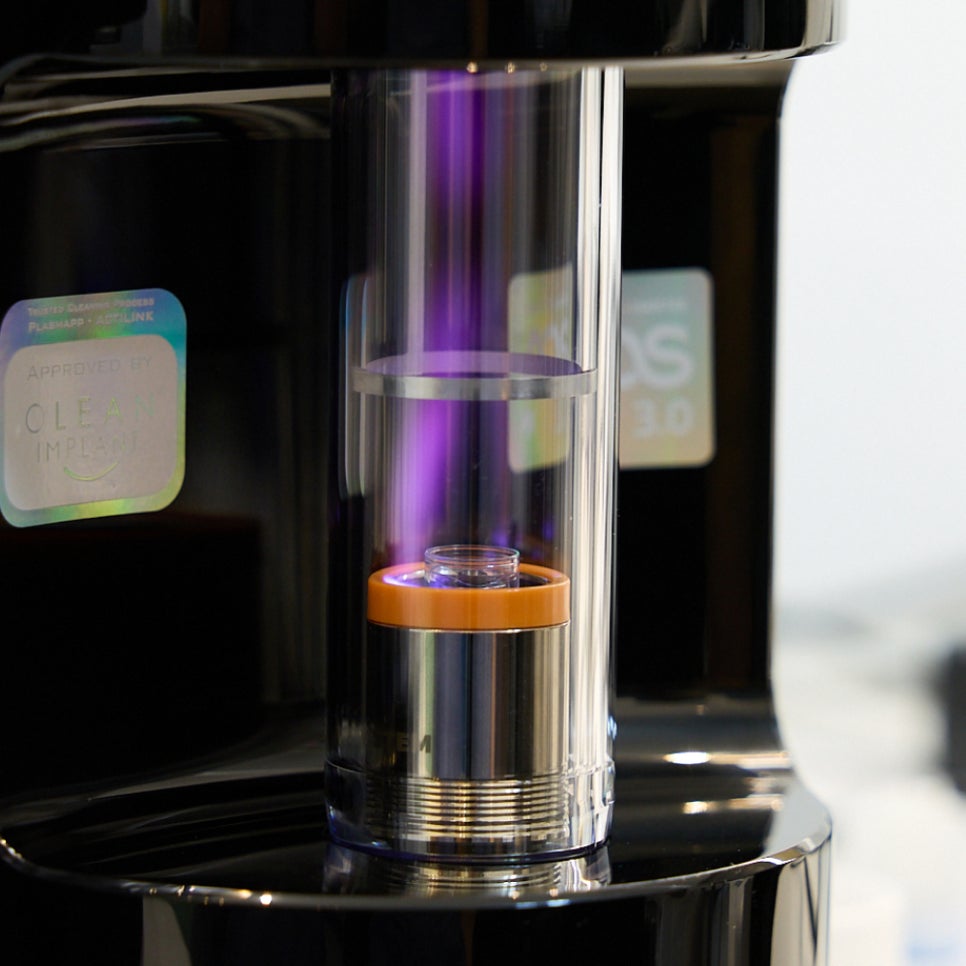
Plasma, on the other hand, is an ionized ‘gas’ created by heat and electricity.
Because gas is not bound by shape and can penetrate gaps,
it can act evenly even on the fine irregularities of the implant surface.
In other words, while a UV implant works by shining ultraviolet light onto the surface,
a plasma implant works by surrounding the surface with gas.
Today, we looked at the difference between UV implants and plasma implants.
These days, medical advances are happening quickly, and information is pouring in to keep pace.
Because of that, under the shared keyword of hydrocarbon removal,
technologies that look similar, such as UV implants and plasma implants,
often turn out to have major differences in practice.
When choosing an implant, rather than relying only on surface-level information,
I think the wisest choice is to listen to a thorough explanation from the medical staff in charge
and select a verified technology and a trustworthy treatment method.
Please visit Haruplant Dental Clinic for a professional consultation to find the right approach.
If you have any questions, please feel free to contact us anytime.
