Hello.
This is Haruplant Dental Clinic, bringing you a comfortable daily life starting with Haru.
After implant treatment, many patients
with the thought, ‘Now I really need to take good care of it,’
become even more attentive to oral hygiene.
The feeling of wanting to use the newly placed teeth longer and more healthily
is completely understandable.
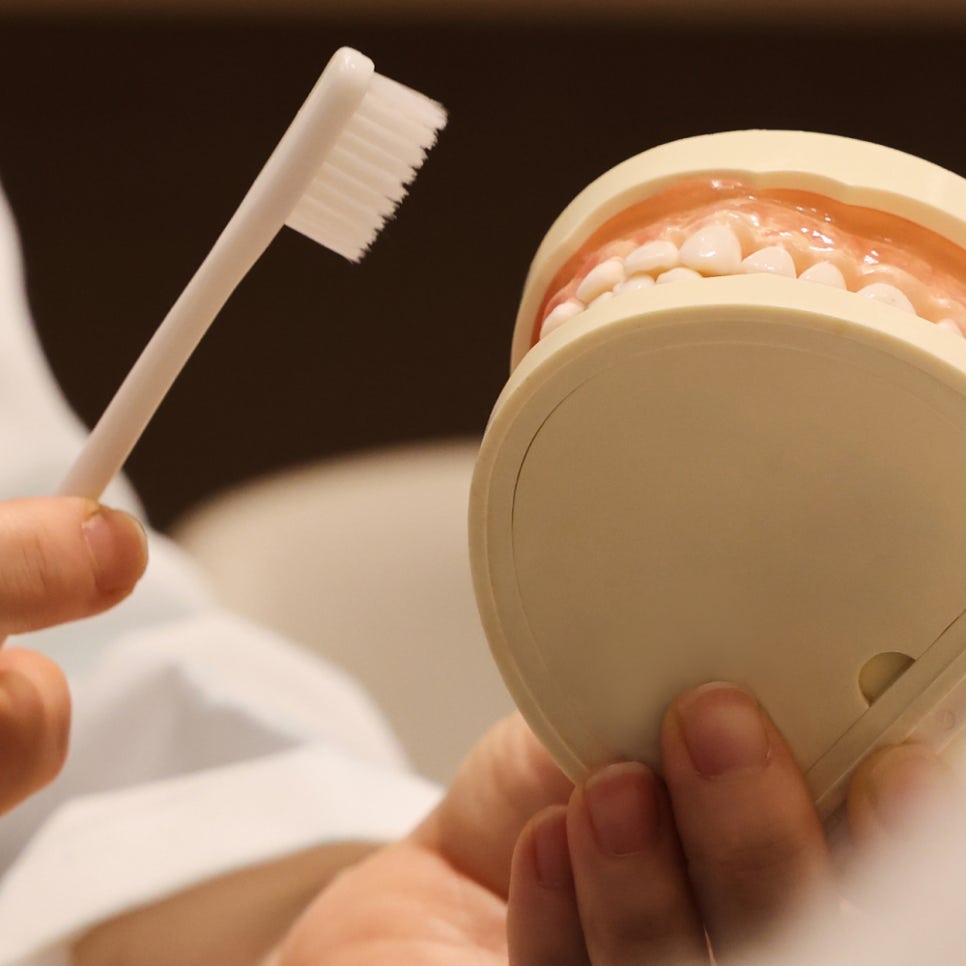
That’s why, right after treatment, many people ask about everything from proper brushing
to floss and water flossers.
At Haruplant Dental Clinic, we kindly guide patients before and after treatment
on appropriate oral care methods.
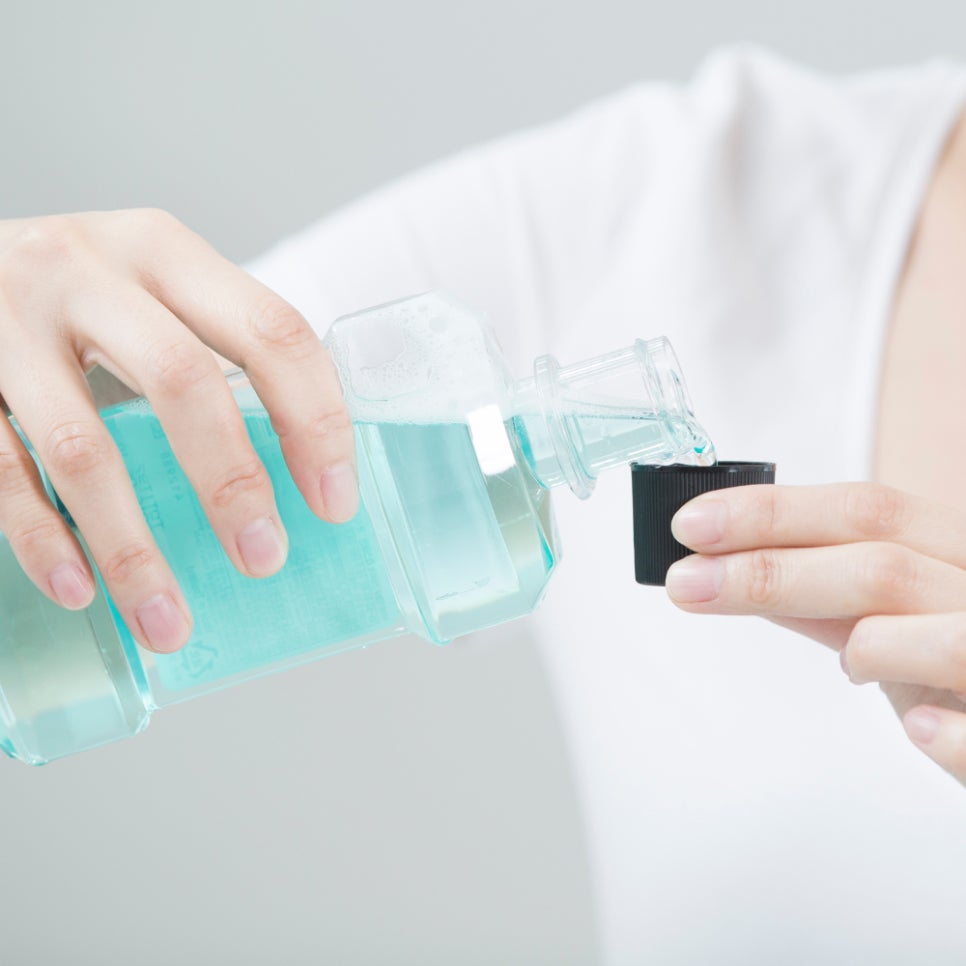
Among them, the one people are especially curious about is mouthwash.
It freshens the mouth and makes you feel cleaner.
But because the cooling sensation from alcohol ingredients can be quite irritating,
you may wonder, ‘Can I really use mouthwash after implants?’
So today, we’ll explain whether it’s okay to use mouthwash after implants,
and when and how to do it.
If you got implants, doesn’t that mean you need to keep things even cleaner?
After implants, oral hygiene management is very important.
Because implants are placed in the jawbone and used there,
food debris and bacteria can enter the spaces between them.
If care is neglected after treatment, inflammation can develop in the surrounding tissue,
leading to various problems, or in severe cases, implant failure can occur.
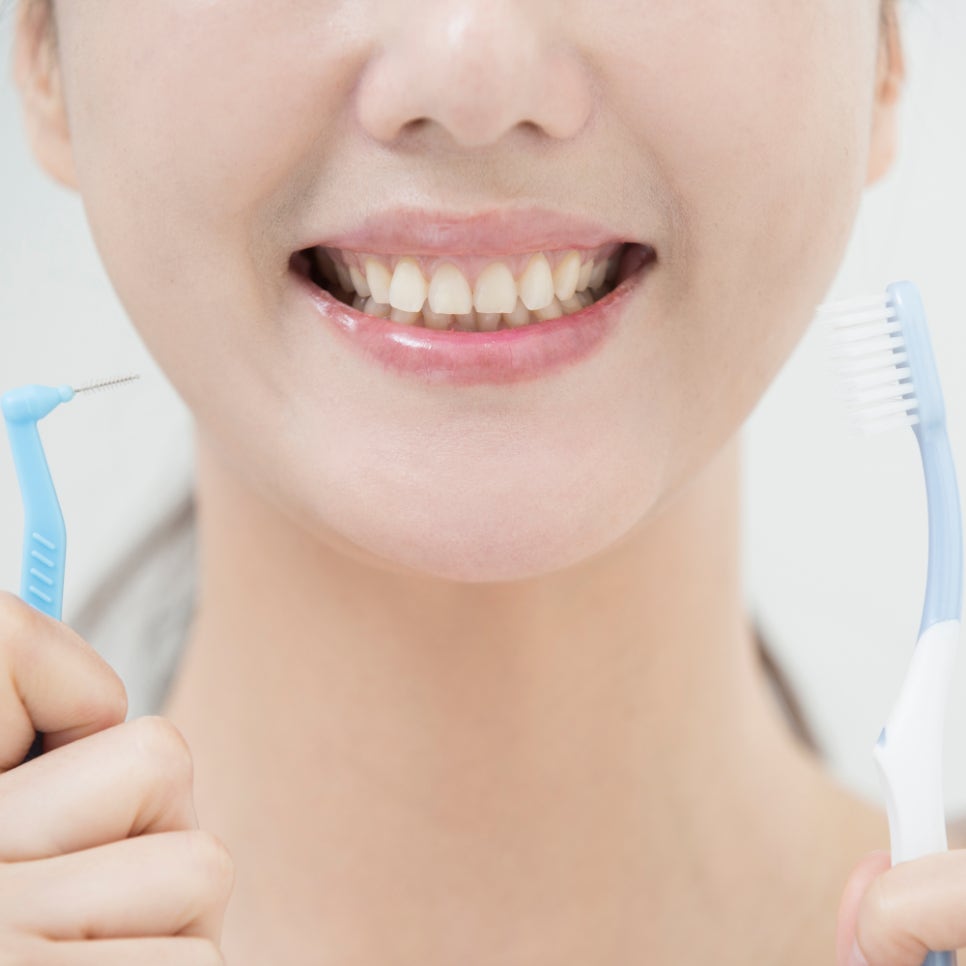
Therefore, brushing gently so as not to strain the teeth and gums,
and using additional care tools such as interdental brushes or water flossers, can be very helpful.
So, doesn’t mouthwash after implants also help with oral hygiene?
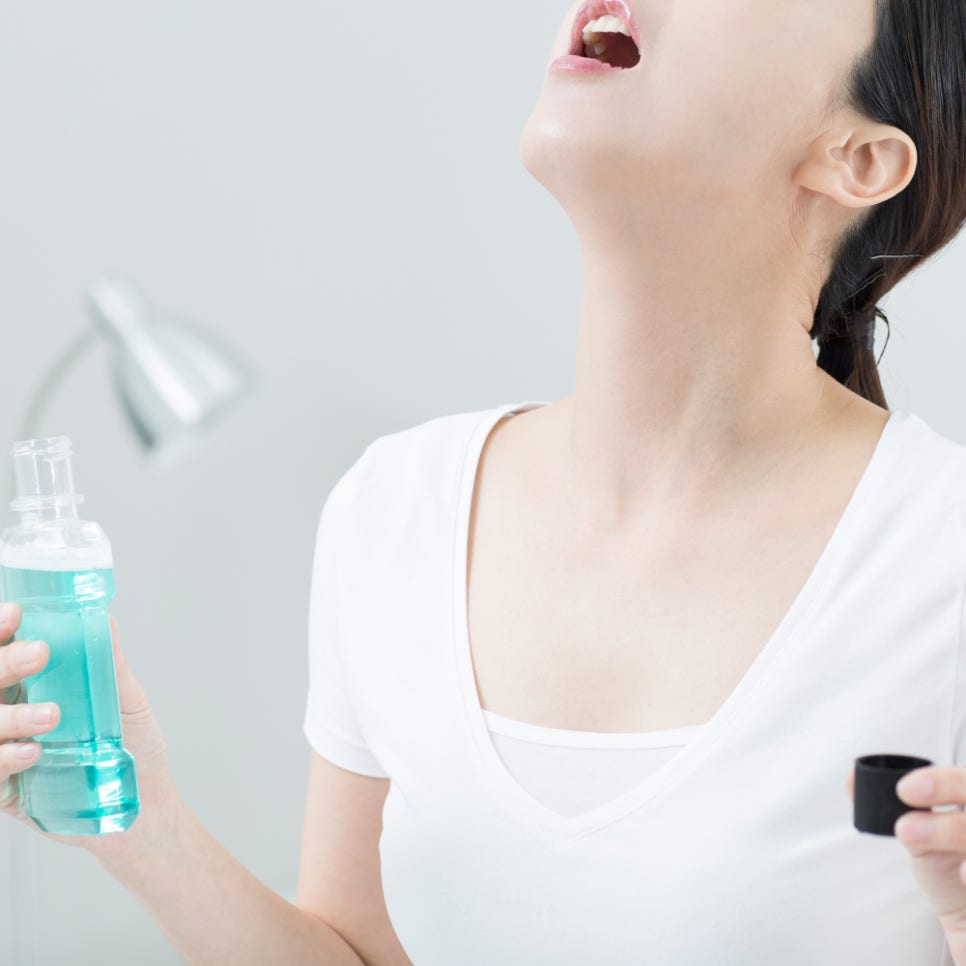
Of course it helps with oral hygiene, but timing and method are important.
Mouthwash after implants can actually interfere with recovery.
Immediately after treatment, especially within 48 hours, it is best to avoid mouthwash.
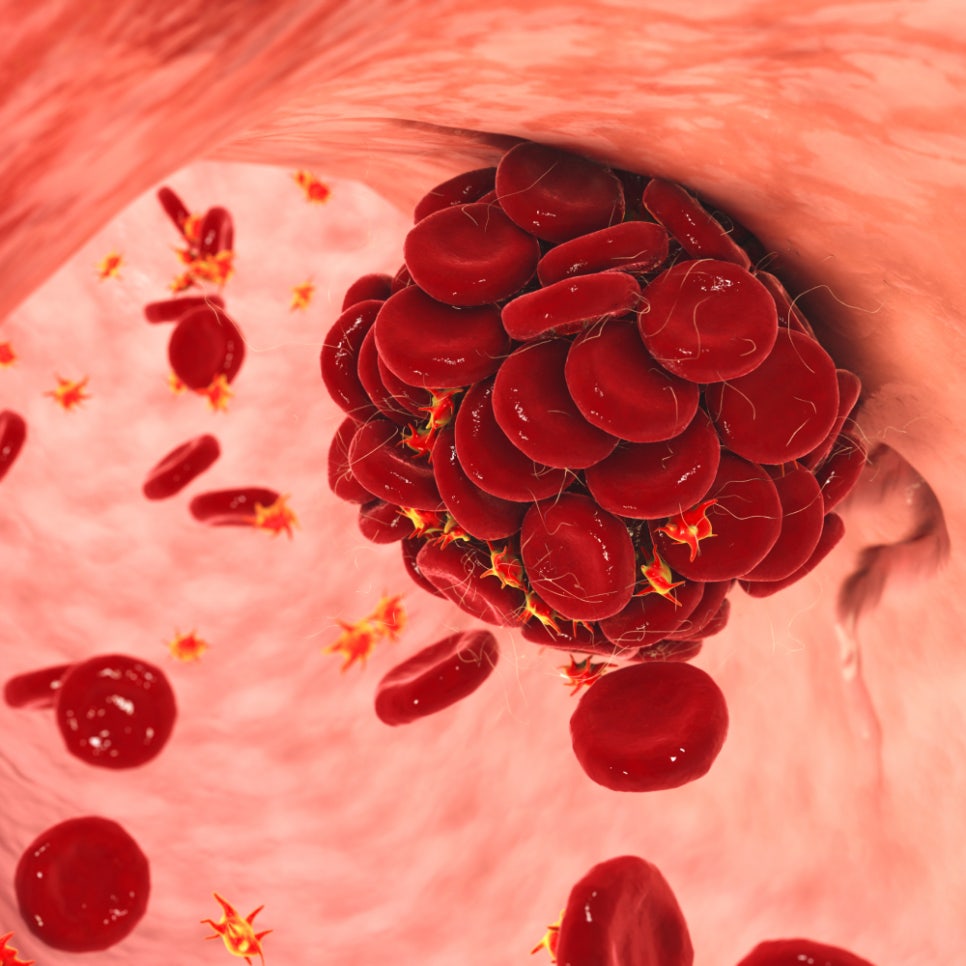
That’s because a blood clot forms at the extraction or surgical site,
and it serves as a kind of shield that protects the wound.
However, using mouthwash at this stage can wash away the blood clot,
making the area vulnerable to bacterial attack and ultimately slowing recovery.
After 48 hours, it is better to use an antibacterial mouthwash lightly.
That said, there is still something to be careful about.
Because pressure can irritate the wound, do not swish forcefully.
The best method is to hold it lightly in your mouth, gently rinse around the mouth, and then spit it out.
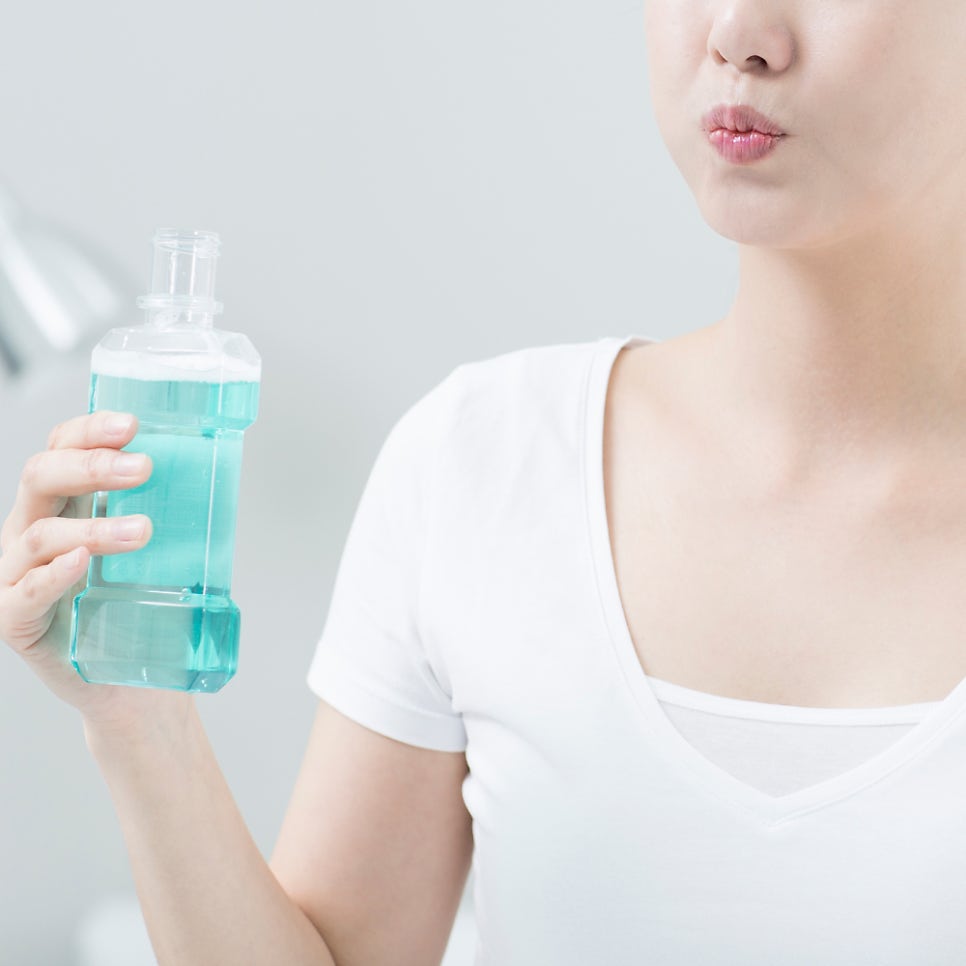
It is also important not to rinse again with water.
Leaving the mouthwash ingredients to work throughout the mouth is more effective.
Also, it is best to use it appropriately 2 to 3 times a day.
After implants, using it once before bed and once or twice after meals is appropriate.
Using it too often can dry out the mouth, which may actually allow bacteria to multiply more easily.
If that happens, even beneficial bacteria can be removed and the balance can be disrupted, so please avoid overuse.
About a week after surgery, the wound area becomes somewhat stabilized,
and inflammation starts to subside, allowing you to return to daily life as before.
From this point on, it becomes a time to focus a little more on bacterial control than on recovery.
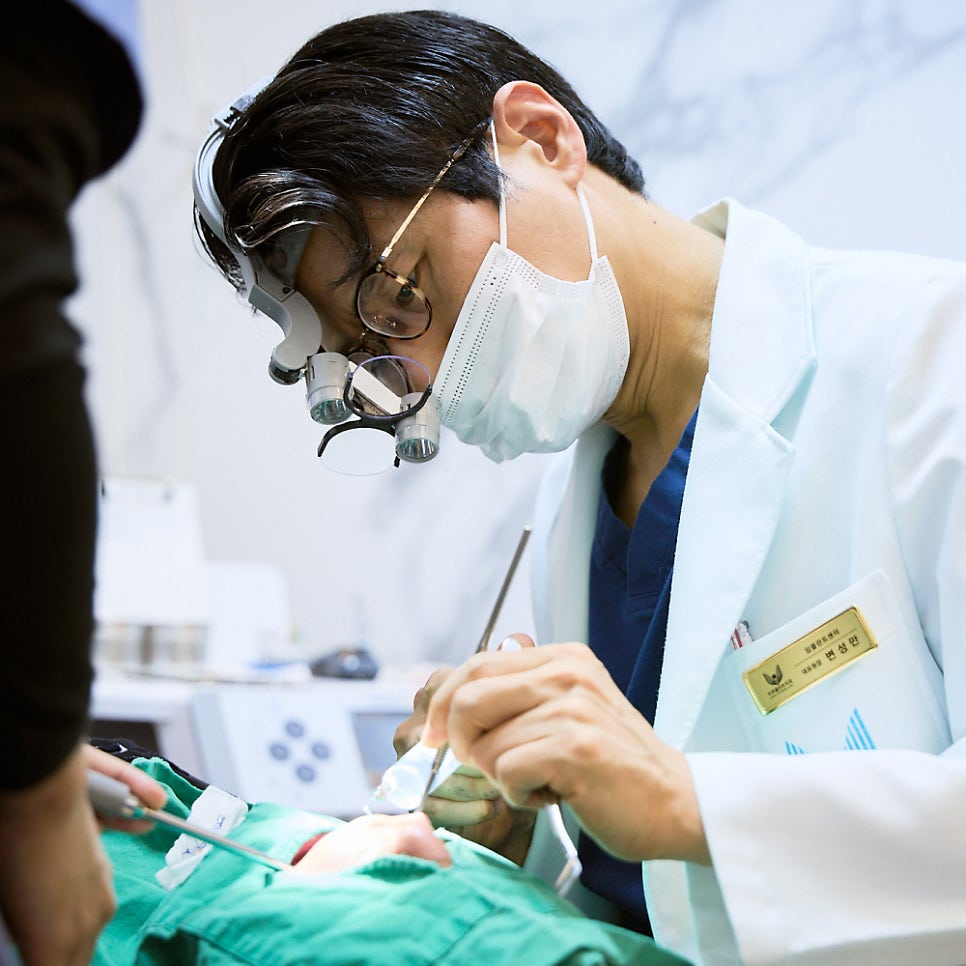
Mouthwash can be a useful helper for bacterial control if used properly,
but if the timing and method are not appropriate, it can instead interfere with recovery.
Therefore, using mouthwash after implants from 48 hours later is appropriate,
and rather than using it as much as possible, the right timing and frequency are what matter.
Just as important as the treatment itself is proper care afterward.
Haruplant Dental Clinic always listens to our patients.
If you have any questions about implants, please feel free to contact us anytime.
With delicate and precise treatment, we will make your day brighter and filled with more smiles.
