Hello.
This is Haru Plant Dental Clinic, where comfortable daily life begins with one day.
Losing multiple teeth can cause various inconveniences in daily life.
Because the quality of life is seriously affected, prompt action is necessary.
Above all, tooth loss cannot be limited to an oral problem alone.
If you are unable to eat properly, nutrients cannot be supplied sufficiently, which not only worsens overall health but also makes communication difficult and affects relationships with others.
In particular, if tooth loss is left untreated for a long time, the jawbone is resorbed, causing the mouth to sink in, and sagging lips and deeper nasolabial folds can leave a more aged impression.
As a result, emotional issues such as a drop in confidence may also arise.
Because of their smile and unclear pronunciation, some people avoid meeting others, and in severe cases, they may become socially isolated and experience difficulties such as depression and social anxiety.
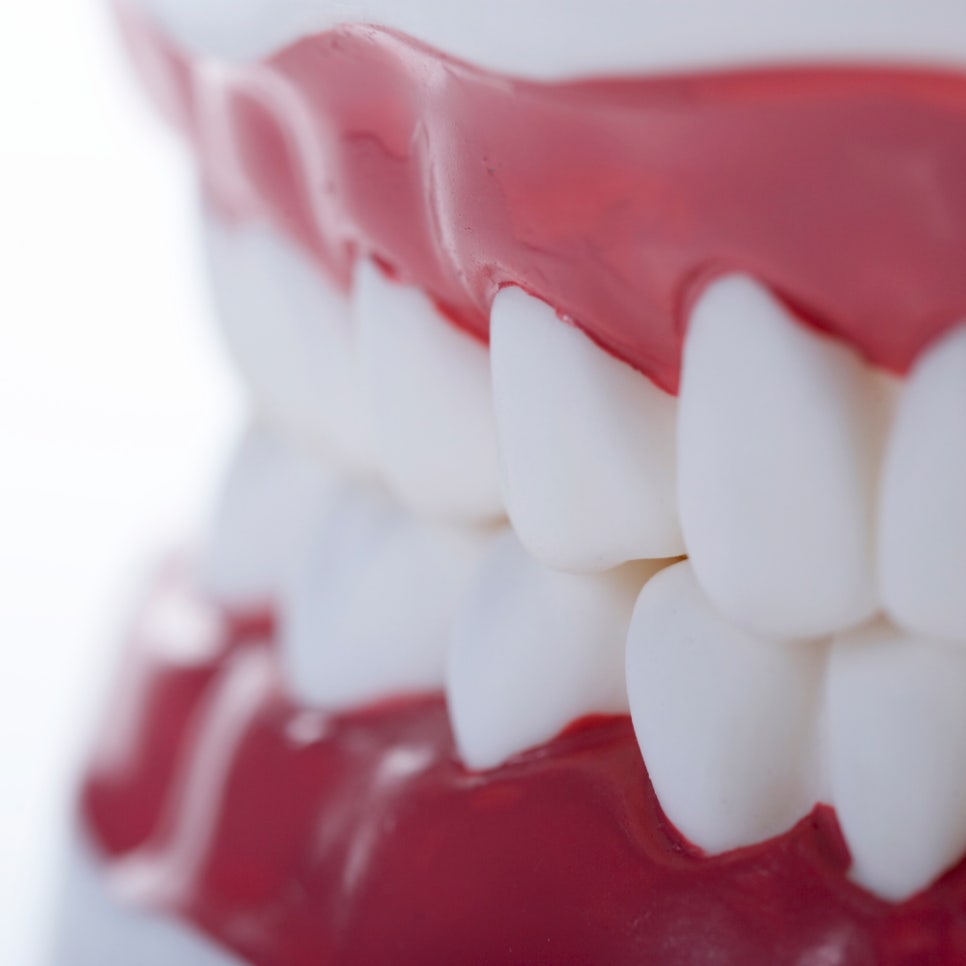
At this point, many people think of dentures as an alternative to tooth loss.
However, in actual use, they often lead to unexpected discomfort.
So, what options are there besides dentures when all teeth are lost?
Today, we will compare dentures, which many people are curious about, with full-mouth implants, which are a more stable option, and look at the difference between implant-supported dentures and implants together.
The lesser-known drawbacks of dentures
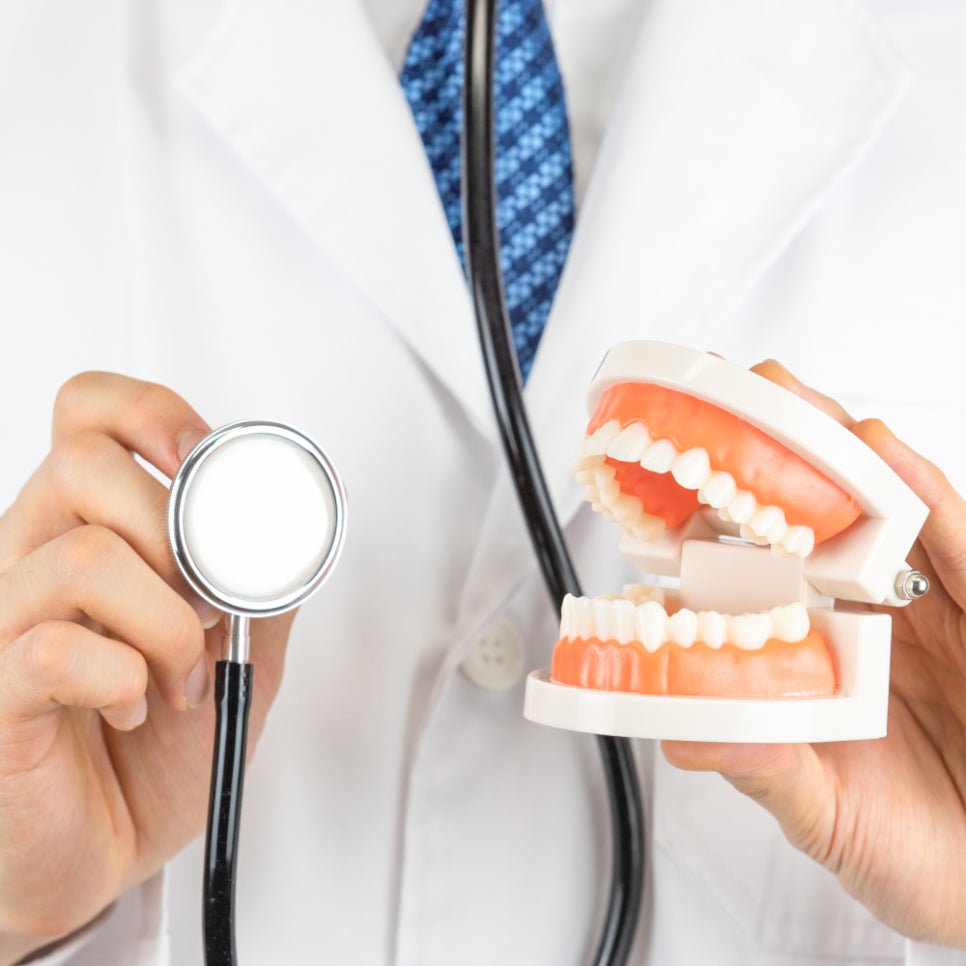
Dentures are a relatively affordable way to address complete tooth loss.
They can partially restore chewing ability and aesthetically improve a damaged facial shape.
Many people think that dentures can be used similarly to their original teeth, but like prosthetic arms or legs, they require an adjustment period. Far from providing functionality similar to natural teeth, they can involve pain and discomfort during use.

When dentures are first fitted, you need to adjust to the foreign-body sensation in your mouth, and saliva continues to flow.
Also, because they are used by resting on the gums, pain may be felt, pronunciation can be uncomfortable until you adapt, and they do not stay fixed well, so they may come loose during use.
Until you learn the technique of controlling the dentures yourself through the movement of the muscles in your mouth, many people go through a psychologically difficult period while adapting.
Moreover, even if you fully adapt to dentures, chewing function is not completely restored.
Dentures basically allow only up-and-down chewing, and because the force used to grind food by moving the jaw side to side is weak, it is difficult to eat foods that are chewy like meat or need to be torn apart like kimchi.
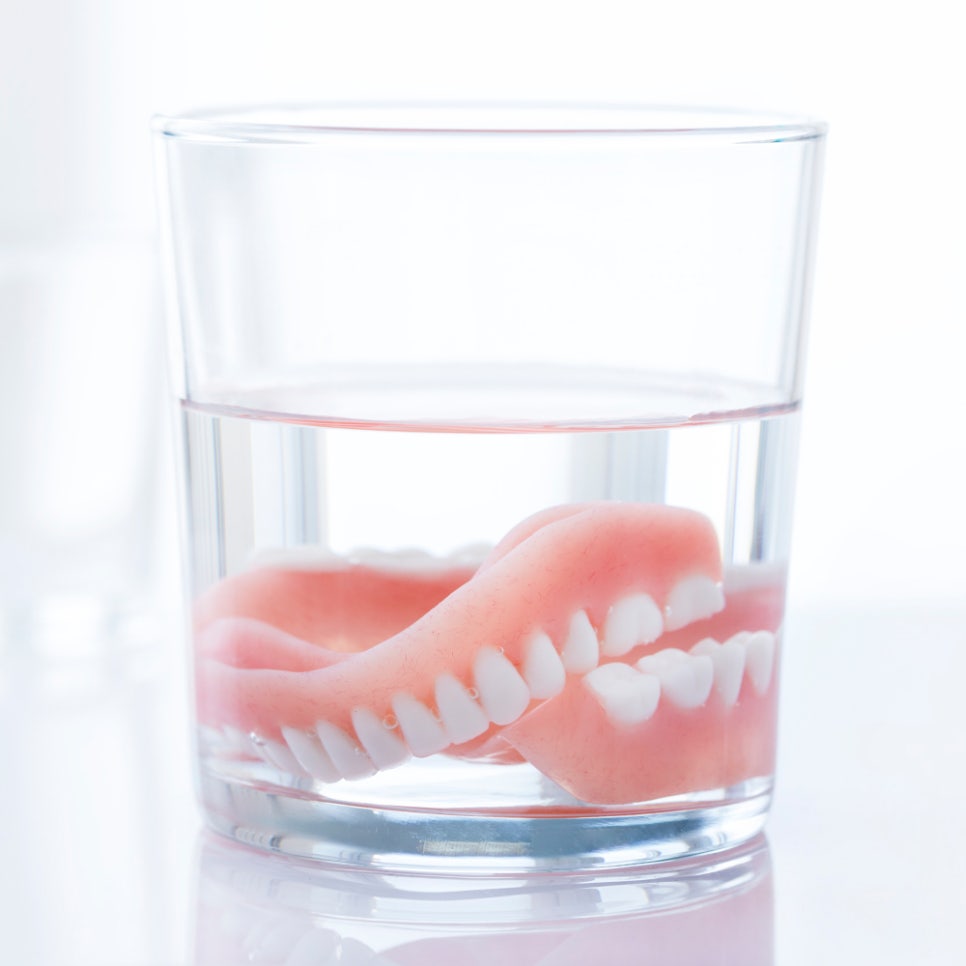
Above all, they must be consistently maintained with a denture-specific cleaning solution to prevent bacterial growth and wear,
and because their shape changes over time, periodic replacement is needed about every 5 years.
How about full-mouth implants instead of uncomfortable dentures?
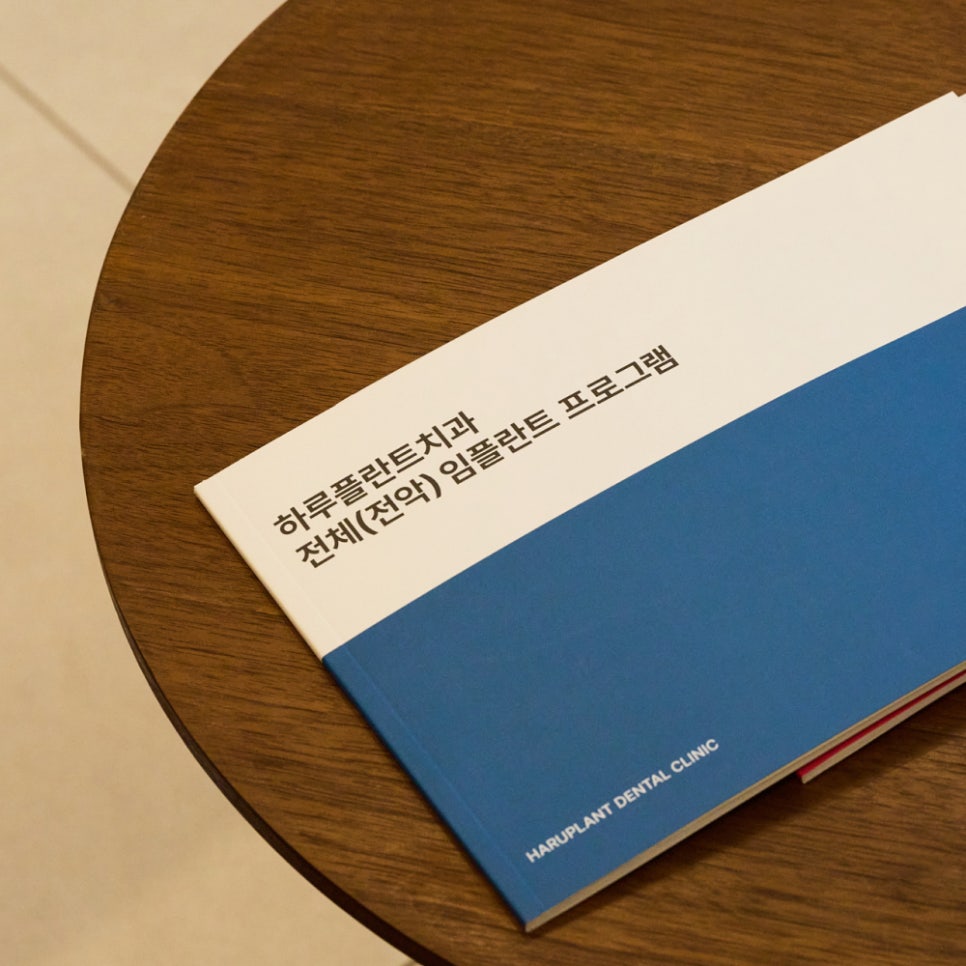
As a result, the difference between full-mouth implants and dentures is significant in terms of long-term stability and satisfaction.
Unlike dentures, full-mouth implants are fixed by placing them directly into the missing area, so they offer relatively superior chewing ability, less foreign-body sensation, and, with proper care, can be used semi-permanently.
However, since many missing teeth need to be restored, time and cost may feel somewhat burdensome.
But even with full-mouth implants, it is not always necessary to place as many implants as the number of missing teeth.
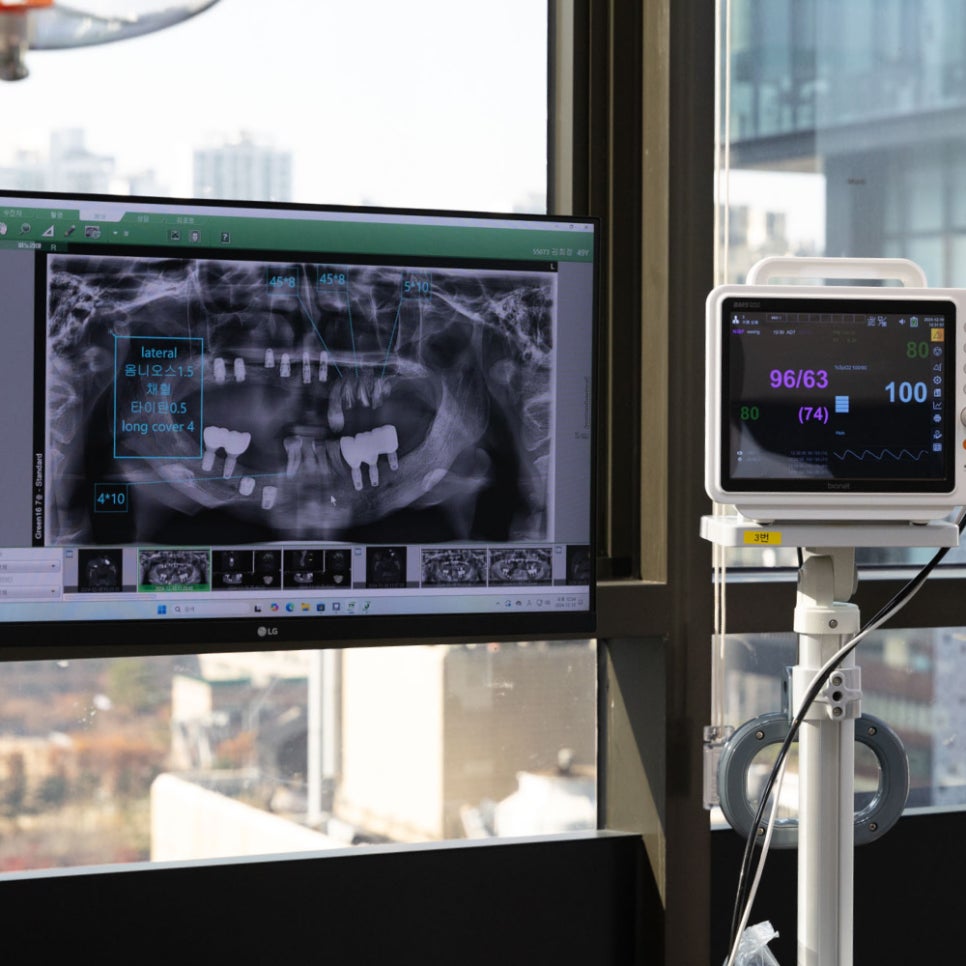
Full fixed-arch implants are a method in which 6 to 9 implants are placed to rebuild 12 to 14 teeth in the upper and lower jaws, distributing chewing pressure and providing force similar to natural teeth.
Also, All-on-X implants require fewer placements than full fixed-arch implants.
It is a solution that restores all teeth by placing only 4 to 6 implants in each of the upper and lower jaws.
It retains the advantages of full fixed-arch implants while reducing the burden of treatment.
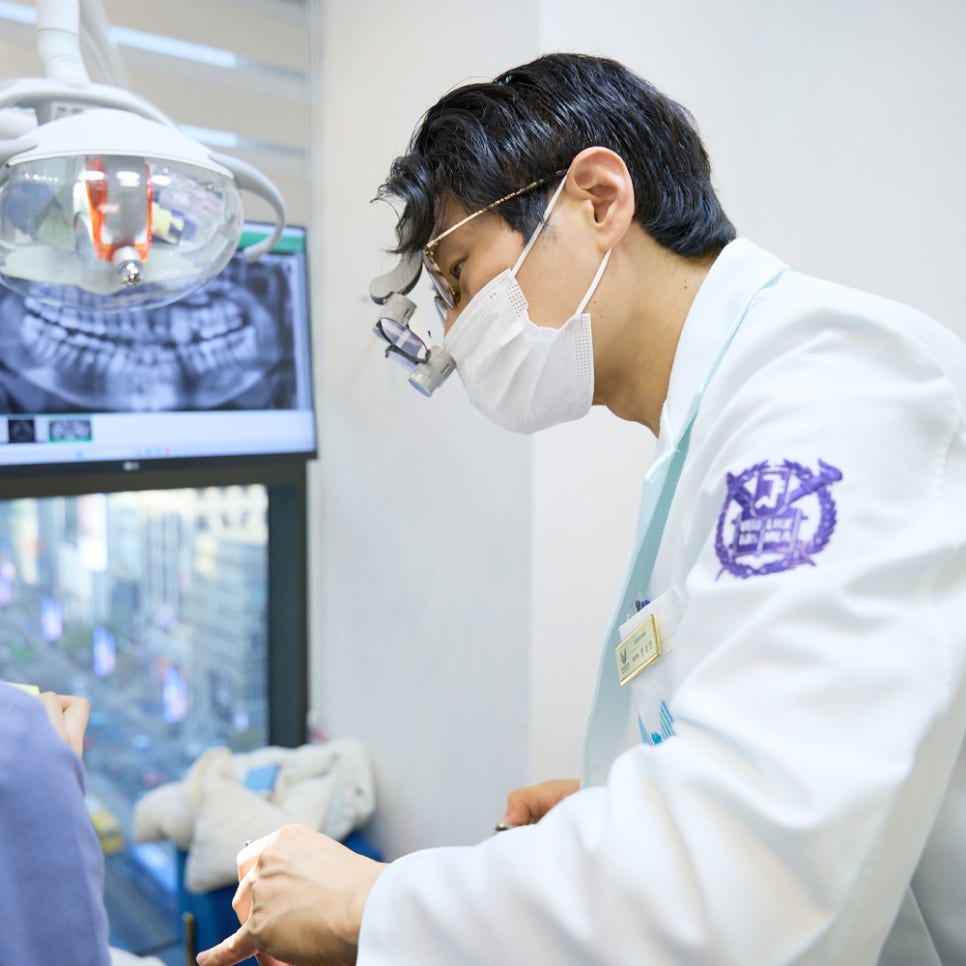
Above all, because the burden on the jawbone is reduced, the amount of bone grafting needed can be reduced or omitted, which shortens the treatment period, and for elderly patients or patients with systemic diseases, the physical burden is greatly reduced.
As a result, the difference between implant-supported dentures and implants leads to greater satisfaction in daily life and improves quality of life.
Implants do not require a separate adjustment period, and with chewing ability similar to natural teeth, they can be used without discomfort or pain. In addition, if maintained properly and consistently, they can be used stably for a long time, making them a more economical choice than dentures, which require repeated replacement.
Today, we compared the difference between implant-supported dentures and implants, and introduced the full-mouth implant method.
In today’s era of 100-year lifespans, maintaining a healthy life is just as important as living long.
Therefore, if you are spending your days in discomfort due to the loss of multiple teeth, a prompt solution is needed, and as mentioned, why not consider full-mouth implants, which offer stability and satisfaction?
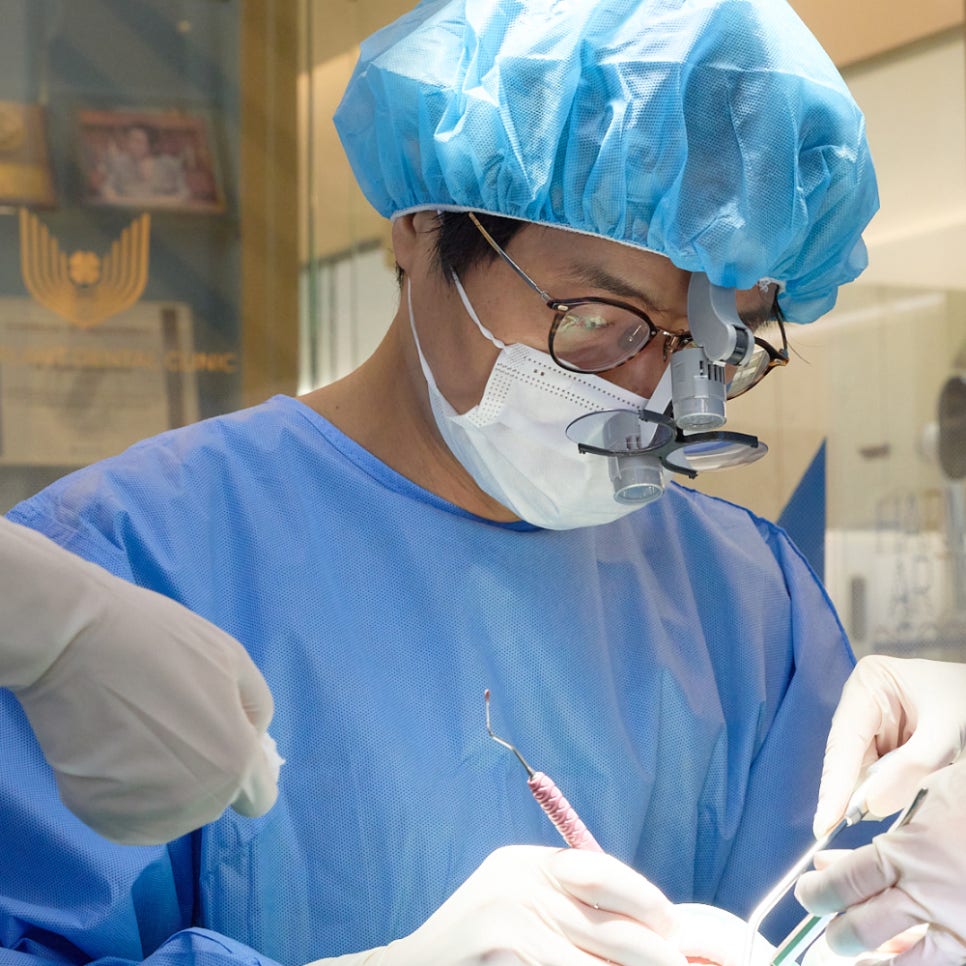
Since the difference between implant-supported dentures and implants can determine quality of life, finding the right treatment as soon as possible can be the wisest choice for regaining confidence in life and everyday comfort.
If you have any questions about full-mouth implants, please feel free to contact us anytime.
We will always promise a comfortable treatment experience that listens to the patient’s voice.
