Hello.
Haruplant Dental Clinic is your comfortable daily life that starts with Haru.
When placing an implant, most people expect to be able to use it for as long as possible
like a natural tooth without discomfort.
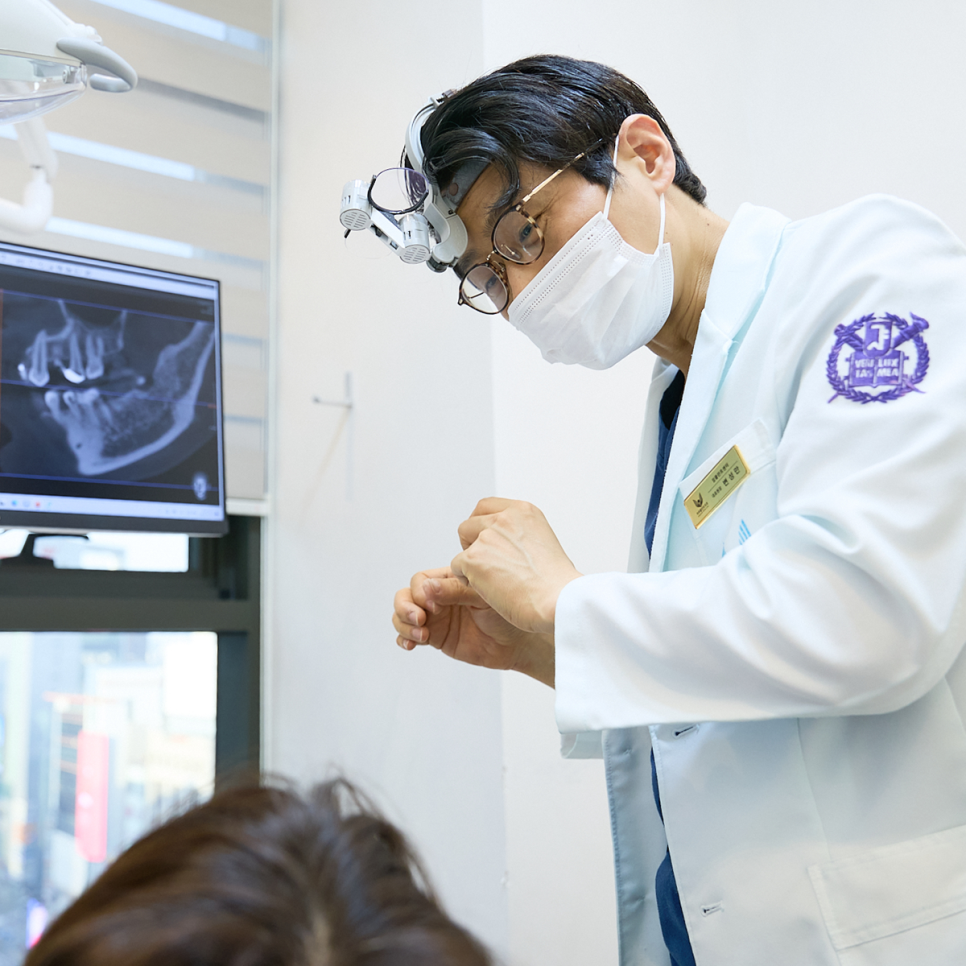
In general, the lifespan of an implant is known to be about 10 years, but this is
only an average statistic. In fact, clinical cases and papers showing that implants are well maintained for more than 10 years, even 15 or 20 years, are frequently reported.
In other words, implants are not a short-term solution for tooth loss,
but a solution that is actually placed with long-term, practically semi-permanent use in mind.
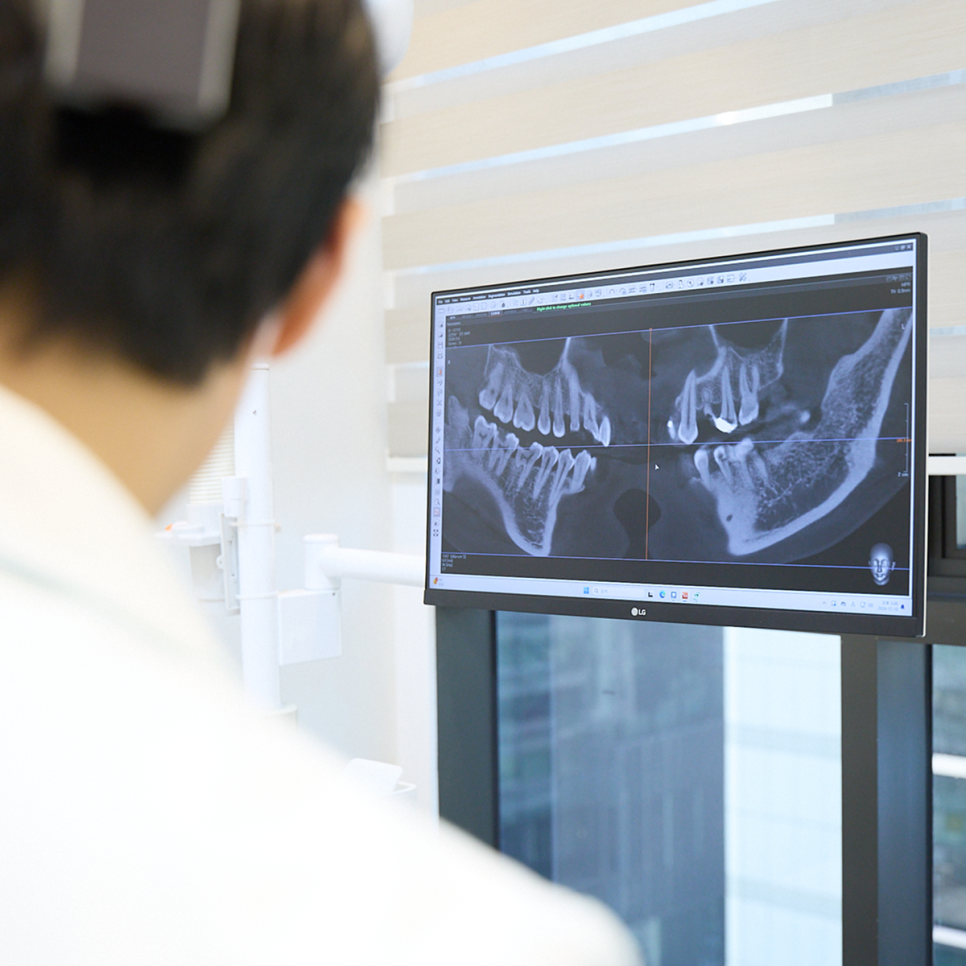
For this reason, what matters for implant lifespan is care after placement.
If you check the condition through regular dental examinations and manage it thoroughly with proper brushing, mouthwash,
and interdental brushes, you can extend the lifespan of the implant.
In particular, consistently managing periodontal health is also one of the very important factors.
However, above all, what matters most is how well the initial osseointegration between the implant and the jawbone
is achieved, as this determines long-term lifespan and treatment success.
Today, we will look at the importance of osseointegration, which affects implant lifespan.
What is osseointegration?
Osseointegration is the process in which the implant firmly bonds with the jawbone after placement.
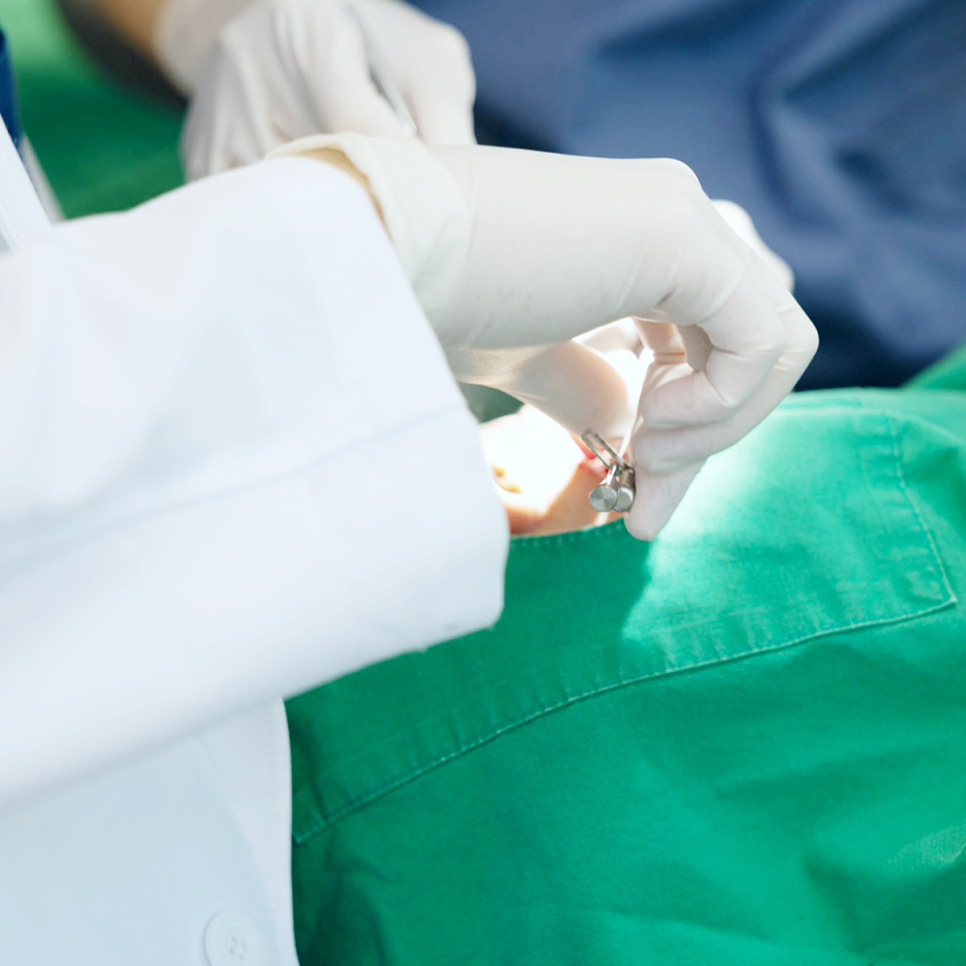
For implant lifespan, the entire surgery must be treated as important, but among all of them,
the bond with the jawbone is arguably the core factor for treatment success.
Only when this process is successfully completed can you chew comfortably without pain
and feel stability similar to a natural tooth without the implant falling out or becoming loose.
Recently, thanks to advances in implant surface treatment technology, the success rate of osseointegration itself is high,
but what is more important for securing lifespan and stability is the speed and stability of osseointegration.
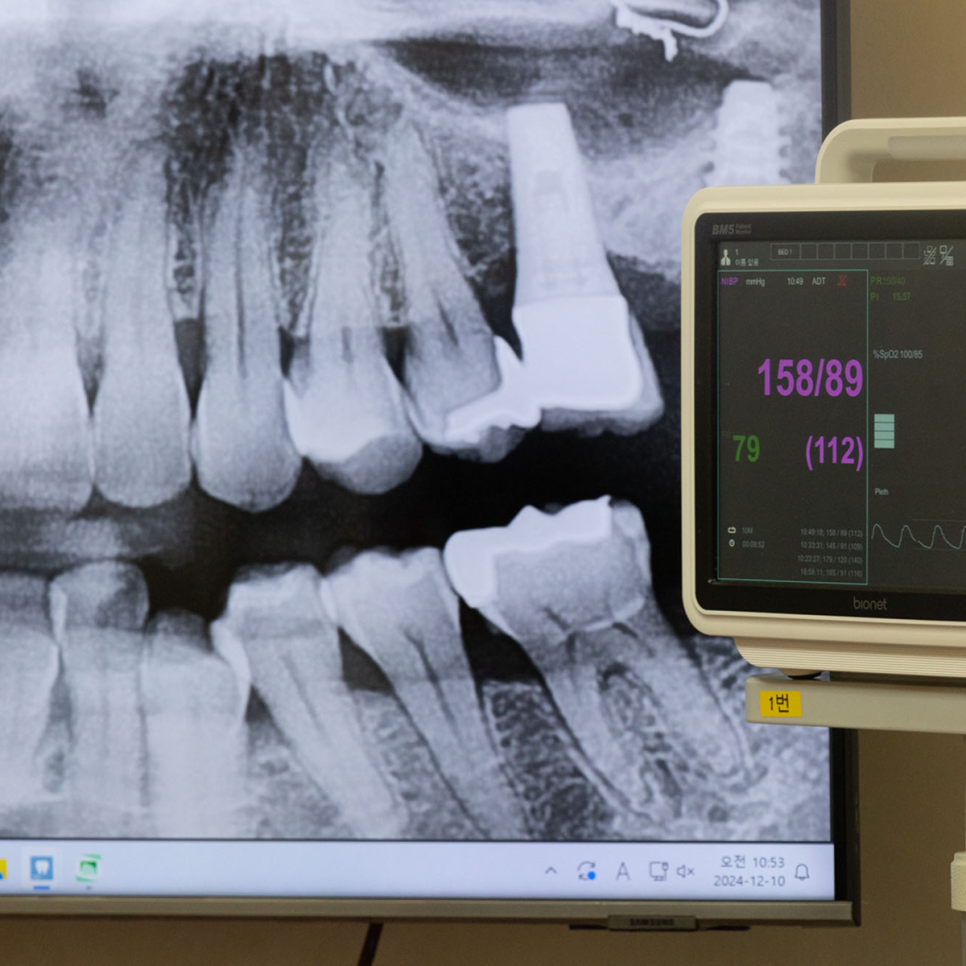
Depending on the implant material used, the surface structure, and the patient's overall and oral health and cooperation,
the time required for osseointegration and its stability can vary. In general, recovery periods are needed from as short as
about 8 weeks to as long as 6 months, and if the patient has a systemic disease or has undergone bone grafting or sinus lift surgery,
a longer recovery period may be necessary.
Ultimately, if you want to extend the lifespan of your implant, it is important to establish a treatment plan so that osseointegration can occur well in the beginning
and to manage oral hygiene thoroughly during the recovery period.
Plasma implants that help achieve fast and stable osseointegration
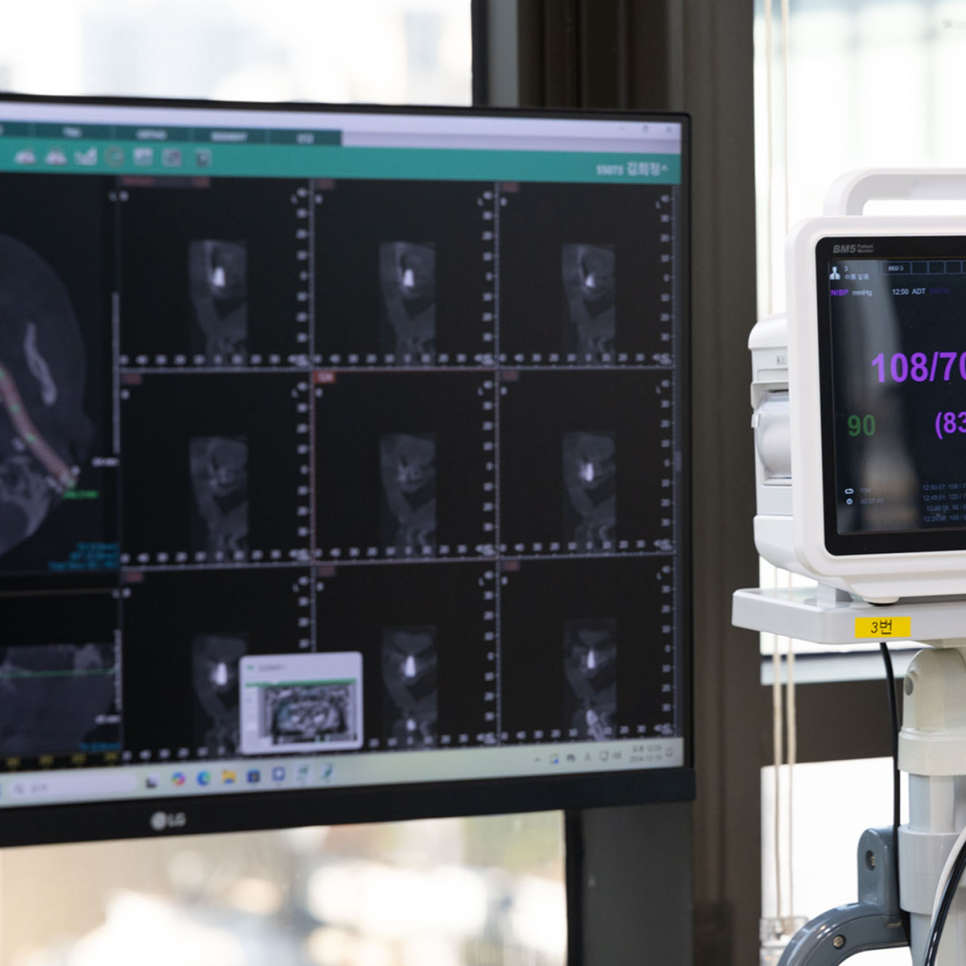
Usually, if your health is good, recovery after implant surgery is fast, and osseointegration often progresses stably.
However, if you have a systemic disease or a weakened immune system,
the recovery period can be longer, and accordingly, osseointegration may also proceed more slowly.
The problem is that the longer recovery is delayed, the harder it becomes for the implant to settle into the jawbone.
As a result, the possibility of unstable initial fixation increases, and even small external stimuli can cause looseness,
or the risk of variables such as inflammation grows, which also impairs implant lifespan.
So, what should be done in such situations?
Haruplant Dental Clinic suggests plasma implants for those with this concern.
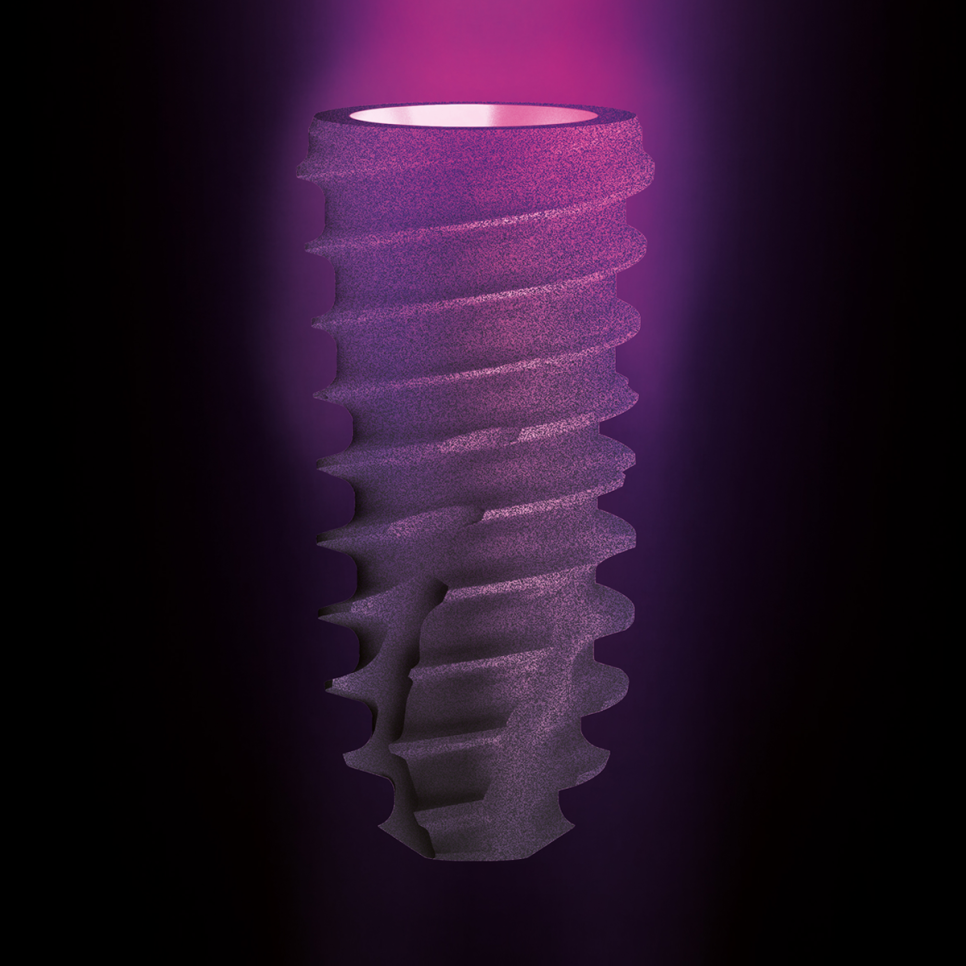
Plasma implants use plasma technology on the implant surface to enhance hydrophilicity
and promote bone cell response. Thanks to this, a faster recovery can be expected.
This can be a positive alternative that rapidly and stably improves osseointegration even for those whose recovery ability is somewhat reduced,
strengthening initial fixation and improving implant lifespan.
Since plasma implants apply advanced technology, a systematic system must support them
in order to use them effectively.
At Haruplant Dental Clinic, for efficient use of plasma implants, a total of 40 surface treatment devices are placed in all treatment rooms,
allowing immediate plasma treatment.
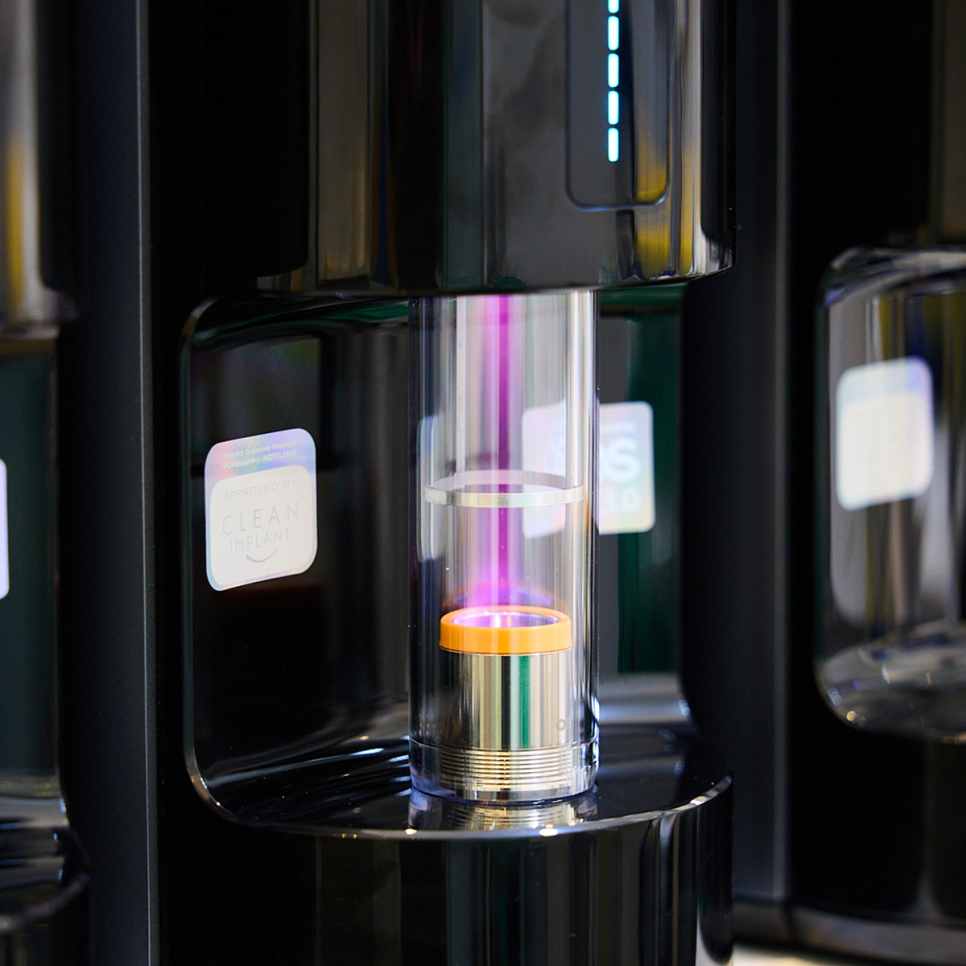
As a specialized plasma hospital, Haruplant Dental Clinic practices thorough quality control to provide uniform and stable plasma implants.
Through our professionally equipped plasma system, shorten the implant recovery period and experience more satisfying treatment.
