Hello.
Haru Plant Dental Clinic is here to bring comfort to your daily life, starting with Haru.
Implants are a treatment that replaces missing natural teeth, and they must be firmly
fixed in the jawbone to ensure chewing function, as well as stability and longevity.
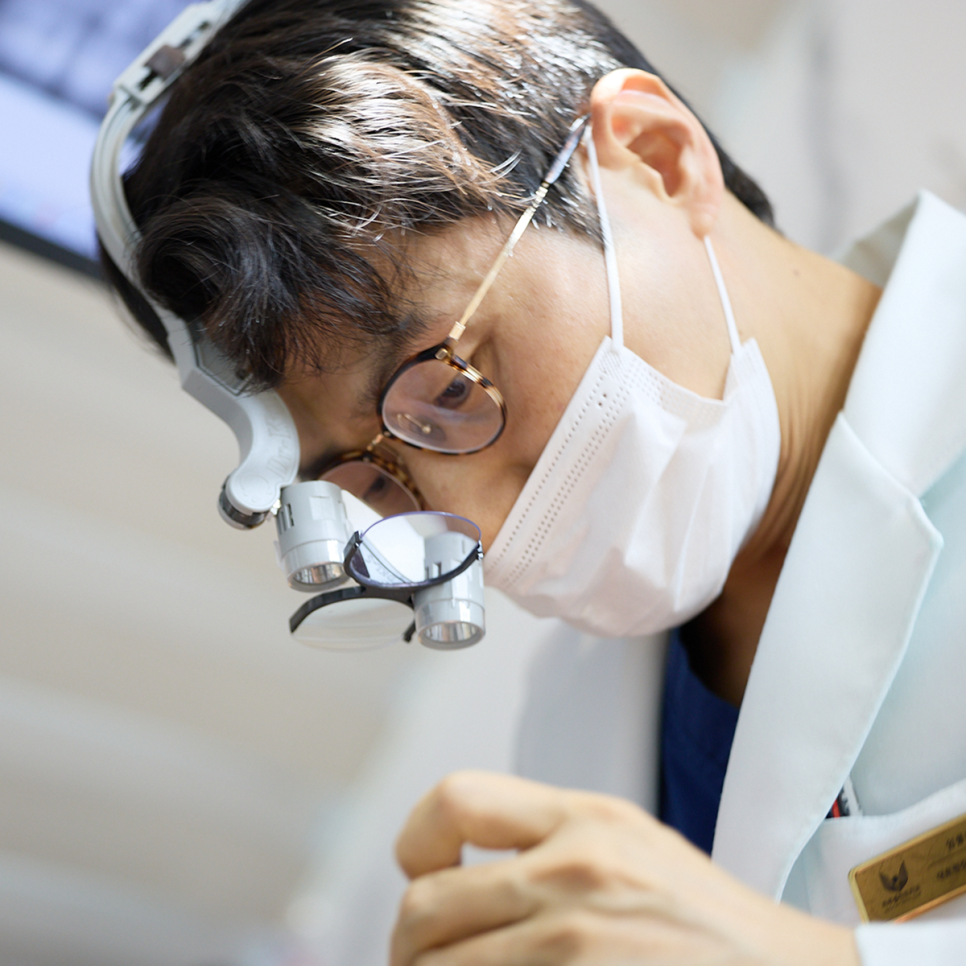
For that reason, extraction is usually performed first, and then the process continues by
predicting how much bone will fill in at the implant site. If the jawbone does not fill in
sufficiently, the placed implant may wobble or come loose and fail to do its job.
If it is judged that there may not be enough jawbone, bone grafting and other procedures are performed.
However, in most cases, even the amount that naturally fills the empty space after extraction
is enough to secure a jawbone thickness that allows the implant to be placed without difficulty.
At this time, it is important to carefully pay attention to and manage the area so that it can heal well,
but sometimes excessive checking or worrying can actually interfere with recovery.
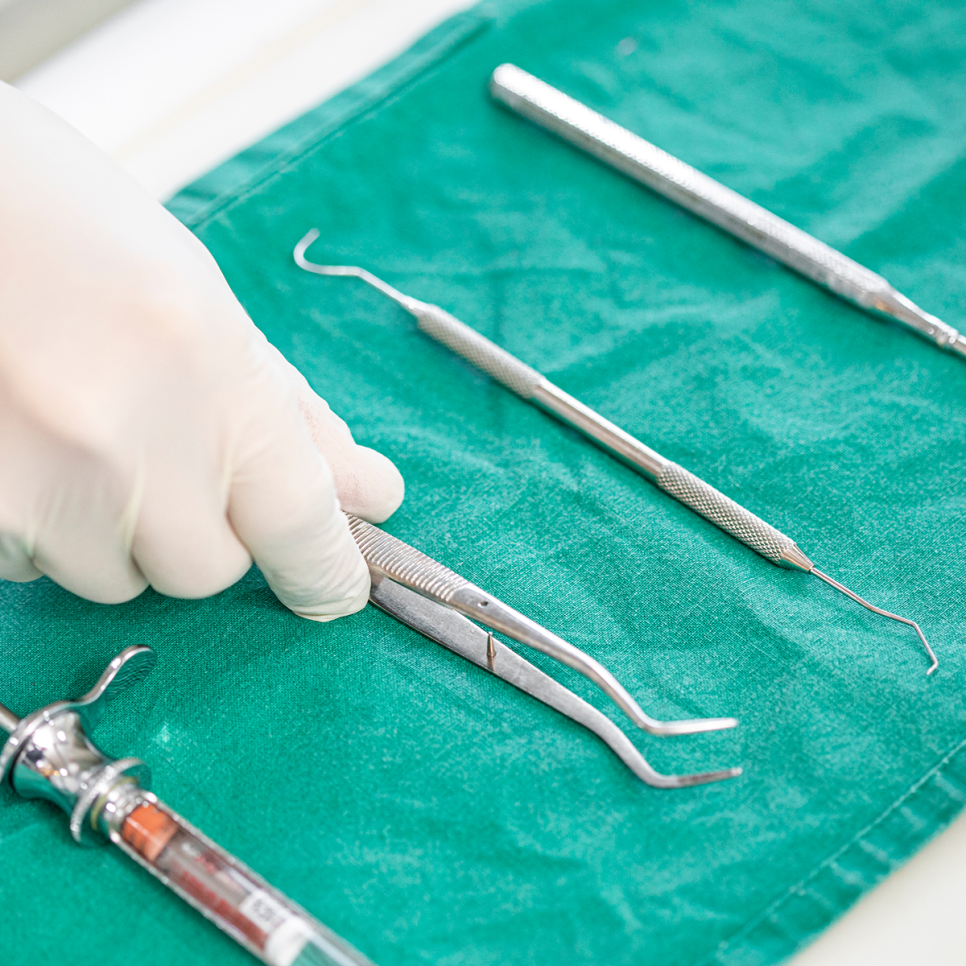
In particular, many patients see the blood that has clotted at the extraction site become firm and settled,
and then touch the area with their tongue or try to remove it by hand.
However, this blood clot, or scab, is an important tissue that forms the first step in jawbone recovery.
Today, let’s take a look at why this tissue, often called an implant blood clot or implant scab,
is important and why it should not be touched.
Dry socket
Dry socket
The implant blood clot or implant scab that forms after extraction is a natural part of the healing process.
Because the gum where the tooth was lost becomes vulnerable to bacterial invasion, bleeding leads to the formation of a blood clot and scab,
which helps protect the extraction site from infection.

If you touch the area with your tongue or remove it by hand and interfere with blood clotting,
this may lead to a condition called dry socket and can interfere with future implant treatment.
Dry socket refers to a state in which the blood clot and scab do not form properly or fall off,
exposing the jawbone. Its official name is “alveolar osteitis,” and it is a common complication after extraction.
The exposed jawbone can develop inflammation and pain due to bacterial infection, and you may also notice a foul odor
or a bitter taste in your mouth. In addition, pain may be felt in the ear or head.

Usually, pain becomes severe around 3 to 5 days after extraction and does not easily subside even with painkillers.
If dry socket occurs, the gums and jawbone are in a state where they have difficulty healing naturally,
so for successful implant placement, you must visit a dental clinic and receive treatment.
How can dry socket be prevented?
Dry socket is a major obstacle that can interfere with implant placement in the long term.
Therefore, it is important to help the implant blood clot and implant scab settle properly.
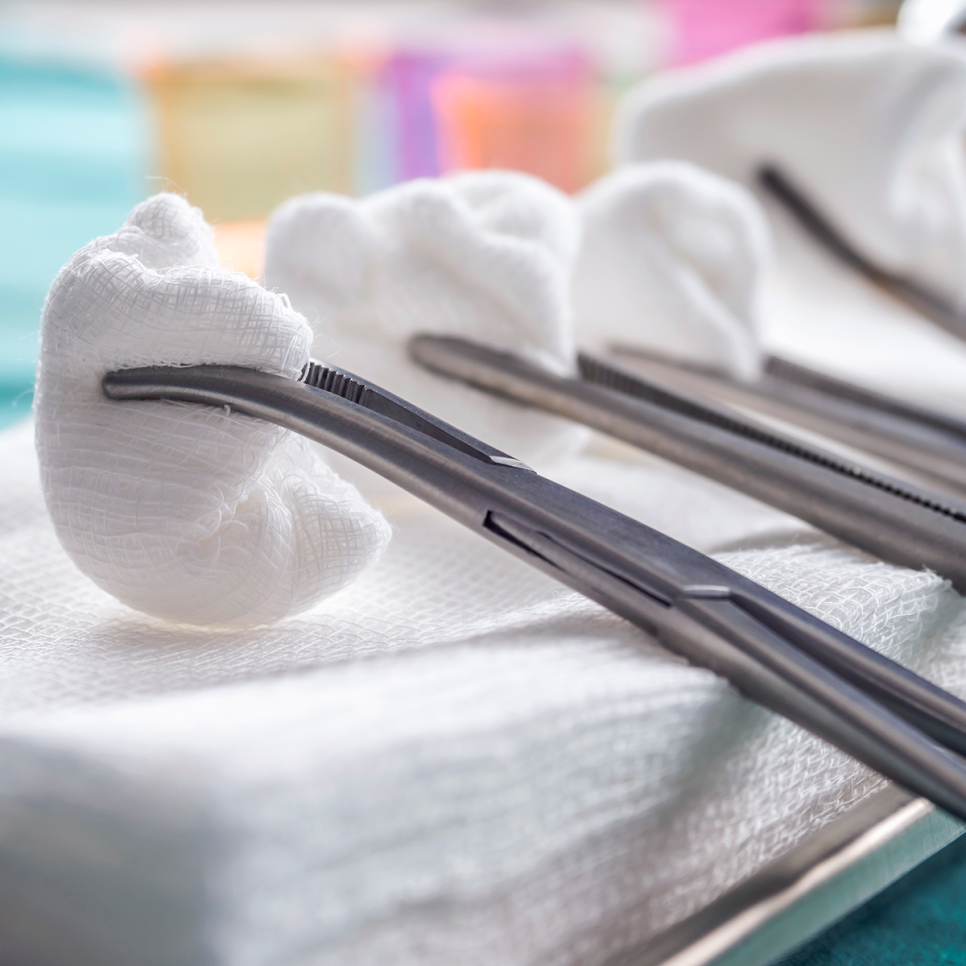
First, for hemostasis, you should bite down on the gauze provided after extraction for about 2 to 3 hours.
This helps stop bleeding by pressing on the blood vessels and allows blood to pool, making clot and scab formation easier.
Also, if blood pools after surgery, you should avoid spitting or rinsing your mouth.
And if pressure inside the mouth increases, the implant blood clot and implant scab may come off, so
it is best to avoid using straws and not irritate the mouth with spicy or hard foods.
In addition, it is recommended that you avoid alcohol and smoking, which can cause inflammation,
and focus on recovery.
Thorough care for stable implant placement
It is easy to think of implants as a simple procedure that places an artificial tooth, but in fact,
it is a treatment in which every step, from immediately after extraction to after placement, is organically connected.
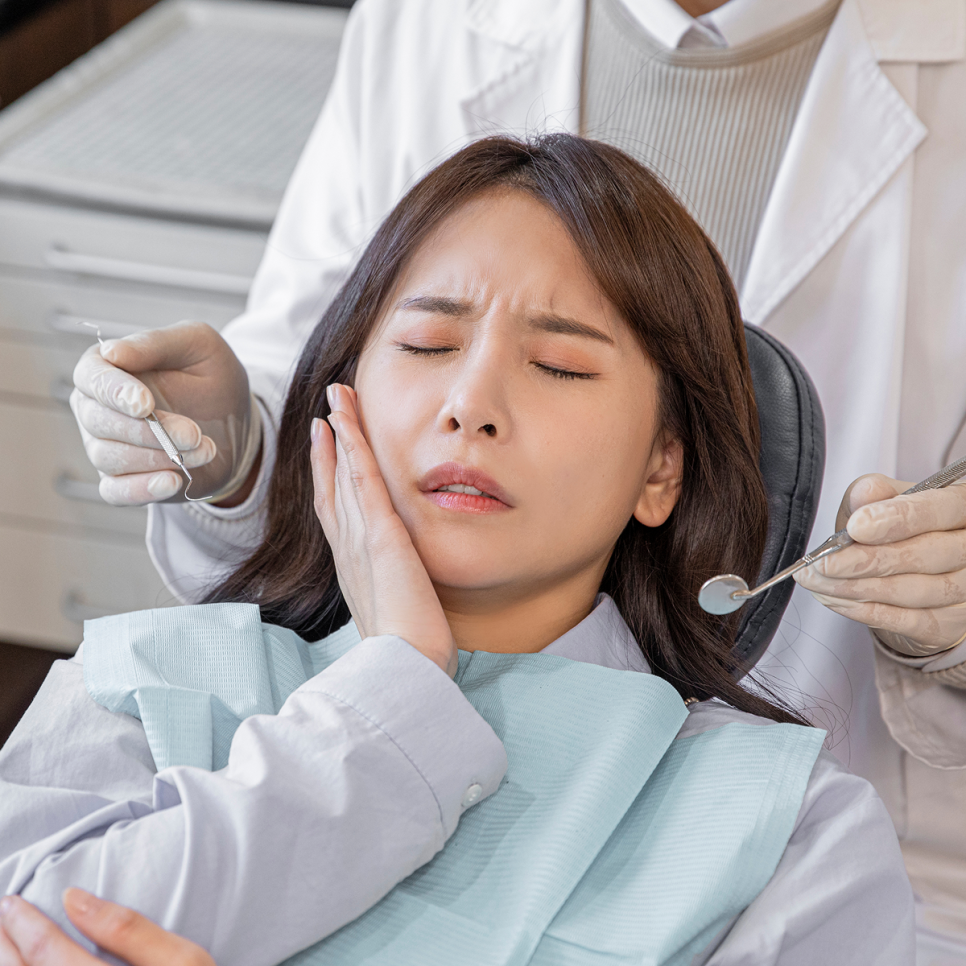
If even one of these steps is neglected, it can greatly affect the outcome. For example, during the recovery period after extraction,
enough jawbone must form for stable placement to be possible.
However, careless actions or everyday habits can have a negative effect on the treatment process.
In other words, implants must always be accompanied by professional care and sufficient guidance.
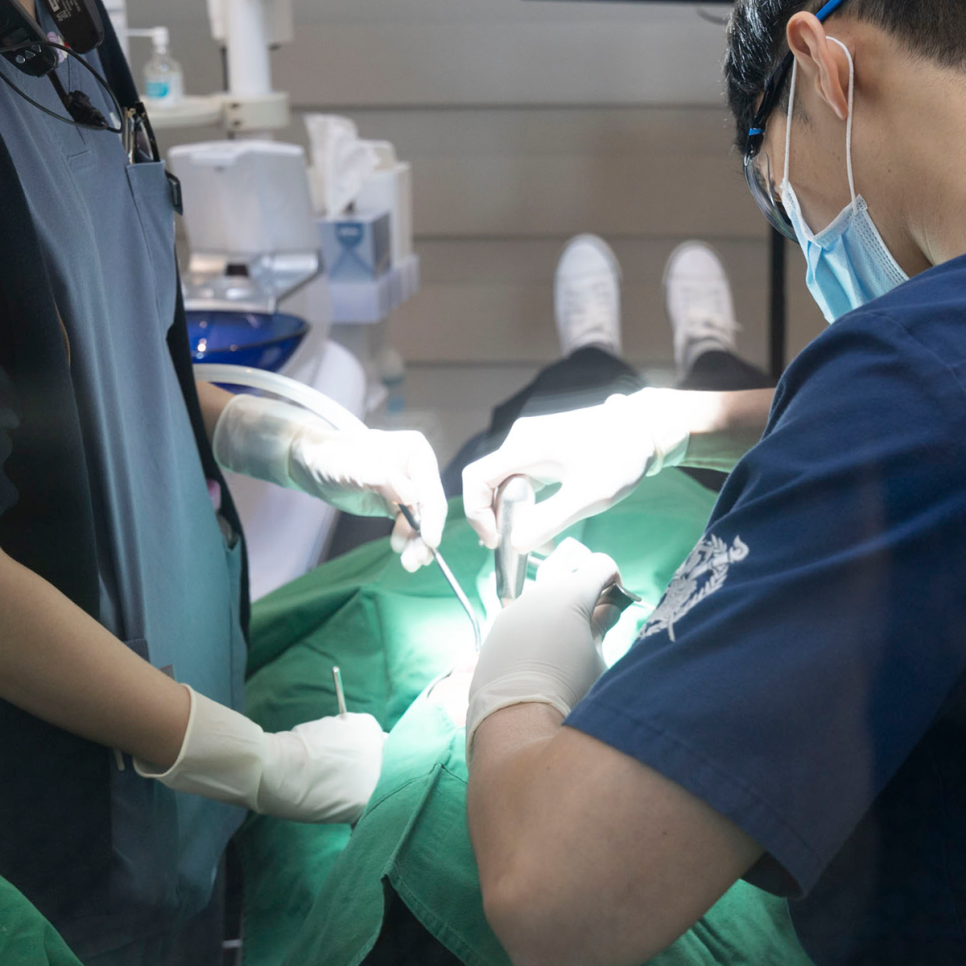
Haru Plant Dental Clinic carefully manages the entire implant process, from extraction to placement.
Through thorough consultation before treatment, we discuss together the most appropriate timing and method of treatment for the patient,
and after extraction, the medical team regularly checks the condition of the jawbone, whether there is inflammation, and whether there is pain.
In addition, to ensure that patients can visit and receive care whenever needed for diagnosis and checkups,
we operate a seven-day-a-week treatment system, from Monday to Sunday, and also offer evening appointments for busy office workers.
Today, we learned about implant blood clots and implant scabs.
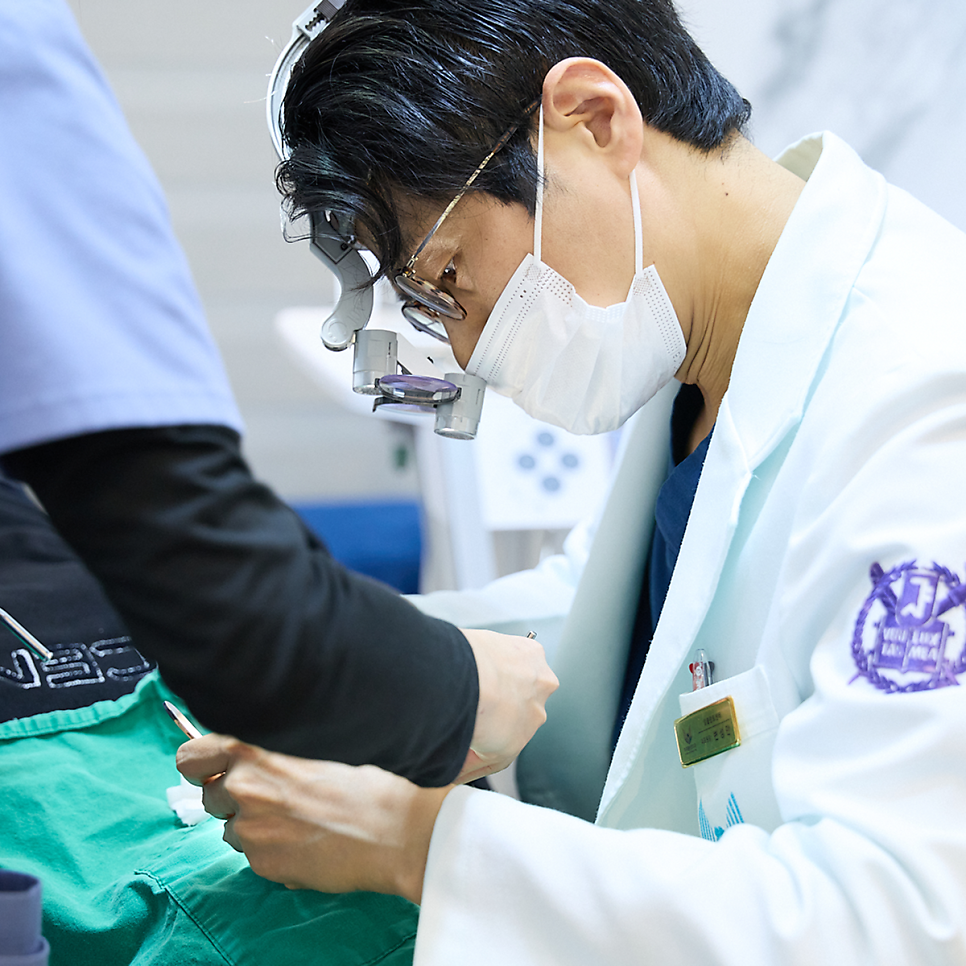
Teeth are delicate tissue, so even small abnormalities or pain during treatment should not be ignored.
Haru Plant Dental Clinic carefully manages the entire treatment process, from the initial visit to implant placement.
Instead of thinking, “It’ll probably be fine...,” we provide treatment that does not miss even small abnormalities.
That is the foundation of implant care that Haru Plant Dental Clinic strives for.
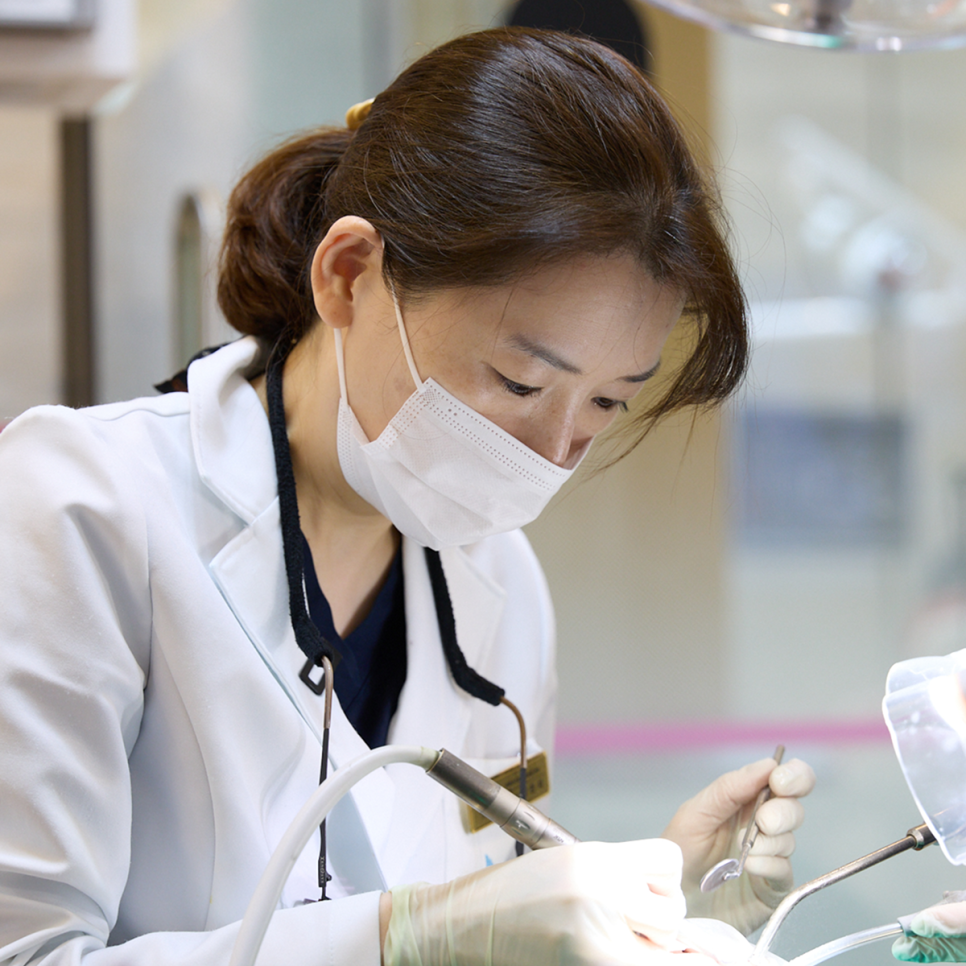
Haru Plant Dental Clinic is always listening to our patients.
If you have any questions about implants, please feel free to contact us anytime.
We will help make your day brighter and filled with smiles.
