Hello.
This is Haru Plant Dental Clinic, where comfortable daily life starts with Haru.
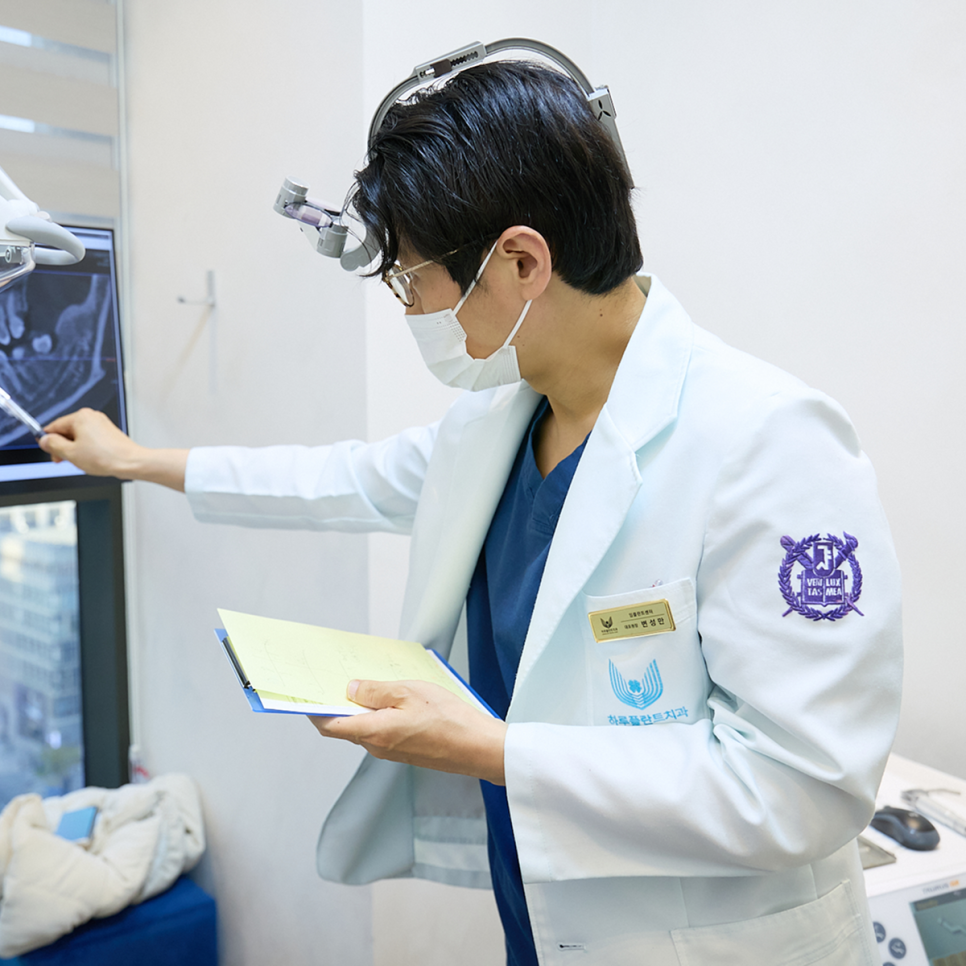
When you lose a tooth, the inconveniences in daily life begin to show little by little.
It becomes harder to enjoy meals as comfortably as before, and naturally speaking with others
or even smiling in front of people can become awkward and uncomfortable more often.
Therefore, missing teeth can negatively affect not only nutritional issues caused by not being able to eat, but also psychological factors such as interpersonal relationships and self-confidence.
But did you know that tooth loss is also closely related to dementia?
In fact, through numerous research findings, it has been proven that older patients who have lost teeth and are unable to chew food have an increased risk of developing dementia.
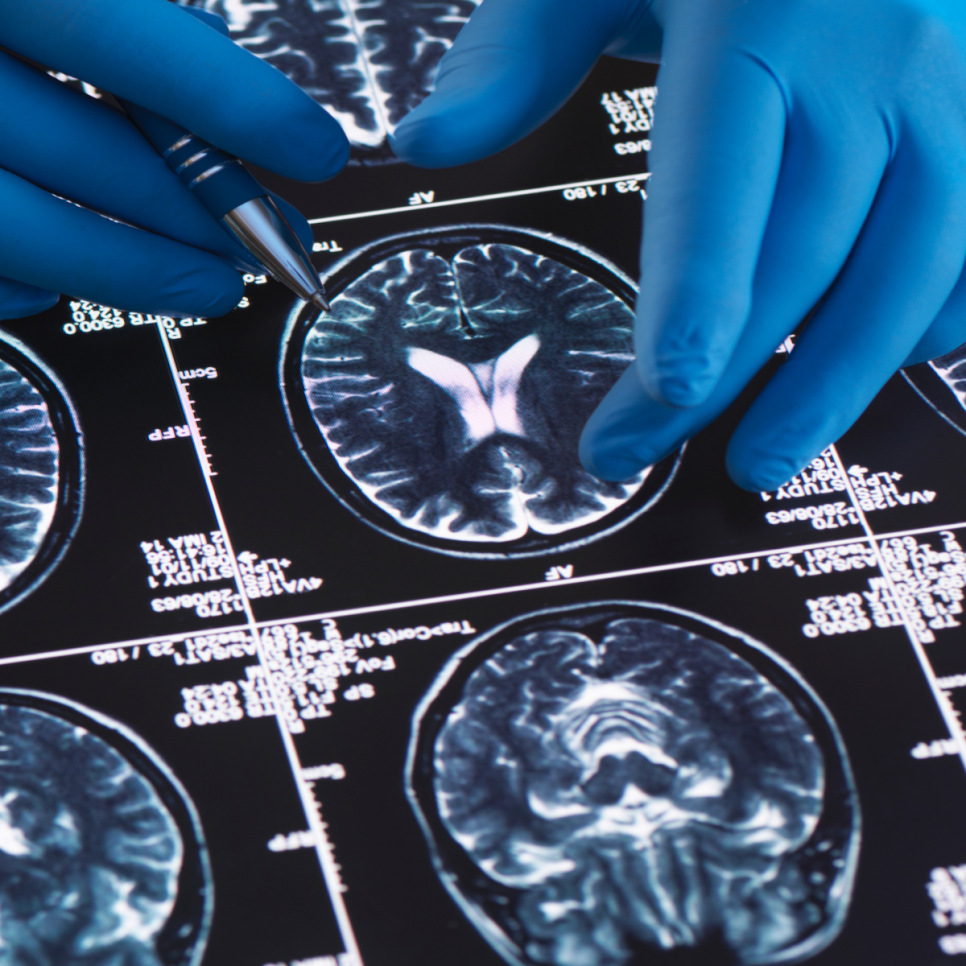
As chewing ability declines, the brain’s learning ability and memory also decrease, and nutrients cannot be properly supplied because meals are not eaten well. In addition, if residue that is not well broken down accumulates in the gums and elsewhere, causing periodontitis, the central nervous system may be damaged, increasing the risk of dementia.
However, tooth loss itself does not immediately raise the risk of dementia.
What matters is how well the tooth’s original function is being used.
In other words, the more important issue than simple tooth loss is the secondary physical changes that can occur when missing teeth are left untreated for a long time. According to research, if the empty space left after a tooth extraction is left unattended for a long period without any treatment, blood flow in the brain gradually decreases, and there have also been findings that this can lead to early signs of dementia, such as declines in memory and cognitive ability.

So, what is the way to restore chewing function in cases of tooth loss?
Today, let’s take a detailed look at the effects of implants in preventing dementia.
Brain health up by restoring chewing power!
The dementia-prevention effect of implants depends on restoring the chewing function of missing teeth.
Implants are artificial teeth fixed into the jawbone, and they are not just similar in appearance; they are a treatment that restores chewing function so you can once again chew hard and chewy foods.

As chewing function becomes more active, you can regain nutrients more evenly, and stimulation also increases, helping activate brain function. In addition, repeated chewing movements cause a substance called proline-rich protein to be secreted from the parotid gland, which has a positive effect.
This proline-rich protein is known as a bioactive substance related to anti-aging, and it is said to help slow cellular aging and play a positive role in strengthening immunity. Therefore, implant-based dementia prevention is an important point because it restores chewing function while also helping brain activity.
The dementia-prevention effect of implants should not overlook the psychological aspect either. Many people feel significant stress about changes in appearance after losing teeth, become uncomfortable with conversation itself, or avoid smiling, which reduces social activity and can lead to social withdrawal.

If these changes continue over the long term, feelings of depression can deepen, and cognitive function can decline, so the possibility of leading to dementia cannot be ruled out. However, when aesthetics are restored through implants, a natural appearance and easier speaking become possible, which can lead to a return to social activities.
These changes do not directly treat or prevent dementia, but they become indirect factors that can positively affect brain health through emotional stability and improved quality of life.
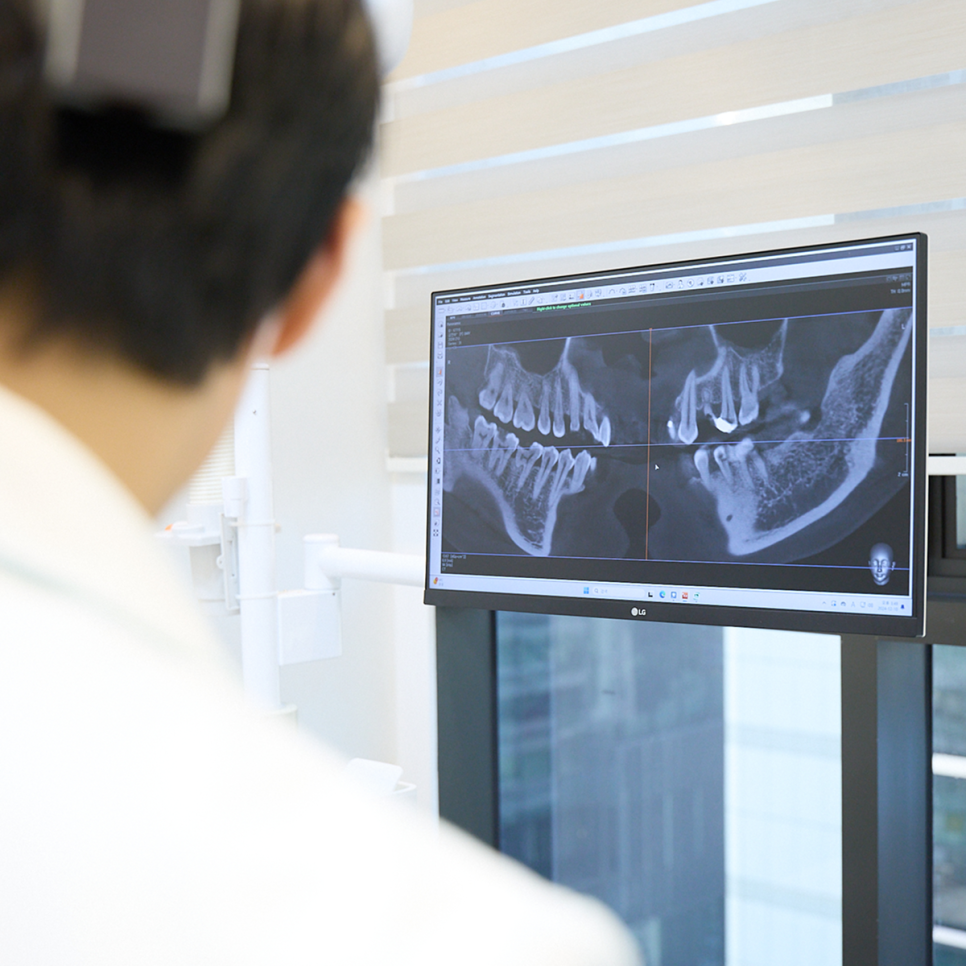
In the end, implants are not simply about filling in missing teeth, but can be seen as a treatment that brings positive changes to overall physical and mental health. If you are experiencing discomfort and a drop in confidence due to tooth loss, it is important to restore chewing function as soon as possible.
Today, we looked together at implant-based dementia prevention.
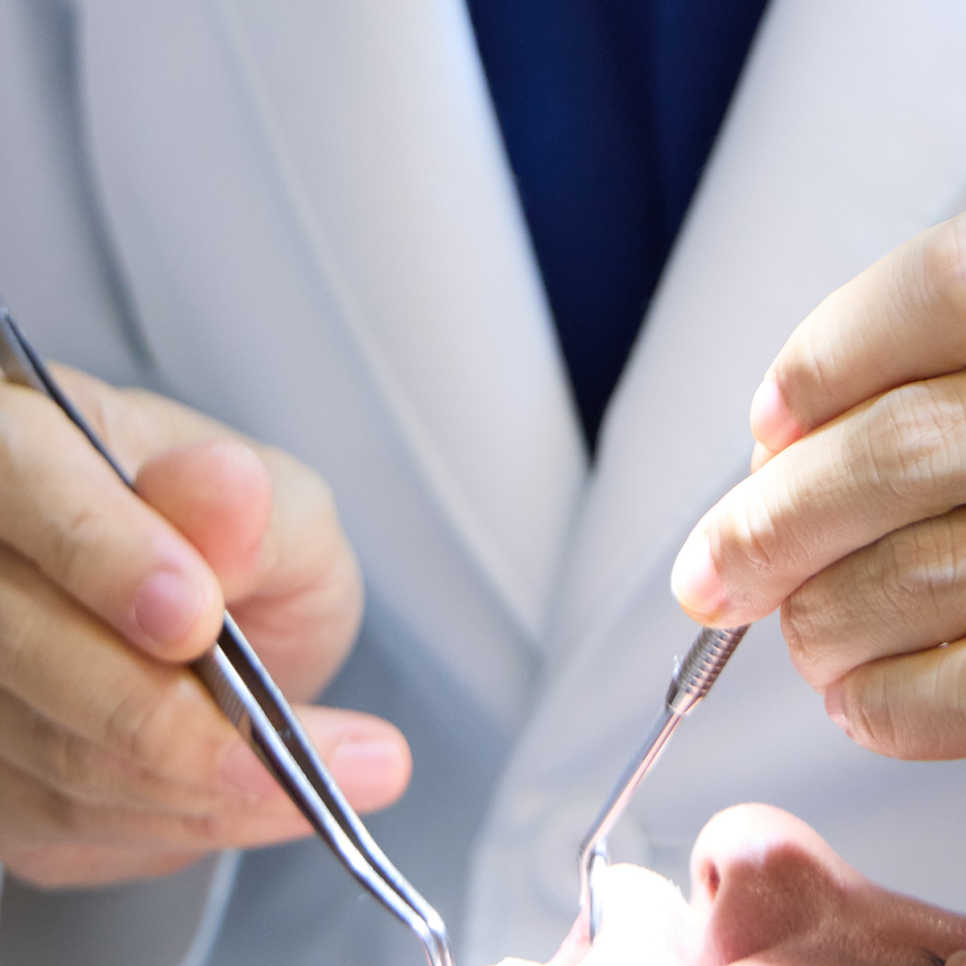
Teeth are an important part of the body connected not only to our overall health but also to our quality of life.
In particular, as we age, the role of teeth becomes even more important, and many studies have shown that when chewing function declines, it can also affect brain health.
Rather than viewing tooth loss only as a cosmetic change or eating inconvenience, it is important to see it from the perspective of long-term health management. If you have already lost a tooth, recovering it as soon as possible can be the first step not only toward improving quality of life but also toward preventing dementia.
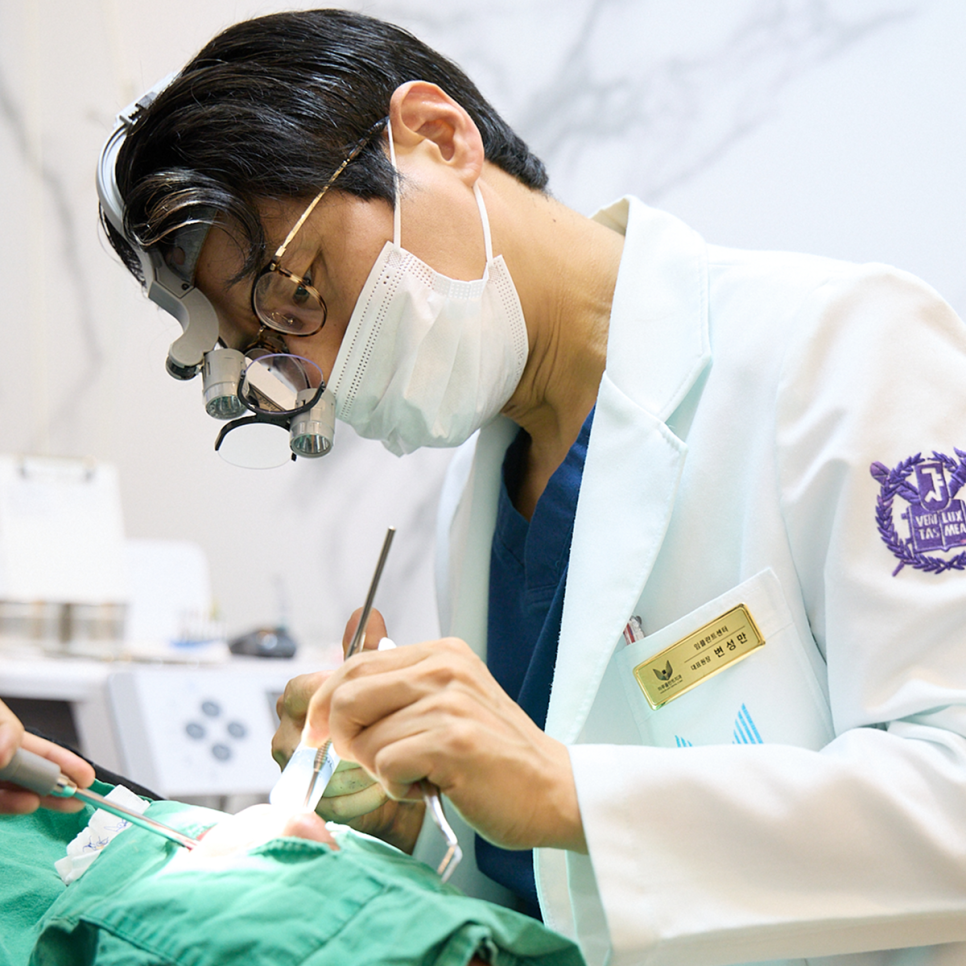
Based on extensive clinical experience, Haru Plant Dental Clinic carries out precise diagnoses and customized treatment plans tailored to each individual’s oral condition, and provides careful treatment for safer care and more satisfying results. Protect your precious teeth and life with Haru Plant Dental Clinic.
