Hello.
Haruplant Dental Clinic is your comfortable everyday start from the very beginning of the day.
Have you ever experienced tooth sensitivity and pain whenever cold wind blows?
These symptoms may be a sign of what is commonly called advanced gum disease, or periodontal disease.
The correct medical term for advanced gum disease is periodontal disease, a serious condition in which the jawbone and surrounding tissues are inflamed,
melting away and, in the end, can lead to the loss of natural teeth.

However, when teeth begin to loosen due to periodontal disease, some people often think it is fine to simply extract them
and replace them with implants.
This is a mistaken misunderstanding. Periodontal-disease implants require a specialized approach that is separate from ordinary tooth loss. Today, for those considering implants because of periodontal disease, we will provide detailed information on what you should know.
- Causes of Periodontal Disease and Step-by-Step Solutions
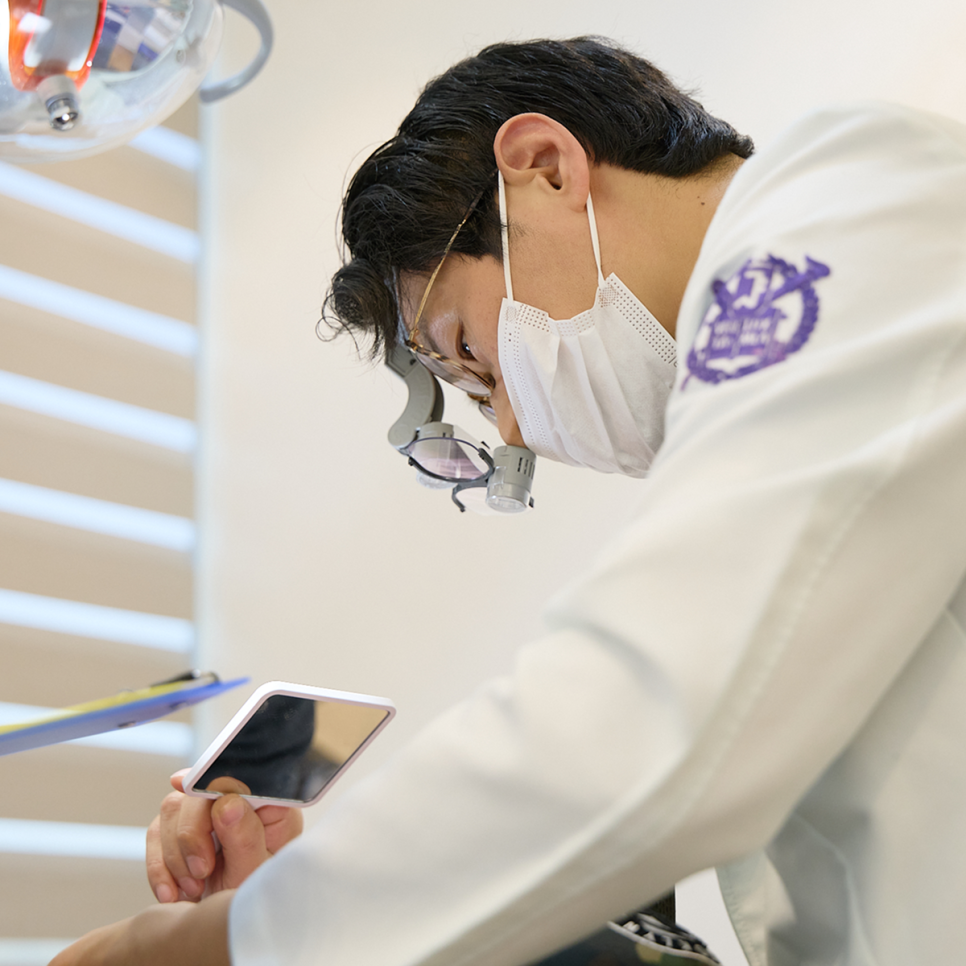
Periodontal disease, commonly called advanced gum disease, occurs when inflammation develops in the surrounding tissues, including the jawbone,
causing pain and swelling and eventually leading to tooth loss.
This condition can largely be divided into two stages: gingivitis and periodontitis.
First, gingivitis is the early stage in which inflammation is limited to the gum margin.
At this stage, the gums swell and bleed without pain or discomfort, and basic care such as scaling or taking medication can be enough for recovery.
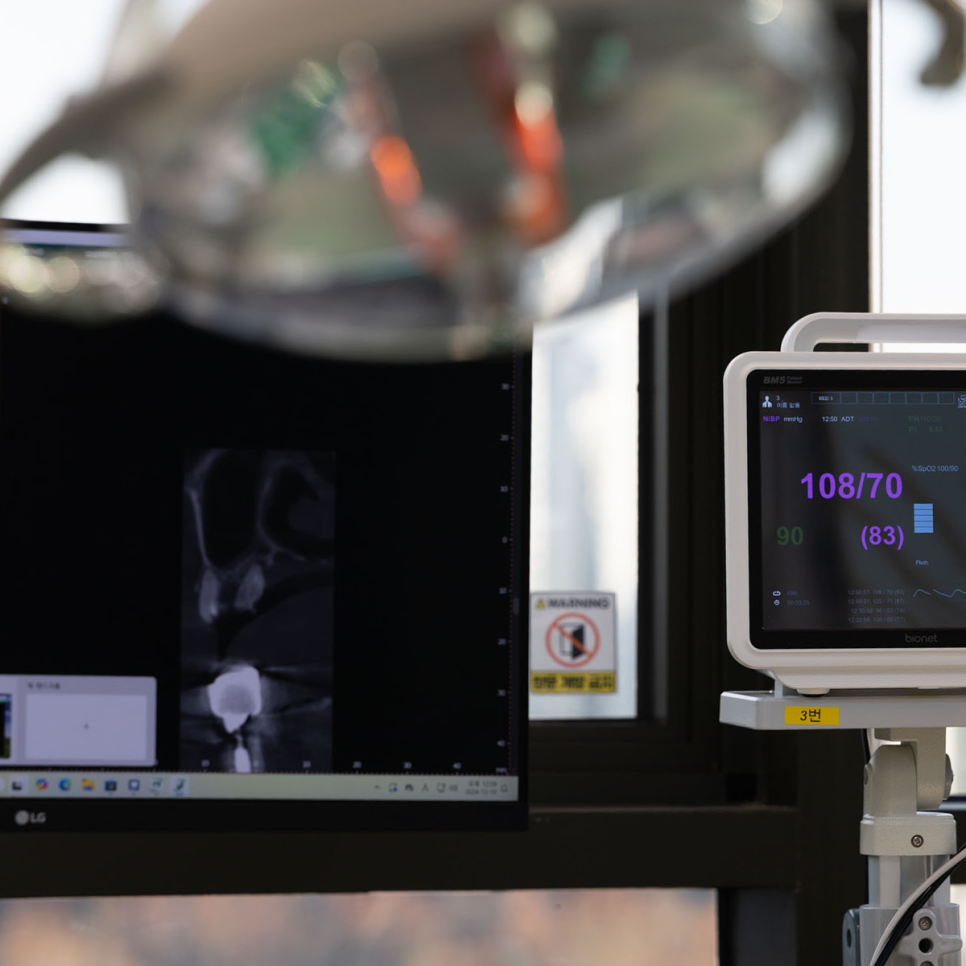
However, once the inflammation progresses to the jawbone, it enters the periodontitis stage. From this point on,
the jawbone begins to deteriorate and can no longer firmly support the teeth, increasing the risk of tooth mobility
and eventually loss. In particular, if implants are placed immediately when periodontitis is severe,
the lack of jawbone reduces fixation and increases the risk of failure.
Therefore, before placing periodontal-disease implants, it is important to first remove the inflammation, carefully check the condition of the jawbone,
and then establish a treatment plan suited to those findings.
- Preparation and Methods Before Periodontal-Disease Implant Placement
Periodontal-disease implants are treated with different methods depending on the degree of disease progression.
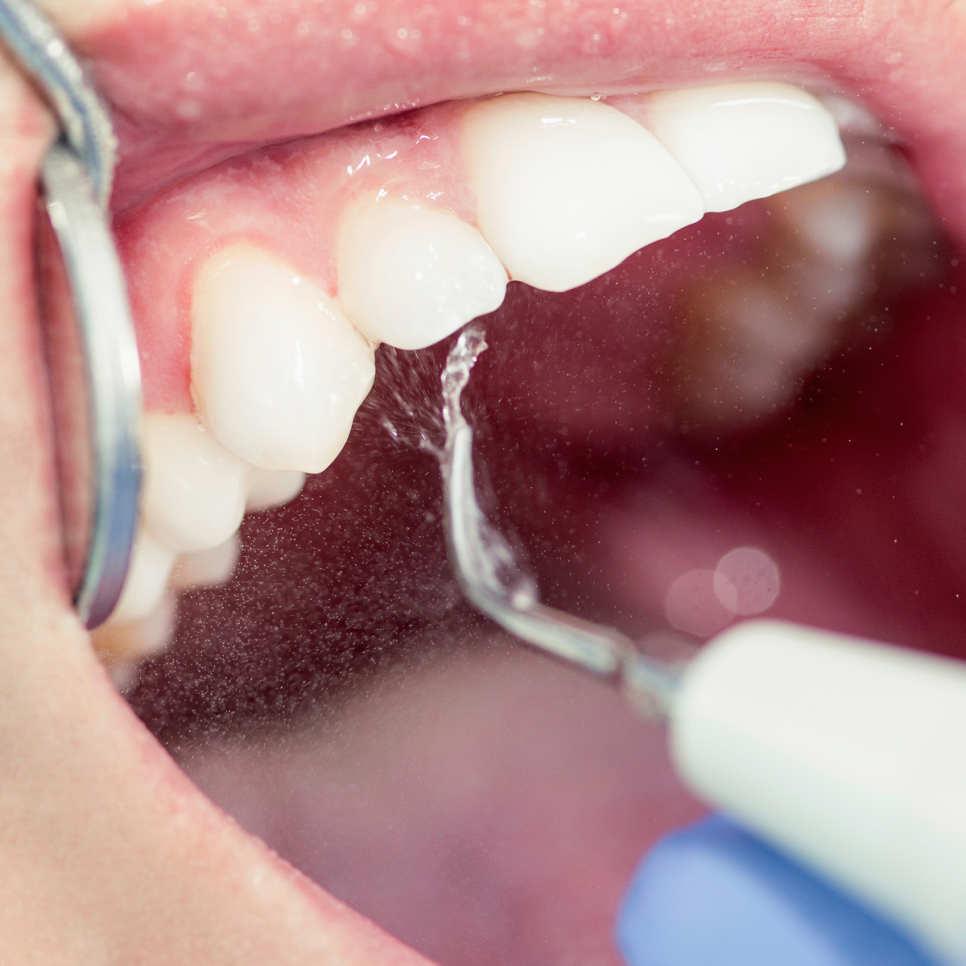
The most basic step is scaling. This is the process of thoroughly removing tartar, plaque, and food debris
to eliminate the cause of gum inflammation. If the symptoms have not progressed severely,
improvement can often be achieved quickly with scaling alone.
If the inflammation spreads to the jawbone and tooth roots, a more delicate approach is needed.
Surgical methods such as root planing, which removes the bacterial film attached to the tooth and root surface, or periodontal flap surgery,
which directly removes inflamed tissue inside the gums, may be used.
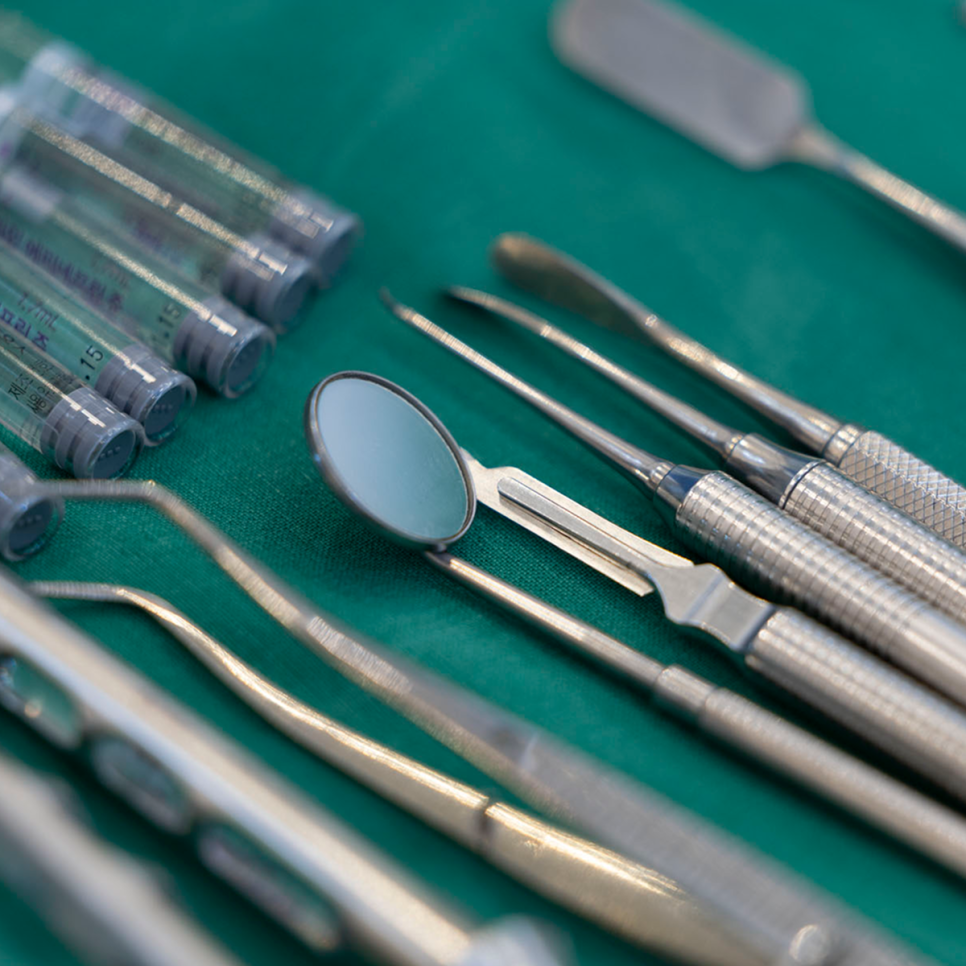
However, even after removing the inflammation, the implant is not placed immediately.
If prolonged inflammation has caused significant loss of jawbone, a bone graft must be performed first to secure sufficient
bone thickness and density before implant placement becomes possible.
Because implants must be firmly anchored in the jawbone, insufficient bone naturally reduces implant stability
and increases the risk of failure. Therefore, if you are considering periodontal-disease implants,
securing enough bone is the key to successful treatment.
- What Matters Most Is Establishing an Accurate Treatment Plan
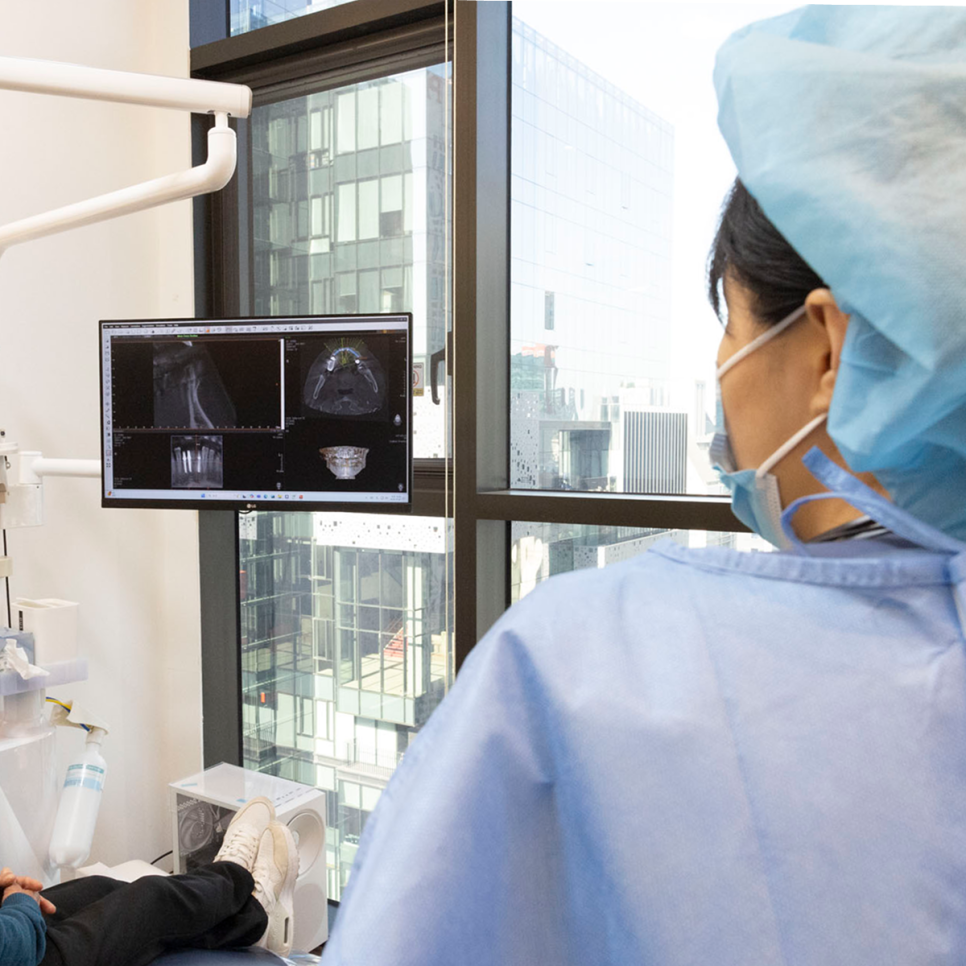
Because periodontal-disease implant treatment is performed in a state where the jawbone has been weakened by inflammation,
it requires much more delicate work than ordinary implants. Therefore, more precise diagnosis and
a one-to-one customized plan by an experienced medical team are necessary for successful treatment.
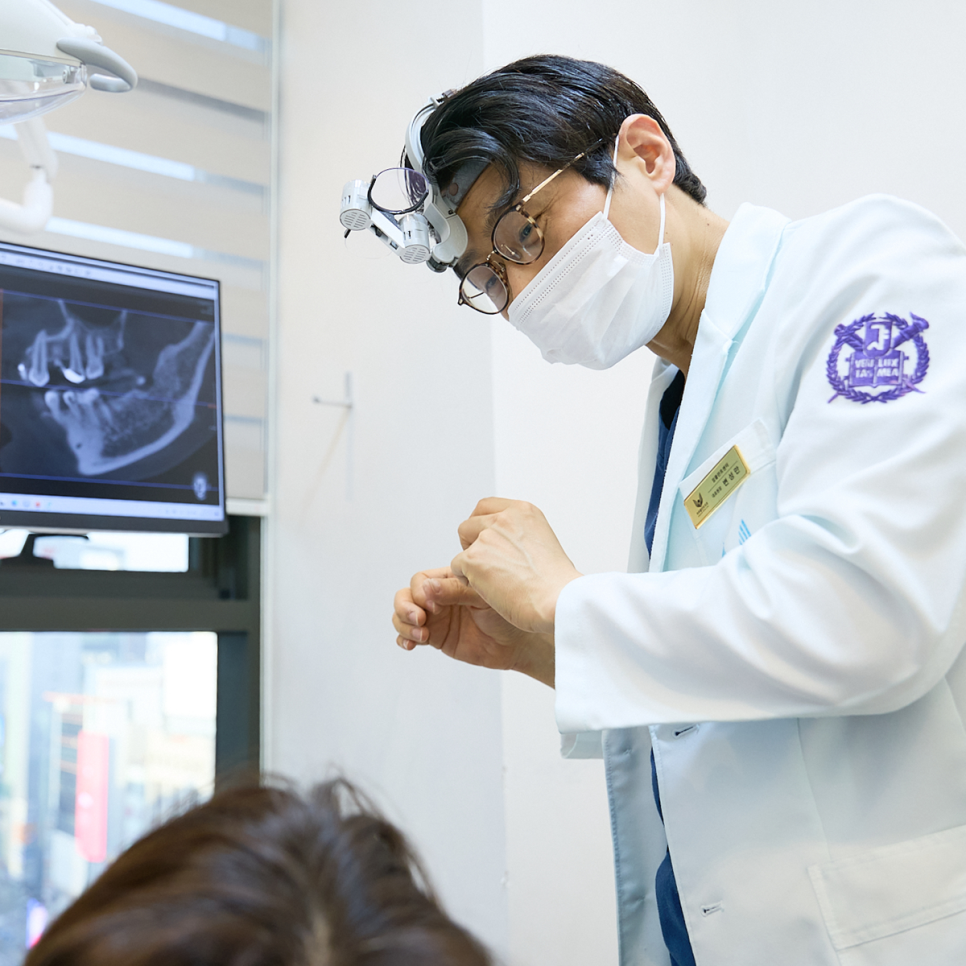
At Haruplant Dental Clinic, the clinic director, a graduate of Seoul National University with 25 years of clinical experience, personally establishes the treatment plan,
and through a collaborative system with specialized medical staff and precise diagnosis using advanced digital equipment,
provides one-to-one customized treatment that considers each individual’s anatomical characteristics.
In particular, unlike a simple implant procedure, periodontal-disease implants can only succeed when inflammation treatment, bone regeneration, precise placement,
and thorough aftercare all come together. Thoroughly carrying out each of these steps is the way to use implants stably for a long time.
Today, we looked in detail at periodontal-disease implants.
Even if a tooth falls out because of periodontal disease and an implant is placed in the empty space, that does not mean the treatment is completely finished
or that all problems have been resolved. If the jawbone has been weakened by periodontal disease, there is a high possibility that additional problems may recur.
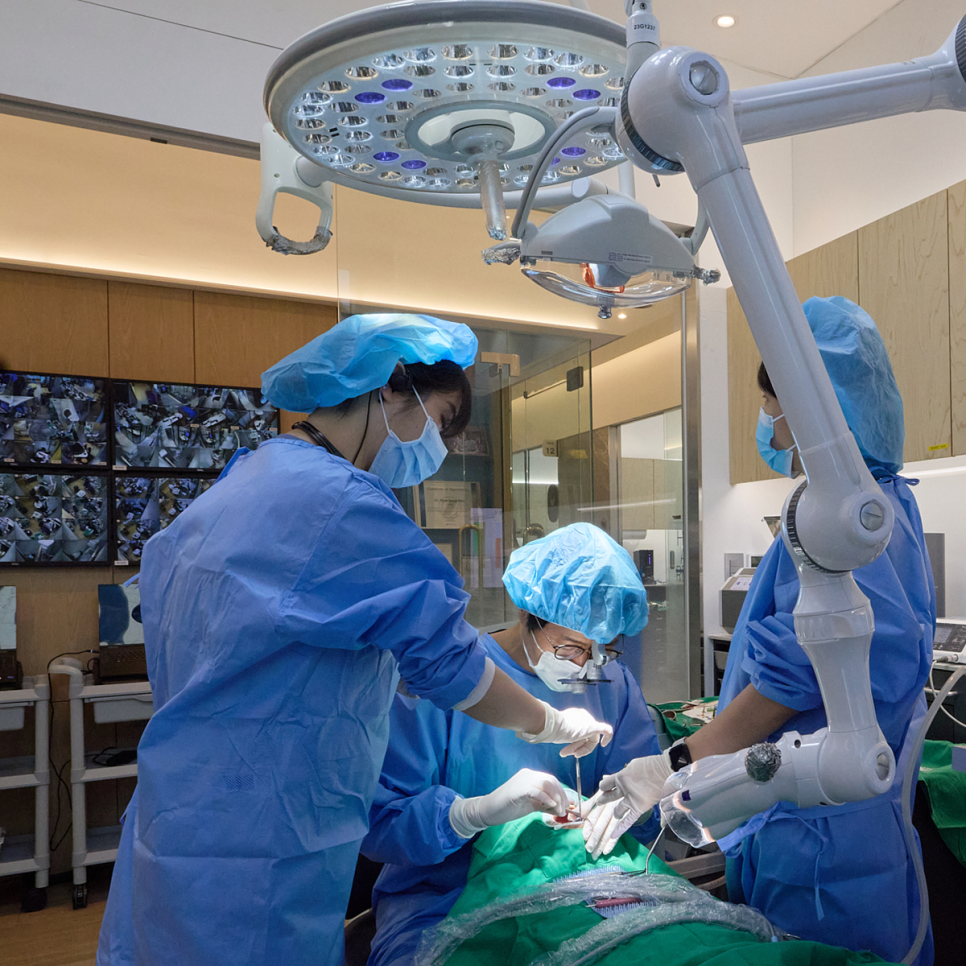
Therefore, for periodontal-disease implants, it is most important to carefully check the condition of the jawbone before and after placement.
Because jawbone weakened by periodontal disease can become inflamed again over time, a long-term management plan must be established.
For this, careful review by medical staff who can continue to monitor the condition responsibly in the future is absolutely necessary.
Find your treatment solution through professional consultation at Haruplant Dental Clinic.
If you have any questions about periodontal-disease implants, please feel free to contact us at any time.
We promise excellent treatment experiences through personalized one-to-one care.
