Hello.
Haru Plant Dental Clinic, where your comfortable daily life begins with Haru.
For those who have frequently experienced inconvenience in daily life after losing teeth,
it is natural to want their implants to last for a long time after treatment.
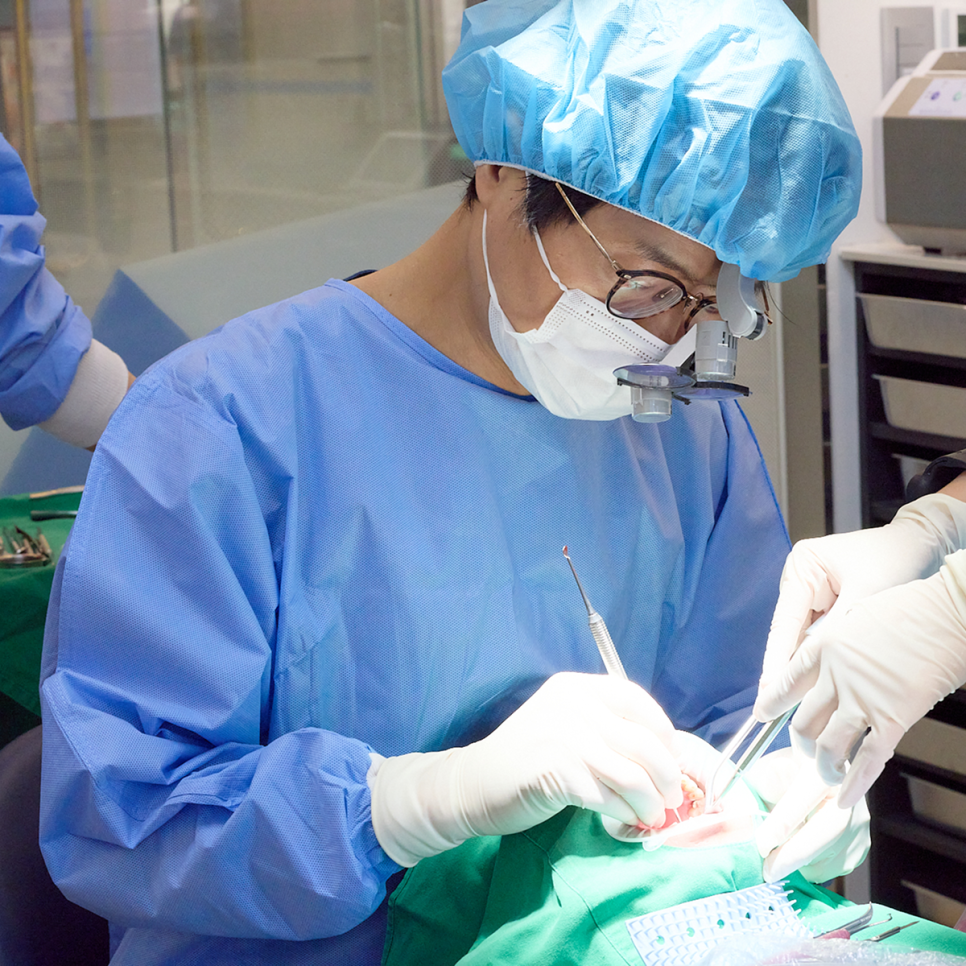
In fact, because implants are made of materials and have strength similar to natural teeth,
if they are well maintained, they can be used for a long time, just like natural teeth.
The average lifespan of implants is generally known to be about 10 to 15 years,
but this is only an average figure. Many cases last more than 20 years or
are maintained semi-permanently without major abnormalities or problems.
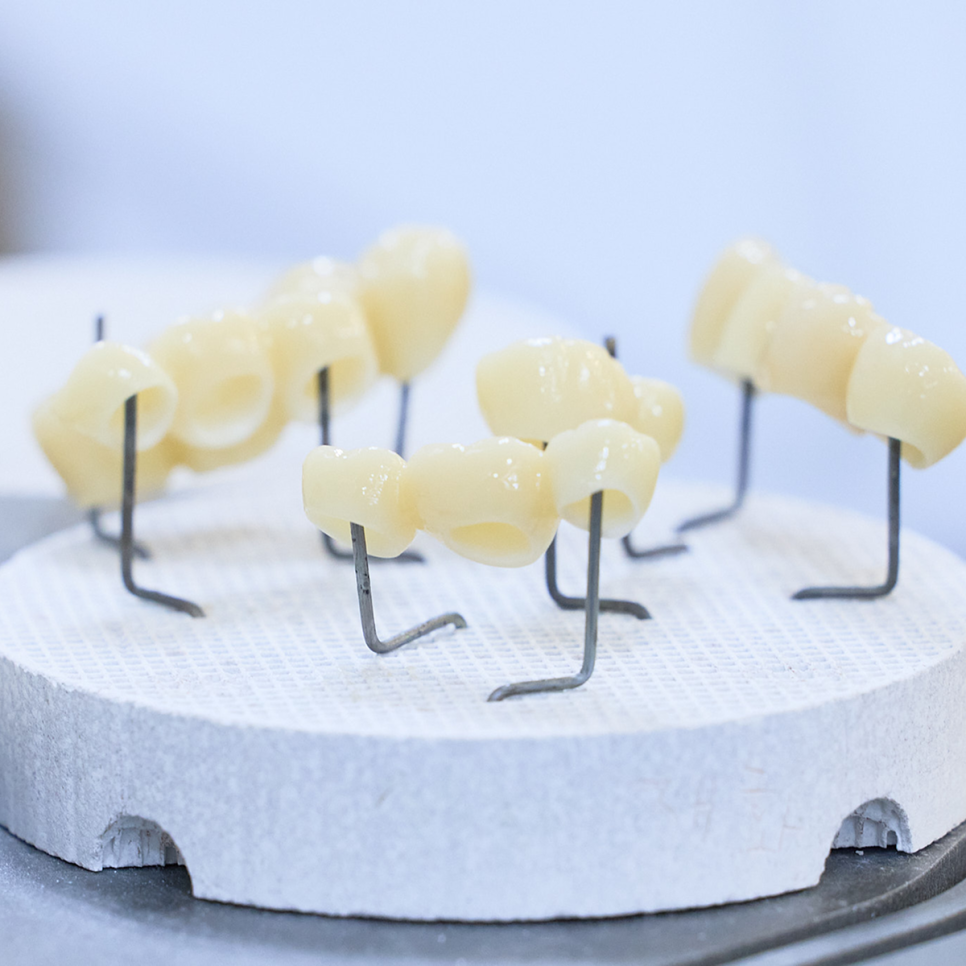
As many people want to use their implants for as long as possible,
today we will look at several factors that affect implant lifespan.
- Thorough oral hygiene habits
Some people think that because implants are made of a material that does not decay from cavities,
they require less hygiene care than natural teeth.
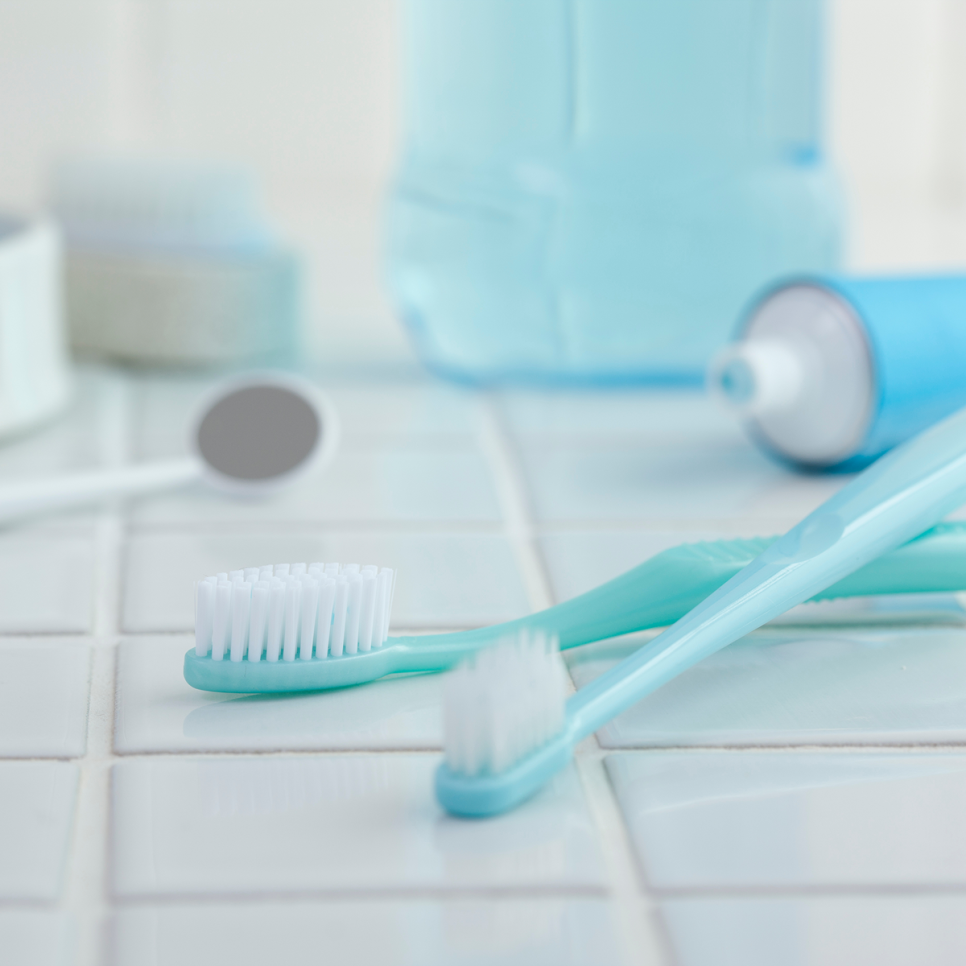
However, this is a very dangerous misconception. Implants definitely do not decay,
but that does not mean you can neglect oral hygiene. In fact,
in addition to brushing, you should manage them even more thoroughly by using mouthwash and interdental brushes.
Natural teeth have resistance that can fend off bacteria and viruses on their own,
but implants are artificial, so they cannot defend against these attacks.
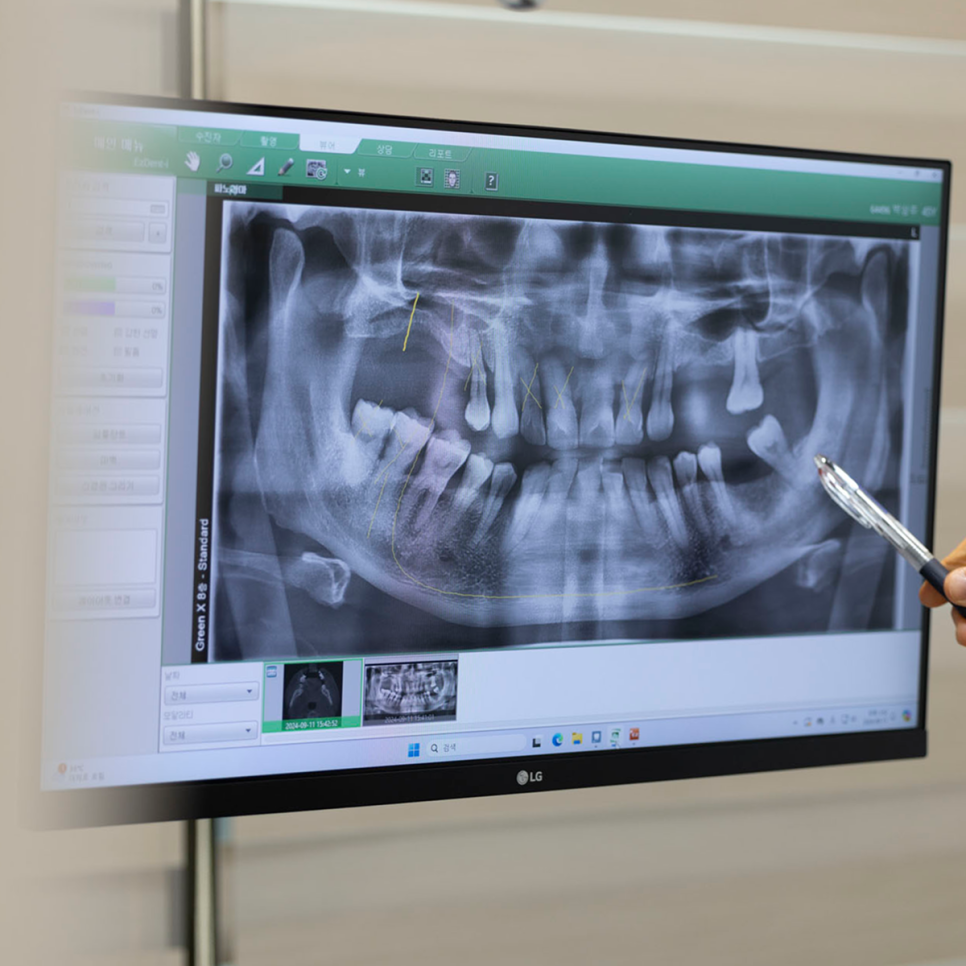
As a result, inflammation can spread easily and worsen into peri-implantitis.
In some cases, it can even develop into a serious situation that requires reoperation.
Therefore, in order to keep implant lifespan healthy for as long as possible,
even more thorough and careful oral hygiene management is needed than before.
- Avoid smoking and drinking

Frequent smoking and drinking habits can have a fatal impact on gum health.
Especially after treatment, they can interfere with inflammation recovery and slow the healing process,
negatively affect the bonding to the jawbone, and reduce implant lifespan.

Harmful substances including nicotine in cigarettes reduce blood flow, interfering with gum regeneration,
and alcohol, when consumed excessively, lowers the body's immune function, increasing the risk
of bacterial infection and further raising the likelihood of inflammation.
For these reasons, to extend implant lifespan and maintain stable results,
it is very important to avoid smoking and drinking after treatment. In addition, even after treatment,
we strongly recommend continuing to refrain from smoking and drinking for oral health.
- Securing strong jawbone support
Because implants are structured to be firmly fixed in the jawbone to secure support,
the condition of the jawbone has a major impact on the success of treatment and implant lifespan.
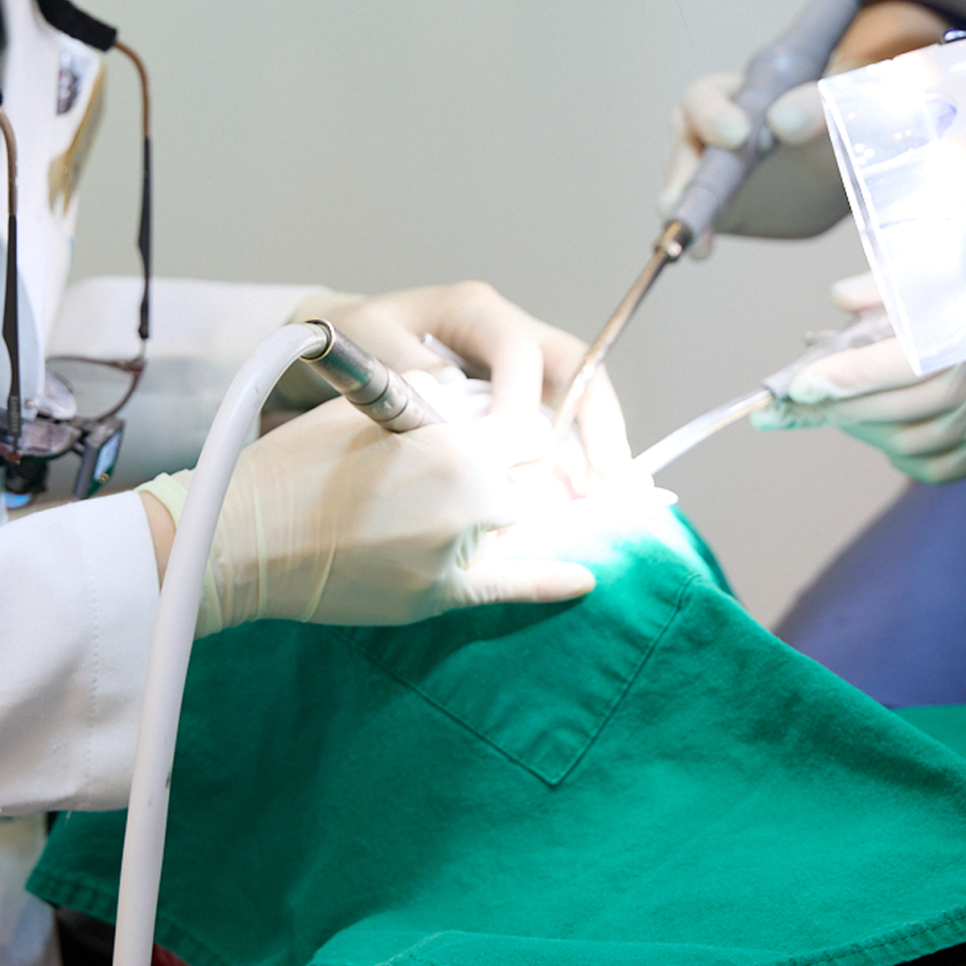
If the jawbone is strong and healthy, the implant can also be maintained stably, but on the other hand,
if the jawbone has been damaged by cavities or inflammation, or has been left for a long time after extraction and resorbed,
the fixation strength weakens. The same applies when the natural jawbone is thin.
In situations like these where the jawbone is unfavorable for implant lifespan, supplementary
treatments such as bone grafting may be necessary, and this becomes an important factor that determines implant lifespan.
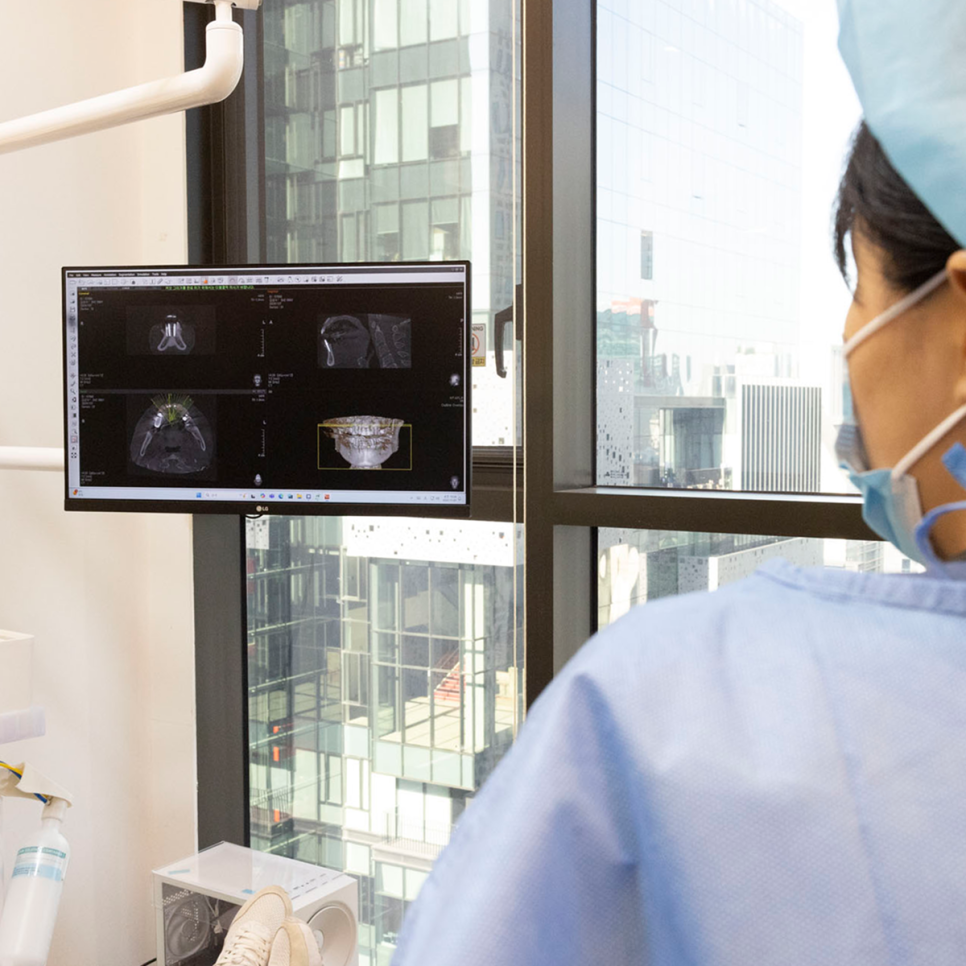
Ultimately, even if the same implant is placed, the outcome can vary greatly depending on the quality and quantity of bone,
so it is important to accurately understand the condition of the jawbone through a precise examination in advance and
afford implant lifespan and stability as much as possible through proper response.
- Stable osseointegration during the recovery period
Implant treatment does not end simply because placement went well. Since implant lifespan is secured only when
it bonds well with the jawbone, this recovery process is important.
At this time, hygiene management during the recovery period is key. As mentioned earlier, maintaining cleanliness
and refraining from drinking and smoking helps the bonding with the jawbone proceed smoothly.
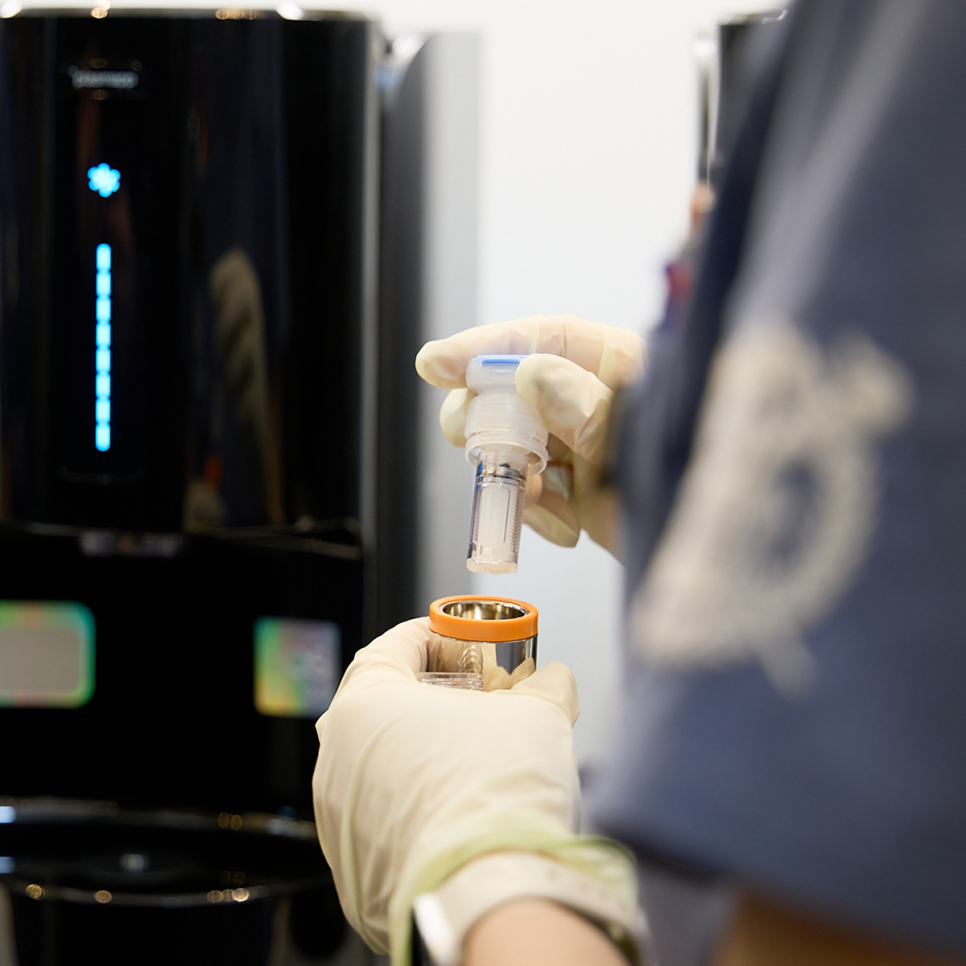
However, beyond this kind of care, there is a technology that can more effectively help improve implant lifespan.
It is a plasma implant, which applies plasma to the implant surface.
A plasma implant removes hydrocarbons from the implant surface and increases its hydrophilicity,
activating the surface so it can bond quickly and strongly with the jawbone.
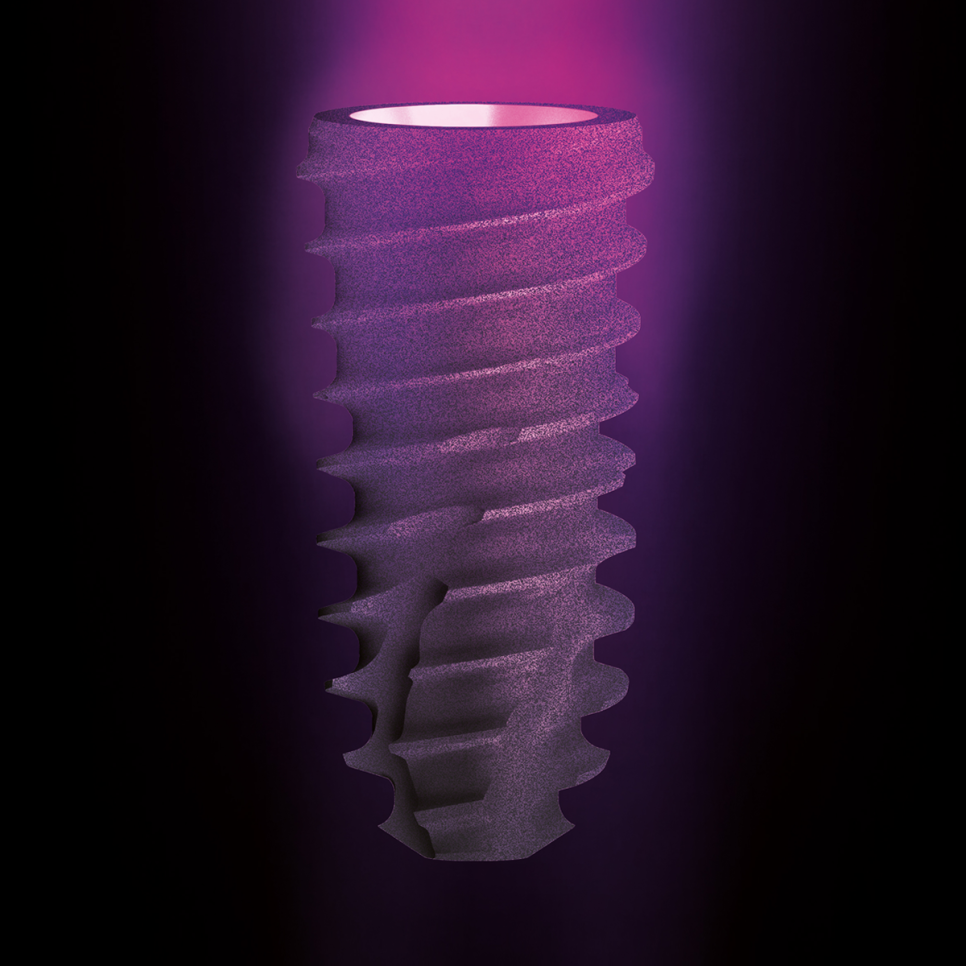
When the fusion speed with the jawbone increases, it becomes less affected by external interfering factors,
and fixation strength can be secured more quickly, naturally increasing the implant's lifespan as well.
Because plasma implants use advanced technology, having a systematic system in place is above all important
in order to make effective use of them.
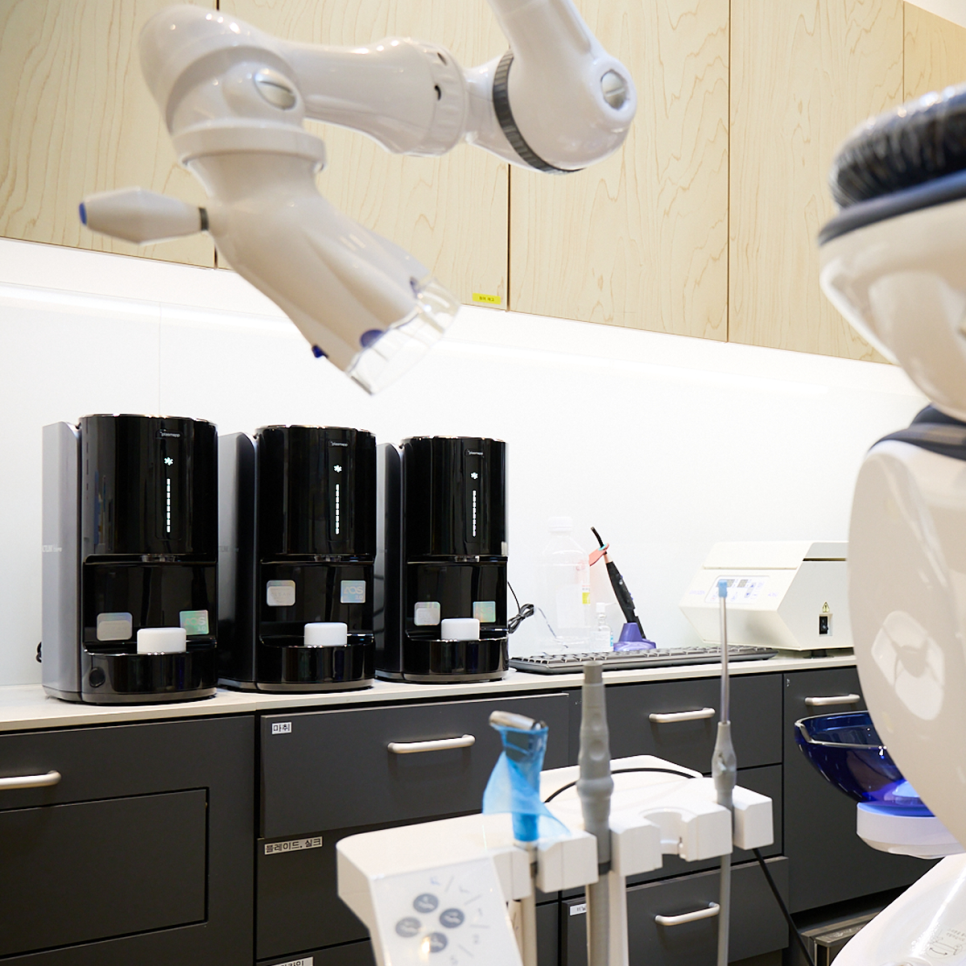
At Haru Plant Dental Clinic, for the efficient use of plasma implants, a total of 40 surface treatment units,
the world's largest scale, are placed in all treatment rooms, making immediate plasma treatment possible.
As a specialized plasma hospital, Haru Plant Dental Clinic practices strict quality control to provide uniform and stable
plasma implants. Through a professionally equipped plasma system, shorten the implant recovery period
and experience a more satisfying treatment.
